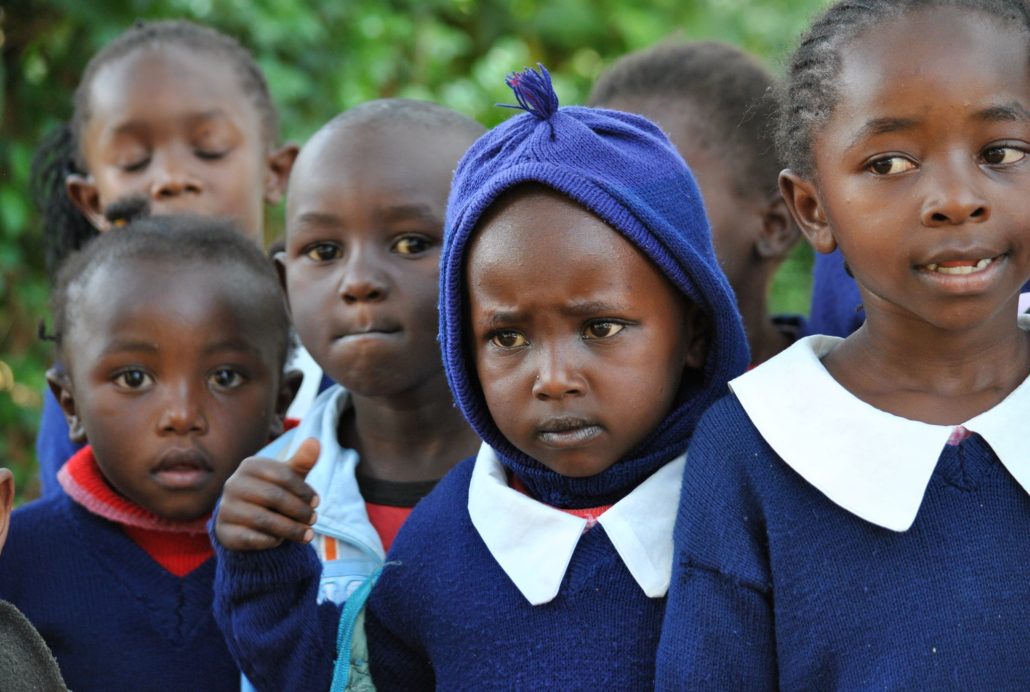
Charitable organizations and the Kenyan government have long recognized child poverty as a dire issue. Due to this recognition, Kenyan child poverty rates have steadily reduced since 2008. Meanwhile, governmental policies and constitutional highlights, along with funding and research headed by establishments like UNICEF, have improved the lives of countless children within Kenyan communities. UNICEF has conducted extensive research on the main causes of child poverty in Kenya. Its hope is that this research will be a basis for child poverty reduction progress. Here are some of the main contributors that UNICEF identifies as factors relating to child poverty rates in Kenya.
4 Major Definers of Child Poverty in Kenya
- Poor Sanitation: Children living in Kenya often do not have access to proper plumbing facilities. In fact, more than half of individuals younger than 18 still lack this basic resource.
- Lack of Clean Water: Children, especially those living in rural areas, lack access to water that is clean enough to drink. There are also many schools throughout Kenya that do not have drinking water for their students, which creates a high health risk.
- Lack of Education: Around 25% of the children living in Kenya have not been able to gain a decent education as of 2014. Along with this, many children who were attending school were registered at the wrong learning level.
- Insufficient Housing: Many children in Kenya live in housing that has no insulation or ventilation. Lack of ventilation, in particular, can lead to harmful indoor air pollution as a result of inefficient cooking utilities.
The Basic Education Act
The government of Kenya has taken many efforts to help with the eradication of child poverty over the years. The 2010 Kenyan Constitution made a point to emphasize that children have the right to basic needs, including shelter, health care and food. It further states that children should have access to free education at the basic level. Since 2010, the Kenyan government-endorsed programs along with the passing of the Basic Education Act in 2013, ensured that educational equality truly occurs within the country. Due to this emphasis, the number of educated children rose by 11% by the year 2014.
The Food and Nutrition Policy
In 2011, the Food and Nutrition Policy emerged in Kenya with the objective of creating food equity for all citizens. This policy has helped improve food access within the country by making it more abundant and making sure that Kenyan citizens receive education about proper food consumption. For infants, the nutrition policy targeted the reduction of women’s workloads so that they could be more available to breastfeed their children. Companies began vigorously marketing breast milk substitutes because of this policy. For children in school, the 2011 policy ensured that government-run educational facilities provided meals during school days. This policy also established programs for young women in need of nutrient supplementation before pregnancy.
Kenya’s National Nutrition Action Plan
Kenya’s National Nutrition Action Plan occurred from 2012 to 2017. This plan focused on the education of governmental policymakers by emphasizing the correlation between food security and the many factors that contribute to child poverty in Kenya. It also highlighted nutrition as a fundamental and constitutional human right.
One key initiative that the National Nutrition Plan promoted was awareness of the benefits of lobbying for greater nutritional funding. This plan included 11 key elements, all of which highlighted the improvement of nutritional status and education on proper nutrition for women and children in Kenya. This plan further ensured that each of its key elements received implementation and support through various agencies, with government planning and budgeting processes accounting for each agency. A result of these implemented strategies included a raise from 39% to 67% of children eating three or more food groups in a day.
Save the Children’s Efforts
Save the Children is a program that has worked toward the direct relief of child poverty in Kenya since 1950. Along with a variety of resources providing services, the organization has worked to establish and grow women and youth programs in Kenya. These programs directly improve income within households, job prospects for children’s futures and overall nutrition among children. Save the Children has also worked to help improve livestock conditions. The prosperity of livestock has a large correlation with sustainable incomes for many households in Kenya. These households are then able to provide stability for their developing children.
Sustainable Development Objectives
While much work has already occurred to help solve child poverty in Kenya, organizations like the U.N. are working to fund initiatives that support its 17 Sustainable Development Goals (SDGs) in order to help eradicate all child resource injustices by 2030 and reduce global poverty overall. With ongoing commitments to upholding the rights of children in Kenya, the nation can reduce child poverty.
– Olivia Bay
Photo: Flickr
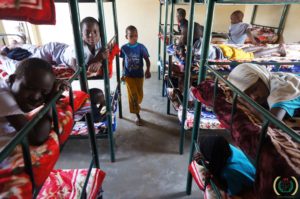 In the midst of COVID-19 sweeping through Uganda, six children at Open Heart Orphanage have died. However, it was not the virus that claimed their lives. The tragic deaths were a result of hunger and fever, collateral effects of the pandemic.
 The United Kingdom is known for being a popular city for tourists with sites, such as Big Ben, the London Eye and Buckingham Palace. However, what may not be as well-known is the fact that the UK struggles with a significant class difference. It has an ever-widening gap between the poor and the affluent, which leads to high rates of poverty in the UK, specifically for children.
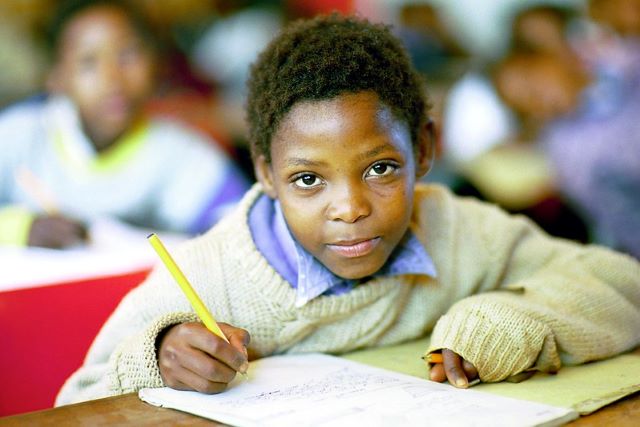 South Africa is a country with 19.6 million children, making up about 35% of its total population of 56.5 million people. Of these 19.6 million children,

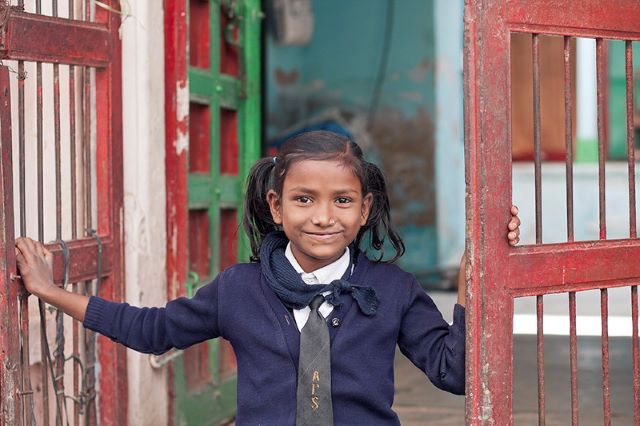 Over 100,000 schools and just as many teachers deliver education in even the most traditionally unreachable, rural parts of India because of one foundation.