• Link to X
  • Link to Facebook
  • Link to Instagram
  • Link to TikTok
  • Link to Youtube
  • About
    • About Us
      • President
      • Board of Directors
      • Board of Advisors
      • Financials
      • Our Methodology
      • Success Tracker
      • Contact
  • Act Now
    • 30 Ways to Help
      • Email Congress
      • Call Congress
      • Volunteer
      • Courses & Certificates
      • Be a Donor
    • Internships
      • In-Office Internships
      • Remote Internships
    • Legislation
      • Politics 101
  • The Blog
  • The Podcast
  • Magazine
  • Donate
  • Click to open the search input field Click to open the search input field Search
  • Menu Menu

Archive for category: Children

Information and stories addressing children.

Child Poverty, Global Poverty

Fighting Child Poverty in Ecuador

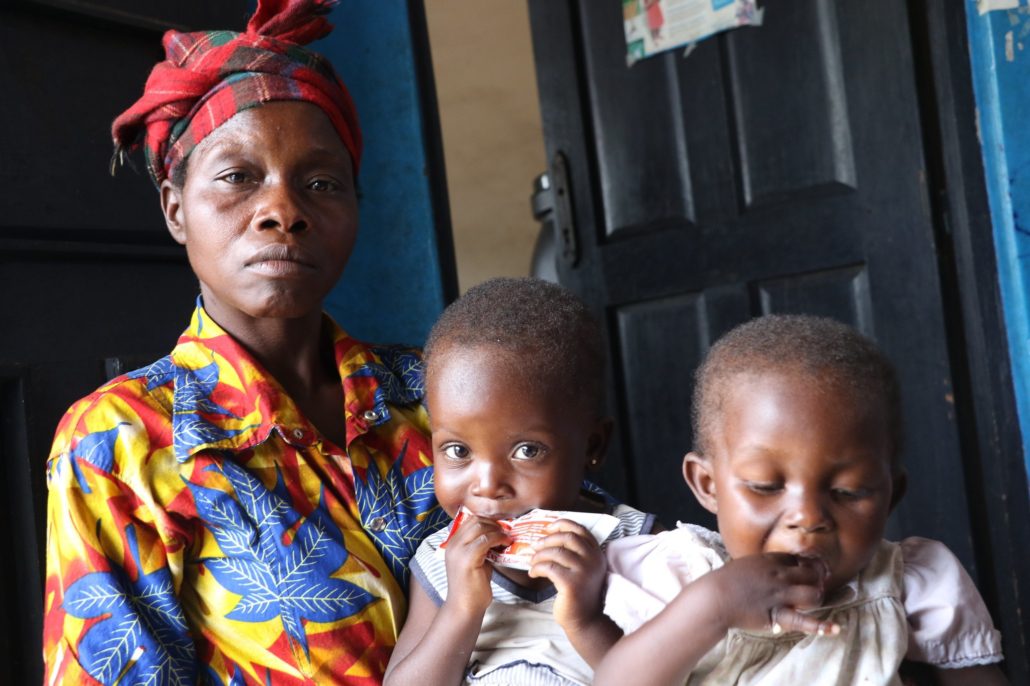
Fighting Child Poverty in EcuadorChild poverty in Ecuador is on the rise in Ecuador, resulting in poorer standards of living and higher rates of child mortality. Efforts from organizations around the world are successfully fighting against this, promoting the health and education of Ecuador’s youth.
Ecuador’s Poverty Rate

Ecuador is a South American country located on the West Coast of the continent. Northwest of Peru and southwest of Colombia, Ecuador is home to 17.4 million people. Ecuador’s name is derived from its location on the Equator, and the nation is located in both hemispheres of the world.

Ecuador’s poverty rate has fluctuated over the past several years. In 2007, 36.7% of its people lived in poverty. Additionally, Ecuador’s poverty was reduced to 21.5%. However, poverty started rising again recently, and as of 2019, over 25% of Ecuador’s population was impoverished. This means that over a quarter of Ecuador’s 17.4 million people, or about 4.4 million people, live under the national poverty line.

Child poverty in Ecuador is a severe issue. Children in Ecuador are disproportionately impoverished in comparison to the general population. Over 40% of children in Ecuador live in poverty, which is well above the 25% poverty rate of the general population.

Malnutrition does the most damage in adolescence, creating health difficulties that can last for a lifetime. Poverty in adolescence also sets up children to have a lower standard of living, as they are denied crucial education opportunities that would allow them greater future success. Child poverty is also strongly correlated with poor academic performance and early school abandonment.

Children International: Fighting Child Poverty

Fighting child poverty in Ecuador is a focus of multiple organizations in the United States. These initiatives focus on targeting the malnutrition and dwindling health of Ecuador’s children.

Children International, a non-governmental organization (NGO), aims to transform the lives of Ecuador’s youth by addressing hunger, among other necessities. Through its “Nutrition Program,” tens of thousands of children in Ecuador that are malnourished or at-risk for malnourishment are supported. Not only are the children fed, but Children International also provides medical check-ups and holds nutritional training workshops.

The organization also targets impoverished children’s educational opportunities as they “typically don’t have the skills, resources or knowledge to succeed.” Through its Social and Financial Education program, children in Ecuador are learning the skills to secure successful careers, how to be more resourceful and even how to “believe in themselves.” Through this, Children International is breaking the cycle of generational poverty.

Looking Forward

Other organizations are leading the fight against poverty as well. United to Benefit Ecuadorian Children International (UBECI), another NGO, is a prime example. UBECI takes independent action to address the lacking educational, medical and emotional support resources available to Ecuador’s youth. The United States Agency for International Development (USAID) has also been a key proponent in addressing child poverty in Ecuador. USAID funding has increased access to medicinal treatments for mothers and children in Ecuador, as well as support child education through the creation of schools and higher education programs.

Assistance from various organizations around the world is paramount toward combatting child poverty in Ecuador. While these projects have substantially improved the health and welfare of Ecuadorian children, there is still much to be done to address the child poverty that accounts for one in four children in Ecuador.

– Asa Scott
Photo: Flickr

January 9, 2021
https://borgenproject.org/wp-content/uploads/borgen-project-logo.svg 0 0 Kim Thelwell https://borgenproject.org/wp-content/uploads/borgen-project-logo.svg Kim Thelwell2021-01-09 07:30:212024-05-30 07:55:22Fighting Child Poverty in Ecuador
Children, Global Poverty

Malnutrition Among Angolan Children

Malnutrition in Angolan Children
Global poverty has a detrimental effect on health, specifically the health of children. Statistically, malnutrition impacts children the most as 3.1 million children die annually from a lack of nutrition, according to the World Hunger 2018 report. In Angola, the leading cause of children’s death is malnutrition. In the World Vision report on countries struggling with malnutrition, Angola ranks as number one among countries that have the weakest commitment to fighting malnutrition in children. This goes to show that malnutrition is a critical issue among Angolan children.

The Effects of Malnutrition

Although malnutrition includes both undernutrition and overnutrition, the majority of the focus is on undernutrition as it is a significant effect of global poverty. The leader of the Intersectional Nutrition Working Group and nutrition advisor for Médecins Sans Frontières, Dr. Kirrily de Polnay, told The Borgen Project, “The reason why we often focus more on undernutrition is that less than 20% of undernutrition children receive care.”

Undernutrition in children tends to come with other direct health issues such as vitamin deficiency, wasting, growth stunting and fetal growth issues. Undernutrition can also worsen the effects of underlying health problems and diseases. This includes children with recurrent illnesses like measles, malaria, diarrhea and other chronic diseases. As a result, malnutrition creates a higher risk for already vulnerable children.

Undernourished children in Angola have a higher risk of infection, delayed development and death. These children also tend to develop non-communicable diseases in their adult lives, creating a cycle of poor health that can also result in severe malnutrition. These effects can lead to harsher consequences later in their lives. This includes a lack of productivity, which leads to little to no economic growth and causes low incomes and generational poverty.

Malnutrition and Poverty

Poverty links to the majority of malnutrition cases in children. About 40% of Angolans live below the poverty line. This, in turn, creates a high rate of malnutrition, specifically among children who are more susceptible to the consequences of extreme poverty. Malnutrition is the main cause of child death, which Angola’s high infant mortality rate of 48 per 1,000 births reflects.

One can further break the causes of malnutrition down into food insecurity, unhealthy household conditions and inadequate health care. All of these factors lead back to the overarching problem of poverty. Moreover, the potential causes of malnutrition in children are a result of both socio-economic and political factors in Angola.

Current Plans

The number of malnourished children is currently increasing, with severe or moderate acute malnutrition in Angola affecting 85,000 children in 2019. However, even though Angola struggles with child malnutrition, the country is on track with health targets linked to malnutrition. According to the Global Nutrition Report, some of the current successes include:

  • An increase in the number of infants reaching the birth weight target by 15.3%.
  • Mothers exclusively breastfeeding about 37.4% of infants (0 to 5 months), which helps provide infants with adequate nutrients.
  • An average of 4.9% of children under 5 experience wasting in comparison to the Southern African region overall.

Médecins Sans Frontières (MSF)

Organizations are helping countries like Angola with child malnutrition by directly providing care, especially during the COVID-19 pandemic. Dr. de Polnay’s work with MSF provides a great example of this direct help. MSF has 101 projects that include all continents except Australia where it treats malnourished children and also implements preventative programs. As a medical emergency organization, MSF mostly focuses on Africa because the region struggles the most with health. Dr. de Polnay says, “We run outpatient centers treating children with malnutrition and we also run inpatients in hospitals treating children with both malnutrition and other medical complications.” Direct aid is crucial in health care and can reduce the number of malnourished people globally.

UNICEF

UNICEF is one of the few organizations helping to decrease the effects of malnutrition among Angolan children. Some of UNICEF’s activities during the COVID-19 pandemic include:

  • Providing training to 445 frontline health care workers in various Angolan provinces.
  • Teaching health care workers in Angola effective ways to treat severe acute malnutrition and implementing vitamin supplementation protocols.
  • Implementing mother-led mid-upper arm circumference (MUAC) measurement protocols in Angola. MUAC measurements help improve screening and early identification of malnutrition in children and can reduce serious complications.
  • Continuously advocating for a secure energy response in Luanda within the Provisional Health Office.
  • Producing infant and young feeding pamphlets and counseling cards for both malnutrition and COVID-19 awareness to distribute among 49 health facilities across Luanda.
  • Helping more than 14,000 caregivers of young children (0-23 months) receive nutrition counseling and giving nutrition services to more than 57,000 children.

Prevention

Through help from organizations, Angola is able to increase the care necessary to circumvent the problem of malnutrition in children. However, more work is necessary to make a significant impact on the children facing malnutrition.

Dr. de Polnay recognizes the need for more action, specifically from decision-makers who should be more receptive and open to listening to organizations and people in areas of concern. Dr. de Polnay also extends this call to action to regular people, stating, “Writing about it, talking about it, making sure you are really informed about all the very different multifactorial causes of malnutrition is really important.”

When it comes to not only malnutrition among Angolan children but also all the other issues that stem from global poverty, it is important that people collectively help at all levels. whether that be through building awareness or giving direct aid.

– Zahlea Martin
Photo: Flickr

January 8, 2021
https://borgenproject.org/wp-content/uploads/borgen-project-logo.svg 0 0 Lynsey Alexander https://borgenproject.org/wp-content/uploads/borgen-project-logo.svg Lynsey Alexander2021-01-08 08:10:082022-04-14 06:24:36Malnutrition Among Angolan Children
Child Labor, Child Marriage, Children, Education, Global Poverty, Health

5 Challenges for Children in Burkina Faso

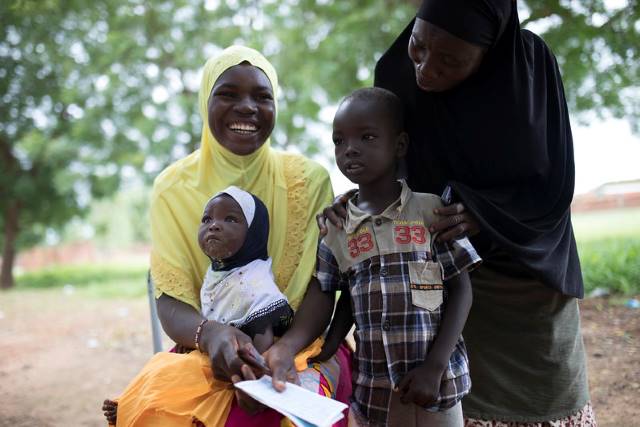
Children in Burkina FasoBurkina Faso, a small, landlocked country in Western Africa, is one of the least developed countries in the world. About 36.7% of the more than 20 million people who live in the nation survive on less than $1.90 per day as of 2019.  Nearly 2.2 million people live in dire need of aid, with children accounting for close to 50% of those in need, according to UNICEF. This crisis has only worsened due to the ongoing conflicts in the Sahel region of Western Africa, which have displaced millions of Burkinabé people and put them at a higher risk of poverty. Children in Burkina Faso, who make up 45% of the population, face significant challenges — many of them have low access to nutrition, education and health care and often face child labor and child marriage.
5 Challenges Children in Burkina Faso Face

  1. Hunger and Malnutrition. While Burkina Faso has always struggled with hunger, with 25% of children suffering from stunting due to malnutrition, the COVID-19 pandemic has exacerbated the problem. The number of Burkinabé people in need of emergency food assistance has risen threefold to more than 3.2 million people as of August 2020, and many of those suffering from malnutrition are children. Doctors and nurses in Burkina Faso are reporting extremely high numbers of malnourished children entering their health care facilities each day. Prior to the pandemic, Burkinabé children experienced hunger as a result of displacement from the conflicts in Africa’s Sahel region.
  2. Education. While attending primary school is compulsory for children in Burkina Faso between the ages of 7 and 14, this rule is not enforced and about 36% of children do not attend school. Additionally, 67% of girls older than the age of 15 do not know how to read or write. The high levels of poverty in the country lead to low levels of education. Furthermore, the conflicts in the area have only made it more difficult for children to access and attend schools. Armed groups have raided the schools, injuring teachers and putting Burkinabé children in danger.
  3. Health Care. Burkina Faso has the 10th-highest under-5 mortality rate in the world, with 87.5 out of every 1,000 children in 2019 dying before their fifth birthday. In addition, about 54 infants die per every 1,000 live births. The majority of children’s deaths are from communicable diseases and malaria, which the nation has struggled to prevent and control. While the number of health care workers in the area has increased in the past few decades, particularly between 2006 and 2010, it has not been quite enough to combat the needs of the ever-growing population and many children in the area still go without health care access.
  4. Child Marriage. More than half of Burkinabé children enter into marriage before their 18th birthday and the country has the fifth-highest rate of child marriage in the world. One in 10 girls younger than 19 has already given birth to at least one child. Girls with limited access to education have a higher chance of marrying as children. The same holds true for girls who live in impoverished households. Both of these trends remain common in Burkina Faso. The apparent social value ascribed to girls in the region is considered lower than their male counterparts. As a result, young girls who enter child marriages often do not have a choice in whom they marry.
  5. Child Labor. About 42% of children in Burkina Faso engage in child labor instead of attending school. Though the government adopted a “National Strategy to End the Worst Forms of Child Labor” and raised the legal minimum working age to 16, these high rates of child labor have not decreased significantly over the past few years. These children work as cotton harvesters, miners of gold and granite, domestic workers, and in some rare cases, sex workers. Child labor puts children at risk of serious injury, exploitation, and in some extreme cases, even death.

While children in Burkina Faso face all of these challenges, work is in progress to help them receive an education and reach their full potential. Save the Children, UNICEF, Action Against Hunger and Girls Not Brides are just a handful of the organizations working in Burkina Faso to ensure that these children receive the care necessary. Enduring childhood in this region is, in fact, difficult. Yet, there is hope as these groups work to improve the lives of children across Burkina Faso.

– Daryn Lenahan
Photo: Flickr

January 7, 2021
https://borgenproject.org/wp-content/uploads/borgen-project-logo.svg 0 0 Yuki https://borgenproject.org/wp-content/uploads/borgen-project-logo.svg Yuki2021-01-07 07:30:312024-05-29 23:22:155 Challenges for Children in Burkina Faso
Children, Developing Countries, Education, Global Poverty

The Book Fairies Advance Learning

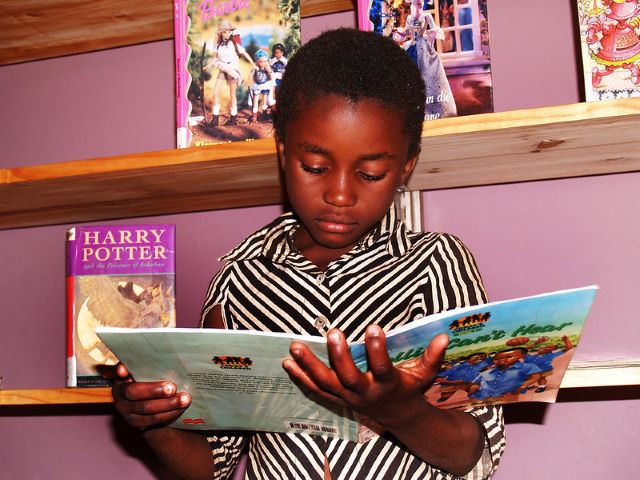
BOOK FAIRIES ADVANCE LEARNINGChildren are the world’s future but half of children account for the world’s poor. In sub-Saharan Africa, for example, 59 million children, aged between 5 and 17, work to provide for their families instead of attending school. Therefore, every fifth child ends up in child labor. Even in richer countries in Europe, one in five children lives in poverty and 25% were at risk of poverty in 2017. Since poverty and literacy correlate, both must be improved. In Africa, 48 million youth aged 15 to 24 are illiterate and 30 million primary-aged children are not in school. Globally, literacy rates have improved in the past 20 years but women and children still lag behind in literacy. The main cause of illiteracy globally is a lack of books. Organizations like The Book Fairies advance learning in developing nations and address illiteracy.

The Book Fairies

Founded by Amy Zaslansky, The Book Fairies began in Long Island, New York, as an organization accepting new and used books that are donated to libraries and schools that lack funding for educational resources for children.

Developed in 2012, The Book Fairies has donated more than 130,000 books to 25 school districts and 100 organizations across New York. Now, the organization has expanded globally, donating over two million books to date.

Partnered with US-Africa Children’s Fellowship (ACF), a nonprofit that gives supplies to impoverished schools in Africa and refugees in Jordan, The Book Fairies provided 80,000 books in 2017 to ACF. Approximately, this figure accounted for 50% of ACF’s shipped donated books that year. Every year, the organization ships thousands of books to Africa.

The Book Fairies advance learning and literacy in underdeveloped global nations such as Africa, India, China, South America and the Caribbean Islands. Even with COVID-19, students in poor communities in the U.S. and abroad still have access to books due to the organization’s efforts.

Other Book Fairies Hiding Books Globally

The influence of this organization has spread. In 2017, a similar reading organization launched in Europe, also known as The Book Fairies. To be a book fairy, a person chooses a book that they have read and enjoyed, they then put an official book fairy sticker on it that reads “take this book, read it and leave it for the next person to enjoy.” Then, the book is hidden in public for someone else to find and read. This little tradition has expanded to almost 9,000 people sharing books in over 100 countries.

Actress Emma Watson is a notable book fairy. After starring in the 2019 film “Little Women”, the actress launched a Little Women campaign. A whole 2,000 copies of the book were hidden around the world, with a handwritten note from Watson herself that promotes The Book Fairies’ organization.

Alleviating Illiteracy and Poverty Through Books

The main missions of book organizations such as those above are to end the cycle of poverty by improving literacy. The Book Fairies advance learning by providing books of all kinds to poor communities and countries and give children a fighting chance to take themselves out of poverty.

– Shelby Gruber
Photo: Flickr

January 7, 2021
https://borgenproject.org/wp-content/uploads/borgen-project-logo.svg 0 0 Yuki https://borgenproject.org/wp-content/uploads/borgen-project-logo.svg Yuki2021-01-07 01:37:502021-01-07 01:37:50The Book Fairies Advance Learning
Children, Developing Countries, Global Poverty

Sugira Muryango Program in Rwanda

Sugira MuryangoAround the world, the effects of poverty negatively impact childhood development in more than 200 million children. Child development outcomes play a key part in a country’s advancement and the state of the economy. The U.S. National Library of Medicine explains, “Children living in compounded adversity face increased risks of poor child development outcomes and emotional and behavioral problems that can perpetuate a cycle of poverty and violence.” However, in 2016, the implementation of an innovative home-visiting intervention program in Rwanda called Sugira Muryango is fighting to break these cycles.
Violence and Intergenerational Poverty

In past studies, social programs aimed toward child development have been more focused on mothers of the households. However, the developers of Sugira Muryango (researchers at Boston College’s School of Social Work and the nonprofit FXB Rwanda) chose to implement this program to focus more on the father’s role within the household and child’s life.

Rwanda is a key place to evaluate this program due to the persistent household violence and gender roles within Rwandan society. Traditionally, Rwandan society has held few expectations for fathers within the household. However, a positive male figure plays an important role in a child’s developmental outcomes.

The data of some surveys taken in Rwanda by Promundo and the Rwanda Men’s Resource Centre on masculinity and gender-based violence convey shocking truths. The surveys reported that 73% of men and 82% of women agreed with the statement, “a woman’s most important role is to take care of her home” and 44% of men and 54% of women agreed that “a woman should tolerate violence in order to keep her family together.” Lastly, 45% of men saw their dads beat their moms in childhood and 38% of those men became violent toward their own partners in adulthood. Men who witnessed violence at home as children were more likely to perpetuate it, indicating that children emulate behavior, both positive and negative.

Methods Used in the Sugira Muryango Program

As a response to this violence, Sugira Muryango was implemented as a home-visiting intervention program that targets the poorest households with young children (aged between 6 months and 26 months) in Rwanda. The program offers coaching to caregivers of the household in order to teach parents, specifically fathers, positive caregiving practices, nutrition skills, hygiene skills and basic involvement.

The program uses methods of home visits and caregiving coaching in order to improve family relations. The family-based model aims to encourage responsive and positive interactions as well as discourage violence and harsh punishment. In providing this coaching through these methods, it is possible to improve not only parent-child relations but also child development outcomes. With these improved outcomes, Rwanda should see improvements as the children reach adulthood and in breaking the cyclical poverty which should then improve Rwanda’s general development as a country. 

The Impacts of the Program in Rwanda

Not only did the results of the program aid in the decrease of violence within Rwandan homes but it also helped improve mental health rates among Rwandan fathers. Furthermore, reports indicate changes in parents’ behaviors towards the child, including responsive care and play, dietary diversity, care-seeking for child health problems and reduced family violence.

Potential Global Impacts

The Sugira Muryango program is playing an important role in breaking intergenerational cycles of poverty within Rwanda. Although the lasting effects of this program need to be studied as the children grow, the immediate effects have aided in reducing violence and improving family relationships. If integrated into other low to middle-income communities and countries, the overall effects should be promising in breaking intergenerational cycles of poverty on a global scale.

– Caroline Dunn
Photo: Flickr

January 6, 2021
https://borgenproject.org/wp-content/uploads/borgen-project-logo.svg 0 0 Lynsey Alexander https://borgenproject.org/wp-content/uploads/borgen-project-logo.svg Lynsey Alexander2021-01-06 04:15:022021-01-06 04:15:01Sugira Muryango Program in Rwanda
Children, Developing Countries, Education, Global Poverty

The Education and Poverty Crisis in Sudan

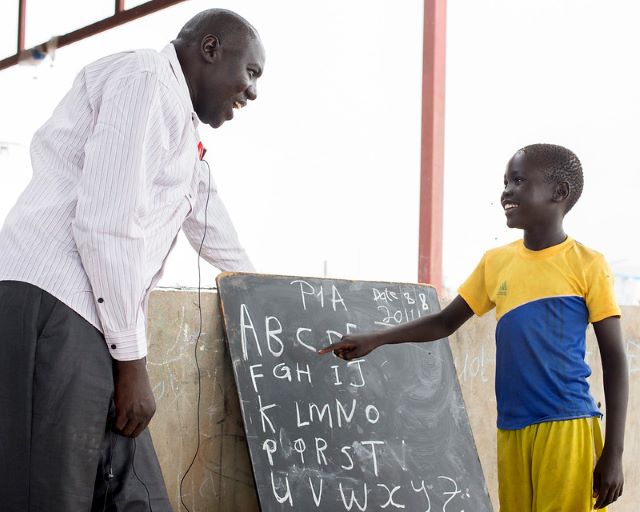
Education and poverty crisis in SudanOver three million children in Sudan do not attend school. The severe gap in the education system continues the cycle of poverty in the country. Chronic underdevelopment and conflict are two of the most significant reasons children in Sudan are out of school. Girls face additional hurdles such as cultural pressures and traditional views that prevent them from receiving an education. While 76% of primary age children attend school, in secondary, the number drops drastically to 28%. The Sudanese government and organizations such as UNICEF have stepped in to resolve the education and poverty crisis in Sudan.
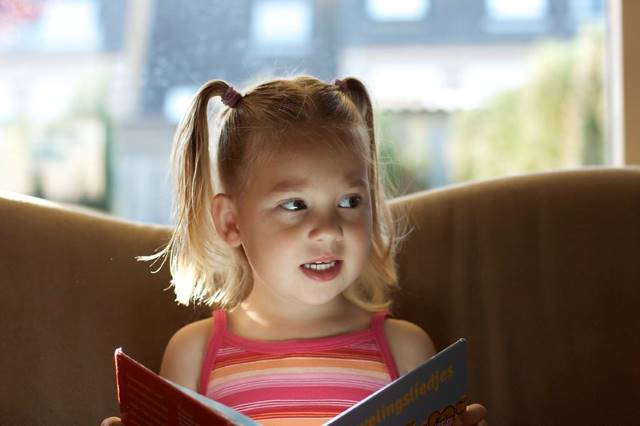
The Education Crisis in Sudan

In South and East Darfur, there are 7,315 employed teachers, 3,692 of which are unqualified. In essence, half of the teachers that are employed in South and East Darfur are unqualified. Furthermore, many teachers in Sudan were  found to be “untrained, under supervised and unequally distributed between rural and urban areas.” Not only do schools often have teachers who are unqualified but the curriculum lacks active learning and teaching materials are either outdated or nonexistent.

The Relationship Between Education and Poverty

In their haste to escape poverty, people drop out of school in search of employment so that they can provide for themselves and their families. While a higher education often proves fruitful in finding a good-paying job, those in poverty do not have time to wait. Without an education, people living in poverty lack literacy and numeracy skills which are needed to advance in the working world. This cycle is repeated generation after generation, inextricably linking education and poverty.

Families living in this cycle of poverty often make the choice for their children, otherwise, they will not be able to provide food, water or shelter. And while some schools may be free of cost, the added costs of uniforms, books and supplies must be taken into consideration.

While poverty may have a negative effect on education, education has an increasingly positive effect on poverty. Proper education will increase one’s skill set and open the door to a world of new employment opportunities and increase the potential for higher income. With each additional year of schooling, earnings increase by about 10%. And for every dollar invested in an additional year of schooling “earnings increase by $5 in low-income countries and $2.5 in lower-middle-income countries.” UNESCO found that if all adults had two more years of schooling or completed secondary school, nearly 60 million people could escape poverty and 420 million could be lifted out of poverty, respectively.

Improving Education in the Region

The Federal Ministry of Education will implement nine strategies to improve the education and poverty crisis in Sudan. Based on these strategies, the following has been projected for the years 2018-2023: pre-school coverage will increase by 19%, basic education by 16% and secondary education by 7%.

Sudan will invest in enrollment programs and work to retain those already enrolled. The government will expand opportunities for education at every level to ensure that students do not drop out due to a lack of space. And in collaboration with global partners, the Federal Ministry of Education will work toward quality education that is accessible to all.

UNICEF’s Educational Efforts

By 2021, UNICEF intends to provide more children with the opportunity to have a quality education starting at a young age, in a learning environment that is inclusive and safe.

The organization will work with communities, parents, teachers and children to promote a socially cohesive atmosphere that even the most vulnerable of children can access. The Learning and Development Programme and the Ministries of Education will advocate for evidence-based surveys, field reports, community discussions and evaluations to mold policy reform in favor of inclusion. UNICEF and its partners will ensure the safety of schools by providing water, health and sanitation facilities. Additionally, children will be taught the proper behaviors surrounding health, nutrition and child protection. Schools will receive the support needed to ensure schools are free of violence, abuse, exploitation and neglect.

The undeniable education and poverty crisis in Sudan has prevented most people from achieving a proper education and reaching their true earning potential. While most agree that education is important, many Sudanese people find that it is a luxury outweighed by life’s bare necessities. With the five-year plan developed by the Federal Ministry of Education and the help of organizations like UNICEF, the toxic cycle between education and poverty will come to an end.

– Mary Qualls
Photo: Flickr

January 6, 2021
https://borgenproject.org/wp-content/uploads/borgen-project-logo.svg 0 0 Jennifer Philipp https://borgenproject.org/wp-content/uploads/borgen-project-logo.svg Jennifer Philipp2021-01-06 03:27:592021-01-06 03:27:58The Education and Poverty Crisis in Sudan
Child Poverty, Global Poverty

Top 6 Facts about Child Poverty in France

child poverty in FranceChildren are among the first victims of poverty. Even in France, one of the world’s most affluent countries, child poverty is still a serious issue today, if not an increasingly urgent emergency. Here are six facts about child poverty in France.
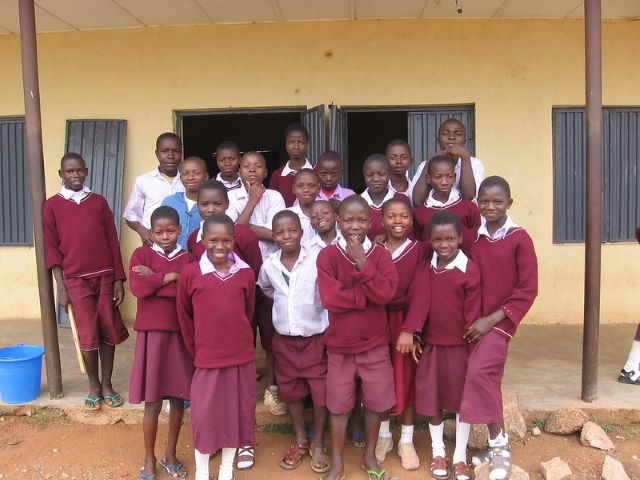
6 Things to Know about Child Poverty in France

  1. According to a 2015 report by the United Nations Children’s Fund (UNICEF), one out of five children younger than 18 years old in France lives below the poverty line. This means that more than 3 million children in France suffer from their parent’s financial struggles and live on roughly less than €1,000 per month, with many actually living on much less. This statistic is astonishing, especially considering that the total population in poverty in France was 8.8 million in 2017.
  2. In France, 20% of households have difficulties paying for their children’s meals at the school canteen. To cope with this problem, French President Emmanuel Macron announced an €8 billion national anti-poverty plan in September 2018. As a result of this plan, primary schools provided free breakfast to the most impoverished students along with subsidized lunches for €1 each in the school canteen.
  3. Child poverty in France is more common in single-parent families as these households usually lack financial resources in comparison to conventional families. One-third of impoverished children live in single-parent families, especially those made up of single women and children. As of 2018, single mothers are among the most affected by poverty in France, before immigrants and elderly people. The fraught financial situation and high educational expenses even lead some young women to pay for their children’s studies through prostitution. The students’ union SUD Etudient estimated in 2006 that the number of single mothers struggling to pay for their children’s education was around 40,000 and continues to rise.
  4. The impoverished family background may produce further inequalities in education and employment. According to the 2015 UNICEF report, 140,000 children were dropping out of school each year. UNICEF also criticized France’s educational system, in which children from unprivileged families have less chance to enter universities, for failing to gear up social mobility and widening the gap between the wealthy and the impoverished instead. UNICEF estimated that it takes six generations for children born in impoverished families to attain an average income in France.
  5. There are about 30,000 children in France who are homeless and 9,000 who live in slums, many of whom are foreigners without legal status. The charitable organization Secours Catholique, which helps more than 67,000 impecunious people in need in France, claims that more than 40% of the families it assists are immigrants and less than half of them have legal status in France. As a result, they do not have the right to work or benefit from social welfare.
  6. Nevertheless, thanks to its social service and health care, France remains one of the countries with the lowest child mortality rates despite its issue of child poverty. In fact, the 4% rate of child mortality in France is the same as that in Germany, Spain and Italy, lower than 6% in Canada and 8% in the United States.

These six facts about child poverty in France shed light on the growing poverty problem in a country that is as wealthy as France. However, by shedding light on child poverty in France the government and charity organizations will work to alleviate youth poverty in its early stages.

– Jingyan Zhang
Photo: Flickr 

January 6, 2021
https://borgenproject.org/wp-content/uploads/borgen-project-logo.svg 0 0 Yuki https://borgenproject.org/wp-content/uploads/borgen-project-logo.svg Yuki2021-01-06 01:31:562024-05-30 07:53:30Top 6 Facts about Child Poverty in France
Children, Developing Countries, Education, Global Poverty, Poverty Eradication

The Potential of CCT Programs in Nigeria

CCT Programs in NigeriaDespite having some of the greatest potential for development in Africa and a vast amount of resources, Nigeria remains one of the poorest countries in the world. Over the years, the Nigerian Government has attempted to implement various poverty alleviation strategies in order to diminish poverty. Unfortunately, little progress has been made. However, more recently, the Nigerian Government has started implementing a new strategy in order to fight the persistent poverty in the country through Conditional Cash Transfer (CCT) Programs. It is hopeful that CCT programs in Nigeria will bring lasting benefits for impoverished communities.

The Success Rates of CCT Programs

Around the world, CCT programs have become increasingly popular and have been overwhelmingly successful. Positive results have also been seen in certain regions in Africa. As explained by the World Bank, “Cash transfers targeted to the poor, particularly children and other vulnerable groups, now help millions of Africans to support their basic consumption, avoid destitution and respond to shocks.” To achieve this success, most programs focus efforts toward providing cash transfers to poor families with children. In return for these transfers, families must maintain their children’s school attendance as well as keep up with regular health checkups. As a result, the country profits through an increase in the value of its human capital.

The COPE CCT Program

Beginning in 2007, the Nigerian Government implemented the In Care of the People (COPE) CCT program, which at the time was the only nationwide government-sponsored CCT program. The program was launched across 12 Nigerian states and aimed to break intergeneration poverty through cash transfers with the conditions that households maintained their children’s school attendance of at least 80% and receive regular immunizations and healthcare visits.

In the development of COPE, one of the main goals that the Nigerian Government was hoping to achieve was to reduce poverty short-term and promote an increase in the value of human capital in the long-term. Although many Nigerian citizens benefited from the CCT program, there were complications in the execution of the program. One key example that is necessary for the program to succeed is to extend the length of time in which households participate in the program. When first implemented, the program only lasted a year for participating families. However, in order to effectively assist these households, it is important that the Nigerian Government expand the period of time in which families can benefit from the cash transfers.

The Kano State CCT Program

While the COPE CCT program was designed to impact different states across Nigeria, the Kano CCT program took a different approach. The Kano State government implemented a pilot of this CCT program from 2010 to 2012 in order to increase female school attendance and reduce female drop-out rates in the specific region.

Although the COPE CCT program did not have overwhelming success, the Kano CCT program did see some success. For example, data from the World Bank shows that the number of girls enrolled in school slightly increased from 47% in 2009 to 50%  in 2011. However, there were also unexpected decreases in rates despite the CCT program. In Kano, in 2009, 47% of girls enrolled in class one enrolled in class six in, while in 2011, only 41% of those enrolled in class one were in class six.

Regardless of conflicting outcomes, the World Bank still rates the program’s efficiency as substantial. In Kano, the savings from the CCT program were also spent on the construction of additional boreholes and toilets in the schools.

Although the program itself still needs further development, the Kano CCT program has the potential to benefit households living in poverty as well as further improve female education attendance and drop-out rates.

The Potential of CCT Programs in Nigeria

Although these CCT programs still need improvement with regard to execution and development, the programs show great promise in reducing poverty rates, breaking intergeneration cycles of poverty and increasing the value of human capital in Nigeria. This is especially hopeful considering the success of the programs in other African countries. Because these programs target the health and education of youth living in poverty, these strategies help to create a strong foundation for children, thus creating a path for them to escape poverty in the future. With continued efforts to improve and develop these CCT programs in Nigeria, there is potential to greatly expand and improve Nigeria’s economy over time and reduce poverty in the region.

– Caroline Dunn
Photo: Flickr

January 5, 2021
https://borgenproject.org/wp-content/uploads/borgen-project-logo.svg 0 0 Lynsey Alexander https://borgenproject.org/wp-content/uploads/borgen-project-logo.svg Lynsey Alexander2021-01-05 23:32:542021-01-05 23:32:54The Potential of CCT Programs in Nigeria
Children, Education, Global Poverty

The Fight Against Child Poverty in Australia

Child Poverty in Australia
Despite ranking as one of the wealthiest and most developed countries in the world, Australia continues to struggle with implementing solutions to nationwide poverty. Specifically, child poverty in Australia has begun an upward trend in the past five years despite overall national economic growth as well as declining unemployment rates.

Data from the Australian Council of Social Service (ACOSS) reports that over the past two decades, child poverty levels reached a high of 18.1% in 2007, substantially higher than the overall national poverty level of 12.6% in that same year. Child poverty levels dropped by almost 3% in 2013-2014 data in response to improved social security and unemployment plans, however, most recent reporting from 2017-2018 indicates another increase in child poverty to 16.9%; almost 4% higher than the national level. Though employment rates have gone up specifically for Australian mothers, a rapid increase in housing costs, as well as growing earnings inequalities, have left one in six Australian children under 15 below the national poverty line.

Breaking the Cycle of Disadvantage: The Smith Family

With social security and unemployment programs only providing minimal financial assistance that still falls below the poverty line, opportunities for educational advancement are crucial for Australian children to break out of these cycles of poverty. Education is one of the great equalizers in society, however, unequal educational opportunities only further broaden nationwide earning inequalities and further disadvantage impoverished Australian children. The Australian Curriculum, Assessment and Reporting Authority data indicates that children living in poverty have around a 30% negative difference in educational outcomes based on Year 12 graduation rates and standardized testing scores. Technological advancements and increasing skill-level requirements for jobs will only further contribute to the financial burden for impoverished families and will surely lessen educational outcomes.

To combat these inequalities, an independent nonprofit organization called The Smith Family has implemented a successful national campaign to combat child poverty in Australia by addressing educational disparities and providing more equal opportunities for students in the lowest socioeconomic status. Started in 1922, this organization has dedicated its mission to improving the lives of Australian children in a multitude of different ways. For the past 30 years, the primary focus of the organization has shifted to providing educational opportunities to give Australian children the best chance to achieve their potential and reduce child poverty in Australia. Current programs include the Learning for Life Program, literacy and numeracy programs and technology programs.

Learning for Life Program

The Learning for Life Program involves a long-term approach to addressing the educational needs of those suffering from child poverty in Australia. Sponsorships from the community go towards providing much needed financial support for disadvantaged children, as well as guidance and resources for the families of these children. This program implements both literacy and technology programs as well as introducing further opportunities in art and career experience. This program focuses on the first two decades of a child’s life to help improve graduation rates and university enrollments to provide the framework for future economic success. Every year, this Learning for Life Program reaches around 34,000 of the most disadvantaged Australian children in communities throughout the nation.

Literacy and Numeracy Programs

Research has proven that impoverished children in Australia are more likely to start school at a literacy disadvantage, and lacking these literary foundations hinders overall future cognitive development as these children progress through higher levels of education. The Smith Family has implemented research-based programs that pair students with low reading abilities with more advanced peers to help encourage reading through collaboration. The Smith Family also provides disadvantaged families books and mathematics resources to further promote and support early age cognitive development outside of the classroom.

Technology Programs

The COVID-19 global pandemic has amplified how access to technology is a massive barrier for impoverished children. To combat this matter, workers from The Smith Family have distributed over 5,000 computers and internet packages to the homes of disadvantaged families in Australia between 2007 and 2019. Not only have these packages helped improve educational access for impoverished children but they have also proven effective at increasing feelings of social inclusion and connectedness to the rest of society.

Proven Success

The Smith Project uses qualitative results to analyze the efficacy of its programs through directly measurable statistics. Recent reporting shows attendance rates for children in the program hovering around 90% each year, which is above the national Australian average. These consistent attendance rates provide a firm foundation for future academic success, resulting in close to 70% of The Smith Family students graduating Year 12, almost 10% higher than the national average from the lowest socioeconomic backgrounds. High Year 12 graduation rates have led to greater employment and higher education rates than the national averages, both vital to escaping poverty and breaking the cycle of disadvantage. The most recent five-year plan from The Smith Family includes a continuation of current programs while hoping to reach 30% more youths currently suffering from growing child poverty in Australia.

– Jackson Thennis
Photo: Flickr

January 5, 2021
https://borgenproject.org/wp-content/uploads/borgen-project-logo.svg 0 0 Borgen Project https://borgenproject.org/wp-content/uploads/borgen-project-logo.svg Borgen Project2021-01-05 12:46:472024-05-26 23:12:51The Fight Against Child Poverty in Australia
Children, Global Poverty

Advancing the Child Protection System in Greece

Child Protection SystemThe child protection system in Greece has long been criticized for its lack of consistency and the inability to provide adequate protection for abused children. The lack of investigations, follow-up from social service professionals and incidents of returning children to the care of abusers are not uncommon.

A Lacking Child Protection System

While the lack of a sufficient child protection system has been attributed to the financial crisis, in Greece, child protection services were underfunded before the financial collapse. The inability to develop a structured and cohesive child protective system has denied many children of their rights. Reduction in personnel, lack of funds, insufficient resources and inadequate collaboration among social service entities have caused dysfunction within the child protection system.

The Institute of Child Health

The Institute of Child Health has taken a stand in many cases impacting the lives of the youth in Greece. The Institute of Child Health is overseen by the Greek Ministry of Health and has advocated for funding and mental health support for abused children. This entity has developed a protocol to allow the networking of services to meet the needs of children that are victims of abuse. Through unified procedures and the development of a digital records system, the organization has made efforts in the modification of the child protection system.

While the efforts made by the Institute of Child Health have been ignored by the Greek government, the government has implemented an initiative that will streamline processes and improve the conditions for child abuse survivors. Yet, the Greek government has been slow in implementing changes that will impact the lives of children systemwide. Currently, children of abuse are required to repeat their stories multiple times, risking retraumatization. With the implementation of the Child Houses or Child Advocacy Centers, testimonies are recorded. Through this method, children will only need to provide their testimony once. The implementation of this process is one step in addressing a significant problem within the child protection system.

Greece Implements New Adoption and Fostering System

For decades, many children entering the child protection administration have been placed in hospitals due to an incomplete foster care system. In Greece, the child protection system relies upon institutions, children’s homes operated by the state, the Greek Orthodox Church and NGOs, to provide care for children removed from their families. However, the lack of an adequate foster care system and institutionalizing children removed from their families presents another problem in the child protection system in Greece. Institutionalized children are subject to inadequate living conditions, living in wooden cages or tied to their beds, leaving children with life long trauma and further victimization. The children spend months in an institution due to being removed from their families and the inability to locate a suitable foster or adoption home.

In July 2020, Greece implemented a new adoption and fostering system that demonstrates progress toward revamping a crippled child protection system. With this new system, a more effective process will allow more accuracy in the evaluation of applications from prospective applicants. The new system establishes full transparency, documentation and expert control of the process. The Greek prime minister believes this implementation addresses past bureaucratic hurdles and will expedite the process of connecting children with families. Other steps that are in the works include the registration of minors in child protection and training of professionals that will work with prospective foster and adoptive parents.

The Need for Further Progress

Lacking child protection in Greece has jeopardized the safety and wellbeing of many children. Due to the lack of uniform protocol, collaboration among service providers and unclear mandates and responsibilities, children that enter the custody of child protective services continue to relive their abuse. While steps have been taken to rectify this problem, Greeks remain positive that further progress within the child protection system will come.

– Brandi Hale
Photo: Flickr

January 5, 2021
https://borgenproject.org/wp-content/uploads/borgen-project-logo.svg 0 0 Yuki https://borgenproject.org/wp-content/uploads/borgen-project-logo.svg Yuki2021-01-05 09:14:012021-01-05 09:14:01Advancing the Child Protection System in Greece
Page 55 of 137«‹5354555657›»

Get Smarter

  • Global Poverty 101
  • Global Poverty… The Good News
  • Global Poverty & U.S. Jobs
  • Global Poverty and National Security
  • Innovative Solutions to Poverty
  • Global Poverty & Aid FAQ’s
Search Search

Take Action

  • Call Congress
  • Email Congress
  • Donate
  • 30 Ways to Help
  • Volunteer Ops
  • Internships
  • Courses & Certificates
  • The Podcast
Borgen Project

“The Borgen Project is an incredible nonprofit organization that is addressing poverty and hunger and working towards ending them.”

-The Huffington Post

Inside The Borgen Project

  • Contact
  • About
  • Financials
  • President
  • Board of Directors
  • Board of Advisors

International Links

  • UK Email Parliament
  • UK Donate
  • Canada Email Parliament

Get Smarter

  • Global Poverty 101
  • Global Poverty… The Good News
  • Global Poverty & U.S. Jobs
  • Global Poverty and National Security
  • Innovative Solutions to Poverty
  • Global Poverty & Aid FAQ’s

Ways to Help

  • Call Congress
  • Email Congress
  • Donate
  • 30 Ways to Help
  • Volunteer Ops
  • Internships
  • Courses & Certificates
  • The Podcast
Scroll to top Scroll to top Scroll to top