• Link to X
  • Link to Facebook
  • Link to Instagram
  • Link to TikTok
  • Link to Youtube
  • About
    • About Us
      • President
      • Board of Directors
      • Board of Advisors
      • Financials
      • Our Methodology
      • Success Tracker
      • Contact
  • Act Now
    • 30 Ways to Help
      • Email Congress
      • Call Congress
      • Volunteer
      • Courses & Certificates
      • Be a Donor
    • Internships
      • In-Office Internships
      • Remote Internships
    • Legislation
      • Politics 101
  • The Blog
  • The Podcast
  • Magazine
  • Donate
  • Click to open the search input field Click to open the search input field Search
  • Menu Menu

Archive for category: Children

Information and stories addressing children.

Children, Global Poverty, Health, Refugees

Improving Healthcare for Greek Children

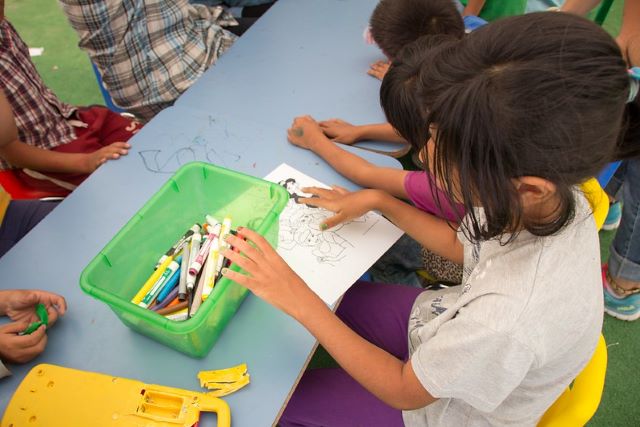
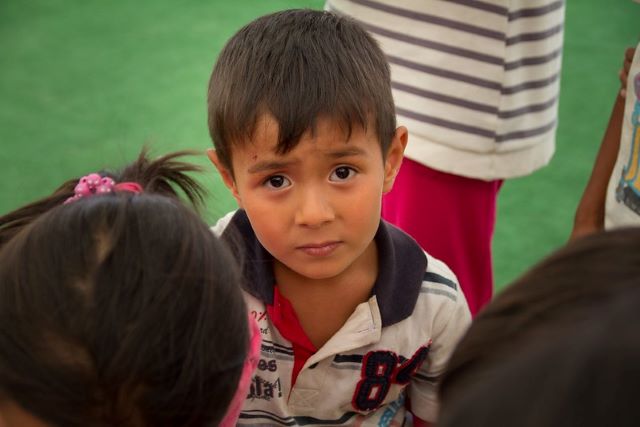
Healthcare for Greek ChildrenIn Lesbos, Greece, children suffering from life-threatening illnesses are being deprived of healthcare. Concerns regarding the Greek government’s stance on providing adequate healthcare to children suffering from chronic, complex and life-threatening diseases at the Moria camp are on the rise. Many camps are overcrowded and have limited resources available for the growing vulnerable population. Children make up 30% of asylum seekers and those diagnosed with diabetes, epilepsy, asthma, heart disease and other severe illnesses, are being neglected. Forced to live in tents under concerning conditions, children have no access to specialized healthcare to meet their medical needs.
Doctors Without Borders/Medecins Sans Frontieres (MSF)

Medecins Sans Frontieres (MSF) is advocating on behalf of Greek children, urging the government to evacuate children with serious illnesses to the Greek mainland or other European Union states that are equipped to provide adequate care. Since 1996, MSF has been providing healthcare and fighting for the welfare of asylum seekers and migrants in Greece. MSF recognized the growing need in Greece and expanded its efforts, providing treatment of chronic diseases, sexual and reproductive healthcare, physiotherapy, clinical psychology and psychiatric care.

MSF is ensuring the government is aware of the urgency of proper healthcare for Greek children. Dr. Hilde Vochten, an MSF medical coordinator, urges a prompt call of action from the government that will address the immediate healthcare needs of these children while also addressing a systemic problem within healthcare for Greek children. Without proper care, many children face lifelong consequences, or in critical cases, death.

Greek Government Healthcare Restrictions

In 2019, the Greek government restricted healthcare access to asylum seekers and those arriving in Greece that are undocumented. Since this time, MSF doctors have seen over 270 children suffering from chronic and complex diseases. The MSF pediatric clinic located outside the Moria camp has helped many children, however, the clinic has been unable to provide specialized care for children diagnosed with more critical illnesses. MSF argues that restricting access to adequate care is a result of government policy that is creating unsafe and inhumane conditions for children and their families. MSF demands the need to remove limitations for access to public healthcare and implement a system that will provide immediate care for children suffering from chronic and complex medical conditions.

The Smile of the Child

Another organization fighting for the healthcare rights of this vulnerable population is The Smile of the Child. The organization was founded in 1995, in memory of Andreas Yannopoulos, a young boy diagnosed with cancer. Before Yannopoulos died, he expressed his vision of creating an organization that would bring smiles to the faces of Greek children. The Smile of the Child has taken a stand to improve the health and wellbeing of children in Greece. The organization has raised awareness through its Mobile Laboratory of Information, Education and Technology by conducting seminars and instruction on first aid. The Smile of the Child delivers support to children with health problems by providing access to ambulances throughout Greece. The organization partners with law enforcement, social groups and other public entities to advocate for the safety and wellbeing of children.

While Greek authorities have been criticized for obstructing access to healthcare, organizations are taking a stand to ensure the healthcare needs of Greek children are met. As the need for adequate healthcare rises, the Greece government will be challenged in addressing the growing demand.

– Brandi Hale
Photo: Flickr

January 5, 2021
https://borgenproject.org/wp-content/uploads/borgen-project-logo.svg 0 0 Yuki https://borgenproject.org/wp-content/uploads/borgen-project-logo.svg Yuki2021-01-05 08:43:142021-01-05 08:43:14Improving Healthcare for Greek Children
Children, Developing Countries, Global Poverty, Health

BRAC: Improving Maternal Care in Bangladesh

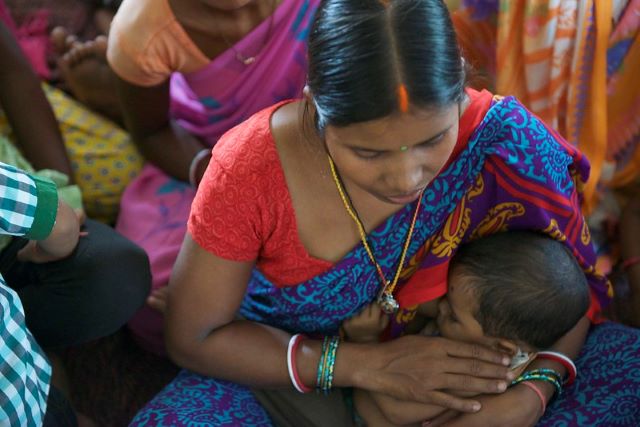
Maternal Care in BangladeshBack in 1972, Fazlé Hasan Abed started a small organization called the Bangladesh Rehabilitation Assistance Committee (BRAC). Originally dedicated to helping refugees after Bangladesh’s war for independence against Pakistan, the organization has since grown to serve 11 countries across Asia and Africa. One of the key focuses of BRAC is poverty alleviation and includes categories such as improving maternal care in Bangladesh.

BRAC’s Strategies for Poverty Reduction

BRAC engages several strategies to combat poverty, such as social enterprises. Social enterprises are self-sustaining cause-driven business entities that create social impact by offering solutions to social challenges and reinvesting surplus to sustain and generate greater impact. Some social enterprises include those seeking to promote access to fisheries, give people access to jobs in the silk industry and businesses that give seed access to farmers.

BRAC also prioritizes social development. These initiatives refer to BRAC’s on-the-ground programs. Social development efforts aim to build communities up by attempting to foster long-term development through the promotion of microfinance and gender equality and by eradicating extreme poverty.

The third focus of BRAC is investments. BRAC seeks to invest in local companies in order to create as much social impact as possible. This includes initiatives to expand affordable internet access for all and a range of other financial support services.

Finally, the organization founded a tertiary education institution called Brac University. The University, located in Bangladesh, aims to use its liberal arts curriculum in order to try and advance human capital development and help students develop solutions to local problems.

The BRAC Manoshi Maternal Care Initiative

Founded in 2007, the Manoshi program is specifically tailored to serve mothers and newborns by providing accessible care. There are a couple of unique methods that make this maternal healthcare initiative especially effective in reaching its goals of improving maternal care in Bangladesh.

One-third of people in Bangladesh live under the poverty line and a greater part of this group live in slums, making it difficult to access and afford necessary healthcare. Manoshi focuses primarily on empowering communities, particularly women, in order to develop a system of essential healthcare interventions for mothers and babies.

Manoshi’s Focal Areas for Community Development

  • Providing basic healthcare for pregnant and lactating women, newborns and children under 5
  • Building a referral system to connect women with quality health facilities when complications arise
  • Creating women’s groups to drive community empowerment
  • Skills development and capacity building for healthcare workers and birth attendants
  • Connecting community organizations with governmental and non-governmental organizations to further their goals

The main methods used in the Manoshi project to achieve desired outcomes are social mapping, census taking and community engagement.

Manoshi’s Impact on Maternal Care in Bangladesh

BRAC projected that improvement in healthcare access would cause neonatal mortality to decline by 40-50% and the most recent data from the Manoshi program shows just that. Manoshi’s data shows that from 2008 to 2013, both the maternal and neonatal death rates dropped by more than half. From 2007 to 2011, the percentage of births at health facilities increased from 15% to 59%, while national averages only increased from 25% to 28%, suggesting that mothers served by Manoshi have more access to resources and facilities for safe deliveries. Prenatal care also increased from 27% to 52% in the same years.

With the substantial impact of organizational programs like Manoshi prioritizing the wellbeing of women and children, advancements with regard to maternal care in Bangladesh will hopefully only continue upward.

– Thomas Gill
Photo: Flickr

January 5, 2021
https://borgenproject.org/wp-content/uploads/borgen-project-logo.svg 0 0 Yuki https://borgenproject.org/wp-content/uploads/borgen-project-logo.svg Yuki2021-01-05 05:17:502021-01-05 05:17:50BRAC: Improving Maternal Care in Bangladesh
Children, Developing Countries, Global Poverty

Ending Child Labor in Cocoa Production

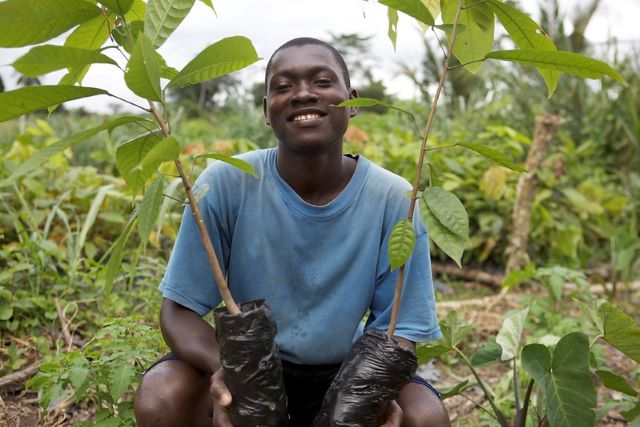
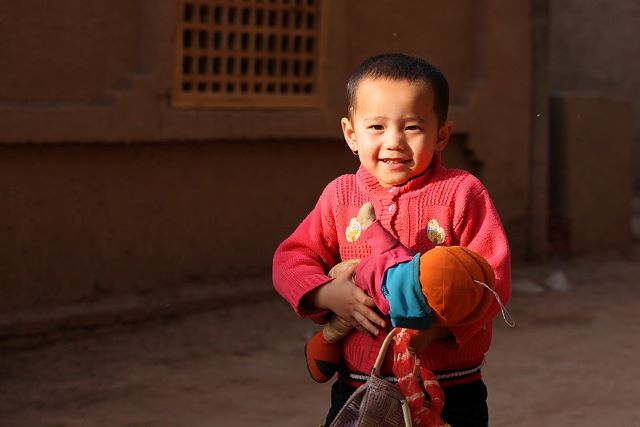
Ending Child Labor in cocoaGhana and Côte d’Ivoire are responsible for collecting around 70% of the world’s supply of cocoa beans and the industry as a whole is worth over $100 billion. However, despite the economic importance of cocoa farming for these nations, there has been controversy surrounding the people doing the farming. A large proportion of those working at these cocoa farms are children, some as young as 5 years old. These children are subjected to health and safety hazards in the form of unsafe pesticides and dangerous tools. They are also exploited and paid less than adults doing the same job. Additionally, this practice pulls children away from possible education. In a broad sense, this issue of child labor in cocoa production has gone unsolved and ignored by the governments of Ghana and Côte d’Ivoire as well as the companies profiting off of the work. The World Cocoa Foundation has asserted its commitment to ending child labor in cocoa production.
Child Labor in Cocoa Farms

According to a recent study done by NORC, the number of children working in cocoa farms has not been improving and could possibly have increased in the past few years. It found that nearly 45% of children living in agricultural homes of Ghana and Côte d’Ivoire work in cocoa production. This adds up to about  1.5 million children. The same study found that in the last decade, the proportion of child labor in cocoa production has increased from 31% to 45%. As the cocoa industry continues to rapidly grow, there are no signs that child labor will decrease unless there is immediate and substantial intervention.

Past attempts to eradicate child labor in cocoa production have been poorly implemented. In 2001, a number of the largest producers of African cocoa agreed to end 70% of child labor by 2020. Significant progress toward this goal has not been achieved. A similar pledge was made in 2010 but has seen the same shortcomings. When asked of past failures in these areas, the president of the World Cocoa Foundation, Richard Scobey, said that targets were set “without fully understanding the complexity and scale” of issues of poverty and child labor in these African countries. With studies by the NORC and other groups, it seems as though the issues are better understood now than they were in past decades.

Response by the World Cocoa Foundation

In October 2020, the World Cocoa Foundation responded to the situation of child labor in cocoa farming. The Foundation came out strongly against the practice of child labor in cocoa production and set new goals to deal with the issue. Focused on Ghana and Côte d’Ivoire, the first goal set is an increase in the availability of anti-child labor monitoring to 100% of locations and farms by 2025.

The World Cocoa Foundation has also announced other efforts to combat child labor that include efforts from companies, the governments of Ghana and Côte d’Ivoire and other stakeholders. Firstly, the Living Income Differential pricing policy is expected to provide $1.2 billion in additional revenue for cocoa farmers. For children specifically, the government of Côte d’Ivoire will launch a $120 million pooled funding facility for primary education that aims to reach five million children, with $25 million expected from the cocoa industry. Additionally, to boost household incomes and yields, leading companies will supply training, coaching or farm development plans to local farmers.

The Road Ahead

Past attempts to end child labor show that the situation in the cocoa industry is severe and complicated and therefore must be prioritized. As the World Cocoa Foundation recommits to ending child labor in cocoa production, collaboration and commitment will serve as important factors for the success of the endeavor.

– Matthew McKee
Photo: Flickr

January 5, 2021
https://borgenproject.org/wp-content/uploads/borgen-project-logo.svg 0 0 Yuki https://borgenproject.org/wp-content/uploads/borgen-project-logo.svg Yuki2021-01-05 04:13:272021-01-05 04:13:27Ending Child Labor in Cocoa Production
Children, Education, Global Poverty

STEM Education Can Reduce Poverty in Rural China

STEM Education Can Reduce povertyEducation has long been proven as a tool for poverty reduction. In fact, UNESCO estimates that if all people in low-income countries had basic reading skills, an estimated 171 million people could escape poverty. Education allows for upward socioeconomic mobility for those in poverty by providing access to more skilled, higher-paying jobs. In particular, STEM education can reduce poverty.
STEM Education

STEM refers to science, technology, engineering and mathematics. Because of the shifting focus toward STEM in the job market, millions of STEM jobs are opening up in developing countries. However, many go unfilled because of gaps in the STEM education pipeline. These jobs could be the key to helping the poor to improve their standards of living, but those in poverty often lack the education necessary for these jobs, such as in rural China.

Education Disparities in China

Education in China is becoming more accessible and comprehensive. Since the 1980s, the adult literacy rate has risen from 65% to 96% and the rate of high school graduates seeking higher education has risen from 20% to 60%. However, these gains are not equal across the country. Rural students in China have often been left behind in the education reform movement. More than 70% of urban students attend college while less than 5% of rural students do, partly because urban residents make about three times more than rural residents. Another reason has to do with parental support; a researcher at the University of Oslo found that over 95% of urban parents wanted their children to attend college, while under 60% of rural parents wanted the same.

Rural students also receive lower-quality education than urban students. Despite China’s Compulsory Education Law in 1986, rural schools often lack the ability to put the proposed reforms in place because they do not have the educational resources. Teachers are scarcer in village schools as most qualified professionals flock to the urban areas where there is a higher standard of living and higher pay. As a result, fewer rural students get into top colleges and therefore lose out on opportunities for advancement.

Generational Poverty and the Effect of STEM

Generational poverty refers to families that have spent two or more generations in poverty. This is especially common in rural areas where parents have a harder time generating the necessary income for their children’s education, which perpetuates the cycle of poverty when the children grow up. In rural China, about 5.1 million people live in the throes of generational poverty. This is due to a number of factors but a major one is lack of educational opportunities in the rural provinces.

STEM education can reduce poverty by helping children in rural provinces break the cycle of generational poverty. Since 2016, 248 high schools in poor areas have tuned into live lessons hosted by one of the top high schools in China, giving poor students the ability to receive the same education as their upper-middle-class peers. As a result, 88 of the participating rural students were admitted into China’s top two universities — universities that are estimated to have a rural population of only 1%.

Organizations for STEM Education

Some groups are working to bring STEM education to even younger students. In 2019, Lenovo, a technology company started in China, donated 652 sets of scientific toolboxes to primary schools in Huangzhong County, Qinghai Province, an area that is over 90% agrarian. The toolboxes contained materials that helped children perform science experiments and solved the problem of the lack of equipment in rural schools. Each toolbox, spread over 122 schools, helped 12 children at once and was reusable. In total, it enabled about 43,903 primary and secondary school students to become more scientifically literate and will prepare them better for future education and employment.

The Green & Shine Foundation is also helping teachers better instruct their students. It trains rural teachers in teaching necessary STEM skills to help lay the foundation for more STEM education later in their students’ lives. It also helps to develop curriculums and hold exchange programs with STEM schools so that rural teachers can observe and discuss new teaching methods. These efforts have helped 1,411,292 rural teachers and students across China.

STEM for Ending Generational Poverty

China has made strides in alleviating poverty, reducing its poverty rate every year since implementing major reforms. The Chinese government needs to prioritize investment in STEM education in rural provinces to close the education gap between rural and urban students and help bring an end to generational poverty. STEM education can reduce poverty globally.

– Brooklyn Quallen
Photo: Flickr

January 5, 2021
https://borgenproject.org/wp-content/uploads/borgen-project-logo.svg 0 0 Kim Thelwell https://borgenproject.org/wp-content/uploads/borgen-project-logo.svg Kim Thelwell2021-01-05 03:07:192024-05-30 07:56:00STEM Education Can Reduce Poverty in Rural China
Children, Developing Countries, Education, Global Poverty

Transforming Education in South Sudan

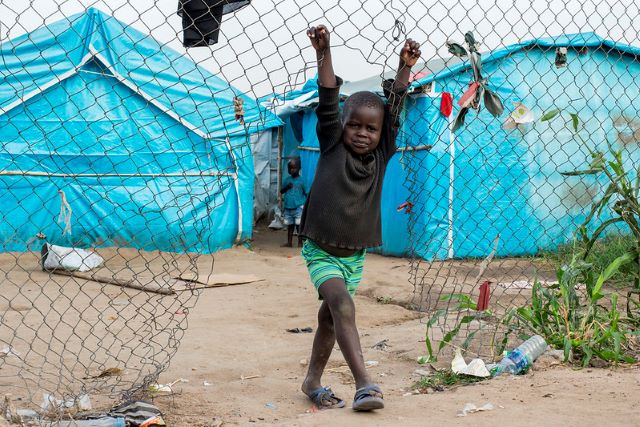
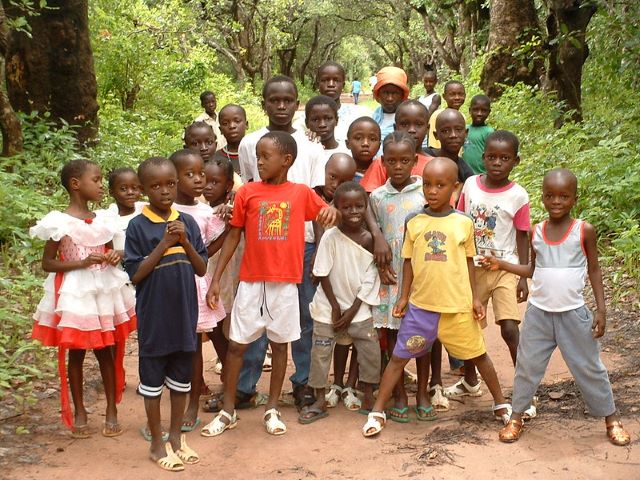
Transforming Education in South SudanAround 1.8 million children in South Sudan are not in school; the majority of children do manual work to provide for their families. This prevents millions of children, especially young girls, from receiving an adequate education. As the world’s youngest country, South Sudan struggles with many pressing issues, such as an unstable political environment and scarce food access. However, the need for educational reform grows increasingly urgent every day. These inadequate educational circumstances can be attributed to many years of war leaving behind devastating conditions for the country and its civilians. However, organizations have committed to transforming education in South Sudan.
The Humanitarian Aid Relief Trust (HART)

Founded in 2004, HART exists to help countries suffering from national conflicts that major aid organizations do not typically serve. A significant amount of HART’s aid is directed toward South Sudan and addressing the country’s unfavorable education status. In its 2020 report, the organization emphasized how many leaders in South Sudan are unable to access funds from large-scale donors. In response to this, the organization stresses that donating funds for essential services in South Sudan should take top priority, especially education funds, considering the substantial number of children displaced from normal learning environments. The organization works directly with partners in South Sudan to solve problems through direct communication.

According to HART, a girl raised in South Sudan is more likely to die from pregnancy or childbirth than to complete her primary education. More than 2 million children are not in school, which is the worst number the country has seen yet. If these rates continue, the future generation of South Sudan will not have the skills that come from an educational background, which also statistically increases the risk of falling into generational poverty. Organizations such as HART use advocacy as the strongest tool. By bringing light to these startling statistics, it hopes to educate the public on the dire need to allocate funds to South Sudan and reform the educational system through donations.

United Nations Children’s Fund (UNICEF)

UNICEF has been a global leader in transforming education in South Sudan as it provides funds for classroom materials and teacher training. A primary focus is to intervene in South Sudanese communities to emphasize the importance of educating their children. The organization understands that when children receive an education, it benefits not only them but the entirety of the country.

However, learning in South Sudan has been extremely different since the start of COVID-19 as roughly 1.5 million children are learning through radio lessons instead of the traditional classrooms. In 2020 alone, UNICEF provided more than 40,000 radio sets to be distributed to underprivileged children who do not have access to radios in their homes. Amid these unconventional education times, UNICEF continues to deliver essential services to benefit learning in remote locations under the Government of South Sudan’s “Back to School Initiative”. At the end of 2020, UNICEF plans to have provided access to education to 729,000 out-of-school children in crisis.

Global Partnership for Education (GPE)

The Global Partnership for Education has partnered with South Sudan since 2012. It emphasizes the high demands placed on the education system in South Sudan’s national plans. The General Education Strategic Plan (GESP), developed by the Ministry of General Education and Instruction of South Sudan, lays out situation analyses, policy frameworks, implementation structures and financing plans. However, there is insufficient public expenditure to cover these projects. In fact, South Sudan possesses one of the lowest education funds in the world.

The GPE recognizes this need for funding and believes in the vision of the General Education Strategic Plan. In March 2020, the GPE gifted $7 million in support of the Ministry of Education’s learning plan in response to COVID-19. In particular, the grant goes to support guidelines and policies in place to reopen schools in South Sudan. Other focal points revolve around awareness campaigns on COVID-19 prevention, remote learning materials for students, radio programs for at-home learning, hygiene facilities and back-to-school campaigns. As the GPE continues backing the General Education Strategic Plan, the nation expects an expansion of secondary and technical education and the institutionalization of teacher training within the next three years.

The Need for Improved Education

Right now, more than 80% of the South Sudanese population lives on less than a dollar per day. In the middle of a humanitarian crisis, this vulnerable population fails to meet many basic necessities. An increasing urgency around transforming education in South Sudan has caused an abundance of organizations to take a special interest in reforming the education system in the world’s youngest country. While the road to a prospering education system is still long, South Sudan is taking substantial steps toward a better future for its children with the help of humanitarian organizations.

– Hope Shourd
Photo: Flickr

January 4, 2021
https://borgenproject.org/wp-content/uploads/borgen-project-logo.svg 0 0 Kim Thelwell https://borgenproject.org/wp-content/uploads/borgen-project-logo.svg Kim Thelwell2021-01-04 08:56:572024-05-29 23:13:49Transforming Education in South Sudan
Children, Developing Countries, Education, Gender Equality, Global Poverty

Challenges in Education in Guinea-Bissau

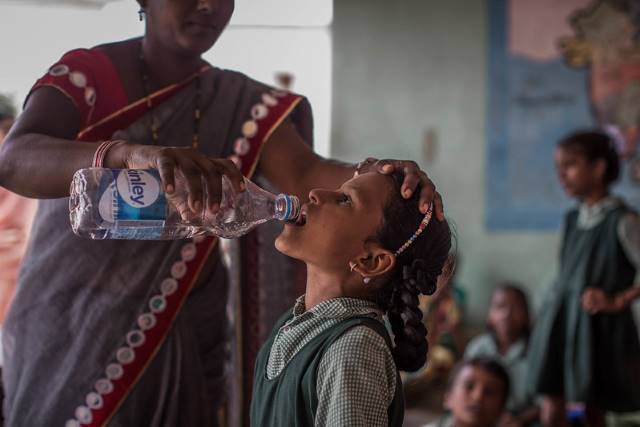
Education in Guinea-BissauWith a population of 1.8 million, about 69% of people in Guinea-Bissau live below the poverty line and 25% experience chronic malnutrition. In addition to working toward reducing poverty, there is a focus to improve education in Guinea-Bissau, which faces many struggles, including low enrollment rates, limited financial support and gender inequality.
Education Statistics in Guinea-Bissau

In Guinea-Bissau, the literacy rate is around 53%. Only 30% of children begin school at the specified age of six. According to a study conducted by UNICEF, as a result of late enrollment, a significant proportion of children in lower primary grades are overage. As of 2010, 62% of children finished their basic education. About 14% of those in grade one end up completing grade 12. Additionally, out of the 55% of children who attend secondary school, about 22% complete it. As of 2014, the net primary school attendance was 62.4%. Lack of accessibility to school, especially in terms of secondary education outside of urban areas, contributes to these statistics.

Schools also receive insufficient funds for quality education and have to rely on families for support. Adequate standards for physical school buildings and textbooks are also lacking. Teachers tend to lack a proper level of competency in regard to the subject they teach and have insufficient teaching materials. According to a text published by the United Nations Educational, Scientific and Cultural Organization (UNESCO), “At a level corresponding to the fifth year of primary education, teachers fail to answer a quarter of the questions on Portuguese and under a half of those in mathematics arising from the syllabus for their pupils.” Furthermore, many schools fail to offer a full curriculum and 46% of teaching days from 2016 to 2017 were lost because of teacher strikes. More than 20% of students aged 7 to 14 years old reside over half an hour from a school and distance decreases their likelihood of attending. Furthermore, many students, the majority being girls, drop out of school due to early marriage and child labor.

Gender Inequality

A gender gap is prevalent within Guinea-Bissau’s education system. Of children aged 10 to 11 years old, 17.5% of boys are not attending school as opposed to 25.7% of girls. Among impoverished families, boys are 1.8 more likely to reach grade six than girls. In general, boys are 1.5 times more likely than girls to take part in General Secondary Education. Moreover, boys obtain 59% of public resources for education, while girls get 41%.

The gender inequality in Guinea-Bissau’s education system leads to consequences, such as child marriage among girls. About 54% of women without an education experienced child marriage, as opposed to the 9% of women who achieved secondary education or higher. The average age of a woman without education for the first delivery of a child is 18.2 years old as opposed to 21.4 years old for a woman who studied for 14 years. Women who received an education of 14 years have an average of about 1.2 kids. On the other hand, women without education have an average of 3.3 children.

Decreasing the gender gap in Guinea-Bissau’s education system would lead to benefits for not only women but the entirety of the population. Women who achieve higher education are 50% likely to vaccinate their children under the age of 5, whereas the likelihood for women without an education is 26%. Furthermore, the likelihood of women who did not attend school using a net to prevent malaria for their children under the age of 5 is 71%, as opposed to 81% among women who studied for at least six years.

The Quality Education for All Project

In July 2018, the World Bank developed the Quality Education for All Project in Guinea-Bissau. The goal of the Project is to improve the overall environment of schools for students from grade one to grade four. Through the Project, the World Bank aims to reduce teacher strikes by providing training. The World Bank also plans to update the curriculum taught as well as educational supplies and materials. Furthermore, the Project encourages greater community involvement in the management of schools.

UNICEF’s Educational Efforts

UNICEF aims to improve the quality of education in Guinea-Bissau, especially with regard to early childhood, through partnership and the rehabilitation of classrooms. Alongside PLAN international, Handicap International and Fundação Fé e Cooperação (FEC), UNICEF monitors schools by training 180 inspectors who are responsible for over 1,700 schools. The monitors focus on teacher attendance as well as the process in the classroom. In order to establish standards, such as National Quality Standards and Early Learning Development Standards, UNICEF also partnered with the Ministry of Education. UNICEF launched Campaign “6/6” to encourage the enrollment of children in school beginning at age 6 and maintaining their attendance throughout primary education.

Response to COVID-19

The Global Partnership for Education (GPE), which coordinates with UNICEF, allocated $3.5 million to Guinea-Bissau for a COVID-19 response from 2020 to 2021. Through its grant, GPE plans to achieve greater health standards in schools and training among community members to increase awareness of COVID-19 prevention. GPE also supports a radio distance education program as well as a distance program that addresses gender-based violence and the inclusion of children with disabilities. UNICEF broadcasts programs three times a day for radio distance learning. Additionally, GPE aims to assess preschool and primary age students to gather further information about learning loss and to create a program for children out of school.

– Zoë Nichols
Photo: Flickr

January 4, 2021
https://borgenproject.org/wp-content/uploads/borgen-project-logo.svg 0 0 Lynsey Alexander https://borgenproject.org/wp-content/uploads/borgen-project-logo.svg Lynsey Alexander2021-01-04 01:15:252021-01-04 01:15:25Challenges in Education in Guinea-Bissau
Children, Global Poverty

Can Deworming Pills Reduce Poverty?

Deworming PillsIn July 2020, the National Bureau of Economic Research (NBER) published data from a longitudinal research study that looked at how deworming Kenyan children affected children’s economic outcomes. Youths took deworming medication under professional supervision and researchers revisited these children 20 years later. Economists used these findings to estimate the impact of deworming pills, finding a significant effect: taking deworming pills during childhood boosts household income by as much as 13% in adulthood.

NBER Research

Deworming has a positive effect on children’s education; reducing absenteeism and dropping out of school. However, this study finds that in addition to, and perhaps as a result of improved education, deworming increases the likelihood of working in nonagricultural jobs with higher incomes. If students are healthier from a younger age and succeed in school, they have a higher chance of bettering their futures. However, it must be noted that the study only found that this future income boost applied to men, suggesting that although deworming medicine increases better education, it does not improve economic mobility for women. Further research is necessary to study this gender gap and its causes.

Further Research

The World Health Organization (WHO) and the World Bank have been funding the distribution of deworming pills in Africa for many years now. In sub-Saharan Africa, there are high infection rates of intestinal worms, especially among school-age children. Worms stunt children’s development and affect their ability to function. Deworming kids is inexpensive and it results in healthier individuals and communities. Additionally, when previous generations are treated, the current generations are shown to reap the benefits. With deworming programs having such clear positive results, many organizations such as the WHO support and supply school-based deworming programs in sub-Saharan Africa as well as other developing countries.

Deworming pills cost less than a dollar per child treated, so the return on deworming programs is significant. For instance, the NBER study predicts a 37% return on deworming investments. However, these researchers acknowledge that there is a low chance this effect is statistically significant. In other words, they may have vastly overstated the effect of deworming pills on future outcomes.

Deworm the World

Elie Hassenfeld is the co-founder of GiveWell, a nonprofit dedicated to finding and rating the most impactful organizations/programs for donors to give to. GiveWell backs a program called the Deworm the World Initiative, which it considers a “priority program” because of how affordable deworming is and how beneficial the outcomes may be. GiveWell also hires and trains monitors to attend schools, conduct training sessions and implement distributions of deworming pills to students to ensure program efficiency.

The Deworm the World Initiative spent $2.2 million more in 2018 on deworming than in 2017. However, the initiative is continually seeking funding in hopes of expanding its programs in Kenya, India, Pakistan and Nigeria.

Concluding Thoughts

This study suggests that deworming may strengthen entire communities over time, raising people out of poverty and improving their countries’ GDPs. One study cannot completely explain the financial impact of deworming; however, it is clear that further research is necessary and that children’s lives are transforming for the better. Previous research has shown that supporting health care systems and eradicating illnesses in developing countries leads to their growth and success. Similarly, deworming programs may play a significant role in alleviating poverty in countries with high incidences of intestinal worms.

– Giulia Silver
Photo: Flickr

December 30, 2020
https://borgenproject.org/wp-content/uploads/borgen-project-logo.svg 0 0 Kim Thelwell https://borgenproject.org/wp-content/uploads/borgen-project-logo.svg Kim Thelwell2020-12-30 10:59:142022-04-12 05:52:52Can Deworming Pills Reduce Poverty?
Child Poverty, Children, Economy, Global Poverty, Government, NGOs

Child Poverty in Taiwan is Almost Eliminated

Child Poverty in Taiwan 
Taiwan is an island off the coast of China. Globally, it has received praise for its exceptionally low household poverty rate, which is under 1%. While child poverty in Taiwan is rare, further reducing it is a priority for the Taiwanese government.

Measurement Methodology

Taiwan uses an absolute threshold to calculate the poverty rate. The country uses estimated monthly living expenses calculated in each province for its measurement. For example, residents in Taipei, a highly urbanized city, must earn over $337 for them to be over the poverty line. On the other hand, residents only need to earn above $171 monthly on the small island of Kinmen County. Such geographically-adjusted measures help ensure that Taiwanese families in expensive areas can afford basic necessities, including food, clothing and shelter.

Successful Tactics

Economic downturns do not render Taiwan helpless, such as the one in 2013. Instead, the Taiwanese government quickly raised welfare spending to help people who lost their jobs when factories relocated to China. Additionally, Taiwanese banks gave out microloans with extremely low-interest rates to help families start businesses. To this day, organizations outside of the government also participate in the fight against child poverty in Taiwan.

The Taiwan Fund for Children and Families (TFCF) is an NGO dedicated to eradicating child poverty in Taiwan. This fund sponsored 48,601 children in Taiwan, and 66, 417 children abroad. TFCF began helping children in Taiwan in 1964 by building orphanages. It has since introduced Family Helper Programs and other programs to deliver donations to families in need of assistance. Similarly, TFCF has provided thousands of families with cash, supplies, emergency relief, vocational training and house repairs or reconstruction. Already, the TFCF appears to have helped successfully alleviate child poverty in Taiwan.

The global community can learn from Taiwan’s anti-poverty programs, which have almost completely weeded out child poverty in Taiwan. A recent study found that only 6% of Taiwanese children living in poverty — an already smaller group comparatively — experienced persistent poverty compared to 13.8% in the U.K. and 15.9% in Canada.

Room for Improvement

Child poverty in Taiwan is incredibly low due to effective country policies. However, there are a few areas where the state could improve. One problem is that many citizens make just above the poverty rate and are struggling to get by. Some of these families could earn more if they found lower-paying jobs and went on welfare.

Another problem is that a lot of immigrant families, particularly Southeast Asian immigrant families, primarily find low-skilled jobs and experience persistent discrimination. Similarly, many Aboriginal Taiwanese are also victims of racism, which can make it difficult to find jobs. This led to an approximated 60% poverty rate for Indigenous peoples in Taiwan. Every country, Taiwan included, could improve its anti-poverty strategy. Fortunately, the Taiwanese government is actively trying to help many of the groups that experience high levels of poverty.

Taiwan is one of the few countries in the world that retains a low poverty rate, particularly such a low child poverty rate. Taiwan can implement further improvements, but the country is a model for the international community in eradicating poverty.

– Madelynn Einhorn
Photo: Flickr

December 28, 2020
https://borgenproject.org/wp-content/uploads/borgen-project-logo.svg 0 0 Jennifer Philipp https://borgenproject.org/wp-content/uploads/borgen-project-logo.svg Jennifer Philipp2020-12-28 07:30:032024-05-30 07:56:10Child Poverty in Taiwan is Almost Eliminated
Child Poverty, Children, Education, Global Poverty

Defining and Eradicating Child Poverty in Kenya

Child Poverty in Kenya
Charitable organizations and the Kenyan government have long recognized child poverty as a dire issue. Due to this recognition, Kenyan child poverty rates have steadily reduced since 2008. Meanwhile, governmental policies and constitutional highlights, along with funding and research headed by establishments like UNICEF, have improved the lives of countless children within Kenyan communities. UNICEF has conducted extensive research on the main causes of child poverty in Kenya. Its hope is that this research will be a basis for child poverty reduction progress. Here are some of the main contributors that UNICEF identifies as factors relating to child poverty rates in Kenya.

4 Major Definers of Child Poverty in Kenya

  1. Poor Sanitation: Children living in Kenya often do not have access to proper plumbing facilities. In fact, more than half of individuals younger than 18 still lack this basic resource.
  2. Lack of Clean Water: Children, especially those living in rural areas, lack access to water that is clean enough to drink. There are also many schools throughout Kenya that do not have drinking water for their students, which creates a high health risk.
  3. Lack of Education: Around 25% of the children living in Kenya have not been able to gain a decent education as of 2014. Along with this, many children who were attending school were registered at the wrong learning level.
  4. Insufficient Housing: Many children in Kenya live in housing that has no insulation or ventilation. Lack of ventilation, in particular, can lead to harmful indoor air pollution as a result of inefficient cooking utilities.

The Basic Education Act

The government of Kenya has taken many efforts to help with the eradication of child poverty over the years. The 2010 Kenyan Constitution made a point to emphasize that children have the right to basic needs, including shelter, health care and food. It further states that children should have access to free education at the basic level. Since 2010, the Kenyan government-endorsed programs along with the passing of the Basic Education Act in 2013, ensured that educational equality truly occurs within the country. Due to this emphasis, the number of educated children rose by 11% by the year 2014.

The Food and Nutrition Policy

In 2011, the Food and Nutrition Policy emerged in Kenya with the objective of creating food equity for all citizens. This policy has helped improve food access within the country by making it more abundant and making sure that Kenyan citizens receive education about proper food consumption. For infants, the nutrition policy targeted the reduction of women’s workloads so that they could be more available to breastfeed their children. Companies began vigorously marketing breast milk substitutes because of this policy. For children in school, the 2011 policy ensured that government-run educational facilities provided meals during school days. This policy also established programs for young women in need of nutrient supplementation before pregnancy.

Kenya’s National Nutrition Action Plan

Kenya’s National Nutrition Action Plan occurred from 2012 to 2017. This plan focused on the education of governmental policymakers by emphasizing the correlation between food security and the many factors that contribute to child poverty in Kenya. It also highlighted nutrition as a fundamental and constitutional human right.

One key initiative that the National Nutrition Plan promoted was awareness of the benefits of lobbying for greater nutritional funding. This plan included 11 key elements, all of which highlighted the improvement of nutritional status and education on proper nutrition for women and children in Kenya. This plan further ensured that each of its key elements received implementation and support through various agencies, with government planning and budgeting processes accounting for each agency. A result of these implemented strategies included a raise from 39% to 67% of children eating three or more food groups in a day.

Save the Children’s Efforts

Save the Children is a program that has worked toward the direct relief of child poverty in Kenya since 1950. Along with a variety of resources providing services, the organization has worked to establish and grow women and youth programs in Kenya. These programs directly improve income within households, job prospects for children’s futures and overall nutrition among children. Save the Children has also worked to help improve livestock conditions. The prosperity of livestock has a large correlation with sustainable incomes for many households in Kenya. These households are then able to provide stability for their developing children.

Sustainable Development Objectives

While much work has already occurred to help solve child poverty in Kenya, organizations like the U.N. are working to fund initiatives that support its 17 Sustainable Development Goals (SDGs) in order to help eradicate all child resource injustices by 2030 and reduce global poverty overall. With ongoing commitments to upholding the rights of children in Kenya, the nation can reduce child poverty.

– Olivia Bay
Photo: Flickr

December 27, 2020
https://borgenproject.org/wp-content/uploads/borgen-project-logo.svg 0 0 Jennifer Philipp https://borgenproject.org/wp-content/uploads/borgen-project-logo.svg Jennifer Philipp2020-12-27 07:30:022024-05-30 07:56:10Defining and Eradicating Child Poverty in Kenya
Child Labor, Child Poverty, Global Poverty, Human Rights, Human Trafficking

How IOM is Reducing Human Trafficking in Ghana

Human Trafficking in Ghana
Human trafficking is a wicked global business that involves kidnapping people for slavery, forced labor or exploitation, robbing millions of people (largely women and kids) of their homes. Many children experience human trafficking in Ghana.

Human Trafficking in Ghana

Human trafficking in Ghana is a nationwide affair but is more prominent in the Volta region and the oil-producing Western region. Research from August 2016 reported that 35.2% of households consisted of trafficked children with 18% working in the fishing industry, 10% in domestic servitude and a few reports of early and forced marriage.

Since 2002, the International Organization for Migration (IOM), along with several NGOs and international organizations, has aimed to combat human trafficking in Ghana. These organizations mainly work towards rescuing, sheltering and rehabilitating victims.

The Importance of Community Outreach and Education

International Organization for Migration (IOM) organizes programs in the Volta, Central, Greater Accra and Brong-Ahafo Regions of Ghana to strengthen the ties between communities to effectively condemn and prosecute traffickers, provide intensive care for distressed victims and prevent trafficking altogether. The programs intend to educate the villagers about the dangers of child trafficking, international and national legislation on child rights and human trafficking as a culpable offense.

Traffickers do not always realize the immorality of keeping the kids away from their parents and schools. “For instance, Benjamin Tornye, a fisherman for 15 years, used to visit parents and ask them if their children could help him with his work. As he said, “children are good fishers.” He would teach them how to use the boat, swim and dive, and he believed he was doing the right thing.”

Therefore, rescuing trafficked children is much more than just freeing them from the clasps of exploitation. To make a real impact, the authorities must sensitize and educate people about human-trafficking; and create and maintain a peaceful environment for the well-being of the children.

Rehabilitation and Reintegration

The International Organization for Migration (IOM) and APPLE, a Ghanaian NGO founded in 1977, both rescue children from trafficking and bring them back to their families. Rescued children first go to a government-run shelter for up to three months before they reunite with their parents. At the shelter, they receive medical checks, health treatment, psychological counseling and basic education.

Additionally, a clinical psychologist inspects the victims to identify the ill-treatment that they have experienced which informs the creation of a personalized plan for rehabilitation. Next, the children attend school or undertake an apprenticeship with the necessary supplies. Otherwise, if they are fortunate enough, they go back home to their parents.

The children who return to their parents get to fulfill the fundamental right of all the children in this world: to grow up with a family. The authorities organize a background test and a compatibility test to ensure that the caretakers are suitable before handing over the child.

The development of the kids –in the family environment, school and apprenticeship– receives monitoring over a period of 2.5 years to ensure the safety and well-being of the child. Further, watchdog groups and surveillance teams have merged to prevent re-trafficking of children. Parents also receive livelihood assistance upon the homecoming of the children.

International Organization for Migration (IOM) educates the locals, national government officials, and the traffickers about the appalling effects of human-trafficking on a child. Further, it raises awareness on the issue and encourages a shift in the mindset of the people.

Accomplishments

With these wonderful initiatives and generous donations by people and organizations from all over the world, the International Organization for Migration (IOM), along with its partner NGOs, has been able to help victims of human trafficking in small ways.

As of now, IOM has rescued 732 trafficked children in Ghana and rehabilitated and reintegrated them into their respective communities. Additionally, of these children, 690 have been able to attend school with 20 graduating high school. Moreover, 10 have completed apprenticeships and are supporting themselves now, while 191 children have been able to reintegrate due to the sponsorship of private donors.

Beyond the apparent benefits to child victims of human trafficking, IOM has aided in other ways as well. In fact, it has granted education regarding trafficking to 130 communities and 48,533 community members. It has also benefitted 468 parents/guardians of trafficked children with micro-business assistance.

Finally, IOM has offered training to 50 social workers in the rehabilitation of child and adult victims of trafficking. It has also provided technical assistance in capacity-building on human trafficking issues to 150 government officials from the Police, Immigration, Naval and Judicial Services.

Government Support

The Government of Ghana introduced several policies, legislation and programs to address the main grounds of human trafficking. Consequently, to set up an all-inclusive approach, the government devised the Human Trafficking Act, 2005 (Act 694), providing a robust authorized framework to prevent human trafficking, prosecute the perpetrators and protect the victims.

The government of Ghana and the NGOs have had a modest impact in curbing the enormity of human trafficking by implementing preventive strategies. The government successfully established a capable board and conducting training sessions for law enforcement, immigration officials and the citizenry. Despite the best efforts to eradicate human trafficking and persecute domestic and international offenders, the number of human trafficking cases remains disappointingly high.

– Prathamesh Mantri
Photo: Flickr

December 22, 2020
https://borgenproject.org/wp-content/uploads/borgen-project-logo.svg 0 0 Borgen Project https://borgenproject.org/wp-content/uploads/borgen-project-logo.svg Borgen Project2020-12-22 07:30:222020-12-23 14:50:31How IOM is Reducing Human Trafficking in Ghana
Page 56 of 137«‹5455565758›»

Get Smarter

  • Global Poverty 101
  • Global Poverty… The Good News
  • Global Poverty & U.S. Jobs
  • Global Poverty and National Security
  • Innovative Solutions to Poverty
  • Global Poverty & Aid FAQ’s
Search Search

Take Action

  • Call Congress
  • Email Congress
  • Donate
  • 30 Ways to Help
  • Volunteer Ops
  • Internships
  • Courses & Certificates
  • The Podcast
Borgen Project

“The Borgen Project is an incredible nonprofit organization that is addressing poverty and hunger and working towards ending them.”

-The Huffington Post

Inside The Borgen Project

  • Contact
  • About
  • Financials
  • President
  • Board of Directors
  • Board of Advisors

International Links

  • UK Email Parliament
  • UK Donate
  • Canada Email Parliament

Get Smarter

  • Global Poverty 101
  • Global Poverty… The Good News
  • Global Poverty & U.S. Jobs
  • Global Poverty and National Security
  • Innovative Solutions to Poverty
  • Global Poverty & Aid FAQ’s

Ways to Help

  • Call Congress
  • Email Congress
  • Donate
  • 30 Ways to Help
  • Volunteer Ops
  • Internships
  • Courses & Certificates
  • The Podcast
Scroll to top Scroll to top Scroll to top