• Link to X
  • Link to Facebook
  • Link to Instagram
  • Link to TikTok
  • Link to Youtube
  • About
    • About Us
      • President
      • Board of Directors
      • Board of Advisors
      • Financials
      • Our Methodology
      • Success Tracker
      • Contact
  • Act Now
    • 30 Ways to Help
      • Email Congress
      • Call Congress
      • Volunteer
      • Courses & Certificates
      • Be a Donor
    • Internships
      • In-Office Internships
      • Remote Internships
    • Legislation
      • Politics 101
  • The Blog
  • The Podcast
  • Magazine
  • Donate
  • Click to open the search input field Click to open the search input field Search
  • Menu Menu

Archive for category: Children

Information and stories addressing children.

Child Marriage, Children, Developing Countries, Global Poverty

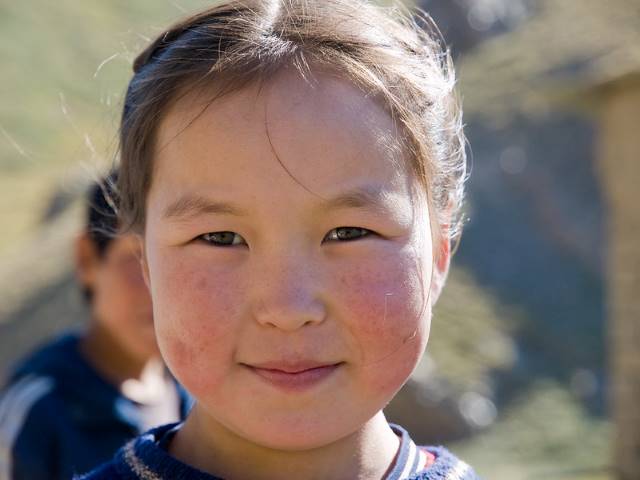
Ending Child Marriage in Kyrgyzstan

Child Marriage in KyrgyzstanPatriarchal culture and deep-rooted traditions within the country have contributed to child marriage in Kyrgyzstan. Despite the legal age for marriage being 18, an estimated 19% of girls in Kyrgyzstan are married before this age. Due to the country’s history and various social factors, child marriage in Kyrgyzstan remains an issue. Organizations such as the National Federation of Women’s Communities of Kyrgyzstan, are fighting for girls’ rights in the country.
History of Child Marriage in Kyrgyzstan

Kyrgyzstan was formerly a member of the Soviet Union. Under Soviet control, many of the traditions and values of the country were repressed. Following the 1989 collapse of the Soviet Union, the government of Kyrgyzstan attempted to maintain power by appealing to nationalism and reviving the traditions of the country. One of these traditions was the practice of child marriage, which has seen increases in many Central Asian countries following the collapse of the Soviet Union.

Factors Associated with Child Marriage

Social issues, including poverty, lack of education, cultural emphasis on honor and practices of bride kidnapping, contribute to the practice of child marriage. In Kyrgyzstan’s poorest households, 16% of girls are married as children compared to 9% of girls from families with higher incomes. Girls with primary or no education are more likely to be married by the age of 18 than girls with a more substantial education – 4% compared to 33%, respectively.

Kyrgyzstan culture emphasizes family honor and child marriage is linked to the desire to ensure that girls do not engage in premarital sex. Child marriage is also linked to the practice of bride kidnapping, where the girl is taken by force to the house of a man who wants to marry her and is slowly convinced by him and his family to agree to the marriage. An estimated 12,000 bride kidnappings occur each year and it is believed that many girls agree to child marriages in an attempt to avoid being kidnapped.

Effects of Child Marriage in Kyrgyzstan

Child marriage causes many hardships for women and girls in Kyrgyzstan. Due to the unequal nature of child marriages, domestic violence is common for child brides. Child brides often face difficulties during pregnancy and childbirth due to their young age and immature physical development. These marriages often put an end to girls’ education as they have to drop out of school to raise children and undertake domestic tasks. This limits their future ability to find jobs and become financially independent, putting them at risk of being unable to leave abusive relationships.

In addition, because child marriages are illegal under Kyrgyzstan’s laws, many of these marriages are not officially registered with the state until both parties are over the age of 18, the legal age for marriage. Since women in unregistered marriages do not have access to resources such as property, alimony and child support, they are limited in their independence and ability to leave a marriage.

The National Federation of Women’s Communities of Kyrgyzstan

A key organization combatting child marriage in Kyrgyzstan is the National Federation of Women’s Communities of Kyrgyzstan (NFFCK). NFFCK is an organization created by teenage girls with the mission of giving girls throughout the country the tools and knowledge necessary to avoid child marriages and other forms of gender discrimination. The organization provides sex education and awareness programs regarding health issues, smoking and drugs, in addition to teaching leadership skills. NFFCK also is an advocacy organization, conducting awareness campaigns on social issues such as child marriage to create policy changes.

A grant provided to NFFCK by the U.N. Trust Fund to End Violence Against Women allowed the organization to create an educational program, Educating Girls Through Education, Art and Media, in three villages. The program had benefited 600 people as of 2016.

Over the course of just two years, NFFCK worked with 41 girls to avoid child marriage through its education and leadership-building programs. NFFCK provided nearly 500 girls with some form of “practical support” and more than 1,600 girls with “consultations on child marriage and bride kidnapping.” Overall, NFFCK has educated 12,000 girls on their rights.

Governmental Efforts to End Child Marriage

The government is also committing to do more to end child marriages. In 2016, President Almazbek Atambayev passed Article 155, which creates a legal basis for the punishment of adults who perform marriage ceremonies involving minors. The 2015-2017 National Action Plan on Gender Equality also included awareness programs for the public and the military on the harmful effects of child marriage. Still, an estimated 14% of girls under the age of 18 were married in 2019, indicating that child marriage in Kyrgyzstan remains a serious issue. With ongoing efforts and commitments from the government and organizations, child marriage in Kyrgyzstan can be successfully combated.

– Sydney Leiter
Photo: Flickr

December 11, 2020
https://borgenproject.org/wp-content/uploads/borgen-project-logo.svg 0 0 Jennifer Philipp https://borgenproject.org/wp-content/uploads/borgen-project-logo.svg Jennifer Philipp2020-12-11 09:25:032024-05-30 07:53:28Ending Child Marriage in Kyrgyzstan
Child Poverty, Children, Developing Countries, Global Poverty

Alleviating Child Poverty in Rwanda

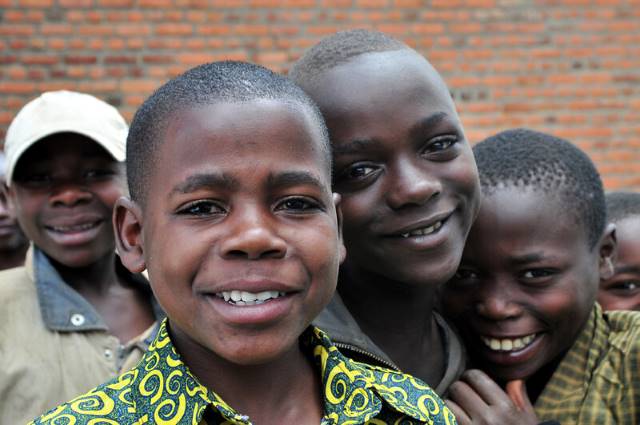
Child Poverty in RwandaRwanda, an East African country, has a population of about 12.3 million. Around 45% of the country’s population, roughly 5.4 million, are under the age of 18. The rate of poverty has decreased from 59% to 40% since 2000. Additionally, the rate of extreme poverty was reduced to 16% from 40%. While the country achieved its Millennium Development Goals, child poverty in Rwanda continues to be a significant issue faced by the population. Therefore, Rwanda aims to end child poverty with one of its Sustainable Development Goals (SDGs) targets focusing on reducing the number of impoverished children by half by 2030.
The Effects of Child Poverty in Rwanda

The rate of impoverished Rwandan children ages 0 to 17 is 39%. Children disproportionately undergo the struggles of poverty and it significantly impacts their well-being since they lack basic needs. Impoverished families in Rwanda, especially in rural areas, experience high rates of mortality among children under the age of 5. About 50 children out of 1,000 births in the country do not live past the age of 5 years old..

Impoverished children also struggle greatly with malnutrition. As a result, many children face low birth weight and infections. Malnutrition creates lasting effects on children, specifically in terms of cognitive development and physical growth. Furthermore, Rwandan children struggle with the impact of poor sanitation. A clean and safe source of water within 500 meters of a house is only accessible to 47% of Rwandan households. Additionally, 64% of households own a latrine. Lack of access to quality sanitation and water sources contributes to 38% of Rwandan children being stunted.

Child Poverty in Rural and Urban Areas

In terms of deprivation of sanitation, water, housing, education and health due to poverty, there is a gap between children living in rural areas and children residing in urban areas. Moreover, 83.5% of the rural population in Rwanda consists of children. In urban areas, 38% of children ages 0 to 23 months undergo multiple deprivations as opposed to 61% of children in rural areas. Additionally, in urban areas, 22% of children ages 15 to 17 are considered “multidimensionally poor” with a deprivation rate of 16% among children ages 5 to 14. On the other hand, in rural areas, the deprivation rate of children ages 5 to 14 is 32% and 50% of children ages 15 to 17 are “multidimensionally poor”.

Government Solutions

The Rwandan Government has worked toward further developing its Vision Umurenge Social Protection (VUP) program by including child-sensitive social protection. In 2011, the government passed Law N.54 to protect children’s rights but there is inequality in the law’s implementation, which prevents children from receiving its full benefits.

While Rwanda has witnessed a recent decrease in child poverty, through a Multiple Overlapping Deprivation Analysis (MODA), UNICEF provides recommendations to further efforts to eradicate poverty among children. UNICEF suggests increasing the support provided by the Rwandan Government’s social protection program, VUP, to give children greater access to social services and to decrease the number of deprivations due to poverty. Furthermore, UNICEF recommends that the social protection program considers overlapping deprivations when providing services. UNICEF also emphasizes the importance of prioritizing the most vulnerable groups of children, especially those living in rural areas and children ages 0 to 23 months.

– Zoë Nichols
Photo: Flickr

December 11, 2020
https://borgenproject.org/wp-content/uploads/borgen-project-logo.svg 0 0 Kim Thelwell https://borgenproject.org/wp-content/uploads/borgen-project-logo.svg Kim Thelwell2020-12-11 02:29:432024-05-30 07:52:19Alleviating Child Poverty in Rwanda
Children, COVID-19, Education, Global Poverty, Inequality

Teaching Children in Sub-Saharan Africa Via TV Amid COVID-19

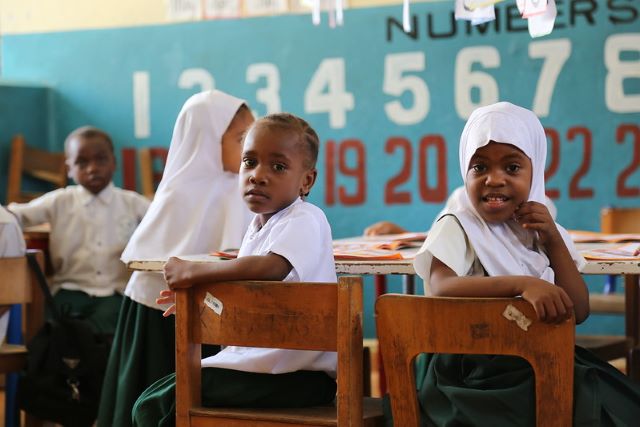
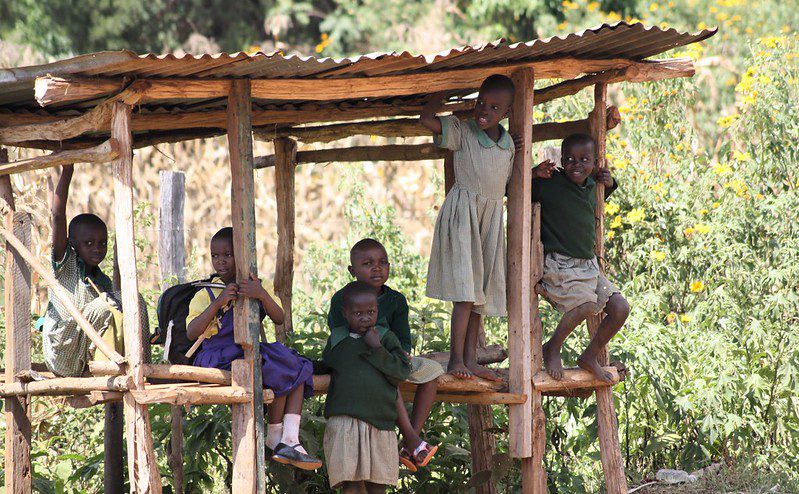
Teaching Children In Sub-Saharan AfricaAs a result of the coronavirus pandemic, schools around the world have been forced to find innovative and sometimes unusual alternatives to traditional forms of teaching. Several countries in sub-Saharan Africa, such as Tanzania and Kenya, have decided to close schools until January 2021. As a result, the nations’ education departments are collaborating to create educational television programs as a solution for teaching children in sub-Saharan Africa during COVID-19.
Teaching Children in Sub-Saharan Africa During COVID-19

Bringing access to education to every child is a task that many African nations are working on, but have not yet achieved. Recent statistics from the United Nations Educational, Scientific and Cultural Organization (UNESCO) show that one-third of the children in sub-Saharan Africa are not in school. This issue is also a gendered one, with UNESCO reporting that only 8% of girls finish secondary school.

The COVID-19 pandemic has made it all the more difficult for children in this region to access educational resources. UNESCO monitoring shows that COVID-19 has affected 1.2 billion children’s education around the world. In addition, many organizations believe that developing nations will continue to struggle to fund education in the upcoming years due to the urgent redirecting of funds in response to coronavirus.

Governments in sub-Saharan Africa are not left with many choices but to shut down schools to best protect the health of civilians. Online schooling is not an option for many children in this region. UNICEF reports that at least one in two children in sub-Saharan Africa do not have access to the internet, with many more lacking stable and uninterrupted connections. In turn, governments have turned to television programs during COVID-19 as a creative alternative that may be more accessible than online programs.

Ubongo

Ubongo, which means ‘brain’ in Swahili, is one of Africa’s most popular producers of children’s entertainment. Founded in 2013, its programs now reach more than 17 million homes across Africa. The organization produces free, entertaining educational content on television, radio and mobile phones to ensure the most access possible.

Ubongo has programs for different age groups, ranging from ages 3 to 14. One challenge that Ubongo faces is the difference in language across the continent. However, CEO and co-founder Nisha Ligon explains that the organization is actively working to adapt its content to the needs of children across Africa as its capacity grows.

For many children who are unable to attend school due to government regulations, Ubongo is the only way to continue learning. One Tanzanian mother told Reuters that Ubongo has helped her child “differentiate a lot of shapes and colors, both in English and Swahili.”

According to Ubongo’s head of communications, Iman Lipumba, the COVID-19 pandemic has given the organization the opportunity and responsibility to expand its operations. Between March and August 2020, Ubongo expanded from nine countries to 20.

Teaching children in sub-Saharan Africa via educational television programs during COVID-19 has given many children the opportunity to broaden their knowledge, but TV programs are certainly not a permanent nor comparable replacement to in-class learning. However, in the near future, during which COVID-19 will surely continue to affect access to education, Ubongo plans to develop more content about health and the prevention of COVID-19.

– Leina Gabra
Photo: Flickr

December 10, 2020
https://borgenproject.org/wp-content/uploads/borgen-project-logo.svg 0 0 Kim Thelwell https://borgenproject.org/wp-content/uploads/borgen-project-logo.svg Kim Thelwell2020-12-10 07:57:452024-05-30 07:55:37Teaching Children in Sub-Saharan Africa Via TV Amid COVID-19
Children, Global Poverty

Sus Hijos: Improving Life in El Salvador

Improving Life in El Salvador
Why would a parent ever voluntarily give up their child? In El Salvador, perilous circumstances pressure some parents to do just that for the sake of the child. Other children find themselves in orphanages because of an abusive or impoverished family. Amid economic malaise and violence, NGO Sus Hijos is improving life in El Salvador by helping Salvadoran youth find hope.

Poverty in El Salvador

In the United States, the poverty line is around $26,000 for a family of four. The same family of four in El Salvador would be making around $8,000 according to the World Bank. That is $5.50 per person daily. In 2017, the poverty rate among Salvadorans was 29%, with 8.5% of Salvadorans surviving in extreme poverty. If one compares this to 2007, these statistics are a win: that year, 39% lived in poverty and 15% in extreme poverty.

Still, the current situation presents a challenge to El Salvador’s government, other countries and private organizations as they try to reduce the poverty rate. El Salvador’s economy has grown slowly since 2000, at an average of 2.3% GDP annually, but the World Bank predicts COVID-19 will contribute to a -4.3% growth rate in 2020. Even if 2021 brings an economic rebound, growth will have stagnated and recovery will be arduous absent additional action. Gangs and corruption both present endemic barriers to anti-poverty reform. In fact, gangs have exploited the COVID-19 pandemic, as police have split their focus between law enforcement and containing the virus.

National efforts to fight corruption and violence can do good if implemented correctly but small-scale efforts should accompany them. These on-the-ground efforts can attain acceptance from the community, and help construct a bottom-up fight against poverty. One such charitable organization improving life in El Salvador is Sus Hijos.

Sus Hijos

Sus Hijos (His Children) is a faith-based NGO that has been serving in El Salvador since 2008. Its mission has expanded as its support has grown, and it now pursues a variety of poverty-reducing initiatives, such as a community feeding program, a home construction campaign and culinary and cosmetics training programs. It also uses its transition program to help Salvadoran youth stay out of gang violence and off the streets.

The Borgen Project interviewed Dave Sheppard about his work with Sus Hijos, where he served as the transition program director for more than three years, between 2013 and 2016. As the director, he helped 38 young adults through the program, 20 of whom successfully completed the two-year transition. He also observed the sights and way of life around him, in a country that hopelessness often plagues.

Transitioning from Tragedy

The situation Salvadoran youth face is especially saddening. In 2010, parents abandoned 66% of children, often because their parents were simply too poor to care for them. Abandonment is still high today, and for many, the orphanage is safer than home.

Gang violence contributes to this problem. Gangs in El Salvador may outnumber the security forces, and operate by dealing drugs, extorting business owners and human trafficking. As they often control entire neighborhoods, dividing San Salvador into regions of influence, gangsters frequently impress children as young as 10 into their network. Those who do not join experience threats, harassment and assault. Sheppard told The Borgen Project that many families willingly turn their children over to the government so that they can escape gang influence and danger.

Once children turn 18, however, they are no longer eligible to live in government care. As a result, they go back to their families as government employees cannot legally leave them on the street. With unstable family situations, many of these young adults end up on the street or in gangs.

This is where Sus Hijos and other charities step in. It picks up the children on their 18th birthdays and offers them a room, food and support for up to two years. Sheppard told The Borgen Project that Sus Hijos’ transition program targets “the worst of the worst cases” to help—often those who experienced sexual abuse as children or had to work for long hours in sugarcane fields.

Transitioning to Hope

Sus Hijos’ transition program aims to provide young adults with support while fostering work ethic and faith-based values. To enter the program, the children must agree to avoid drugs and alcohol and follow other rules that help promote their personal growth. They also had to pay $1 a day in rent—money that they would receive as a gift from Sus Hijos once they left or completed the program, Sheppard said.

While in the program, the young adults also continued their education, completed chores and worked a job to make money. A ninth-grade education is a requirement to work at certain food establishments, like McDonald’s or Super Selectos. Most children complete only a sixth-grade education in El Salvador, so moving through additional grades can translate into greater pay. Sus Hijos’ training programs in its restaurant and salon also offers the young adults real-world job skills.

 In his role as director, Sheppard purchased a bus to ferry the youth between the residence and their jobs. He said that the gangs occasionally harassed him on his routes, but such harassment became “very, very rare” once they discovered who he was. “Once they knew who I was, they would leave me alone,” he stated.

Transitioning to Success

Sheppard told The Borgen Project about two individuals whose success was above average. The first was a young woman in government care through most of her teens due to domestic abuse. She completed Sus Hijos’ two-year program and graduated high school, which ends after 11th grade in El Salvador. Unlike many Salvadorans, she managed to get into a college and complete her associate’s degree. The college was the product of a U.S. doctor who had repaired a derelict hospital. The college paid full tuition while Sus Hijos and others helped out with living costs. Sheppard keeps in touch with the young lady, who now works at a call center where she makes about $600 per month.

The other success story Sheppard mentioned was of a young man whose parents had been killed when he was only four months old. He lived in a government facility until 18, at which point he entered the Sus Hijos program. He completed his seventh, eighth and ninth-grade education while at Sus Hijos, and then left the program to work at a local grocer, where he still has employment.

Even though Sheppard’s volunteer work ended in 2016, he keeps in touch with several of the youth from the program and its administrators. Today, the transition house is assisting nine kids through the program and Sus Hijos is continuing its other works. Its contributions are part of a small-scale, non-governmental initiative with a focus on improving life in El Salvador. If Sus Hijos’ efforts are a barometer of success, the country is bound to continue improving.

– Jonathan Helton
Photo: Flickr

December 9, 2020
https://borgenproject.org/wp-content/uploads/borgen-project-logo.svg 0 0 Jennifer Philipp https://borgenproject.org/wp-content/uploads/borgen-project-logo.svg Jennifer Philipp2020-12-09 06:36:422024-05-30 07:55:57Sus Hijos: Improving Life in El Salvador
Children, Developing Countries, Education, Global Poverty

The LeAP Initiative: Improving Education Worldwide

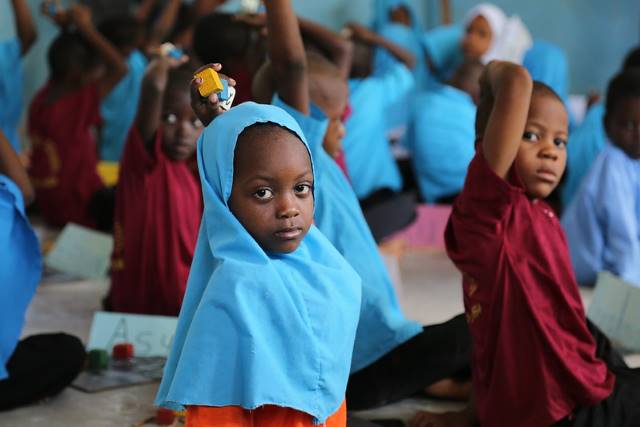
LeAP initiativeAccess to education is a global issue that is deeply connected to issues of global poverty. Education often provides impoverished people with a way to escape poverty through improved job opportunities and better knowledge of healthcare. In this way, reducing poverty in developing countries often requires improving access to education. The World Bank is currently implementing a program called the Learning Assessment Platform, or LeAP, which it hopes will allow world leaders to better track how effective and efficient their nations’ educational systems are. Through the LeAP initiative, the World Bank hopes to improve global education.
Learning in Crisis

Poor and absent education is a serious global issue, with UNESCO finding that roughly 258 million children were not enrolled in school in 2018. That number has likely increased since then as a result of the COVID-19 pandemic.

Even for children in impoverished countries who do get an education, many times the education they receive is poor in quality and ineffective. Among developing nations, only 44% of children enrolled in school had obtained proficiency in mathematics and reading in 2017. In sub-Saharan Africa, that number fell to only 10%.

According to the World Bank, a significant factor contributing to these low education rates is the fact that many developing countries lack systems to measure learning outcomes among populations. Without such systems, leaders in these countries are unable to accurately identify the reasons why their education systems are failing, which prevents them from implementing effective policies that would improve the education systems.

The LeAP Initiative

Despite these challenges, the World Bank is hoping to use its resources to improve education by leaps and bounds. In order to meet this goal, the World Bank is working to improve learning assessment systems in developing countries by developing a Learning Assessment Platform. The LeAP initiative would provide countries with the tools and resources needed to develop more effective systems for assessing the state of education among populations.

For the past decade, the World Bank has been working to build a solid base of learning assessment resources for the LeAP program to build off of. With the help of Russia’s similar learning assessment program, called the Russia Education Aid for Development (READ) Trust Fund program, the World Bank has developed a wide range of tools and resources specifically designed to help countries accurately gauge the effectiveness of education systems. These include free online courses for educating policymakers and specialists on effective learning assessment techniques, tools for benchmarking education success and access to more than 60 reports detailing the student assessment systems of dozens of countries.

Investing in Learning

In its efforts to improve global education, the World Bank has done more than just provide developing countries with learning assessment resources. Working with the READ Trust Fund program, the World Bank has helped secure more than $20 million in learning assessment system improvement grants for 12 different countries, including Ethiopia, Cambodia, India and Vietnam.

Through the LeAP initiative and several other global education programs, the World Bank hopes to reduce worldwide “learning poverty” by at least 50% by 2030.

The World Bank’s goal of cutting learning poverty is ambitious but its work on improving learning assessment systems around the world is an important step toward making it a reality. When countries are able to accurately assess the strengths and weaknesses of education systems, they are able to craft policies that more effectively improve these systems while also allowing other countries to learn from them and develop their own learning assessment systems. In this way, The World Bank’s LeAP initiative is pivotal in its effort to improve global education.

– Marshall Kirk
Photo: Flickr

December 8, 2020
https://borgenproject.org/wp-content/uploads/borgen-project-logo.svg 0 0 Kim Thelwell https://borgenproject.org/wp-content/uploads/borgen-project-logo.svg Kim Thelwell2020-12-08 08:18:032020-12-08 08:18:03The LeAP Initiative: Improving Education Worldwide
Children, Developing Countries, Education, Global Poverty

How Tanzania is Improving its Education

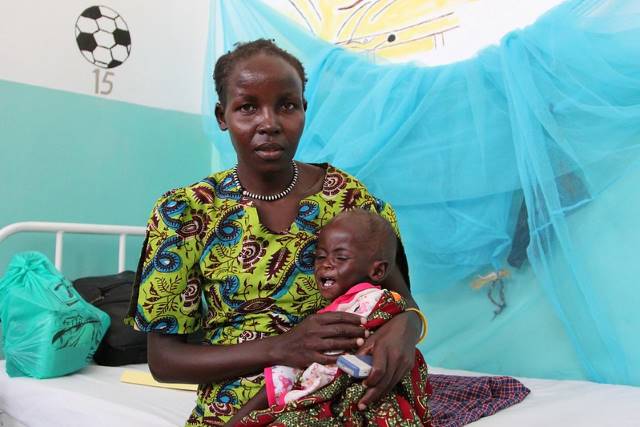
Tanzania is Improving its EducationTanzania has faced difficulty in promoting its own economic development in the past. While Tanzania has made progress, its progress has slowed over the past decade. As a result, Tanzania is improving its education to reduce poverty in the country.
Challenges and Progress in Tanzania

Tanzania is a country that has experienced severe poverty levels throughout its history. Yet over the past decade, the country has also made significant strides in reducing its poverty rate. While in 2007 Tanzania had a poverty rate of 34.4%, with more than a third of the population living under the poverty line, that number had fallen to 28.2% by 2012 and again to 26.4% by 2018.

This data shows a clear improvement in Tanzania’s poverty levels but it also reveals a slowing of the progress being made in fighting poverty in the country, with a roughly 6% reduction of the poverty rate between 2007 and 2012 and a roughly 2% reduction of the poverty rate from 2012 to 2018. Nearly 50% of Tanzania’s population still fall below the extreme poverty income line, meaning they are living on less than $1.90 a day.

While Tanzania’s economic progress had already been slowing in the last few years, the arrival of the COVID-19 pandemic is on track to hinder the country’s economic development even further. Both the formal and informal economies of Tanzania have been impacted by the effects of the pandemic, with Tanzania’s tourism industry being especially crippled.

The Tanzanian government estimates that only about 437,000 people will visit Tanzania from outside the country this year, which is a significant reduction from the 1,867,000 tourists estimated in 2019. It is predicted that Tanzania will lose around 146,000 jobs due to this drop in tourism.

Education Challenges in Tanzania

Yet, Tanzania is improving its education to reduce poverty among its poorer populations. In an effort to reduce poverty, the Tanzanian government has made investments in education over the past decade. Since 2007, Tanzania’s government has worked to provide free education for all its people and from 2011 to 2016, it increased its education spending budget by more than half. This led to a sharp increase in the rate of primary education enrollment but by 2012 this rate had fallen by nearly 20%.

While the efforts of Tanzania’s government to make education free have been broadly effective, many impoverished communities in Tanzania still struggle to access formal education. The cost of the tuition itself is only part of the total cost of education and many impoverished people in Tanzania are unable to afford the costs of traveling to and from school. In some rural parts of Tanzania, students have to travel nearly 15 miles every day just to receive an education.

As a result, many people in Tanzania choose to forgo formal education, with more than half of Tanzania’s rural population being illiterate.

Possible Solutions to Improve Education

Investing more in transportation systems for students may help to alleviate some of the financial burdens that impoverished communities face. Investing in teachers may also help Tanzania overcome its low education rate, as many public schools in Tanzania have many more students than available teachers. According to UNICEF, for every trained teacher at the pre-primary level of public education in Tanzania, there are roughly 131 students, meaning that many public schools in Tanzania end up being understaffed. By investing more funding into training teachers, the Tanzanian government could further improve its public education systems, which would improve career opportunities among its poorest communities.

Taking Action

Tanzania’s government has recognized the need to improve education among its populace. Currently, UNICEF is working with Tanzania’s President’s Office Regional Administration and Local Government to bring increased education opportunities to more communities throughout the country. By working with the government, UNICEF hopes to develop policies that will allow for more effective and accessible systems of education to be established within the next year.

Tanzania’s economic development has faced significant roadblocks in the past, with the COVID-19 pandemic being especially detrimental. However, it is clear that Tanzania is improving its education to reduce poverty among its population. To reduce poverty rates and improve career opportunities, the Tanzanian government is investing in better education for its citizens. With the help of organizations such as UNICEF, Tanzania may see a lower poverty rate than ever before.

– Marshall Kirk
Photo: Flickr

December 8, 2020
https://borgenproject.org/wp-content/uploads/borgen-project-logo.svg 0 0 Kim Thelwell https://borgenproject.org/wp-content/uploads/borgen-project-logo.svg Kim Thelwell2020-12-08 07:36:402020-12-08 07:36:40How Tanzania is Improving its Education
Children, Developing Countries, Global Poverty, Health

Human Milk Banks Ensure Infant Survival in Kenya

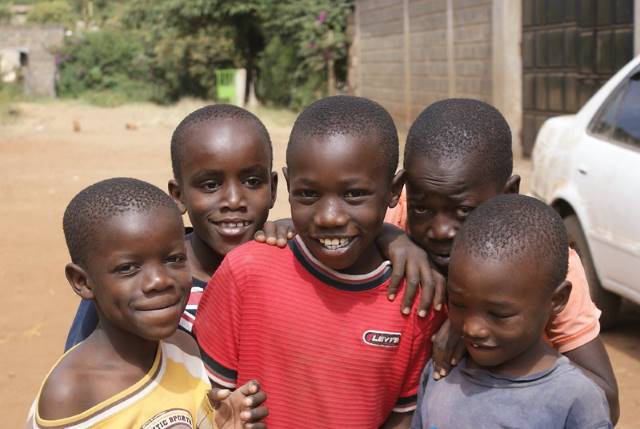
human milk banksBreastfeeding is the most effective way to maximize infant health and provide the best possible start in life for babies, showing that the common phrase ‘breast is best’ rings true. Not only is breast milk the ideal food for infants but it is also the number one way to ensure their health and survival. Human milk banks allow infants access to necessary breast milk.
Why Breast is Best

Breast milk provides all the vitamins and nutrients a baby needs during the first months of its life, including important antibodies that can help fight many deadly childhood diseases like acute respiratory infections and diarrhea. Additionally, the preparation of breast milk does not require access to clean water or sanitation (unlike formula) and is cost-free and widely accessible for parents.

The World Health Organization (WHO) recommends exclusive breastfeeding for the first six months of life and continued supplementation until 2 years of age. All the benefits of breastfeeding pay off as children who are breastfed have more than six times the chance of surviving than non-breastfed children. Breastfed children often score higher on intelligence tests, maintain healthier weights and have fewer instances of illness. In fact, successful breastfeeding of children aged 0-2 has the potential to prevent 13% of all childhood deaths under 5 years old in countries experiencing extreme poverty.

Trouble breastfeeding can stem from a wide range of issues, like cleft palate, low milk supply, trouble latching, malnutrition, disease or lack of support and counseling before, during and after pregnancy. In Kenya, 362 mothers die for every 100,000 live births, leaving many babies without easy access to breastmilk. When infants do not receive the nutrients they need, it is difficult for them to survive and thrive.

Human Milk Banks

Human milk banks provide safe and lifesaving breast milk to babies who are unable to nurse from their own mothers. Generous donors provide the breast milk. The milk bank screens the donors and processes and pasteurizes the donations, and then, the lifesaving breast milk is redistributed to help babies in need.

Children in this category include prematurely born infants, orphans or cases where a mother is unable to provide breast milk. This effective system ensures that babies can access breast milk that will help them reach their potential. The WHO recommends that in cases where babies are unable to nurse from their mothers, donor milk can be utilized, indicating that donated breast milk is safe and effective for babies who need it.

The Pumwani Maternity Hospital

The Technical Working Group decided on Pumwani Maternity Hospital as the first to provide Kenya with a breast milk bank. This hospital is innovative in terms of neonatal care, promoting skin-to-skin (Kangaroo Mother Care) contact and providing breastfeeding education to parents. In Kenya, the rate of acceptance for breastfeeding is low. One concern with this project was whether mothers would consider breast milk donation an option. Fortunately, researchers from PATH report that locals are warming up to the idea of the bank, which bodes well for the future of the program.

As of October 2019, the Pumwani Maternity Hospital reported delivering lifesaving breast milk from more than 400 donors to 75 infants, a marked success. As a result, the Ministry of Health (MOH) included a recommendation for donated human breast milk in Kenya’s newborn care guidelines. Annually, donor milk has the potential to save the lives of hundreds of thousands of babies. Although there is still a long way to go to achieve widespread access to breast milk for all infants, the success of Pumwani Maternity Hospital stands as a great example of what human breast milk banks can accomplish.

– Noelle Nelson
Photo: Flickr

December 8, 2020
https://borgenproject.org/wp-content/uploads/borgen-project-logo.svg 0 0 Kim Thelwell https://borgenproject.org/wp-content/uploads/borgen-project-logo.svg Kim Thelwell2020-12-08 06:07:422024-05-30 07:53:01Human Milk Banks Ensure Infant Survival in Kenya
Children, Developing Countries, Education, Global Poverty

Tennessee Titans’ Player Builds Schools in Kibera

Tennessee Titans’ PlayerIn 2017, Tennessee Titans’ player, Kenny Vaccaro, traveled to Kibera, a division of Kenya, to help build schools. Alongside him was Kansas City Chiefs’ player and friend, Alex Okafor. Together, the two joined the Blessed Hope Project’s mission to make education more readily available to all children in the Kibera slums. Vaccaro’s journey does not stop there, though, as his time in Kibera sparked what is now his personal devotion to creating educational opportunities for African children.

Blessed Hope Project and the Kenny Vaccaro Foundation

The Blessed Hope Project’s roots began in 2012 after Elsa Atieno founded the Blessed Hope Primary School, where she is now the school’s principal.  In 2016, after former New Zealand rugby player, Michael Hobbs, volunteered at the school, the rugby player’s vision for the Blessed Hope Project came to life. Shortly after his visit in 2017, Tennessee Titans’ Vaccaro became an official team member of the Blessed Hope Project. In the same year, Vaccaro founded the Kenny Vaccaro Foundation, which he uses to raise money for various causes but primarily, the Blessed Hope Project. Atieno, Hobbs and Vaccaro jointly make up the Blessed Hope Project’s team.

The goal of Hobbs was to build a higher quality school than the one at which he originally volunteered, which had dirt floors, iron walls and limited space. With the help of the money raised by the Kenny Vaccaro Foundation, the team accomplished this goal in January 2019 and built a solid structured, fully serviced primary school that can accommodate over 300 children. Not only does the Blessed Hope Project team plan to build more schools in Kenya but they have also placed 100% sponsorship of all students and a sports academy on the agenda as well.

Poverty Conditions in Kibera

Atieno recognized that many children from the slums of Kibera were staying at home during the day, sometimes by themselves, rather than attending school. This is not uncommon as Africa has the highest rates of marginalized education in the world. On top of that, Kibera is the largest slum in Africa. Not only are many children excluded from school but their families are living on less than $1 a day. For some children, going to school is how they are ensured a meal for the day. Kibera also faces high unemployment rates.

How Can Education Reduce Poverty?

Increasing high-quality educational access in Kibera can aid in all of the aforementioned issues by providing children with social interaction, food and the teaching of crucial skills for their futures. Specifically for reducing poverty, the United Nations Educational, Scientific and Cultural Organization (UNESCO) released a policy paper that outlines how the global poverty rate could be cut in half through completion of secondary schooling. As it pertains to the sub-Saharan African and South Asian regions, poverty could be reduced by nearly two-thirds. This prediction comes from UNESCO’s 45-year study on the “average effects of education on growth and poverty reduction in developing countries.”

Humanitarian support like that of the Blessed Hope Project and the Tennessee Titans’ Player, Vaccaro, plays a crucial role in eradicating global poverty as educational opportunities pave the way for families to rise up from poverty all over the world.

– Sage Ahrens-Nichols
Photo: Flickr

December 8, 2020
https://borgenproject.org/wp-content/uploads/borgen-project-logo.svg 0 0 Yuki https://borgenproject.org/wp-content/uploads/borgen-project-logo.svg Yuki2020-12-08 05:34:552020-12-08 05:34:55Tennessee Titans’ Player Builds Schools in Kibera
Children, Developing Countries, Education, Global Poverty, Health

Brands in the Kitchen Fighting Global Poverty

Kitchen Fighting Global PovertyIn 2015, the U.N. put out a list of Sustainable Developmental Goals (SDGs) to reach by 2030. The focus of these SDGs is to build a better, more sustainable world, inclusive of all countries. While the first SDG is specifically geared towards ending poverty as a whole, the rest of the goals have direct and indirect ways of addressing poverty as well. There are quite a few popular brands in the kitchen fighting global poverty and many are using the SDGs as a guideline for launching campaigns toward ending facets of poverty.

Brands in the Kitchen Fighting Global Poverty

1. Kellogg’s: In an effort toward achieving the second SDG, zero hunger, Kellogg’s launched its Kellogg’s® Better Days campaign. Since 2015, it has donated 2.4 billion servings of food to people around the world suffering from hunger. Among those receiving Kellogg’s food donations have been 3.2 million children. The goal is to feed 375 million people in need by the end of 2030. Kellogg’s also supports Breakfast Clubs in 21 different countries.

2. General Mills: Another cereal brand in the fight against poverty is General Mills. In 2008, CEO, Ken Powell, founded the nonprofit, Partners in Food Solutions. Various other companies have since joined the organization and work together to help African food processors succeed. The goal is to improve food security, nutrition and economic development in Africa. Over 100,000 volunteer hours have been put towards advising these food processors and planning technical or business projects in Africa. Additionally, volunteers from world-class corporations have developed 651 customized projects for their African clients.

3. Nestlé: The company Nestlé has identified a few of the SDGs to target in its sustainability strategy. The third SDG promotes good health and well-being. To support this SDG, Nestlé launched its global initiative, Nestlé for Healthier Kids, with which it hopes to help 50 million kids around the world live healthier lives through nutritional education by 2030. So far, the campaign has reached 27.2 million children. Nestlé also recognizes the need for addressing extreme poverty among workers around the world. As a stride towards SDG 8, decent work and economic growth, Nestlé launched the Nestlé Needs YOUth campaign. The initiative’s goal is to help 10 million young people access economic opportunities by providing them with skills, education and help in making agriculture a more thriving field. Yet another SDG Nestlé aims to help with is SDG 6, clean water and sanitation. Its global initiative, Caring for Water, involves “reducing withdrawals, reusing water and working with others to protect water at a catchment or community level.” Ultimately, the initiative seeks to increase access to safe water and sanitation around the world.

4. Kraft Heinz: With ending world hunger as a pillar of its foundation, Kraft Heinz is yet another brand in the kitchen fighting global poverty. In 2013, it partnered with the nonprofit Rise Against Hunger, which aids in global hunger relief. Kraft Heinz employees have since packaged 15.2 million meals in 30 to 40 countries. Furthermore, the company launched its Micronutrient Campaign in 2001. This campaign resulted in the creation of a micronutrient packet with essential vitamins and minerals, which promotes healthy growth and development in those suffering from hunger. On the 2019 World Food Day, Kraft Heinz employees from around the world included the micronutrient packet in over one million meal packages for families in need worldwide.

– Sage Ahrens-Nichols
Photo: Flickr

December 8, 2020
https://borgenproject.org/wp-content/uploads/borgen-project-logo.svg 0 0 Kim Thelwell https://borgenproject.org/wp-content/uploads/borgen-project-logo.svg Kim Thelwell2020-12-08 04:56:062020-12-08 04:56:06Brands in the Kitchen Fighting Global Poverty
Children, Developing Countries, Global Health, Global Health, Global Poverty

7 Facts About the Shot@Life Campaign

Shot@Life CampaignThrough the use of public education, grassroots advocacy and fundraising, Shot@Life strives to decrease vaccine-preventable childhood deaths to zero by the year 2030. The Shot@Life campaign has an overall goal for every child to have a shot at life no matter where they live.

7 Facts About the Shot@Life Campaign

  1. The initiative began as a grassroots advocacy campaign. Shot@Life was founded in 2011 as part of the United Nations Foundation that aims to ensure that children around the world have access to lifesaving vaccines. Its programs help raise awareness and funds that contribute to child immunization programs hosted by world health organizations like UNICEF, the World Health Organization (WHO) and Gavi, the Vaccine Alliance. The campaign has amassed thousands of supporters over the years, ranging from members of Congress to local and national businesses.
  2. Shot@Life recognizes the importance of vaccines for saving children’s lives. Projections indicate that 17.7 million deaths may be averted in children under age five years as a result of vaccinations administered from 2011 to 2020.  With medicine continuing to evolve, diseases that have been around for hundreds of years are finally able to be addressed.
  3. The campaign focuses on four main vaccines. The four vaccine-preventable diseases it centers its attention on are polio, measles, pneumonia and rotavirus. To this day, Afghanistan, Nigeria and Pakistan are still polio-endemic countries. Additionally, the majority of people who contract measles were unvaccinated. Diarrhea, a common consequence of rotavirus, and pneumonia are two of the leading causes of child mortality. Combined, they account for approximately 1.4 million deaths around the world every year.
  4. Shot@Life achieved a lot during its first five years of operation. Through the program’s support and its advocates, the campaign was able to secure over $2 billion in U.S. funding for global immunization programs between fiscal years 2012 to 2017. From its support of the United Nations’ partner programs between 2012 and 2016, the campaign was also able to provide more than 42 million children around the world with life-saving vaccines. In collaboration with its global partners, Shot@Life was also able to contribute to the 84% drop in global measles deaths from 2000 to 2016, which saved more than 20 million children’s lives. Another accomplishment is the fact that 16 million people who otherwise would have been paralyzed by polio are still walking thanks to the partnership between Shot@Life and the U.N. Foundation’s Global Polio Eradication Initiative.
  5. It has hosted multiple campaigns with the pharmacy, Walgreens. Walgreens has been one of the key partners of Shot@Life since the beginning of the campaign’s advocacy efforts. Shot@Life partnered with the drugstore chain on the “get a shot, give a shot” campaign, which aims to supply 100 million vaccines by 2024 to children in need around the world. This campaign, which began in 2013, is still in operation to this day. Its most recent campaign with Walgreens began on September 1, 2020, with Walgreens pledging to donate $0.23 per immunization shot a patient receives from a Walgreens pharmacy. The fundraiser runs until December 31, 2020, and is set to raise a maximum of $2.6 million
    for Shot@Life.
  6. The campaign runs a blog dedicated to Shot@Life and vaccine-related issues. Part of its educational efforts includes hosting and contributing to the Shot@Life blog. With its first post dating back to 2011, the posts cover a variety of topics about vaccines and success stories related to the campaign. One of its most recent articles broke down COVID-19’s negative impact on refugees and providing them with adequate healthcare, including vaccines.
  7. Shot@Life outlines a variety of ways to advocate for the campaign. Through its “take action now” page on its website, Shot@Life highlights numerous ways U.S. constituents can put their support behind the campaign and efforts to provide vaccines for children globally. It encourages reaching out to U.S. Senators and Representative’s offices by calling, emailing and writing letters to get Shot@Life on their radar to support. One of its programs, “Shot@Life Champions,” is a way for members of the public to increase their support of the organization. These advocates attend training webinars and events to learn how to further the efforts of the campaign as well as encourage other members in the community to join the cause.

Since its beginning in 2011, Shot@Life has amassed more than 350,000 supporters and 2,000 grassroots advocates in all 50 U.S. states who call on their communities to support the campaign for global vaccines. Through education and advocacy, Shot@Life acknowledges the vital role that providing vaccines for children plays in preventing their deaths, especially in developing nations.

– Sara Holm
Photo: Flickr

December 8, 2020
https://borgenproject.org/wp-content/uploads/borgen-project-logo.svg 0 0 Kim Thelwell https://borgenproject.org/wp-content/uploads/borgen-project-logo.svg Kim Thelwell2020-12-08 03:06:472024-05-30 07:53:007 Facts About the Shot@Life Campaign
Page 58 of 137«‹5657585960›»

Get Smarter

  • Global Poverty 101
  • Global Poverty… The Good News
  • Global Poverty & U.S. Jobs
  • Global Poverty and National Security
  • Innovative Solutions to Poverty
  • Global Poverty & Aid FAQ’s
Search Search

Take Action

  • Call Congress
  • Email Congress
  • Donate
  • 30 Ways to Help
  • Volunteer Ops
  • Internships
  • Courses & Certificates
  • The Podcast
Borgen Project

“The Borgen Project is an incredible nonprofit organization that is addressing poverty and hunger and working towards ending them.”

-The Huffington Post

Inside The Borgen Project

  • Contact
  • About
  • Financials
  • President
  • Board of Directors
  • Board of Advisors

International Links

  • UK Email Parliament
  • UK Donate
  • Canada Email Parliament

Get Smarter

  • Global Poverty 101
  • Global Poverty… The Good News
  • Global Poverty & U.S. Jobs
  • Global Poverty and National Security
  • Innovative Solutions to Poverty
  • Global Poverty & Aid FAQ’s

Ways to Help

  • Call Congress
  • Email Congress
  • Donate
  • 30 Ways to Help
  • Volunteer Ops
  • Internships
  • Courses & Certificates
  • The Podcast
Scroll to top Scroll to top Scroll to top