• Link to X
  • Link to Facebook
  • Link to Instagram
  • Link to TikTok
  • Link to Youtube
  • About
    • About Us
      • President
      • Board of Directors
      • Board of Advisors
      • Financials
      • Our Methodology
      • Success Tracker
      • Contact
  • Act Now
    • 30 Ways to Help
      • Email Congress
      • Call Congress
      • Volunteer
      • Courses & Certificates
      • Be a Donor
    • Internships
      • In-Office Internships
      • Remote Internships
    • Legislation
      • Politics 101
  • The Blog
  • The Podcast
  • Magazine
  • Donate
  • Click to open the search input field Click to open the search input field Search
  • Menu Menu

Archive for category: Children

Information and stories addressing children.

Children, Developing Countries, Education, Global Poverty, Hunger

3 NGOs Feeding School Children in East Africa

Feeding School Children in East AfricaDespite leading the continent in incorporating students into primary and secondary systems of education, East Africa retains acute socio-economic problems. More than 55 million extremely poor people inhabit just the three nations of Uganda, Kenya and Tanzania. This situation cannot improve without addressing poor school attendance by children whose family circumstances customarily pressure them into prioritizing work over education and not obtaining the valuable knowledge and skills that could help them secure higher-paying jobs and bid farewell to poverty. NGOs are working on feeding school children in East Africa to improve attendance rates and simultaneously target issues like hunger and malnutrition.

School Attendance Rates in East Africa

In Kenya, 92% of those aged between 7 and 14 were receiving education in 2008. A decade later, UNICEF continued to record 1.5 million prospective primary schoolers missing out on learning. In other East African countries, the issue is direr. In Tanzania, from ages 5 to 6, the school attendance rates already drop by nearly 10%.

Feeding School Children in East Africa

Nonprofit organizations are actively altering this dynamic. By routinely feeding school pupils, the organizations demonstrate that enrolment in school can also involve getting adequate nutrition. It is a win-win situation as students simultaneously gain important academic and professional insights and receive a much-needed meal. Moreover, this work shows that education may improve one’s living standards not only in the long run but in the short run as well.

Food4Education

This Kenyan organization feeds young students locally sourced meals in the nation’s Kiambu and Nairobi counties at a subsidized rate of $0.15. Having started with only 25 food recipients, it has already served around one million meals, helping children enhance their school attendance and performance in class and in examinations. It hopes to reach out to all the primary school children in Kenya in the future.

In addition to attracting donations and using a mobile app, Tap2Eat, for parents to pay to subsidize their children’s low lunch fee, Food4Education also manages a restaurant in the country’s capital. Some of its revenue is used to fund school lunches and increase the NGO’s output.

The group’s impact remains localized but its recognition suggests that its efforts are sizeable. In June 2020, Wawira Nijru, the Food4Education’s founder, joined the prestigious Ford Global Fellowship Program. As part of this scheme, the United States-based Ford Foundation will invest in the NGO and offer advice to amplify its contribution in Kenya.

East African Children’s Fund

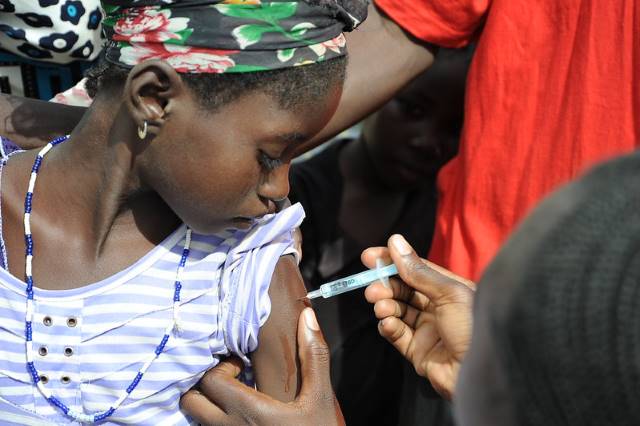
Operating in Kenya with a reported budget of $170,000, the organization supplies more than 1,000 schoolchildren in impoverished areas with a mixture of fruits, vegetables, meat and fish. By procuring these products from the local communities, this organization likewise guarantees that the funding utilized in the process stays with the people needing it the most. The organization also distributes clothes and mosquito nets among schoolchildren and helps ensure that they are vaccinated. After all, missing school due to illness is equally a problem in a country, where more than three million people contract malaria each year.

The East African Children’s Fund’s purview extends into supporting sustainable farming techniques and projects in Kenya by, inter alia, promoting beekeeping and teaching young villagers to harvest rainwater and prevent water loss during field irrigation.

In 2019, it served close to 570,000 school meals, thereby causing an 80% reduction in local infirmary visits by schoolchildren. Between 2017 and 2019, more than 10,000 rural Kenyans received training in nutrition techniques from the group as well.

Mary’s Meals

This Scottish-registered charity is alleviating hunger in Malawi, Uganda and Kenya. In the former, it boasts a network of 80,000 volunteers who serve low-cost meals to as many as 30% of the nation’s primary school students in 20 different districts. In the other two nations combined, as many as 80,000 students are benefitting from school meals. A large proportion of them inhabit areas, such as the Kenyan town of Eldoret, where every second household falls below the poverty line.

Besides relying on volunteers, the group has full-time employees based in the target countries. Their task is to ensure compliance with hygiene standards and food quality by conducting regular school visits and compiling data on pupil and teacher satisfaction.

Based on approximately 4,000 responses collected in 2016, the number of Malawi pupils experiencing hunger during the school day decreased sixfold within fewer than 12 months. A comparable household survey registered a similarly impressive 64% decline in the number of adult respondents believing that their children were hungry at school. Most importantly, many more teachers have stopped describing classroom hunger levels as worrying. Considering that all the relevant parties are recognizing a difference, the NGO’s contribution is certainly worth mentioning.

Feeding school children in East Africa also mitigates malnourishment among the locals and facilitates the process of climbing out of poverty, since, through education, children could acquire the skills to qualify for better-paid jobs and escape reliance on subsistence farming.

– Dan Mikhaylov
Photo: Flickr

December 8, 2020
https://borgenproject.org/wp-content/uploads/borgen-project-logo.svg 0 0 Kim Thelwell https://borgenproject.org/wp-content/uploads/borgen-project-logo.svg Kim Thelwell2020-12-08 02:18:212024-05-30 07:52:593 NGOs Feeding School Children in East Africa
Child Poverty, Children, Global Poverty

Child Poverty in the United Kingdom

Child Poverty in the United KingdomWith the sixth-largest economy in the world, the United Kingdom has vast financial resources. Despite its economic strength, however, child poverty in the United Kingdom is a severe and growing problem.

Child Poverty in the UK

More than four million children live in child poverty in the United Kingdom, which accounts for nearly a third of children in the U.K. A child is considered to be in poverty when they live with a family whose income is less than 60% of the United Kingdom’s national average. For such a wealthy country, this is a staggering statistic.

Child poverty is becoming even more problematic. The rates of child poverty in the United Kingdom are expected to rise from four million to five million in 2020. There are a variety of reasons for the increase in poverty. Some of these include rises in living costs with lower labor wages, leaving parents having to choose between essential goods and services and feeding their children.

Does Employment Solve Poverty?

Poverty affects children, even when their parents are employed. Two out of three children living in poverty have a parent who is employed. A recent report highlighted the government’s role in child poverty, noting its increased cutting of social services since 2010. By enforcing work as a solution to poverty, the government essentially dismantled much of the social support systems upon which many citizens rely. Despite record levels of employment, one-fifth of people are in poverty, showing the limiting effects of work on decreasing poverty.

Child Poverty and Minorities

The impacts of child poverty in the United Kingdom are widespread and affect minority groups the most. Children who face poverty are more likely to struggle in academic environments, impacting their ability to find employment later in life, leading to lower wages, an increased likelihood of imprisonment for men and becoming a single parent for women. Children from minority groups, mainly Pakistani and Bangladeshi, are most likely to suffer from child poverty in the United Kingdom.

Buttle UK

There are charitable organizations addressing child poverty in the United Kingdom. While the government has cut social services funding, Buttle UK, a charitable organization, provides funds for desperate families who need to buy necessary household items. Of the 10,000 families it helped in 2017, over 3,000 of them used the money to buy beds for their children. Buttle UK estimates that hundreds of thousands of children could be without their own bed in what it calls “bed poverty.” Although the government has cut social services funding, fortunately, organizations like Buttle UK have helped thousands of families and their children every year.

The United Kingdom has many governmental and financial resources with its economic fortitude; however, the cutting of social services has been problematic for many families struggling with a lack of resources. Consequently, millions of children live in poverty, even when their parents are working and trying to provide for them. Fortunately, charities like Buttle UK are addressing some of the difficulties that children face in dire circumstances. Hopefully, with more awareness and support for social services, child poverty in the United Kingdom will soon subside.

– Eliza Cochran
Photo: Flickr

December 7, 2020
https://borgenproject.org/wp-content/uploads/borgen-project-logo.svg 0 0 Kim Thelwell https://borgenproject.org/wp-content/uploads/borgen-project-logo.svg Kim Thelwell2020-12-07 08:01:232024-05-30 07:52:58Child Poverty in the United Kingdom
Child Poverty, Global Poverty, Human Rights, Refugees, Refugees and Displaced Persons, Women and Children

How Militarism Drives Child Poverty in Eritrea

Child Poverty in Eritrea
Militarism and instability are endemic to Eritrea. The degradation of civil society is a result of those two factors. Child poverty in Eritrea is rampant due to such foundations; however, the country is not without benefactors. UNICEF’s aid efforts are improving children’s health within Eritrea despite the current conditions.

A Brief History

Eritrea is one of the few countries that one can truly consider a fledgling state in the 21st century. After a decades-long secession war, the Eritrean government achieved full independence from Ethiopia in 1993. They solidified the totalitarian one-party dictatorship that has retained power since. A brief period of peace followed, during which promised democratic elections never materialized. Then, Eritrea’s unresolved border disputes with Ethiopia escalated into a war that lasted from 1998 to 2000. It killed tens of thousands and resulted in several minor border changes and only formally ended in 2018. In the wake of this war, the Eritrean government has sustained a track record of militarization, corruption and human rights violations that has continually degraded civil stability. As of 2004, around 50% of Eritreans live below the poverty line.

Eritrea’s Youth at a Glance

Housing around 6 million people, Eritrea’s youth make up a significant proportion of its population. Eritrea has the 35th highest total fertility rate globally, with a mean of 3.73 children born per woman. It also has the 42nd lowest life expectancy at birth at a mere 66.2 years, with significant variation between that of males (63.6 years) and females (68.8 years).

Forced Conscriptions of Children

Under the guise of national security against Ethiopia, Eritrea has maintained a system of universal, compulsory conscription since 2003. This policy requires all high school students to complete their final year of high school at Sawa, the country’s primary military training center. Many are 16 or 17 years of age when their conscription begins, which led the U.N. Commission of Inquiry to accuse Eritrea of mobilizing child soldiers.

The Human Rights Watch’s (HRW) report also blamed Eritrea’s conscription practices for a number of grievances. Its prolonged militarization has wide-reaching effects on the country. Many adults end up in service against their will for up to a decade, but it is particularly damaging to Eritrean youth. Students at Sawa face food shortages, forced labor and harsh punishment. Many female students have reportedly suffered sexual abuse. Besides fleeing, “Many girls and young women opt for early marriage and motherhood as a means of evading Sawa and conscription.”

Further, “The system of conscription has driven thousands of young Eritreans each year into exile,” HRW claimed. HRW estimated that around 507,300 Eritreans live elsewhere. Because of its conscription practices, Eritrea is both a top producer of refugees and unaccompanied refugee children in Europe, resulting in child poverty in Eritrea as well as other regions.

Education Access

HRW claims that Eritrea’s education system plays a central role in its high levels of militarization. It leads many students to drop out, intentionally fail classes or flee the country. This has severely undermined education access and inflated child poverty in Eritrea.

Eritrea currently has the lowest school life expectancy – “the total number of years of schooling (primary to tertiary) that a child can expect to receive” – of any country. Eritrea has reportedly made strides to raise enrollment over the last 20 years. However, 27.2% of school-aged children still do not receive schooling, and the country retains a literacy rate of only 76.6%. Illiteracy is much more prevalent among females than among males, with respective literacy rates of 68.9% and 84.4%. In general, girls and children in nomadic populations are the least likely to receive schooling.

Refugees and Asylum-Seekers

As mentioned earlier, more than half a million Eritreans have fled the country as refugees. Around one-third of them – about 170,000, according to the World Health Organization (WHO) – now live in Ethiopia. A majority reside in six different refugee camps. As of 2019, around 6,000 more cross the border each month. Reporting by the UNHCR shows that “children account for 44% of the total refugee population residing in the [Eritrean] Camps, of whom 27% arrive unaccompanied or separated from their families.” Far from being ameliorated by domestic education programs, child poverty in Eritrea is merely being outsourced to its neighbors.

Children’s Health as a Site for Progress

Adjacent to these issues, UNICEF’s programs have driven significant improvements in sanitation, malnutrition and medical access. Its Health and Nutrition programs, among other things, address malnutrition by administering supplements, preventing maternal transmission of HIV/AIDS during birth and administering vaccines. Teams in other departments improve sanitation and lobby against practices like child marriage and female genital mutilation.

In its 2015 Humanitarian Action for Children report on Eritrea, UNICEF wrote that Eritrea “has made spectacular progress on half the [Millennium Development Goals],” including “Goal 4 (child mortality), Goal 5 (maternal mortality), Goal 6 (HIV/AIDs, malaria and other diseases) and is on track to meet the target for access to safe drinking water (Goal 7).”

Figures illustrate this progress in child poverty in Eritrea. Since 1991, child immunization rates have jumped from 14% to 98%, safe water access rates are up at 60% from 7%, iodine deficiency has plummeted from 80% to 20% in children and the under-five mortality rate sits at 63 deaths per 1000 births, rather than at 148.

Child poverty in Eritrea is a far cry from reaching a resolution, but it is not a lost cause.

– Skye Jacobs
Photo: Flickr

December 3, 2020
https://borgenproject.org/wp-content/uploads/borgen-project-logo.svg 0 0 Lynsey Alexander https://borgenproject.org/wp-content/uploads/borgen-project-logo.svg Lynsey Alexander2020-12-03 01:30:332024-05-30 07:55:44How Militarism Drives Child Poverty in Eritrea
Child Poverty, Education, Global Poverty

Eliminating Child Poverty in Nicaragua

Child Poverty in Nicaragua
Nicaragua is among one of the poorest nations in the Western Hemisphere. In fact, child poverty in Nicaragua impacts one out of two children. Nicaragua’s population is young; out of 6 million people, 2 million are school-age children. To tackle the issue of child poverty, the Nicaraguan government has promised to create more access to education, sanitation and food security.

Nicaragua has a long history of chronic poverty. For much of the 20th century, the country was under a dictatorship. A revolution beginning in the late 1970s further decimated the well-being of many throughout the 1980s. The revolution ended with thousands dead and a need for Nicaragua to rebuild itself.

Child Poverty in Nicaragua

Child poverty in Nicaragua remains a critical issue. According to UNICEF, 50% of Nicaraguan children live in poverty, with 19% of them in extreme poverty. Furthermore, child poverty is much more prevalent on the Atlantic coast of the country. About 58% of children on the Atlantic coast had completed six years of primary education as opposed to 72% for the country as a whole. Moreover, 500,000 Nicaraguan children do not attend school at all, mainly because of the cost of education and the need to support their families.

When families need financial support, many children and adolescents have no choice but to enter the workforce. An estimated 250,000 to 320,000 Nicaraguans are child laborers. Some children work in sugar cane fields and mines, creating a dangerous work environment for them. In addition to child labor, human trafficking is a growing issue impacting young girls.

Preventing Child Labor

To curtail child poverty, the Nicaraguan government has signed agreements to make sure companies do not hire child workers. In 2019, the Nicaraguan government and private employers have signed 6,129 cooperative agreements that prevent the hiring of child laborers. The U.S. Department of Labor has found that the Nicaraguan government has done little to actually reduce young children in the workforce. However, the international community has been pressuring the country to be more aggressive in diminishing child labor.

Improving Education

An area of increased government involvement is educational spending. Accepting the help of supranational organizations, such as The World Bank, the country has invested in education. The Alliance for Education Quality Project for Nicaragua has helped fund the training of primary school teachers and the construction of forty schools. More than 1,250 teachers received mentoring and more than 9,000 pre-school teachers obtained training. Additionally, the project supplied materials and equipment for the staff and students. Construction of most of the schools occurred in rural areas, improving these communities’ access to education.

Reducing the Infant Mortality Rate

The infant mortality rate is high, with child poverty in Nicaragua being the culprit. According to UNICEF, 74% of Nicaraguans use standard sanitation services and 52% have access to clean drinking water. Furthermore, 40% of children under 5 are malnourished. The Nicaraguan government and The World Bank have created strategies to tackle these issues. The Sustainable Rural Water Supply and Sanitation (WSS) Sector Project (PROSASR), provided rural communities with adequate infrastructure for sanitation. Furthermore, access to food and clean drinking water has also seen improvements. The Nicaraguan Caribbean Coast Food Security Project has invested in agricultural and fishery techniques for farmers and improved socio-environmental practices. Impacting mostly rural communities, food security increased with 33% of beneficiaries being the youth.

Political and economic instability, stemming from the civil war, has created chronic child poverty in Nicaragua. Nonetheless, Nicaragua has implemented changes, with the help of the World Bank, to decrease the child poverty rate.

– Andy Calderon
Photo: Unsplash

November 29, 2020
https://borgenproject.org/wp-content/uploads/borgen-project-logo.svg 0 0 Jennifer Philipp https://borgenproject.org/wp-content/uploads/borgen-project-logo.svg Jennifer Philipp2020-11-29 01:30:062022-05-10 20:16:07Eliminating Child Poverty in Nicaragua
Child Poverty, Children, Education, Global Poverty

The State of Child Poverty in Zimbabwe

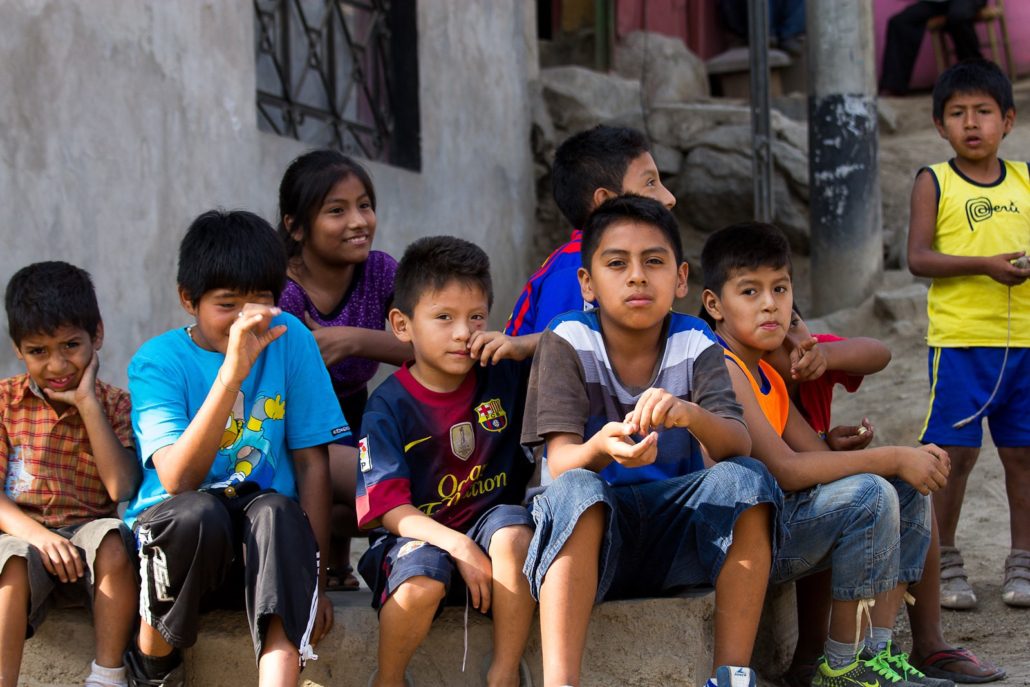
Child Poverty in ZimbabweZimbabwe has high poverty rates with more than half of the country’s population estimated to be living in abject poverty. Child poverty is prevalent in the country as children account for 48% of the population. There are notable efforts occurring to address the issue of child poverty in Zimbabwe.
A History of Poverty

Zimbabwe, once known as Rhodesia, attained independence from British rule in 1980. Following the country’s independence was intense political warfare stemming from tensions between the then newly instated president, Robert Mugabe. This period resulted in the deaths of more than 20,000 Zimbabweans. These tensions would continue in Zimbabwe for the next two decades. Multiple uprisings occurred throughout the 1990s and early to mid-2000s, with citizens protesting a litany of issues, including increased food prices, land ownership and financial plight. Economic turmoil has steadily increased since the country’s independence in 1980. The country broke records with one of the highest rates of hyperinflation in 2008, peaking at 98%. Zimbabwe has had intermittent financial rebounds since this time, however, the country has continued to struggle with stabilizing its economy.

State of Affairs in Zimbabwe

Agriculture plays a prominent role in Zimbabwe’s economy. According to the FAO, 60%-70% of the country’s population depends on agricultural-related affairs for employment. The industrial sector relies on agriculture heavily, providing 60% of raw materials. Agriculture also accounts for 40% of export earnings and makes up 17% of the country’s GDP. Droughts have threatened the livelihoods of many Zimbabweans. The country is currently experiencing the most severe droughts in its history. A significant proportion of the population that is dependent upon farming and agriculture for both income and food is in jeopardy. Food shortages have become a prevalent issue in Zimbabwe with children experiencing adverse impacts.

UNICEF reported that 4.8 million Zimbabwean children live in poverty and 1.6 million children live in extreme poverty. The most prevalent issues for impoverished children in Zimbabwe include malnutrition, education, sanitation and access to potable water. The FAO reported that less than 10% of Zimbabwean children between 6-24 months of age consume a minimally acceptable diet.

UNICEF Addresses Child Poverty

UNICEF has made several efforts to address child poverty in Zimbabwe. A few noteworthy efforts by UNICEF include providing 6,740 mothers with infant and young child feeding counseling as well as supplying more than 700,000 children with vitamin A in 2016.

UNICEF partnered with U.N. Women and the UNFPA in 2016 and the organizations in cooperation with the Zimbabwean Government were able to successfully support the development of the National Action Plan and the Communication Plan to End Child Marriages. UNICEF has also supported grassroots efforts in Zimbabwe. One of these was the development of the National Case Management System (NCMS) which provides child protection services, referrals and HIV care and treatment to vulnerable populations throughout Zimbabwe.

The NCMS provided nearly 24,000 Zimbabwean children with legal support in 2016. UNICEF also showed its support for the multi-sectoral system that accompanied the National Case Management System. This multi-sectoral system employs officers specifically tasked with providing support for children who have been victims of physical and sexual abuse. These efforts are major milestones that have contributed to improving the state of child poverty in Zimbabwe.

The Future of Child Poverty in Zimbabwe

Zimbabwe has had extensive turmoil in its history and tremendous economic turbulence. However, there still remains potential for growth and development. With the assistance of organizations, child poverty in Zimbabwe can reduce.

– Imani Smikle
Photo: Flickr

November 27, 2020
https://borgenproject.org/wp-content/uploads/borgen-project-logo.svg 0 0 Kim Thelwell https://borgenproject.org/wp-content/uploads/borgen-project-logo.svg Kim Thelwell2020-11-27 01:30:522022-04-12 10:00:06The State of Child Poverty in Zimbabwe
Children, Global Poverty, Human Trafficking

The Fight Against Human Trafficking in Peru

Human Trafficking in Peru
Peru is home to world-famous cultural sites, exquisite dishes and a vast array of bright-colored fabrics. However, beyond the nation’s appealing attractions and delectable meals, human trafficking in Peru is leading to the exploitation of the most vulnerable individuals in society.

Victims of Human Trafficking in Peru

Around 863,000 Venezuelans fled their country and entered Peru in order to seek refuge. Peruvian traffickers exploit refugees when traveling to Peru or shortly after their arrival. In 2019, 301 Venezuelan adults and children worked as prostitutes or engaged in forced labor.

Traffickers exploit adolescents due to their eagerness to work. When Peruvian schools close down from December to February for the holidays, many students seek employment to obtain extra pocket money. However, traffickers lure these individuals in with false promises of work and high financial compensation. Exploiters take the adolescent males to remote areas of the Amazon rainforest, like the Madre de Dios region, to engage in forced labor in the illegal extraction of gold. Additionally, traffickers obligate female teenagers to offer sex services to the adult miners in the area.

Lastly, exploiters target children due to their willingness to follow directions. However,  some Peruvians living in poverty willingly sell their children to human traffickers to receive financial compensation. The infamous terrorist group called The Shining Path steals children and trains them to become soldiers for its organization. Also, some children work as farmers, housekeepers, produce and transport drugs or engage in terrorism. Traffickers who do not belong to the terrorist group force young individuals to engage in panhandling, sell products in the streets, become housekeepers, produce and sell cocaine or other illegal activities.

Challenges with the Judicial System

Individuals found guilty of human trafficking in Peru spend eight to 15 years in prison for exploiting adults, 12 to 20 years for exploiting adolescents and at least 25 years for exploiting children according to Article 53 of the penal code. However, human traffickers almost never receive adequate punishment for their crimes. More often than not, criminals receive light sentences because judges find it difficult to prosecute more complicated crimes.

Solutions

The Peruvian government offered training and workshops on how to identify human trafficking to almost 1,000 government employees and regular citizens. Over 100 members of law enforcement learned how to better identify victims of human trafficking. Also, officials offered training to 22 regions of the country that receive a high amount of foreign visitors in order to reduce exploitation in the tourist sector. Lastly, the government provided support to initiatives that help raise awareness to students and children. These initiatives provide workshops, hand out flyers and engage in conversation with young individuals at transit stations. For example, since its establishment in 2017, A Theater Against Human Trafficking traveled to schools to promote awareness and advocate for the prevention of human trafficking in Peru.

With the in-kind support of the government, nonprofit organizations provided adequate training to 253 members of the judicial system on human trafficking, 821 lawyers and almost 1,000 shelters on how to deal with trafficking victims. They also taught classes to members of law enforcement on how to approach victims. One of the main organizations receiving help from the government is Capital Humano y Social Alternativo. Since its establishment in 2004, CHS Alternativo protected the rights of human trafficking victims and reached more than 1,400 victims.

The Catholic Relief Services in Peru provide shelter and protection to individuals who escaped their traffickers. CRS came to Peru in 1950 and impacted the lives of 15,224 victims. Social workers who work for these organizations go to areas that human trafficking most affects, like Madre de Dios, to provide counseling services to victims. Also, social workers go to local schools to provide workshops about trafficking to students.

Although human trafficking persists in Peru, the government and nonprofit organizations take serious efforts to raise awareness about the issue and to provide help for victims. With the increased efforts to stop human trafficking in Peru, the country can expect a decrease in the exploitation of vulnerable individuals.

– Samantha Rodriguez-Silva
Photo: Flickr

November 25, 2020
https://borgenproject.org/wp-content/uploads/borgen-project-logo.svg 0 0 Jennifer Philipp https://borgenproject.org/wp-content/uploads/borgen-project-logo.svg Jennifer Philipp2020-11-25 07:30:462020-11-22 09:10:23The Fight Against Human Trafficking in Peru
Children, Developing Countries, Global Poverty

Combating Child Labor in Djibouti

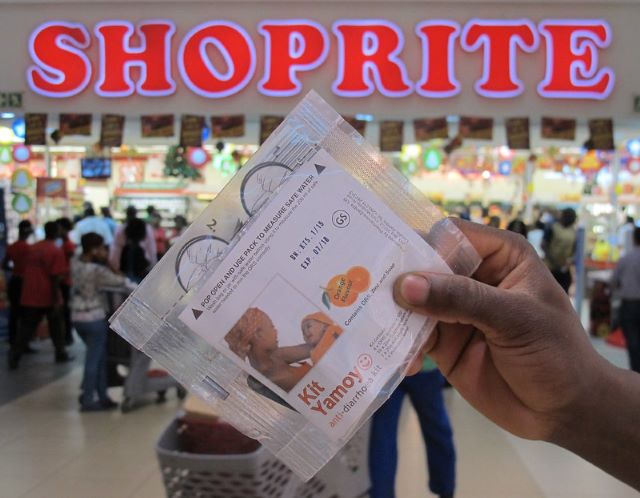
Child Labor in DjiboutiLocated on the Horn of Africa along the Bab el-Mandeb, an important maritime chokepoint is the small African nation of Djibouti. With a population of one million but high levels of poverty and limited funding for social welfare programs, child labor in Djibouti has been widespread historically. However, efforts from the government and international actors over recent years have started to reverse this phenomenon.
The Nation of Djibouti

According to Humanium, an NGO focused on protecting children’s rights across the globe, 42% of Djibouti’s population lives in extreme poverty. Child labor is primarily caused by extreme poverty, as parents force their children to work so that they can survive. Therefore, Djibouti’s children are some of the most vulnerable to child labor due to poverty throughout the nation.

As a result of their families’ financial situation, over 12% of children ages 5-14 work. Working can isolate children socially or prevent them from having the time to pursue their academic interests. Only 60-65% of children complete primary education in Djibouti. With many children unable to obtain an education due to work or other circumstances, child labor in Djibouti perpetuates the cycle of poverty generation after generation.

Government Efforts Toward Child Labor

Djibouti’s government has taken an active role over the past decade in reducing child labor. The active role is shown through establishing workgroups and various programs focused on identifying the contributing factors of child labor. One of the main projects is the Anti-Trafficking Working Group, which has improved cross-agency government collaboration to counteract human trafficking. The Prime Minister leads the National Council for Children in its efforts to secure birth certificates for immigrants, ensure education for refugees and reunify separated migrant families. Furthermore, the Council successfully established a temporary shelter for children living on the street in 2018. Therefore, it made these at-risk kids less likely to be coerced into child labor. The government established the National Family Solidarity program to decrease child labor. They supported Djiboutian households in extreme poverty via cash transfers. These programs represent a start to ending child labor in Djibouti, something that future leaders of Djibouti can continue to prioritize.

Despite the government’s efforts, various legal loopholes remain that benefit those who exploit child labor. Many of the statutes only apply to children working in the formal business sector. Therefore, Djibouti’s laws are less comprehensive than international standards. This is especially problematic because most child labor cases occur in the informal business sector. Some examples are working in small shops, selling items on the street and working in family-owned businesses in rural communities. Without true legislative changes, Djibouti’s laws will continue to fail in identifying and eliminating most child labor cases.

Additionally, there were only five labor law inspectors in Djibouti as of 2018. This means that Djibouti’s labor force of almost 300,000 has approximately one labor law inspector for every 60,000 workers. Without the resources or personnel necessary to expose and eradicate child labor, child labor will continue. This brings harm to Djibouti’s long-run humanitarian situation, living conditions and economic growth.

International Support

Yet, despite the shortcomings so far to end child labor in Djibouti, UN-sponsored efforts and aid from various countries/NGOs, present an optimistic future. UNICEF currently works with the government of Djibouti, the United States and the Humanitarian Action for Children Project to increase access to education for the most vulnerable Djiboutian children (orphans and those in poorer areas). This program has helped over 4,500 children obtain pre-primary, primary or secondary education in Djibouti. The U.S. government has also funded a $500,000 program to train law enforcement and expand communication capabilities between the private and public sectors, regarding ending forced labor/human trafficking. Finally, the World Bank oversees numerous programs that deal with the root causes of poverty and child labor in Djibouti by promoting human capital development and education.

Cooperation and a Promising Future

Going forward, it will be pivotal for the government to continue focusing on lowering the extreme poverty rate. Reforming legislation to meet international standards, then enforcing it as well as protecting children of all ages and backgrounds, is the next step in Djibouti’s fight against child labor. Improving human rights means better access to education. This will likely help the economic situation of Djibouti by breaking the cycle of poverty. However, the international community plays a crucial role in helping Djibouti. Some of the most successful initiatives have come from international partnerships and UN-sponsored programs. Cooperation is critical in Djibouti, whereas complacency will be catastrophic.

– Alex Berman
Photo: Flickr

November 25, 2020
https://borgenproject.org/wp-content/uploads/borgen-project-logo.svg 0 0 Kim Thelwell https://borgenproject.org/wp-content/uploads/borgen-project-logo.svg Kim Thelwell2020-11-25 01:31:022020-11-24 12:58:36Combating Child Labor in Djibouti
Children, Developing Countries, Global Poverty, Health

ColaLife in Zambia: Preventing Diarrheal Deaths

ColaLife in ZambiaColaLife is an independent non-governmental organization, co-founded in 2008 as an online movement and transformed into a United Kingdom-based charity in 2011. The organization started with the realization that even in developing countries, Coca-Cola is accessible but lifesaving medicines are not. Despite scientific advances and discoveries, in 2017, almost 1.6 million people died from diarrheal diseases globally. ColaLife has made efforts to improve access to diarrheal treatments in the most remote areas of the world. ColaLife has operated with the help of more than 10,000 supporters and donors that allow for an effective response to the second leading cause of death in children worldwide. ColaLife in Zambia marked the beginning of these efforts.

ColaLife in Zambia

ColaLife in Zambia marked the beginning of an impressive effort to save the lives of children with diarrhea. The solution had to be immediate since the high numbers of diarrheal deaths in the region revealed that global efforts were insufficient and ineffective.  A whole three decades ago, Oral Rehydration Salts (ORS) and zinc were known as an effective combination treatment for patients with diarrhea. However, 99% of children do not receive these treatments.

ColaLife Operational Trial Zambia (COTZ):  Kit Yamoyo

COTZ was created as a custom project for Zambia under the recommendations of the WHO and UNICEF. The project aimed to distribute diarrhea treatment kits, called Kit Yamoyos, that contain Oral Rehydration Salts and zinc and promote the importance of handwashing by adding soap. The project implemented the founding logic of the organization and analyzed Coca-Cola’s distribution model to distribute the treatments in the most rural and remote areas of the country, specifically to mothers and children under 5 years of age.

ColaLife in Zambia, with the consent of Coca-Cola and its bottling company, SABMiller, coined the “AidPod” package, designed to fit into the unused portion of the crated bottles. This innovation proved that the supply chain could play a fundamental role in the accessibility of these treatments.

Currently, the initiative no longer needs the innovative hand of ColaLife. Kit Yamoyos are being produced and sold by local companies, reaching 1.2 million sales by the end of 2019. This number represents one million people whose lives have been saved. The Zambian Government is the largest customer for the kit and has contributed significantly to this cause. These kits are now easily found in supermarkets and are also sold by informal street vendors.

Extended Scope

The WHO has included in its Essential Medicines List (EML) the combination of ORS and zinc as a treatment for diarrhea. This milestone shows commitment, but above all, the success that the organization has had. The success of COTZ has shown that the solution pursued by ColaLife in Zambia has had a substantial impact. The organization would like to replicate the self-sustained impact that was made in Zambia in other parts of the world. ColaLife wants to continue promoting the treatment to save the lives of millions of children globally. Access to these kits could be the global solution to preventable deaths caused by diarrhea.

– Isabella León Graticola
Photo: Flickr

November 25, 2020
https://borgenproject.org/wp-content/uploads/borgen-project-logo.svg 0 0 Kim Thelwell https://borgenproject.org/wp-content/uploads/borgen-project-logo.svg Kim Thelwell2020-11-25 01:30:062024-05-30 07:55:38ColaLife in Zambia: Preventing Diarrheal Deaths
Children, Global Poverty

Children With Disabilities in Tajikistan

Children with Disabilities
A staggering amount of children live with disabilities. According to the World Health Organization (WHO), the global average of children with disabilities is at 15%. However, in Tajikistan, only 0.8% of the child population lives with disabilities according to UNICEF. Although this may be a small number, UNICEF believes that this official statistic of children with disabilities in Tajikistan may be much lower than than the actual number of children.

One of the main reasons for the lowered report is that the process to have children screened is quite complicated and nonuniform across Tajikistan. Parents must have their children evaluated through the Pedagogical, Medical, Psychological Consultation and Medical, Pedagogical Commissions in order for their children to receive an official diagnosis of having a disability. Furthermore, children with disabilities frequently experience discrimination due to social stigmas and incorrect perceptions about disabilities in general. The children may not receive adequate education due to the lack of resources and training to facilitate children with disabilities. Their families may even abandon or institutionalize them due to poverty and social stigmas. Thus, local and international organizations such as UNICEF, Association of Parents of Children with Disabilities and Association to Aid Refugees Japan have come together to help support vulnerable children.

UNICEF Tajikistan

UNICEF Tajikistan has been working fervently to advocate for children’s rights in Tajikistan so they can live a life free of discrimination and social limitations. The organization supports the children and their families with the proper tools along with working with the government. In 2018, the government put the United Nations Convention on the Rights of Persons with Disabilities into action. That year, it also worked with UNICEF to establish the National Disability Inclusion Campaign.

The campaign works to transform social perceptions and stigmas so that children with disabilities may enjoy rights equal to their counterparts who do not live with disabilities. UNICEF also works with civil society organizations such as the Association of Parents and Children with Disabilities and the National Association of Persons with Disabilities of Tajikistan. Furthermore, it also advocates for community-based rehabilitation so that persons with disabilities may use their skills to their maximum potential and experience full integration into society.

Association of Parents of Children with Disabilities

In Tajikistan, a network of parents has come together to support children with disabilities in Tajikistan by advocating for their rights and inclusion in society along with access to health care and education. The Association gained permission from its local government to build a center for support groups and provide resources for parents of children with disabilities. One of the special projects that the group took was to go around schools in Dushanbe to carry out the “Lessons of Kindness” in classes. These lessons allowed students to learn how to treat and engage with children with disabilities. They learned to value the lives of every individual with or without disabilities. Children with disabilities also lead these lessons, building more confidence and creativity in themselves.

Association to Aid Refugees Japan (AAR Japan)

With the funds received from the Japanese government, Association to Aid Refugees Japan (AAR Japan) works with the Ministry of Education and Science and the Dushanbe City Department of Education to advocate for inclusive education in Japan. AAR Japan works to transform school buildings and provide materials for children with disabilities. It has installed wheelchair ramps and handrails in order to create a disability-friendly building in several Dushanbe schools. Furthermore, it has provided educational materials, equipment and devices to further assist children with disabilities in the classrooms. Along with providing tangible equipment and materials, AAR Japan also holds seminars, training and activities to educate students, teachers and government officials on how to create an inclusive environment for children with disabilities.

The road to having a fully inclusive society for children with disabilities in Tajikistan may still be far ahead, but UNICEF, the Association of Parents of Children with Disabilities and AAR Japan, among many, are working towards seeing that future realized. With the helping hands of these organizations, children are receiving the education and materials they need to succeed, and families are understanding what it means to reverse social stigmas and provide for the needs of their children.

– Hakyung Kim
Photo: Flickr

November 7, 2020
https://borgenproject.org/wp-content/uploads/borgen-project-logo.svg 0 0 Yuki https://borgenproject.org/wp-content/uploads/borgen-project-logo.svg Yuki2020-11-07 18:09:072024-06-05 02:36:47Children With Disabilities in Tajikistan
Child Poverty, Global Poverty

The Fight Against Child Poverty in Guatemala

Child Poverty in Guatemala
Guatemala, with an ever-growing population of almost 18 million, is the most populous country in all of Central America. After 36 years of civil war, the country struggles to rebuild and combat poverty. Poverty is a prevalent and persistent issue in the land of the Maya. Unfortunately, Guatemala ranks in the top 50 poorest countries in the world with 56% of the population living below the poverty line. By and large, this disproportionately affects Guatemalan children, and specifically native children of the Maya, Garifuna and Xinca. Combined, these Native groups comprise over half of the entire population. Thus, aboriginal kids are the primary victims of extreme Guatemalan child poverty. Furthermore, it is important to understand what contributes to this cycle of child poverty in Guatemala, its effects and what the global community is doing to eradicate it.

Facts About Guatemalan Child Poverty

The consequences of child poverty in Guatemala are heavy. The cycle of poverty begins when a child is born and statistically follows them into adulthood. These facts demonstrate the effects of child poverty in Guatemala:

  • About 28% of Guatemalan children do not attend school and must work to help contribute to their family’s income. As a result, Guatemala has one of the highest child labor rates in the Americas.
  • Due to such scarcity in resources and money, almost one-half of young Guatemalan children are continuously undernourished.
  • Girls are especially vulnerable to the cycle of poverty due to their familial situations. This stems from child marriage and the overwhelming growth of families. Thus, the larger the family, the harder the struggle to stay above the poverty line.

With these facts in mind, it is important to note that many global forces are working to end Guatemalan child poverty and impoverishment as a whole in the country.

How to Help End Guatemalan Child Poverty

There are many ways to end child poverty in Guatemala. One of these is education. In fact, a study by the World Bank stated that “education plays a crucial role in combatting chronic poverty and preventing transmission of deprivation between generations.” Intervening in education is not only a vital need for individual children but also for their families and society at large. A leader in the fight against child poverty in Guatemala is Save the Children.

Save the Children

Since 1999, Save the Children has been a leading charity organization in Guatemala. The organization works to aid poor, indigenous families living in rural areas of the country by providing education, protection and peace-building programs.

The organization’s Literacy, Education and Nutrition for Sustainability (LENS) program provides the following:

  • Encourages and strengthens reading skills
  • Promotes healthy behaviors and best practices
  • Provides well-balanced school food programs
  • Improves school facilities
  • Focuses and educates communities on water and sanitation techniques
  • Teaches the skills necessary for livestock management and production

With the help of donations, volunteers and spreading awareness, Save the Children provides the necessary education and skills to help kids sustain a liveable income. In turn, results show that proper schooling enables access to better employment and higher wages.

Overall, the country has felt the organization’s impact. The nonprofit’s work to give Guatemalan children the opportunity to have a successful life through education, protection and overall aid has shown great progress. Save the Children has provided safety for 9,000 kids and helped more than 30,000 children in crisis. It has also provided help to overcome poverty for more than 65,000 kids.

By and large, the fight to end child poverty in Guatemala continues to progress. There are many avenues in which one can involve themself and help make a difference. One kind of act such as a donation can change the lives of many.

– Sallie Blackmon
Photo: Flickr

November 7, 2020
https://borgenproject.org/wp-content/uploads/borgen-project-logo.svg 0 0 Kim Thelwell https://borgenproject.org/wp-content/uploads/borgen-project-logo.svg Kim Thelwell2020-11-07 07:30:252022-04-22 07:44:48The Fight Against Child Poverty in Guatemala
Page 59 of 137«‹5758596061›»

Get Smarter

  • Global Poverty 101
  • Global Poverty… The Good News
  • Global Poverty & U.S. Jobs
  • Global Poverty and National Security
  • Innovative Solutions to Poverty
  • Global Poverty & Aid FAQ’s
Search Search

Take Action

  • Call Congress
  • Email Congress
  • Donate
  • 30 Ways to Help
  • Volunteer Ops
  • Internships
  • Courses & Certificates
  • The Podcast
Borgen Project

“The Borgen Project is an incredible nonprofit organization that is addressing poverty and hunger and working towards ending them.”

-The Huffington Post

Inside The Borgen Project

  • Contact
  • About
  • Financials
  • President
  • Board of Directors
  • Board of Advisors

International Links

  • UK Email Parliament
  • UK Donate
  • Canada Email Parliament

Get Smarter

  • Global Poverty 101
  • Global Poverty… The Good News
  • Global Poverty & U.S. Jobs
  • Global Poverty and National Security
  • Innovative Solutions to Poverty
  • Global Poverty & Aid FAQ’s

Ways to Help

  • Call Congress
  • Email Congress
  • Donate
  • 30 Ways to Help
  • Volunteer Ops
  • Internships
  • Courses & Certificates
  • The Podcast
Scroll to top Scroll to top Scroll to top