• Link to X
  • Link to Facebook
  • Link to Instagram
  • Link to TikTok
  • Link to Youtube
  • About
    • About Us
      • President
      • Board of Directors
      • Board of Advisors
      • Financials
      • Our Methodology
      • Success Tracker
      • Contact
  • Act Now
    • 30 Ways to Help
      • Email Congress
      • Call Congress
      • Volunteer
      • Courses & Certificates
      • Be a Donor
    • Internships
      • In-Office Internships
      • Remote Internships
    • Legislation
      • Politics 101
  • The Blog
  • The Podcast
  • Magazine
  • Donate
  • Click to open the search input field Click to open the search input field Search
  • Menu Menu

Archive for category: Children

Information and stories addressing children.

Children, Global Poverty

The Sweet Bites Mission to Protect Oral Hygiene

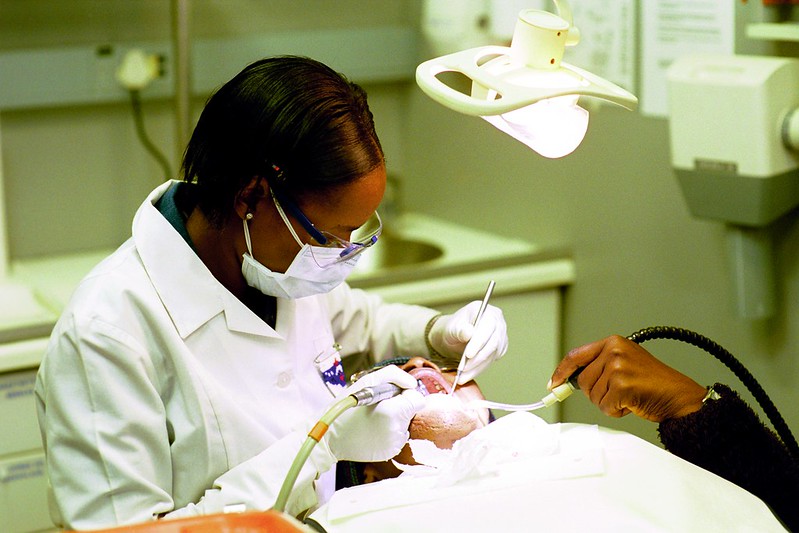
Oral hygienePeople are often taught to brush and floss their teeth twice a day to prevent cavities or other oral diseases. Some estimates suggest that roughly 60-90% of children around the world and 100% of adults have cavities or another type of dental carie. These seemingly high rates of poor oral hygiene are present almost everywhere. The lack of market infrastructure and limited transportation can make acquiring seemingly simple items such as toothbrushes and toothpaste difficult or impossible in many countries. However, Sweet Bites, the first chewing gum made entirely of xylitol, was created for the sole purpose of providing an easy and affordable way for children and adults to protect their smiles from the debilitating problems associated with tooth decay.
Effects of Poor Oral Hygiene

The term “oral hygiene” can often be misleading. Oral hygiene is not limited to mouth diseases but can negatively affect people’s overall well-being. Potential short-term effects include a buildup of dental plaque, bad breath, breakouts and skin infections. Meanwhile, potential long-term effects include a risk of serious oral inflammation and a depressed immune system as well as tooth decay, cavities, gum disease and tooth loss.

The Science Behind Xylitol

Xylitol is a sugar alcohol that can be harvested from plants and is known to reduce plaque. This would also subsequently decrease the probability of tooth decay. Sweet Bites claims that “chewing xylitol-sweetened gum for five minutes after every meal can protect a person’s mouth from tooth decay, caries and all of the consequences that follow, including increased risk for cardiovascular disease.”

Five students from the University of Pennsylvania are the visionaries behind Sweet Bites. Although the health benefits of xylitol are not a new discovery, the young entrepreneurs’ three-pronged plan to help those suffering from tooth decay is admirable.

Sweet Bites Changes Lives

Sweet Bites’ mission is to “Fight Tooth Decay. Educate Children. Empower Students.” The entrepreneurs’ plan to address oral hygiene by selling their pure xylitol gum in stores throughout India’s most impoverished areas. The organization also has representatives traveling to schools, businesses and community events to educate the people of India on the importance of oral hygiene. This includes “health messaging on the wrapper, so each piece reinforces important behaviors, like brushing twice a day.” Lastly, Sweet Bites provides part-time work to local students. This ensures the chewing gum remains distributed by members of the community who understand the magnitude of the issue.

Currently, Sweet Bites is running various funding campaigns and applying for grants to bring their life-saving gum to the people of India at an affordable price. The Sweet Bites health initiative remains limited to India. However, the company’s CEOs are working to secure factory space so that their product can reach people around the world.

Sweet Bites’ Legacy

Sweet Bites has not just created a product but has also created a lifestyle. The company provides people with a product that will keep consumers happy and healthy. The product also teaches people about good oral hygiene habits and their effect on overall well-being. With several major global issues, it is often difficult to recognize seemingly minor issues that can spiral out of control when left unaddressed. Nevertheless, Sweet Bites creates a way to help those in need, which is truly the definition of giving back.

– Sara Jordan Ruttert
Photo: Flickr

August 18, 2021
https://borgenproject.org/wp-content/uploads/borgen-project-logo.svg 0 0 Kim Thelwell https://borgenproject.org/wp-content/uploads/borgen-project-logo.svg Kim Thelwell2021-08-18 01:30:592021-08-18 00:33:02The Sweet Bites Mission to Protect Oral Hygiene
Child Poverty, Children, Global Poverty, War

5 Facts About International Adoption

International adoption
As the U.S. Department of State Bureau of Consular Affairs stated, “Intercountry adoption is the process by which you adopt a child from a country other than your own through permanent legal means and then bring that child to your country of residence to live with you permanently.” International adoption has been an apparent phenomenon between countries since World War I and World War II. This type of adoption developed as an aftereffect of war and migration that made orphaned children more visible to U.S. citizens. The subject of international adoption contains insights arising from scenarios of rooted controversy.

5 Facts About International Adoption

  1. Intercountry adoption can grant foreign children the chance to escape poverty. It aids small groups of children worldwide to reduce child poverty nationally. Intercountry adoption is a micro-solution for world poverty that primarily affects the adopted child and their community. It is a requirement that countries’ policies and independent agencies respect children’s best interests in regard to adoption.
  2. International adoption lacks general oversight for children across countries. It exclusively takes place between independent agencies across countries. All agencies have different standards to execute the process of international adoption. Agencies have limited restrictions and additionally do not require accreditation. The lack of efficient governing for this type of adoption opens possibilities including child abuse, homelessness and continued unethical behavior involving a child with adoptive parents.
  3. Rehoming internationally adopted children is a process that is becoming a commonality surging through the U.S. for unwanted children. It leads children open to becoming once again impoverished or without a parent if there are no other means of adoption. It also puts the child at a disadvantage of being in a foreign country with less familiarity with the culture.
  4. Some international adoption practices receive classifications as child trafficking. This is because of the exchange of a child from an impoverished country to a rich country. For instance, there are records of children being adopted abroad and stolen from their birth parents. However, often the parents who fall victim to this crime do not have the money nor means to launch an investigation. Practices of this variety vary based on the validity and policies of specific adoption agencies.
  5. International adoption has declined by over 72% since 2005. Some key reasons are the misrepresentation of impoverished children, child abuse and humiliation. Nearly half of international adoptions happen for parents in the United States. Multiple claims of child abuse and exploitation of impoverished children occur within the United States. As a result, countries have improved ways to execute the process of international adoption. Cost is a significant restriction affecting international adoptions, which reaches at least $20,000 for a child.

What People Know Today

The process of international adoption is currently undergoing a reform that lowers the overall rate of abuse toward those children. More exploitative cases of intercountry adoptions happen where impoverished, kidnapped and orphaned children in their own countries are advertised solely for monetary gain. While the demand for intercountry children is still high, the supply still exists but is significantly more controlled than before 2005.

– Trever Lloyd
Photo: Flickr

August 12, 2021
https://borgenproject.org/wp-content/uploads/borgen-project-logo.svg 0 0 Kim Thelwell https://borgenproject.org/wp-content/uploads/borgen-project-logo.svg Kim Thelwell2021-08-12 15:31:372021-09-22 14:41:095 Facts About International Adoption
Children, COVID-19, Global Poverty

The Impact of COVID-19 on Poverty in Bulgaria

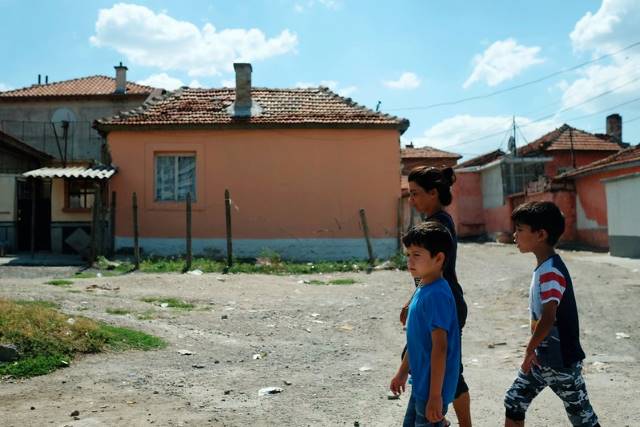
Impact of COVID-19 on Poverty in BulgariaThe impact of COVID-19 globally is undeniable. From Canada to Ukraine, every nation is fighting the virus. Bulgaria is facing a similar battle against the COVID-19 pandemic and poverty. Organizations are fighting to keep both under control while implementing solutions to address the impact of COVID-19 on poverty in Bulgaria and around the world.
The Fight Against COVID-19

Bulgaria’s first COVID-19 case occurred on May 8, 2020, which was later than many of its neighbors. The Bulgarian parliament quickly went into a state of emergency on May 13, 2020, due partially to the weak healthcare system. Discussions about how to balance the economy and COVID-19 precautions soon started. Despite the government’s best efforts, the impact of COVID-19 on poverty in Bulgaria was significant.

The Past Against the Present

Bulgaria’s past has contributed to its present state. Bulgaria became its own independent country in 1908, with the occurrence of World War I six years later. The defeat of Bulgaria in World War I saw the loss of 100,000 people. Twenty years afterward, World War II started, resulting in an eventual Soviet invasion. Communism ruled for the next five years.

These events led to economic unrest for several years. Bulgarians boycotted and protested the crisis several times throughout the years, most recently in 2013. The first protests led to Bulgaria joining the European Union but the transition was rough on living standards. Structural reforms in the late 1990s led to faster growth and better living for Bulgarians, with some economic issues in 2008, 2013 and 2014, despite overall improvement. The impact of COVID-19 on Bulgarian poverty has many experts concerned about a possible relapse into economic decline.

The Virus Against the Economy

The negative impact of COVID-19 on poverty in Bulgaria began when the country’s economy was doing well. COVID-19 dragged the economy into a recession throughout 2020 and 2021. As a result, poverty in Bulgaria in 2021 could increase before it declines. Job losses and poverty have hit young people especially hard. Bulgaria will take time to recover from the economic shock of COVID-19, according to many experts. Alongside high productivity, experts have emphasized several components that Bulgaria must prioritize for its economic recovery:

  • Optimal use of EU money
  • Reopening of businesses
  • Reducing crime rates
  • More job prospects
  • More educational opportunities

Solutions in the Present

Bulgaria’s long-term recovery will take years, but organizations are currently attempting to lessen the impact of COVID-19 on Bulgarian poverty. SOS Children’s Villages prioritizes the well-being of young people who have suffered the most from poverty in Bulgaria.

SOS Children’s Villages dedicates itself to helping lift children and teenagers out of poverty all over the world. The organization has two bases in Bulgaria — the cities of Sofia and Trjavna. Its focus is on strengthening families, improving care in families and providing support for young people. The organization also promotes advocacy and improves emergency programs for unaccompanied refugee children. Reducing the child poverty rate is the overall goal of SOS Children’s Villages in Bulgaria.

Despite the significant impact of COVID-19 on poverty in Bulgaria, organizations like SOS Children’s Villages are providing substantial aid. With the continued commitment of organizations, poverty in Bulgaria will reduce and Bulgaria will find its way to economic recovery,

– Audrey Burran
Photo: Flickr

August 11, 2021
https://borgenproject.org/wp-content/uploads/borgen-project-logo.svg 0 0 Kim Thelwell https://borgenproject.org/wp-content/uploads/borgen-project-logo.svg Kim Thelwell2021-08-11 07:30:222021-08-11 00:44:20The Impact of COVID-19 on Poverty in Bulgaria
Children, Developing Countries, Education, Global Poverty, Health

The Benefits of Investing in Intestinal Worm Research

Intestinal Worm ResearchNeglected Tropical Diseases (NTDs) are parasitic, viral and bacterial diseases that largely affect the world’s most impoverished countries. The group of diseases derives its name from the lack of attention NTDs receive in comparison to other diseases. NTDs are most common in regions where people do not have ready access to clean water and proper sanitation as well as adequate healthcare. The National Institute of Allergies and Infectious Diseases (NIH) estimates that more than one billion of the global population suffers from at least one NTD. Intestinal worm infections are among the most common NTDs. For this reason, intestinal worm research can play an important role in eradicating this specific NTD.

Intestinal Worms

Also known as “soil-transmitted helminths,” intestinal worms affect those that come in contact with soil and water contaminated by human defecation and urine. Intestinal worms, such as hookworm, roundworm and whipworm, initially inhabit the intestines of infected individuals. The eggs pass to the ground through human waste. The populations of an estimated 103 countries are affected by intestinal worms. Women of reproductive age and young children are the most susceptible to intestinal worms.

The symptoms for those infected with intestinal worms vary from mild to severe, with some individuals showing close to no symptoms at all. Individuals that display more severe symptoms may develop further conditions such as anemia, malnutrition and stunted growth. Studies currently show that the effects of intestinal worms can be long-term. With the possibilities of “impairment of physical and mental growth” as well as “delayed educational advancement,” cases of intestinal worms can negatively impact a country’s economy by affecting human capital.

Successful Intestinal Worm Research Study

Young children carry a high risk of infection. The health problems that arise as a result of intestinal worms affect more than just a child’s physical life. International Child Support in partnership with the Busia District Ministry of Health conducted a study from 1997-2001 in the Busia district of Kenya.

The study finds that “One-quarter of Kenyan student absenteeism is attributed to abdominal pains that are likely due to intestinal helminth infections.” Furthermore, older children often take time off school to care for younger siblings with intestinal worms.

As part of the study, schools with more than 50% of students infected with intestinal worms received deworming drugs on a six-month schedule. Alongside the medicine, the schools received “public health lectures” and training on prevention methods such as washing hands, “wearing shoes and not swimming in the lake.”

Promising Results

Results showed that treating the intestinal worms decreased primary school absences by nearly 25%. Overall, deworming efforts proved to be a cost-effective way to raise school participation rates. Researchers monitoring the children over a span of 20 years found that the treated children received “13% higher hourly wages” compared to children who did not receive treatment.

Overall, deworming treatment ensured the children remain in school to receive an education, impacting their overall life outcomes with improved economic opportunities to enable them to rise out of poverty. The results of the study have informed humanitarian health-focused efforts, indicating the importance of intestinal worm research. Recognizing the “return on investment,” nations such as India, Nigeria and Pakistan treat hundreds of millions of children affected by intestinal worms every year.

Looking Ahead

Intestinal worms are among the most common neglected tropical diseases, prompting an increased need for further research into the most effective treatments. Results from the study in Kenya show that deworming efforts carry more benefits than harm. Investing in intestinal worm research and treatment can increase the health of those in poverty, allowing children to remain in school, eventually acquiring the tools and knowledge to lift themselves out of poverty.

– Grace Ingles
Photo: Flickr

August 7, 2021
https://borgenproject.org/wp-content/uploads/borgen-project-logo.svg 0 0 Kim Thelwell https://borgenproject.org/wp-content/uploads/borgen-project-logo.svg Kim Thelwell2021-08-07 07:30:572024-05-30 22:24:04The Benefits of Investing in Intestinal Worm Research
Child Poverty, Global Poverty

Streamer Teo Raises $60,000 for Save the Children

Streamer TeoOn July 30, 2021, streamer and YouTuber TeosGame raised $60,000 for Save the Children, a 100-year-old nonprofit focused on addressing child poverty around the world. The Swedish gamer Teo used unique challenges and milestones to raise more than $50,000 from his online community during the course of the 11-hour stream, with an additional $10,000 contributed by those who watched the highlights on YouTube. The money raised will allow thousands of children to get the medical and educational help that they desperately require. Streamer Teo provides an inspiring example of how to use gaming and streaming platforms for the greater good.
The Stream

Raising money for charity is a difficult task that requires creativity to inspire individuals to contribute. Streamer Teo used a variety of entertaining games and fun milestones to incentivize people to help the cause. “Marble Run” was the first video game on the stream, a game that simulates marbles going down an extreme track of twists and turns. Each marble was labeled with a donation incentive, such as “Teo donates $100” or “Chat (referring to the stream’s viewers and commenters) donates $1.” The gamers with the first few marbles to finish would need to donate, making the donations exciting and unpredictable.

As the game went on, individual viewers requested to have their own marbles added with various donations ranging from $50 to $1,000. Another incentive that Teo used to raise money for Save the Children is donation milestones. For every $5,000 raised, Teo would spin a wheel with various punishments, such as him eating a hot pepper or getting hit in the face with a cream pie. This incentivizes galvanized contributions: whenever a milestone was in close reach, the rate of donations would rapidly increase. The creative events that Teo invented are intrinsic to the success of the fundraiser.

The Results

After 11 hours of streaming, Teo and the stream’s viewers had donated more than $50,000 to Save the Children. More than 2,800 individuals donated and more than half the money came from donations equating to less than $100. The genius contributions by Teo and his community allow Save the Children to aid vulnerable children in several ways. On Twitter, Teo posted an infographic detailing the statistics of the charity stream and the results.

According to Save the Children, the $51,000 raised during the stream can treat more than 18,000 children for pneumonia, provide more than 2,900 children with malaria pills and fill 79 bookshelves for children living in rural poverty. Alternatively, the donations can go toward building learning centers for 1,250 children who do not have access to education due to civil conflict. With humanitarian crises across the globe in countries such as Afghanistan, Haiti, Lebanon and Syria, Save the Children is providing life-saving services to millions of children in need.

The Value of Charitable Streaming Events

Even though many do not have the same platform as streamer Teo, the success of his fundraiser serves as a great example of how creativity can generate the enthusiasm needed to raise money for charity. Interactive games and other mediums that people feel they have a stake in can make donating feel more salient and easier to justify. Random events such as Marble Run encourage people to increase their donations as individuals do not know whether or not they will be the ones chosen to donate. Increasing engagement and incentivizing people to donate through fun and entertaining live events is a great way to raise money and impact the world in a positive way.

– Will Pease
Photo: Flickr

August 5, 2021
https://borgenproject.org/wp-content/uploads/borgen-project-logo.svg 0 0 Kim Thelwell https://borgenproject.org/wp-content/uploads/borgen-project-logo.svg Kim Thelwell2021-08-05 09:01:552024-05-30 22:25:12Streamer Teo Raises $60,000 for Save the Children
Children, Foreign Aid, Global Poverty, Nonprofit Organizations and NGOs

The Pearl Foundation Aids Nicaragua

Pearl Foundation
The Pearl Foundation is a nonprofit organization based on Christian beliefs. As a humanitarian service, the organization expands its ministry in Nicaragua through assistance in nursing homes, helping find recyclables, providing feeding services and much more.

Why Nicaragua?

Linda and Darrell Hindson started taking mission trips to Nicaragua in 2000. The couple had developed such a bond with the people there that they then set more trips in motion. With the church’s help, the pair founded the Pearl Foundation in 2007, with the ultimate goal being ministry but also improving the lives of the people of Nicaragua.

How the US Provided Aid in Honduras

In an interview with The Borgen Project, Reynel Soto recalled poverty in the mountains of Honduras. He claimed that “Poverty is when people have no money, no houses… That’s what poverty is to me.” He also recalled there not being many job opportunities. The people survived off the land, farming and taking advantage of banana and mango trees. When asked about the United States coming in to help, he said, “Concrete costs a lot of money. The U.S. came in and pour concrete in the floors and built roofs… It made a big difference, yeah.”

The Pearl Foundation understands the need to connect with all of humanity every time a stomach is full, a person learns how to make money despite economic difficulties and someone finds joy in the midst of pain. The organization comprises teams that are working towards reducing poverty by highlighting the value of relationships and personal morals.

Accomplishments

In recent years, the Pearl Foundation has funded Christmas presents for children, fed multitudes of families and individuals, have explored the recycling opportunities at dumps and have educated the public on economic distress on their blog and Facebook, prompting people to donate money. With headquarters in both Granada, Nicaragua and Boiling Springs, South Carolina, the organization gathers numerous volunteers and raises money.

The Impact of Nonprofits

Many nonprofits host fundraisers, ask for donations online and rely on volunteers or interns to maintain necessary resources. The money they obtain may go toward a specific need or advocacy while the rest goes toward expansion. Making decisions to fund infrastructure, feeding programs, shoes and more are essential to encouraging economic growth, making for a better future and quality of life for communities.

Nonprofits take on a responsibility most would not. According to Naomi Camper, nonprofits should participate in the policy-making process to further ensure stable communities as organizations are experienced in financing, resources, communication and marketing. With this knowledge, economies stand a chance at growth, security and mobility.

Foreign Aid Myths Many US Citizens Believe

U.S. citizens have many misconceptions when it comes to foreign aid. Many believe that the U.S. spends around 25% on foreign aid when the reality is 0.1%. To top it off, the myth goes that any aid does not even make a difference. However, there has been a reduction in diseases such as malaria, polio, HIV/AIDS and many other curable or controllable illnesses around the world. In recent years, increased spending on the health of children saved approximately 3.3 million lives.

Many may also think of foreign aid as charity, meaning that the U.S. gets nothing in return. The reality is that the U.S. seriously negotiates what it does with the budget to ensure that it will benefit U.S. citizens. To avoid corruption, many organizations such as USAID keep track of how donor countries use the money, as well as create systematic contracts with government facilities. These precautions keep foreign aid genuine.

Another misconception is that foreign aid is only useful and necessary during war times. However, the likelihood of safety is greater during times of peace, as it reduces the chance of conflict. In the long run, providing stability to those who need it will likely not lead to the need for U.S. military intervention.

The Importance of Economic Growth

Economic growth ensures services for communities, essentially when it comes to improving living standards. Nonprofit organizations have employed approximately 12.3 million people compared to those that other U.S. companies employ. Nonprofits also supply the unemployed with job skills and training to help find them opportunities and take care of elderly parents.

Economic growth can also increase based on the events a nonprofit hosts. For example, an organization can hold a concert as a fundraiser. Many people go shopping to dress up for the occasion, go out to eat before or after, potentially pay for parking and, of course, donate. This brings in tax revenue, giving businesses a reason to stay open.

Bringing Hope to the Hopeless

The Pearl Foundation contributes to job opportunities, tax revenue and peace when aiding the people of Nicaragua. Not only is it about poverty, but the nature of mankind. The organization uses its morals to reach new staff members and volunteers to raise money. It passionately serves people by providing fun and games, food, assistance and knowledge of ways to make a living. Nicaragua is in good hands thanks to the assistance the Pearl Foundation provides.

– Selena Soto
Photo: Flickr

August 2, 2021
https://borgenproject.org/wp-content/uploads/borgen-project-logo.svg 0 0 Kim Thelwell https://borgenproject.org/wp-content/uploads/borgen-project-logo.svg Kim Thelwell2021-08-02 11:35:402021-09-16 11:39:33The Pearl Foundation Aids Nicaragua
Children, Global Poverty

Lesotho’s Social Protection Programs

Lesotho's social protection programsTo determine the effectiveness of Lesotho’s social protection programs, the World Bank recently conducted research on these government initiatives. Currently, 50% of the population lives below the poverty line. In comparison with the rest of sub-Saharan Africa, Lesotho is lower than the average in terms of poverty. Between 2002 and 2017, the overall poverty rate fell by roughly 7%. In the same time period, the extreme poverty rate decreased by 10%. Overall, poverty reduction varies among the regions of Lesotho as urban poverty decreased by about 13% while rural poverty decreased by less than 1% during this time. With social protection programs in place, change can be effected, reducing poverty throughout the country.
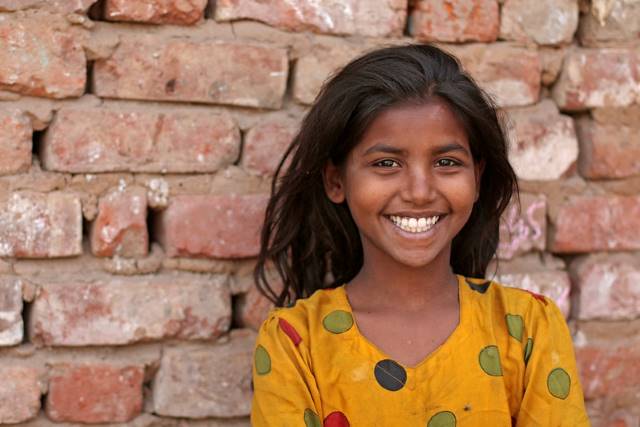
Social Protection Programs in Lesotho

Over the last 15 years, Lesotho’s government has made social protection programs a priority. The National Social Protection Strategy (NSPS) and the National Strategic Development Plans (NSDP) are two initiatives that have greatly impacted Lesotho. The NSPS’ main goal is to strengthen social protection programs to provide support for the most impoverished members of society. Through this program, the Ministry of Social Development focuses on reduced shock from emergency situations.

By integrating early action responses for any kind of emergency, the people of Lesotho can be more prepared. Moreover, the program also helps children, the elderly and disabled groups in need. Each sector of society is provided with support. For example, the Lesotho child grant is able to cover more than 90,000 children with monetary assistance to secure the basic necessities to survive. Overall, the NSDP is able to improve care assistance in the form of fiscal and social means.

Disaster Relief and Resiliency

The NSDP also recognizes the need for a disaster relief fund. The NSDP’s goals were first outlined in 2012, however, in 2018, the plan was revised and will continue until 2023. The new program, NSDP II, addresses the issues that the first NDSP did not manage to solve. It mainly focuses on overall economic growth through improving the unemployment rate in Lesotho and reducing poverty. This is done through allocating funds toward disaster preparation.

The NSDP is one example of a social protection program that is working to improve living conditions in Lesotho. By doing so, the plan is able to focus on improving the initiatives already established to build credibility, resilience and support. Overall, these programs work to advance Lesotho’s original goal to improve the welfare of vulnerable groups. The new development plan is able to hone in on the areas of the economy that need the most support.

To tackle poverty, it is necessary to create opportunities for employment and inclusive economic growth. Through this specialized focus, the hope is that this social protection program will have a major impact on not only poverty reduction but also responsiveness to economic shock.

Solutions for the Future

The World Bank ends its report by including its own recommendations for the government of Lesotho to follow in its next steps. These recommendations include both short-term and long-term suggestions for policy. The two major short-term suggestions involve integrating the different systems and programs in place to increase their impact on poverty and to develop the digital aspect of these programs.

The three major long-term suggestions are to focus the expenditures on the most impoverished people, work toward better shock preparedness and work on impacting long-lasting development. These are just some of the ways to advance Lesotho’s social protection programs. The nation has already been able to reduce poverty in the past 10 years, and continuing these programs, with the data and recommendations provided by the World Bank, will help Lesotho to persist in lowering poverty rates and inequality.

– Ritika Manathara
Photo: Flickr

August 2, 2021
https://borgenproject.org/wp-content/uploads/borgen-project-logo.svg 0 0 Lynsey Alexander https://borgenproject.org/wp-content/uploads/borgen-project-logo.svg Lynsey Alexander2021-08-02 07:30:332024-05-30 22:24:05Lesotho’s Social Protection Programs
Child Labor, Child Marriage, Child Poverty, Children, COVID-19, Developing Countries, Global Poverty

UNICEF’s Pledge to Help Children During COVID-19

UNICEF's pledge to help children The COVID-19 pandemic has brought with it physical, social and economic impacts that have been felt worldwide. Developing countries, in particular, are more vulnerable to the effects of COVID-19. Furthermore, women and children are disproportionately affected by the impacts of COVID-19. In September 2020, UNICEF called on the international community to take action “to prevent this health crisis from becoming a child-rights crisis.” UNICEF’s pledge to help children during the COVID-19 pandemic targets 192 vulnerable countries.

The Impact of COVID-19 on Children’s Health

Children are not as vulnerable to the direct physical impacts of COVID-19, but nevertheless, children worldwide suffer from the indirect impacts of COVID-19. The BBC reports that in South Asia, the disruption of essential services such as nutrition and immunization programs has led to 228,000 deaths of children younger than 5. During COVID-19, “the number of children being treated for severe malnutrition fell by more than 80% in Bangladesh and Nepal.”

Furthermore, “immunization among children dropped by 35% and 65% in India and Pakistan respectively.” In 2020, across South Asian nations, India experienced the highest increase in child mortality at 15.4%. The COVID-19 virus has abruptly halted many essential programs and services that helped safeguard the lives of vulnerable children in developing countries.

The disruption of health services has also affected adolescents battling diseases such as typhoid, malaria, HIV/AIDS and tuberculosis. The BBC reports almost 6,000 deaths across South Asia stemming from the inability to access the required treatment. The deficiency in medical services also resulted in 400,000 unwanted pregnancies in teenagers due to inadequate access to contraception.

Child Labor and Child Marriage

The COVID -19 pandemic has resulted in widespread unemployment and reduced household income, causing a rise in cases of child labor, reports Human Rights Watch. Parental deaths stemming from COVID-19 leave children orphaned, unable to have their basic needs met. UNICEF warns the international community that “school closures, economic stress, service disruptions, pregnancy and parental deaths due to the pandemic are putting the most vulnerable girls at increased risk of child marriage.” The organization estimates that 10 million more girls are now at risk of child marriage due to the impacts of COVID-19.

The Impacts of School Closures

At the peak of COVID-19 in 2020, 91% of all students across more than 188 countries could not receive an education due to school closures. School closures deprive children “of physical learning opportunities, social and emotional support available in schools and extra services such as school meals.” Children from disadvantaged backgrounds face more barriers than children from more affluent families. These vulnerable children are at risk of losing the most in terms of educational progress.

The UNICEF Pledge

UNICEF has committed to work alongside “governments, authorities and global health partners” to ensure medicines, vaccines, nutritional resources and other vital supplies reach the most vulnerable people. UNICEF is prioritizing safe school reopenings, ensuring all safety protocols are in place. Where schools cannot reopen, UNICEF is working to develop “innovative education solutions” and provide remote learning support.

Since a lack of internet connectivity and electricity presents a barrier to online learning in impoverished communities, UNICEF has committed to ” bridge the digital divide and bring internet connectivity to 3.5 billion children and young people by 2030.” UNICEF is also working with governments and partners to ensure that children’s rights form a central part of COVID-19 response plans.

As the pandemic continues, the future is still unclear. During an unprecedented global crisis, UNICEF’s pledge to help children during COVID-19 shows its ongoing commitment to upholding children’s rights globally.

– Jessica Barile
Photo: Flickr

August 1, 2021
https://borgenproject.org/wp-content/uploads/borgen-project-logo.svg 0 0 Lynsey Alexander https://borgenproject.org/wp-content/uploads/borgen-project-logo.svg Lynsey Alexander2021-08-01 01:30:362021-07-28 04:48:50UNICEF’s Pledge to Help Children During COVID-19
Child Poverty, Children, Global Poverty

Geography’s Influence on Child Poverty in Fiji

Child Poverty in FijiFiji is an archipelago or chain of islands. Many tourists worldwide know its remote beaches as a tropical paradise. While Fiji’s geography makes it a popular vacation spot for celebrities like Oprah Winfrey and Tony Hawk, its geography has adverse effects on the children living there. However, organizations are taking steps to combat child poverty in Fiji.

Child Poverty in Fiji

Child poverty in Fiji is widespread throughout its rural areas. The United Nations released a report that displays rural child poverty rates at 40.92%, almost double urban rates of 22.22%. The extent of the discrepancy between those living in rural and urban areas is clear. There is a similar difference in the ages of those experiencing poverty in Fiji. The United Nations report highlights that 32.1% of children younger than the age of 14 experience poverty.

Poverty in Fiji has an unparalleled effect on young children in rural areas. This has led to a stunting rate tallied at 7.5% among infants and young children in 2004. Infants and young children are not the only ones affected by malnourishment as 22% of adolescents in Fiji were underweight as of 2005.

The Effects of Geography on Child Poverty in Fiji

In Fiji, there is a clear connection between poverty, geography and education. Fiji’s remote location impacts the price of uniforms, books and transportation. Although education is free up to the second level, the secondary costs of education present additional barriers for children living in poverty.

Even if rural Fijian families scrape together money for their children’s education, underdeveloped road and sea transportation prevent easy accessibility. Children often have to travel through three or more towns on foot to reach the nearest school.

Furthermore, children do not receive consistent protection against violations and abuse. Many children work as domestic servants and face domestic or sexual violence. Authorities underreport these conditions, and oftentimes, local authorities dismiss the crimes with little supervision from the country’s federal policing system.

Solutions to Child Poverty in Fiji

Many efforts are in place to help combat child poverty in Fiji. Several Fijian children in poverty reside in rural areas where the lack of access to quality education perpetuates the cycle of poverty. Understanding this issue, the Australian High Commissioner administered the Australian Direct Aid Program. The program seeks to help improve educational opportunities for these children. This project gifts items like new furniture, library books, water tanks and dormitory renovations that provide better education resources to students in rural Fiji.

Similarly, help from volunteer groups such as the Peace Corps, Habitat for Humanity, the Red Cross and student initiatives, such as Rustic Pathways, greatly impacts these Fijian communities. For example, the Peace Corps states that close to 90% of the communities improved in livelihood security and sanitation.

Another significant step in combating child poverty in Fiji occurred when Fiji joined the Sanitation and Water for All Partnership. The partnership made access to clean water a constitutional right. This led to 70.1% of Fijian households having access to clean water. Increased access to clean water means children can go to school and receive an education instead of spending time collecting water for the home.

Moreover, the World Bank has approved the Fiji Transport Infrastructure Investment Project. It awarded the Fijian government $50 million to make improvements to land and sea infrastructure. The expected outcome is easier and safer travel, which in turn, allows children facing poverty in rural areas of Fiji better access to education.

The Future of Poverty in Fiji

Fiji’s geography negatively influences impoverished children within its borders. Through improvements to the education system, increased sanitation, access to clean water and better infrastructure, children facing poverty in Fiji have a greater opportunity to attend and complete school. Through education, children are able to break cycles of poverty.

– Lily Vassalo
Photo: Flickr

July 31, 2021
https://borgenproject.org/wp-content/uploads/borgen-project-logo.svg 0 0 Kim Thelwell https://borgenproject.org/wp-content/uploads/borgen-project-logo.svg Kim Thelwell2021-07-31 07:30:332024-06-06 01:05:37Geography’s Influence on Child Poverty in Fiji
Child Poverty, Children, Education, Global Poverty

Future Stars Academy Helps Children in Tanzania 

Children In Tanzania In 2016, estimates determined that three out of every four children in Tanzania experience poverty or are underprivileged. This means that most children in Tanzania do not experience high-quality living conditions. For example, children in Tanzania frequently lack access to healthcare, education and basic necessities such as food, water and shelter. They may also experience domestic violence.

Of adolescents, the age group hit the hardest are those aged 5-13. In this age group, 73% of children experience deprivation in three or more dimensions. Dimensions are categories that classify different types of poverty. These dimensions are sanitation, protection, housing and education. Poor access to sanitation affects this age group the most (77%) followed by limited protection, housing and education, all lying in the high 60% range.

The Future Stars Academy (FSA)

Future Stars Academy (FSA) is a nonprofit organization that began in 2009 and works out of Arusha, Tanzania. In 2019, the organization had 200 members and saw its members’ school attendance increase by 15%. FSA prioritizes education with the understanding that education is a way out of poverty.

FSA makes an impact by combining a passion for sports with a strict education policy. Education is one of the most important factors in ending global poverty. Education leads to outcomes that positively impact poverty. Some of these outcomes include economic growth, lower income inequality, reduced infant and maternal deaths, decreased vulnerability to HIV/AIDS and reduced violence at home and in society.

Many people all over the world support and participate in soccer, sometimes referred to as football. For FSA, soccer is a way for underprivileged children to develop mentally and physically, giving them the opportunity to live sustainable and healthy lives. The organization believes that soccer can inspire underprivileged children and help them develop into productive citizens with the opportunity to escape poverty. The organization focuses on three core activities: training, education and competition. It works with children aged 6-20, targeting the age group hit hardest by child poverty.

FSA gives youth the opportunity to refine their soccer skills and compete competitively at a certain level. This gives children something to strive for and encourages healthy lifestyles in order for participants to succeed in the sport. Coaches at FSA use the children’s passion for soccer to hone in on other important life skills and values such as teamwork, dedication, discipline and confidence.

FSA’s Success

For FSA, the combination of fun and education has, so far, been successful. The policy of “No school – No play” keeps children in Tanzania on track to progressing toward a better life. The FSA has provided dozens of senior players with the opportunity to play for top tier soccer teams or earn coaching positions where they then have the ability to help children in similar situations.

Education is an extremely important tool for reducing rates of poverty in Tanzania. Many organizations, such as UNICEF, believe that instilling education at a young age is the most effective way for it to be a tool in helping underprivileged children escape poverty. FSA is one of many organizations working to promote the importance of education for children in Tanzania.

– Haleigh Kierman
Photo: Flickr

July 23, 2021
https://borgenproject.org/wp-content/uploads/borgen-project-logo.svg 0 0 Jennifer Philipp https://borgenproject.org/wp-content/uploads/borgen-project-logo.svg Jennifer Philipp2021-07-23 07:30:362021-07-23 00:11:35Future Stars Academy Helps Children in Tanzania 
Page 45 of 137«‹4344454647›»

Get Smarter

  • Global Poverty 101
  • Global Poverty… The Good News
  • Global Poverty & U.S. Jobs
  • Global Poverty and National Security
  • Innovative Solutions to Poverty
  • Global Poverty & Aid FAQ’s
Search Search

Take Action

  • Call Congress
  • Email Congress
  • Donate
  • 30 Ways to Help
  • Volunteer Ops
  • Internships
  • Courses & Certificates
  • The Podcast
Borgen Project

“The Borgen Project is an incredible nonprofit organization that is addressing poverty and hunger and working towards ending them.”

-The Huffington Post

Inside The Borgen Project

  • Contact
  • About
  • Financials
  • President
  • Board of Directors
  • Board of Advisors

International Links

  • UK Email Parliament
  • UK Donate
  • Canada Email Parliament

Get Smarter

  • Global Poverty 101
  • Global Poverty… The Good News
  • Global Poverty & U.S. Jobs
  • Global Poverty and National Security
  • Innovative Solutions to Poverty
  • Global Poverty & Aid FAQ’s

Ways to Help

  • Call Congress
  • Email Congress
  • Donate
  • 30 Ways to Help
  • Volunteer Ops
  • Internships
  • Courses & Certificates
  • The Podcast
Scroll to top Scroll to top Scroll to top