• Link to X
  • Link to Facebook
  • Link to Instagram
  • Link to TikTok
  • Link to Youtube
  • About
    • About Us
      • President
      • Board of Directors
      • Board of Advisors
      • Financials
      • Our Methodology
      • Success Tracker
      • Contact
  • Act Now
    • 30 Ways to Help
      • Email Congress
      • Call Congress
      • Volunteer
      • Courses & Certificates
      • Be a Donor
    • Internships
      • In-Office Internships
      • Remote Internships
    • Legislation
      • Politics 101
  • The Blog
  • The Podcast
  • Magazine
  • Donate
  • Click to open the search input field Click to open the search input field Search
  • Menu Menu

Archive for category: Children

Information and stories addressing children.

Children, Global Poverty

Canada’s Childcare Facilities Receive Support

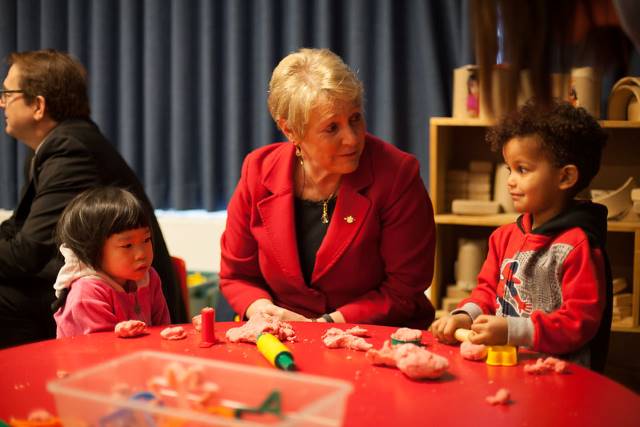
Canada’s Childcare FacilitiesOn April 19, 2021, the Canadian Government announced a new budget that includes increased support for Canada’s childcare facilities. The proposed financial support would reduce the average cost of childcare, granting the greatest benefit to Canada’s most economically vulnerable families. Though arranged by the federal government, the changes were advocated for by several non-governmental organizations (NGOs), including Child Care Now.

Government Promises

The government’s commitment to increasing childcare affordability is part of a newly proposed budget written to address the economic ravages of the COVID-19 pandemic. The new budget would allot $30 billion to childcare spending over the next five years.

The goal of the sizable expenditure is to nationally reduce the cost of childcare to an average of just $10 per day by 2025. If passed, federal money would be used in conjunction with provincial funding to subsidize Canada’s childcare facilities, thereby lowering the cost to parents. A portion of the $30 billion would also go toward improving the quality and accessibility of Canada’s childcare facilities.

Presently, costs for childcare vary widely across Canada. In Quebec’s cities, the monthly cost of childcare is less than $200 due to an initiative passed in 1997 that standardized childcare costs. Outside of Quebec, the average monthly cost can range anywhere from $451 in Winnipeg to more than $1,500 in Toronto. The high prices are burdensome for all Canadians, but particularly so for the nation’s impoverished communities.

Child Care, Poverty and the Pandemic

Though not the pandemic’s most obvious impact, a lack of affordable childcare has strained Canada’s economy over the past year. Some of the strain stems from Canada’s childcare facilities and schools being closed to prevent the spread of the virus. As a result, many working parents, particularly mothers, have had to take care of children instead of working.

The pressure that the COVID-19 pandemic has put on women and mothers is reflected in Canada’s 2020 labor statistics, which show that women have exited the workforce at higher rates than men. In fact, the number of men in Canada’s workforce has increased by more than 60,000, while the female workforce has shrunk by at least 20,000.

Impact on Mothers

A large proportion of the women impacted by job losses are low-income mothers. A review of labor statistics found that among mothers ages 25 to 54 who had children younger than 12 years old, the mothers making less than $1,200 per week accounted for most jobs lost within that maternal demographic. Mothers in that group who made more than $1,200 per week actually increased representation in the workforce by almost 12%.

The same report also shows that mothers left the workforce at higher rates than other Canadian women in 2020. For instance, among women ages 25 to 54 who make between $500 and $799 per week, there was an almost 34% decrease in employment among mothers compared to a 21% decrease among women without children. This trend holds true for other earning brackets below $1,200.

While not all job loss among Canadian women can be attributed to maternal responsibilities, motherhood has clearly been a contributing factor for many women who have lost jobs during the pandemic. The fact is particularly true for low-income mothers who are least likely to have a job that will allow them to work from home. Without access to affordable childcare, mothers will continue to remain stuck between joblessness and caring for their children. The new Canadian budget and its advocates aim to solve this bind.

Child Care Now

One of the NGOs that gave support to the new budgetary spending on childcare was Child Care Now. Child Care Now is a Canadian nonprofit organization founded in 1982. The organization advocates for increased government spending on public and nonprofit childcare facilities. The nonprofit’s membership is made up of parents, childcare professionals and all parties concerned with the availability of accessible, affordable and safe childcare. Among the most pressing goals is the expansion of public childcare options throughout Canada.

On February 19, 2021, Child Care Now submitted a budgetary consultation to the Federal Ministry of Finance. In this consultation, Child Care Now made a case for increased federal spending on Canadian childcare, both in response to the impacts of COVID-19 and as an investment in the future of Canada’s childcare system.

Among the recommendations made by Child Care Now is the allotment of $2 billion in emergency spending to bolster Canada’s childcare facilities as well as the allocation of an additional $10 billion over the next three years to increase the access and affordability of public and nonprofit childcare options. When the government announced $30 billion in new spending on childcare, the response from Child Care Now was enthusiastic.

The Road Ahead

While the new budget still needs to be passed by the Canadian House of Commons, Canada’s investment in affordable childcare shows that the government is committed to the well-being of Canadian families. Should the budget pass into law, it will undoubtedly benefit the low-income mothers who have suffered the brunt of the pandemics’ economic hardships.

– Joseph Cavanagh
Photo: Flickr

June 9, 2021
https://borgenproject.org/wp-content/uploads/borgen-project-logo.svg 0 0 Kim Thelwell https://borgenproject.org/wp-content/uploads/borgen-project-logo.svg Kim Thelwell2021-06-09 07:30:262021-06-09 16:02:44Canada’s Childcare Facilities Receive Support
Children, Education, Global Poverty

Addressing Autism in Hong Kong

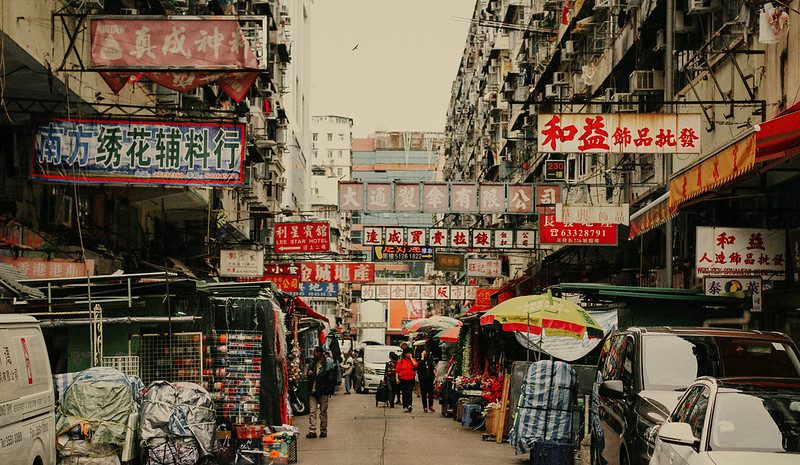
Addressing Autism in Hong Kong
Of every 100,000 children in Hong Kong, 372 suffer from autism. Autism Spectrum Disorder or autism affects an individual’s nervous system and causes developmental delays. This condition varies in severity in each case, and symptoms mostly consist of recurring body movements, odd fascination towards certain things and trouble speaking and interacting with others. Left unattended, autism in adulthood often results in loss of employment and difficulty focusing in school. The Aoi Pui School, Autism Partnership and Heep Hong Society are all addressing autism in Hong Kong and improving lives by helping children integrate into ordinary schools and teaching vital work skills.

Aoi Pui School

Researchers who wanted to provide quality education to children with autism in Hong Kong founded Aoi Pui School (APS) in 2007. More specifically, the institution teaches fundamental work skills to its students. Every student at APS enrolls in a program that educates the children about professional competence. In the program, students learn about the importance of maintaining a positive work ethic, approaching work with enthusiasm, comprehending the responsibilities and knowing the privileges.

Autism Partnership

The Autism Partnership (AP) came to Hong Kong in 1999 and strives to offer effective treatment to children with autism. AP works towards integrating autistic children into mainstream schools and society. It offers two programs called The Buddies and i-Club to encourage autistic children to develop their social skills. The Buddies program targets first, second and third graders and educates the students on how to maintain relationships with their peers. The i-Club program focuses on children heading to middle school and teaches the children how to calm down, control their feelings, consider the point of view of others, establish relationships, respectfully play with others and start dialogues.

AP also helps children successfully join mainstream schools. First, an AP employee sets up a specific plan with the institution. Then, AP educates counselors at the school about the child’s particular case. Next, the organization checks on the success of the student and changes the child’s plan when problems arise. Lastly, the student relies less on the counselors and navigates school individually.

Heep Hong Society

Since 1963, Heep Hong Society strives to improve the lives of minors with disabilities and different backgrounds. In particular, the organization assists older autistic children in obtaining and retaining jobs. First, the Heep Hong Society gives personal guidance to each adolescent. In the one-on-one discussions, the organization discovers the young adult’s passions, talents and attributes to help connect the students with dream jobs and assist them in issues regarding socialization, studying and employment. Also, the Heep Hong Society works with local companies to secure jobs and scholarships for its students.

Conclusion

All in all, Aoi Pui School, Autism Partnership and Heep Hong Society strive to help children with autism in Hong Kong enroll in mainstream schools and obtain employment. With the help of these organizations, autistic youth can retain independence and live above the poverty line.

– Samantha Rodriguez
Photo: Flickr

June 6, 2021
https://borgenproject.org/wp-content/uploads/borgen-project-logo.svg 0 0 Kim Thelwell https://borgenproject.org/wp-content/uploads/borgen-project-logo.svg Kim Thelwell2021-06-06 07:30:112024-05-30 22:23:32Addressing Autism in Hong Kong
Child Poverty, Food & Hunger, Global Poverty

SPOON: Helping Children With Feeding Difficulties

SPOON, Helping Children With Feeding DifficultiesApproximately 93 million children worldwide have been diagnosed with a disability. A total of 80% of these children have problems with feeding processes. Children with disabilities often suffer from medical conditions like anemia and, along with children who do not receive nutrition through a caregiver, are among the groups that are most likely to be malnourished. However, two women from Portland, Oregon, founded the nonprofit organization SPOON to address children’s malnutrition.

Providing Nutritional Assistance for Children Worldwide

SPOON was founded in 2007 when Cindy Kaplan and Mishelle Rudzinski adopted two children from Kazakhstan who were diagnosed with severe malnutrition. They created SPOON to ensure that all children across the globe receive nourishment. SPOON aims to provide help for caregivers through nutrition programs and assessing the needs of children with feeding difficulties. As the most important part of their mission, the organization puts a special focus on nutrition support for children who do not have a family to care for them or those with a disability.

Helping Children With Feeding Difficulties

Children diagnosed with a disability are three times as likely to suffer from undernourishment than those without any disabilities. Furthermore, one of SPOON’s studies showed that approximately 91% of children in institutions and without family care do not receive the nutrition they need.

Carolyn Moore, the Policy and Advocacy Advisor for SPOON, told The Borgen Project that the two groups often overlap since “institutionalization and separation are more common for children with disabilities.” Moore further explained that the lack of training regarding children with special needs is a significant contributor to feeding difficulties and nutritional health conditions.

The population of children in need of the help SPOON has to offer is immense. Approximately 250 million children who live in developing countries are at immediate risk of stunting. Additionally, 53 million under the age of 5 received diagnoses with cognitive delays, reduced motor skills and other disabilities.

According to Moore, there are additional tens of millions of children who live “in institutions or … on the streets.” One of the main challenges in making sure that all children receive the nutrition they need is that caregivers often do not understand the importance of finding the right feeding process. This is especially important since nutrition is the main contributor to ensure a child’s health. It also affects the development of their brain and body.

Teaching People Important Feeding Skills

SPOON operates with several different methods. The first step of its work includes helping local partners and caregivers of children with disabilities. This is “to build their skills in the specific nutrition eating needs and techniques.” The initial training period covers many different aspects, including learning how to improve feeding techniques, correctly assessing the specific problems a child is facing and adapting diets and nutrition accordingly to individual needs.

Another part of SPOON’s work is the organization’s mobile app called Count Me In. The tool assesses the growth and problems of children with feeding difficulties, especially those with disabilities and in institutions. The app is then able to offer appropriate solutions to caregivers. Moore explained that Count Me In “can recommend improvements around positioning and texture” of the food. It is also a very efficient way for the organization to collect valuable data. By 2019, many orphanages in countries such as Uganda, Vietnam and Zambia have used Count Me In.

Advocacy and the Global Child Thrive Act

The third important component of SPOON’s work is advocacy. Moore explains the need for children with disabilities worldwide to have access to nutrition and support with their feeding difficulties. She emphasizes the need for nonprofit organizations to look at how to “change policies and change systems” permanently. For example, SPOON was part of the Thrive Coalition, a group of nonprofit organizations that advocated for the Global Child Thrive Act, which was passed into law in January of 2021.

The coalition continuously met with congress and the media. This resulted in more than 100 Republican and Democratic members of the House and Senate co-sponsoring the bill. The Global Child Thrive Act assures that the United States government will contribute to strengthening early childhood development. This is for 250 million children under 5 in low-to-middle-income countries. According to Moore, the act was especially important to SPOON, since it specifically included support for “children with disabilities or without family care.”

Helping Children All Across the Globe

In addition to helping with the passage of the Thrive Act, SPOON has seen many successes throughout the years. After working in countries like Vietnam, China and India for two years, the rate of stunting in the children decreased from 55% to 23% and the percentage of children with anemia went down from 41% to 13%. Furthermore, SPOON’s advocacy efforts significantly contributed to a policy change in Kazakhstan that resulted in better nutrition for children without family care.

Also, data collected through Count Me In in 2020 showed a 35% improvement in the growth of kids and found that 82% of caregivers had adjusted feeding positions according to the children’s needs. Another 2020 success was the development of the SPOON chair. The chair will help children with disabilities by allowing them to sit upright during the feeding process.

Partnering With Other Organizations to Help Children

SPOON has also seen much success through collaborations with local partners. In Zambia, SPOON worked together with CMMB, a nonprofit organization that aims to help children with diseases by improving their nutrition. Together, the two organizations were in charge of the Improving Nutrition and Safe Feeding Practices project. This project specifically focused on children with disabilities and without family care.

Moore explained that SPOON and CMMB provided “specialized training in the nutrition and feeding issues” that are common for the two groups of children. The project worked with nutritionists and clinicians who had no prior experience in this specific field. Data pulled from Count Me In in Zambia from 225 surveyed children shows that between the years 2017 and 2020, the feeding positions improved in more than half of all cases for children with disabilities. There was a reduction in malnutrition for every child that was evaluated more than once through the application.

SPOON’s work has significantly contributed to improving the health and lives of many children with feeding difficulties. SPOON has displayed solutions for helping disadvantaged children and has revealed the need for further organizations to join their cause. Moore noted with the “big shift in food insecurity,” due to COVID-19, SPOON’s work is incredibly vital.

– Bianca Adelman
Photo: With permission from Carolyn Moore

June 3, 2021
https://borgenproject.org/wp-content/uploads/borgen-project-logo.svg 0 0 Kim Thelwell https://borgenproject.org/wp-content/uploads/borgen-project-logo.svg Kim Thelwell2021-06-03 01:30:222024-05-30 22:23:18SPOON: Helping Children With Feeding Difficulties
Children, Education, Global Poverty

UNICEF Promotes Syrian Children’s Resilience

Syrian Children's Resilience
For much of the world’s youth, guns, bombs and rubble describe a scene from a war video game, but these circumstances are a reality for Syrian children. Nearly six million Syrian children have known nothing but war. Over 4.8 million were born into the Syrian conflict with one million more born as refugees after their families fled from conflict-riddled countries. However, despite these challenges, Syrian children’s resilience shines above and beyond their difficulties.

UNICEF, arguably the organization providing the most vital humanitarian assistance to Syrian children, requested $1.4 billion in 2021 to provide the necessary aid to those it serves. The Borgen Project spoke with Salam Al Janabi, Chief of Communications for UNICEF in Syria, who stated that “This past year we saw a 20% jump in the numbers of children in need. The triple crises of conflict, COVID-19 and a crushing economic crisis are really pushing children and families over the edge.” However, hope still exists, because Syrian children’s resilience is amazing despite their devastating living circumstances.

The Life of a Syrian Child

What is it like living as a child amid the conflict in Syria? Here are a few of the most startling statistics:

  • About 80% of Syrian children live in poverty.
  • The number of displaced children has doubled since 2012, reaching 2.6 million in 2020.
  • Nearly 12,000 children have been victims of death or injury since the start of the conflict in 2011. This means, one child has suffered injury or death every eight hours for 10 years, amounting to about 12,000 children. Unfortunately, the U.N. has predicted that this number could be much higher.
  • Between 2011 and 2020, militants recruited more than 5,700 children as child soldiers. Many of these children were no more than 7 years old.
  • Close to 3.5 million Syrian children are unable to attend school. Girls make up 40% of those without access to education.
  • Many children and their families have fled violence more than seven times, usually finding shelter in tents and unfinished buildings.

Hyperinflation and the country’s intense instability continue to breed catastrophe for Syrians. The price of a basket with the most basic food staples increased by 236% while the Syrian pound dropped by 78%. This staggering figure is forcing parents to put their children, as young as 7 years old, to work for meager wages to help feed the family.

UNICEF

Amid the ongoing violence, UNICEF continues to offer life-saving support to Syrian children. In 2020, UNICEF and its partners provided crucial support, such as:

  • Screening 2.6 million women and children for malnutrition.
  • Improving water supply for more than three million people.
  • Vaccinating more than 2.5 million children under 5 years old against polio.
  • Supporting the education of 2.2 million children.
  • Ensuring the continuation of services by providing PPE to healthcare workers, schools and NGOs.

In 2021, UNICEF hopes to give more than three million polio vaccinations and further expand access to safe, clean water. It will continue to provide explosive weapons risk education to young people and offer nutrition guidance to those providing care to infants and young children.

Prioritizing Education

Al Janabi told The Borgen Project, “I think what cannot be emphasized enough is how much parents here in Syria value education. Even in some of the remotest, most destroyed areas we have been to, parents will tell you that they need a school for their children.” Prior to the conflict, enrollment rates were consistently 97% or higher. In 2020, more than 3.7 million Syrian children received access to formal and informal education opportunities as a result of UNICEF and its partners’ assistance.

Education is vital for any child. However, education is absolutely vital for Syrian children. The schooling they miss not only affects their social and mental development but also holds their futures hostage. “The triple crisis” is a lot to contend with; however, even among these extremely challenging circumstances, Syrian children’s resilience continues to inspire.

Saja’s Story

To say that living in Syria as a child is challenging is a vast understatement. Nonetheless, these children carry with them infinite hope for the future. One of these children is Saja, who was just 7 years old when the war began. At age 11, Saja suffered serious injury from a bomb explosion. She lost four young friends and her leg that day. Her brother lost his life during a bombing raid. Her family relocated several times to escape the escalating violence.

UNICEF interviewed Saja at the age of 12. She spoke of the joyful life she experienced prior to the war and her passion for learning. She said she has to walk a long way to get to school which is difficult for her due to her injury. However, looking into the camera and speaking through a wide grin, she said, “It’s a struggle, but what else can you do?” Now 18, Saja says she never loses hope. Her great love of sports, soccer in particular, and school helped her overcome the difficulties that filled her childhood. She dreams of studying literature and physical education.

Hope for the Future

Children like Saja exist throughout Syria’s wartorn cities. Resilience has woven into the fabric of many of these childhoods. Children who refuse to give in to their circumstances instead seek to rise above them. Speaking to Syrian children’s resilience and courage, Al-Janabi stated that “Yes, they need our support and help but they also show us that they have it in them to get through this. The world cannot keep letting them down.” The enduring work UNICEF is doing offers a glimpse of normalcy and the organization has no intention of slowing down. While it is difficult to fathom the seriousness of the crisis in Syria, the children living through it are the true heroes in every story of this conflict.

– Rachel Proctor
Photo: Flickr

May 30, 2021
https://borgenproject.org/wp-content/uploads/borgen-project-logo.svg 0 0 Kim Thelwell https://borgenproject.org/wp-content/uploads/borgen-project-logo.svg Kim Thelwell2021-05-30 01:30:292024-12-13 18:02:28UNICEF Promotes Syrian Children’s Resilience
Child Poverty, Global Poverty

A Look at Child Poverty in Egypt

Child Poverty in Egypt
Egypt attracts visitors from all around the world to observe marvelous monuments such as the Great Pyramids and the Sphinx. However, behind the magnificence of its tourist attractions lies a country in distress. It has a rank of 13th in terms of global population, with births occurring every 15 seconds. The growing population is causing a scarcity of resources, leaving nearly 27.8% of Egyptians to live in extreme poverty. Poverty especially poses a threat to the quality of life for Egyptian children by denying them opportunities to be successful. Here are some of the factors contributing to child poverty in Egypt.

Lack of Education

Egypt’s Ministry of Education reported that thousands of children dropped out of school in 2016 and 2017 due to the inability to pay fees for food, transportation and clothing. Roughly 600,000 of the children who dropped out of school in 2017 were girls. In previous decades, Egyptians highly undervalued education for girls due to ideas of traditional gender roles. However, a study in Egypt found that girls usually begin taking on household duties around the age of 10, allowing them more opportunities to attend primary school. The need for children to help bring in extra income causes many poor families to turn to child labor. This makes school attendance even less a priority.

Child Labor

Agriculture makes up nearly 55% of Upper Egypt’s labor force. Additionally, almost 80% of the population in Upper Egypt lives below the poverty line. The Bureau of International Labor Affairs (ILAB) reported that 53.2% of children between the ages of 5 and 14 work in Egypt’s agricultural sector. Children provide a cheaper source of labor to help manage family-owned farms. Cairo Hospital’s Dr. Ahmed Fathy explained, “For poorer families, it’s not about whether a child is a gift from God, but rather [that] extra children are a method of income.”

Malnutrition

Malnutrition plays a prominent role in child poverty in Egypt. The United Nations Children’s Emergency Fund (UNICEF) defines malnutrition as a lack of access to a healthy diet in poverty-stricken communities and a lack of nutritional knowledge that promotes healthy dietary habits and lifestyles. Children under the age of 5 suffer most from undernourishment at 35%. Foods high in sugar account for nearly one-third of an Egyptian infant’s diet. Meanwhile, roughly 50% of children under the age of 2 are not receiving vital nutrients such as iron through their diet.

Social Programs and Government Policies on Child Poverty

From 2014-2018, the European Union (E.U.) invested $65 million to launch the Enhancing Access of Children to Education and Fighting Child Labor social program. The program improved food security for approximately 100,000 Egyptian children. It also provided financial aid to almost 400,000 low-income families, reducing the need for child labor and encouraging school attendance.

The Egyptian government is hopeful that it will eliminate hazardous forms of child labor by 2025. Government officials enacted the National Plan of Action Against the Worst Forms of Child Labor and Supporting Families policy in 2017 to boost child labor laws and develop the educational system. The policy also delegates specific government agencies to enforce existing child labor laws.

Looking Towards the Future

Egyptian children living in poverty endure numerous hardships that affect their quality of life, such as lack of education, child labor and malnutrition. These barriers leave them unprepared to successfully transition to adulthood. The Egyptian government is taking steps to eliminate child poverty by passing laws and implementing programs that prioritize children’s issues. Hopefully, one day, child poverty in Egypt will no longer exist.

– Tiara Tyson
Photo: Flickr

May 29, 2021
https://borgenproject.org/wp-content/uploads/borgen-project-logo.svg 0 0 Jennifer Philipp https://borgenproject.org/wp-content/uploads/borgen-project-logo.svg Jennifer Philipp2021-05-29 07:30:502021-05-26 12:17:03A Look at Child Poverty in Egypt
Child Poverty, Global Poverty

Addressing Child Poverty Rates in New Zealand

Child Poverty Rates in New Zealand
New Zealand is an island nation in Oceania that, according to the United Nations Happiness Index, boasts a reputation as one of the world’s happiest countries. The government currently holds especially high esteem in the international community, credited for an exceptional job in handling the COVID-19 pandemic. However, beyond these glowing numbers is an escalating crisis: child poverty. Child poverty rates in New Zealand highlight disparities that have otherwise been overlooked.

New Zealand’s Poverty Rates

New findings released by Statistics NZ and the Salvation Army’s State of Nation show gaping disparities among children facing poverty. 19% of Māori and 25.4% of Pasifika children live without all of the basic household needs, compared to the state standard rate of 11%. The issue of indigenous inequality is nothing new. Māori and Pasifika populations have faced historically disproportionate challenges that impact their quality of life.

Child poverty rates in New Zealand were identified as a policy target for Prime Minister Jacinda Ardern’s administration back in 2018. Until the pandemic hit, the government was making progress in accomplishing the Child Poverty Reduction Act. This was a three-year plan to reduce the rate to 10%. However, the plan was disrupted once COVID-19 became a widespread issue. There is now a data gap, as the collected numbers are only updated as far as March 2020. As New Zealand has managed to control the spread of COVID-19, it is important that Arden and her administration shift its focus to supporting Māori and Pasifika populations who have fallen behind.

How to Close the Gap

Until 2018, there had been both a lack of incentive to collect demographically based data and a caliber for poverty calculation. Now, a census team conducts household economic surveys to calculate the disposable income of each home. The government must prioritize diversifying its numbers to show an accurate representation of indigenous populations. There are challenges to this — a legacy of colonialism has left indigenous communities with little trust to partake in census participation — but existing efforts to collect Māori and Pasifika data now include grassroots outreach.

There are also a variety of hardships that disproportionately impact Māori and Pasifika populations. These include imprisonment rates, houselessness and weather changes. Throughout the pandemic, many indigenous populations have signed up to receive more benefits and welfare payments. The government must continue to ensure these communities receive the support they need.

Another important step to eradicate child poverty is to improve diversity within the government. Increasing Māori and Pasifika representation at the public-sector level would give voice to the people who best understand how to tackle the child poverty crisis in New Zealand.

Many nonprofit organizations are also working to alleviate child poverty. The Child Poverty Action Group holds a series of campaigns to address different poverty-related issues and calls for action in policy advocation. It also provides a number of resources that make navigation among different available services easier. At the community level, food banks support struggling families and provide warm shelter during cold weather.

Looking Ahead

Though the government has taken some promising steps to reduce child poverty rates in New Zealand — such as its new policy requiring schools to offer free period products — its priorities must include the representation of the Māori and Pasifika in poverty statistics and initiatives. Alongside nonprofit organizations and Māori and Pasifika leaders, New Zealand has the ability to reduce child poverty.

– Danielle Han
Photo:Flickr

May 29, 2021
https://borgenproject.org/wp-content/uploads/borgen-project-logo.svg 0 0 Jennifer Philipp https://borgenproject.org/wp-content/uploads/borgen-project-logo.svg Jennifer Philipp2021-05-29 01:31:362024-05-30 22:23:23Addressing Child Poverty Rates in New Zealand
Children, Education, Global Poverty

Ugandan Science Show Teaches Science to Children

Ugandan Science Show
A new Ugandan science show called N*Gen (pronounced “engine”) has exploded in popularity over the past year. The show is delighting kids across Africa and presenting a new and engaging way to learn science. The show debuted on Ugandan television in September 2020. Afterward, television networks in various African countries picked up the show. The show is even now available in North America and the Caribbean. N*Gen presents science through a “decidedly African Prism” and seeks to promote greater African and female representation in science, technology, engineering and mathematics (STEM) fields. With the show’s massive popularity, it has encouraged children to learn more about science and pursue careers in STEM. 

The Origins of N*Gen

Six teachers from the Clarke Junior School in Kampala created the Ugandan science show in 2020. They created the show in conjunction with the East African nonprofit Peripheral Vision International. Peripheral Vision International produces and funds the show. The show is shot in Kampala, Uganda and airs weekly in 35-minute episodes. It also features episodes shot on location for specific topics at times. N*Gen targets 8- to 12-year-old African children as its audience and has proven to be very popular with this demographic.

N*Gen seeks to be both engaging and entertaining to its audience. This is important in a culture where science is often labeled a more challenging subject. The show centers around engaging presentations of STEM topics through guest teachers and presenters, animations, quizzes and experiments, fitness and mindfulness exercises, on-location episodes and more. The creators stated the show’s goals are to be to:

  1. Foster a culture of curiosity and discovery
  2.  Model new holistic ways of approaching learning
  3. Promote positive gender norms
  4. Nurture trust in science
  5. Help families stay safe during the pandemic

How N*Gen is Changing Science Media

A persistent complaint about science education is that it has focused primarily on Western male perspectives. N*Gen’s ability to change this and engage its viewers in new ways has perhaps been the greatest success of the show. The show focuses on African issues and topics that are present in African kids’ lives. It primarily involves African female perspectives. This gives young girls role models and hopes to look to for a future in science.

N*Gen tends to cover topics that are specific to Africa. For example, they had a segment on the Turkana Boy fossil located in Kenya. A paleontologist from the museum where the bones are located spoke about the fossil. The show visited other locations including Lake Victoria and a local chocolate factory in order to bring science under a more relatable and close-to-home lens for the show’s viewers.

N*Gen’s Depiction of Women

N*Gen has emphasized the depiction of women as scientific experts and presenters as an important aspect of the show. A study shows that at age 6, girls draw 70% of scientists as women compared to 25% at age 16. This is likely due to a lack of female representation in media as scientists and scientific experts. However, N*Gen has made this a strong area of focus and helps to inspire young girls by showing exceptional women in the scientific field.

The two main presenters are teachers at the Clarke Junior School: Irene Nyangoma Mugadu and Annah Komushana. Guest teachers, scientists and presenters are predominantly women although men are certainly present in the show as well. This has influenced its audience and had the intended effect. A 10-year-old girl from Kampala who watches and even appeared on the show explained, “It’s boys who do all the fun stuff, and sometimes, a girl like me gets a little left out. But girls can be scientists and go to the moon.”

Going Global

After its debut in September, N*Gen was quickly picked up by television networks in over half a dozen African countries. After becoming a smash hit, the show was picked up by The Africa Channel and is now available for viewing in North America and the Caribbean every Saturday and Sunday at 6 a.m. and 9 a.m. ET.

– Clay Hallee
Photo: Flickr

May 12, 2021
https://borgenproject.org/wp-content/uploads/borgen-project-logo.svg 0 0 Kim Thelwell https://borgenproject.org/wp-content/uploads/borgen-project-logo.svg Kim Thelwell2021-05-12 19:21:292021-05-12 19:20:20Ugandan Science Show Teaches Science to Children
Children, Education, Poverty

Addressing Turkish Educational Inequality

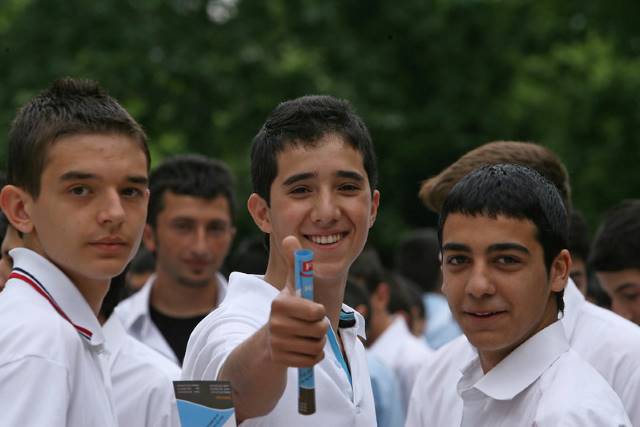
Turkish Educational InequalityWith the COVID-19 pandemic creating economic distress in Turkey, the need for NGOs, nonprofits and organizational aid is bigger than ever. One NGO, the Darüşşafaka Society, is providing much-needed support for one of Turkey’s most vulnerable populations: children. As Turkey’s oldest non-governmental organization in the field of education, the Darüşşafaka Society has served as a model for combating Turkish educational inequality and remains one of the most prominent NGOs in Turkey today.

Low Enrollment Rates in Turkish Schools

In comparison to the majority of EU countries, Turkey has a larger issue with educational enrollment. In 2016, Turkey hit a peak in terms of the percentages of out-of-school adolescents since 2012. The UNESCO Institute of Statistics found that approximately 523,363 Turkish adolescents were unenrolled, surpassing the previous year by almost 100,000 youths.

While this number has declined in recent years, 2019 data from the Organization for Economic Cooperation and Development (OECD) found that the percentage of Turkish 15-to-19-year-olds who were unemployed and out of school was 17% still far above the average 6.6% for OECD countries.

Academic and Socioeconomic Inequality in Turkey

A contributing factor to these numbers is Turkish educational inequality, which impacts technological access, enrollment rates and academic performance overall.

In 2020, the COVID-19 pandemic exacerbated the issue of Turkish educational inequality. Reports indicate the true severity of the situation, stating that 20% of Turkish students had internet connection issues in 2020, limiting online learning accessibility and resources for students across the country. Additionally, the financial stress of the pandemic put many families in a tight spot, unable to afford necessary tools like school supplies, computers and technological resources. Households were also unable to pay for data and the internet to connect to online classes.

The History of Darüşşafaka Society

For many needy children and families, relief has come in the form of the Darüşşafaka Society. Darüşşafaka Society is the oldest Turkish NGO in the field of education, originally founded in 1863 as a part of Cemiyet-i Tedrisiyye-i İslamiye or the Islamic Education Society. High-standing intellectuals in Turkey founded Darüşşafaka Society in order to establish formal education channels for needy children and orphans, teaching basic skills like reading, writing and math when governmental efforts fell short.

In more than 100 years since its founding, Darüşşafaka Society has become an integral part of the fight against Turkish educational inequality, providing educational and financial support to needy and orphaned students and expanding on its original mission by constructing a physical campus in Istanbul. The Society offers full scholarships to students as well as complete coverage of all healthcare, living and academic expenses. These costs are covered through donations made to The Society. The initiative also strives for scholarship support to its students during their tertiary studies.

Success Stories

The Society’s impact on Turkish educational inequality can be seen through the stories of students, faculty and alumni. One such story is that of Dr. Nahit Çakar, a professor of anesthesiology at Istanbul University who was admitted to Darüşşafaka after struggling to pay for education. Çakar, while not an orphan, was a student with significant financial hardships that prevented accessibility to prestigious schools.

Çakar says, “We learned about friendship, camaraderie. We were a group of people coming from the same deprivation and poverty.” After graduating from Darüşşafaka, Çakar went on to become a doctor and professor, aiming to pay forward the gift of education.

Funding for Darüşşafaka Society comes primarily from local community donors, but The Society has also found itself in the sights of international corporations in recent years. A 2011 interview with Saffet Karpat, chairman of the Procter & Gamble Turkey Board of Directors, highlighted the “Dream to Reality” flagship project with the Darüşşafaka Society as part of the company’s social responsibility campaign in Turkey. The program has helped more than 10,000 students with projects in the fields of science, photography and music, throughout the course of one year.

Darüşşafaka Society Today

According to Darüşşafaka’s website, the current student cohort amounts to a little less than 1,000 students, many of whom were previously learning in disadvantaged classrooms with up to 60 other students. The success of Darüşşafaka’s students is in part due to the improved learning environments that it provides. For instance, as a result of its rigorous focus on science, Darüşşafaka’s robotics team has become a significant contender in the FIRST Robotics Competition, an annual international STEM and robotics championship held in the U.S.

Comprised entirely of orphaned and disadvantaged students, the team has won championship-division awards since its start in 2009 and was most recently presented with awards in both the Long Island and Houston championships in 2019.

Breaking the Cycle of Poverty

According to the Global Partnership for Education, an equal chance at education for students of all backgrounds could reduce international economic disparities by 39%. With the continued efforts of organizations like Darüşşafaka Society, youth in need, disadvantaged and orphaned students will continue to be provided with opportunities to rise out of poverty through education.

– Madeleine Youngblood
Photo: Flickr

May 12, 2021
https://borgenproject.org/wp-content/uploads/borgen-project-logo.svg 0 0 Kim Thelwell https://borgenproject.org/wp-content/uploads/borgen-project-logo.svg Kim Thelwell2021-05-12 07:30:162024-05-30 22:23:31Addressing Turkish Educational Inequality
Children, Developing Countries, Global Poverty, Health

Vaccinating Zero-Dose Children

vaccinating Zero-dose childrenGavi, the Vaccine Alliance has partnered with Save the Children to expand the reach of vaccination efforts and health services for vaccinating zero-dose children. Millions of children around the world go without routine vaccinations every year, creating dangerous situations in developing nations plagued with diseases such as pneumonia and measles. The partnership intends to address this problem through a coordinated response of immunization programs to reach children in the most disadvantaged places on Earth.

The State of Global Child Vaccinations

There has been an undeniable trend of progress in global child vaccination rates over the past several decades. The rate of children fully vaccinated against diphtheria, pertussis and tetanus stands at 85% today compared with 20% in 1980. Likewise, the rate of vaccinations protecting against measles and polio rose from less than 20% in 1980 to 85% in 2019, while rates of vaccinations for rubella rose from less than 10% to more than 70% in the same period of time. However, despite the obvious progress in child vaccinations, there is still a sizable portion of children who are unvaccinated or under-vaccinated, leaving them susceptible to life-threatening diseases.

Approximately 20 million children are either under-vaccinated or completely unvaccinated across the globe, with more than 60% of this number coming from just 10 countries including Nigeria, Ethiopia and Pakistan. About half of the 20 million receive no routine vaccinations whatsoever, making them zero-dose children. These children overwhelmingly live in developing nations, many of which are high-intensity conflict zones. More peaceful areas in developing nations still lack adequate infrastructure and millions of children living in remote and marginalized communities have little or no access to healthcare.

The Risks for Zero-Dose Children

Zero-dose children are some of the most vulnerable people on the planet as they are easy targets for life-threatening diseases such as pneumonia, measles and HPV. Pneumonia kills more than 800,000 children every year, making it the leading infectious cause of preventable child deaths in the world. It is a treatable disease, and if diagnosed early, pneumonia treatment over a three-to-five day period can be successful using antibiotics costing just $0.40. However, in low-income countries lacking access to clean water, healthy diets and affordable healthcare, it is a life-threatening disease as almost all child pneumonia deaths occur in developing nations.

Other major diseases of concern to zero-dose children include measles and HPV. Global measles cases are on the rise again, reaching levels not seen in more than two decades. In 2019, the world reported about 863,000 cases of measles compared with only 360,000 the year before. This alarming escalation turned even worse with the arrival of COVID-19 as many countries had to suspend immunization services and programs leaving even more children unable to get vaccinated. Furthermore, while the rate of global HPV vaccinations has steadily increased for several years, fully-vaccinated girls only make up about 15% of the world with many developing nations lacking any vaccination programs. These low coverage levels around the world mean the likelihood a child born today will have all necessary vaccinations by age 5 is less than 20%.

The Partnership

Thankfully, Gavi, the Vaccine Alliance and Save the Children plan to make a global impact with a vaccination program intended to reach zero-dose children. Save the Children already works in developing nations by training and supporting frontline healthcare workers, delivering life-saving medicine and improving immunization coverage. Gavi will leverage this existing presence to expand immunization programs for vaccinating zero-dose children. The partnership between the two organizations will work by sharing key learnings and best practices to explore adding vaccinations to current treatments of pneumonia, malaria and malnutrition for children in low-income communities.

This program will build on the healthcare successes of Save the Children in developing nations and expand the reach of vaccinations to Gavi-supported countries such as Angola, the Republic of the Congo and Cameroon. Immunization efforts will prioritize fragile and high-conflict areas but other locations with major immunization gaps will also receive aid and vaccination increases. Additionally, the partnership will address vaccine hesitancy among parents by implementing community-based education programs and will continue the advancement of COVID-19 vaccination access in developing nations. These efforts stand to make an immense difference in developing nations and millions of children and their families stand to benefit, as do entire communities, as higher levels of immunizations lead to less infectious diseases.

The Road Ahead

Although health innovations in the past half-century have contributed to a major decrease in preventable child mortality rates, there are still far too many children who die from infectious diseases and many of these children are completely unvaccinated. In response to this situation, Gavi and Save the Children have teamed up with efforts in vaccinating zero-dose children in the world’s most impoverished nations. By building on the successes of current operations and introducing vaccinations into existing health programs, the partnership will strive to decrease the immunization gap and continue making headway toward the global goal of no zero-dose children.

– Calvin Nordhougen
Photo: Flickr

May 12, 2021
https://borgenproject.org/wp-content/uploads/borgen-project-logo.svg 0 0 Yuki https://borgenproject.org/wp-content/uploads/borgen-project-logo.svg Yuki2021-05-12 01:31:152024-05-30 22:23:23Vaccinating Zero-Dose Children
Child Poverty, Education, Global Poverty

5 Challenges due to Child Poverty in Uganda

Child Poverty in Uganda
Many know Africa as having a high amount of poverty. Uganda is becoming one of the most impoverished countries, which is significantly affecting the children. The life-threatening impacts children in Uganda face every day include malnutrition, health assistance deprivation, access to education, shelter deprivation and exposure to crime. Here are five life-threatening impacts pertaining to child poverty in Uganda.

5 Life-Threatening Impacts Due to Child Poverty in Uganda

  1. Malnutrition: One of the biggest problems with child poverty in Uganda is malnutrition. Child hunger and malnutrition result in poor health and failure to reach educational potential. Malnutrition in young children can result from a lack of nutritious food but disease, including diarrhea, can also cause it. At least half of all children aged 6-59 months old are anemic as a result of malnutrition. In 2003, the Ministry of Health and the Ministry of Agriculture created a policy that aims to “reduce malnutrition among children; reduce low birth weight among newborns; and eliminate micronutrient deficiencies (in vitamin A, iodine and iron).”
  2. Health Assistance Deprivation: Most of the children in Uganda lack access to healthcare assistance and are not able to receive vaccinations at a young age because of their inability to afford them. According to the UNICEF Child Poverty and Deprivation analysis, “Children slept under treated bed nets to prevent malaria, which was the (leading) cause of 27% of deaths in Uganda in 2016.” A significant amount of children, mostly orphaned, have been suffering from HIV/AIDS in Uganda without any medical treatment. Without parents to provide for their children, the children end up being unable to access any medical assistance. Furthermore, small households with a single parent and a single child are more prone to catch illnesses.
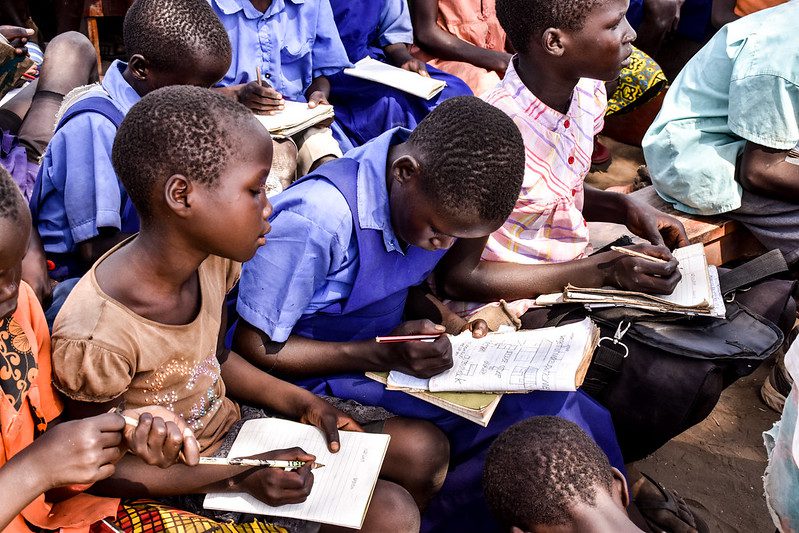
  3. Access to Education: As a result of child poverty in Uganda, children are not always able to garner education and they frequently lack access to school supplies because of the inability to afford them. A majority of the children are unable to read or write, causing Uganda to have one of the highest illiteracy rates in Africa. Lacking nutrition in diets may cause them to miss school; even if they attend class, they may have trouble focusing on their lessons. In Uganda, the deprivation rates are increasing, with nine out of 10 children not having access to educational resources like uniforms, books, chairs and desks.
  4. Shelter Deprivation: Most Ugandan children in poverty live in rural areas with their families. In Uganda, the typical poor family is one that cannot afford access to basic necessities of living. This includes shelter, water, food, beds, blankets and cooking equipment, etc. Additionally, poorer families are not always able to afford any damages that might occur to their homes, causing the damages to worsen over time. A common living condition that the poor in Uganda have to deal with is leaky roofs, which may cause dampness in dwellings and the formation of mold. Also, most children live in households that are unable to put aside money for emergencies. Moreover, they cannot always afford to replace broken pots and pans that their households use for cooking.
  5. Exposure to Crime: Due to Child Poverty in Uganda, a growing number of children are becoming victims of criminal activity. Some forms of crime include theft, housebreaking, abuse, assault, defilement, murder, property damage and robbery. The percentage of defilement cases involving juvenile offenders rose from 28% in 2008 to 42% in 2010. The most frequent form of crime children and their families have experienced in Uganda is theft and housebreaking. Child abuse is more common in girls than boys, with 60% of child abuse crimes involving girls. Even if the crimes are not violent, the constant exposure to such crimes can cause an impact on the social and psychological health of a child.

Save the Children

The life-threatening effects of malnutrition, limited healthcare access, lack of education, shelter deprivation and higher exposure to crime rates could significantly increase if no one addresses child poverty in Uganda. Luckily, the organization Save the Children is aiming to fight for children’s rights to education, healthcare and safety around the world. In 2020, Save the Children and its donors changed the lives of over 552,000 children in Uganda by providing education, protection and health assistance.

While child poverty in Uganda is prevalent, the efforts of Save the Children have had a significant impact. Through continued work, child poverty should continue to reduce in Uganda and around the world.

– Mary McLean
Photo: Flickr

May 11, 2021
https://borgenproject.org/wp-content/uploads/borgen-project-logo.svg 0 0 Jennifer Philipp https://borgenproject.org/wp-content/uploads/borgen-project-logo.svg Jennifer Philipp2021-05-11 07:30:322021-05-08 17:13:255 Challenges due to Child Poverty in Uganda
Page 47 of 137«‹4546474849›»

Get Smarter

  • Global Poverty 101
  • Global Poverty… The Good News
  • Global Poverty & U.S. Jobs
  • Global Poverty and National Security
  • Innovative Solutions to Poverty
  • Global Poverty & Aid FAQ’s
Search Search

Take Action

  • Call Congress
  • Email Congress
  • Donate
  • 30 Ways to Help
  • Volunteer Ops
  • Internships
  • Courses & Certificates
  • The Podcast
Borgen Project

“The Borgen Project is an incredible nonprofit organization that is addressing poverty and hunger and working towards ending them.”

-The Huffington Post

Inside The Borgen Project

  • Contact
  • About
  • Financials
  • President
  • Board of Directors
  • Board of Advisors

International Links

  • UK Email Parliament
  • UK Donate
  • Canada Email Parliament

Get Smarter

  • Global Poverty 101
  • Global Poverty… The Good News
  • Global Poverty & U.S. Jobs
  • Global Poverty and National Security
  • Innovative Solutions to Poverty
  • Global Poverty & Aid FAQ’s

Ways to Help

  • Call Congress
  • Email Congress
  • Donate
  • 30 Ways to Help
  • Volunteer Ops
  • Internships
  • Courses & Certificates
  • The Podcast
Scroll to top Scroll to top Scroll to top