• Link to X
  • Link to Facebook
  • Link to Instagram
  • Link to TikTok
  • Link to Youtube
  • About
    • About Us
      • President
      • Board of Directors
      • Board of Advisors
      • Financials
      • Our Methodology
      • Success Tracker
      • Contact
  • Act Now
    • 30 Ways to Help
      • Email Congress
      • Call Congress
      • Volunteer
      • Courses & Certificates
      • Be a Donor
    • Internships
      • In-Office Internships
      • Remote Internships
    • Legislation
      • Politics 101
  • The Blog
  • The Podcast
  • Magazine
  • Donate
  • Click to open the search input field Click to open the search input field Search
  • Menu Menu

Archive for category: Children

Information and stories addressing children.

Child Poverty, Children, Global Poverty

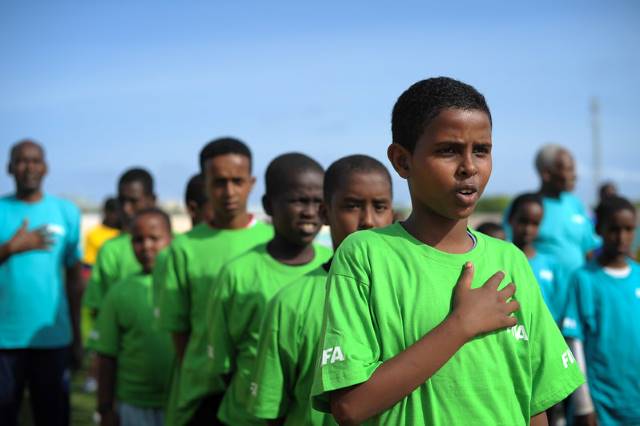
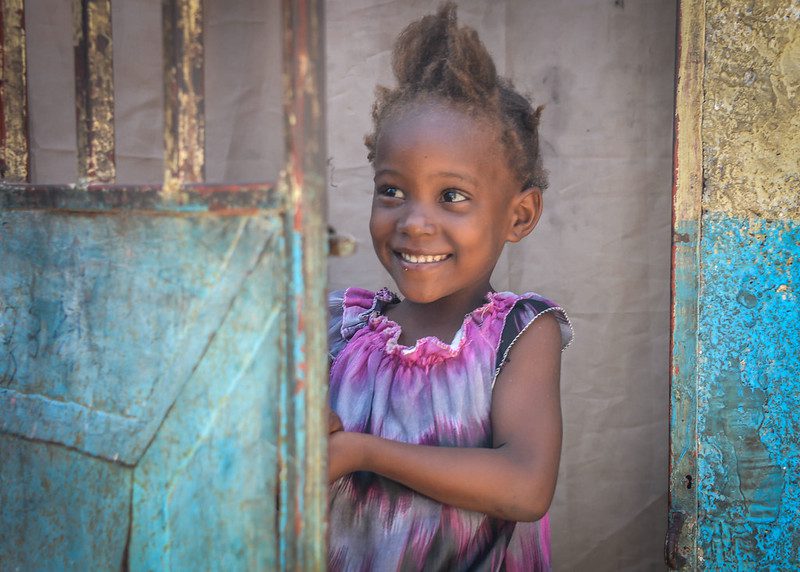
Lifting Children in Haiti Out of Poverty

Children in Haiti
Children in Haiti face a myriad of shockingly harsh challenges, with more than 60% of the population living in extreme poverty. Roughly 70% of all children in Haiti are extremely deprived, lacking access to at least one of the following: clean water, food, adequate shelter, healthcare or schooling. With 46% of Haitian children living in absolute poverty, organizations have stepped in to help fulfill the basic needs of children.

Inadequate Shelter and Diseases

More than 50% of children in Haiti lack adequate housing. They often share rooms in the home with family members, with crowding as severe as five people to a room. These rooms have dirt floors and roofing made of leaves, which cannot withstand the rains of Haiti. In addition, 40% of all children do not have toilet facilities.

Furthermore, more than 1.5 million children in Haiti are not immunized, leaving them at risk of deadly diseases. Many of these children also have no access to medical care and more than 800,000 children lack sufficient clean water. As a result, children often resort to drinking contaminated water from ponds and dams.

Starvation and Mental Health Issues

Inadequate food and nutrition lead to severe consequences: more than 75,000 children who survive past the age of 5 could potentially suffer permanent health consequences. Haitian children often lack access to nutritious foods that provide the necessary vitamins vital for growth such as zinc, vitamin A and iodine.

Children in Haiti also suffer symptoms of PTSD due to the terrifying impacts of major catastrophes, including the 2010 earthquake. Limited general healthcare in Haiti means mental healthcare is also lacking. Many children who survive earthquakes and other natural disasters are at risk of mental illnesses such as schizophrenia, delusion and bipolar disorders due to the stress ad trauma endured.

Other conditions, such as homelessness and sexual abuse, can also contribute to mental health concerns. A 1991 study found that thousands of children lived in the streets of Port Au Prince, Haiti. The average age of Haitian “street children” was 11 and half of the children studied had used drugs. Furthermore, girls in Haiti are at high risk of rape and sexual abuse.

Hope Song Refuge

The Borgen Project spoke with Dr. Anita Frew of Hope Song Refuge in Haiti. Dr. Frew typically spends six months of the year caring for children and mothers who cannot care for themselves in Haiti, apart from 2020 when COVID-19 prevented her travel.

Dr. Frew explains how mothers struggle to feed their children. The men in the household often leave because they cannot care for their families and there are limited work opportunities in Haiti. Without access to food, yet yearning to satisfy the pain in their children’s stomachs, some Haitian mothers make cookies out of mud and contaminated water.

The cookies are left out in the sun to dry and are then fed to the children. The children receive no nutritional benefits and often become ill because of the diseases carried in the water. When mothers feel they can no longer care for their children, they may abandon them. It is not uncommon to see abandoned children on blankets on the side of the road as mothers give up hope.

Some desperate mothers even give up their children to traffickers who convince them that their children will have better work opportunities and an improved quality of life outside of Haiti. Traffickers take Haitian children to countries such as the Dominican Republic where the children are sold into child prostitution or slavery. The work of Hope Song Refuge in Haiti seeks to prevent child trafficking by aiding mothers and their children.

Hope for the Future

The harsh circumstances that the children of Haiti face are due to the many tragedies arising from poverty. Starvation and disease are part of the daily lives of many children. The children of Haiti who do not perish from disease or starvation are subject to abuse and often struggle to have their basic needs met.

Despite these conditions, however, there is hope. Dr. Frew’s mission was successfully able to save a child from a human trafficking situation. The Haitian Border Police have also worked to lower the number of trafficked children. Working in partnership with the Haitian Social Welfare Agency, the border police have arrested more than 50 potential traffickers since the agencies began reporting in 2017.

These efforts show a promising trend of reducing child trafficking and lifting Haitian children out of poverty. Moving forward, the government and humanitarian organizations must make addressing child poverty in Haiti a greater priority.

– Carolyn Lancour
Photo: Flickr

July 22, 2021
https://borgenproject.org/wp-content/uploads/borgen-project-logo.svg 0 0 Kim Thelwell https://borgenproject.org/wp-content/uploads/borgen-project-logo.svg Kim Thelwell2021-07-22 12:15:592024-05-30 22:23:29Lifting Children in Haiti Out of Poverty
Children, Developing Countries, Global Poverty

5 Benefits of the Home Grown School Feeding Program in Rwanda

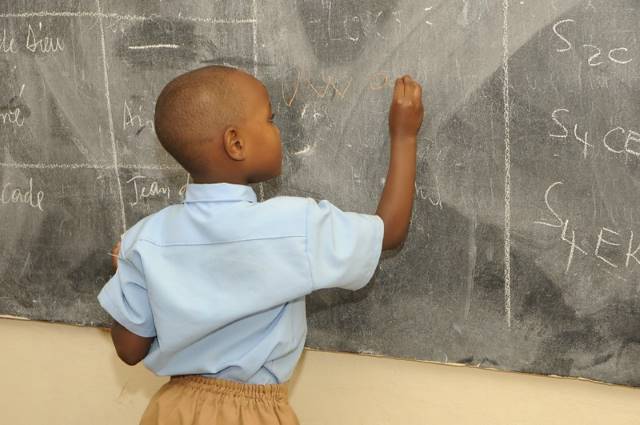
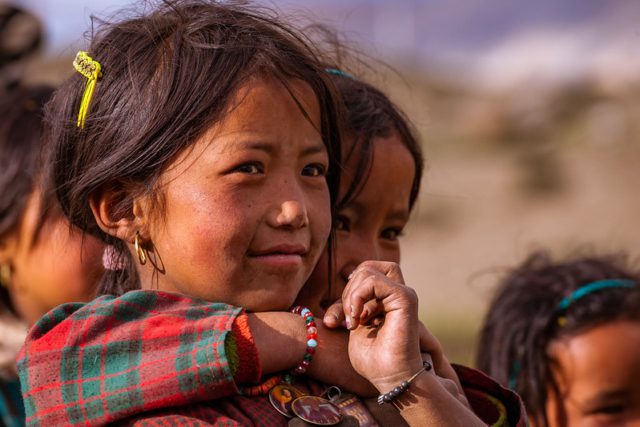
School Feeding Program in RwandaRwanda is a small, densely populated country in Africa, located just south of the equator. Though the country has made great strides in poverty reduction since the 1994 genocide, 55% of the population still lived in poverty in 2017. The COVID-19 pandemic halted a period of economic boom and, as a result, the World Bank expects poverty to rise by more than 5% in 2021. International aid and development programs in Rwanda are more important than ever, especially when it comes to providing reliable, nutritious food sources. Chronic malnutrition affects more than a third of Rwandan children younger than 5 and the World Food Programme (WFP) considers nearly 20% of Rwandans food insecure. One key initiative aiming to eradicate malnutrition in Rwanda is the WFP’s Home Grown School Feeding program in Rwanda.
History of the Home Grown School Feeding Initiative

The WFP’s Home Grown School Feeding initiative works with local governments, farmers and schools to provide nutritious, diverse daily meals for students and enrich local economies. These Home Grown School Feeding programs currently operate in 46 countries with each program tailored to the needs of local people.

The Home Grown School Feeding program in Rwanda began in 2016, funded by the U.S. Department of Agriculture (USDA) and Mastercard. The program serves daily warm meals to more than 85,000 learners in 104 primary schools. The program benefits both students and their families in several major ways.

5 Benefits of the Home Grown School Feeding Initiative

  1. Improves Nutrition. Agriculture is the basis of Rwanda’s economy, but desertification, drought and other problems are decreasing harvests. As a result, many families struggle to grow enough food to feed themselves. The Home Grown School Feeding program in Rwanda provides students with meals of either maize, beans or hot porridge. The school-provided meal is often the only regular, nutritious meal available to many students.
  2. Improves Hygiene. Along with kitchens and ingredients, the WFP also supplies schools in Rwanda with materials to teach basic nutrition and hygiene. One strategy includes installing rainwater collection tanks and connecting them to handwashing stations. Additionally, WFP workers build or renovate bathrooms at each school. Connecting the school to a reliable water supply also benefits the local community by decreasing the distance villagers travel to access water. School handwashing stations are also open to the community, improving health and hygiene for everyone.
  3. Improves Focus, Literacy and School Attendance. According to Edith Heines, WFP country director for Rwanda, “a daily school meal is a very strong incentive for parents to send their children to school.” In primary schools where the WFP implemented the Home Grown School Feeding Program, attendance has increased to 92%. With the implementation of the program, students report increased alertness in class and better grades and performance. One child from Southern Rwanda, Donat, told the WFP that before his school provided lunch, he was often so hungry that he did not want to return to school after going home at lunchtime. Now that his school provides lunch, he looks forward to class each day. Literacy rates have also improved dramatically at schools where the program operates and the WFP reports that student reading comprehension has increased from less than 50% to 78%.
  4. Teaches Gardening and Cooking Skills. The WFP develops a kitchen garden at every school involved in the Home Grown School Feeding program. Children participate in growing and caring for crops, learning valuable gardening skills that they can take home to their parents. Children are also instructed in meal preparation and in proper hygiene.
  5. Diversifying Crops at Home. Students also receive seedlings in order to provide food at home and to diversify the crops grown in food-insecure areas. Crop diversification can help improve soil fertility and crop yields. Sending seedlings home also promotes parent and community involvement in the program, ensuring the program’s long-term stability.

Looking Ahead

The Home Grown School Feeding program in Rwanda has improved the quality of life for many children living in poverty as well as their families. By fighting to end hunger in food-insecure areas of Rwanda, the WFP has improved hygiene, nutrition, school attendance, literacy, crop diversity and more. The continuation of the program in Rwanda and in other countries around the world will enable further progress in the fight against global poverty.

– Julia Welp
Photo: Flickr

July 22, 2021
https://borgenproject.org/wp-content/uploads/borgen-project-logo.svg 0 0 Kim Thelwell https://borgenproject.org/wp-content/uploads/borgen-project-logo.svg Kim Thelwell2021-07-22 01:30:422021-07-21 23:39:555 Benefits of the Home Grown School Feeding Program in Rwanda
Children, Global Poverty

Combating Child Malnutrition in Nepal

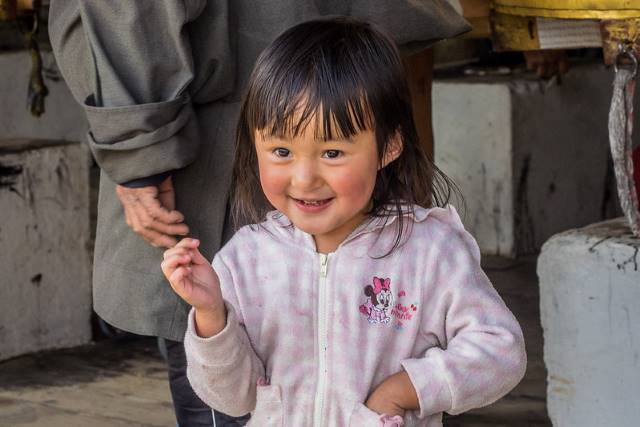
Childhood Malnutrition in NepalChild malnutrition in Nepal, a relatively small nation in Asia, has been a persistent issue. The lack of food throughout the country has significantly contributed to illness and death. During the COVID-19 pandemic, the situation has worsened. Though there have been multiple failed government attempts to reconcile the food supply, Nepal is slowly finding its way back to proper nutrition for children with the help of organizations such as UNICEF.
Child Malnutrition in Nepal

According to the United Nations World Food Programme, Nepal ranks as the 148th most impoverished country in the world out of 189 countries. It continues to struggle with low general well-being because of civil unrest, a difficult geographical landscape and poor infrastructure. A combination of these factors has also impacted food availability. Food that is available often lacks the nutrients necessary for children to maintain proper health and growth. As a result of malnutrition, children battle stunted physical and mental growth, severe weight loss and compromised immune systems.

In addition to poor nutrition, many children are also exposed to contaminated water, which can lead to chronic diseases. According to the Nepali Times, a recent Johns Hopkins University survey showed that severe malnutrition impacting children younger than 5 could cause 4,000 childhood deaths a year due to insufficient food from lack of income caused by the pandemic. A quarter of Nepal’s population already lives under the poverty line. The pandemic has pushed more families closer to impoverishment.

The Solution

Due to multiple failed government efforts to help assist families, it is clear that part of the issue lies in the poorly structured national, provincial and local governments. Though the government has made efforts to tackle malnutrition in Nepal, including the Multi-Sectoral Nutrition Plan that led to major strides against child malnutrition in the past, the issue persists.

To combat child malnutrition in Nepal, UNICEF has partnered with the government of Nepal in order to treat malnourished children with nutrition response and recovery actions. It has also taken the initiative to educate and provide resources for pregnant and breastfeeding mothers. Nutrition education aims to raise awareness of the importance of ensuring infants receive essential nutrients.

Furthermore, UNICEF is helping the government of Nepal to strengthen its response to prevent more malnutrition in the country. Nutritional assistance is also provided in the form of micronutrient powder for children and iron folate supplements for pregnant and breastfeeding mothers.

The Road Ahead

Though child malnutrition in Nepal has worsened during the COVID-19 pandemic, there is still hope. With help from UNICEF and other humanitarian organizations, Nepal has a chance to address this persistent issue. Moving forward, it is essential that the government and humanitarian organizations continue to prioritize child malnutrition in Nepal.

– Allie Degner
Photo: Flickr

July 20, 2021
https://borgenproject.org/wp-content/uploads/borgen-project-logo.svg 0 0 Yuki https://borgenproject.org/wp-content/uploads/borgen-project-logo.svg Yuki2021-07-20 01:30:152021-07-19 23:20:05Combating Child Malnutrition in Nepal
Child Labor, Children, Global Poverty, Human Trafficking

Understanding Human Trafficking in Bhutan 

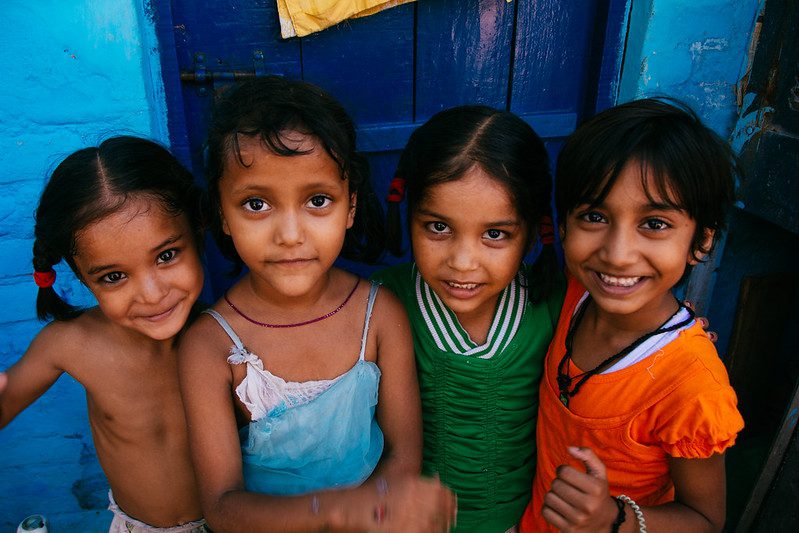
Human Trafficking in Bhutan Forced labor and commercial sexual exploitation of children are forms of human trafficking occurring around the world, including Bhutan. Limited research means precise statistics on human trafficking in Bhutan are hard to find. The Royal Government of Bhutan has not accepted the United Nations Convention against Transnational Organized Crime, a treaty that 147 states signed and enforced in 2003. This often leads to Bhutanese courts dismissing charges that meet the international definition of human trafficking.
The Definition of Human Trafficking

The international definition of human trafficking is “the recruitment, transportation, transfer, harboring or receipt of persons by improper means (such as force, abduction, fraud or coercion) for an improper purpose.” Bhutan’s definition is an individual who “recruits, transports, sells or buys, harbors or receives a person through the use or threat of force or deception within, into or outside of Bhutan for any illegal purpose.”

Human Trafficking in Bhutan

According to the U.S. Department of State, “Bhutan does not fully meet the minimum standards for the elimination of trafficking but is making significant efforts to do so.” The U.S. Department of State upgraded Bhutan to its Tier 2 Watch List because of several positive signs of progress. For instance, Bhutan convicted one person under the human trafficking statute and appealed dismissed trafficking charges in another case. Furthermore, Bhutan investigated “reports of labor exploitation” and worked to implement “anti-trafficking training and public awareness events.”

Bhutan is on the Tier 2 Watch List, which means that the country does not completely comply with the Trafficking Victims Protection Act. However, it is making an effort to meet the standards set. Bhutan has this designation because there is not enough evidence supporting the successes of the government’s actions to combat trafficking and estimates determine that the number of victims is significant or increasing.

Tier 1 refers to countries that fully comply with the Trafficking Victims Protection Act of 2000 and Tier 3 includes countries that do not comply and are not making an effort to improve. Bhutan was designated as a Tier 3 country in 2019 and ranked as a Tier 2 country from 2013 to 2017. Bhutan has been on the Watch List as of 2018. While it appears the Royal Government of Bhutan is making strides, evidence is scarce regarding the success of its anti-trafficking measures.

Protecting and Assisting Victims

Project hope was founded in 2004 by Queen Mother Sangay Choden Wangchuck. In 2019, Project Hope changed to Respect, Educate, Nurture and Empower Women (RENEW). Project Hope formerly protected children from labor exploitation by providing shelters. However, the program expanded to RENEW, which not only gives shelter to both women and children but also provides counseling and rehabilitation to victims. Women and children are often the victims of human trafficking, necessitating a program with a special focus on them. From January 2020 to December 2020, the program provided counseling services to 39 people affected by human trafficking.

Meanwhile, the U.S. Department of State’s Trafficking in Persons Office funded a $750,000 program to help the Bhutanese police investigate human trafficking in Bhutan. The UNODC is responsible for implementing the program. The program helps enforce the Standard Operating Procedure for Multi-Sectoral Response to Address Trafficking in Persons in Bhutan. So far, the program has provided training for 16 journalists, 82 police officers and 95 prosecutors. The program also includes training so that people know how to protect themselves from human trafficking when working overseas.

Communication Through Task Forces

Organization is essential for efficiency and the Child Labor Task Force focuses on organizing efforts from multiple agencies and ministries. Government officials, international organizations, civil society organizations and the private sector make up the Task Force. However, a lack of research on its activities means its efficiency is unclear.

Monitoring trends of human trafficking in Bhutan, advising policies to implement and organizing anti-trafficking efforts are some of the main responsibilities of the Trafficking in Persons Special Task Force. The Department of Law and Order leads it but other government agencies and civil society organizations help the task force.

Eliminating Human Trafficking in Bhutan

Continued improvements and diligence are essential to eliminating human trafficking in Bhutan. Fortunately, the U.S. Department of State recommends several possible and plausible solutions. These include:

  • Use the international definition of human trafficking
  • Train and educate people to improve proactive victim identification
  • Create and publish an assessment of any and all forms of human trafficking in Bhutan
  • Increase funding to projects helping victims
  • Educate labor inspectors to identify cases of forced labor
  • Increase investigations and prosecutions of traffickers and increase sentencing
  • Eliminate recruitment fees for workers and investigate contract switching or cases of not paying wages

Human trafficking in Bhutan can decrease even further with solutions created by organizations and programs already in place. Cooperation, organization, enforcement and education can and are undergoing improvement, especially in the last few years. However, more clear evidence is necessary to fully understand the full picture.

– Alex Alfano
Photo: Flickr

July 9, 2021
https://borgenproject.org/wp-content/uploads/borgen-project-logo.svg 0 0 Jennifer Philipp https://borgenproject.org/wp-content/uploads/borgen-project-logo.svg Jennifer Philipp2021-07-09 01:30:532021-07-12 00:50:27Understanding Human Trafficking in Bhutan 
Children, Developing Countries, Human Trafficking, Women, Women & Children

The Fight Against Human Trafficking in India

Problems and Solutions with Human Trafficking in India
With its current population of 1.3 billion people, India is the second-largest country in the world. However, with its size comes a myriad of human rights issues. With so many people in one country, many of them can easily fall under the radar. Human trafficking in India is one of the most prominent human rights issues within the country.

In India, kidnappings for labor and sexual needs have been constant. In 2020, a U.S. Department of State report identified India as a Tier 2 country. In spite of many genuine efforts, the country remains hindered by its inadequate solutions to alleviate the problem and the department feels that India did not sufficiently ensure the mitigation of the issue. Enslavement has also been a common issue. In 2016, the Global Slavery Index found that 18 million people out of 46 million people are enslaved in India.

Trafficking of Women

Within the system of human trafficking in India, most of those victimized are either women or minors. In 2016, The National Crime Records Bureau estimated that 33,855 people in India have been victims of kidnapping for the purpose of marriage. Half of this percentage consisted of individuals under 18 years of age. Kidnappers most commonly force women into commercial sex and indentured servitude.

Bride trafficking has also been a consistent commodity due to skewed sex ratios in certain areas. There has been a lack of women for the larger male population to marry, so many buy their partners. A UNODC report in 2013 found that of the 92 villages of the Indian state of Haryana, nine out of 10 households bought wives from poor villages in other parts of the country. The report also mentioned that most of the women experienced abuse and rape as well as working like slaves.

Child Kidnappings

Alongside the trade of women, many child kidnappings occur. Kidnappers force many of the victims into servitude within industries of agriculture and manufacturing. In 2016, the Central Bureau of Investigation estimated that 135,000 children become victims of human trafficking in India annually. Many of the Indian train stations, such as Sealdah in the city of Kolkata, have had reports of youth kidnapping. Due to the frantic environment of the station, most of these disappearances go unnoticed. A lot of these children either live near the station due to poverty and abuse at home or travel out to work despite the danger and illegality of child labor. Children have also experienced kidnapping during natural disasters. During an earthquake in Nepal, traffickers targeted children whose parents had lost their lives. Wherever traffickers send these children, they work in brutal conditions and receive little pay or nothing at all.

Action in Legislation

Despite the magnitude of the issue and the bleakness it presents, there are glimmers of hope. The government and the public have pushed to mitigate these problems. Prosecution and the tracking of victims are becoming a focus of legislation creation. The Ministry of Women and Child Development has worked to develop a new law to combat the issue. The draft law will include measures to make placement agencies compulsory and rules to monitor where workers are from and where they are going. The 2020 Department of Justice report recommended that increased prosecutions and legislation are necessary to combat the issues.

There are also Non-Governmental Organizations (NGOs) that can give outside assistance in helping trapped women escape. One such group is Chetanalaya, which is the social action group of the Archdiocese of Delhi. Started in 1970, the organization focuses on mobilizing volunteer groups and state and union governments to assist in its efforts. The group has managed to liberate more than 800 enslaved domestic workers in the past two decades.

Helping Faceless

With the rise of technology in India, many have looked to use new innovations to assist in their cause. An example of this is the app Helping Faceless. Created in 2013, it helps fight child kidnapping and trafficking through the use of search engines that use facial recognition to help find wandering youth. To assist in helping women, the website is available for anonymous documentation of sexual assaults and other horrific experiences. By 2015, 5,000 downloads had occurred and the app continues to grow with attempts to improve the technology. Moreover, some are proposing to bring it to other countries that have similar human rights issues.

Going Forward

While the current issues regarding human trafficking in India are immense, the information and technology available can help alleviate the problem. Looking into a problem is one of the best steps in creating a good future and, while it may take a while, there is reason to hope. With the large population in the country, there are many individuals who have survived these experiences and are ready to fight to ensure that others will not endure them.

– John Dunkerley
Photo: Flickr

July 7, 2021
https://borgenproject.org/wp-content/uploads/borgen-project-logo.svg 0 0 Jennifer Philipp https://borgenproject.org/wp-content/uploads/borgen-project-logo.svg Jennifer Philipp2021-07-07 10:19:522021-07-07 10:19:52The Fight Against Human Trafficking in India
Child Poverty, Children, Education, Global Poverty, Health

4 Impacts of Child Poverty in Malawi

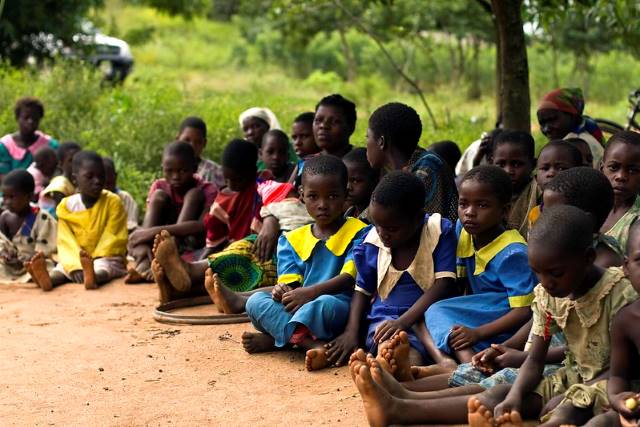
Child Poverty in MalawiChildren make up more than half of Malawi’s population and many children live in poverty. In 2018, 60.5% of children in Malawi aged 0-17 were considered multi-dimensionally impoverished. Above their necessities, children have a complicated set of socio-economic needs. Child poverty in Malawi has both immediate and long-term consequences for children. They include the deprivation of education, shelter, health assistance and nutrition. These deprivations significantly affect an individual’s ability to rise out of poverty. Organizations such as Save the Children work to meet the needs of children to ensure a better and brighter future.
The 4 Impacts of Child Poverty in Malawi

  1. Deprivation of Education: In Malawi, 87.6% of children do not receive an education. Roughly 85% of adolescents aged 15 to 17 have not finished primary school. Furthermore, “78% of children are two or more grades behind for their age.” In the age range of 15 to 17, 13% of children are illiterate. They cannot read or write in either English or the local language of Chichewa. Educational deprivation disproportionately impacts rural areas. Furthermore, “children whose parents have less than primary school education are more deprived than those with parents who have more than primary school education.”
  2. Deprivation of Nutrition: One of the most serious challenges of child poverty in Malawi is nutrition. Poor diets and infectious diseases wreak havoc on the immune system and may lead to stunted growth. According to UNICEF, “Stunted children are more likely to drop out of school and repeatedly experience lower productivity later in life.” In Malawi, 37% of children are stunted. Furthermore, nearly three-quarters of children younger than five years old have anemia. Undernutrition is responsible for 23% of all child deaths in Malawi. Malnutrition is one factor leading to Malawi’s high child mortality rate, with roughly 25% of Malawian children dying before age five.
  3. Shelter Deprivation: Household size, education and work status of the head of the home influence home deprivations among children aged 5 to 14. Roughly 50% of children in Malawi live in homes with insufficient roofs or floors.
  4. Deprivation of Health Assistance: Sufficient access to healthcare is essential to improve a child’s development and well-being. Most impoverished households in Malawi lack access to medical care. This means children receive treatment at home by an unskilled healthcare provider or do not receive treatment at all. The main component to deprivation of healthcare is financial affordability. There is plenty of evidence that low income and high healthcare costs are barriers to access. There are many factors limiting healthcare access such as living in a remote location, long distances to health centers, high travel costs and low educational attainment.

Save the Children in Malawi

Save the Children has helped Malawian children since 1983, ensuring “that children in need are protected, healthy and nourished, educated and live in economically secure households, while helping communities mitigate the impact of HIV and AIDS.” In 2019, Save the Children protected more than 84,000 Malawian children from harm and ensured the proper nourishment of more than 170,000 children.

With consistent support, Save the Children can combat child poverty in Malawi. Every action to help an impoverished child strengthens a child’s ability to rise out of poverty and secure a brighter future.

– Mary McLean
Photo: Flickr

July 4, 2021
https://borgenproject.org/wp-content/uploads/borgen-project-logo.svg 0 0 Kim Thelwell https://borgenproject.org/wp-content/uploads/borgen-project-logo.svg Kim Thelwell2021-07-04 07:31:172024-05-30 22:23:444 Impacts of Child Poverty in Malawi
Children, Education, Global Poverty, Health

9 Facts About Disability and Poverty in China

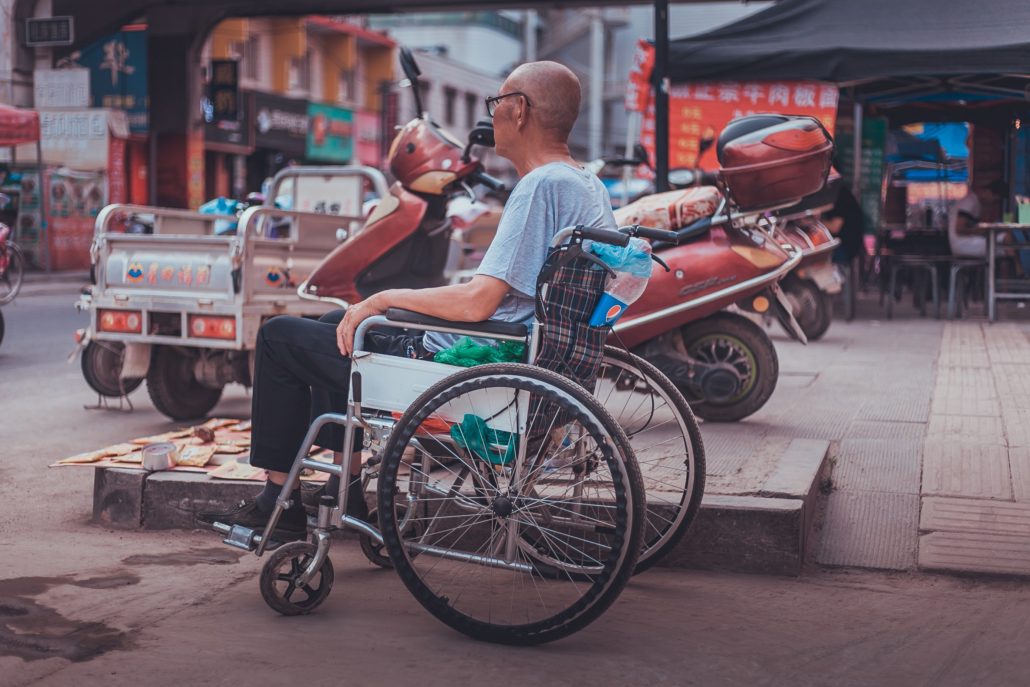
Poverty and DisabilityMany factors can contribute to poverty in China, including disability. Due to socioeconomic barriers and discrimination, people with disabilities are more likely to live in poverty. With a high population rate, China has one of the largest numbers of disabled people living in poverty. Unemployment, lack of education and discrimination are just some of the many challenges this population faces in China.

9 Facts About Disability and Poverty in China

  1. High Disability Population: The total population of people living with disabilities in China reached 85 million in 2018, which is 6.5% of the total Chinese population. In 2006, men accounted for 51% of the disabled population while 49% were women. Many of these individuals often do not receive adequate support due to discrimination or “ableism,” meaning social prejudice against people with disabilities. In an article titled “Gender and Disability in Chinese Higher Education,” China is categorized as an ableist society with a number of injustices facing the disability community. As such, people with disabilities are “often seen as persons presenting inconvenience and burdens to society.” Ableism in China has also led to many children with disabilities being abandoned. Some statistics estimate around 98% of abandoned children in China may have disabilities. Thus, societal prejudices contribute significantly to the lack of support that individuals with disabilities in China receive.
  2. Lack of Education: The lack of quality education offered to people with disabilities in China has disadvantaged these individuals academically and economically. In China, the gap in education quality for disabled individuals is growing. Poverty remains a crucial obstacle in the empowerment of those living with disabilities. Due to this lower quality education, individuals aged 15 and above with disabilities have an illiteracy rate greater than 40%. This difference is staggering compared to the 3.3% illiteracy rate for the same age group without disabilities. Similarly, the lack of education provided to people with disabilities in China causes these individuals to experience challenges during the employment process. Jobs often require proficiency in language skills, leaving disabled individuals at a disadvantage.
  3. Lack of Monetary Support: Often, Chinese employers do not provide sufficient support to individuals with disabilities. Employment services for disabled people in China are at the initial stages, and they have proven to be inadequate to help unemployed, disabled persons obtain jobs. The quality of employment, including wage levels and conditions of work, have room for improvement. Because of the lack of proper services to economically empower people with disabilities, these individuals often live in poverty.
  4. High Disability Rate in Rural Areas: The disabled population in urban areas accounted for 20.71 million, or 20.96%, of the population. Meanwhile, the disabled population in rural areas is 62.25 million, or 75.04%. There are significantly more disabled people living in rural areas compared to urban areas. The employment difference is mainly due to this gap in the urban and rural populations. Initially, China had a very agricultural-based economy. However, with recent economic reforms, the country has industrialized, and most of the population now lives in urban areas. Many rural residents face obstacles in moving to urban areas, mainly because most only receive short-term contracts that do not entitle them to urban residency status. The lack of residency status prevents them from accessing proper healthcare services and other benefits. This gap is an even more significant barrier for people with disabilities, as a lack of appropriate care can be detrimental to their health.
  5. Discrimination Against Disabled Employees: China’s anti-discriminatory laws, especially in employment, are often not followed. China has laws that ensure protection and equal rights for disabled people. However, employers frequently ignore these laws. While the Chinese government installed a quote system in 2008 with penalties for failing to abide, many employers preferred to pay the fine than hire a worker with a disability. These discriminatory actions put workers with disabilities at a greater disadvantage for finding employment and gaining support from their government.
  6. High Mortality Rate: According to the U.N., in countries where “under-five mortality,” meaning the probability (per 1,000) that a newborn will die before reaching the age of 5, has decreased below 20%, the mortality rate for children with disabilities may be as high as 80%. In China, the 2019 mortality rate for children under five is 7.9%, which is less than 20%. This means that there is a high death rate for children with disabilities. Additionally, there is a lack of medical services available for families without health insurance to support a disabled child.
  7. Adult Opposition: Parental opposition and the lack of trained teachers represent further obstacles to quality education. Students with disabilities do not receive adequate learning because there is a lack of trained teachers who know how to create an inclusive environment at school. Research has shown that although 77% of teachers have experience teaching students with special needs, 60% of teachers have not received the proper training nor know how to teach them in an inclusive environment. This ineffective education system for students with disabilities sets the foundation for future disempowerment in China’s economic and social spheres.
  8. Disability Cycle: Disability and poverty are creating a cycle in which one reinforces the other. Low-income individuals often lack access to quality healthcare, and this healthcare disparity further aggravates the burdens of these groups. These healthcare programs expose individuals to diseases that can lead to long-term disabilities. Disability can then lead to decreased productivity, preventing these individuals from working, and thus resulting in unemployment. Ultimately, higher unemployment rates lead to higher poverty rates, creating a cycle of poverty and disability.
  9. Lack of Employment: Discrimination and bias hold back disabled individuals from employment and lead to higher poverty rates. People with disabilities in China face prejudice and discrimination and are often marginalized and “largely invisible” to others. Research studies exploring the discrimination that individuals with disabilities face reveal that birthing or raising a person with a disability was believed to bring shame and guilt to the family. Because of this widespread stigma, there is a belief that people with disabilities are incapable of working, which causes many barriers for them in accessing employment opportunities. As a result of less employment, there is an increase in poverty.

Looking Ahead

While poverty in China affects a significant portion of its population, it has disproportionately affected individuals with disabilities due to the unique economic and social disadvantages they face. From lack of employment opportunities, lower-quality education and poor healthcare access to the persisting stigma associated with disabilities and rampant discrimination, challenges for people with disabilities are numerous in this country. China can continue to support its disabled community through education initiatives, economic opportunities and protective legislative actions.

– Philip Tang
Photo: Unsplash

July 1, 2021
https://borgenproject.org/wp-content/uploads/borgen-project-logo.svg 0 0 Kim Thelwell https://borgenproject.org/wp-content/uploads/borgen-project-logo.svg Kim Thelwell2021-07-01 01:31:042024-05-30 22:23:329 Facts About Disability and Poverty in China
Activism, Children, Global Poverty

CBS Greenlights New Series “The Activist”

The ActivistToday’s youth continue to make headlines by showing their passion for global activism. The increase in mass action against global injustices amplifies awareness of some of the world’s most pressing matters. The top five areas of concern for Gen Z youth are mental health, disease and famine, environmental issues, unemployment and education. According to a survey done in 2020, 20% of Gen Z youth often “donate or volunteer time to a cause.” The increased interest in global activism has captured the attention of major television networks, including CBS. The network plans to bring activism to primetime in fall 2021 with its new competition series, “The Activist.”

The Premise

The new show will center around six enthusiastic activists who will be split into three teams. A high-profile public figure will lead each team. The teams will compete to improve one of three critical global issues: education, health or the environment. The teams will receive judgment on how well they successfully campaign for their causes. The objective of each team is to establish influential movements that will publicize their message, spur action and propel the teams to the G20 Summit in Rome, Italy. From there, the activists must gain funding and support from world leaders. During the season finale, the team with the most support will be crowned the winner. Some of the world’s most noteworthy musicians will also perform at the finale. The series is produced by Global Citizen, a “movement of engaged citizens who are using their collective voice to end extreme poverty by 2030.”

Relevance to Global Poverty

One of the issues participants in “The Activist” seek to address is education. In 2016, the United Nations Educational, Scientific and Cultural Organization (UNESCO) reported that roughly one out of five children do not attend school worldwide. The “upper-secondary out-of-school rate” is highest in low-income countries at almost 60%.

The show will also tackle public health issues. Governments in low-income countries spend an average of $23 per person per year on health. This is extremely low when compared to the staggering rate of $3,860 per person spent by the U.S. government. Furthermore, child mortality rates in low-income nations are more than 10 times higher than in wealthy nations.

Lastly, “The Activist” plans to emphasize environmental issues. The World Health Organization (WHO) predicts that climate change will cause more than 250,000 deaths by 2030 due to heat stress, malaria and malnutrition. Climate change is especially troubling for low-income countries because of their susceptible geographical locations and their weakened ability to survive damage caused by extreme weather and elevating sea levels.

Inspiring Action

“The Activist” will be a platform to educate viewers on these imperative global issues and motivate the global population to support laws and policies beneficial to improving conditions in developing countries. By showcasing the hard work and commitment of Gen Z activists, others will hopefully be inspired to take action themselves. In all global issues, the commitment and activism of the youth will certainly have a marked impact.

– Tiara Tyson
Photo: Flickr

June 27, 2021
https://borgenproject.org/wp-content/uploads/borgen-project-logo.svg 0 0 Kim Thelwell https://borgenproject.org/wp-content/uploads/borgen-project-logo.svg Kim Thelwell2021-06-27 07:30:382024-05-30 22:23:42CBS Greenlights New Series “The Activist”
Children, Global Poverty

Tuba Büyüküstün Partners with UNICEF

Tuba Büyüküstün with UNICEF
Tuba Büyüküstün is one of Turkey’s most famous and highest-paid actresses. Büyüküstün’s work in television and film has brought her both fame and critical acclaim. In fact, Büyüküstün has received five prestigious Televizyon Dizisi awards, in addition to a nomination for the International Emmy Award for Best Actress for her performance in “20 Dakika.” Moreover, the actress has a large social media following with 5.2 million Instagram followers. In recent years, Büyüküstün has used her celebrity status and online platform for humanitarian advocacy. More specifically, Tuba Büyüküstün has partnered with UNICEF to advocate for children’s health and development.

UNICEF’s Mission

The United Nations International Children’s Emergency Fund (UNICEF) began in 1946 to provide aid to countries recovering from World War II. The organization’s primary goal is to provide humanitarian aid to children around the world. Its celebrity ambassador program began in 1954 with actor Danny Kaye. The program aims to bring attention to the organization’s mission through celebrity platforms. Today, more than 200 celebrities from around the world, including Selena Gomez and P!nk, currently participate in this awareness program.

Büyüküstün’s Involvement with UNICEF

Tuba Büyüküstün began her partnership with UNICEF in 2014. Since then, Büyüküstün has participated in a number of campaigns and relief programs with the nonprofit organization. For instance, for her first official UNICEF Goodwill Ambassador mission, she visited children at a camp for Syrian refugees in Kilis, Turkey. Büyüküstün spoke to the children and engaged with them in their daily learning activities. Afterward, the actress and ambassador participated in the opening ceremony of the first UNICEF school located near the camps. In 2018, Büyüküstün also joined in the “One Day at a Museum” initiative, which brings Turkish and Syrian children to various art exhibits and interactive experiences at the CerModern Museum in Ankara.

In July 2020, Tuba Büyüküstün and UNICEF joined forces with the World Health Organization (WHO) to educate the public about the risks and implications of COVID-19. Nearly 35,000 people tuned in to hear from Büyüküstün and WHO professionals.

Why Büyüküstün Partnered with UNICEF

The actress and mother of two have spoken about her dedication to UNICEF’s work. Büyüküstün stated that she is greatly honored to work with UNICEF as a mother. She claimed that “Children are always innocent, no matter where they live.” Büyüküstün explained that she is part of UNICEF because “[children] are all our children regardless of their religion, language, ethnicity and gender. And I think it is the responsibility of everyone to create a world where all children can have equal opportunities.”

Büyüküstün’s outreach is a great example of a public figure using social influence for good. Thanks, in part, to Goodwill Ambassadors such as Büyüküstün, UNICEF is able to advocate for the well-being of children throughout the world.

– Nina Lehr
Photo: Wikimedia Commons

June 20, 2021
https://borgenproject.org/wp-content/uploads/borgen-project-logo.svg 0 0 Kim Thelwell https://borgenproject.org/wp-content/uploads/borgen-project-logo.svg Kim Thelwell2021-06-20 08:44:522021-07-23 13:05:38Tuba Büyüküstün Partners with UNICEF
Children, Developing Countries, Health, Malaria

Malaria Vaccine Breakthrough Could Save Lives

Malaria Vaccine BreakthroughMalaria is a life-threatening disease, but it is both preventable and curable. Malaria is transmitted through the bites of a specific type of female mosquito. In 2019 alone, there were almost 230 million cases of malaria worldwide and the estimated death toll stood at 409,000. Of these global deaths, 67% were children under the age of 5, making them the most at-risk group in terms of malaria. A malaria vaccine breakthrough has the potential to save millions of lives, especially in regions such as sub-Saharan Africa where malaria is endemic.

Malaria’s Impact in Africa

The African region carries the highest percentage of the global malaria burden. The region accounted for 94% of total malaria cases and deaths in 2019. Transmission is most common in areas where the mosquito lifespan is longer and where mosquitoes prefer to bite humans rather than animals, both of which are features of the specific malaria-spreading mosquitos present in Africa. Another reason for widespread malaria in Africa is the lack of resources across Africa to promptly prevent and treat malaria cases. Many people in malaria-riddled regions of Africa live in poverty with no access to basic healthcare or educational, preventative tools, leaving much of the population at risk of contracting malaria.

The Search for a Vaccine

Malaria is a leading cause of death among thousands in low-income African countries. Thus, a malaria vaccine breakthrough could be lifesaving. More than 100 malaria vaccines entered clinical trials in recent decades, but all of them failed to meet the 75% efficacy target established by the World Health Organization. Before the University of Oxford’s breakthrough malaria vaccine, the most effective vaccine had only shown 55% efficacy, which is well below the established target. Such limited success has caused some criticism, especially following the speedy development of multiple COVID-19 vaccines. However, scientists have responded that a malaria vaccine has taken longer to come to fruition because malaria has thousands of genes. People need a much higher immune response to fight malaria than COVID-19, which has around a dozen genes.

The Promise of the New Oxford Vaccine

The breakthrough malaria vaccine was developed by the University of Oxford’s Jenner Institute, and trials for the vaccine began in 2019. In its most recent clinical trial, the vaccine showed 74% to 77% efficacy in one year in West African children — a promising sign for a potential breakthrough in public health. The vaccine trial took place in Burkina Faso. Exactly 450 participants aged 5-17 months old were vaccinated. Researchers recruited the toddlers from 24 villages in the area of Nanoro, Burkina Faso.

Such successes are encouraging, and researchers are moving toward a phase three trial in 2021. Researchers will conduct vaccine trials on 4,800 children in Burkina Faso, Mali, Kenya and Tanzania. If the phase three trial is successful, researchers hope that regulators will issue emergency authorization for the malaria vaccine as was done with the COVID-19 vaccines. The Serum Institute of India has committed to manufacturing 200 million malaria vaccine doses in the coming years. The malaria vaccine has the potential to have a major public health impact if scientists achieve licensure. A successful malaria vaccine will prevent millions of deaths in endemic areas and protect the lives of the most vulnerable children.

– Lizzie Alexander
Photo: Flickr

June 14, 2021
https://borgenproject.org/wp-content/uploads/borgen-project-logo.svg 0 0 Kim Thelwell https://borgenproject.org/wp-content/uploads/borgen-project-logo.svg Kim Thelwell2021-06-14 01:31:292021-06-18 07:42:59Malaria Vaccine Breakthrough Could Save Lives
Page 46 of 137«‹4445464748›»

Get Smarter

  • Global Poverty 101
  • Global Poverty… The Good News
  • Global Poverty & U.S. Jobs
  • Global Poverty and National Security
  • Innovative Solutions to Poverty
  • Global Poverty & Aid FAQ’s
Search Search

Take Action

  • Call Congress
  • Email Congress
  • Donate
  • 30 Ways to Help
  • Volunteer Ops
  • Internships
  • Courses & Certificates
  • The Podcast
Borgen Project

“The Borgen Project is an incredible nonprofit organization that is addressing poverty and hunger and working towards ending them.”

-The Huffington Post

Inside The Borgen Project

  • Contact
  • About
  • Financials
  • President
  • Board of Directors
  • Board of Advisors

International Links

  • UK Email Parliament
  • UK Donate
  • Canada Email Parliament

Get Smarter

  • Global Poverty 101
  • Global Poverty… The Good News
  • Global Poverty & U.S. Jobs
  • Global Poverty and National Security
  • Innovative Solutions to Poverty
  • Global Poverty & Aid FAQ’s

Ways to Help

  • Call Congress
  • Email Congress
  • Donate
  • 30 Ways to Help
  • Volunteer Ops
  • Internships
  • Courses & Certificates
  • The Podcast
Scroll to top Scroll to top Scroll to top