• Link to X
  • Link to Facebook
  • Link to Instagram
  • Link to TikTok
  • Link to Youtube
  • About
    • About Us
      • President
      • Board of Directors
      • Board of Advisors
      • Financials
      • Our Methodology
      • Success Tracker
      • Contact
  • Act Now
    • 30 Ways to Help
      • Email Congress
      • Call Congress
      • Volunteer
      • Courses & Certificates
      • Be a Donor
    • Internships
      • In-Office Internships
      • Remote Internships
    • Legislation
      • Politics 101
  • The Blog
  • The Podcast
  • Magazine
  • Donate
  • Click to open the search input field Click to open the search input field Search
  • Menu Menu

Archive for category: Children

Information and stories addressing children.

Children, Education, Global Poverty

Standardized English and Poverty

Standardized English and Poverty
Standardized English and Poverty can be attributed to the fact that English ranks as the most commonly spoken language in the world. English originated in England and then spread worldwide through colonization, the internet, print and the spoken word. Because it has spread through colonization, it has also become a marker of social standing globally. English was not always this unified language.

The Bare Beginnings

English has gone through many changes and evolutions throughout its time. Its letters come from the Roman alphabet with partial pronunciation from Anglo-Saxons. For a long time, many different English-speaking groups lived in England. After the conquests in the middle ages and moving the court seat to London, the new speaking norms came from the English of London instead of ancestral Wessex. Manuscripts underwent revisions to translate them in the dialect of London English. Through printing, this way of speaking spread nationwide. Language is constantly evolving, especially vowels, and many shifts occurred. This period also saw the rise of language purists against the perceived threat of different ethnicities and cultures.

British or American?

English contains two orthographies: British English and American English. Both have the same core rules but hold to some different spelling and terms. A great example of this can be seen in the television series, “The Great British Bake Off.” Aside from a change in accents, bakers use different words for the same thing. For example, a baker may say “sponge” instead of “cake.” Even the show has a name change in the U.S., from “The Great British Bake Off” to “The Great British Baking Show.”

These changes are due to time, distance and America’s colonization. The Englishmen who first came to America were poor and desperate for a new life. Therefore, a new dialect quickly formed in America based primarily on the linguistic styles of rural England. Over time, these dialect differences became bigger and bigger until they diverged officially into British English and American English.

Language and Class

Despite only having two specific orthographies, English sports a ton of different dialects. A dialect is a way of speaking specifically to a region or group. One example of this is AAVE or African-American Vernacular English. This dialect likely formed after the transatlantic trade of enslaved people from Africa, who mingled English with their native languages to form a new dialect. Many groups impacted by colonization, such as India and South America, experienced variations of this phenomenon.

Eventually, English’s various strains and dialects were applied to social class in industry-based societies. These linguistic variants are still closely related to questions of education and race in social stratification. Someone speaking AAVE demonstrates that they have less education and are therefore lower in class. Linguistic discrimination occurs when those who don’t use standardized English are barred from promotion for not appearing as educated or intelligent. At times, linguistic prejudice can even result in unfair legal rulings when particular vernaculars are discredited.

How It Haunts Us

The results of language colonization still exist today. India links English to education and class. Ever since Great Britain’s colonization of India, British culture is still considered high class. Skin-whitening products remain popular in India for this reason. Only 20% of the population speaking any English, and only 4% can boost fluency. Of the fluent speakers, 34% earn more money than those who are not. Fluent English-speakers enjoy more opportunities in jobs and education, which both factors heavily into poverty. Therefore, 96% of the population that doesn’t speak English suffer an immediate disadvantage. Fluency offers greater means to escape poverty. Many other countries and minorities harmed by colonization share this classist structure.

Towards Linguistic Equality

Many organizations, such as colleges, are growing increasingly aware of this linguistic class issue. In 2018, Yale Law School’s Environmental Justice Clinic mounted a legal fight against New Mexico’s Environment Department on the basis of language discrimination against native Spanish-speakers. The conversation increasingly revolves around making college a safe place for all dialects and opening the class barrier. Equalizing education access, especially in areas with sparse funding, offers the first step towards mending the classist language barrier. Additionally, advocates hope to stop discrimination through legal bills as well as encouraging more acceptance among the standardized English-speaking populace.

-Audrey Burran
Photo: Flickr

October 8, 2021
https://borgenproject.org/wp-content/uploads/borgen-project-logo.svg 0 0 Lynsey Alexander https://borgenproject.org/wp-content/uploads/borgen-project-logo.svg Lynsey Alexander2021-10-08 01:30:142024-05-30 22:25:04Standardized English and Poverty
Charity, Children, Global Poverty

Compassion: Share Birthday, Sponsor a Child

Sponsor a child
More than 8 million children living in poverty receive sponsorship from benefactors throughout their childhood. These relationships develop through donations, letters and sometimes visits and volunteering. Once these relationships occur, they often make an insurmountable impact on the child and last a lifetime. One of the ways to build a relationship with and sponsor a child in need across the world is through the organization Compassion.

What is Compassion?

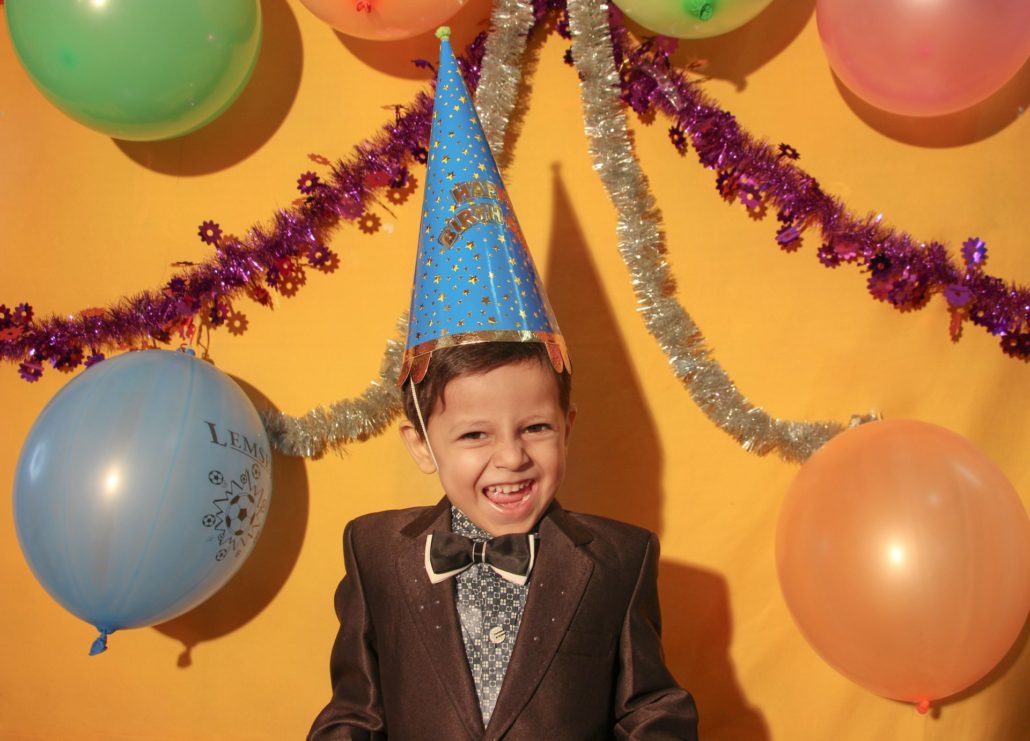
Compassion is a religion-based organization that aims to support children globally with basic needs such as medical assistance, clean water and food, youth development and birthday gifts. Compassion has implemented various ways people can help and donate. One way it encourages people to do this is by giving a child a yearly birthday gift along with medical care and food. Many donors choose a child with the same birthday as their own and celebrate it by sharing it with a child across the world.

What Does the Organization Do?

The organization provides a platform to help children across the world. In particular, the sponsorship program aims for people to sponsor one or multiple children. With this program, 40% of children are more likely to finish their secondary education, and sponsored children are more likely to stay in school for almost two years longer than unsponsored children.

Compassion has also been working tirelessly to help families and children during the COVID-19 pandemic, which has become an increasing problem with poverty, as it mainly affects income loss, food shortages, rising prices and medical treatment. Compassion is helping families with cooking essentials, medical treatment and rent assistance. Much of the work the organization does, besides donating and volunteering, is based around churches and businesses. It fosters partnerships between churches and businesses to hold events, raise awareness and help people become advocates.

A Donation-based Organization

This program is mainly donation-based. There are plenty of ways that people donate on the organization’s website. In fact, donors can choose where, and often who, their donation goes to. Individuals are able to either help sponsor a child or direct their money toward areas such as COVID-19 or disaster relief. However, this organization does not only revolve around donations, it also provides other areas for people to help such as volunteering, writing to children and even visiting children. This can have a huge effect on the children from infancy to adulthood, as many children remain in contact with their benefactors their entire life. Because the organization originated from its religious beliefs, it also provides a prayer calendar, where many can say a prayer for children in poverty.

Poverty begins and ends with children. When children have access to higher education, clean food and water and proper healthcare, they are more likely to lift themselves out of poverty. By giving children around the world access to basic needs, sponsors are beginning to break the cycle of poverty. When a person sponsors a child, they are giving them more than just a birthday present, they are also giving them hope.

– Maddie Rhodes
Photo: Unsplash

September 28, 2021
https://borgenproject.org/wp-content/uploads/borgen-project-logo.svg 0 0 Kim Thelwell https://borgenproject.org/wp-content/uploads/borgen-project-logo.svg Kim Thelwell2021-09-28 07:30:212021-09-27 12:13:06Compassion: Share Birthday, Sponsor a Child
Children, COVID-19, Education, Global Poverty

A Teacher’s Response to COVID-19 in Quito

COVID-19 in Quito
COVID-19 has ravaged the entire world, and each country has experienced the pandemic and suffered losses in its own way. However, the pandemic has a very unique impact on under-resourced countries than it does on developed countries. The New York Times reported that the death toll in Ecuador from the novel coronavirus is among the worst in the world, and the nation became an epicenter in Latin America for the deadly disease. By August 12, 2021, Ecuador recorded 493,767 cases and 31,870 deaths due to COVID-19. Many people suspect that the actual numbers of cases and deaths are much higher. Because Ecuador is a small country with a population of around 17 million people, these figures are extremely high. Here is some information about COVID-19 in Quito, Ecuador, a community that has faced significant challenges due to the pandemic, as well as the teacher who is making a difference.

Health care System in Quito

The health care system in Quito was extremely limited before the pandemic. The public health system in Ecuador lacked capabilities to facilitate contact tracing, appropriate screening and isolation measures and early detection measures. A lack of emergency response preparation and PPE equipment added to the inability of public hospitals to maintain safe conditions and keep up with the influx of patients. Additionally, Ecuador did not receive sufficient supplies of vaccines, and therefore, struggled to roll out vaccines to frontline workers and vulnerable populations in a timely manner. When the virus hit Quito, hospitals became quickly overwhelmed, forcing most people to seek care in tents outside them.

This was the case for Pilar Salazar, a middle-aged teacher from Comite del Pueblo, an impoverished neighborhood in Northern Quito, who shared her story in an interview with The Borgen Project. When her mother fell sick with the flu, Pilar took her to the hospital, where she received treatment in a tent in the cold outside, without space to distance from other patients. Her mother contracted COVID-19 at the hospital and subsequently gave it to Pilar, her primary caretaker.

Pilar then spent the next two months quarantined in her bedroom with pneumonia developed from COVID-19, unable to go to the hospital because of overcrowding. Her husband passed her oxygen tanks and food through her window while she recovered, unsure if she would survive. This story is not unique during the period of COVID-19 in Quito. Due to a lack of education and infrastructure, COVID-19 ravaged Quito and other Ecuadorian cities. Many of Pilar’s friends and her entire immediate family contracted the virus at some point in 2021, and she still feels damage in her lungs.

Economic Impact of COVID-19 in Ecuador

COVID-19 also deeply impacted Quito economically. The GDP in Ecuador was at risk of dropping 11% from the year 2019 to the year 2020. As one of the more underserved neighborhoods in Quito, Comite del Pueblo was particularly vulnerable to economic decline. When the after-school tutoring foundation that Pilar taught at closed down due to COVID-19, she had deep concern for the 40+ students she taught.

In March 2020, the Ecuadorian government implemented a national school closure. This mandate, still in effect today, affected around 4.5 million Ecuadorian school-aged children.

Pilar explained that without somewhere to go during school hours and after school, children are susceptible to abuse at home and drug trafficking in the area. When the foundation closed, some of her students lost their only place to catch up in school and receive direct homework help, while others lost their only meal of the day. This is the reality of the economic downturn and school shutdowns in an underdeveloped neighborhood during the COVID-19 pandemic in Quito.

Pilar’s Solution

In response to these immense challenges, Pilar has begun renovating a building in her neighborhood on her own to open a foundation for the children in her neighborhood. She is one example of many ways in which people have responded to COVID-19 in Quito with resilience. She said that she wants them to have a safe space to go, to study and succeed away from home and the traumas of daily life.

– Abigail Meyer
Photo: Flickr

September 28, 2021
https://borgenproject.org/wp-content/uploads/borgen-project-logo.svg 0 0 Jennifer Philipp https://borgenproject.org/wp-content/uploads/borgen-project-logo.svg Jennifer Philipp2021-09-28 00:56:332021-11-03 07:50:23A Teacher’s Response to COVID-19 in Quito
Children, Global Poverty, Health

The Measles and Rubella Vaccination Campaign in Kenya

Vaccination Campaign in Kenya
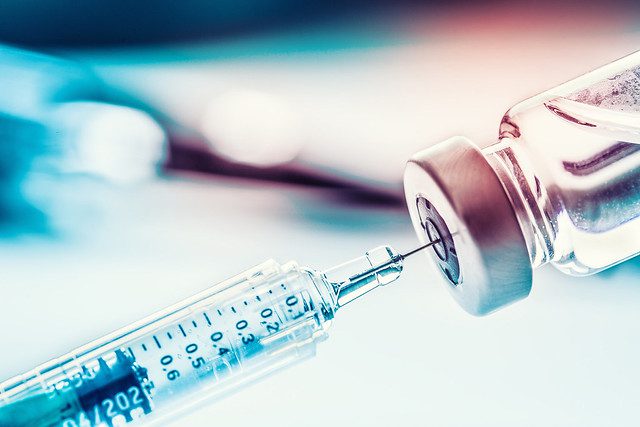
Due to COVID-19, routine vaccination campaigns came to a halt in several developing countries. As a result, there were several outbreaks of other diseases, including rubella and measles. Measles is a highly contagious virus, and while it is preventable with a vaccine, it can lead to severe complications, and even death, if an individual goes unvaccinated. The pandemic offset vaccination campaigns in more than 40 countries in both 2020 and 2021, which “increases the risk of bigger outbreaks around the world.” One of the countries impacted by delayed immunizations is Kenya. However, the new measles and rubella vaccination campaign in Kenya that started in June 2021 may save the lives of millions of infants and young children.

Vaccination Campaign in Kenya

The measles and rubella vaccination campaign in Kenya, also known as the MR campaign, began on June 26, 2021, and ended on July 5, 2021. Several organizations, including the World Health Organization and UNICEF, worked with the government of Kenya to deliver the vaccines. The initiative occurred in 22 Kenyan counties. Additionally, the organizations prioritized the counties with especially high numbers of measles cases and high counts of unvaccinated children. The campaign targeted children from 9 months old all the way up to children 5 years of age. Overall, the campaign targeted around four million children in Kenya.

The operation incorporated collaborative measures to allow the campaigns to run smoothly and quickly throughout the counties. This included hiring a high number of healthcare workers and setting up more than 5,000 vaccination sites. More than 16,000 healthcare workers participated in administering the vaccines. Along with the cost-free vaccines administered at health clinics and facilities, the operation included vaccination spots at “preschools, marketplaces, churches and other designated places on specific days” with the aim of vaccinating as many children as possible. Additionally, in order to raise awareness, a telecommunications company sent out mass text messages about the campaign.

Prioritizing Prevention

Since 2016, immunizations have been declining in Kenya, causing the number of outbreaks to rise, even though “the MR vaccine has been offered as part of the routine childhood immunization program” within the country.  The pandemic worsened those conditions, with 16.6 million African children missing “supplemental vaccination against measles between January 2020 and April 2021.” Moreover, measles surveillance declined in 2020.

In order for communities to avoid measles outbreaks, full vaccination rates need to be at least 95% for children. However, just 50% of children in Kenya received the full vaccine in 2020. Thankfully, with support from the Kenyan government and organizations such as UNICEF, health officials were able to provide MR vaccines to children across the country. This helped to manage measles outbreaks and safeguard the lives of many children this year. To continue more health initiatives after the MR vaccination campaign, Kenya is rolling out even more vaccination campaigns. This also includes a “multi-antigen catch-up campaign” to reduce the chances of further outbreaks and decrease the number of preventable deaths in Kenya.

– Karuna Lakhiani
Photo: Flickr

September 22, 2021
https://borgenproject.org/wp-content/uploads/borgen-project-logo.svg 0 0 Lynsey Alexander https://borgenproject.org/wp-content/uploads/borgen-project-logo.svg Lynsey Alexander2021-09-22 01:30:202024-05-30 22:25:04The Measles and Rubella Vaccination Campaign in Kenya
Children, Global Poverty

How Poverty Affects Girls’ Orphanages in India

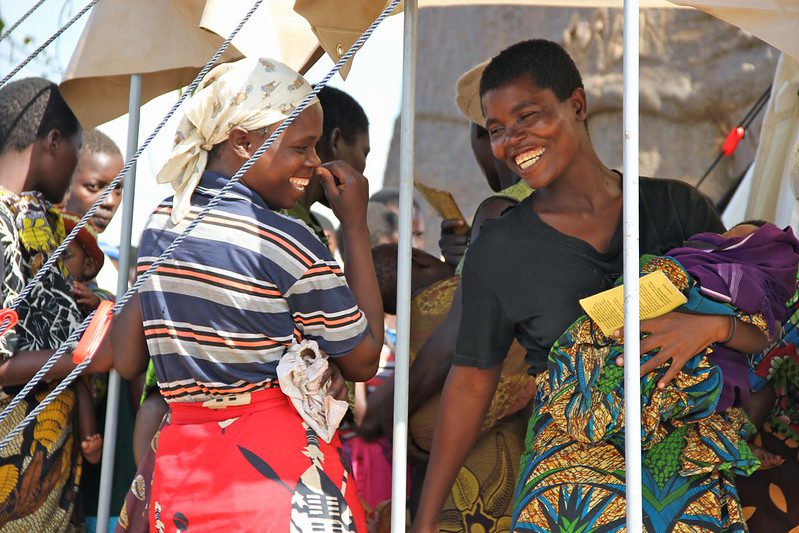
Girls’ orphanages in IndiaIndia’s people have long struggled with poverty as a developing country, despite being one of the world’s fastest-growing economies. Coupling overpopulation with a lack of resources, poverty is a common sight on India’s streets. Circumstances of poverty particularly exacerbate the conditions of girls’ orphanages in India.
Poverty in India

According to a 2016 report from the World Bank, one in five Indians suffers from poverty, totaling 270 million people. These Indians have less access to water and sanitation, job opportunities and education in comparison to their wealthier counterparts. A ramification of this level of poverty is that there exists an entire untapped population of Indians who could be contributing to the economy and the country in several ways, but instead, are forced to live on the streets with their basic needs unmet.

In the last few years, India has made some progress in addressing one of its greatest issues. The United Nations Development Programme (UNDP) reported that, from 2006 to 2016, India’s poverty rate almost halved from 55% to just 28%. Since then, India has been working toward lifting more people out of poverty and adding jobs to its economy.

However, COVID-19 has set the country back in its poverty alleviation efforts. As one of the countries particularly hard hit by the pandemic and the Delta variant, India has taken a step backward as more people descend into poverty.

Girls’ Orphanages in India

Because of gender-based cultural bias and economic pressures, the majority of orphans in India are girls. According to UNICEF, India is home to 31 million orphaned children. The Times of India reports that nine out of 10 abandoned children are girls. In some parts of India, parents view girls as burdens because, for one, their dowries for marriage are costly.

For this reason, some girls face abandonment and are put into orphanages, adding to the already high number of existing orphaned girls. Shockingly, “nurses have been known to accept bribes to exchange baby girls for baby boys.” Furthermore, activists draw attention “to eight million missing girls” — the estimated “number of female fetuses” possibly “aborted over the past decade due to their sex.” Due to the extensive number of orphaned girls, orphanages often do not have enough resources to adequately take care of the girls.

Association for India’s Development

One organization is doing the important work of helping India’s most impoverished. The Association for India’s Development (AID) has programs throughout different sectors in India, with a network of volunteers helping to uplift and empower Indians.

One of AID’s programs, in particular, surrounds helping girls’ orphanages in India. The Borgen Project spoke to AID’s Project Manager Sid Muralidhar to talk about his experience and how individuals, and the nation at large, can better address poverty in India. “A few of the biggest factors that contribute to India’s high poverty rate are social inequality and lack of access to quality education,” Muralidhar says. “There are very rigid class divides and remnants of the caste system still exist,” which limits social mobility. Without intervention or aid, an individual that is born in poverty is typically likely to remain in poverty.

As project manager, Muralidhar worked with an all-girls orphanage in the village of Badlapur to provide the girls with resources and raise money for the organization. He says the orphanage has suffered negatively from demonetization and the girls live in poor conditions because of the lack of resources.

Taking Action and Hope for the Future

When asked about what steps to take to address poverty and help girls’ orphanages in India, Muralidhar provides a comprehensive answer. “Poverty in India is a pernicious problem that requires broad-based and creative solutions.” Further, in spite of India’s status as “one of the fastest-growing global economies” before COVID-19, “the economic gains” are not “shared equally,” he says.

Muralidhar explains that the Indian “government can attempt to alleviate this widening gap by boosting social welfare programs as well as investing in public education.” He suggests that, in the meanwhile, “people interested in the issue and those who want to be conduits of progress should continue to educate themselves and others to grow the grassroots effort.”

Despite barriers to progress, Muralidhar adds that there is still hope. He said one of the most striking observations he made was the girls’ “extreme resiliency” and “eternal optimism” despite their situations. While COVID-19 has no doubt exacerbated the country’s poverty and negatively affected girls’ orphanages in India, AID exemplifies that there is still potential to continue previous progress made.

– Laya Neelakandan
Photo: Flickr

September 21, 2021
https://borgenproject.org/wp-content/uploads/borgen-project-logo.svg 0 0 Lynsey Alexander https://borgenproject.org/wp-content/uploads/borgen-project-logo.svg Lynsey Alexander2021-09-21 01:30:052024-05-30 22:25:00How Poverty Affects Girls’ Orphanages in India
Children, Global Poverty

The PeriWatch Vigilance Program in Malawi

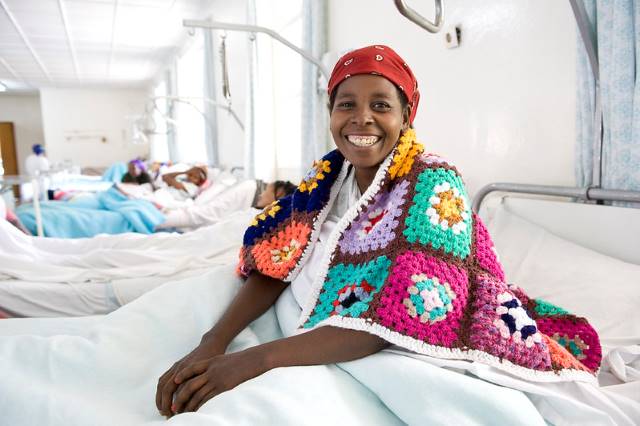
PeriWatch Vigilance programMalawi, a landlocked yet welcoming and beautiful country, is one of the poorest countries in the world. In Malawi, 50.7% of the population lives below the poverty line, and one of the leading causes of this is poor access to healthcare. On June 24, 2021, the Texas Children’s Pavilion for Women announced the commencement of the PeriWatch Vigilance program in Malawi. This program has the capabilities to improve maternal health, lives of children and poverty in Malawi.
What is the PeriWatch Vigilance Program?

This program is a partnership between multiple foundations, ministries and companies to provide fetal monitoring systems at no cost to Malawi health facilities. Partners of the program include the Texas Children’s Global Women’s Health Program, Area 25 Malawi Ministry of Health, Baylor College of Medicine Children’s Foundation in Malawi and PeriGen.

The program’s ultimate goal is to assist doctors in reducing neonatal deaths and maternal deaths. The PeriWatch Vigilance tool has clearance from the FDA and has many key features. The tool:

  • Improves timeliness and accessibility to care
  • Tracks and manages crucial patient information between numerous hospitals
  • Records heart rate, labor progression and contraction statistics of mothers
  • Notifies doctors about any irregularities in vital signs

The PeriWatch Vigilance program in Malawi will allow for more successful births and hospital stays for mothers, children and doctors.

Hope for Malawian Mothers and Children

In Malawi, 400 mothers die per 100,000 births, and one in 50 babies die. At the Area 25 Malawi Ministry of Health, more than 7,000 births occur each year. This number is comparable to the number of births per year at the Texas Children’s Pavilion for Women. However, Malawi has not had the technology to provide a safe labor and delivery experience. With the PeriWatch Vigilance program in Malawi, the well-being of mothers and children will now be at the forefront of healthcare centers. The artificial intelligence tool will provide doctors with crucial warnings, vitals and statistics all through mobile devices.

This quick access will give doctors an advanced warning of any possible maternal or fetal danger. It will also allow healthcare workers to keep watch over the whole unit compared to just a few patients. In addition, clinicians can now spend more time caring for patients, as PeriWatch Vigilance calculates data and measures statistics through its secure data system and technology. The program has recently kicked off, but in the short term it has been running, there has already been a decline in the neonatal mortality rate. Within the next two months, the leadership team hopes to have PeriWatch available for all 7,000 yearly births.

Long-Term Effects

The decline of maternal and fetal deaths in Malawi can create vast improvement for the overall health and wellness of the country. As neonatal disorder cases decrease, poverty rates will consequently follow this decline. When a child is born prematurely or is not healthy, this can impact the rest of their life. They can face neurological and physical damage, preventing them from receiving proper education or going to work. These potential complications will only promote poverty.

On the other hand, neonatal and maternal mortality presents another set of problems for poverty. There is a lack of confidence in the healthcare system in areas with high poverty. This uncertainty creates a fear of survival during and after labor and delivery, leading families to have more and more children. This cycle leads to overpopulation and an increase in poverty as more children are born into a country that cannot yet provide for them.

The PeriWatch Vigilance program in Malawi is helping to assist with safer practices, better care and more advanced technology that will keep both the child and mother safe and confident throughout all stages of birthing. This program will give Malawi the chance to improve healthcare, save lives and ultimately fight poverty.

– Delaney Gilmore
Photo: Flickr

September 15, 2021
https://borgenproject.org/wp-content/uploads/borgen-project-logo.svg 0 0 Yuki https://borgenproject.org/wp-content/uploads/borgen-project-logo.svg Yuki2021-09-15 01:30:332024-06-04 05:25:36The PeriWatch Vigilance Program in Malawi
Children, Developing Countries, Education, Global Poverty

How the Super 30 Program Breaks Cycles of Poverty in India

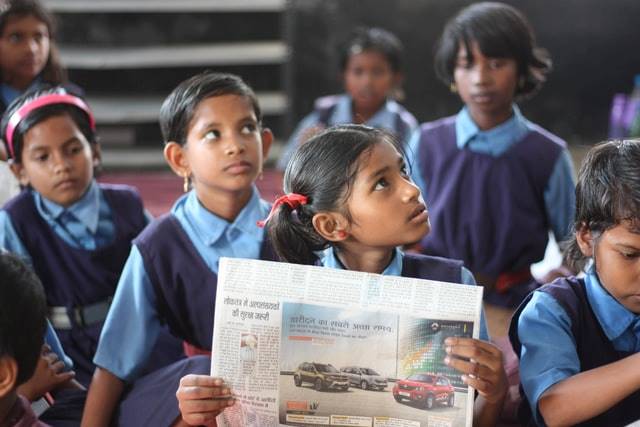
Super 30In India, the state of Bihar has one of the highest illiteracy rates in the country. For many impoverished children in India, quality education is out of reach. For this reason, many children are unable to rise out of poverty and pursue higher-paying jobs. Anand Kumar, a famous mathematician in India, set his mind to solve this issue through the Super 30 program.
Background of Anand Kumar

Anand Kumar grew up living near the railway tracks in a town in India called Patna located in the state of Bihar. His family was not financially stable yet his parents were very supportive of his education. Over time, Kumar discovered a passion for mathematics, which his parents encouraged him to pursue. While studying toward his bachelor’s degree in mathematics, he produced theoretical papers that “were published in foreign journals.” Kumar seemed certain of a bright future in mathematics.

His next step was to study toward a master’s degree in mathematics at Cambridge University. However, his father’s death in 1994 left his family financially unstable, leaving him unable to pursue this plan. In order to support his family, Kumar assisted his mother in selling “papad and wafers” on the streets of Patna. According to the Times of India, in order to continue studying mathematics, Kumar traveled to Varanasi to study at the Banaras Hindu University (NHU) library and access foreign mathematical journals. Not long after, in 1992, Kumar decided to open his own mathematical school, the Ramanujan School of Mathematics.

Creation of Super 30

In 2002, an impoverished student of Kumar’s came to him seeking coaching for the entrance exam for the Indian Institute of Technology (IIT). However, the student was unable to afford the exam registration fee. At this very moment, Kumar came up with the idea for the Super 30 program. Each year, the Super 30 program selects 30 high-achieving academic students from impoverished families to receive “free lodging, boarding and coaching” in preparation for the IIT exam. After much coaching, many of these students are able to successfully pass the IIT exam.

The Importance of Super 30

Kumar’s Super 30 program operates on the premise that all children deserve an equal chance at success in education, regardless of their financial background. Some of the most intelligent children can be found in India’s most impoverished areas, yet they are at an immediate disadvantage because they cannot afford the private exam coaching and tutoring that children from wealthier families can afford.

Kumar’s students have a high success rate. In 2017, all 30 of his students passed the IIT exam. Since the beginning of the Super 30 program, Kumar’s coaching has benefited more than 500 students who are now qualified engineers.

These children, who were once unable to receive a quality education, are able to pursue their dreams of attending the most prestigious schools in India. Furthermore, with their final qualifications, these disadvantaged children can secure high-paying jobs that will enable them to break cycles of poverty. Programs such as Super 30 emphasize education as a proven tool for empowering children to rise out of poverty.

Inspiring Others

Super 30 has also inspired others to create similar programs. The Maharashtra Government was inspired to create its own Super 50 program to not only prepare underserved children for IIT exams but for other medical and engineering programs as well.

Programs such as Super 30 serve as a stepping stone to success. By inspiring more institutions to start similar programs, Kumar hopes for the world to come together to reduce global poverty through the power of education.

– Saanvi Mevada
Photo: Unsplash

September 14, 2021
https://borgenproject.org/wp-content/uploads/borgen-project-logo.svg 0 0 Kim Thelwell https://borgenproject.org/wp-content/uploads/borgen-project-logo.svg Kim Thelwell2021-09-14 07:30:452021-09-10 05:28:21How the Super 30 Program Breaks Cycles of Poverty in India
Children, Developing Countries, Global Poverty, Humanitarian Aid

World Vision’s Every Last One Campaign

Every Last One CampaignWorld Vision is a humanitarian organization established in 1950 to help vulnerable people “reach their full potential by tackling the causes of poverty and injustice.” Since its start, World Vision has assisted in several crises throughout the world such as the Ethiopian famine in the 1980s and the HIV/AIDS epidemic in Africa in the 1990s. In 2015, World Vision launched a campaign known as Every Last One. The campaign spans eight years and amounts to $1 billion. Overall, its goal is to provide relief, assistance and opportunities to approximately 60 million vulnerable people worldwide by 2023. The aid seeks to empower people “to lift themselves out of poverty.”

Campaign Context and Details

World Vision notes that around 689 million people all over the world live in extreme poverty. This specifically translates into subsisting on less than $1.90 a day. The COVID-19 epidemic has introduced additional challenges to vulnerable people across the globe. According to the World Bank, the COVID-19 pandemic could potentially thrust 150 million people into extreme poverty by the close of 2021. In fact, the COVID-19 pandemic threatens to reverse decades of poverty reduction progress globally as well as strides made in education and health.

For this reason, the humanitarian organization has framed its Every Last One campaign in terms of “life, hope and a future.” The life aspect involves providing people with “access to clean water and essential healthcare” services. Hope refers to training and equipping teachers, parents and pastors with the skills and resources needed to “protect children from violence” and supply emergency relief aid to people facing natural disasters and other humanitarian crises.

Finally, the concept of a future focuses on economically empowering people to create “improved and resilient livelihoods” through education initiatives, books and training as well as recovery loans for those affected by the pandemic. In all its work, World Vision strives for gender equality, acknowledging that empowering girls and women is essential for reducing global poverty. To date, the call for donations and investments continues.

Financial Transparency and Accountability

World Vision has provided evidence that the Every Last One campaign is economically viable. On its website, the humanitarian organization has posted its financial reports and financial highlights of 2020 as a gesture of accountability. These highlights indicate that the organization has dedicated 88% of its operating expenses toward initiatives that help “children, families and communities in need,” with the remaining 12% set aside for management and fundraising efforts.

Moreover, the organization’s financial reports indicate that it received a grand total of $1,233 million in revenue in 2020, the majority of which came in through “private cash contributions.” It has also worked on decreasing overhead expenses by 3% from 2019 through improved stewardship practices. These figures indicate that World Vision has a sustainable system in place to make the most impact and ensure that disadvantaged people receive the most benefit.

Contributing to the Sustainable Development Goals

World’s Vision’s Every Last One campaign may prove instrumental in assisting the United Nations’ 2030 Agenda for Sustainable Development. The U.N.’s target to end global poverty by 2030 is the first among the 17 Sustainable Development Goals (SDGs) indicated in the United Nations’ Agenda. The Agenda itself recognizes that meeting such a goal within the given time frame would require massive global mobilization and collaboration among various groups and organizations. Therefore, World Vision’s own initiative may play a significant role in realizing the U.N. SDGs.

– Jared Faircloth
Photo: Flickr

September 13, 2021
https://borgenproject.org/wp-content/uploads/borgen-project-logo.svg 0 0 Lynsey Alexander https://borgenproject.org/wp-content/uploads/borgen-project-logo.svg Lynsey Alexander2021-09-13 01:30:232024-05-29 22:26:45World Vision’s Every Last One Campaign
Children, COVID-19, Education, Global Poverty

The Progress and Potential of Education in Kenya

Education in KenyaThe World Bank reported in 2015 that 36.8% of people in Kenya lived below the international poverty line, set at $1.90 per day. Estimates from April 2020 predicted that this level would continue to follow a slow downward trend to approximately 33.1% in 2020 and 32.4% in 2021. These recent statistics tend to vary across sources, however. For example, Statista reports that in 2020, 27.3% of Kenyans lived in poverty. Ultimately, sources seem to broadly agree that more than a quarter of the population in Kenya lives under the international poverty line. However, poverty rates could reduce by increasing opportunities for education in Kenya. The potential of education in Kenya reflects in the country’s successes over the years.

Poverty Reduction Progress in Kenya

Though the number of Kenyan citizens in poverty is undoubtedly high, Kenya has made great progress in reducing poverty in the last 15 years. In 2005, the World Bank found 46.8% of people living in poverty. This means that according to the World Bank statistics, poverty in Kenya has decreased by more than 10% in slightly more than 15 years. However, there is still a significant need for further poverty reduction progress in Kenya.

Eliminating poverty is crucial for a number of reasons as poverty has an irrefutable impact on other areas of life. One of these impacted areas is education. Global Citizen argues that poverty is the greatest barrier to education for children. Families living on less than $1.90 a day often cannot afford to send their children to school, whether that be due to high attendance fees, the cost of school materials or the need for the child to contribute to the family farm or business. Hence, addressing education is intertwined with addressing poverty in countries such as Kenya.

Educational Success: Free Primary School

Located in East Africa, Kenya is part of a region where harsh climate, violence and general instability lead to high poverty rates and limited access to education. Yet, in the education spectrum, the country has made great progress in recent years, showing the overall potential of education in Kenya. One successful initiative began in 2003, when the Kenyan government rolled out the Free Primary Education (FPE) program, waiving all primary school fees for students. As a result, Olympic Primary School in Kenya’s capital of Nairobi reported that enrollment nearly tripled. This growth in attendance seems to have occurred nationwide as UNICEF reports that before the COVID-19 pandemic closed many schools in early 2020, primary school enrollment in Kenya stood at 99%.

World Bank statistics show Kenya’s successes in improving education through FPE and other programs, with the most recent data from 2018 showing a literacy rate of almost 82% for people older than 15. This is up significantly from 72.16% in 2007 and 78.73% in 2014. Yet, despite these improvements in literacy and primary school enrollment rates, Kenya still struggles to provide high-quality education and see children through to secondary school. Though nearly all children in Kenya attend primary school at some point, many of them drop out to supplement the family income. In 2017, the Kenya Climate Innovation Center reported a 27% dropout rate in primary school.

Even if students complete primary school, very few of them go on to any further education. Statista reports that in 2019, 10.1 million children attended primary school in Kenya. However, only 3.26 million children enrolled in secondary school the same year and only 509,000 Kenyan students attended college in 2019. More recent data is not available due to widespread school closures as a result of the COVID-19 pandemic.

The Potential of Education in Kenya

Getting students into primary schools was the first step to improving education in Kenya. But, while the most recent World Bank data states that, in 2018, the Kenyan government spent 5.3% of the country’s GDP on education, schools are still short on resources and teachers. In some classrooms, the teacher-to-student ratio exceeds 1:100, leaving teachers overworked and overwhelmed. The government is working hard to increase the percentage of students who transition to secondary school but requires more resources to employ enough teachers and support high-quality education for students.

Overall, education in Kenya has seen a vast improvement in the number of students attending primary school in the last 20 years as a result of FPE and other work. Now, Kenya must look to improve in other areas of education in order to fully empower students with the tools and knowledge to rise out of poverty.

– Julia Welp
Photo: Flickr

September 12, 2021
https://borgenproject.org/wp-content/uploads/borgen-project-logo.svg 0 0 Jennifer Philipp https://borgenproject.org/wp-content/uploads/borgen-project-logo.svg Jennifer Philipp2021-09-12 01:30:342024-05-30 22:24:53The Progress and Potential of Education in Kenya
Child Marriage, Children, Global Poverty

David Beckham’s 7 Fund Protects Vulnerable Children

7 FundDavid Beckham is a father, former professional soccer player, a United Nations Children’s Fund (UNICEF) ambassador and a philanthropist. While Beckham played for the Manchester United Football Club he was also supporting UNICEF. In 2005, Beckham was appointed as the new ambassador for UNICEF. The former soccer player is supporting and advocating for the well-being of children globally. In 2015, to commemorate 10 years of supporting UNICEF, UNICEF and Beckham partnered to start the 7 Fund.

The 7 Fund

The 7 Fund aims to empower vulnerable children in nations across the world, including Indonesia, Nepal, Uganda and El Salvador, by addressing issues such as “bullying, violence, child marriage and missed education.” Within the initial three years of its establishment, the 7 Fund had already made a significant difference in children’s lives.

Child Marriage in Nepal

According to the 7 Fund, “Nepal has one of the highest rates of child marriage in Asia.” Girls who marry young often drop out of school, leaving them uneducated and unable to break cycles of poverty. The 7 Fund tackles child marriage in Nepal by ensuring that girls receive the support needed to stay in school or return to school to fulfill their full potential. In addition to helping “build life skills” for both boys and girls, the organization also supports the provision of mental health services for these children. Importantly, the 7 Fund educates parents and communities at large on the detrimental impacts of child marriage in order to reduce its prevalence.

The Story of Rashida Khatun

On its website, the 7 Fund showcases the inspiring story of Rashida Khatun, a 14-year-old girl in Nepal. Child marriage is common in Khatun’s community. Despite her yearning to receive an education, she could not due to her family’s impoverished circumstances. Her parents prioritized the education of her three brothers while she and her sisters had to shoulder household chores. Her four older sisters were “married as teenagers” and she was next in line.

Khatun’s world changed when she joined a “UNICEF-supported non-formal education program for girls” in her area, with permission from her father. The nine-month-long Girls’ Access to Education (GATE) program focused on empowering “out-of-school adolescent girls by giving them basic numeracy and literacy lessons and useful life skills.” Khatun told UNICEF Nepal that when she initially started the classes, she was not aware “that children had rights, or that child marriage was a violation of those rights or that it was actually illegal.”

Through the GATE program, Khatun was educated about the dangers of child marriage and decided against it. Khatun and a GATE class facilitator eventually managed to convince her parents to cancel her marriage, allowing her to continue to pursue an education that would one day help her rise out of poverty. The story of Khatun is an illustration of the importance of 7 Fund efforts to address child marriage in Nepal. Roughly 10,000 Nepali girls are now part of “a return to school” program.

Tackling Malnutrition in Papua New Guinea

In Papua New Guinea, one out of 13 children dies before reaching the age of 5, mostly due to malnutrition. The 7 Fund looks to reduce child malnutrition in Papua New Guinea through lifesaving programs. In a 2015 press release by UNICEF, Beckham says, “I feel very proud to be in Papua New Guinea to see for the first time how the money raised is helping to keep children healthy and safe, by providing life-saving therapeutic food for children suffering from malnutrition.”

Addressing Bullying in Indonesia

The 7 Fund acknowledges that the effects of bullying can stay with an individual for life. With one in five Indonesian children between 13 and 15 experiencing bullying, the issue is important to address as bullying diminishes self-esteem and negatively impacts mental health. The 7 Fund is supporting anti-bullying initiatives in Indonesian schools, focusing on “training teachers and helping schools put safeguarding plans in place, helping to reduce rates of school dropout and child marriage and creating a safer school environment to enable children to thrive.” Due to these efforts, incidences of bullying have reduced by almost a third.

Prioritizing Girls’ Education in Uganda

Within Uganda, nearly 60% of the girls are unable to go to secondary school due to violence in school and pressure to stay home to help manage the household. To ensure girls stay in or return to school, the 7 Fund is supporting “teacher training and creating protection systems to track and report violence.” The Fund is also focusing on educating parents and communities on the lifelong benefits of girls’ education for both the girls and their families.

Beckham’s 7 Fund is a prime example of using a celebrity platform to make a difference. Overall, the 7 Fund protects and empowers children with the knowledge and tools to rise out of poverty.

– Carolina Reyes 
Photo: Flickr

September 11, 2021
https://borgenproject.org/wp-content/uploads/borgen-project-logo.svg 0 0 Kim Thelwell https://borgenproject.org/wp-content/uploads/borgen-project-logo.svg Kim Thelwell2021-09-11 07:30:062021-09-13 04:06:35David Beckham’s 7 Fund Protects Vulnerable Children
Page 43 of 137«‹4142434445›»

Get Smarter

  • Global Poverty 101
  • Global Poverty… The Good News
  • Global Poverty & U.S. Jobs
  • Global Poverty and National Security
  • Innovative Solutions to Poverty
  • Global Poverty & Aid FAQ’s
Search Search

Take Action

  • Call Congress
  • Email Congress
  • Donate
  • 30 Ways to Help
  • Volunteer Ops
  • Internships
  • Courses & Certificates
  • The Podcast
Borgen Project

“The Borgen Project is an incredible nonprofit organization that is addressing poverty and hunger and working towards ending them.”

-The Huffington Post

Inside The Borgen Project

  • Contact
  • About
  • Financials
  • President
  • Board of Directors
  • Board of Advisors

International Links

  • UK Email Parliament
  • UK Donate
  • Canada Email Parliament

Get Smarter

  • Global Poverty 101
  • Global Poverty… The Good News
  • Global Poverty & U.S. Jobs
  • Global Poverty and National Security
  • Innovative Solutions to Poverty
  • Global Poverty & Aid FAQ’s

Ways to Help

  • Call Congress
  • Email Congress
  • Donate
  • 30 Ways to Help
  • Volunteer Ops
  • Internships
  • Courses & Certificates
  • The Podcast
Scroll to top Scroll to top Scroll to top