• Link to X
  • Link to Facebook
  • Link to Instagram
  • Link to TikTok
  • Link to Youtube
  • About
    • About Us
      • President
      • Board of Directors
      • Board of Advisors
      • Financials
      • Our Methodology
      • Success Tracker
      • Contact
  • Act Now
    • 30 Ways to Help
      • Email Congress
      • Call Congress
      • Volunteer
      • Courses & Certificates
      • Be a Donor
    • Internships
      • In-Office Internships
      • Remote Internships
    • Legislation
      • Politics 101
  • The Blog
  • The Podcast
  • Magazine
  • Donate
  • Click to open the search input field Click to open the search input field Search
  • Menu Menu

Archive for category: Children

Information and stories addressing children.

Children, Development, Global Poverty, Health

Hope of Toys

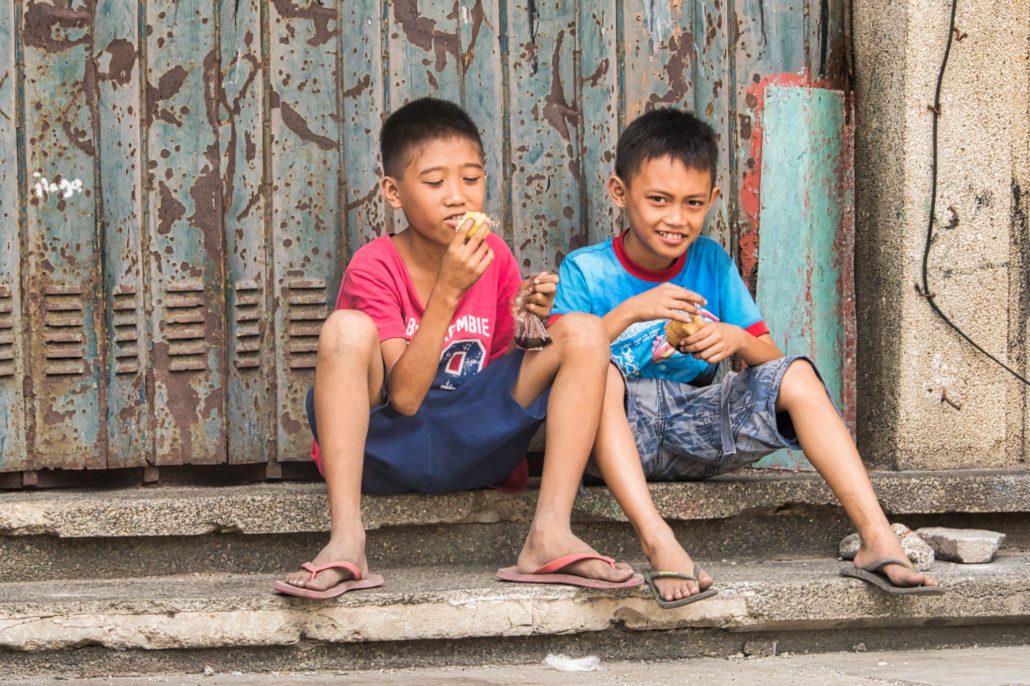
Hope of ToysSmall towns do not often get credits for great deeds, but some of the best things in life come from the most unexpected places. This is the case for the Happy Factory which began in the small town of Cedar City, Utah. What started out as a hobby for the founders after retirement has grown to help children in poverty, children dealing with sickness and children living in the midst of violence. These toys have brought happiness to many when everything else seems so dark. The hope of toys could mean all the world to every child they reach.
About the Founders

Charles and Donna Cooley retired from Southern Utah University in 1995, where Donna worked as the head cashier at the university and Charles worked in the sports department. After retiring Charles took up woodwork, making animal cut-outs which were donated to Primary Children’s Medical Center after Donna painted them.

The couple saw the hope of toys for the children who received them and felt so much happiness. The Cooleys knew they had to continue their work. The hobby became a full-time project and job. The happiness that the Cooley’s toys brought to children inspired the name, “Happy Factory.” Charles Cooley died in 2011, but Donna and thousands of volunteers continue this work today.

Making Happy

From its humble beginnings, the Happy Factory has grown immensely. The motto of the founders is “We may not be able to make a toy for every child in the world that needs one-but we’re going to try.” And their efforts have made a sizable impact in the world.

All of the organization’s work that goes into creating the toys is done by volunteers and the wood that is used to make them is donated and repurposed. The toy donations have expanded from the original local hospital. Since 1995, over 1.5 million toys went to different organizations and countries all over the world. In 2017 they made donations to the ravaged communities of Iraq and Afghanistan with help from the U.S. military.

This is all help to the Church of Jesus Christ of Latter Day Saints Humanitarian Services (LDS Humanitarian Services). The Happy Project was able to go worldwide via the LDS Humanitarian Services as they provide relief efforts in areas hit by natural disasters.

Making an Impact

The charity has also moved towards making steam shovels, which have been sent far and wide, according to its website. The conception of this came when the Happy Factory’s owners visited a hospital in Salt Lake City. The hospital needed to acquire specialty wooden items that would help children dealing with bone, muscle and joint difficulties. The physical therapist at the hospital called Charles and when asked about it he promptly asked for plans.

These toys have made a particular impact on disabled children. They have stimulated the children to do things they thought were previously impossible. In some places, this is the only form of therapy available for children. Since their introduction to Happy Factory’s production line over 2,610 of these steam shovel toys have been delivered all over the world.

This organization is giving the hope of toys and making an impact in the lives of children, but also in the hands that take the time to make the toys, as well as the people that deliver them. Every helping hand and penny makes a difference. In the words of Robert Workman, a man who helped inspire Happy Factory, “One toy makes a drop in the bucket and it’s a pretty big drop for the child that gets it.”

– Kelsey Jensen
Photo: Flickr

July 5, 2022
https://borgenproject.org/wp-content/uploads/borgen-project-logo.svg 0 0 Jennifer Philipp https://borgenproject.org/wp-content/uploads/borgen-project-logo.svg Jennifer Philipp2022-07-05 01:30:072024-12-13 18:02:42Hope of Toys
Children, Global Poverty, Hunger

 Feed Our World Provides Food to Children Globally

Food to Children
Hunger causes half of all children under the age of five to lose their lives every year, according to Penny Appeal U.S.A. Childhood hunger is an ongoing issue that millions of children experience and the issue is only worsening. Thankfully, there are organizations like Penny Appeal U.S.A. that fight childhood hunger and work to save these starving children. Its Feed Our World program provides food to children globally in more than 30 countries all over the world.

The Issue of Child Hunger

More than 3 million children die per year due to hunger and that number is only rising as factors like COVID-19 and changing weather interfere. Due to the COVID-19 pandemic, schools closed in 199 countries, which left 370 million children facing the impact of hunger. Approximately 50% of deaths among children under the age of five are due to hunger as 45 million children are currently suffering from malnutrition every year. It is notable to add that extreme hunger affects more females than males as 60% of the people in the world facing extreme hunger are women and young girls. The WFP also states that the “Inequality from early marriage and young motherhood to cultural barriers and lack of education means girls are much more likely to be malnourished, causing immediate and long-term health problems.”

Millions of children are suffering because they are unable to get access to food and the issue is only worsening. Poverty is the root cause of child hunger, families can’t even meet basic needs to survive and they must decide whether they want food or a roof to sleep under. Other factors like infectious diseases, environmental conditions and raised prices all contribute to more and more families struggling to obtain food for their children. It is safe to say that child hunger is still a detrimental issue worldwide as the Feed Our World program provides food to children globally.

Penny Appeal USA’s Feed Our World Program

Penny Appeal U.S.A. is an organization that dedicates its efforts to making communities more prosperous and sustainable. The organization states that its mission is “communities working together, supporting one another, leaving need and poverty behind for good.” Feed Our World is one of the many programs that Penny U.S.A. offers that is working to provide nutritious meals to children in countries suffering from childhood hunger. A few of the 30 countries the program works in are Afghanistan, Uganda, Nepal, Pakistan, South Africa, Syria, Yemen and Zimbabwe. In West Bank, Palestine, the program provided approximately 395,800 meals to more than 6,050 people. In 2021, more than 30,800 people received meals in 16 different countries. Along with distributing meals to various countries, essential ingredients like oils, flour, rice and dates go to communities as well.

The Feed Our World program is not the only program through this organization benefiting the world. There are numerous programs through Penny Appeal USA including Education First, Emergency Response, Heal Humanity, Income Generation and Religious Giving. The Thirst Relief program is granting safe drinking water to communities through building wells, hand pumps and water centers. Orphan Kind is a program assisting orphaned children around the world by providing shelter, health care, food and emotional and psychological support. The Feed Our World program provides food to children globally while the organization is also making a difference in a variety of areas to support people in need throughout the world.

Childhood hunger is a detrimental and long-lasting issue, but Penny Appeal U.S.A.’s Feed Our World program provides food to children globally, as well as provides other necessary resources to communities all around the globe to alleviate countries suffering from poverty.

– Dylan Olive
Photo: Flickr

July 4, 2022
https://borgenproject.org/wp-content/uploads/borgen-project-logo.svg 0 0 Jennifer Philipp https://borgenproject.org/wp-content/uploads/borgen-project-logo.svg Jennifer Philipp2022-07-04 07:30:572022-06-27 14:36:59 Feed Our World Provides Food to Children Globally
Children, Development, Education, Global Poverty, Health

Child Poverty in Iran

Child Poverty in IranChild poverty in Iran runs rampant among young residents. In 2020, 50% of Iran’s population lived under the poverty line. The effects of poverty on children are dire and 9 million Iranian families currently struggle amid poverty, but organizations are stepping in to assist.
Contributors to Child Poverty in Iran

Families cannot earn enough money because of gender discrimination, unemployment and other factors. Only men can work well-paying jobs because of the large pay gap. In 2021, the Global Gender Report stated that women earn 19% of the wages a man earns for the same job.

With the significant differences in pay between men and women, women are often unable to help support their families. Additionally, the unemployment rate among men and women is very high. According to the World Bank, the unemployment rate for women was 16.1% and for men was 7.8%.

Along with the unemployment rate and gender discrimination, the cost of basic needs is high, so the majority of families’ wages go toward securing this. In Iran, high inflation rates directly impact the cost of food and groceries, making it difficult to afford basic essentials. In 2019, 33% of underprivileged communities’ income was allocated for food.

Poverty forces many children to make money for their families, but their wages are unlivable. Garbage collecting, run by the municipality contractors, is one of the main jobs children work to earn a living. In 2020, however, children made only 6% of the profits of garbage collectors. Of the children in the workforce, 60% are their families’ only source of income. Working to support their families has an impact on a child’s education. In 2017, “37% of Iranian students drop out before getting their diplomas.”

Impact on Iranian Children

The vast number of contributors to child poverty in Iran has destroyed the quality of life for children.

Food is all too often a scarcity among these children. They are unable to eat the minimum caloric intake, and numbers have only increased since the pandemic. According to the Global Hunger Index, in 2020, one out of three children were undernourished which can leave to a multitude of health complications, including children’s growth stunting.

Child marriage and trafficking are common in Iranian society. For little money, families sell their children, mostly girls, into marriage. In the summer of 2020, according to the Statistic Center of Iran, 9,058 girls were married before the age of 15. In some cases, child spouses run away from home or attempt suicide because of their treatment during their marriage.

Hope for the Future

The government and other organizations are working to stop child poverty in Iran. In 2020, the Guardian Council, the body in charge of approving legislation passed by the Parliament, approved a Child and Adolescent Protection Bill. The bill was later passed, inflicting penalties on people who prevent children from attending school or putting children in unsafe environments With this law, children in Iran are protected from various circumstances that could potentially be a danger to them and instead, can go to school to get an education

Organizations like Relief International work globally to dissolve poverty. Relief International was established in 1958 with its work in Iran beginning in 1990 after a large-scale earthquake in the country. Currently, Relief International works primarily to aid Afghan refugees in Iran while also mobilizing resources if a countrywide emergency occurs.

Recently, in 2021, because of Relief International, 22,000 people were taught hygienic practices, 3,500 families received cash support and thousands more received health care, education and other services. This is just one of the many organizations and institutions working to end poverty in Iran by providing support to those who reside there.

According to UNICEF, as of 2020, the mortality rate for Iranian children under 5 is 12.9%. Iranian children face increased risks of death due to a lack of food and basic needs. However, the Iranian government and other organizations are working to put an end to poverty.

– Janae O’Connell
Photo: Flickr

July 3, 2022
https://borgenproject.org/wp-content/uploads/borgen-project-logo.svg 0 0 Kim Thelwell https://borgenproject.org/wp-content/uploads/borgen-project-logo.svg Kim Thelwell2022-07-03 01:30:102024-05-30 22:29:50Child Poverty in Iran
Children, Developing Countries, Development, Global Poverty, Health

Health Hotline in Malawi

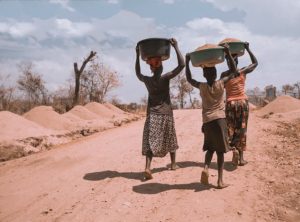
Health Hotline in MalawiIn Malawi, it is tough for pregnant women and families with babies and young children to get the necessary help in rural and hard-to-reach areas. This is often because Malawi is one of the hardest to reach places in the world. Citizens in Malawi aren’t seen as quickly with health-related issues. The success of the health hotline in Malawi is its goal to not be needed in any one area forever.

Medical Assistance by Phone

The mobile phone service is not only for those in dangerous situations that need help quickly. It also provides clear advice and health information. In a state of worry about her baby’s health, a young woman living in a village called Chiyendausiku in Malawi called a toll-free hotline for advice. The young women called a health hotline in Malawi called Chipatala Cha Pa Foni (CCPF). It is a health center by phone, a hotline and text messaging service for families, babies, young children and pregnant women.

Chipatala Cha Pa Foni (CCPF) helps mothers in hard-to-reach areas get the necessary attention to get to the closest health center as soon as possible. When calling the health hotline in Malawi, most women don’t need to rush to the hospital.

Numbers

According to a 2014 World Bank Study, women who live in Malawi have a one in 34 chance of dying during childbirth. UNDP reports that Malawi’s maternal mortality rate is one of the highest in the world, with 675 deaths per 100,000 live births. Mothers and pregnant women face a difficult journey of lack of access to child health care due to the distance to and from the health care facilities. Also, the lack of trained health workers to serve the population. The myths and misinformation also affect when and where they can seek health care.

Chipatala is available from 7 a.m. to 7 p.m. seven days a week, including holidays, Social Innovation in Health Initiative reports. The toll-free hotline connects callers to trained health staff workers who answer general questions. Some of the questions are about nutrition, child health and sexual and reproductive health. Through the opt-in text and voice messaging system caretakers of children under one, pregnant women and women of childbearing age receive advice tailored according to their pregnancy timeline or their children’s age. Also, Chipatala makes it possible to use an interactive voice response system that allows the users to retrieve messages on demand.

In Closing

The idea of Chipatala is to access relevant health information to decrease the under-resourced community clinics. Since Chipatala launched in 2011, it has reached more than 35,000 unique callers. Health workers resolve about 75% of cases without connecting the caller to a health facility and log almost 50,000 calls. The company aims to continue making affordable and ongoing mobile access to Malawi’s rural areas and keep providing sustainability.

– Alexis King
Photo: Flickr

July 2, 2022
https://borgenproject.org/wp-content/uploads/borgen-project-logo.svg 0 0 Kim Thelwell https://borgenproject.org/wp-content/uploads/borgen-project-logo.svg Kim Thelwell2022-07-02 07:30:192022-07-17 14:57:25Health Hotline in Malawi
Children, Disease, Global Poverty

How Shoes Can Eliminate Preventable Diseases

Shoes Can Eliminate Preventable Diseases
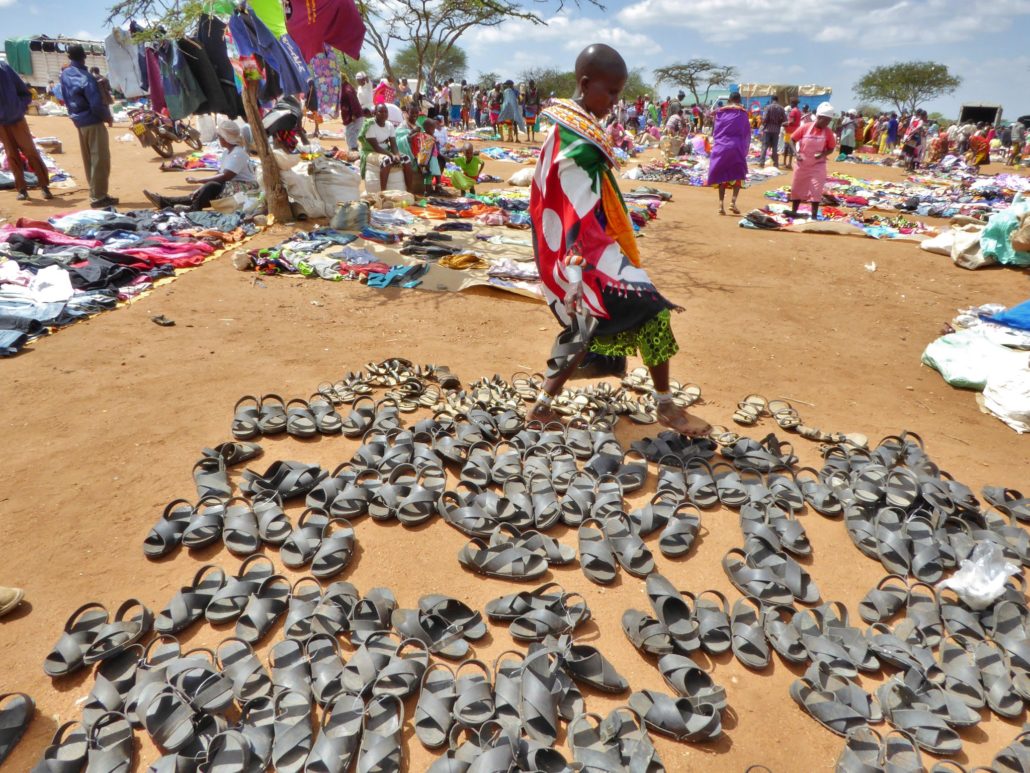
Wearing shoes protects feet from more than just scratches and heat. Shoes can eliminate preventable diseases, many parasitic infections, epidemics and dangerous bug bites. While adults can wear a pair for years, this is not the case with growing children. Because children have a much higher demand for shoes than adults, a few inspiring projects are providing impoverished children with shoes.

Soil-Transmitted Disease

Soil-transmitted diseases are most prevalent among those who cannot afford shoes. By giving shoes to those who are most in need, epidemics that can eventually lead to death can decrease entirely. Many diseases are due to contaminated soil and involve parasites that can cause slow development, organ damage, amputation and even death if left untreated. South America and Sub-Saharan Africa suffer the most from these diseases, and some communities in these areas can be difficult to reach. NGOs and charities similar to Samaritan’s Feet have started to tackle these epidemics at their root. Shoes can eliminate preventable diseases by creating a barrier between contamination and bare feet. By preventing disease instead of medically treating it, the solution and work are cheaper, less invasive and eliminated entirely with enough effort.

Shoes = Opportunity

Infections and parasitic jigger fleas, which require painful treatments, are common in children who do not wear shoes in certain areas. Sometimes a lack of self-confidence or cleanliness can be an even more painful barrier. Shoes can eliminate preventable diseases, offer a safer ability to walk and give many the ability to take the first step in creating a better life. Buckner Shoes for Orphan Souls is a project within Buckner International that understands how being barefoot can prevent many children from attending school and can affect their self-worth.

By providing a pair of shoes for children, family workshops and job training programs for parents, many will eventually no longer rely on the donation program. In addition to the big picture, Buckner believes that a more hopeful future can arise through its program. Children can find a way out of poverty if they have good shoes and the opportunities that come with them.

Innovation and New Solutions

One pair of shoes provides a child with opportunities and foot protection for as long as the shoes fit. By finding a way to lessen the demand for new shoes every time a child grows, this large concern can shrink to one-fifth of its size. The Shoe That Grows™ is a type of shoe that can expand by five sizes so that children can have a single pair of shoes for a longer period of time than usual. The Because International website has stated that “Over 1.5 billion people suffer from soil-transmitted diseases worldwide,” showing the necessity of having good-quality shoes.

Every time children outgrow shoes, the potential of disease exposure increases. However, The Shoe That Grows™ provides shoes that have a longer wear time than other shoes, subsequently taking away the burden of purchasing shoes once a year. The project distributed more shoes for Christmas 2021 than any other year and is looking to continue making the shoes more durable and create jobs with the company’s manufacturers. The Shoe That Grows™ can save families and organizations time and money, providing a better chance of helping more children.

Looking Ahead

Shoes are an unexpected solution to a deadly problem that faces the poorest of the poor. With simple and innovative solutions to bring people the protection they need, this deadly issue has an end goal in sight. Children’s continuous growth can cause difficulties, many organizations are effectively helping these children with a need that will bring physical protection and future opportunity.

– Karen Krosky
Photo: Flickr

June 25, 2022
https://borgenproject.org/wp-content/uploads/borgen-project-logo.svg 0 0 Jennifer Philipp https://borgenproject.org/wp-content/uploads/borgen-project-logo.svg Jennifer Philipp2022-06-25 01:30:192022-06-25 10:49:46How Shoes Can Eliminate Preventable Diseases
Children, COVID-19, Global Poverty

The Current State of Poverty In Scotland

Current State of Poverty In Scotland
After the steady decline of poverty in Scotland throughout much of the 1990s and through the 2000s, the current state of poverty in has been rapidly increasing within the last decade. According to the Joseph Rowntree Foundations (JRF) report, even before the COVID-19 pandemic “around a million people in Scotland were in poverty, living precarious and insecure lives,” with 230,000 of those people being children.

Families Facing Poverty

Between 2016 and 2019, at least a quarter of the children living in Scotland endured poverty, according to the JRF report. Many factors, that are partially or wholly outside parents’ control and completely outside of children’s control, exacerbate poverty. Many attribute poverty to inadequate social security, minimal income from employment and high costs of living.

Without the finances to afford higher education, the attainment of which could open doors to higher-paying, skilled employment opportunities, the poverty cycle continues for many families living in Scotland. People living in poverty are also at risk of poor health and social outcomes, among other risks.

The Economy

These effects were greatly intensified during the COVID-19 pandemic with the nation facing the deepest and fastest economic contraction in the history of Scotland. The Scottish economy contracted by 19.4% between April to June 2020, marking Scotland’s steepest fall ever in a quarterly GDP.

In addition to the economic contraction, Scotland saw a jump in the number of households with insufficient funds to cover basic living costs. These financial difficulties have led to displacement. Between the months of April 2020 and March 2021, Shelter Scotland received 33,792 homeless applications and assessed 27,571 households as homeless. This is the equivalent of a household becoming homeless once every 19 minutes.

Shelter Scotland

Organizations such as Shelter Scotland have played a key role in Scotland’s recovery post-pandemic. Shelter Scotland is an organization that strives to ensure safe, secure and affordable homes for all.

Since its creation in 1968, the organization has been supporting and advising people who experience homelessness, fighting for house policy changes at all levels. It is also using research to better advocate for those affected by poverty in Scotland. In 2018/19, the organization assisted 41,192 needy households.

Child Poverty Action Group (CPAG)

Another organization that is a key contributor to reducing the imprint of poverty on Scotland is the Child Poverty Action Group (CPAG). CPAG in Scotland raises awareness of the impact poverty has on children in Scotland, working to maximize families’ incomes by ensuring eligibility for benefits and campaigning for positive policy changes to end poverty.

The organization secured £292.6 million in assistance for low-income families during the pandemic. It also helped as many as 100,000 families through legal action in court.

Government Action

Although organizations such as these are leaving their footprint in the fight against the current state of poverty in Scotland, the nation still has a long way to go. Both the Scottish and U.K. governments must take drastic action.

One of the main implementations the government has made is keeping the income lifeline offered to recipients of Universal Credit and Working Tax Credit beyond April 2021 and extending it to those receiving other legacy benefits. Estimates have stated that as many as 1.3 million people in Scotland will benefit from this, according to the JRF report.

While the current state of poverty in Scotland is dire, this does not have to define the future of the nation. With a proper approach from the government and a sufficient amount of assistance, the future of Scotland can appear much brighter.

– Austin Hughes
Photo: Flickr

June 23, 2022
https://borgenproject.org/wp-content/uploads/borgen-project-logo.svg 0 0 Jennifer Philipp https://borgenproject.org/wp-content/uploads/borgen-project-logo.svg Jennifer Philipp2022-06-23 07:30:232024-05-30 22:26:07The Current State of Poverty In Scotland
Children, Global Poverty, Health, Sanitation, Water

How Water Scarcity Affects Women and Children

Water Scarcity
Multiple factors can cause water scarcity including “collapsed infrastructure, distribution systems, contamination, conflict, poor management of water resources, climate change and human interference” according to UNICEF. Water scarcity is common even in well-developed countries. Water scarcity limits access to clean water used for basic hygiene, cooking and cleaning.

The lack of water resources affects hospitals, homes, restaurants, schools and sewage systems. Additionally, water scarcity takes a toll on the economy because of its high value. However, it affects women and children more than anything. Women and children are the sole providers of water and often walk miles to retrieve it. Therefore, children are spending countless hours outside of school, exposing them to unsafe places and exploitation.

UN-Water Summary Progress Report July 2021

The U.N.-Water Summary Progress Report category of drinking water in 2020 stated that 26% of the global population or 2 billion people, did not have access to clean drinking water services. The sanitation category reported that 3.6 billion people or 46% of the global population lacked sanitation services with 494 million people openly defecating in 2020. Furthermore, 2.3 billion people lacked access to a handwashing system with soap and water in 2020. One final note from the hygiene category detailed that 44% of global wastewater did not receive adequate treatment in 2020.

The 2021 U.N.-Water Summary report also mentioned that there is inadequate research on the safety of our groundwater coming from lakes, rivers, streams, etc. Global water-use efficiency has only improved by 10% since 2015. The water stress category outlined that 2.3 billion people live in water-stressed areas in 2020. In the 2020 integrated-water management category, U.N.-Water detailed how 107 countries are not on track to have achieved sustainable water sources by 2030. From 2015 to 2019, there was only a 9% increase in international cooperation with 14 out of 109 countries participating in water and sanitation decision-making.

UNICEF Water Scarcity Key Facts

  • At least one month every year, 4 billion people, two-thirds of the world’s population, experience severe water scarcity.
  • In countries where water supply is deficient, 2 billion people may experience water shortages.
  • As soon as 2025, half of the global population could potentially reside in areas experiencing water scarcity.
  • In 2030, a proposed 7 million people could face displacement from water scarcity.

UNICEF Water Scarcity Response

While there are many reasons for water shortages, UNICEF is working to provide new technology that reaches countries where people are experiencing water scarcity in seven ways. As a first glance, UNICEF is working to identify new water resources through remote sensing, geographical surveys and field investigations. Also, UNICEF is striving to produce efficient water sources that “reduce water leakage and contamination promoting wastewater reuse for agriculture to protect groundwater.”

Furthermore, UNICEF is planning for future water scarcity needs. For instance, UNICEF is expanding technologies to support water sources that can withstand our changing climate. With this in mind, UNICEF is educating schools and communities on water scarcity. On a larger scale, UNICEF is preparing for “national water needs” for domestic, health and sanitation use. Lastly, UNICEF is “supporting the WASH sector” through creating online programs, technical guidance and manuals to improve standards for accessing water.

Organizations Helping People Reach Clean Water

Due to social and cultural inequality, women and children bear the brunt of water-borne illnesses. Hence, the reason organizations similar to The Water Project and Water.org exist. The Water Project has been providing access to clean water to remote villages located in sub-Saharan Africa since 2006. As of May 2022, The Water Project has reached 714,350 people with a 96% water flow status.

For the past 30 years, the founders of Water.org, Gary White and Matt Damon, have been offering financial solutions to the global water scarcity issue. It all began in 1990 when Gary White started helping Latin communities impacted by water scarcity. Later in 2003, their WaterCredit Initiative launched which enables Water.org to financially assist places affected by water scarcity. In 2009, Matt Damon joined the Water.org team as a co-founder. So far, Water.org reported having improved 45 million lives across 17 countries with access to clean water.

Looking Ahead

Thanks to the organizations and the dedication of U.N.-Water and UNICEF, water scarcity is becoming less of an issue. Hopefully, this issue will reduce, so that women and children may experience safety, good health and education without having to walk miles for water.

– Kaley Anderson
Photo: Flickr

June 21, 2022
https://borgenproject.org/wp-content/uploads/borgen-project-logo.svg 0 0 Jennifer Philipp https://borgenproject.org/wp-content/uploads/borgen-project-logo.svg Jennifer Philipp2022-06-21 07:30:292024-05-30 22:26:06How Water Scarcity Affects Women and Children
Children, Development, Education, Global Poverty

Pantawid Pamilyang Pilipino Program in the Philippines

Pantawid Pamilyang Pilipino Program in the PhilippinesThe Pantawid Pamilyang Pilipino Program in the Philippines, known as the 4Ps, is a conditional cash transfer program developed by the World Bank and the government of the Philippines in 2007. The 4P’s main objective is to provide financial assistance to the impoverished to “improve the health, nutrition and the education of children aged 0-18.” Due to the COVID-19 pandemic, the poverty rate in the Philippines rose to 23.7% in the first six months of 2021, meaning at least 3.9 million Filipinos endured poverty. To combat the high poverty rate and a lack of social safety net, the 4Ps program helps impoverished households to break cycles of poverty.

Beneficiaries of Pantawid Pamilyang Pilipino Program

The program specifies certain criteria for eligibility. The beneficiaries must live in the poorest municipalities, in accordance with the 2003 Small Area Estimates of the National Statistical Coordination Board. In addition, a household must be living at or below the “provincial poverty threshold.” The household must also have children between the ages of 0 and 18 years old. Households with pregnant women are also eligible. In 2022, the 4Ps program assists “more than 800,000 families classified as poor and near-poor based on the Standardized Targeting System and the poverty threshold issued by the Philippine Statistics Authority.” Since 2008, the 4Ps program has served more than 5 million impoverished households.

The beneficiaries are able to receive two types of grants, including a health grant of ₱500 per household per month and an education grant of  ₱300 per child per month for 10 months. Mikee Romero, one of the writers of the law institutionalizing 4Ps, told the Philippines News Agency in September 2020 that the program’s ₱169.3 billion budget for 2021 “also includes  ₱41 billion “for social protection programs like medical, transportation and burial assistance” and ₱4.3 billion “for disaster response, such as the provision of relief goods.”

Effectiveness of 4Ps

The implementation of Pantawid Pamilyang Pilipino Program in the Philippines has increased the utilization of health and education services. Children face lower risks of enduring poverty in adulthood as the program aims to break intergenerational cycles of poverty through the provision of resources and services necessary for growth and development.

The 4Ps program has helped to increase school attendance rates as it offers financial assistance for education and has a strict rule of “85% attendance a month” for child beneficiaries of the program.

A Herald Express article published in August 2018 says, “The 4Ps program has smoothly bridged the gap from poverty to an improved living condition among its beneficiaries.” The article also highlights that the 4Ps “changed the behavior of learners and their attitude toward learning” and helped improve the academic performance of generally low-performing learners.

In addition, 4Ps offers educational seminars with topics ranging from financial management to the importance of women in society and works with Sustainable Livelihoods Programs (SLP) to help families develop income-generating activities to build a better future.  The 4Ps program strengthens labor skills and opens up economic opportunities for the impoverished in the Philippines. The program provides microfinance services and training to those who engage in the SLP. Through skill training, beneficiaries are more likely to increase productivity and rise out of poverty.

A Look Ahead

The Pantawid Pamilyang Pilipino Program in the Philippines helps break the poverty cycle. The program also increases the ability of households to provide for their children and family needs. Overall, the 4Ps model looks to improve quality of life by providing the impoverished with the resources, services and skills to thrive.

– Jiaying Guo
Photo: Wikimedia Commons

June 21, 2022
https://borgenproject.org/wp-content/uploads/borgen-project-logo.svg 0 0 Jennifer Philipp https://borgenproject.org/wp-content/uploads/borgen-project-logo.svg Jennifer Philipp2022-06-21 07:30:082022-06-20 06:58:52Pantawid Pamilyang Pilipino Program in the Philippines
Child Poverty, Children, Global Poverty

How All As One is Helping the Children of Sierra Leone

Children of Sierra Leone
In Freetown, Sierra Leone, the morning that Gbessey’s mother died, Gbessey was only two days old. Gbessey has All As One (AAO) to thank, the organization which has helped over 35,000 women, children and families with medical care and other services. Gbessey has been at the All As One Children’s Center ever since and turns 13 years old this year. Like so many other poor children of Sierra Leone, Gbessey has AAO to thank for their tenacious pursuit of access to health, education and social security networks.

Sierra Leone Civil War

John Bellows and Edward Miguel, scholars at the Dept. of Economics at the University of California, Berkeley, in their article on war and collective action, said that the effects of the Sierra Leone civil war on institutions, politics and social norms have been more devastating than the economic effects.

During the height of the war in 1992, people looted and destroyed medical facilities in the country. Although pregnant women have the legal right to free health care, the country has been unable to provide it. There are only about 22 physicians for every million people and about 60% of the rural population without adequate access to clean drinking water.

Filling the Gaps in the Social Safety Net

AAO, as an organization, works toward filling the gaps in the social safety net in Freetown, Sierra Leone. AAO focuses its efforts on the many orphaned and abandoned poor children of Freetown. In the AAO Children’s Center, employees provide exceptional care beyond shelter and nutrition.

The organization also vows to offer supplementary medical treatment and education for those children that are under their care. Registered nurses are available when necessary, as well as local doctors who are called when further medical treatment is needed. It also seeks to hire local teachers to enhance the learning of students as well as with implementing subject matter relevant to their lives.

Further, not only does All As One provide medical attention and education for the children under their care, but they also work to attend to those in need in the surrounding community of Freetown. On top of the 200 children of Sierra Leone it aids around the clock, the organization receives between 200 to 300 requests for assistance each month from families who are not already in the programming.

All As One’s Origins

Deanna Wallace and Steven Amara started All As One in 2000 to provide care to the abandoned and neglected poor children of Sierra Leone. What makes AAO a community-based organization isn’t just their efforts to maintain social welfare but also their collaboration with community businesses like JA Resorts & Hotels. Amara has thanked JA Resorts & Hotels for “their support and the generous gifts they have made at the times when we most need it. [JA Resorts & Hotels] have helped to keep our doors open,” Discovery Magazine reported.

Although on paper, the poor children of Sierra Leone may seem to be completely helpless. However, the people of All As One have given them a different story to tell. That story is one of resilience, community engagement and emergent response to the crisis at hand, all around the clock.

– Joy Maina
Photo: Unsplash

June 20, 2022
https://borgenproject.org/wp-content/uploads/borgen-project-logo.svg 0 0 Jennifer Philipp https://borgenproject.org/wp-content/uploads/borgen-project-logo.svg Jennifer Philipp2022-06-20 01:30:272022-06-17 11:31:46How All As One is Helping the Children of Sierra Leone
Child Labor, Child Poverty, Children, Global Poverty

3 Organizations Working to End Child Labor

Organizations Working to End Child Labor
Around 160 million children around the world ages 5 to 17 are involved in child labor and more than 79 million of them are working in dangerous conditions that put their lives at major risk. Over the last four years, there has been an increase of 8.4 million children now engrossed in the act of child labor and that number is predicted to rise significantly even just for the year 2022. Despite this issue ascending, there is a multitude of organizations working to end child labor worldwide.

Child Labor and its Impact

Child labor is when someone exploits children into work that is dangerous and hazardous almost 50% of the time. This prevents them from having a normal childhood and leaves them unable to attend school. This issue is present in countries all over the world and sub-Saharan Africa has the most child laborers in the world with over 86.6 million, according to World Vision.

Poverty and poor schools are the two biggest causes of child labor in low-income countries. However, the problem is still prevalent in middle and high-income countries. “About 93.4 million children, 58.4% of child laborers, live in middle-income countries and 1.6 million child laborers live in high-income countries,” World Vision reported on its website.

Slavery, child trafficking, forced recruitment into armed conflict, prostitution and pornography, drug production and debt bondage are the worst forms of child labor, according to World Vision. The International Labor Organization (ILO) estimates that 22,000 children die each year at work due to unsafe environments. The most common form of child labor is agriculture work with more than 70% of laborers working in that field, World Vision reported.

One in three children in child labor is unable to receive an education due to how demanding their work schedule is, which is only going to continue the poverty and child labor cycle. According to UNICEF, there are 9 million additional children globally at risk of ending up in child labor by the end of 2022 as a result of the pandemic.” Luckily there are organizations working to end child labor, so hopefully, that number will not be as extreme.

The Global March Against Child Labour

The Global March Against Child Labour (Global March) is a global organization made-up of trade unions, teacher associations and civic organizations, with the purpose of ending child exploitation and trafficking, while focusing on providing quality education to all children. Global March began in 1998 when thousands of people, including world leaders came together to march against child labor in 103 countries to bring awareness to the problem.

The organization takes part in local, national, regional and global efforts in protecting and promoting the rights of children. Its goal is to change the system that compels children to have to work in the first place. Some of the issues it is addressing in order to improve children’s future: “the elimination of child labor, education for all and poverty alleviation.”

The organization has multiple programs in place as well as events aiding the end of child labor. It also has a current campaign called “Will you dance with us?,” which aims to show world leaders the importance of education and how many children in Africa (87 million) are working instead of going to school.

GoodWeave

GoodWeave, an organization that began in 1994, “is the leading global institution with a mission to stop child labor in global supply chains through a market-based holistic and authentic system.” Since 1994, the organization has rescued over 6,700 children from child labor and provided educational opportunities to over 26,000 children. It reached more than 75,000 workers in supply chains in 2018. In partnership with more than 350 organizations worldwide, GoodWeave aims to heal and educate exploited children and address the root causes of child labor.

There is “The GoodWeave Label,” which is a label on products that means no child labor went into the creation of that product. The purchase of products with this label shows support for programs trying to educate children and ensure adequate work for adults. “GoodWeave makes regular, unannounced inspections of all production facilities that cover tier-one factories and all outsourced production, including homes, to verify compliance with this Standard,” the organization said on its website.

Love146

Rob Morris founded Love146, a global organization, in 2002 with the mission of ending child trafficking and exploitation. The values Love146 operates under are “defiant hope, steady perseverance, deliberate collaboration, relentless advocacy, intentional thoughtfulness and unfiltered joy.” Services provided to positively outcome children include preventative education and supportive programming for financial independence, skills and resources.

There is a current project in the Philippines to provide holistic care to children in Love146’s care. The staff there created innovative ways to provide “education, recreation, health care and other services could be provided to children on-site,” according to its annual report.

Love146 reached more than 3,500 children through survivor care. It also reached more than 16,000 professionals, community members and caregivers to support Love146’s vision. Prevention and community education reached more than 63,000 children, thanks to Love146. “The trafficking and exploitation of children are one of the most severe human rights abuses imaginable,” Morris said on the organization’s website.

There are millions of children forced into labor each year and that number could only go up. By the end of this year, UNICEF predicts that 9 million children could go into child labor. This means they are most likely going to lose access to their education and have a poverty-based future, continuing the cycle between poverty and child labor. Child exploitation is an ongoing issue around the world, but these are just a few of the many organizations working to end child labor permanently around the world.

– Dylan Olive
Photo: Unsplash

June 19, 2022
https://borgenproject.org/wp-content/uploads/borgen-project-logo.svg 0 0 Jennifer Philipp https://borgenproject.org/wp-content/uploads/borgen-project-logo.svg Jennifer Philipp2022-06-19 01:30:052024-06-06 01:11:423 Organizations Working to End Child Labor
Page 33 of 137«‹3132333435›»

Get Smarter

  • Global Poverty 101
  • Global Poverty… The Good News
  • Global Poverty & U.S. Jobs
  • Global Poverty and National Security
  • Innovative Solutions to Poverty
  • Global Poverty & Aid FAQ’s
Search Search

Take Action

  • Call Congress
  • Email Congress
  • Donate
  • 30 Ways to Help
  • Volunteer Ops
  • Internships
  • Courses & Certificates
  • The Podcast
Borgen Project

“The Borgen Project is an incredible nonprofit organization that is addressing poverty and hunger and working towards ending them.”

-The Huffington Post

Inside The Borgen Project

  • Contact
  • About
  • Financials
  • President
  • Board of Directors
  • Board of Advisors

International Links

  • UK Email Parliament
  • UK Donate
  • Canada Email Parliament

Get Smarter

  • Global Poverty 101
  • Global Poverty… The Good News
  • Global Poverty & U.S. Jobs
  • Global Poverty and National Security
  • Innovative Solutions to Poverty
  • Global Poverty & Aid FAQ’s

Ways to Help

  • Call Congress
  • Email Congress
  • Donate
  • 30 Ways to Help
  • Volunteer Ops
  • Internships
  • Courses & Certificates
  • The Podcast
Scroll to top Scroll to top Scroll to top