• Link to X
  • Link to Facebook
  • Link to Instagram
  • Link to TikTok
  • Link to Youtube
  • About
    • About Us
      • President
      • Board of Directors
      • Board of Advisors
      • Financials
      • Our Methodology
      • Success Tracker
      • Contact
  • Act Now
    • 30 Ways to Help
      • Email Congress
      • Call Congress
      • Volunteer
      • Courses & Certificates
      • Be a Donor
    • Internships
      • In-Office Internships
      • Remote Internships
    • Legislation
      • Politics 101
  • The Blog
  • The Podcast
  • Magazine
  • Donate
  • Click to open the search input field Click to open the search input field Search
  • Menu Menu

Archive for category: Children

Information and stories addressing children.

Children, Global Poverty, Health, Poverty Reduction

How Epigenetics Predicts the Effects of Poverty

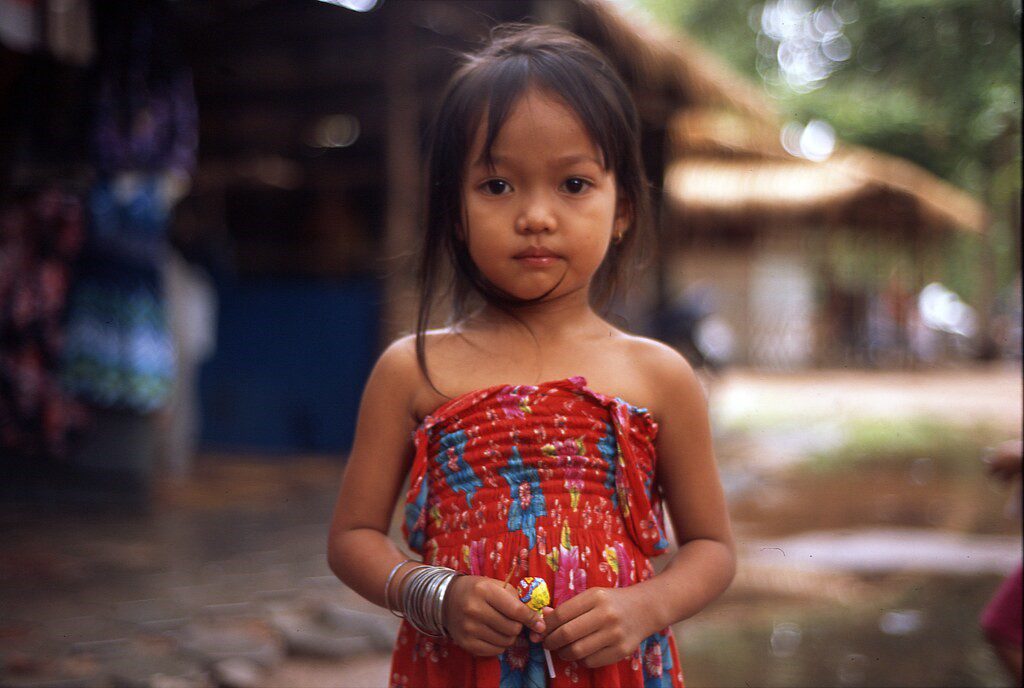
EpigeneticsEpigenetics is a recently developing branch of genetics that rose to prominence in the 21st century. Recent research has shown the biological effects of poverty through epigenetics. Epigenetics goes further than the genes a person inherits from their parents by showing how the individual’s genes react to their environment and other factors. One study that Molecular Psychiatry published concluded that children who grow up in families below the poverty line are “more prone to mental illness and alterations in DNA structure.” Since poverty brings numerous stressors such as poor nutrition and physical or psychological trauma, it can affect a child’s biological development, particularly in the brain. Epigenetics can help shape the future and bring to prominence that poverty can cause acute and chronic conditions.
What is Epigenetics?

The Centers for Disease Control and Prevention (CDC) defined epigenetics as “the study of how your behaviors and environment can cause changes that affect the way your genes work.” Epigenetics affects gene expression, specifically the process of protein creation. The environment and a person’s behaviors correlate with epigenetic changes; the connection becomes evident between a person’s genes, behaviors and environment.

There are three different mechanisms in epigenetics that can affect gene expressions, including DNA methylation, histone modification and non-coding RNA. DNA methylation turns the genes “off” and demethylation turns the genes “on.” More specifically, DNA methylation can directly inhibit the expression of genes. In this process, information from the gene becomes a functioning product such as proteins, which are essential molecules that help bodies function. Histone modification occurs with the adding or removal of chemical groups from histones. More specifically, it can also change if a gene is “on” or “off.” Finally, non-coding RNA is a biological function that helps control gene expression.

The Relationship Between Epigenetics and Poverty?

A 2019 article from Northwestern University explains that poverty can implement itself across genomes — “poverty leaves a mark on nearly 10% of the genes in the genome.” Previous research demonstrated that socioeconomic status is a significant determinant of human health and disease. For example, some factors such as lower educational attainment or lower-income increase the risk for heart disease, diabetes, different forms of cancers and other infectious diseases. Also, lower socioeconomic status is associated with other physiological processes that could “contribute to the development of diseases such as chronic inflammation, insulin resistance and cortisol dysregulation.”

In one recent study led by Dr. Adam R. Wende, researchers learned that end-stage heart failure patients had “cytosine-p-guanine, or CpG, methylation of the DNA in the heart.” This methylation was associated with race as the only variable between African Americans and Caucasians. In addition, researchers discovered through census tracking that African American patients lived in neighborhoods with higher racial diversity and poverty. This difference suggested to the researchers that “the underlying variable may be socioeconomic difference.”

Wende spoke about the impact of the study with UAB News. Wende stated that “we provide preliminary evidence that socioeconomic factors are likely associated with racial differences in cardiac DNA methylation among men with end-stage heart failure.”

Differences Between Children in Poverty and Higher Income Households

In another study published in 2016, scientists found that children who grew up in poverty had more DNA methylation than other children who came from higher household incomes. Researchers thought that this difference might have suppressed the impoverished children’s “production of serotonin transporter protein.” As a result, the kids in the impoverished households had less serotonin in the brain, which can lead to depression and other mental conditions.

Dan Notterman, a molecular biologist at Princeton University, found in his research that telomeres, the caps at the end of chromosomes, “[shorten] in children from impoverished families.” Research shows a link between telomere length, aging and poor general health, meaning that the shorter telomeres are, the worse a person’s health is and the faster the aging process is. In layman’s terms, poverty can cause children and adults alike to be more prone to mental and physical illnesses and hinder physiological processes at a genetic level.

Can Epigenetics Help Reverse Negative Health Outcomes?

Robert Philibert, a behavioral geneticist at the University of Iowa in Iowa City stated that “what this points out here is that if you really want to change neurodevelopment, alter the environment.” Epigenetics shows that the environment affects gene expression, and thus, the body’s biological functions.

Social determinants of health (SDH) are, as the World Health Organization (WHO) defines, “the conditions in which people are born, grow, work, live and age and the wider set of forces and systems shaping the conditions of daily life.” SDHs can influence health and gene expression through “income and social protection, education, food insecurity, social inclusion and nondiscrimination.” According to the WHO, SDH plays a significant role in 30-55% of health outcomes. Epigenetics shows people must address the systems that allow poverty to thrive in order to ensure people do not experience a disadvantage at the beginning of life.

– Gaby Mendoza
Photo: Flickr

March 28, 2022
https://borgenproject.org/wp-content/uploads/borgen-project-logo.svg 0 0 Jennifer Philipp https://borgenproject.org/wp-content/uploads/borgen-project-logo.svg Jennifer Philipp2022-03-28 01:30:492024-05-30 22:25:51How Epigenetics Predicts the Effects of Poverty
Children, Global Poverty

USAID Partners in Ethiopia

USAID Partners in Ethiopia
Ethiopia is currently enduring its worst drought in decades. The nation has not experienced a successful rainy season “since late 2020” and the continued lack of rainfall has had devastating consequences. The drought directly affects more than 6 million Ethiopians through water shortages, crop failures and livestock deaths. This is especially devastating because the agricultural industry contributes 40% to Ethiopia’s GDP and employs roughly 75% of Ethiopians as of March 2022. The ongoing Tigray War only exacerbates the humanitarian crisis in Ethiopia as fighting in the north of the country continues to displace civilians and disrupts access to economic markets. Both of these developments place a disproportionate burden on the rural population who stand as the most economically vulnerable. Based on the most recent available data from 2016, the percentage of Ethiopians living below the national poverty line is 15% in urban areas but 26% in rural areas. The drought only threatens to broaden this divide as it most negatively affects rural populations that depend upon agriculture. In light of this crisis and its effects on impoverished rural populations, many USAID partners in Ethiopia have stepped in to help.

USAID’s Response

The United States is Ethiopia’s largest donor of foreign aid and the two countries have a close developmental relationship that goes back to the early 1900s. The United States Agency of International Development (USAID) distributed $402 million worth of humanitarian assistance to Ethiopia during the fiscal year 2021 and continues its commitment in the face of this deepening crisis. USAID channels funds through partner organizations like UNICEF that have specific directives and fields of expertise. Here are three major USAID partners in Ethiopia that are delivering specialized care to those in need:

3 USAID Partners in Ethiopia

  1. Catholic Relief Services: Partly due to the drought’s widespread effects on livestock and agriculture, an estimated 20.4 million Ethiopians lack dependable access to food as of December 2021. Partnering with USAID to combat this growing food insecurity is the Catholic Relief Service (CRS), a nonprofit whose mission is to provide emergency relief to victims of civil conflict and natural disasters around the world. It leads the Joint Emergency Operation (JEOP), which comprises numerous development-based NGOs and other USAID partners in Ethiopia. Since June 2021, the JEOP has reached approximately 3.4 million people affected by the crisis with crucial food assistance, which it sources primarily from U.S. agriculture.
  2. UNICEF: With the financial support of USAID, the United Nations Children’s Fund (UNICEF) is currently conducting an extensive immunization campaign in the war-torn Tigray region. In the first two months of 2022 alone, the campaign successfully provided measles vaccinations to almost 700,000 children. This is part of a larger children’s health campaign that also saw the simultaneous distribution of vitamin A supplements and deworming tablets. This is crucial in Ethiopia where the under-five child mortality rate is 48.7 deaths per 1,000 lives as of 2020. UNICEF intends to provide measles vaccinations to 3 million Ethiopian children by the end of 2022.
  3. International Medical Corps: The International Medical Corps (IMC) is a USAID partner that delivers emergency medical services during times of crisis. In Ethiopia, the IMC has concentrated its efforts on those displaced by the Tigray War. The IMC currently manages 23 mobile medical units that have served more than 804,000 displaced people since the onset of the conflict in November 2020. These units have also administered about 233,000 outpatient consultations while screening 146,510 children younger than five as well as pregnant/lactating women for acute malnutrition as of February 2022. Mobile medical units are crucial as the conflict renders many of the country’s health care facilities inoperative. Mobile care is especially important in remote areas with even more restricted access to traditional care. USAID provided the IMC with $4 million in the fiscal year 2021 to fund its activities in the region, and in total, the IMC and other USAID partners have implemented more than 60 of these life-saving mobile medical units across the country since the start of the conflict.

Looking Forward

In a major win for USAID partners in Ethiopia, the Ethiopian government decided in February 2022 to lift the national state of emergency (SoE) that had been active since early November 2021. The SoE had justified the unwarranted detention of foreign aid workers and generally impeded international assistance programs. All aid workers are no longer arbitrarily detained on account of suspicions of connections to the Tigray People’s Liberation Front and humanitarian relief efforts can continue with renewed vigor. The U.S. Department of State has also praised this development as an important step toward the peaceful conclusion of the Tigray conflict, which bodes well for the overall stability of the region.

With this hopeful development in Tigray and the sustained assistance efforts of the international community, there is cause for optimism. Ethiopia has weathered the turbulent onset of this crisis, but there is still a need for long-term solutions, especially with regard to rural poverty. For the time being though, the humanitarian initiatives of USAID and its partners help lay the crucial groundwork in human capital, which is a solid first step in Ethiopia’s equitable development.

– Jack Leist
Photo: Flickr

March 24, 2022
https://borgenproject.org/wp-content/uploads/borgen-project-logo.svg 0 0 Kim Thelwell https://borgenproject.org/wp-content/uploads/borgen-project-logo.svg Kim Thelwell2022-03-24 01:30:062024-05-30 22:25:51USAID Partners in Ethiopia
Children, Education, Global Poverty, Health

Gene-edited Crops to Enhance Food Security in China

Food Security in China
On January 24, 2022, China’s Ministry of Agriculture and Rural Affairs published new guidelines for the approval of gene-edited crops. These guidelines come amid an influx of measures “aimed at overhauling China’s seed industry” and ensuring the nation has the ability to provide enough food for its own people as the world’s largest population. Given the Chinese government’s strong investment in gene-editing, it is important to examine the impact of this technology on food security in China.

Barriers to Food Security in China

  • Limited Fertile Land: China has about “20% of the world’s population” to provide food with only 7% of arable land. In 2016, Beijing established a “red line” with the aim to set aside a minimum of “120 million hectares of arable land” for agricultural purposes. However, industrialization, urbanization and the growing preference for the cultivation of cash crops over grains and legumes have “accelerated the loss of agricultural land since then.” With soil fertility becoming increasingly poor, China is at the risk of falling below its red line.
  • Lack of Self-Sufficiency in Food Production: Greater self-sufficiency in grains, soybean and oil crops production is a policy priority for the Chinese government in efforts to maintain food security in China. For example, as of 2020, China has relied on imports to supply about 85% of its soybeans. While this has allowed China to stock up on other staples, such as rice, wheat and corn, many view the nation’s reliance on imported soybeans as a weakness for stability and food security in China. In 2021, “China imported a record 164.5 million tonnes of grain,” an 18.1% increase from 2020. China’s weak influence in global supply chains has caused its food self-sufficiency rate to decrease from 101.8% in 2000 to just 76.8% in 2020. This is a percentage experts predict will decline further to 65% by 2035. Also, the pandemic-induced setbacks for food exporting nations have heightened concerns about the reliance on imports for stability and food security in China. With the increasing demand for measures that allow for self-sufficiency and import diversification, the Chinese government has turned to gene editing for a breakthrough.

What is Gene Editing?

Simply put, gene editing is the altering of a plant’s genes to adjust or enhance its performance. Unlike its counterpart, gene modification, which introduces a foreign gene into a plant’s DNA, gene editing tweaks existing genes in plants to make genes more efficient.

The process involves the use of biological catalysts, such as “transcription activator-like effector nucleases (TALENs), Zinc Finger Nucleases (ZFNs) and CRISPR/Cas systems” that can “be engineered to bind to any DNA sequence.” The main advantages of gene editing are affordability, precision and efficiency. With gene editing, plant breeders can achieve results comparable to traditional breeding methods but within a shorter period of time and “with greater precision than ever before.” In addition, gene editing can curb hunger and malnutrition by providing higher-yielding, nutritious crops that are resilient to pests, diseases and environmental changes, thus sustaining the agricultural economies of areas that rely on farming produce for both food security and income. In crop science, genome editing has shown the ability to create less sugary potatoes and “a soybean containing high levels of omega-3.”

China’s Gene Editing Guidelines

Although China has performed more extensive research on gene editing than any other country, none of the gene-altered crops have yet reached commercialization. However, the new guidelines may change that. The guidelines “stipulate that once gene-edited plants have completed pilot trials, a production certificate can be applied for, skipping the lengthy field trials required for the approval of a [genetically modified] plant.” This means that approval for a gene-edited plant could range from one to two years in comparison to about six years for genetically modified plants. The crop must “also pose no danger to the environment and China’s food security.” Researchers are confident that these new trial rules will significantly boost the “yields, taste and resilience” of crops, thereby strengthening food security in China.

Looking Ahead

In light of this, many researchers are actively working to research and develop a successful gene-edited crop. For example, Caixin Gao, a plant biologist and an employee of the Chinese Academy of Science’s Institute of Genetics and Development Biology, worked “on developing a strain of wheat that combats mildew since 2014.” Although Gao’s research team could remove the gene that “makes wheat prone to fungal growth,” the wheat’s post-editing growth faced stunting. However, since realizing that the issue stems from the inadequate repression of the sugar-producing gene, the researchers strongly believe that they have managed to isolate a high-yielding, fungal-resistant wheat strain. Therefore, this crop may be among the first to receive approval for commercialization. Overall, gene-edited crops show potential to enhance food security in China and across the world.

– Divine Adeniyi
Photo: Unsplash

March 23, 2022
https://borgenproject.org/wp-content/uploads/borgen-project-logo.svg 0 0 Kim Thelwell https://borgenproject.org/wp-content/uploads/borgen-project-logo.svg Kim Thelwell2022-03-23 01:30:092024-05-30 22:25:52Gene-edited Crops to Enhance Food Security in China
Children, Development, Education, Global Poverty

COVID-19’s Impact on Puerto Rico

COVID-19’s Impact on Puerto RicoAs public schools in Puerto Rico switched to remote online learning during the first months of the COVID-19 pandemic, 56% of students could not attend online classes due to a lack of home internet connection. The education department reported that around 13,000 students received a failing grade in all their 2020-21 semester classes. The department blamed the failing grades on COVID-19’s impact on Puerto Rico. On November 18, 2021, the U.S. Department of Education approved a $3 billion plan to support the operations of public schools around the island and expand student opportunities amid the pandemic.
After Hurricane Maria hit the island in 2017, a debilitated public school system closed off around 250 schools due to a lack of government funding to reconstruct the school’s facilities. The federal oversight board cut resources for the public education system that President Obama decreed in 2012 to cut down the national debt. This left professors with a decreased annual salary of $1,750.

Effects of the COVID-19 Pandemic on the Public Education System

COVID-19’s impact on Puerto Rico led to decreased student attendance to online classes because of a lack of access to online learning services due to increases in layoffs around the island as the lockdown forced businesses to close. According to an NBC report, many parents gave their cellphones to their children to log into the online classes. However, the format of the modules requires students to utilize computers, which leaves many students without access.

Secretary of Education Eligio Hernandez released a statement in February 2020 stating that students would pass to the next grade even if their grades did not fall under the minimum standard to complete the year. Many professors stated that the measure caused students to struggle in the current academic year as the students did not receive enough preparation to step into a higher grade.

According to an NPR article, professors took it upon themselves to clean up schools and buy the necessary materials for their classes due to government inaction. The professors said they had to pay for outside costs such as paint and decorations, which created a strain on their personal budgets.

After 2017, public school cafeterias played a crucial role in feeding 70% of students around the island. After the onset of the pandemic, the government closed down all public cafeterias due to health concerns. Then, after a lawsuit by mothers and nonprofit organizations, the government reopened cafeterias in May 2020.

Professors’ Respond to Program Cutbacks

Professors around the island have turned to social media to address the current systemic problems in the education system, seeking reform from Governor Pedro Pierluisi. On February 9, 2022, professors around the island hit the streets to protest the lack of resources for the public education system as the board continues to cut down funds.

Citizens have joined in on the mass protest spurred on by several professors around the island to ensure the government provides better resources to the schools in Puerto Rico. The governor responded with a public statement calling for the protests to stop and a new bill to increase teachers’ yearly salaries to $2,700.

The Federation of Professors on the island created a committee in conjunction with the government to negotiate better conditions within the public school system in accordance with professors. The committee is also looking to create a sustainable model for the retirement of public school professors who currently retire at 63.

The committee is set to meet within the first week of March 2022 to continue working on a proposal to implement measures to decrease COVID-19’s impact on Puerto Rico as the government looks to increase resources for public schools around the island.

The Future of the Public School System

Governor Pierluisi announced that professors would receive a monthly increase of $1,000 in their salaries starting in July 2021. Professors have returned to their posts looking to continue providing the necessary resources for students to catch up after several interruptions to the semester.

The new plan by the U.S. Department of Education should help fund the infrastructure of the public school system to return to pre-hurricane standards. Local officials will work alongside the department to determine how to use the money to fund the different areas of the public education system.

– Nuria Diaz
Photo: Flickr

March 14, 2022
https://borgenproject.org/wp-content/uploads/borgen-project-logo.svg 0 0 Jennifer Philipp https://borgenproject.org/wp-content/uploads/borgen-project-logo.svg Jennifer Philipp2022-03-14 01:30:002022-04-26 00:54:55COVID-19’s Impact on Puerto Rico
Children, Education, Global Poverty

The Madrasati Initiative Expands Education in Jordan

The Madrasati Initiative
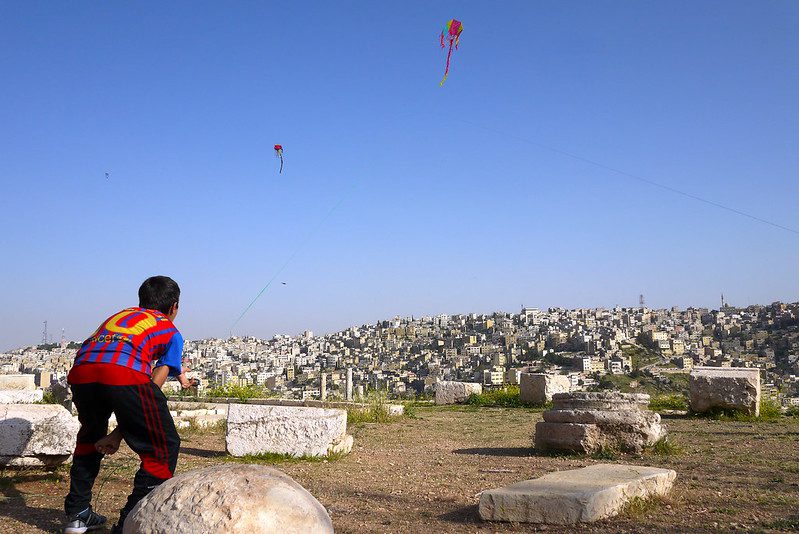
Education is integral to the eradication of poverty. Once people have access to a good education, they are capable of pursuing opportunities that can lift them out of poverty and improve their communities. As such, numerous nonprofits and global organizations are working to provide academic opportunities in less developed countries. The Madrasati Initiative, or the “My School” Initiative, is one of these organizations. Its mission is “to improve the physical and educational environment of Jordan’s most neglected public schools.” Since its creation in 2008, the organization has worked to provide better opportunities and education for children in Jordan, especially those living in poverty.

Public Education in Jordan

While schools in Jordan enjoy “nearly universal primary enrollment and gender parity,” schools still suffer from underdevelopment. As a consequence, students underperform in schools and many students struggle to continue their education once they fall behind.

For example, every student across 338 public schools in Jordan failed the public secondary school examination in 2015. These schools mainly fall within impoverished, rural areas and these statistics indicate “an urgent developmental and humanitarian need” to reform the education system and create new avenues for success.

New factors, such as a significant influx of young refugees and the school shutdowns during the COVID-19 pandemic, exacerbate issues that the public education system faces. As the pressure mounts, schools need better resources and more assistance.

The Madrasati Initiative

Queen Rania Al Abdullah, the queen consort of Jordan, launched the Madrasati Initiative to support education in Jordan back in 2008. The nonprofit organization initially centered on the needs of 500 public schools by operating new programs and partnering with numerous other nonprofits, including the Queen Rania Foundation.

The Madrasati Initiative encompasses several programs. These programs renovate schools, promote social cohesion among refugee students and create additional learning environments, including student clubs and music courses, among other goals.

Madrasati’s Accomplishments

The Madrasati Initiative made significant accomplishments over the years. Since its beginning in 2008, Madrasati served well over the initial 500 public schools, moving on to assist 830 underperforming schools throughout Jordan. In total, Madrasati has reached roughly “360,000 students, 17,500 teachers and 800 volunteers.”

As hundreds of thousands of refugees trickle into Jordan, the Madrasati Initiative creates new avenues for refugee children to advance their career prospects. Madrasati worked under the PROSPECTS program, a global partnership that the Dutch government leads, to address poverty and education issues that refugees face. On May 29, 2021, the Madrasati Initiative, the Ministry of Education and the International Labor Organization hosted an event in Amman, Jordan, to provide career guidance services for 3,000 learners, including Jordanian and Syrian refugees. The event is just one of Madrasati’s many efforts to best uplift refugee children.

Beyond its local impact, the Madrasati Initiative also fosters open dialogues about education in Jordan with students and teachers. For example, on July 4, 2021, Madrasati and other partnering organizations and governments mobilized hundreds of students and teachers in Jordan to support academic activities focusing on “promoting youth’s engagement, leadership and active contribution to advance gender equality and the role of women, particularly young women, in peace and security” in Jordan.

Addressing Ongoing Concerns

In addition to these recent accomplishments, the organization, along with its parent institution, the Queen Rania Foundation, adapted to continue its work under new parameters during the COVID-19 pandemic. For a start, the Queen Rania Foundation’s website features educational resources ranging from simple parent guides to “toolkits” that summarize education research on effecting teaching strategies.

In 2020, the Madrasati Initiative also integrated the Jordanian curriculum into online learning services like Noorspace and Kolibri as students switch to remote learning. This allowed more than 4,000 Jordanian and refugee students to continue their education through online classes.

Through the combined support of teachers, international organizations and the Jordanian government, the Madrasati Initiative can continue its efforts to improve education standards in communities and schools with the greatest need. Though education in Jordan may not be perfect, the Madrasati Initiative continues to give students an invaluable opportunity to look toward their futures.

– Lauren Sung
Photo: Flickr

March 2, 2022
https://borgenproject.org/wp-content/uploads/borgen-project-logo.svg 0 0 Kim Thelwell https://borgenproject.org/wp-content/uploads/borgen-project-logo.svg Kim Thelwell2022-03-02 07:30:252024-06-04 01:18:03The Madrasati Initiative Expands Education in Jordan
Children, Education, Global Poverty, Health

The Brothers Trust And Tom Holland Fight Poverty

The Brothers TrustTom Holland is a famous actor who made his acting debut at 12 years old as Billy in “Billy Elliot the Musical” in 2008. However, Holland is most notably known for playing Spider-Man in the Marvel Cinematic Universe. He made his first appearance as Spider-Man in “Captain America: Civil War” in 2016 and became popular due to Marvel’s large audience. Holland’s parents founded The Brothers Trust charity in 2017, which the whole family plays a role in, including Holland’s three brothers. The organization utilizes Holland’s fame and celebrity reach to fundraise. The funding goes toward supporting small-scale organizations often overshadowed by larger and more popular organizations.
The Start of The Brothers Trust

When The Brothers Trust first began, the Holland family focused on helping to raise money for more local charities, such as Momentum. Momentum is a children’s charity that provides support to families around the South West London area with children battling debilitating illnesses, most commonly cancer. Because Holland and his brothers were born in the same hospital out of which the charity was founded, the Holland family has a special connection to the Momentum charity, and thus, decided to begin their charitable work by supporting Momentum. However, as the organization continued to grow, The Brothers Trust moved to fund charities farther out.

Supporting The Lunchbowl Network

To help eliminate poverty in the world, The Brothers Trust has assisted in raising money for The Lunchbowl Network since their partnership in 2016. The Lunchbowl Network is a charity created in 2006 that, among other efforts, focuses on providing food for the most deprived children within Kibera, an informal settlement in Nairobi, Kenya. In fact, through its Saturday Dinner Programme, The Lunchbowl supplies about 7,640 meals monthly, equating to more than 90,000 dinner meals per year.

In 2019, The Brothers Trust’s fundraising efforts supported the purchase of “two brand new school buses” for The Lunchbowl Network. The buses are used to transport children to school, sports events and recreational school trips. Not only has The Brothers Trust helped raise money for The Lunchbowl but the Holland family also visits the charity to take photos and videos to raise awareness of the struggles that the children in Kibera face.

Artists for Africa

To further reduce poverty, The Brothers Trust supports Artists for Africa. Artists for Africa is a charity that hopes to create a better life for children living in the most poverty-stricken areas of Africa through art and education openings. Currently, Artists for Africa offers arts education for children living in Kuwinda, an informal settlement in Nairobi, Kenya, one of the most densely populated areas with deteriorating infrastructure. Due to these circumstances, Artists for Africa helps provide safe accommodation for those pursuing art and organizes scholarships to allow art students to continue their education.

Art is significant because it “encourages self-expression and creativity.” To add, it can help “build confidence as well as a sense of individual identity.” The Brothers Trust provided eight children with a safe and supportive living environment and arts education by donating $36,000 to the Artists for Africa charity.

How The Brothers Trust Fundraises

The Brothers Trust utilizes different ways to raise funds for the numerous charities it supports. For instance, the Trust raises money through various raffles that give Holland fans the chance to meet him, attend his movie premieres and visit film sets that he works on. As a matter of fact, in November 2021, Holland held a competition allowing a winner to join him in attending the world premiere of “Spider-Man: No Way Home” in Los Angeles, California on December 13, 2021. To join the sweepstakes, people donated money to participate in a lottery system raffle.

Another way to support The Brothers Trust is by joining Holland’s live streaming events that aim to raise awareness for a particular cause and raise funds. On November 18, 2021, Holland hosted a live stream to raise awareness and funds “for Epidermolysis Bullosa (EB), a rare and life-threatening genetic skin disorder that affects children from birth.” When encouraging people to donate, Holland only asks donors to give what they can afford.

Fundraising Through Merchandise

The Brothers Trust also helps raise money by selling merchandise, using the help of small businesses whenever possible. For instance, The Brothers Trust is selling a jigsaw puzzle designed by Jessica Murray (@jmurhop) and created by Wentworth Puzzles. In this way, the Trust is not only helping raise money to support charities but is also garnering support for Murray’s small business. Other available merchandise include mugs, scented candles and dog collars. By buying merchandise, Holland fans can help raise awareness of the organization to help change the world.

The Brothers Trust has seen success in helping many organizations through Holland’s fame and popularity. The Holland family continues to use their platform for the greater good of humanity, ensuring that funding goes to the unnoticed humanitarian organizations that need the most support.

– Kayla De Alba
Photo: Flickr

February 26, 2022
https://borgenproject.org/wp-content/uploads/borgen-project-logo.svg 0 0 Kim Thelwell https://borgenproject.org/wp-content/uploads/borgen-project-logo.svg Kim Thelwell2022-02-26 07:30:192024-12-13 18:02:39The Brothers Trust And Tom Holland Fight Poverty
Child Poverty, COVID-19, Global Poverty

Facts About Poverty in the Canary Islands

Poverty in the Canary Islands
In the Canary Islands, a Spanish archipelago off the coast of Northwest Africa, the beautiful landscapes often distract from the harsher reality of the community: high levels of poverty in the Canary Islands.

Poverty Statistics in the Canary Islands

The Canary Islands has one of the highest poverty rates out of all of Spain’s regions. In 2012, the Canary Islands ranked “fifth out of 17 regions” for the highest levels of relative poverty. In 2013, unemployment levels reached 34%, higher than any other region of Spain, and 38% of residents were facing poverty. Child poverty in the Canary Islands is also high with almost 30% of children living in poverty in 2013, according to UNICEF. Poverty continues to persist in the region with the COVID-19 pandemic only exacerbating the situation further. According to a survey that occurred in the last quarter of 2020, “3.3 million people in Spain” overall faced “a severe lack of necessary items.” However, 15.6% of respondents from the Canary Islands faced the greatest challenges in securing their basic needs until month-end, a percentage higher than that of any other region.

Social Exclusion and Migration

Poverty manifests itself through social exclusion, a lack of access to crucial opportunities and services, such as infrastructure, health care, education and social welfare. In 2018, almost 30% of the Canarian population endured social exclusion, with 334,000 people facing “severe social exclusion.” In addition, foreigners to the Islands face a greater risk of experiencing social exclusion.

The Canary Islands community has seen an uptick in migrants since the start of the COVID-19 pandemic. Previously, migrants usually traveled from sub-Saharan Africa to Mediterranean countries, but due to COVID-19 restrictions in these countries, their paths diverged, leading them to the Canary Islands instead. In 2020, approximately 23,000 migrants from Africa arrived on the Canary Islands’ shores. The pandemic-induced increase in both poverty levels and the migrant population places strain on the archipelago, where a lacking job market only becomes more competitive and health officials struggle to detect COVID-19 as migrants arrive. These migrants experience greater rates of social exclusion as more barriers stand in the way to the resources they need to survive.

A Solution to Spain’s Poverty Overall

In May 2020, the Spanish government gave its approval for “a minimum income scheme” to aid about 850,000 of the most impoverished households across the country, bringing positive impacts to around 2.3 million people overall. The Spanish government commits to providing eligible households with an income of between €462 ($514) and €1,015 ($1,130) per month. Government officials expect the program to decrease extreme poverty by 80% and lower high poverty rates by 60%. This initiative aids the Canary Islands as it is a region of Spain, but the program does not target poverty specifically in this area.

Looking ahead, more initiatives that directly impact the Canary Islands would best help improve the region’s circumstances of poverty. More targeted programs by national and local governments, as well as non-governmental organizations, can help reduce poverty in the Canary Islands.

– Aimée Eicher
Photo: Flickr
February 23, 2022
https://borgenproject.org/wp-content/uploads/borgen-project-logo.svg 0 0 Jennifer Philipp https://borgenproject.org/wp-content/uploads/borgen-project-logo.svg Jennifer Philipp2022-02-23 01:30:412024-06-04 01:08:52Facts About Poverty in the Canary Islands
Child Poverty, Children, Education, Global Poverty

Effective Language of Instruction Policies Combat Learning Poverty

Effective Language of Instruction
According to the World Bank, children are more likely to succeed and stay in school if they are taught in their native languages. However, about 37% of children who attend schools in low- and middle-income countries receive education in foreign languages, which puts them at an educational disadvantage. Effective language of instruction policies can help reduce learning poverty and improve children’s learning experiences. As a result, children are more likely to succeed in foreign languages and subjects like math and science, which can open up career opportunities down the line. Because educational attainment is a proven pathway out of poverty, the effective language of instruction policies must become a global priority.

The Effective Language of Instruction Policies

The World Bank lays out an approach to the effective language of instruction through public policy. The first principle of the World Bank’s approach is to educate children in their native languages up until at least their sixth year of primary school. The second principle states that children should have the opportunity to learn all academic subjects in their native language, not just reading and writing. Third, second languages at the primary school level must take the form of foreign language classes that begin with an emphasis on oral communication skills. Fourth, native language instruction should continue in schools even when “a second language becomes the principal language of instruction. “And finally, governments should continue to introduce effective language of instruction policies over time in order to best serve students and their countries.

Early Benefits

Limited access to effective language of instruction can hinder a student’s learning process as early as kindergarten. Children in low- and middle-income countries often lack access to educational resources at home, therefore, attending a school with ineffective language of instruction creates additional disadvantages for students. When children have access to effective language of instruction, they are more likely to excel in reading and writing, which are valuable tools in learning most other subjects. Children with access to education in reading and writing are more likely to engage in classes and schoolwork. Reading and writing skills can also help students excel in the real world, giving them career opportunities once they leave school.

A Foundation for the Future

Children who reap the most benefits from these policies often come from families with socioeconomic disadvantages. When a child’s family is unable to compensate for a lack of effective language of instruction at school, the child is more likely to drop out of school, repeat grades, experience learning poverty and receive a lower quality education overall, according to the World Bank. Effective language learning offers children opportunities to escape learning poverty, complete school and use the skills they learn to develop careers. The World Bank also finds that these policies reduce national education costs per student and in turn, allow governments to put more funding into achieving equal and quality education systems.

Learning poverty affects children all over the world and it often begins at a very young age. Effective language of instruction can benefit students everywhere and is particularly valuable for children in low- and middle-income areas, where learning opportunities may be scarce. Native language education lays out a foundation for student success, professional opportunities and national advancement, enabling children to break cycles of poverty.

– Cleo Hudson
Photo: Unsplash

February 9, 2022
https://borgenproject.org/wp-content/uploads/borgen-project-logo.svg 0 0 Jennifer Philipp https://borgenproject.org/wp-content/uploads/borgen-project-logo.svg Jennifer Philipp2022-02-09 01:30:032022-01-31 09:38:27Effective Language of Instruction Policies Combat Learning Poverty
Children, Global Poverty

Initiatives Against HIV in Haiti

HIV in Haiti
With an estimated “2.2% of adults” noting an HIV-positive status in 2010, Haiti faces “the largest [HIV] epidemic in the Caribbean.” In 2020, 150,000 children and adults in Haiti lived with HIV. People older than the age of 15 made up 93% of this population. In addition, 20% of Haitians living with the disease are unaware that they are HIV-positive. To help reduce the prevalence of HIV in Haiti, several initiatives are currently underway, run by the Centers for Disease Control and Prevention (CDC), UNAIDS and the Elizabeth Glaser Pediatric AIDS Foundation.

CDC Initiatives

Since the CDC’s Division of Global HIV & TB opened its office in Haiti in 2002, the CDC has launched several initiatives to address the country’s HIV epidemic. The first aim is to strengthen health systems by training medical personnel, supporting staffing needs and strengthening the Haitian Ministry of Health’s governance. The CDC has also aided in the development of the iSanté national electronic medical record (EMR) software to better monitor and track HIV patient data. These innovative tools help inform evidence-based treatment for this disease. In 2018, iSanté, “along with two other EMR systems,” could monitor the data of “96% of HIV care and treatment sites.”

Another goal of the CDC office in Haiti helps improve laboratory resources. Through a collaboration with the National Public Health Laboratory and GHESKIO, a medical treatment, research and training center in Port-Au-Prince, Haiti, the CDC has helped develop and expand several HIV testing methods. In addition, the CDC assisted in developing “an external quality assurance program and a training curriculum” to support lab accreditation.

Community-led Monitoring

With support from UNAIDS, the Ministry of Public Health and Population and the U.S. government via the United States President’s Emergency Plan for AIDS Relief (PEPFAR), Haiti’s Civil Society Forum Observatory has initiated “community-led monitoring,” a program through which people living with HIV hold each other accountable throughout treatment. Community members are familiar with HIV patients from their community, and when patients do not follow through on treatments or follow-ups, community members know how to best communicate with them and encourage them to return. Community-led monitoring can provide valuable feedback on service delivery from a patient perspective, helping to improve on existing issues “to retain people in care.”

Community-led monitoring reveals the weaknesses of treatment plans for HIV in Haiti and brings corresponding solutions to light. For example, due to insight from community-led monitoring, the Civil Society Forum Observatory brings to light a need to increase the window of service hours and decrease patient wait times. It also recommends that stable HIV patients receive a six-month supply of antiretroviral medication. Through community-led monitoring and other resources, Haiti was able to allocate multiple months’ supplies of antiretroviral medicines to 88% of HIV patients during the COVID-19 pandemic.

Elizabeth Glaser Pediatric AIDS Foundation

The Elizabeth Glaser Pediatric AIDS Foundation strives to combat pediatric HIV worldwide through advocacy, research and initiatives for prevention and treatment. Although most HIV patients in Haiti are adults, 8,000 children younger than 15 lived with HIV in Haiti in 2020. Thus, addressing pediatric HIV in Haiti is an important health initiative.

Toward the latter part of 2020, the Foundation began its work in Haiti with the Delivering Technical Assistance Project. The project offers “cost-effective technical assistance (TA), capacity building and program implementation services” to HIV reduction programs. The technical assistance includes program management training, mentorship, consultations and workshops for health care workers.

These strategies, and many others throughout the country, are successfully helping lower HIV rates in Haiti. As organizations continue to implement HIV reduction plans, the severity of the HIV epidemic in Haiti may see a decline in the years to come.

– Aimée Eicher
Photo: Flickr

February 8, 2022
https://borgenproject.org/wp-content/uploads/borgen-project-logo.svg 0 0 Jennifer Philipp https://borgenproject.org/wp-content/uploads/borgen-project-logo.svg Jennifer Philipp2022-02-08 01:30:162024-05-29 23:15:05Initiatives Against HIV in Haiti
Children, Developing Countries, Development, Education, Global Poverty, Health

Poverty and the Drug Trade in Myanmar

Drug Trade in Myanmar
The drug trade in Myanmar is a critical contributing factor to poverty in the country. However, the relationship between the drug trade and poverty in Myanmar is very nuanced and complex. Factors such as decades of civil war, the military coup and foreign economic sanctions create complications in addressing the relationship between poverty and narcotics.

The Drug Trade in Myanmar

The drug trade in Myanmar is both a large-scale and persistent problem. Myanmar is central to the narcotics trade throughout Southeast Asia. In fact, Myanmar is one of the largest producers of synthetic drugs in the world. Along with ongoing conflicts, the drug trade is an issue that the country has grappled with for decades.

The lack of development and economic opportunity within the nation is an essential contributing factor to the scale of the drug trade in Myanmar. The United Nations Office on Drugs and Crime (UNODC) recognizes that lack of rural development means few viable economic alternatives for impoverished rural communities other than engaging in the drug trade.

UNODC recognizes that creating jobs and other industries in rural areas stands as a potential solution for mitigating the drug trade. By providing alternative forms of income to Myanmar’s rural impoverished, it would be less necessary for people to rely upon drug production for income.

In an interview with The Borgen Project, the director of Counter-Narcotics Interdiction Partnerships at Rigaku Analytical Devices and former U.S. Drug Enforcement Administration (DEA) attaché to the Myanmar government from 2017 to 2019, Michael Brown, discussed the relationship between narcotics and poverty. Brown noted that the lack of economic development and the prevalence of the drug trade in Myanmar are two of the central pillars of instability and poverty in the country.

Conflict, Coup and the Drug Trade

Decades of conflict in Myanmar play a central role in the prevalence of the widespread drug trade in the country. Brown discusses how many of the armed groups fighting the government of Myanmar have become heavily reliant on the drug trade. Essentially, armed groups utilize the drug trade in Myanmar to support their war efforts against the government.

In addition, much of the country’s most productive regions for drugs are directly under the control of various armed groups. Armed groups view poppy fields and synthetic drug laboratories as a vital economic resource. Brown also told The Borgen Project that some of these armed groups have essentially abandoned their initial political motivations for fighting the government of Myanmar. Instead, the groups have shifted their focus to operating as criminal organizations that focus on drug production and distribution activities.

The coup that occurred in February 2021 has also created complications in addressing poverty and the drug trade in Myanmar. Political instability from the most recent coup significantly compromises the ability of the nation to combat the issue of the drug trade. Additionally, much of the international community has levied sanctions on Myanmar, creating economic upheavals that the U.N. predicts will drive more people into the drug trade to make ends meet. Brown also noted that the military could no longer focus on combating the drug trade as its first priority is maintaining the military government’s rule.

Poverty and the Impact of COVID-19

The pandemic also heavily impacts the relationship between poverty and the drug trade in Myanmar. Much like the economic sanctions stemming from the coup, the pandemic has created economic upheavals that could make the drug trade more appealing to those seeking to make ends meet. Since the onset of the pandemic, more than 80% of families have reported a loss of income. Rising food and fuel prices also undermine food security.

Efforts to Help

Brown explains that the coup and the following economic sanctions against Myanmar make it more difficult for the international community to help the nation combat poverty or the drug trade. Despite this, he discusses that the U.S. DEA, U.S. companies such as Rigaku and law enforcement in Myanmar have worked together successfully in the past to combat the drug trade in Myanmar. For example, several years ago, Operation Viper successfully curtailed the flow of precursor chemicals into the country essential to synthetic drug production.

To address the effects of worsening rates of poverty in the country due to the impacts of both COVID-19 and the military coup, the Myanmar Red Cross stepped in to provide emergency humanitarian assistance. The organization mobilized its volunteers to provide “lifesaving first aid, health care and ambulance services” to citizens amid political unrest. According to the Red Cross website, “since February [2021], 2,000 volunteers have provided first aid services to more than 3,000 people.” The Myanmar Red Cross is also supporting people with both food and cash assistance.

Mercy Corps recognizes that strengthening economic prospects for impoverished citizens helps to both keep them out of the drug trade and raise them out of poverty. By increasing the economic prospects of farmers in Myanmar’s rural and conflict-riddled regions — areas that typically form the centers of the drug trade in Myanmar — Mercy Corps has addressed the issue at its roots. Mercy Corps helps farmers “increase productivity and incomes by accessing new technologies, adopting diversified and environmentally-friendly agricultural practices and accessing financial services like loans and insurance.” Mercy Corps also addresses the instability in Myanmar by working to enhance the agency of individuals and communities with programs designed to increase trust, accountability and conflict resolution.

Looking Ahead

For years, the vibrant drug trade in Myanmar has been a critical component of poverty in the country. Armed groups looked toward narcotics as an economic base. In addition, the lack of economic development in many parts of the country and economic upheavals from the pandemic and foreign economic sanctions make the drug trade a more appealing source of income. Despite efforts to provide direct assistance to the impoverished of Myanmar and to curtail the narcotics industry, much work remains to address the relationship between poverty and the drug trade in Myanmar.

– Coulter Layden
Photo: Flickr

January 31, 2022
https://borgenproject.org/wp-content/uploads/borgen-project-logo.svg 0 0 Jennifer Philipp https://borgenproject.org/wp-content/uploads/borgen-project-logo.svg Jennifer Philipp2022-01-31 01:30:512022-01-26 02:43:52Poverty and the Drug Trade in Myanmar
Page 35 of 137«‹3334353637›»

Get Smarter

  • Global Poverty 101
  • Global Poverty… The Good News
  • Global Poverty & U.S. Jobs
  • Global Poverty and National Security
  • Innovative Solutions to Poverty
  • Global Poverty & Aid FAQ’s
Search Search

Take Action

  • Call Congress
  • Email Congress
  • Donate
  • 30 Ways to Help
  • Volunteer Ops
  • Internships
  • Courses & Certificates
  • The Podcast
Borgen Project

“The Borgen Project is an incredible nonprofit organization that is addressing poverty and hunger and working towards ending them.”

-The Huffington Post

Inside The Borgen Project

  • Contact
  • About
  • Financials
  • President
  • Board of Directors
  • Board of Advisors

International Links

  • UK Email Parliament
  • UK Donate
  • Canada Email Parliament

Get Smarter

  • Global Poverty 101
  • Global Poverty… The Good News
  • Global Poverty & U.S. Jobs
  • Global Poverty and National Security
  • Innovative Solutions to Poverty
  • Global Poverty & Aid FAQ’s

Ways to Help

  • Call Congress
  • Email Congress
  • Donate
  • 30 Ways to Help
  • Volunteer Ops
  • Internships
  • Courses & Certificates
  • The Podcast
Scroll to top Scroll to top Scroll to top