• Link to X
  • Link to Facebook
  • Link to Instagram
  • Link to TikTok
  • Link to Youtube
  • About
    • About Us
      • President
      • Board of Directors
      • Board of Advisors
      • Financials
      • Our Methodology
      • Success Tracker
      • Contact
  • Act Now
    • 30 Ways to Help
      • Email Congress
      • Call Congress
      • Volunteer
      • Courses & Certificates
      • Be a Donor
    • Internships
      • In-Office Internships
      • Remote Internships
    • Legislation
      • Politics 101
  • The Blog
  • The Podcast
  • Magazine
  • Donate
  • Click to open the search input field Click to open the search input field Search
  • Menu Menu

Archive for category: Children

Information and stories addressing children.

Children, Developing Countries, Development, Education, Global Poverty, Health

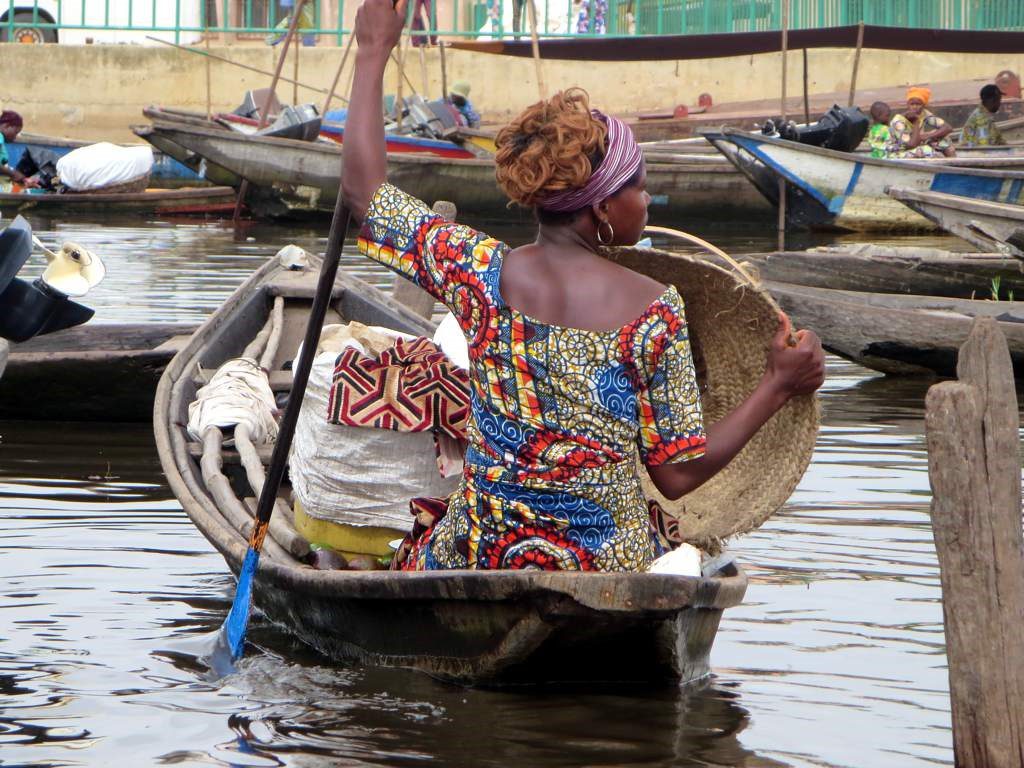
How the Batonga Foundation is Empowering Women

Empowering Women
Angélique Kidjo is an African singer. She was born on July 14, 1960, in the city of Ouidah, in what is now Benin. Kidjo sings in many different music styles (Afropop, jazz, gospel, Latin, etc.) and languages, as she is fluent in five. She has received many musical accolades, including four Grammy awards. Kidjo began her activist career in 2002 when she became a UNICEF Goodwill Ambassador. She founded the Batonga Foundation in 2006, which focuses on empowering women in Benin and surrounding countries.

Women’s Education and Rights in Benin

Benin is a francophone country located in West Africa. The country gained independence from France in 1975, when its name changed from Dahomey to the People’s Republic of Benin. As of 2020, Benin had a population of approximately 12 million. Beninese people speak an estimated 68 languages with the most common ones being French, Fon, Yom and Yoruba.

Benin’s economy relies mainly on agriculture and trade with Nigeria. It grew by approximately 6.6% in 2021 according to the World Bank. In 2019, Benin’s poverty rate was 38.5%, an 11% drop from 2015.

Beninese women meet obstacles including poverty, familial expectations and forced marriages early in their life stopping them from progressing educationally. Kidjo’s Batonga Foundation highlights that uneducated young women end up married before turning 18. Although the literacy rate among Beninese youth has risen in recent years, in 2018 among individuals ages 15 to 24, males had a 69.76% literacy rate and females had a 51.94% rate. Additionally, young women have often been pushed away from education due to long, inflexible hours unrelenting to girls expected to do housework often. Teachers are mainly male and perpetuate gender stereotypes in their classrooms.

Batonga Foundation

Kidjo founded the Batonga Foundation in 2006, alongside Mary Louise Cohen and John Philips, with the aim of empowering young African women. The foundation is named after her 1991 song, “Batonga.” Kidjo has always been an avid gender equality advocate and recognized the potential of her continent. Growing up, she saw her peers not pursue higher education and work low-income jobs, which is one of several factors that inspired Kidjo to found the project.

Kidjo’s Batonga Foundation primarily supports and invests in secondary and higher education for girls in Benin in multiple ways. Some examples are granting scholarships, building secondary schools and providing mentoring programs.

Among the Batonga Foundation’s goals is empowering young women economically. Young Women Business Circles connect female entrepreneurs ages 18 to 30 with access to a trained business expert, a mentor and 20 to 25 peers. The women receive business and financial literacy help and small business seed funding.

Additionally, the Batonga Foundation hosts 126 Leadership Clubs. The clubs are safe spaces for adolescent girls to meet with peers and gain access to an older female mentor. Mentors at these clubs teach the girls about reproductive health, financial literacy, economic independence and leadership.

Batonga Foundation Accomplishments

In the 16 years and counting that the Batonga Foundation has been in action, it has achieved a significant amount.

Kidjo’s foundation has supported more than 3,000 young women and girls, reaching 15 rural communities. There are 50 Young Women Leadership Clubs, 55 Batonga mentors and 126 Leadership Clubs. Through her hard work in activism and frequent trips to Africa, Kidjo has supported thousands of young women on the path to independence and success.

– Sophie Buibas
Photo: Flickr

June 15, 2022
https://borgenproject.org/wp-content/uploads/borgen-project-logo.svg 0 0 Kim Thelwell https://borgenproject.org/wp-content/uploads/borgen-project-logo.svg Kim Thelwell2022-06-15 01:30:452024-05-30 22:26:05How the Batonga Foundation is Empowering Women
Children, Development, Global Poverty, Human Trafficking, Humanitarian Aid

Reducing Human Trafficking in Ireland

Human Trafficking in Ireland
Human trafficking in Ireland is higher than the official statistics report. In fact, Ireland stands as a Tier 2 Watch List country for a second year in relation to efforts to eliminate human trafficking, according to the U.S. Department of State. The U.S. Department of State compiles annual Trafficking in Persons Reports that rank governments in their efforts to end human trafficking.

The Tier 2 Watchlist country ranking means the government is not meeting the minimum standards of the Trafficking Victims Protection Act of 2000 (TVPA) but is actively working to meet those standards. The TVPA establishes “methods of prosecuting traffickers, preventing human trafficking and protecting victims and survivors of trafficking.”

Why is Ireland a Tier 2 Watch List Country?

The Ireland government has made many efforts to align with the TVPA, such as “designating an independent human trafficking national rapporteur and establishing a formal national anti-trafficking forum” and starting a “national anti-trafficking public awareness campaign.” The Irish government has also extended monetary support for victim assistance, awareness efforts and anti-trafficking training.

Despite these efforts, Ireland did not demonstrate an overall increase in growth from the previous 2020 Trafficking in Persons Report (TIP). The government continued to struggle with victim identification and assistance and lacked support services for victims. The 2021 TIP Report specifies that the Irish government “investigated and prosecuted fewer suspected traffickers, did not prosecute any labor traffickers and victim identification decreased for the fourth year in a row.”

Ireland’s Response to the 2021 TIP Report

“While there have been some positive efforts, including the appointment of the Commission as rapporteur, and in recent weeks, the first trafficking conviction since 2013, the reality today is that Ireland continues to fall below minimum standards compared to other developed nations,” Chief Commissioner of the Irish Human Rights and Equality Commission Sinéad Gibney said in July 2021.

“It was very disappointing that the U.S. State Department did not acknowledge the significant progress made by Ireland over the past 12 months as sufficient to upgrade our ranking in the latest Trafficking in Persons Report, I am confident that the work we are doing should be reflected in the next TIP Report and that Ireland’s ranking should be upgraded accordingly,” Minister of State at the Department of Justice Hildegarde Naughton said in a September 2021 parliamentary discussion.

Is Human Trafficking in Ireland Improving?

From 2017 to 2019, Ireland detected 181 trafficking victims, while from 2019 to 2021, Ireland detected 124 victims, which equals about a 30% decrease. This decrease may link to the global COVID-19 travel restrictions.

The 2021 TIP Report said that authorities identified 38 victims in 2020, the lowest number of identified victims since 2013.

Overall, human trafficking in Ireland is reducing according to the numbers, but the 2021 TIP Report says that there are even more victims than official statistics say and does not provide conclusive insight as to why. The 2021 TIP Report stated that an “independent and comprehensive 2021 study found that from 2014-2019, the true number of trafficking victims was approximately 38[%] higher than the official national statistics.”

The 2021 TIP Report does indicate that traffickers traffic victims from other regions such as Africa, Asia, Eastern Europe and South America, and recently, countries including Brazil, Indonesia, Nigeria, Pakistan and Romania.

Organizations Working to End Human Trafficking in Ireland

Ruhama is an Irish non-governmental organization that emerged in 1989 to provide “support to women impacted by prostitution, sex trafficking and other forms of commercial sexual exploitation.” Ruhama offers free services that differ depending on each woman’s circumstances and experiences, including a care plan, counseling and therapy, education and development programs, legal support, housing support, health and wellness support and more. In 2021, Ruhama helped 369 women, with 136 women victims of sex trafficking.

Doras is an anti-trafficking organization that has been helping those affected by human trafficking in Mid-West Ireland since 2011. Its priorities in anti-trafficking advocacy include rehabilitation programs for victims, improved identification and assisting of victims, “increased penalties and custodial sentences” for those benefiting from prostitution, “safe and appropriate gender-specific accommodation” for survivors and more.

As of now, the total victim count for human trafficking in Ireland is decreasing and the government and other organizations are continuing to accelerate efforts to reduce the prevalence of human trafficking in Ireland, prevent it and educate on it, while helping survivors, and identifying victims and accurately reporting information.

– Dylan Olive
Photo: Flickr

June 6, 2022
https://borgenproject.org/wp-content/uploads/borgen-project-logo.svg 0 0 Kim Thelwell https://borgenproject.org/wp-content/uploads/borgen-project-logo.svg Kim Thelwell2022-06-06 07:30:442024-05-30 22:26:02Reducing Human Trafficking in Ireland
Children, COVID-19, Developing Countries, Development, Global Poverty, Health

The Impact of COVID-19 on Poverty in Sudan

Impact of COVID-19 on Poverty in Sudan
The African nation of Sudan has faced ongoing turbulence. The country has endured violent conflict, transfers of power and severe economic turmoil. For Sudanese citizens, one current and very dangerous threat is the impact of COVID-19 on poverty in Sudan.

Political and Economic Challenges in Sudan

In the last 70 years, Sudan has seen two civil wars. The first lasted from 1955 to 1972 and the second began in 1983 and ended in 2005. Six years later, in 2011, Sudan split in two as a portion of the country seceded and became the independently-governed South Sudan. However, the data this article presents is not applicable to South Sudan.

Most of Sudan’s society is tribal and many citizens live in rural nomadic communities. The economy is struggling and COVID-19 has worsened these circumstances. According to the latest available data from UNICEF’s 2018-2021 Country Programme document, about 36% of the population is currently impoverished and a quarter of all Sudanese citizens live in extreme poverty.

Before 2011, oil accounted for 95% of Sudan’s exported goods, but Sudan lost all that revenue when the country split, which damaged the already fragile economy even further. When the South Sudanese civil war broke out in 2013, refugees rushed north and Sudan saw a dramatic increase in refugees. As of September 2021, Sudan hosts more than 1.1 million refugees from other countries, adding to Sudan’s strain.

The Arrival of COVID-19 in Sudan

As is the case with many low-income countries, the arrival of COVID-19 in Sudan presented significant challenges. Limited resources make it difficult to stop outbreaks. Due to minimal resources, case reporting and testing lag behind and the vaccine rollout is small-scale. As of May 1, 2022, Sudan has administered slightly more than 7 million vaccine doses, which covers slightly more than 16% of the population.

April 2019 marked then-President of Sudan Omar al-Bashir’s removal from office, and the following September, a new system of government came into place. Thus, it is unsurprising that when the pandemic began, the new government was ill-equipped to deal with it. Many health services had no choice but to shut down due to high rates of mortality and infection among employees.

After the appearance of the first COVID-19 cases in March 2020, the Sudanese government imposed a lockdown that lasted from April 2020 to July 2020, although this proved ineffective due to community resistance and insufficient law enforcement.

Impact of COVID-19 on Poverty in Sudan

As the second wave of COVID-19 in Sudan hit in November 2020, mortality rates began to rise among citizens of all ages. At the highest mortality point, one out of every five intensive care patients died from COVID-19.

COVID-19 also threatens Sudanese food security. A “survey of 4,032 rural and urban households across the 18 states of Sudan” from June 16, 2020, to July 5, 2020, reveals “the socio-economic impact of COVID-19.” More than 50% of people in Sudan could not access main staple foods. Many people had to change their practices regarding food and almost half of the families surveyed reported food security concerns.

Most people have not received any type of aid from the government. At the time of the survey, around two-thirds of previously employed citizens had not returned to work.

USAID Assists Sudan

Fortunately, the United States is lending a hand, and as of February 2022, USAID has donated more than 1.2 million vaccine doses and $98 million to assist Sudan with COVID-19. Aside from vaccine rollout, USAID is also assisting with food and water distribution, sanitation, COVID-19 testing, clinical management and public information efforts. USAID mission director, Mervyn Farroe, said in a statement, “USAID/Sudan is committed to building back a better world, one that is better prepared to prevent, detect and respond to future biological threats, and where all people can live safe, prosperous and healthy lives.”

Overall, the impact of COVID-19 on poverty in Sudan has been hard-hitting. The country has endured significant stress for decades and recent political events compound issues and place grave strain on the economy. With more than a million refugees, a quarter of the population in extreme poverty and continuing impacts from the secession, COVID-19 in Sudan is the latest in a long list of reasons why Sudan is in dire need of international aid.

– Mia Sharpe
Photo: Flickr

June 5, 2022
https://borgenproject.org/wp-content/uploads/borgen-project-logo.svg 0 0 Kim Thelwell https://borgenproject.org/wp-content/uploads/borgen-project-logo.svg Kim Thelwell2022-06-05 01:30:162024-05-30 22:26:01The Impact of COVID-19 on Poverty in Sudan
Children, Development, Global Poverty, Health, Human Trafficking

Human Trafficking in Kosovo

Human trafficking in Kosovo
Human trafficking in Kosovo has been a focal point of the fight against human trafficking. The main victims within the nation are young girls who traffickers force to work in the sex trade. While this problem still persists, the government is making active efforts to lessen the prevalence of the issue.

The Causes of Kosovo’s Trafficking Epidemic

Ethnic tensions between Serbians and Albanians residing in Kosovo have worked to increase human trafficking in the nation. Speculations determined that peace-keeping forces placed in Kosovo to prevent the two groups from clashing led to a large demand for sex workers. Trafficking rose to meet the demand. Before Kosovo’s official declaration of independence in 2008, young girls, who were trafficking victims, came from neighboring countries. However, independence meant more secure borders. As a result, the traffickers looked inward, targeting young Kosovan girls.

Human trafficking in Kosovo is undoubtedly a profitable business. It is estimated that a female forced into sexual exploitation in Western Europe can create around $67,200 in profit for her captors. Such a profitable industry is not one that many criminals or corrupt officials can ignore. GlobalPost found that Kosovan government officials were profiting from or taking part in the sexual aspect of trafficking in the past, but they never faced any charges.

Fight Against Human Trafficking

According to the U.S. Department of State, Kosovo qualifies as a Tier 2 country, meaning that while it does not meet every standard set for eliminating human trafficking, it is making a solid effort. These efforts include implementing new standard operating procedures, meant to increase prosecution efficiency. The government of Kosovo also dedicated more funds and resources to helping victims of human trafficking. A big part of this was the opening of state-run shelters for these victims.

These new measures are a massive improvement from a government that GlobalPost said is profiting off of the human trafficking industry in the nation. However, the problem is far from disappearing. Despite the high rates of human trafficking in Kosovo, very few traffickers face convictions. Kosovo’s Criminal Code sentences convicted traffickers to five to 12 years in prison. Of those convicted, most only serve between seven and 18 months, according to ONETrack International.

Next Steps

A report that the Council of Europe’s anti-trafficking group, GRETA, published, outlined improvements that Kosovo could make to lessen the prevalence of human trafficking in the nation. GRETA stresses the importance of ensuring the prioritization of trafficking cases in Kosovo’s judicial system. As well as this, GRETA emphasizes identifying victims of human trafficking, specifically child trafficking. A large portion of the trafficking victims in Kosovo are actually from Albania. Partly because of ethnic tensions, the country often deports these children back to their home country before making proper identification, greatly lessening the chance of catching the perpetrator of the crime.

The U.S. Department of State has also outlined recommendations to reduce human trafficking in Kosovo. It again emphasized prosecution and sentencing, with higher conviction rates and longer sentences as key points of discussion. Another measure Kosovo should take into account is the training of judiciary officials in each region so they can properly manage cases of human trafficking. It is unclear if Kosovo plans to implement any of these recommendations, but given the recent successes of the victim shelters and regionally assigned officials, some optimism remains.

– Thomas Schneider
Photo: Flickr

June 4, 2022
https://borgenproject.org/wp-content/uploads/borgen-project-logo.svg 0 0 Jennifer Philipp https://borgenproject.org/wp-content/uploads/borgen-project-logo.svg Jennifer Philipp2022-06-04 01:30:182022-05-20 14:12:08Human Trafficking in Kosovo
Child Poverty, Child Poverty, Children, Development, Global Poverty, Health

How Poland is Alleviating Child Poverty in Ukraine 

Child Poverty in Ukraine
The impact of war is increasing child poverty in Ukraine at an unprecedented pace and redefining what it means to be a Ukrainian child in need. As the Russian invasion of Ukraine forces nearly two-thirds of Ukrainian children to flee their homes, refugee crisis milestones not seen since WWII are being reached. UNICEF estimates that the war has resulted in 4.3 million displaced Ukrainian children, with nearly 2 million of those children now refugees.

Poland Responds as Child Poverty in Ukraine Reaches Its Borders

Response by European countries has been swift and impactful. Many have opened their borders to those fleeing Ukraine, including Romania, Germany, Moldova, Slovakia, Hungary, Italy, the Czech Republic and more. The largest influx of refugees by far has been in Poland, with nearly around 3 million Ukrainian nationals crossing its border, 1.1 million of whom are children.

Poland’s response has been remarkable. In addition to opening its borders to millions of Ukrainian refugees, the neighboring country has enacted new governmental protections as a way to support those fleeing Russian aggression and curb further social and economic trauma. In March 2022, the Polish parliament passed an act offering legislative and financial support for Ukrainian nationals entering Poland.

Social and Financial Benefits

  • A Home Away From Home – As a result of the new law, all Ukrainian nationals who enter Poland due to the Ukrainian invasion, have a right of residency to remain in Poland for 18 months. There is also an option to extend residency benefits an additional 18 months, should it be necessary.
  • Financial and Social Benefits – Families receive monthly stipends per child as well as financial assistance to pay for school supplies and nursery school. Ukrainians receive cash allowances for subsistence and businesses that assist in supporting displaced Ukrainians will also receive financial assistance for 60 days. Additionally, all Ukrainian refugees have access to the Polish health care system.
  • Education for All Children – Under the new act, Ukrainian children receive the same educational opportunities as Polish nationals. Language accommodations for children who do not speak Polish are provided, while college-age Ukrainian nationals are able to continue their higher education at Polish universities.
  • Work Opportunities – Ukrainian refugees can legally work in Poland, without having to apply for work permits, thus enabling them to provide financial support for their families by having access to the Polish labor market.
  • Open Hearts and Homes – In addition to the new law that parliament passed, many Polish families are hosting Ukrainian refugees in their own homes. By providing food and shelter, Polish citizens are trying to right many wrongs they fear could threaten their own families in the future.

Looking Ahead

As the war in Ukraine continues, measures like these will help Ukrainian children counter the long-term effects of war. More work is necessary, however, as the U.N. fears that the Russian invasion will undo 18 years of economic growth, with most Ukrainian families now at risk for extreme poverty and vulnerability within the next year. While Poland has offered generous subsistence, concerns about the sustainability of such efforts are many.

With many European countries opening their borders to refugees and taking on similar measures, progress in alleviating child poverty in Ukraine is transforming into a global response.

– Michelle Collingridge
Photo: Flickr

May 31, 2022
https://borgenproject.org/wp-content/uploads/borgen-project-logo.svg 0 0 Jennifer Philipp https://borgenproject.org/wp-content/uploads/borgen-project-logo.svg Jennifer Philipp2022-05-31 01:30:082024-06-04 01:08:52How Poland is Alleviating Child Poverty in Ukraine 
Charity, Children, Developing Countries, Development, Global Poverty

7 US charities operating in Palestine (the Occupied Palestinian Territories)

Charities Operating in Palestine
Government aid initiatives can take years to create, revise and implement, but through supporting charities, everyone and anyone can help those who need it most. While waiting for new foreign aid dollars to materialize, local and international charities can provide direct impact to support goals to reduce hunger, disease and poverty. International charities have the wherewithal to improve overall living conditions in developing areas throughout the world. With ongoing humanitarian issues in the occupied Palestinian territories and recent violence in Gaza, United States citizens can support the seven large U.S.-based charities operating in Palestine. These seven organizations strive to help reduce poverty, provide emergency medical care, improve education and health care and secure access to clean water. Each of the seven established charities operating in Palestine has an incredible impact on those it serves and can further the goal of eliminating global poverty.

1. Islamic Relief USA (IRUSA)

Islamic Relief USA is an independent non-governmental organization (NGO) that has been operating in the United States since 1993. It provides support to those in need in Palestine and elsewhere.  IRUSA has many successful programs that provide food aid and address family sustainability as well as safe water and sanitation support. For example, IRUSA recently provided food assistance to 4,160 families in Gaza so they could purchase food for Ramadan. Its clean water and sanitation initiatives have prevented flooding and contamination in long-term programs. As a U.S.-recognized charity, IRUSA maintains active relationships with the federal government. It ensures all donations are in compliance with U.S. regulations. IRUSA has a clear role in decreasing poverty and addressing health concerns in Palestine.

2. Anera

Anera is a U.S.-registered NGO that targets charitable donations toward emergency relief and sustainable programs for Palestinian refugees and vulnerable communities. It receives funding from the United States Agency for International Development (USAID) and the State Department to continue bringing medical aid, safe water, education, long-term security and better hygiene to poor Palestinian communities. In 2021, Anera provided 120 awareness classes for waterborne illnesses and 117,175 hot meals for struggling families. That year, it also installed six water purification systems in Gaza and connected 1,152 homes with safe water.

3. Palestine Children’s Relief Fund

The Palestine Children’s Relief Fund (PCRF) is a U.S. humanitarian aid group based in Ohio. PCRF focuses on providing sick and injured Palestinians with care. PCRF volunteers from around the world staff its medical missions. Importantly, it has created two Palestinian cancer centers. It has also provided 2,000 sick and injured children free medical care. PCRF touts a four-star rating with Charity Navigator, the largest U.S. charity evaluator.

4. United Palestinian Appeal

United Palestinian Appeal (UPA) is a non-political, U.S.-based organization that aims to eliminate suffering and promote long-term socio-economic and cultural development in Palestine. UPA has reached a four-star rating with Charity Navigator. Its donations support programs in health and wellness. They also boost Palestine’s community and economic development, education quality and cultural outreach. During the last decade, UPA has installed solar energy systems in schools in Gaza, and built a craniofacial surgery center in the West Bank.  It has also constructed three harbors. Finally, UPA also provides emergency aid to help marginalized victims during crises.

5. Middle East Children’s Alliance

Middle East Children’s Alliance (MECA for Peace) strives to “protect the rights and improve the lives of children in the Middle East.” It does this through direct aid including medical aid, food, hygiene kits and clothes to people in need in Palestine, Iraq and Lebanon. In addition, MECA for Peace provides financial support to clinics, schools, counseling centers, parks and libraries. Recent diverse projects include building water purification systems in underdeveloped schools and providing university scholarships to allow students to continue their education and help their communities prosper.

6. Muslim Aid USA

Muslim Aid USA (MAUSA) provides assistance through emergency response, health care support and providing clean water and food aid. It also focuses on boosting economic development and improving education. Finally, MAUSA has orphan sponsorship and winterization programs. One current project is a plan to install 51 desalination units so 85,000 people in Gaza can gain clean water access. A second current initiative will train 200 health care staff in neonatal life support in order to reduce infant mortality. MAUSA has also provided food aid for 500 families in the Alnussirat Refugee Camp during Ramadan. Finally, it has helped needy families in Gaza winterize.

7. United Hands Relief and Development

United Hands Relief and Development (UHRD) is an international NGO with headquarters in Texas. Its goals include alleviating poverty, eliminating hunger, protecting human rights and supporting orphans. UHRD is currently appealing for the support of those in need in the Palestinian territories. Its emergency medical kits include milk and diapers for infants as well as hygiene and medical supplies and food. It has earned high marks from charity evaluators including Guidestar and Charity Navigator.

 A Look Ahead

These non-political, recognized, transparent and award-winning charities operating in Palestine are fighting to decrease hunger, disease and water contamination. As a result, the quality of life is improving for the Palestinian territories’ most vulnerable, marginalized and poor. In fact, these organizations and ones like them allow ordinary citizens in the United States and around the world to effectively fight global poverty.

– Karen Krosky
Photo: Flickr

May 30, 2022
https://borgenproject.org/wp-content/uploads/borgen-project-logo.svg 0 0 Jennifer Philipp https://borgenproject.org/wp-content/uploads/borgen-project-logo.svg Jennifer Philipp2022-05-30 07:30:582022-05-19 07:19:277 US charities operating in Palestine (the Occupied Palestinian Territories)
Child Poverty, Global Poverty

Child Poverty in Sri Lanka

Child Poverty in Sri Lanka Child poverty occurs when children from low-income families lack the resources necessary for their overall development and well-being. In 2019, 9.2% of Sri Lanka’s population lived below the poverty line of $3.20 per day. Child poverty in Sri Lanka is one of the major issues the nation is trying to tackle. Based on data from 2019, Sri Lanka’s Child Multidimensional Poverty Index (MPI) indicates that more than four in every 10 children younger than 5 endure multidimensional poverty. Furthermore, about 33% of children aged 4 and younger suffer multidimensional poverty and are “either underweight or stunted.”
Effects of Child Poverty

According to the American Psychological Association, child poverty can lead to hunger, illness, insecurity, depression and several behavioral problems. Living in poverty creates constant, toxic stress that can impair the development of the brain and impact mental and emotional cognition.

The effects of child poverty in Sri Lanka are long-lasting as these consequences later affect different aspects of adulthood, such as emotional and behavioral self-control and the development of skills necessary to obtain jobs.

The Sri Lanka Journal for Child Health conducted research and found that individuals suffering from child poverty in Sri Lanka experience different implications. The Journal stated that “they can experience deficiencies in nutritious food, housing, safe environment and access to health care and are at higher risk of being exposed to trauma and stressful life events.”

In addition, the study points out that children living in poverty are more likely to experience neglect and separation from their families. Their needs are overlooked due to the unresponsiveness of their parents and the stress arising from chronic poverty. As a result, child poverty can lead to difficulties in building bonds and relationships with others and children can experience language deficiencies as they grow up. Child poverty affects a child physically, mentally and emotionally. Here are several solutions to reduce child poverty in Sri Lanka.

Solutions to Child Poverty in Sri Lanka

  1. Resource Use: There is unequal accessibility of social services for children in Sri Lanka. For example, most schools and health care centers are located in large cities rather than in the suburbs. Local child support programs and social protection systems such as Sevana Sarana Foster Parent Scheme ensure children have equal access to education and other services regardless of financial situations. The SOS Children’s Villages Sri Lanka provides vulnerable children and their siblings with family-like care and a place to call home. The organization also sets up schools and medical centers in each SOS Children’s Village.
  2. Daycare Centers: According to the World Bank, many childcare centers are understaffed and lack infrastructure. In 2015, the World Bank introduced the Early Childhood Development Project to establish more child care centers, provide training for childcare givers and make improvements to existing facilities. Now, the World Bank is moving toward a more holistic approach by making daycare centers more affordable and having them operate longer hours to accommodate children whose parents work night shifts.
  3. The World Food Programme (WFP): Based on a report from the WFP, “the country faces the impact of a nutritional ‘triple burden’ spanning undernutrition, high levels of overweight and obesity and vitamin and mineral deficiencies.” In 2019, the WFP introduced the Scaling Up Nutrition Business Network to engage in solutions related to nutrition while establishing school feeding programs. The organization has been closely working with the Sri Lankan government to establish a social behavior change communication strategy to improve dietary practices in Sri Lanka.

Looking Ahead

The issue of child poverty in Sri Lanka requires sustained work and attention from the government and global organizations. Children who live in poverty suffer long-term effects physically, mentally and emotionally. The efforts of child support programs, well-equipped daycare centers and humanitarian organizations, such as the World Food Programme, ensure the well-being and development of Sri Lankan children.

– Jiaying Guo
Photo: Pixabay

May 26, 2022
https://borgenproject.org/wp-content/uploads/borgen-project-logo.svg 0 0 Jennifer Philipp https://borgenproject.org/wp-content/uploads/borgen-project-logo.svg Jennifer Philipp2022-05-26 01:30:232024-06-11 03:08:25Child Poverty in Sri Lanka
Children, Education, Global Poverty

5 Facts About Japan’s Foster Care System

Japan’s Foster Care System
In Japan, about 45,000 children cannot be raised by their biological parents because of varying reasons including abuse, illness and economic hardship. According to the U.N.’s Convention on the Rights of the Child, children “should grow up in a family environment, in an atmosphere of happiness, love and understanding.” In many ways, Japan falls behind other countries in their efforts to support its children that are removed from their birth parents. Here are five facts about Japan’s foster care system.

5 Facts About Japan’s Foster Care System

  1. Foster Families Adopt Only 12% of Children: An overwhelming number of Japanese children not living with their biological parents are in orphanages. The U.N.’s Convention states that if biological parents cannot raise their child, the most desirable placement would be with a blood relative or very close individual to the family. After that, the next best would be with a family through adoption. Foster care is a temporary solution for children to live in a family home while a permanent solution is unavailable. Japan only places approximately 500 children with families per year through adoption. For comparison, the United States places more than 50,000 children and the U.K. places more than 4,500 children. Alongside low adoption rates, the number of foster families is also too low. At 12% of children in foster care, Japan trails far behind other countries. For example, Australia is at 93.5% and the United States at 77%.
  2. Orphanages are Too Large: Ideally, orphanages can remain small to emulate a family home situation. Japan’s large orphanages, on the other hand, have triggered  U.N. warnings. Even with enough staff on rotating shifts to provide one-to-one interaction, the care would not allow the children to develop appropriate attachments. Furthermore, Japan ranks the lowest among developed countries for their staff-to-child ratio in orphanages. This should be about 1 to 1.3, according to Japan Children Support Association. Japan hopes to solve this problem by increasing the use of its foster care system.
  3. Reports of Child Abuse Have Increased: Child abuse reports have been on an upward trend in Japan. According to Japan Children Support Association, reports exceeded 130,000 in 2017. By 2020, this number grew to 205,029. The number of psychological abuse cases was 121,325 and the number of physical abuse cases was 50,033. Some experts may say that the effects of COVID-19 may have increased this number, but there is no doubt that the number continues to rise.
  4. There is Abuse Within Foster Families: A 2014 Human Rights Watch report about Japan’s alternative care for children signifies the abuse that lies within Japan’s foster care system and other places within Japan’s alternative care. In 2011, there were 193 cases of child abuse in alternative care institutions. Of those that the government found valid, 13% were in foster care or foster families.
  5. There are People Trying to Help: The Nippon Foundation is a private, nonprofit that Ryoichi Sasakawa established in 1962 to increase social innovation and reduce the number of social burdens that Japan faces. One of their projects is the Happy Yurikago Project. It aims to promote awareness of the programs and institutions that surround children in alternative care and to promote such programs as far as they help children grow up in healthy environments. To do so, the project declared April 4 as Adopted Children’s Day. Its goal is to increase awareness of adoption options.

Concluding Thoughts

All children deserve to grow up in families that love and support them. Japan clearly has ways to go to provide such environments for children that cannot live with their biological parents. Despite a lack of ability to care for such children, there are solutions that Japan is working toward. Continuing to support Japan’s foster care system will ease the burden on orphanages and provide better care for the children.

– Rachael So
Photo: Unsplash

May 21, 2022
https://borgenproject.org/wp-content/uploads/borgen-project-logo.svg 0 0 Jennifer Philipp https://borgenproject.org/wp-content/uploads/borgen-project-logo.svg Jennifer Philipp2022-05-21 07:30:552024-05-30 22:26:005 Facts About Japan’s Foster Care System
Children, Global Poverty

Pure Earth Fights Child Lead Poisoning in India

Child Lead Poisoning
For many people, child lead poisoning can feel similar to a thing of the past, as developed countries have access to resources and information to prevent it. However, lead poisoning is still an all-too-real health concern to millions of people globally.

What is the Situation Surrounding Child Lead Poisoning?

Around the world, more than 800 million children have blood lead concentrations greater than five micrograms per deciliter (μg/dL). To be clear, it is dangerous to have any amount of lead in the bloodstream and five μg/dL is the CDC-established level at which medical intervention is needed. India has one of the highest rates of child lead poisoning, with around 275 million children having a blood lead level (BLL) of more than five μg/dL.

Child lead poisoning in India has many causes, as children can absorb lead almost anywhere in the environment. One can breathe it in, ingest it or absorb it through touch. Water undergoes contamination when it runs through lead pipes. Lead-containing spices and packaging contaminate food. Additionally, toys, paint and traditional Indian cosmetics and medicines can contain lead. Children also undergo exposure when around industries that deal with lead, such as battery recycling plants or mines. Impoverished areas suffer the most from lead poisoning, due to lower levels of awareness, access to medical care and higher amounts of lead in the community infrastructure.

Children’s Exposure to Lead

With so many methods of exposure, it is no wonder that so many Indian children suffer from lead poisoning with consequences that are dire. According to India’s National Health Portal, “Lead is a cumulative toxicant (increasing in quantity in the body over many years) that affects multiple body systems (neurologic, hematologic, gastrointestinal, cardiovascular and renal systems).”

Furthermore, lead poisoning is detrimental to mental health and causes disability. There is a relationship between childhood exposure and increased violence, aggression and criminal behavior. Annually, more than 500,000 new intellectual disability cases can be directly traced to lead poisoning. Data from UNICEF has shown that, on average, Indian children lose four IQ points as a direct result of lead exposure. UNICEF has stated that “A loss of five points across an entire population could result in a 57% increase in the proportion of the population determined to have intellectual disabilities…This has tremendous implications for both the capacity of society to provide remedial or special education programmes, as well as for their future leadership.”

Pure Earth

For this issue, preventative measures are the best solution. Pure Earth is a non-governmental organization (NGO) that focuses entirely on lead and mercury poisoning in low- and middle-income nations. The NGO is the largest organization dealing with international childhood lead poisoning and it solves lead poisoning one project at a time using a “5-Phase Solution.” The five phases include blood testing, source analyses, source-specific interventions, ongoing monitoring of BLLs and public education.

Each Pure Earth project is highly specific to the location it targets. First, the Pure Earth team will gather BLLs in the area, then the Pure Earth team will identify the most probable exposure sources. Once they have determined where the lead is coming from, they will design an intervention that eliminates the lead source. Finally, Pure Earth will continue to monitor BLLs and educate the citizens of the area about lead poisoning and how to avoid it.

One such project that Pure Earth has completed worked with lead poisoning in Vellore, Tamil Nadu, an Indian community in close proximity to a formal lead smelter. When an assessment found large amounts of lead in the yard of the local school and daycare, Pure Earth designed solutions to protect the residents. The solutions involved intensive cleaning, paving of dangerous outdoor areas, installing a drainage system to divert the runoff from the smelter and implementing a citizen education program.

The Toxic Sites Identification Program

Pure Earth works all over the world, but it has completed several projects in India. Additionally, it is currently operating a Toxic Sites Identification Program, which has identified more than 700 attention-needing locations in India since 2015.

Child lead poisoning can seem overwhelming. There are countless methods of exposure, and it causes sombering irreversible damage. Pure Earth has proved that change can happen by addressing the issue one step at a time.

– Mia Sharpe
Photo: Flickr

April 14, 2022
https://borgenproject.org/wp-content/uploads/borgen-project-logo.svg 0 0 Jennifer Philipp https://borgenproject.org/wp-content/uploads/borgen-project-logo.svg Jennifer Philipp2022-04-14 07:30:182024-06-06 01:11:42Pure Earth Fights Child Lead Poisoning in India
Children, Global Poverty, Sanitation

The Amsha Africa Foundation

Amsha Africa Foundation
The Amsha Africa Foundation is a nonprofit organization that focuses on improving the living conditions “in African slums and villages.” The organization accomplishes this “by supplying these communities with clean water, food, medical aid, hygiene kits and mosquito nets.” In addition, the program also runs literacy and agricultural education programs while prioritizing housing and sanitation. By reconstructing schools and providing these facilities with resources, the Amsha Africa Foundation prioritizes education as a pathway out of poverty. The organization provides this assistance to several disadvantaged communities in several African countries.

The Founding of Amsha Africa Foundation

In 2008, Tony Abuta began the Amsha Africa Foundation. Now residing in the United States, Abuta grew up in Kenya, which is where he found his passion for helping the people of Africa. In an interview with The Borgen Project, Tony Abuta stated, “I needed to do something about [poverty in Africa], especially after moving to the U.S. and making many return visits to Kenya and other [developing] countries.”

After realizing his privileges in the United States, Abuta knew he needed to help the less fortunate. This led to the start of the Amsha Africa Foundation in early 2008. Abuta worked with his mom and sister to start the groundwork in Kenya, which meant teaming up with community groups, local authorities and other nonprofit organizations. On the organization’s website, Abuta recalled that “In May 2008, Amsha Africa Foundation implemented the Nairobi Slums Project that promoted free medical checkups, tree planting, environmental cleanup, training workshops geared to teach the local community about self-help programs, free testing for STDs, eye and dental problems.”

WASH and Child Protection Programs

The Amsha Africa Foundation has several programs to help those living in poverty. One of these programs is its Water, Sanitation and Hygiene (WASH) program. The organization works with community-based groups to provide access to safe water. Currently, the WASH program is building a runoff harvesting system. This would allow a simply constructed water pan to collect rain that falls on roads, bushes or fields. This project includes building water pans to collect water for livestock watering as well as building a plastic-lined underground tank that would provide a space to store water.

Amsha Africa Foundation also works with partner organizations to “stop child abuse and neglect” through its Child Abuse Prevention program. This program provides “free legal services” to African children enduring abuse. The organization also gives “support [to] children who are forced to work for their survival” and partners with local schools to develop “income-generating activities to support children under situations that would lead to neglect and dropouts.” It has supported a minimum of 100 children who have no option but to work in order to survive and has developed child protection teams in rural areas.

Pen Pal Program

The Amsha Africa Foundation also has a “Dear Friend” pen pal program, which allows children from Kenya and the U.S. the opportunity to create relationships. Abuta said that “This project’s aim is to preserve the art of letter writing for our generation’s children, teaching them to communicate well through the written word. At the moment, we have had 275 children participate in this program.”

U.S. children can participate in this program by having an adult email Katie Burke, the special programs director, at katie.burke@amshaafrica.org with the child’s name, age and gender. Burke will then match the child in the U.S. to a child in Kenya.

One of Amsha Africa Foundation’s health care-focused programs is the Eyeglasses Distribution program, which partners with local communities and the nonprofit Eyes on Africa to provide cost-free eyeglasses to those who do not have access to vision care.

Accomplishments and Successes

Amsha Africa Foundation boasts a number of success stories within its many programs. The Child Abuse Prevention program now has a group of 20 lawyers who offer free legal services to children facing abuse and neglect. The lawyers have given cost-free legal services to assist with 42 cases and are currently working on 120 legal cases.

The organization has also implemented aquaponics in rural Kenya as a part of an Eco-Education program. Abuta stated that “We have set up 38 aquaponics systems across Kenya and trained [more than] 235 individuals on sustainable agriculture. These aquaponics systems have provided these communities with a new source of income and sustainable and nutritious food supply.”

When asked about the success of the Amsha Africa Foundation, Abuta cited the success story of the Eyeglasses Distribution program. Abuta said that “Every year, we partner with Eyes on Africa to provide eyeglasses at no cost to Africans through distribution in communities with no access to vision care. At the moment, we have distributed [more than] 23,000 eyeglasses throughout East and Central Africa.”

Through the ongoing efforts of the Amsha Africa Foundation, impoverished Africans can live a better quality of life while becoming empowered with the tools to break cycles of poverty.

– Sierrah Martin
Photo: Flickr

April 10, 2022
https://borgenproject.org/wp-content/uploads/borgen-project-logo.svg 0 0 Kim Thelwell https://borgenproject.org/wp-content/uploads/borgen-project-logo.svg Kim Thelwell2022-04-10 07:30:482024-05-30 22:25:56The Amsha Africa Foundation
Page 34 of 137«‹3233343536›»

Get Smarter

  • Global Poverty 101
  • Global Poverty… The Good News
  • Global Poverty & U.S. Jobs
  • Global Poverty and National Security
  • Innovative Solutions to Poverty
  • Global Poverty & Aid FAQ’s
Search Search

Take Action

  • Call Congress
  • Email Congress
  • Donate
  • 30 Ways to Help
  • Volunteer Ops
  • Internships
  • Courses & Certificates
  • The Podcast
Borgen Project

“The Borgen Project is an incredible nonprofit organization that is addressing poverty and hunger and working towards ending them.”

-The Huffington Post

Inside The Borgen Project

  • Contact
  • About
  • Financials
  • President
  • Board of Directors
  • Board of Advisors

International Links

  • UK Email Parliament
  • UK Donate
  • Canada Email Parliament

Get Smarter

  • Global Poverty 101
  • Global Poverty… The Good News
  • Global Poverty & U.S. Jobs
  • Global Poverty and National Security
  • Innovative Solutions to Poverty
  • Global Poverty & Aid FAQ’s

Ways to Help

  • Call Congress
  • Email Congress
  • Donate
  • 30 Ways to Help
  • Volunteer Ops
  • Internships
  • Courses & Certificates
  • The Podcast
Scroll to top Scroll to top Scroll to top