• Link to X
  • Link to Facebook
  • Link to Instagram
  • Link to TikTok
  • Link to Youtube
  • About
    • About Us
      • President
      • Board of Directors
      • Board of Advisors
      • Financials
      • Our Methodology
      • Success Tracker
      • Contact
  • Act Now
    • 30 Ways to Help
      • Email Congress
      • Call Congress
      • Volunteer
      • Courses & Certificates
      • Be a Donor
    • Internships
      • In-Office Internships
      • Remote Internships
    • Legislation
      • Politics 101
  • The Blog
  • The Podcast
  • Magazine
  • Donate
  • Click to open the search input field Click to open the search input field Search
  • Menu Menu

Archive for category: Children

Information and stories addressing children.

Children, Development, Global Poverty, Health

US Approval of COVID-19 Vaccines For Young Children

COVID-19 vaccines for young childrenIn late June 2022, the CDC and FDA approved the emergency use of COVID-19 vaccines for young children such as Pfizer and Moderna for children ages 6 months to 5 years old. While countries worldwide have received vaccinations from Pfizer and Moderna, the U.S. is the first country to approve vaccines for children under five. Though children in this age group are less likely to experience severe infection than other age groups, the vaccines for young children were worth recommending as it works to reduce the spread of COVID-19. As countries across the globe continue to vaccinate their people, what does the U.S. approval of vaccines for children under five mean for people worldwide?
COVID-19’s Effect on Children Worldwide

Since the beginning of the pandemic, 543 million cases of COVID-19 have been reported worldwide. As of December 2021, 17,200 COVID-19 deaths have been reported in adolescents under the age of 20, making up 0.4% of deaths worldwide. The effect on children is harder to understand. Data on child excess mortality and case numbers are inconsistent. Numbers disproportionately represent high-income countries and while the pandemic hits the poorest children the hardest, the effects on middle and low-income countries are underreported.

Along with the direct health effects of contracting COVID-19, children are experiencing indirect effects from prolonging the pandemic. Specifically in low-income countries, children have been affected by the strain on the healthcare system, such as disruptions from routine care and lost family income.

For example, according to UNICEF, 80 million children under the age of one may miss out on other essential vaccines because of the disruptions of the pandemic in May 2020. With increased vaccination rates worldwide, the hope is the pandemic can be mitigated and such effects on children will decrease.

The Pfizer and Moderna vaccines for young children approved in the U.S. have a smaller dosage than their adult counterparts. For Moderna, two doses given four weeks apart are 25 micrograms each. With Pfizer, three shots contain three micrograms each. Each vaccine contains just a fraction of the dosage given to adults.

Worldwide Childhood Vaccine Distribution

Since the beginning of the pandemic, health care responses have not been equitable across the globe. While 66% of the world has been vaccinated against COVID-19, only 16% of people in low-income countries have received one dose as of May 2022. Initiatives similar to the WHO’s COVAX program has helped distribute COVID-19 vaccines to low-income countries. As of May 2022, Pfizer has distributed 3.5 billion COVID-19 vaccines to over 175 countries.

As the U.S. was the first country to approve Pfizer and Moderna vaccines for children under 5 years old, other efforts are underway across the world. Pfizer and Moderna are not the only COVID-19 vaccines, as a Cuban vaccine has been given to over 1.7 million children under the age of 18. This vaccine is now being produced for Iran, Vietnam and Venezuela.

Vaccine Regulations and Authorizations

Pfizer and Moderna are some of the most prominent vaccines as they are making up around 33.6% of the total vaccines distributed in Africa. The companies are working to get vaccines for young children approved in other countries. Pfizer says they are committed to protecting all age groups from COVID-19 and are working to ensure other countries will follow the actions of the U.S. authorization. The company plans to submit authorizations for vaccinations under five to regulators around the world. For example, the company will request authorization from the European Medical Agency beginning in July 2022.

Ultimately, the vaccine regulations and processes differ for each country. Countries will license various vaccines for different age groups depending on their own analysis of the safety and efficacy of the vaccines. As WHO’s Chief Scientist Dr. Soumya Swaminathan states, countries should follow their guidelines to determine their own calculated risks. Vaccine companies like Pfizer and Moderna will work with health care providers, governments and communities as they continue to expand access to healthcare throughout the world.

Conclusion

While it is unclear when each country will approve vaccines for young children and start distributing the shots, companies similar to Pfizer are working around the world to make sure children will have access to the vaccine.

– Abigail Turner
Photo: Flickr

July 19, 2022
https://borgenproject.org/wp-content/uploads/borgen-project-logo.svg 0 0 Kim Thelwell https://borgenproject.org/wp-content/uploads/borgen-project-logo.svg Kim Thelwell2022-07-19 01:30:172022-07-16 15:43:25US Approval of COVID-19 Vaccines For Young Children
Children, Development, Global Poverty, Health

Professional Lacrosse Players Giving Back

Professional Lacrosse Players
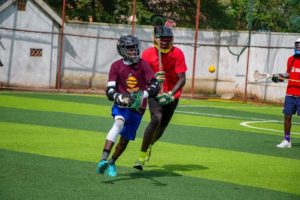
Playing a sport is one of the most developmental experiences a child can take part in. Sports offer great health benefits, foster social interaction and give children a sense of fun, happiness and motivation. Most impoverished children who play sports end up quitting or have to quit because of how expensive sportswear and equipment are. Even then, less investment goes into sports programs in underdeveloped countries, and as a result, players struggle to reach their full potential. Some interpret this as developing countries do not perform as well as more powerful countries in global sporting events. This is why two professional lacrosse players are giving back with the Give & Go Foundation: an organization dedicated to supporting underserved lacrosse communities around the world through a variety of services, helping some of the 365 million children living in extreme poverty.

The Professional Lacrosse Players Behind the Give & Go Foundation

Adam Ghitelman and Scott Ratliff are professional lacrosse players with major accomplishments in lacrosse, but they are also the inventors of a global nonprofit organization. Ratliff, a long stick midfielder and captain for the Archers Lacrosse Club, is a three-time Major League Lacrosse All-Star and a 2017 recipient of the fundraising award “Real Man of the MLL.”

Ghitelman, a goalie for the Archers Lacrosse Club, is a two-time Major League Lacrosse All-Star and was chosen as the World Lacrosse Foundation Ambassador of the Year. These two came together to organize the Give & Go Foundation with the simple mission of growing the game of lacrosse around the world, focusing on underdeveloped communities. The game has “brought so much” to their lives, so they decided to give others the chance to experience it. “Lacrosse promotes teamwork, physical exercise, discipline and communication. By sharing this sport with underserved programs we will be able to add massive value to the lives of the players whom we connect with,” said the co-founders on the organization’s website.

How the Give & Go Foundation Makes a Difference

Since 2015, Ghitelman and Ratliff have been giving back with the Give & Go Foundation to empower, grow, link and inspire lacrosse communities globally. This organization focuses on financing, consulting, educating and donating resources to lacrosse programs in need.

Program development is a focus point of the organization, providing resources to numerous programs: coaching, funding, equipment and even “kickstart[ing] international youth programs.” Children’s personal development is an area of focus that Give & Go prioritizes through leadership, education and shared love for the game.

There are scholarship programs that allow the next generation to attend college/prep school, ensuring they reach their fullest possible potential. Give & Go aims for programs to reach Federation of International Lacrosse (FIL) Status to support players with “the dream of playing in the world games.”

The Give & Go Foundation serves as a worldwide network for the lacrosse community, connecting lacrosse players all around the globe. Travel experiences are another focal point, so the organization gives stipends to travel and coach in various places and establishes travel plans for individuals, groups and teams.

The Foundation makes sure to provide all the necessary equipment for the game along with money for the field space as there is no way to play the game if there is nowhere to play. Professional ambassadors, both men and women, work to inspire, consult and teach programs internationally.

Helping Countries in Poverty

A few of the many countries Give & Go has impacted include Jamaica, Argentina, Costa Rica, Portugal, Spain, the Czech Republic, Nicaragua, Panama and the Netherlands. In just these countries alone, millions of people face poverty. In Nicaragua, in 2016, about 25% of people lived below the national poverty line. Meanwhile, in Portugal, in 2016, close to 2.6 million people faced risks of poverty, and in Argentina, about 10 million people endured poverty in the first half of 2019.

Ghitelman and Ratliff have already impacted so many lives by giving back with the Give & Go Foundation. The organization is providing children all over the world with the opportunity of playing the great sport of lacrosse. In the process, the organization educates children and teaches them skills necessary for personal development.

In an interview with The Sport of Philanthropy in 2019, co-founder Ratliff  said that “Sports are a safe environment to learn how to fail and try again, to learn how to deal with loss in emotionally elevated circumstances and to learn how to communicate through differences with teammates and coaches who aren’t always like you.” He further stated that his mission “is to not only help more people have access to sports but also to understand the power and value of sports when viewed through this lens.”

The Give & Go Foundation is prioritizing the well-being and development of children through sports, ensuring that children obtain the skills and empowerment necessary to rise out of poverty.

– Dylan Olive
Photo: Wikipedia Commons

July 18, 2022
https://borgenproject.org/wp-content/uploads/borgen-project-logo.svg 0 0 Kim Thelwell https://borgenproject.org/wp-content/uploads/borgen-project-logo.svg Kim Thelwell2022-07-18 07:30:252024-05-30 22:29:48Professional Lacrosse Players Giving Back
Children, Education, Global Poverty

CWTL Provides Tablets to Children

Tablets to Children
The Can’t Wait to Learn Program (CWTL) which began in 2021 runs in five countries and provides tablets to children in remote areas with high learning poverty. The program aims to provide education to children affected by conflict in Sudan, Jordan, Chad, Uganda and Lebanon. On June 23, 2022, a report announced that learning poverty in low-income and middle-income countries had increased by 13%.

The learning poverty increase is due to lowered household income and extended school closures during the pandemic and conflict in given countries. Learning poverty measurements occur by studying 10-year-olds’ ability to read and comprehend simple written text. In 2015, learning poverty in low-income and middle-income areas was at 57%. As of June 23, learning poverty increased to 70% of children unable to read simple text.

Can’t Wait to Learn

The Ministry of Education (MoE), UNICEF, War Child Holland and Ahfad University partnered to create the first Can’t Wait to Learn Program. They created the program in Sudan in in 2014 with their e-Learning Sudan (eLs) Project. This phase of the Can’t Wait to Learn program focused on math games on tablets.

In Sudan, conflict affects 2.6 million children. As of August 2019, approximately 3 million children were not in school. This amounts to around one-third of children who are old enough to attend school missing crucial learning.

The Can’t Wait to Learn Project relies on local facilitators who can travel to villages and understand how to use the tablets. In Kassala, Sudan Can’t Wait to Learn established learning centers in 23 communities. This was the start of Can’t Wait to Learn’s fight against learning poverty, before the COVID-19 pandemic hit.

Can’t Wait to Learn @ Home

In refugee camps in Uganda and Lebanon, CWTL adapted to have children learn remotely. In June 2021, Uganda’s government enforced a 42-day lockdown, meaning that schools were closed to children and travel was limited. With public transit closed, War Child Holland provided bikes to facilitators to check on families and deliver charged tablets to their homes.

With the pandemic, more than 1.2 million children in Lebanon missed school. War Child Holland has 40 locations in Lebanon, helping Lebanese families that cannot send their children to school. More than 40% of children spend their family finances on essential items such as food. In response, War Child created Can’t Wait to Learn @ Home, where families receive a manual to help their children use their tablets.

Inside and outside of schools in developing countries, CWTL provides tablets with educational games to children. The games are meant to teach children how to read, write and count. In each country, games receive adjustments for specific languages and needs of the children in the area. Out of school children who may have never used a computer before can learn with a tablet without teacher assistance.

Results and Future

Children in the program showed improved skills greater than those in the Government Alternative Learning programme (ALP). Children improved their math skills by two times and reading skills by 2.7 times with the ALP. COVID-19 worsened the learning poverty crisis, showing risk of children missing out on $21 trillion in possible income.

Can’t Wait to Learn and Can’t Wait to Learn @ Home provide the opportunity for children to continue their schooling despite the state of where they live. Through crises, a pandemic and low family income, the program continues to provide tablets and learning opportunities to children around the world.

– Sara Sweitzer
Photo: Flickr

July 17, 2022
https://borgenproject.org/wp-content/uploads/borgen-project-logo.svg 0 0 Kim Thelwell https://borgenproject.org/wp-content/uploads/borgen-project-logo.svg Kim Thelwell2022-07-17 01:30:442024-05-30 22:29:48CWTL Provides Tablets to Children
Children, Development, Education, Global Poverty

Health Care in Luxembourg

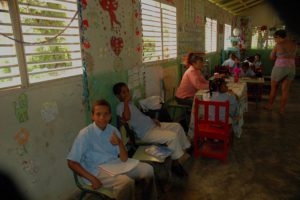
Health Care in LuxembourgLandlocked and located in Europe, the small country of Luxembourg features beautiful landscapes and diverse intercontinental ties. Amidst these features, health care in Luxembourg has been established so there is a plan for all citizens to access the needed tools to stay healthy.
The National Health Fund

Prior to 2008, Luxembourg retained separate health insurance in various sectors as well as the Union of Health Insurance Funds. However, in 2008, these separate institutions joined to create the National Health Fund.

The National Health Fund coordinates the health care system and social security provides funding. People apply for reimbursements for their medical bills after seeking medical care. In other instances, such as prescriptions or charges from the hospital, third parties provide insurance and coordinate directly with the National Health Fund. The individual pays for the remainder of the bill that insurance does not cover. Citizens additionally have the option of private insurance, often offered through employers.

COVID-19 Health Care Response

An evaluation of health care in Luxembourg must include an assessment of the country’s response to the COVID-19 pandemic. This crisis naturally tests the system’s response. Efforts to combat the pandemic included a task force, named Research Luxembourg, that coordinated communication of health information between various research institutions. The Luxembourg Institute of Health also focused on educating the public about ongoing research.

Similarly, Luxembourg remains a member of The Global Fund, which contributes to battling diseases such as AIDS, tuberculosis (TB) and malaria. During the pandemic, Luxembourg donated to the fund to lessen the impact of COVID-19 on already existing programs for AIDS, TB and malaria. Particularly important is the donation’s impact on low-income countries in fighting both COVID-19 and the organization’s prior infectious disease focuses.

Caritas Luxembourg works to reach vulnerable members of the community including youth, migrants and those without a home. During the COVID-19 pandemic, a group of nurses alongside others in the medical network created a program to provide hygiene and health care to Luxembourg’s homeless. These are individuals that might not have access to health care in Luxembourg in the traditional ways.

Current Efforts

Luxembourg fights poverty by making commitments to improve the health of mothers and adolescents. For example, the government offers a birth allowance that mothers apply for after the birth of their child. To receive the allowance, mothers must attend medical examinations for themselves and the child before and after birth.

Furthermore, Luxembourg is a key contributor to the World Health Organization (WHO), ranking seventh in the years 2020-2021. It is a supporter of the WHO Health Emergencies Programme and the Contingency Fund for Emergencies. Finally, Luxembourg provides funding for “Healthier Kosovo” in an endeavor to improve health issues related to air pollution in the environment.

International Health Cooperation

In addition to improvements to health care in Luxembourg, the country prioritizes health in other contexts. The Small Countries Initiative includes Luxembourg. The WHO created this group in 2013 between eight European countries to facilitate communication on reporting health information within their systems and to the public. The members periodically attend meetings to discuss the United Nations Sustainable Development Goals.

Luxembourg also partnered with the United Nations Population Fund (UNFPA), United Nations Children’s Fund (UNICEF) and the WHO to create a program for Reproductive, Maternal, Newborn, Child and Adolescent Health (RMNCAH) in Lao People’s Democratic Republic (PDR). The program aims to improve the health of those listed in its title with the goal to reduce poverty within the country. The program began the third phase in 2022.

In addition to their partnership with Laos PDR, Luxembourg also partners with Burkina Faso, Cabo Verde, Mali, Niger and Senegal in the Universal Health Coverage (UHC) Partnership, according to WHO.

Initiated in 2011, the UHC Partnership connects Luxembourg with a variety of global actors including the WHO, the European Union, Japan and Canada. The organization works to provide assistance in planning systems to facilitate access to health care. It ensures that people receive health care at both an individual and community level. Thus far, the partnership has impacted 115 countries. It also incorporated more than 120 advisors to engage in the dialogue necessary to implement these systems.

For example, in Rwanda, the addition of health posts improved access to health care by decreasing travel time from an average of 95 minutes to 47 minutes to receive services with future goals to further decrease this time.

Luxembourg continues to provide innovative solutions to domestic health care systems as well as improve health abroad. Its solutions contribute to progress in decreasing global poverty through the medium of health.

– Kaylee Messick
Photo: Flickr

July 15, 2022
https://borgenproject.org/wp-content/uploads/borgen-project-logo.svg 0 0 Jennifer Philipp https://borgenproject.org/wp-content/uploads/borgen-project-logo.svg Jennifer Philipp2022-07-15 01:30:312024-05-30 22:29:51Health Care in Luxembourg
Children, COVID-19, Global Poverty

The Impact of COVID-19 in the Dominican Republic

The Impact of COVID-19 in the Dominican Republic
The impact of COVID-19 on the Dominican Republic has changed the country a lot in recent years. Despite the return to normalcy that a lot of the more developed parts of the world have experienced, there are still a lot of struggling countries that require U.S. assistance and the Dominican Republic is one of those countries.

The Dominican Republic’s Response

One can see the impact of COVID-19 on poverty in the Dominican Republic in its poverty rate. This statistic was on a downward trend from 2008 to 2020, but afterward, the country saw its poverty rate increase by 2.4% from 21% to 23.4%. With a lack of medical care like ventilators and limited spots in ICU beds, the pandemic hit the country hard. Tourism, which is the country’s largest market and an important industry to many residents, saw a major decrease in 2020.

The Dominican Republic saw almost 5 million fewer foreign travelers in 2020, which led to an increase in its unemployment rate to 8.9% and resulted in a 6.7% reduction in the GDP. Since then, the country has seen a historic rise in tourism, and a drop in unemployment. Projections have determined that the Dominican Republic’s unemployment rate could reduce to 6% by the end of 2022 as the country relaxes its travel restrictions.

Social Assistance and Poverty Rates in the Dominican Republic

This is due largely in part to the social assistance programs, like the aptly named “Superate” which translates to “to overcome.” This program facilitated the transition back into the labor market as the country planned to re-open in phases similar to the rest of the world. The country also took quick action in terms of relief for its citizens by implementing interest rate cuts and tax relief to support its poorer citizens and hemorrhage its bleeding economy. While support systems have mitigated the impact of COVID-19 in the Dominican Republic, both its poverty rate and Latin America’s poverty rate rose in 2021 and will likely reach 33% in the region by the end of 2022. However, some of this increase may be due to the ongoing conflict in Ukraine.

The US’s Response

The United States has strong ties to the Dominican Republic and the impact of COVID-19 on poverty in the Dominican Republic has been an opportunity to strengthen those ties by sending aid to the country. Donating 50 ventilators in 2020 and building field hospitals to compensate for the country’s lack of medical equipment and space.

In March 2022, the U.S. peace corps dispatched 35 volunteers to different countries including the Dominican Republic. The volunteers have been working in host communities to help with anything from agriculture to economic growth. They assist with tasks such as recovering the literacy of students after school closures due to the pandemic. Peace Corps volunteers have also been helping at-risk youth gain valuable life skills like employability and educating them about sexual reproductive health.

The goal of the peace corps within the Dominican Republic’s communities is to also strengthen the education system that is already there while also building on it and creating new institutions for education. The United States committed millions of dollars in medical equipment and aid to help contain the spread of COVID-19 within the country. It is extremely important for the U.S. to provide foreign aid to countries in need, as it provides many benefits in the long run for this country.

Looking Ahead

The U.S. has played a significant role in the fight against COVID-19 in the Dominican Republic due to its immense resources, but more work is necessary. Despite the progress in the Dominican Republic and similar countries, the U.S. has more to give regarding repelling COVID-19 and should be able to help alleviate the impact of COVID-19 on the Dominican Republic into the future.

– Alex Peterson
Photo: Flickr

July 15, 2022
https://borgenproject.org/wp-content/uploads/borgen-project-logo.svg 0 0 Jennifer Philipp https://borgenproject.org/wp-content/uploads/borgen-project-logo.svg Jennifer Philipp2022-07-15 01:30:232022-07-11 14:27:23The Impact of COVID-19 in the Dominican Republic
Children, Developing Countries, Development, Global Poverty, Health

Renewable Energy in Ghana

Renewable Energy in GhanaTechnological innovation has always been an important determinant of economic growth. Now, renewable energy in Ghana is paving the way for a better nation. On May 25, 2022, the government of Ghana signed a grant agreement with the African Development Fund, as well as a financing agreement with the Swiss government, for the Ghana Mini-Grid and Solar Photovoltaic Net Metering project.
The Impact of the Agreement

In order to bring about renewable energy in Ghana, Ghana adopted the United Nations Sustainable Development Goals (SDGs) and strives to fulfill Sustainable Development Goal 7, which ensures that the population has access to energy-related services that are modern, affordable, reliable and sustainable. In the recent decade, Ghana has seen a growth in energy demand that has surpassed that of supply. According to an article from Sage Journals, despite the fact that Ghana has adopted the U.N. SDGs, the country’s primary energy sources are still nonrenewable.

According to the World Bank, poverty in Ghana stood at 25.5% in 2020. Ghana can use energy to improve the quality of life for the population, however, Ghana has a vast renewable energy potential that is currently underutilized. According to the World Bank, in 2020, 85.9% of the population had access to electricity.

In order to help the remaining 14.1%, the nation is considering the role of renewable energy in meeting energy needs by replacing traditional fuels with clean and reliable energy sources. This push for renewable energy is geared toward enhancing economic growth. The project will help schools, health facilities and communities throughout Ghana as electricity will be readily accessible to people within the population.

Technological plan

The relevant parties will implement this project within three years beginning in May 2022 and ending in December 2025. The agreement calls for the construction of “35 mini-grids in the Volta Lake region and the deployment of 12,000 units of roof-mounted net-metered solar PV systems.”

These solar cells will convert sunlight into electricity directly. “The systems will power 750 small medium-sized enterprises, 400 schools, 200 health centers, and the energy service systems in 100 communities in the Volta Lake region and Northern region of Ghana.”

Overall, the project aims to “bring sustainable and affordable electricity to [more than] 6,000 small and medium-sized enterprises and almost 5,000 households, besides 1,100 public buildings.”

Next Steps

It is clear to see that technology continues to influence Ghana to plan a more sustainable future that benefits the population. The authorities remain firm in their commitment to transition to renewable energy in Ghana. One of the country’s goals is to have 10% of renewable energy in the mix of electricity generation by 2025. According to an article from The Finder, the 12,000 units of roof-mounted net-metered solar PV will lead to the reduction of the public sector’s power debt and lower the costs of electricity for households and smaller businesses.

According to an article on Hindawi, Ghana has an undeniable potential to considerably increase local energy production and enhance the efficiency of energy distribution networks. Renewable energy in Ghana will provide energy access to the poor, which will improve their quality of life.

– Frema Mensah
Photo: Unsplash

July 14, 2022
https://borgenproject.org/wp-content/uploads/borgen-project-logo.svg 0 0 Kim Thelwell https://borgenproject.org/wp-content/uploads/borgen-project-logo.svg Kim Thelwell2022-07-14 01:30:352022-07-08 16:38:49Renewable Energy in Ghana
Children, Developing Countries, Development, Global Poverty

HIV/Aids in the Democratic Republic of Congo

HIV/Aids in the Democratic Republic of CongoHIV/Aids in the Democratic Republic of Congo is one of the most prevalent diseases in the country as well as sub-Saharan Africa. However, several organizations are stepping up to try and eliminate HIV and provide better lives for African citizens.
The Problem

HIV/Aids is a problematic virus infecting Sub-Saharan Africa. According to statistics on the African Mission Healthcare website, around 66% of new HIV-related infections come from Sub-Saharan Africa. Additionally, 520,000 people are living with HIV/Aids in the Democratic Republic of Congo.

There is also a gender disparity between those in the Democratic Republic of Congo living with the virus and those receiving treatment for it. Among the Congolese citizens living with the virus, more than 60% of them are women. Also, only 57% of people living with HIV in the Democratic Republic of Congo are being treated with antiretroviral therapy. Men are receiving the most treatment at more than 72%.

There is also an issue among children in the nation where 68,000 people under the age of 14 have HIV and only 25% have antiretroviral therapy treatments.

The Solution

Several organizations around the world recognize this issue amongst Congolese and Africans as a whole and are working in multiple ways to help fight the struggles that come from this virus.

African Mission Healthcare is one organization at the forefront of combating HIV and other health-related issues in Sub-Saharan Africa. The organization was founded by Dr. Jon Fielder with his friend and entrepreneur Mark Gerson. It has taken steps to change the lives of African citizens by focusing on Mission hospitals around the continent.

Fielder and Gerson recognized that Mission hospitals provide one-third of all medical care in Africa and play a big part in training the next generation of health care professionals on the continent. From this, African Mission Healthcare invests financially into these institutions to provide accessible and friendly healthcare for those in Africa along with adequate training to have many professional workers in the future. Since its inception in 2010, African Mission Healthcare has invested more than $30 million into healthcare functions in Africa such as training, clinical care, and infrastructure projects with more than 45 mission hospital partners. These investments have enabled care for almost 700,000 patients in Africa and will be able to hold almost 10 million future patient visits.

Other Assistance

Other organizations including UNAIDS provide funding for projects such as The Observatory Project, which is designed to guide future national policies to support better healthcare access against HIV and other diseases. The United Nations Office on Drugs and Crime created the Observatory. It is a vessel of information to provide better resources for controlling and eliminating HIV in vulnerable areas. For the Democratic Republic of Congo, the goal is to provide more antiretroviral therapy. To take action, the Democratic Republic of Congo made its catch-up plan in 2016, with the goal to more than double the number of citizens receiving antiretroviral therapy from 80,000 to 200,000. The country also had an HIV testing campaign to determine the statuses of two million citizens in the country for essential need of antiretroviral therapy.

The United Nations also sets up fundraising pages to aid those in need in crisis locations. One page was made for the Democratic Republic of Congo for a variety of anti-disease and poverty issues to improve the lives in the Democratic Republic of Congo. This benefits both medical access for those living in the country while also helping the United Nations humanitarian partners provide food services to the malnourished affected by disease epidemics. According to the central African humanitarian fund in 2021, the United Nations received $34.3 million, and 1.3 million people received food and medical assistance.

A Look Ahead

HIV/AIDS in the Democratic Republic of Congo and Sub-Saharan Africa is a serious problem. However, through actions similar to fundraising, providing care programs and extensive research steps, work is being done to eliminate HIV/Aids and help millions to prosper.

– Alex Havardansky
Photo: Flickr

July 13, 2022
https://borgenproject.org/wp-content/uploads/borgen-project-logo.svg 0 0 Jennifer Philipp https://borgenproject.org/wp-content/uploads/borgen-project-logo.svg Jennifer Philipp2022-07-13 07:30:482024-05-30 22:29:45HIV/Aids in the Democratic Republic of Congo
Children, Developing Countries, Development, Global Poverty, Health

Renewable Energy in the Philippines

Renewable Energy in the PhilippinesAs demand for electricity grows in the Philippines, so does the occurrence of power outages. Renewable energy in the Philippines presents itself as a potential solution to this issue that affects its citizens so often, especially with 23.7% of its population living in poverty. A future with fewer power outages means better access to sanitation, healthcare, education and many other elements necessary for a country to grow its economy and continue to develop.

The State of Electricity Access in the Philippines

The Philippines historically has relatively lower rates of energy consumption. However, demand is growing as the government works to expand electricity access to the whole nation. As of 2020, 96.8% of people in the Philippines have access to electricity, an increase of 20% over the last two decades. This has paid for itself through the benefits that it has brought to the Filipino economy. For instance, there is an annual welfare gain of $616 in electrified households. This, when taking the cost of electricity into account, is roughly the same increase in welfare that comes from conditional cash transfers that the government runs.

Despite the benefits that increased access to electricity has brought, its stability often falls into question, especially because of the impacts of climate change. Electricity outages affect every sector of the Filipino economy and just one hour of an outage has been demonstrated to deal a heavy blow to its GDP. Not only do these outages harm the economy, but dozens of peer-reviewed articles have pointed to evidence that they also lead to negative health outcomes in both the short and long term.

How Renewable Energy Can Help Improve the Situation

With the drastic consequences of power outages playing themselves out so often, it has become apparent that in order for the development of the Philippines to be sustainable, the energy it uses must be as well. A grid powered by renewables has been shown in models to provide stability at a cheaper price point. Not only is it possible, but some also claim it is preferable. The money and time invested into short-term energy supplies, such as kerosene, stands in the way of more productive economic activities that can fuel growth. Harnessing readily available resources, such as water or the sun, can quickly supply remote villages with long-term electricity.

Luckily, the Philippines is home to an abundant supply of renewable energy resources that can provide low-cost solutions to a lack of reliable energy. Considering the number of fossil fuels that the Philippines currently imports to keep the lights on, investment in homegrown solar, wind, hydro and geothermal power sources could save everyday Filipinos money while bolstering the country’s economy.

Where Renewable Energy in the Philippines Stands Right Now

With over 47% of its energy coming from renewables, the Philippines has been a leader in the expansion of these technologies. Though there has been an uptick in the use of renewable energy, it still has a long way to go before it unleashes its full potential. The government has set a goal of 15.3 GW of renewable power capacity by 2030, according to Energy Tracker Asia.

Currently, the majority of renewable energy in the Philippines comes from geothermal sources as it has some of the greatest stores of geothermal power capacity on the planet. Much of the government’s plans for expanding renewable energy are centered around increasing its geothermal capacity. Greater use of hydropower, wind and solar also factor heavily into the government’s plans, Energy Tracker Asia reports.

Solutions

The Philippine government has worked vigorously to expand the use of renewables. One of the key factors to its success has been shaping a marketplace that incentivizes renewable energy in the Philippines under the Renewable Energy Act of 2008. Some of these incentives include tax breaks, renewable energy sourcing mandates for suppliers and the Green Energy Option Plan which allows users to switch to a renewable energy supplier.

Along with government action, a number of businesses and NGOs are helping the Philippines along the way in its renewable energy transition. One of these organizations is Okra Solar, a company that supplies mesh grids to villages that they can quickly attach to rooftops of households and organizations to generate energy which is quicker than waiting to get a permit for a large-scale project. Once these grids are set up, they can be linked to other grids in the same system over time to provide a whole population with shared electricity access.

This has been especially beneficial for remote islands of the Philippines that often rely on importing diesel for electricity needs. The company’s systems could create a 30% increase in income through jobs in management and upkeep of the panels. Okra Solar has received a loan of $500,000 to supply 30,000 pods over the next few years.

 The Philippines has come a long way in its mission of providing electricity access to all of its population. As demand grows, a key way to avoid power outages and reduce the costs of electricity is further to invest in renewables. Companies like Okra Solar and policies such as the Renewable Energy Act of 2008 will help the Philippines reach a sustainable and electrified future.

– Joey Harris
Photo: Flickr

July 12, 2022
https://borgenproject.org/wp-content/uploads/borgen-project-logo.svg 0 0 Jennifer Philipp https://borgenproject.org/wp-content/uploads/borgen-project-logo.svg Jennifer Philipp2022-07-12 07:30:322022-07-07 03:20:20Renewable Energy in the Philippines
Children, Development, Global Poverty, Health

Iraq’s CCHF Outbreak

Iraq’s CCHF OutbreakIraq has confirmed 212 cases of Crimean-Congo Hemorrhagic Fever (CCHF) between the months of January 2022 and May 2022, 27 of which resulted in death. In April and May alone, Iraq reported 169 of these cases to the World Health Organization (WHO). CCHF is a viral tick-borne disease “transmitted to humans by bites of infected ticks and by direct contact with blood or tissues from infected humans and livestock.” The viral disease is endemic in Africa, the Balkans, the Middle East and some Asian countries. Iraq’s CCHF outbreak is not the nation’s first, but it is the most recent and among the deadliest. Iraq and the WHO are taking measures to slow the spread and help the infected, including dispatching an epidemiological investigation team to a heavily infected region and treating animals suspected of carrying the disease. There is currently no vaccine available but health care professionals can treat the disease with the antiviral drug ribavirin, though its full effectiveness is unknown.

A Brief Crimean-Congo Hemorrhagic Fever Overview

CCHF is a tick-borne disease and most commonly arises from exposure to livestock, meaning that people working in the industry, such as farmers and butchers, are at increased risk. The first experienced symptoms of the virus include headache, fever, back and joint pain, stomach pain, vomiting and a flushed face. People who have had the virus for longer may experience severe bruising and nosebleeds, which could lead to hospitilization.

CCHF In Iraq

The Middle Eastern country of Iraq has a long history of contact with the virus and considers it a year-round threat. However, this recent outbreak has proven to be widespread, reaching many regions of the country and taking lives along the way. Iraq’s CCHF outbreak has earned the attention of the WHO, which is working with Iraq’s Ministry of Health to help contain and treat the outbreak.

The WHO has released a risk assessment, stating that people living in rural areas of Iraq are at a greater risk of contracting the disease, since livestock is abundant. The WHO also warns that the upcoming religious holiday Eid al-Adha may worsen the outbreak considering that citizens will slaughter more livestock for the holiday and there may be cross-border transportation of animals.

Solutions

The collaboration between the Ministry of Health and the WHO during Iraq’s CCHF outbreak is a cause for hope. An epidemiological investigation team is currently working to locate the original point of contact for the current outbreak, which will hopefully lead to more focused treatment. The WHO conducted a three-day workshop in March 2022 with local physicians, veterinarians, lab technicians, health workers and disease investigators, designed to increase the capacity of Iraq’s rapid response team. The training served as a source of information, better preparing the country to handle future outbreaks of CCHF.

The WHO has released many recommendations to the people of Iraq to help curb the spread of the virus and has provided resources for obtaining information and treatment. Since CCHF is a year-round threat in Iraq, the nation is prepared to treat cases of the virus, but the sudden influx of patients proved to be overwhelming. With the backing of the WHO, it is likely that this outbreak will soon slow and become manageable once again.

– Thomas Schneider
Photo: Flickr

July 11, 2022
https://borgenproject.org/wp-content/uploads/borgen-project-logo.svg 0 0 Kim Thelwell https://borgenproject.org/wp-content/uploads/borgen-project-logo.svg Kim Thelwell2022-07-11 07:30:592024-05-30 22:29:46Iraq’s CCHF Outbreak
Children, Developing Countries, Development, Global Poverty, Health

Fighting Play Poverty Around the Globe 

Play PovertyThe Chilean poet Pablo Neruda once said that “a child who does not play is not a child.” Play, as defined by the World Economic Forum, is “freedom for children to engage with and learn from the world that surrounds them.” However, for millions of children in poverty, play is “an elusive luxury.” “Play poverty” is a term describing this scarcity of play among socio-economically disadvantaged children.

With rising research on the benefits of play on child development and performance, “play poverty” has become the focus of several NGOs and well-known organizations, such as FIFA.

The Power of Play

The World Economic Forum states that “Play is the rocket fuel of child development.” Psychologists believe play is crucial for brain development. Specifically, play “promotes connections between nerve cells, helps develop motor skills and coordination” and trains the brain to make sound decisions at an early age. As a result, the brain develops the “cognitive, emotional and social intelligence” that adults rely on.

In poor regions, many children are forced to forego their education to work or care for their families. In the regions most prone to low enrolment rates and the harsh realities of life, “time for play is often displaced by the chores and responsibilities that are so familiar to children growing up in poverty.” According to Right to Play, an NGO aiming to empower vulnerable children, play helps children stay in school while protecting them from exploitation and benefiting their future. Additionally, play helps children escape from “their harsh reality” of poverty, war and natural disasters.

Current Efforts by FIFA and Adidas

Adidas, FIFA and the FIFA Fan Movement, an organization connecting FIFA and the people, have collaborated to give ball donations to NGOs fighting for social good. The pandemic has left thousands of footballs unused; with sustainability in mind, the FIFA Fan Movement nominated 34 NGOs around the world and nine were selected. FIFA believes that their donation will help support “sport as a tool for building life skills such as teamwork, communication, hard work, discipline and a healthy outlet of physical activity.”

Case Study: Tanzania

In Tanzania, despite no school fees since 2015 in lower through secondary school, roughly 2 million children under the age of 13 are currently not enrolled or attending school.  About 70% of Tanzanian children between the ages of 14 and 17 are not enrolled in secondary education. Unsurprisingly, UNICEF found that “primary school-aged children from the poorest families are three times less likely to attend school than those from the wealthiest households.” The children are not out-of-school due to the financial burdens of education it is partially free. The reason is that Tanzanian parents often rely on their children to be a further source of income or guardianship. Unfortunately, this often forces children into vulnerable positions such as working under hazardous conditions or early child marriage. In fact, two out of five Tanzanian girls get married before the age of 18.

Jambo for Development

Luckily, Jambo for Development, a Tanzanian-based NGO, is one of the nine organizations to receive 108 footballs from FIFA. The NGO’s mission, which has a long history of support from FIFA, is to enable all children to have an equal opportunity at achieving their dreams. With FIFA’s help, Jambo for Development has a good chance at making some Tanzanian children’s dreams come true, as they will be equipped “with the skills and tools to address and embrace the new realities of tomorrow.”

– Lena Maassen 
Photo: Flickr

July 11, 2022
https://borgenproject.org/wp-content/uploads/borgen-project-logo.svg 0 0 Jennifer Philipp https://borgenproject.org/wp-content/uploads/borgen-project-logo.svg Jennifer Philipp2022-07-11 01:30:462024-05-30 22:29:45Fighting Play Poverty Around the Globe 
Page 32 of 137«‹3031323334›»

Get Smarter

  • Global Poverty 101
  • Global Poverty… The Good News
  • Global Poverty & U.S. Jobs
  • Global Poverty and National Security
  • Innovative Solutions to Poverty
  • Global Poverty & Aid FAQ’s
Search Search

Take Action

  • Call Congress
  • Email Congress
  • Donate
  • 30 Ways to Help
  • Volunteer Ops
  • Internships
  • Courses & Certificates
  • The Podcast
Borgen Project

“The Borgen Project is an incredible nonprofit organization that is addressing poverty and hunger and working towards ending them.”

-The Huffington Post

Inside The Borgen Project

  • Contact
  • About
  • Financials
  • President
  • Board of Directors
  • Board of Advisors

International Links

  • UK Email Parliament
  • UK Donate
  • Canada Email Parliament

Get Smarter

  • Global Poverty 101
  • Global Poverty… The Good News
  • Global Poverty & U.S. Jobs
  • Global Poverty and National Security
  • Innovative Solutions to Poverty
  • Global Poverty & Aid FAQ’s

Ways to Help

  • Call Congress
  • Email Congress
  • Donate
  • 30 Ways to Help
  • Volunteer Ops
  • Internships
  • Courses & Certificates
  • The Podcast
Scroll to top Scroll to top Scroll to top