• Link to X
  • Link to Facebook
  • Link to Instagram
  • Link to TikTok
  • Link to Youtube
  • About
    • About Us
      • President
      • Board of Directors
      • Board of Advisors
      • Financials
      • Our Methodology
      • Success Tracker
      • Contact
  • Act Now
    • 30 Ways to Help
      • Email Congress
      • Call Congress
      • Volunteer
      • Courses & Certificates
      • Be a Donor
    • Internships
      • In-Office Internships
      • Remote Internships
    • Legislation
      • Politics 101
  • The Blog
  • The Podcast
  • Magazine
  • Donate
  • Click to open the search input field Click to open the search input field Search
  • Menu Menu

Archive for category: Child Labor

Child Labor, Children, Global Poverty, Human Trafficking

Understanding Human Trafficking in Bhutan 

Human Trafficking in Bhutan Forced labor and commercial sexual exploitation of children are forms of human trafficking occurring around the world, including Bhutan. Limited research means precise statistics on human trafficking in Bhutan are hard to find. The Royal Government of Bhutan has not accepted the United Nations Convention against Transnational Organized Crime, a treaty that 147 states signed and enforced in 2003. This often leads to Bhutanese courts dismissing charges that meet the international definition of human trafficking.

The Definition of Human Trafficking

The international definition of human trafficking is “the recruitment, transportation, transfer, harboring or receipt of persons by improper means (such as force, abduction, fraud or coercion) for an improper purpose.” Bhutan’s definition is an individual who “recruits, transports, sells or buys, harbors or receives a person through the use or threat of force or deception within, into or outside of Bhutan for any illegal purpose.”

Human Trafficking in Bhutan

According to the U.S. Department of State, “Bhutan does not fully meet the minimum standards for the elimination of trafficking but is making significant efforts to do so.” The U.S. Department of State upgraded Bhutan to its Tier 2 Watch List because of several positive signs of progress. For instance, Bhutan convicted one person under the human trafficking statute and appealed dismissed trafficking charges in another case. Furthermore, Bhutan investigated “reports of labor exploitation” and worked to implement “anti-trafficking training and public awareness events.”

Bhutan is on the Tier 2 Watch List, which means that the country does not completely comply with the Trafficking Victims Protection Act. However, it is making an effort to meet the standards set. Bhutan has this designation because there is not enough evidence supporting the successes of the government’s actions to combat trafficking and estimates determine that the number of victims is significant or increasing.

Tier 1 refers to countries that fully comply with the Trafficking Victims Protection Act of 2000 and Tier 3 includes countries that do not comply and are not making an effort to improve. Bhutan was designated as a Tier 3 country in 2019 and ranked as a Tier 2 country from 2013 to 2017. Bhutan has been on the Watch List as of 2018. While it appears the Royal Government of Bhutan is making strides, evidence is scarce regarding the success of its anti-trafficking measures.

Protecting and Assisting Victims

Project hope was founded in 2004 by Queen Mother Sangay Choden Wangchuck. In 2019, Project Hope changed to Respect, Educate, Nurture and Empower Women (RENEW). Project Hope formerly protected children from labor exploitation by providing shelters. However, the program expanded to RENEW, which not only gives shelter to both women and children but also provides counseling and rehabilitation to victims. Women and children are often the victims of human trafficking, necessitating a program with a special focus on them. From January 2020 to December 2020, the program provided counseling services to 39 people affected by human trafficking.

Meanwhile, the U.S. Department of State’s Trafficking in Persons Office funded a $750,000 program to help the Bhutanese police investigate human trafficking in Bhutan. The UNODC is responsible for implementing the program. The program helps enforce the Standard Operating Procedure for Multi-Sectoral Response to Address Trafficking in Persons in Bhutan. So far, the program has provided training for 16 journalists, 82 police officers and 95 prosecutors. The program also includes training so that people know how to protect themselves from human trafficking when working overseas.

Communication Through Task Forces

Organization is essential for efficiency and the Child Labor Task Force focuses on organizing efforts from multiple agencies and ministries. Government officials, international organizations, civil society organizations and the private sector make up the Task Force. However, a lack of research on its activities means its efficiency is unclear.

Monitoring trends of human trafficking in Bhutan, advising policies to implement and organizing anti-trafficking efforts are some of the main responsibilities of the Trafficking in Persons Special Task Force. The Department of Law and Order leads it but other government agencies and civil society organizations help the task force.

Eliminating Human Trafficking in Bhutan

Continued improvements and diligence are essential to eliminating human trafficking in Bhutan. Fortunately, the U.S. Department of State recommends several possible and plausible solutions. These include:

  • Use the international definition of human trafficking
  • Train and educate people to improve proactive victim identification
  • Create and publish an assessment of any and all forms of human trafficking in Bhutan
  • Increase funding to projects helping victims
  • Educate labor inspectors to identify cases of forced labor
  • Increase investigations and prosecutions of traffickers and increase sentencing
  • Eliminate recruitment fees for workers and investigate contract switching or cases of not paying wages

Human trafficking in Bhutan can decrease even further with solutions created by organizations and programs already in place. Cooperation, organization, enforcement and education can and are undergoing improvement, especially in the last few years. However, more clear evidence is necessary to fully understand the full picture.

– Alex Alfano
Photo: Flickr

July 9, 2021
https://borgenproject.org/wp-content/uploads/borgen-project-logo.svg 0 0 Jennifer Philipp https://borgenproject.org/wp-content/uploads/borgen-project-logo.svg Jennifer Philipp2021-07-09 01:30:532021-07-12 00:50:27Understanding Human Trafficking in Bhutan 
Child Labor, Child Poverty, Global Poverty

Child Poverty in Guinea Persists

Child Poverty in Guinea
Guinea is a country located on Africa’s west coast. While it is small, Guinea has some of the largest deposits of iron in the world and has a valuable amount of agricultural and natural resources. However, the country continues to have high poverty rates, with 43.7% of Guineans living below the poverty line in 2018. This situation is primarily due to political unrest and a lack of investment in the country’s infrastructure. Child poverty in Guinea also became exacerbated by poor healthcare and a lack of protection against labor and trafficking.

Health in Guinea

Health in Guinea has been a constant issue that contributes to poverty. The average life expectancy for men is 53 and the average life expectancy for women is 56. Moreover, the infant and maternal mortality rates are high because there is a lack of medical resources in Guinea. Numerous children die from curable and preventable diseases, such as yellow fever, polio, measles and malaria.

Furthermore, the Ebola outbreak in 2014 shed light on other healthcare issues in Guinea. Guinea was one of the Ebola epicenters and, unfortunately, there were not enough doctors, nurses, beds or equipment to aid those in need. With every available resource needed to fight the outbreak, treatments for preventable medical conditions were often not available. Additionally, child malnutrition rose because of the Ebola epidemic, as food prices went up and many families could not afford to eat. Roughly 320,000 children under the age of 5 need medical treatment for malnutrition.

Child Labor and Trafficking

It is estimated that there are about 5.6 million children under the age of 18 in Guinea. Roughly 670,000 of them are growing up without their parents. Many of these children have lost their parents because of AIDS. The significant number of orphans has forced children to work, which is a violation of human rights. There is a lack of oversight for mining activities, so children often end up working in the dangerous conditions of the mines. The harmful substances in mines are dangerous and unsuitable for adults, let alone children. Additionally, children who work in the mines generally drop out of school because they are not able to work and receive an education at the same time.

Child poverty in Guinea has also resulted in child trafficking and sex trafficking. However, there is a concerning lack of data on this topic. Child trafficking remains a big concern in Guinea. In court cases, many of the alleged perpetrators go unpunished. Furthermore, the victims of trafficking are not given the support they need to reintegrate into society.

SOS Children’s Villages

To improve the lives of children in Guinea, it is imperative that support, healthcare and education are provided at an early age. SOS Children’s Villages is an organization that supports children who do not have parental care. With the help of donors, governments, communities and other organizations, it assists impoverished communities and disadvantaged children. SOS Children’s Village’s strategy is solely geared toward sustainable development goals in areas such as child protection, poverty, education, health, inequality and proper work hours. The organization works with locals to aid families that are vulnerable to poverty, so young children can grow up with their families

– Candice Lewis
Photo: Flickr

July 7, 2021
https://borgenproject.org/wp-content/uploads/borgen-project-logo.svg 0 0 Lynsey Alexander https://borgenproject.org/wp-content/uploads/borgen-project-logo.svg Lynsey Alexander2021-07-07 11:57:022024-05-30 22:23:34Child Poverty in Guinea Persists
Child Labor, Global Poverty

Tesla Looks for Alternatives to Cobalt Mining

Alternatives to Cobalt MiningAs the demand for electric cars increases, so does the need for the controversial car battery mineral: cobalt. Cobalt is an essential mineral in lithium-ion batteries. These batteries help power “electric cars, computers and cellphones.” The demand for cobalt is steadily increasing with the rising sales of electric vehicles, which promises a positive environmental impact. However, cobalt mining in the Democratic Republic of Congo (DRC) has seen frequent cases of child labor, accidental deaths and violence between miners and security personnel of mining companies. Tesla, the best seller of electric cars in 2020, is looking for alternatives to cobalt mining with plans to eradicate the mineral from its batteries entirely.
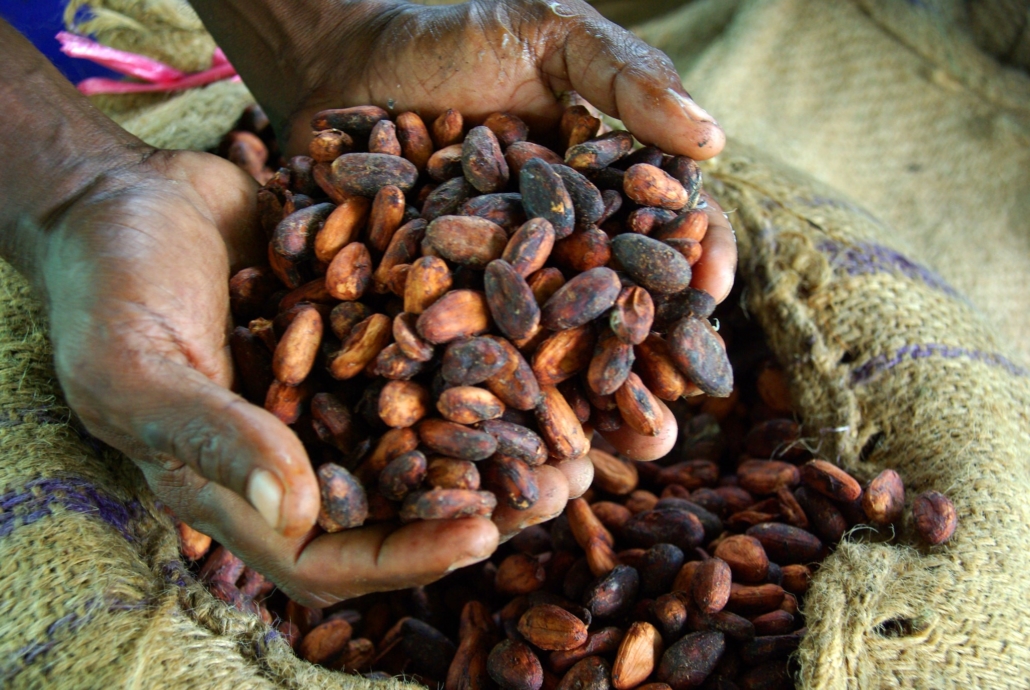
Problems in Cobalt Mining

More than 70% of global cobalt comes from the DRC. Artisanal and small-scale mining (ASM) is responsible for producing 15% to 30% of Congolese cobalt. Over the years, human rights activists have reported strong concerns of human rights violations in mining operations. Activists have pressed for urgent attention and alternatives to cobalt mining.

In 2018, roughly 60 million Congolese people lived in conditions of extreme poverty, surviving on less than $1.90 a day. Because of this poverty, ASM cannot be entirely shut down as it is the primary source of income for many Congolese people. Furthermore, removing ASM is impossible because of its involvement in the complexity of the cobalt supply chain.

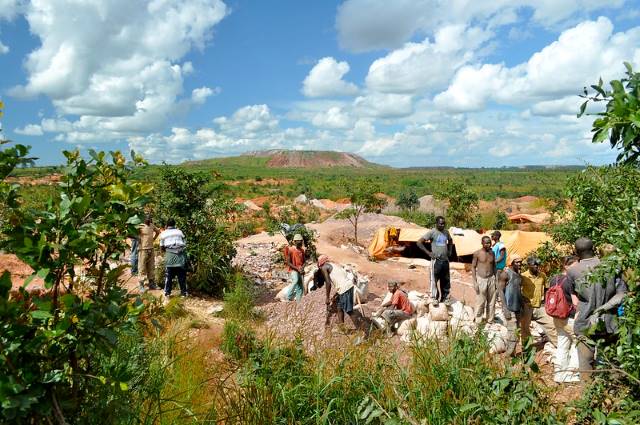
Miners in the DRC, including children, work in harsh and hazardous conditions. About 100,000 cobalt miners use hand-operated tools and dig hundreds of feet underground. Death and injury are common occurrences and extensive mining exposes local communities to toxic metals that are linked to breathing problems and birth defects.

Tesla’s Plan

Panasonic, Tesla’s battery cell supplier, wants cobalt-free batteries to be ready and available for Tesla cars within the next two to three years. The cathode of lithium-ion batteries used to consist of 100% cobalt. Over the years, Panasonic has reduced the amount of cobalt to 5%. Although reducing the use of cobalt improves the environment and decreases the cost of production, it also makes batteries more difficult to produce.

Panasonic recently partnered with Redwood Materials. Redwood Materials is a recycling startup that was established by J.B. Straubel, former Tesla chief technical officer. The startup recycles battery scraps and electronics to save and reuse materials such as “nickel, cobalt, aluminum, copper” and more. As part of the partnership, Panasonic would like to reuse these materials in its battery manufacturing.

Tesla is making efforts to look for alternatives to cobalt mining. However, a massive increase in the production of batteries has created a higher demand for the mineral. In 2020, Tesla secured a deal with Swiss mining giant Glencore. Although Glencore gets most of its cobalt from the DRC, Tesla has stipulated in its contract that suppliers use “conflict-free” minerals. The contract states that it is essential that the minerals procured “do not benefit armed groups in the Democratic Republic of Congo.” Until Tesla can run its own battery manufacturing or until Panasonic can effectively produce cobalt-free batteries for Tesla’s electric vehicles, the company will have to continue procuring cobalt for its batteries from the DRC.

Solutions to Corruption in Cobalt Mining

While Tesla’s plan for cobalt reduction in its batteries is a promising start in the search for alternatives to cobalt mining, there is also the solution of “ASM formalization.” Some companies have used ASM formalization to regulate their cobalt sourcing. Different methods of this formalization include:

  • Putting forth regulations for mining methods and working conditions.
  • Establishing ASM regulations with fundamental stakeholders for mine safety and child labor and ensuring that cobalt is obtained responsibly.
  • Formally recognizing ASM and monitoring compliance with regulations to ensure human rights are protected.

The DRC government has put in place a Mining Code and has designated specific areas of land for ASM. However, full implementation of ASM formalization will require the aid of private companies. Although regulating the mining industry in the DRC is challenging, there are several ASM formalization pilot projects that the country can learn from. With the help of these projects and the support of companies like Tesla, the DRC is on its way to addressing the root causes of human rights issues in the mining sector.

– Addison Franklin
Photo: Flickr

June 24, 2021
https://borgenproject.org/wp-content/uploads/borgen-project-logo.svg 0 0 Kim Thelwell https://borgenproject.org/wp-content/uploads/borgen-project-logo.svg Kim Thelwell2021-06-24 07:30:162021-06-24 00:54:46Tesla Looks for Alternatives to Cobalt Mining
Child Labor, Children, Education, Global Poverty, Health

Fighting Poverty in the Cocoa Industry

Poverty in the Cocoa Industry
Tony’s Chocolonely, a chocolate company in the Netherlands, emerged in 2005. When police arrested a journalist by the name of Teun van de Keuken, he asked to go to prison. He hired a lawyer to help send him to prison and asked a judge to convict him of driving child slavery. However, the judge would not convict him, stating that his crime was simply eating a bar of chocolate. Keuken was not satisfied with this decision and ventured to create a chocolate company that would both combat child labor and poverty in the cocoa industry.

A Better Idea

Instead, Keuken decided to try to stop child slavery from the inside. He wanted to do this by setting up a chocolate company with the mission of ending child slavery in general by fighting poverty in the cocoa industry. Since 2005, the company has grown, and with it, so have its missions. The brand is now the Netherlands’ favorite chocolate company and it has an international reach as many supermarkets in Europe sell its products. Additionally, it is inspiring cooperatives and chocolate companies across the world. Here are Tony’s Chocolonely’s five guiding principles.

Tony’s 5 Guiding Principles

  1. Traceable Cocoa Beans: The company does not buy large quantities of anonymous beans, but rather trades directly with farmers and cooperatives so that it knows the environmental and social conditions in which the beans grew. The company has implemented Tony’s Beantracker so that it knows exactly where the cocoa for its chocolate comes from. This is part of its transparency to ensure conscious consumption.
  2. A Higher Price: The company pays a higher price for its cocoa to ensure that cocoa farmers earn a living wage, which is enough to feed their families and run their farms. This has involved paying a premium; as the cocoa market can be so volatile, Tony’s pays farmers the same amount, even when prices drop. This helps ensure that farmers have enough funds to maintain their livelihoods. In 2019, cocoa prices fell and Tony’s increased its premium from $375 to $600 per tonne to ensure the security of farmers’ income.
  3. Strengthening Farmers: Tony’s Chocolonely is working to professionalize farming cooperatives. If farmers work together, they will be more empowered to structurally challenge the inequality in the value chain. When working together, farmers can stand up to middlemen in the production chain, negotiate better prices when buying production resources as a collection and raise concerns. Tony’s facilitates meetings where farmers can engage and raise concerns, empowering farmers to speak up.
  4. The Long Term: Normally in the cocoa industry, a buyer seeks out the cheapest price. However, Tony’s has committed itself to sign five-year contracts to tie it into longer deals. The longevity of these deals allows the company to build relationships with the farmers. It also ensures farmers a stable income for five years so that they have a steady source of income and can feed their children and pay the bills.
  5. Improved Quality and Productivity: Tony’s invests in agricultural knowledge and skills related to growing cocoa and other crops. The company wants to help farmers increase their crop productivity to give them more stability in sales, but also in subsistence agriculture so they have the crops they need to survive nutritionally. To help here, Tony’s works with Soil & More to help farmers develop and source compost and organic fertilizer.

Walk the Walk, Talk the Talk

Tony’s Chocolonely leads by example in how it is fighting poverty in the cocoa industry. However, it has extended its mission to raise awareness and inspire others to act in the same way. It is spreading its message to more people every day in an effort to acknowledge the problems of slavery and poverty in the cocoa industry so that citizens can be more conscious consumers. Such awareness promotion is having an effect; in the Netherlands, where the company is based, 75% of people now know about the problems of child slavery and poverty in the cocoa industry and say they will try to be more ethical consumers.

Advocacy

Tony’s Chocolonely’s advocacy aims to inspire others. This is evident in its partnership with the Netherlands’ largest supermarket Albert Heijn, which has worked to make the chocolate it sells slave-free. In 2019, Tony’s Chocolonely also broke into the markets of the U.K. and Germany.

The company is aiming to pressure big chocolate producers like Nestle and Cadburys to eliminate child slavery from their practices. Tony’s Chocolonely wants to get to that tipping point where ethical practice becomes necessary for business and would like this to occur either through law or by requirement. In fact, it would like it to be necessary for businesses to have a license to operate in the cocoa industry.

– Lizzie Alexander
Photo: Flickr

April 8, 2021
https://borgenproject.org/wp-content/uploads/borgen-project-logo.svg 0 0 Kim Thelwell https://borgenproject.org/wp-content/uploads/borgen-project-logo.svg Kim Thelwell2021-04-08 10:58:262024-05-30 22:23:13Fighting Poverty in the Cocoa Industry
Child Labor, Child Marriage, Child Poverty, Children, Education, Global Poverty

Factors of Child Poverty in the Dominican Republic

Child Poverty in the Dominican Republic
The Dominican Republic is a major tourist destination, reeling in an estimated 6.5 million visitors in 2018. However, it also hosts a largely divided society with 40% of its population falling under the poverty line. Due to this poverty, Dominican children struggle considerably, dealing with several issues that do not allow them to succeed and confine them to a life of poverty. Here is some information about child poverty in the Dominican Republic.

Limited Access to Proper Education

One of the hardest struggles Dominican children must deal with is a lack of proper public education. These children in poverty attend public schools which often provide low-quality education with a lack of resources and poorly trained professionals. Due to a lack of financial resources, these schools also suffer from ill-suited scholastic programs and buildings in need of repair. Consequently, “more than 40% of Dominican children are uneducated,” and just 60% of enrolled children complete their primary education. Another problem worth addressing is the Dominican Republic’s high rate of repetition, especially in rural areas, with 44% of students in grades one to five, being three or more years older than the appropriate age and 60% of students in grades six to eight, again being older than the age they should be. 

Child Labor

 These children are then must work in order to support their struggling families. In fact, 2.1% of Dominican children from ages 10-14 are obliged to join the workforce. In fact, 28.1% of working children work in agriculture, 8.6% work in industries such as construction and producing baked goods and 63.4% have employment in public services. Many of these jobs are unsafe for children and some even suffer sexual trafficking and exploitation, especially Haitian children who traffickers frequently send to the Dominican Republic. 

Mistreatment and Abuse

Due to a lack of enforcement and prohibition, Dominican children frequently suffer from abuse. As of 2014, reports determined that 62.9% of children experienced physical or psychological mistreatment by their caregivers. This treatment of children in the Dominican Republic is concerning and leads to adults who deem it right to use violence to solve conflict and gain power. In fact, 8% of Dominican men from ages 15 to 49 consider it justified to physically abuse their wives for at least one reason, while 2% of Dominican women in the same age range agree with this justification of abuse. 

Child Marriage

Another significant issue young Dominican women struggle with is the regularity of child marriage. In fact, 36% of Dominican girls must marry before they turn 18 and 12% marry before they turn 15. Furthermore, as of 2014, 21% of girls from ages 20-24 reported having given birth before the age of 18. These marriages are harmful to these young women, who must place their own education and goals to the side to become wives and mothers against their will. 

Lack of Identity

Another huge problem for Dominican children is the number of births that are not on the official record. “More than a quarter of births in the Dominican Republic are not officially reported,” concluding in a large number of children with no identity or nationality. This leads to huge difficulties for these children who will never be able to fully enjoy their rights as citizens. For example, the Ministry of Education requires students to have a birth certificate to graduate high school, forcing all unidentified children to be unable to get a degree, leaving them with the least amount of opportunities to succeed. 

Solutions

Several organizations have emerged and the Dominican Republic is passing legislation to aid and raise awareness on these critical issues regarding child poverty in the Dominican Republic. Some of these organizations include Save the Children and UNICEF, which raise money to support poor communities by providing potable water and promoting health and hygiene.

Save the Children also focuses on improving education for Dominican children, using its platform to refurbish school buildings, build gardens, enhance teacher’s knowledge and improve sanitary infrastructure. It has protected 1,665 children from harm and provided 27,318 children a healthy start to their lives. Furthermore, The Ministry of Labor has increased the number of hired inspectors from 148 to 205 in 2019, demonstrating moderate improvement in decreasing child labor. More than anything, the Dominican Republic has made considerable improvements in healthcare, providing healthcare to 366,236 poor citizens who had previously lacked it through the Health Sector Reform APL2 (PARSS2). These improvements target the Dominican Republic’s most critical issues, including education, child labor and sanitation, helping alleviate the prominent issue that is child poverty in the Dominican Republic.

– Juan Vargas
Photo: Flickr

March 28, 2021
https://borgenproject.org/wp-content/uploads/borgen-project-logo.svg 0 0 Kim Thelwell https://borgenproject.org/wp-content/uploads/borgen-project-logo.svg Kim Thelwell2021-03-28 01:31:412024-06-06 00:59:31Factors of Child Poverty in the Dominican Republic
Child Labor, Child Poverty, Global Poverty

Addressing Child Poverty in Greece

Child poverty in Greece
Child poverty in Greece is a prominent issue. About 40% of children under the age of 17 are at risk. According to Eurostat, Greece ranks at the top of the child poverty scale. Furthermore, Greece’s poverty rate is the third-highest within the European Union. This article will explore the state of child poverty in Greece and efforts to address it.

Education

The economic crisis in Greece is one of many reasons for the rising child poverty rate. Access to education has decreased as well. As a result, many children are unable to attend school and unemployment rates have skyrocketed.

State education is free until university in Greece and education is compulsory between the ages of 6 and 15. In spite of this, approximately 11.4% of students dropped out of school in 2010. Moreover, an average of 30,000 students never enter high school. The highest high school dropout rate is in the Dodecanese islands and Rhodope.

Child Abuse

Giorgio Nikolaidis is a child psychiatrist and head of the Mental Health Department of the Institute of Child Health. He stated that inadequate child protection services were further undercut long before the economic crisis. Authorities are often aware of domestic, sexual abuse against children; however, they do not take the correct measures to protect children.

“I have seen cases where four-year-old kids were treated for sexually transmitted rectal HPV for over a year and no investigation had been undertaken to determine how they got it,” Nikolaidis said. The reality is that there is no coherent system to effectively protect victims.

The Greek constitution prohibits forced labor, but the minimum age for work is as low as 12 for people working in a family business. Thus, families often send their children to the streets to beg for money. Although Greece ratified the Worst Forms of Child Labor Convention, these activities remain unpunishable by law. Children who spend more time on the streets are also at an increased risk of child trafficking.

Together for Children

Together for Children is an NGO that provides assistance to young people and their families. The organization is comprised of nine member organizations that work in child welfare. Its mission is to provide immediate support for children, families and individuals with disabilities.

The organization established a child helpline that provides free counseling services and emotional support for children and their families. Together for Children strives to tackle child poverty in Greece and create sustainable living conditions. Additionally, the organization ensures access to free education through various programs such as a nursery school for children with cerebral palsy, a development playgroup for children with cerebral palsy and other disabilities, a special primary school for children with cerebral palsy and productive workshops for adults with cerebral palsy. Together for Children also has activities and programs to support unaccompanied minors who are refugees.

Assisting more than 30,000 children every year, Together for Children has received the Silver Medal of the Academy of Athens for its social contribution. In 2019, it also received a BRAVO Award for engaging with thousands of citizens in support of its initiative: Equal Opportunities for Children: Actions for Health and Education in Remote Areas of Greece.

Looking Forward

Organizations like Together for Children help create a better society for children to flourish. It focuses on improving the health and well-being of impoverished children, creating opportunities for quality education and supporting refugees. This organization has taken great strides in alleviating child poverty in Greece.

Poverty in Greece remains high due to the lack of education, child abuse and labor exploitation. Sexual and labor exploitation impoverishes children mentally and physically. Although the Greek financial crisis is often blamed for inadequate social services, there is much more that the country should be doing to protect children. Moving foward, it is essential that the government and other humanitarian organizations prioritize addressing child poverty in Greece.

– Marielle Marlys
Photo: Flickr

March 20, 2021
https://borgenproject.org/wp-content/uploads/borgen-project-logo.svg 0 0 Jennifer Philipp https://borgenproject.org/wp-content/uploads/borgen-project-logo.svg Jennifer Philipp2021-03-20 07:31:112024-05-30 07:56:46Addressing Child Poverty in Greece
Child Labor, Global Poverty, Refugees

5 Facts About Child Poverty in Lebanon

Child Poverty in Lebanon
Conflict has impacted Lebanon over the past few decades, including civil war, revolution and occupation. As a result, many children in Lebanon grow up and live in harsh conditions. Here are five things to know about child poverty in Lebanon.

5 Facts About Child Poverty in Lebanon

  1. Poverty by the Numbers: There is severe inequality in Lebanon as 5-10% of the population receives more than half of the total national income. Around 25-30% of Lebanese people live in poverty. Refugees and other populations face an even higher rate of poverty. For all of these groups, families with children are more likely to live in poverty. Current estimates say 1.4 million children in Lebanon are living in poverty. This affects their ability to receive an education, adequate nutrition and water and future standard of living and employment.
  2. Education: An estimated 10% of children in Lebanon do not attend school. The schools that do exist are low quality in both education and the physical state of the buildings. The poor education in Lebanon causes less young people to acquire jobs in technical or competitive fields. Armed and violent conflicts in Lebanon have also damaged school buildings. Furthermore, children’s access to education is hindered by the 1925 Nationality Law, in which only children with Lebanese fathers receive citizenship. If a child’s only parent is their mother or the father is not Lebanese, public schools will not admit them until all other Lebanese children are enrolled.
  3. Child Labor: Lebanon has lower rates of child labor than many of the surrounding countries, but still 7% of children work. Many of these children work to support their families, though their salaries are often low. Boys often work in factories or agriculture which have inhumane and very harsh working conditions. Lebanon has signed on to the ILO’s Convention on Child Labor, but this has not decreased child labor.
  4. Refugee Children: Lebanon has a very high number of refugees living inside its borders because of its geographical location. These refugees come from Iraq, Syrian, Palestine and more. The majority of refugees live in extreme poverty. Refugee children often work in poor conditions to make money. Many also suffer from mental health problems due to their trauma. In refugee camps, children face many dangers, including domestic violence, drug use and minimal health care and basic hygiene. Lebanon has not ratified the U.N. Convention Relating to the Status of Refugees, and does little to protect these people living inside the country. The country also lacks the resources to address children’s mental health problems, but NGOs are working to provide more medical help inside the refugee camps.
  5. Reducing Child Poverty: The Government of Lebanon launched the National Poverty Targeting Program in 2011. The World Bank provided technical and financial assistance to this program to provide a safety net for families living in extreme poverty. Families are chosen based on level of food security, labor force status and other variables. This program currently helps 43,000 households, although more than 150,000 families are in extreme poverty and more than 350,000 qualify are in poverty. The families benefiting from the program receive a “Hayat Card,” which gives them access to free health care and educational services, and the poorest receive a debit card for food.

Children in Lebanon are still heavily affected by poverty, whether it is through health care, education or labor. Refugee children and girls are particularly vulnerable as they lack basic rights under law. Although strides have been made in recent years to eradicate poverty, the government and other organizations must prioritize addressing child poverty in Lebanon.

– Claire Brady
Photo: Flickr

January 15, 2021
https://borgenproject.org/wp-content/uploads/borgen-project-logo.svg 0 0 Yuki https://borgenproject.org/wp-content/uploads/borgen-project-logo.svg Yuki2021-01-15 10:34:432024-05-30 07:55:355 Facts About Child Poverty in Lebanon
Child Labor, Global Poverty

Ben & Jerry’s Supports Cocoa Farmers in Africa

Cocoa Farmers in Africa
As the fourth largest export in the world, cocoa has made significant contributions to the global market ever since its introduction to Nigeria in 1984. Many big brand chocolate and ice cream companies such as Mars, Hershey’s and Snickers are dependent on this market, though much of the revenue does not go to cocoa farmers or workers. In 2014, chocolate sales reached up to $100 billion, yet cocoa farmers were living off a wage of $1.25 per day. However, there is hope as Ben & Jerry’s provides support to cocoa farmers in Africa.

Child Labor in Cocoa Farming

With rising demands for cocoa production and insufficient compensation, cocoa farmers in Africa are reluctant to discontinue the use of child labor. A study from the University of Chicago reported that about 1.6 million children work on cocoa farms, mostly found in Ghana and Ivory Coast (Côte d’Ivoire) — the two largest cocoa production sites. Ghana and Ivory Coast account for two-thirds of the world’s cocoa bean production and exploit impoverished children as young as 5 years old who need to support their families.

Despite the slowed rates of child labor in Africa’s cocoa production, farmers and working children struggle to maintain a sufficient income to support themselves. Cocoa trees take years to cultivate and harvest, which is too time-consuming for a volatile and unreliable market price. Nongovernmental organizations that strive to end child labor in Africa speculate that cocoa farmers’ insufficient incomes stem from supply chains. Although programs are in place to reduce child labor and help farmers in the supply chain achieve self-sufficiency, cocoa production does not yield enough to combat poverty among the farmers and workers in the industry.

Ben & Jerry’s and Fairtrade

On Nov. 17, 2020, the Ben & Jerry’s ice cream brand released a statement announcing its commitment to paying a livable wage to the cocoa farmers in Africa. In partnership with Fairtrade, Ben & Jerry’s plans to allocate funds toward Fairtrade’s premiums, which are supplemental bonuses that farmers receive for quality work. With extra funding, cocoa farmers have been able to build health facilities and install essential amenities, such as water pumps or solar panels.

Fairtrade also released its new mission statement to provide a livable income for its workers in the cocoa sector. By focusing on multidimensional poverty alleviation for cocoa workers, Fairtrade plans to allocate funds to implement assistant programs, make partnerships to push for sustainability and push for policies to protect small stakeholders in poverty. By collaborating with Ben & Jerry’s, both brands guarantee financial support to the 168,000 cocoa farmers abiding by environmentally friendly structures and producing quality ingredients.

Looking Forward

Ben & Jerry’s continues to promote Fairtrade and push for liveable wages in Ivory Coast and Ghana’s cocoa bean plantations. In its recent statement, it announced, “As part of our new price commitment for the cocoa we will work with Fairtrade to evaluate and [ensure] we are making a positive difference for farmers.” By marking its Fairtrade partnership on cocoa-based ice creams, Ben & Jerry’s chocolate fudge brownie flavored ice cream will now be a reminder that consumers are supporting businesses in Africa.

– Linda Chong
Photo: Flickr

January 8, 2021
https://borgenproject.org/wp-content/uploads/borgen-project-logo.svg 0 0 Yuki https://borgenproject.org/wp-content/uploads/borgen-project-logo.svg Yuki2021-01-08 09:55:332024-05-30 07:55:57Ben & Jerry’s Supports Cocoa Farmers in Africa
Child Labor, Child Marriage, Children, Education, Global Poverty, Health

5 Challenges for Children in Burkina Faso

Children in Burkina FasoBurkina Faso, a small, landlocked country in Western Africa, is one of the least developed countries in the world. About 36.7% of the more than 20 million people who live in the nation survive on less than $1.90 per day as of 2019.  Nearly 2.2 million people live in dire need of aid, with children accounting for close to 50% of those in need, according to UNICEF. This crisis has only worsened due to the ongoing conflicts in the Sahel region of Western Africa, which have displaced millions of Burkinabé people and put them at a higher risk of poverty. Children in Burkina Faso, who make up 45% of the population, face significant challenges — many of them have low access to nutrition, education and health care and often face child labor and child marriage.
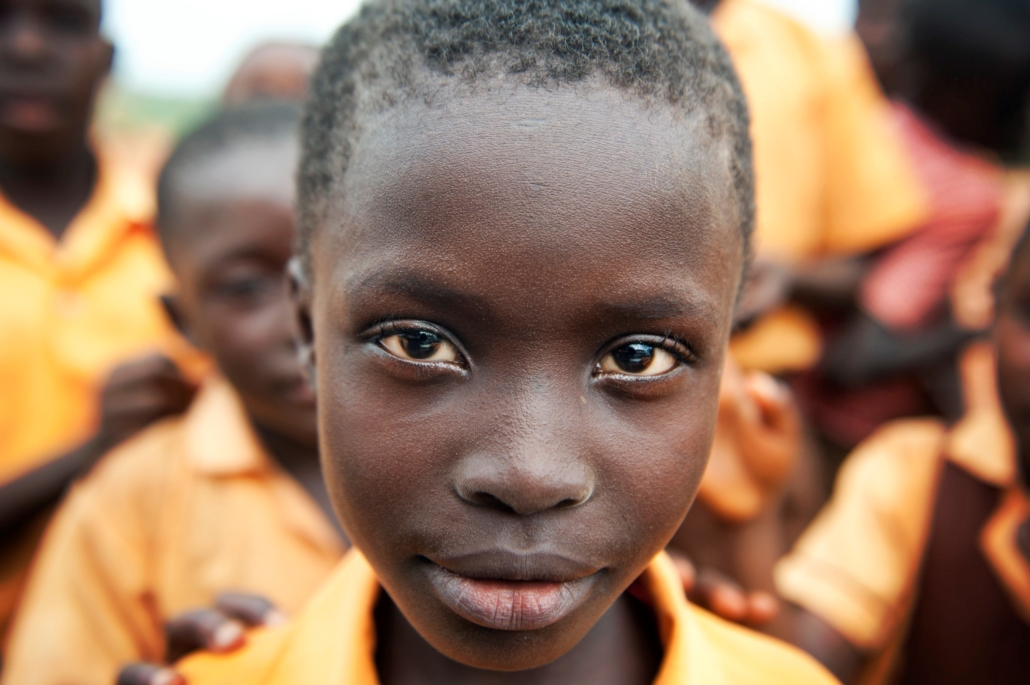
5 Challenges Children in Burkina Faso Face

  1. Hunger and Malnutrition. While Burkina Faso has always struggled with hunger, with 25% of children suffering from stunting due to malnutrition, the COVID-19 pandemic has exacerbated the problem. The number of Burkinabé people in need of emergency food assistance has risen threefold to more than 3.2 million people as of August 2020, and many of those suffering from malnutrition are children. Doctors and nurses in Burkina Faso are reporting extremely high numbers of malnourished children entering their health care facilities each day. Prior to the pandemic, Burkinabé children experienced hunger as a result of displacement from the conflicts in Africa’s Sahel region.
  2. Education. While attending primary school is compulsory for children in Burkina Faso between the ages of 7 and 14, this rule is not enforced and about 36% of children do not attend school. Additionally, 67% of girls older than the age of 15 do not know how to read or write. The high levels of poverty in the country lead to low levels of education. Furthermore, the conflicts in the area have only made it more difficult for children to access and attend schools. Armed groups have raided the schools, injuring teachers and putting Burkinabé children in danger.
  3. Health Care. Burkina Faso has the 10th-highest under-5 mortality rate in the world, with 87.5 out of every 1,000 children in 2019 dying before their fifth birthday. In addition, about 54 infants die per every 1,000 live births. The majority of children’s deaths are from communicable diseases and malaria, which the nation has struggled to prevent and control. While the number of health care workers in the area has increased in the past few decades, particularly between 2006 and 2010, it has not been quite enough to combat the needs of the ever-growing population and many children in the area still go without health care access.
  4. Child Marriage. More than half of Burkinabé children enter into marriage before their 18th birthday and the country has the fifth-highest rate of child marriage in the world. One in 10 girls younger than 19 has already given birth to at least one child. Girls with limited access to education have a higher chance of marrying as children. The same holds true for girls who live in impoverished households. Both of these trends remain common in Burkina Faso. The apparent social value ascribed to girls in the region is considered lower than their male counterparts. As a result, young girls who enter child marriages often do not have a choice in whom they marry.
  5. Child Labor. About 42% of children in Burkina Faso engage in child labor instead of attending school. Though the government adopted a “National Strategy to End the Worst Forms of Child Labor” and raised the legal minimum working age to 16, these high rates of child labor have not decreased significantly over the past few years. These children work as cotton harvesters, miners of gold and granite, domestic workers, and in some rare cases, sex workers. Child labor puts children at risk of serious injury, exploitation, and in some extreme cases, even death.

While children in Burkina Faso face all of these challenges, work is in progress to help them receive an education and reach their full potential. Save the Children, UNICEF, Action Against Hunger and Girls Not Brides are just a handful of the organizations working in Burkina Faso to ensure that these children receive the care necessary. Enduring childhood in this region is, in fact, difficult. Yet, there is hope as these groups work to improve the lives of children across Burkina Faso.

– Daryn Lenahan
Photo: Flickr

January 7, 2021
https://borgenproject.org/wp-content/uploads/borgen-project-logo.svg 0 0 Yuki https://borgenproject.org/wp-content/uploads/borgen-project-logo.svg Yuki2021-01-07 07:30:312024-05-29 23:22:155 Challenges for Children in Burkina Faso
Child Labor, Child Poverty, Global Poverty, Human Rights, Human Trafficking

How IOM is Reducing Human Trafficking in Ghana

Human Trafficking in Ghana
Human trafficking is a wicked global business that involves kidnapping people for slavery, forced labor or exploitation, robbing millions of people (largely women and kids) of their homes. Many children experience human trafficking in Ghana.

Human Trafficking in Ghana

Human trafficking in Ghana is a nationwide affair but is more prominent in the Volta region and the oil-producing Western region. Research from August 2016 reported that 35.2% of households consisted of trafficked children with 18% working in the fishing industry, 10% in domestic servitude and a few reports of early and forced marriage.

Since 2002, the International Organization for Migration (IOM), along with several NGOs and international organizations, has aimed to combat human trafficking in Ghana. These organizations mainly work towards rescuing, sheltering and rehabilitating victims.

The Importance of Community Outreach and Education

International Organization for Migration (IOM) organizes programs in the Volta, Central, Greater Accra and Brong-Ahafo Regions of Ghana to strengthen the ties between communities to effectively condemn and prosecute traffickers, provide intensive care for distressed victims and prevent trafficking altogether. The programs intend to educate the villagers about the dangers of child trafficking, international and national legislation on child rights and human trafficking as a culpable offense.

Traffickers do not always realize the immorality of keeping the kids away from their parents and schools. “For instance, Benjamin Tornye, a fisherman for 15 years, used to visit parents and ask them if their children could help him with his work. As he said, “children are good fishers.” He would teach them how to use the boat, swim and dive, and he believed he was doing the right thing.”

Therefore, rescuing trafficked children is much more than just freeing them from the clasps of exploitation. To make a real impact, the authorities must sensitize and educate people about human-trafficking; and create and maintain a peaceful environment for the well-being of the children.

Rehabilitation and Reintegration

The International Organization for Migration (IOM) and APPLE, a Ghanaian NGO founded in 1977, both rescue children from trafficking and bring them back to their families. Rescued children first go to a government-run shelter for up to three months before they reunite with their parents. At the shelter, they receive medical checks, health treatment, psychological counseling and basic education.

Additionally, a clinical psychologist inspects the victims to identify the ill-treatment that they have experienced which informs the creation of a personalized plan for rehabilitation. Next, the children attend school or undertake an apprenticeship with the necessary supplies. Otherwise, if they are fortunate enough, they go back home to their parents.

The children who return to their parents get to fulfill the fundamental right of all the children in this world: to grow up with a family. The authorities organize a background test and a compatibility test to ensure that the caretakers are suitable before handing over the child.

The development of the kids –in the family environment, school and apprenticeship– receives monitoring over a period of 2.5 years to ensure the safety and well-being of the child. Further, watchdog groups and surveillance teams have merged to prevent re-trafficking of children. Parents also receive livelihood assistance upon the homecoming of the children.

International Organization for Migration (IOM) educates the locals, national government officials, and the traffickers about the appalling effects of human-trafficking on a child. Further, it raises awareness on the issue and encourages a shift in the mindset of the people.

Accomplishments

With these wonderful initiatives and generous donations by people and organizations from all over the world, the International Organization for Migration (IOM), along with its partner NGOs, has been able to help victims of human trafficking in small ways.

As of now, IOM has rescued 732 trafficked children in Ghana and rehabilitated and reintegrated them into their respective communities. Additionally, of these children, 690 have been able to attend school with 20 graduating high school. Moreover, 10 have completed apprenticeships and are supporting themselves now, while 191 children have been able to reintegrate due to the sponsorship of private donors.

Beyond the apparent benefits to child victims of human trafficking, IOM has aided in other ways as well. In fact, it has granted education regarding trafficking to 130 communities and 48,533 community members. It has also benefitted 468 parents/guardians of trafficked children with micro-business assistance.

Finally, IOM has offered training to 50 social workers in the rehabilitation of child and adult victims of trafficking. It has also provided technical assistance in capacity-building on human trafficking issues to 150 government officials from the Police, Immigration, Naval and Judicial Services.

Government Support

The Government of Ghana introduced several policies, legislation and programs to address the main grounds of human trafficking. Consequently, to set up an all-inclusive approach, the government devised the Human Trafficking Act, 2005 (Act 694), providing a robust authorized framework to prevent human trafficking, prosecute the perpetrators and protect the victims.

The government of Ghana and the NGOs have had a modest impact in curbing the enormity of human trafficking by implementing preventive strategies. The government successfully established a capable board and conducting training sessions for law enforcement, immigration officials and the citizenry. Despite the best efforts to eradicate human trafficking and persecute domestic and international offenders, the number of human trafficking cases remains disappointingly high.

– Prathamesh Mantri
Photo: Flickr

December 22, 2020
https://borgenproject.org/wp-content/uploads/borgen-project-logo.svg 0 0 Borgen Project https://borgenproject.org/wp-content/uploads/borgen-project-logo.svg Borgen Project2020-12-22 07:30:222020-12-23 14:50:31How IOM is Reducing Human Trafficking in Ghana
Page 4 of 8«‹23456›»

Get Smarter

  • Global Poverty 101
  • Global Poverty… The Good News
  • Global Poverty & U.S. Jobs
  • Global Poverty and National Security
  • Innovative Solutions to Poverty
  • Global Poverty & Aid FAQ’s
Search Search

Take Action

  • Call Congress
  • Email Congress
  • Donate
  • 30 Ways to Help
  • Volunteer Ops
  • Internships
  • Courses & Certificates
  • The Podcast
Borgen Project

“The Borgen Project is an incredible nonprofit organization that is addressing poverty and hunger and working towards ending them.”

-The Huffington Post

Inside The Borgen Project

  • Contact
  • About
  • Financials
  • President
  • Board of Directors
  • Board of Advisors

International Links

  • UK Email Parliament
  • UK Donate
  • Canada Email Parliament

Get Smarter

  • Global Poverty 101
  • Global Poverty… The Good News
  • Global Poverty & U.S. Jobs
  • Global Poverty and National Security
  • Innovative Solutions to Poverty
  • Global Poverty & Aid FAQ’s

Ways to Help

  • Call Congress
  • Email Congress
  • Donate
  • 30 Ways to Help
  • Volunteer Ops
  • Internships
  • Courses & Certificates
  • The Podcast
Scroll to top Scroll to top Scroll to top