5 Facts About Child Poverty in Lebanon
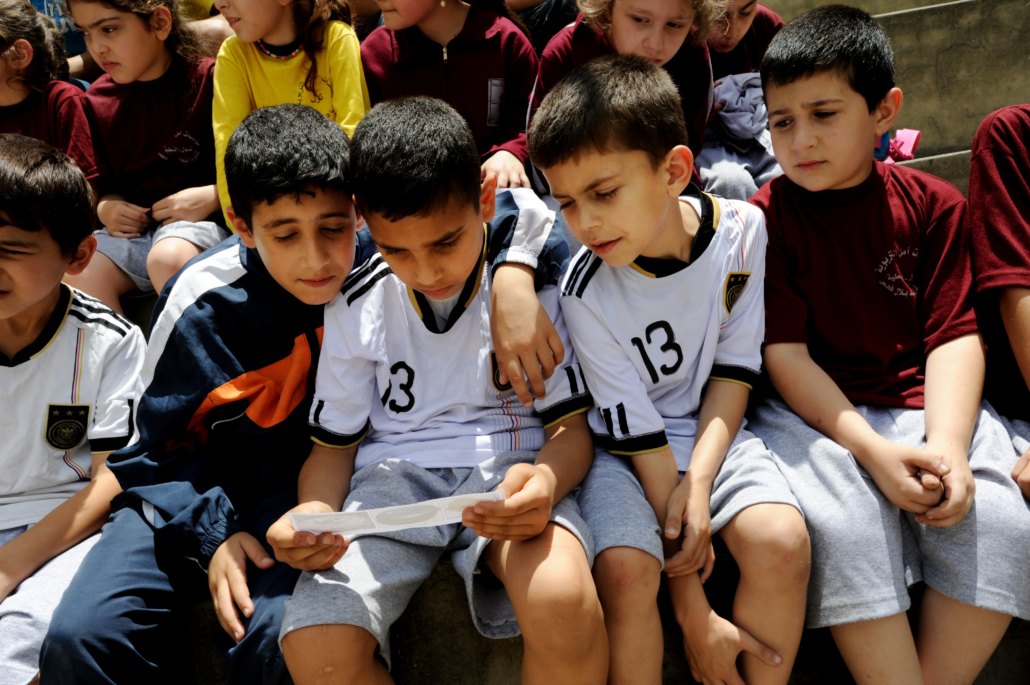
Conflict has impacted Lebanon over the past few decades, including civil war, revolution and occupation. As a result, many children in Lebanon grow up and live in harsh conditions. Here are five things to know about child poverty in Lebanon.
5 Facts About Child Poverty in Lebanon
- Poverty by the Numbers: There is severe inequality in Lebanon as 5-10% of the population receives more than half of the total national income. Around 25-30% of Lebanese people live in poverty. Refugees and other populations face an even higher rate of poverty. For all of these groups, families with children are more likely to live in poverty. Current estimates say 1.4 million children in Lebanon are living in poverty. This affects their ability to receive an education, adequate nutrition and water and future standard of living and employment.
- Education: An estimated 10% of children in Lebanon do not attend school. The schools that do exist are low quality in both education and the physical state of the buildings. The poor education in Lebanon causes less young people to acquire jobs in technical or competitive fields. Armed and violent conflicts in Lebanon have also damaged school buildings. Furthermore, children’s access to education is hindered by the 1925 Nationality Law, in which only children with Lebanese fathers receive citizenship. If a child’s only parent is their mother or the father is not Lebanese, public schools will not admit them until all other Lebanese children are enrolled.
- Child Labor: Lebanon has lower rates of child labor than many of the surrounding countries, but still 7% of children work. Many of these children work to support their families, though their salaries are often low. Boys often work in factories or agriculture which have inhumane and very harsh working conditions. Lebanon has signed on to the ILO’s Convention on Child Labor, but this has not decreased child labor.
- Refugee Children: Lebanon has a very high number of refugees living inside its borders because of its geographical location. These refugees come from Iraq, Syrian, Palestine and more. The majority of refugees live in extreme poverty. Refugee children often work in poor conditions to make money. Many also suffer from mental health problems due to their trauma. In refugee camps, children face many dangers, including domestic violence, drug use and minimal health care and basic hygiene. Lebanon has not ratified the U.N. Convention Relating to the Status of Refugees, and does little to protect these people living inside the country. The country also lacks the resources to address children’s mental health problems, but NGOs are working to provide more medical help inside the refugee camps.
- Reducing Child Poverty: The Government of Lebanon launched the National Poverty Targeting Program in 2011. The World Bank provided technical and financial assistance to this program to provide a safety net for families living in extreme poverty. Families are chosen based on level of food security, labor force status and other variables. This program currently helps 43,000 households, although more than 150,000 families are in extreme poverty and more than 350,000 qualify are in poverty. The families benefiting from the program receive a “Hayat Card,” which gives them access to free health care and educational services, and the poorest receive a debit card for food.
Children in Lebanon are still heavily affected by poverty, whether it is through health care, education or labor. Refugee children and girls are particularly vulnerable as they lack basic rights under law. Although strides have been made in recent years to eradicate poverty, the government and other organizations must prioritize addressing child poverty in Lebanon.
– Claire Brady
Photo: Flickr
