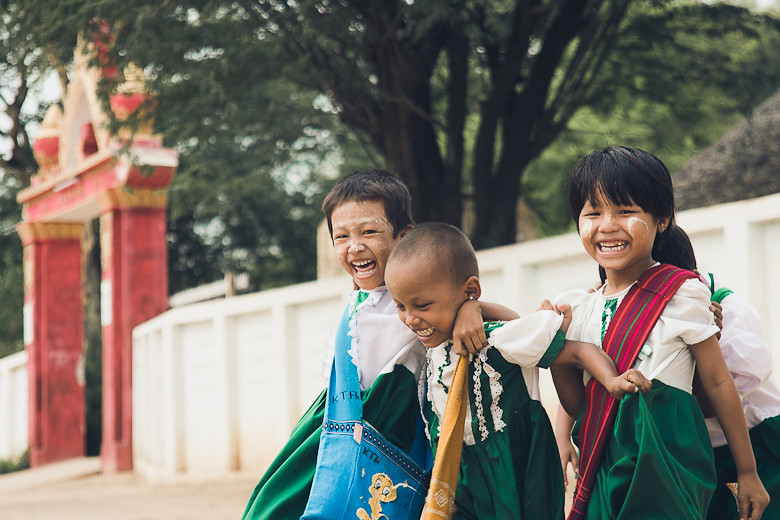
The COVID-19 pandemic and resulting lockdowns have hurt economies and workers worldwide, disproportionately affecting the world’s most impoverished citizens. Data has indicated that these rising levels of poverty link to increased levels of child labor in Ghana and across the world. Since 2000, the world has made notable and significant progress in reducing the number of children exposed to child labor: this number has reduced by 94 million, according to the International Labour Organization (ILO). However, the pandemic is hindering, and perhaps even reversing, this child labor progress in impoverished countries like Ghana. Here is how COVID-19 has affected child labor in Ghana and other countries.
Poverty in Ghana
According to Opportunity International, of the 30.4 million people living in Ghana, 13.3% survive on less than $1.90 a day. In other words, there are more than 4 million Ghanaians living in extreme poverty. Despite these numbers, Ghana holds the title of a progressive West African country in terms of its significant economic advances. In fact, between 2010 and 2019, annual economic growth averaged 6.8%, according to the Brookings Institution, a public policy nonprofit organization. Unfortunately, many deem this progress unsustainable for both the planet and the people as mineral and crude oil production are responsible for this growth.
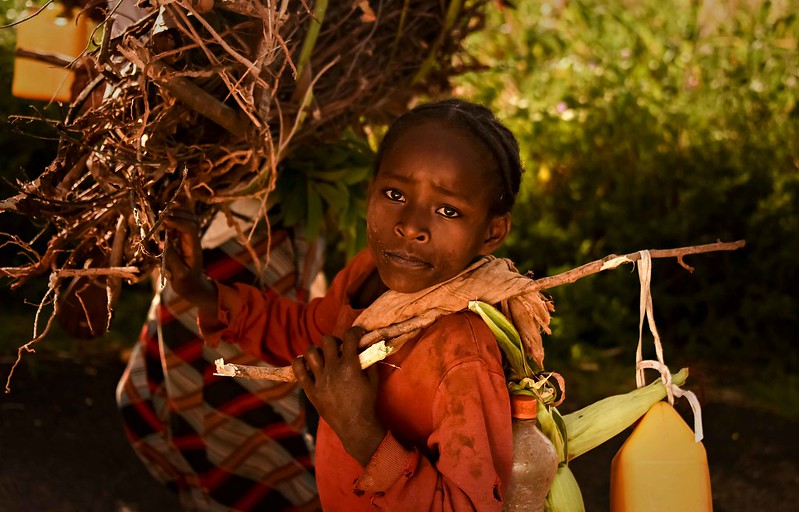
According to Opportunity International, even those who live at or above the poverty line are not far from falling below it as one small financial setback can draw many Ghanaian families back into poverty. When families lack money for basic necessities, children often end up in child labor to help provide for their families. Although there is no official data pinpointing the rise of child labor in Ghana, amid COVID-19, the International Labour Organization estimates that millions more children will be subject to child labor, “which could lead to the first rise in child labor after 20 years of progress.”
The Realities of Child Labor in Ghana
Although in 2018, 93% of children in Ghana completed their primary education, today, they still face the threat of child labor, especially with many schools closing in the wake of the pandemic. On top of this, due to pandemic-induced job losses and salary cuts, the rise of child labor in Ghana poses a serious threat to these children.
In a report on child labor during COVID-19 in Ghana, Nepal and Uganda, researchers conducted interviews with “81 working children.” The children reported working in dangerous and hazardous conditions, with some breathing in toxic fumes and others enduring cuts from sharp tools, among other hazards. In each of the three nations, more than 33% of children worked a minimum of 10 hours per day, sometimes “seven days a week.” Several Nepalese children report working “14 hours a day or more in carpet factories.” In return, these children earn little money, if anything. Exploitative employers sometimes even withhold pay.
Actions to Reduce How COVID-19 Has Affected Child Labor in Ghana
Before the onset of the pandemic, several nations addressed child labor by supplying “cash allowances to help families and reduce pressure on children to work.” In the wake of the COVID-19 pandemic, Human Rights Watch emphasizes that “As millions of families struggle financially due to the pandemic, cash allowances are more important than ever to protect children’s rights.”
Ghana stands as “the first to ratify the U.N. Convention on the Rights of the Child.” Today, Ghana’s second phase of the Nation plan of Action for the Elimination of the Worst Forms of Child Labour in Ghana (NPA2) began in 2017 and runs until the close of 2021. NPA2 intends to “build on the gains made” by NPA1, “utilizing good practices and lessons learned to address [child labor] in a more effective and sustainable manner.”
In particular, NPA2 intends to “mobilize more resources, focus action in local communities and strengthen educational outcomes so that children are enrolled and retained in school.” With international support, the government can strengthen this plan further by providing cash allowances to struggling families so that children are not obligated to earn an income.
Though this situation is dire, it is far from unfixable. As long as the world continues to keep child rights at the center of legislation, advocacy and broader policies, child labor is a solvable problem. With continued international support to the countries that COVID-19 hit hardest, incidences of child labor can dramatically reduce.
– Cameryn Cass
Photo: Flickr
 Couples and women commonly come to pray for fertility at the shrine of Shah Daula in Gujarat, Pakistan. According to certain beliefs,
 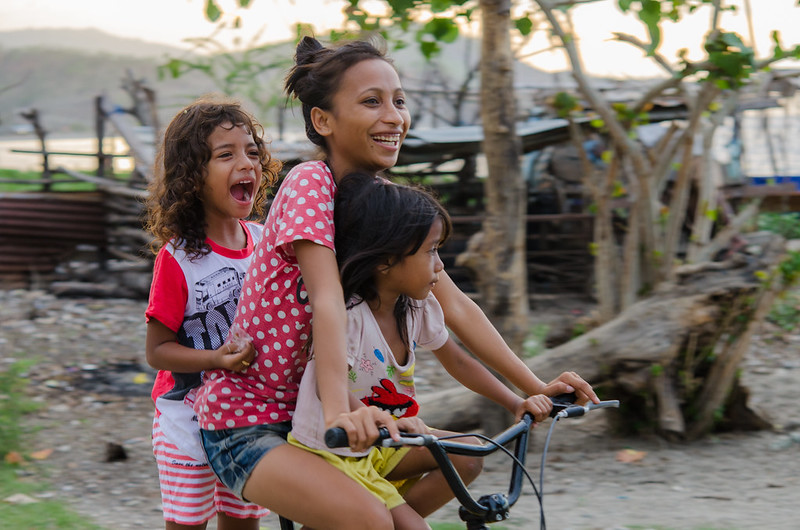 Human trafficking is the exploitation of a human being through the use of force or coercion in order to obtain labor or sexual acts. While human trafficking is a global issue with a large connection to poverty, it is important to recognize that trafficking may look different from country to country. Timor-Leste, also known as East Timor, is a Southeast nation occupying half of the island of Timor and has a significant problem with human trafficking that involves both foreign and domestic victims. According to a
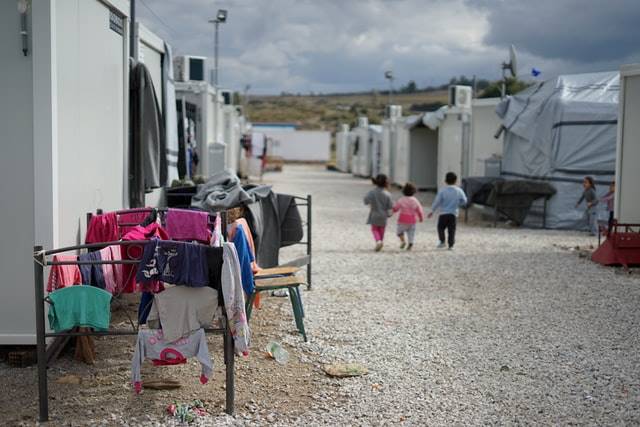 For the past decade, Syria has been the center of a brutal civil war. As a result, millions of Syrians face the everyday threats of violence, hunger and disease that wartime poverty brings about. Those most vulnerable to the effects of poverty include Syria’s children. A closer look at child poverty in Syria provides insight into the lives of Syrian children.
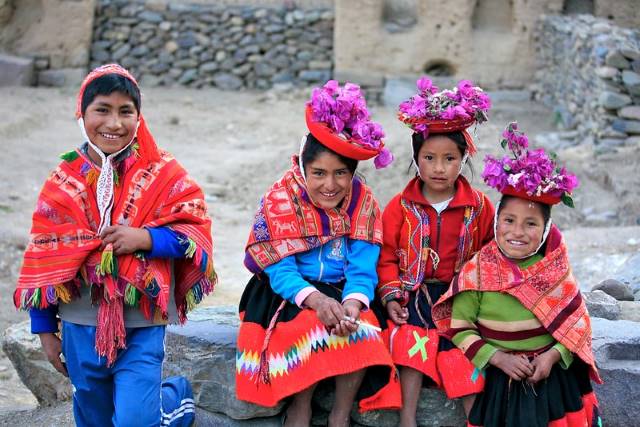 Life in Peru is rich in indigenous culture and beautiful landmarks such as Machu Picchu, Cusco and the Amazon jungle. Livelihoods in Peru take different forms as people from the countryside live in more traditional means, partly because of their Quechua origins and the location in which they reside. In the working world of Peru, children often work beside adults. However, the prevalence of child labor means that child poverty in Peru is also prevalent.
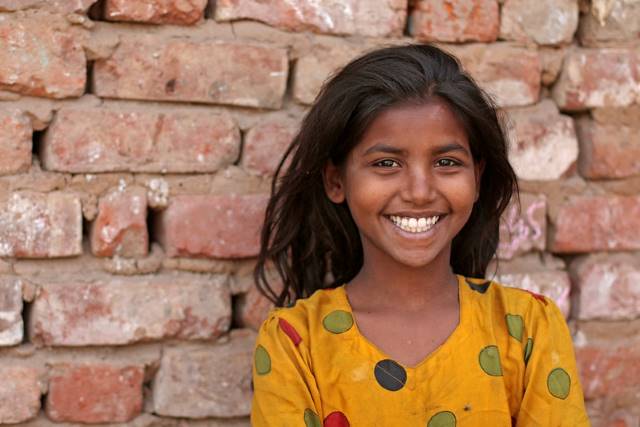 The COVID-19 pandemic has brought with it physical, social and economic impacts that have been felt worldwide. Developing countries, in particular, are more vulnerable to the effects of COVID-19. Furthermore, women and
  Bolivia is one of the most impoverished countries in Latin America. According to Children Incorporated, Bolivian