• Link to X
  • Link to Facebook
  • Link to Instagram
  • Link to TikTok
  • Link to Youtube
  • About
    • About Us
      • President
      • Board of Directors
      • Board of Advisors
      • Financials
      • Our Methodology
      • Success Tracker
      • Contact
  • Act Now
    • 30 Ways to Help
      • Email Congress
      • Call Congress
      • Volunteer
      • Courses & Certificates
      • Be a Donor
    • Internships
      • In-Office Internships
      • Remote Internships
    • Legislation
      • Politics 101
  • The Blog
  • The Podcast
  • Magazine
  • Donate
  • Click to open the search input field Click to open the search input field Search
  • Menu Menu

Archive for category: Child Labor

Child Labor, Global Poverty, NGOs

4 Organizations Fighting Child Labor in Costa Rica

Child Labor in Costa Rica
Child labor is defined in the Oxford English Dictionary as “the use of children in industry or business, especially when illegal or considered inhumane.” Customary data on the subject delineates the age bracket of child labor to be between 5 and 14 years old. It is a problem that ails vulnerable populations, most prevalent among impoverished communities, migrants and refugees.

An interesting country to survey when discussing the fight against child labor is Costa Rica. Costa Rica harbors a high concentration of child laborers, especially in the service industry and agriculture. More than 8,000 child laborers have been accounted for as of 2018. Of the child laborers working in agriculture, nearly 9% are directly involved in the collection, processing and transport of coffee, which is one of Costa Rica’s chief exports. Immigrants, both children and adults, entering from Nicaragua are frequently exploited by Costa Rican industries, having to work longer hours while compensated and insured substantially less than native workers.

A child immigrant coming from a family with little financial stability is highly susceptible to exploitation in the Costa Rican labor force. In the worst cases, they are also vulnerable to sex trafficking. However, this threat has withered remarkably in recent years due to government and social interventions. The Bureau of National Labor Affairs determined in 2018 that Costa Rica had made significant progress in combatting child labor within its borders, despite being underfunded. Here are four NGOs contributing to the elimination of child labor practices in Costa Rica.

4 Organizations Fighting Child Labor in Costa Rica

  1. Face of Justice Association: Face of Justice is an organization dedicated to the protection and safety of child trafficking victims in Costa Rica. Backed by monthly subsidies, volunteer work and community donations, they provide sanctuary to those rescued from “at-risk environments” and support to those who are currently still in those environments. Their shelters, which employ a trauma psychologist and a health practitioner, provided victims with ongoing protection in 2018.
  2. Houses of Joy: This organization accommodates indigenous children whose parents work on coffee farms in Coto Brus, offering meals and daycare services. The program aims to provide a safe alternative to grueling child labor during the coffee harvest. It relies on the generosity of farmers, who provide land and classrooms, as well as financial contributions from UNICEF and the Joint Institute of Social Assistance (IMAS). By 2018, the program had expanded to serve approximately 600 children in 15 centers. This was an astronomical increase from four years prior, when it served 175 children in six centers.
  3. I Sign Up for Education: Yo Me Apunto con la Educación, “I Sign Up for Education,” is a Ministry of Public Health program that helps adolescent kids stay enrolled in school, especially those in vulnerable areas. The ministry self-reported a decrease in dropouts by 3% in schools that participated between 2016 and 2017.
  4. Let’s Get Ahead Program (LGAP): LGAP is a program financed by IMAS that provides conditional cash transfers to low-income families. The hope is that beneficiaries will be less likely to enter exploitative work and more likely to remain in school. The legislative assembly of Costa Rica approved the allocation of future funds in the budget to this program in 2018.

While child labor in Costa Rica remains a concern, these organizations are helping children across the country stay safe. Moving forward, it is essential that these organizations continue to prioritize the elimination of child labor, expanding upon existing programs to benefit even more children. Hopefully, with continued efforts, child labor in Costa Rica will be completely eradicated.

– Camden Gilreath
Photo: Flickr

October 20, 2020
https://borgenproject.org/wp-content/uploads/borgen-project-logo.svg 0 0 Kim Thelwell https://borgenproject.org/wp-content/uploads/borgen-project-logo.svg Kim Thelwell2020-10-20 13:46:532020-10-20 13:46:534 Organizations Fighting Child Labor in Costa Rica
Child Labor, Global Poverty

The Fight Against Child Poverty in Brazil

Child Poverty in Brazil
According to a study that the United Nations published on August 14, 2018, 60% of Brazilian children live in poverty. These include children up to 17 years old who are financially poor, meaning that they do not have access to one or more of the following: education, information, water, sanitation, housing and protection against child labor. Despite these challenges, some have made efforts and improvements to address the issue of child poverty in Brazil.

Child Poverty in Brazil

A UNICEF representative claimed that in order to understand the sincerity of child poverty in Brazil, one must have an understanding of whether or not the country is enforcing fundamental rights. Rural areas do not enforce 87.5% of children’s rights whereas 41.6% do not enforce rights for children in urban areas. As a result, children do not have a guarantee of adequate access to education, proper nutrition and housing. This leaves children with no choice but to participate in child labor.

About 13.3 million Brazilian children do not have access to sanitation, while 8.8 million lack education, 7.6 million cannot access clean water and 2.5 million lack protection from child labor. Meanwhile, 13,900 children have absolutely no access to the six qualifications (education, information, water, sanitation, housing and protection against child labor) due to the fact they are beyond the limit of public policy.

Violence

The extreme poverty of Brazil’s children also results in increased violence toward them. In 2016, 18.4% of murder victims were children and adolescents. In fact, roughly 11,000 adolescents are murdered annually, giving Brazil the highest number of adolescent victims of homicide in the world. Inadequate educational programs and social services for children put them at higher risk of violent situations.

Child Labor

In November 2017, a survey found that roughly 1,000,000 Brazilian children engaged in child labor. Forms of child labor that they participated in were commercial sexual exploitation, human trafficking and agriculture. The Brazilian government has committed itself to the eradication of child labor. In fact, in 2019, it removed 1,040 victims from child labor.

A key way to combat child labor is to provide adequate education and increase attendance. Although Brazilian law requires that children gain an education, there are many issues with overpopulation, poor infrastructure and lack of resources and educators, and particularly in rural areas. Brazil is continuously making efforts to improve the education system for its citizens. For example, students previously needed to provide birth registration documents to attend school and even when families received assistance in obtaining these documents, the process often had delays. As a result, the Brazilian government approved a bill that made it so that birth certificates were no longer necessary to register for school. This of course received the Education Committee’s approval in 2018.

UNICEF Brazil

UNICEF Brazil, in partnership with Samsung, has made distinctive efforts to improve the quality of education in Brazil. In 2018, students started creating apps to facilitate learning. About 100 groups submitted ideas and 31 garnered acceptance. These groups received mentoring and help to develop their educational app. Winning teams received funding to fully develop their project.

UNICEF also implemented a safe and clean environment for children in 1,571 cities. As a result, the cities gained the UNICEF Municipal Seal of Approval. By the end of 2018, the lives of over 23,000 adolescents improved. In order to increase the safety of Brazil’s children, UNICEF trained 550 members of the Brazilian Ministry of Defense to combat sexual exploitation and abuse within the course of only six months.

Brazil’s Government Programs

In addition to UNICEF’s many contributions, Brazil’s government has instituted numerous programs aiming to improve child poverty. The National Program to Eradicate Child Labor specifically works to raise awareness and defend victims. As of 2019, the program serviced 8,982 children involved in child labor.

Additionally, a family stipend program called Bolsa Família distributes funds to families that live in both poverty and extreme poverty. To date, it has administered 14 million messages to outline the dangers of child labor. Meanwhile, Specialized Social Assistance Reference Centers has dedicated itself to providing mental health resources for victims of child labor and sexual exploitation. The organization has successfully opened 143 help centers. Another effort to fight child labor in Brazil has involved South-South Cooperation Projects, which facilitated the meeting of 24 Brazillian government representatives to discuss the best ways to eradicate child labor in connection with child poverty.

Brazil faces a massive difficulty in providing adequate protection and resources for its children in order to combat child poverty. With the dedication of the country’s government as well as nonprofits like UNICEF, massive progress has occurred and should continue in the years to come.

– Adelle Skousen
Photo: Flickr

October 14, 2020
https://borgenproject.org/wp-content/uploads/borgen-project-logo.svg 0 0 Kim Thelwell https://borgenproject.org/wp-content/uploads/borgen-project-logo.svg Kim Thelwell2020-10-14 12:16:002022-04-13 09:35:14The Fight Against Child Poverty in Brazil
Child Labor

Chocolate and Child Labor on the Ivory Coast

Chocolate Production and Child Labor
When a person craves a quick snack or pick-me-up and runs to the store to grab their favorite chocolate bar, they may not wonder where the chocolate came from in the first place. However, much of cocoa production takes place in West African in places like the Ivory Coast and Ghana. The result of this cocoa harvest is sweet, but the process is quite bitter. Currently, 2 million children in these countries labor to produce chocolate. Over the last few years, measures have removed children from this labor. However, the problematic relationship between chocolate production and child labor has increased from 30% to 41%.

The Conditions of the Children

Children often work on small cocoa farms in the Ivory Coast, and mostly as victims of human trafficking. They work day in and day out using machetes and harmful pesticides to harvest cocoa pods. The children are very young and overworked with hunger. Most of them have not even gone to school for many years.

Raising Awareness

The world’s chocolate companies are aware of the atrocities of chocolate production and child labor that are part of their products’ creation. Many have pledged to eradicate child labor in the industry, but have consistently fallen short. In an article in the Washington Post, Peter Whoriskey and Rachel Siegel addressed this issue. They outlined the continuous failure of many large companies to remove child labor from their chocolate supply chain. As a result of these companies’ negligence, the odds are substantial that a chocolate bar in the United States is the product of child labor. Some of the biggest chocolate brands, such as Nestle or Hershey, cannot even claim that child labor is not involved in their chocolate production.

Addressing the Issue

The U.S. Department of Labor’s Bureau of International Labor Affairs (ILAB) is combatting child labor in the chocolate production process. It has been creating plans and programs to break the cycle. Its research and data show that the Ivory Coast and Ghana produce 60% of the world’s chocolate, with a steadily increasing demand for chocolate worldwide. This will likely exacerbate child labor issues instead of stopping them. As the leading funders of child labor combatting programs, ILAB has raised $29 million to fight child labor in chocolate production in the Ivory Coast and Ghana.

ILAB formed the Child Labor Cocoa Coordinating Group (CLCCG). It brought together the governments of the Ivory Coast and Ghana and representatives from the International Chocolate and Cocoa Industry together. They had essential conversations that are integral in eradicating child labor in the chocolate industry.

The CLCCG works toward eradicating child labor. It has also been integral in raising awareness about this issue and creating resources to combat it. However, it cannot do it all by itself. Governments, stakeholders and large chocolate companies must commit themselves to removing children from harmful environments for the sake of cocoa production.

Looking Ahead

Chocolate production and child labor have gone hand in hand for decades. However, through the efforts of government organizations, the cocoa production process could become as sweet as its end product.

– Kalicia Bateman
Photo: Unsplash

September 30, 2020
https://borgenproject.org/wp-content/uploads/borgen-project-logo.svg 0 0 Kim Thelwell https://borgenproject.org/wp-content/uploads/borgen-project-logo.svg Kim Thelwell2020-09-30 01:30:562020-09-29 19:49:27Chocolate and Child Labor on the Ivory Coast
Child Labor, Global Poverty

Bitter Origins: Labor Exploitation in Coffee Production

Labor Exploitation in Coffee
Around 500 billion cups of coffee are consumed around the world in a typical year, an equivalent of 2.25 billion cups per day. The global coffee market was worth $83 billion USD in 2017 and was projected to rise steadily. Despite coffee’s popularity in modern life, few coffee drinkers realize the human cost to their caffeine fix. From inhumane working conditions to child labor and human trafficking, labor exploitation in coffee production is a bitter reality unbeknownst to consumers.

Global Trouble

The majority of coffee consumption happens in industrialized nations, with the United States, Germany and France as the largest importers. Conversely, more than 90% of coffee exports come from developing countries such as Brazil, Vietnam, Colombia and Mexico. Evidence suggests the presence of child labor and/or labor exploitation in coffee production in all of the above countries, in addition to many others like Costa Rica, Côte d’Ivoire, Dominican Republic and Uganda, according to a report by the U.S. Department of Labor.

From beans to brewing, coffee production is a multipart process that involves many intermediary stages before the final products reach retail stores. This laborious process means that it is extremely difficult for coffee retailers to track the origins of their coffee and ensure ethical labor practices at the source. It also means that only a small fraction – often 7% to 10%, but sometimes as low as 1% to 3% – of the retail price reaches the hands of coffee farmers. Fluctuations in coffee prices often result in farmers not earning a living wage, which jeopardizes the survival and health of their families.

Farmers’ Reality

Growing coffee requires intensive manual work such as picking, sorting, pruning, weeding, spraying, fertilizing and transporting products. Plantation workers often toil under intense heat for up to 10 hours a day, and many face debt bondage and serious health risks due to exposure to dangerous agrochemicals. In Guatemala, coffee pickers often receive a daily quota of 45 kilograms just to earn the minimum wage: $3 a day. To meet this minimum demand, parents often pull their children out of school to work with them. This pattern of behavior jeopardizes children’s health and education in underdeveloped rural areas, where they already experience significant barriers and setbacks.

Forced labor is widely reported in coffee-growing regions in Guatemala and Côte d’Ivoire. Workers suffer physical violence as well as threats of loss of work, wages, or food if they fail to perform at a certain – often unreasonable – standard. Many work without a contract, timely payment, protective gear, or appropriate medical care. Migrants are especially vulnerable since many cannot afford to return home and have to rely on plantation work to survive.

Child Labor and Exploitation

About 20% of children in coffee-growing countries fall victim to labor exploitation in coffee cultivation. Facing demanding quotas, workers often bring their children to help in the field in order to earn a living wage. The U.S. Department of Labor reports an estimated 34,131 children laborers growing coffee in Vietnam, 12,526 of which are under the age of 15. The same report finds almost 5,000 children under 14 working on coffee plantations in Brazil, often without a contract or protective equipment. In Côte d’Ivoire, children are subject to human trafficking and forced labor. Children are forcibly transported to coffee plantations from nearby countries including Benin, Mali, Togo and Burkina Faso and recruited to work for little or no pay, often for three or four years until they could return home. Threats of violence and withheld payments prevent them from leaving the farms, and many suffer from denial of food and sick leave.

Many South American countries have launched extensive and effective social programs and policies to address child labor and labor exploitation in coffee farms. In 2018, Colombia made significant advancements in efforts to tackle child labor through its campaign Working is Not a Child’s Task, the National Policy on Childhood and Adolescence, and the Center for the Crime of Trafficking in Persons. The Brazilian government funded and participated in programs that target child labor, such as the #StopChildLabor (#ChegaDeTrabalhoInfantil) Campaign and the Living Together and Strengthening Links Program (Serviço de Convivência e Fortalecimento de Vínculo).

The Fair Trade Movement

In the past decade, labor exploitation in coffee cultivation has garnered attention worldwide. As a result, many socially aware businesses have committed to a fair trade approach that promotes better profits for farmers and more sustainability in farming practices. Among other objectives, the fair trade movement works to give farmers a higher price for their coffee under conditions that strictly prohibit the use of exploitative practices. Ethically certified coffee brands such as Equal Exchange and Cafedirect have risen in popularity as consumers become more aware of labor exploitation issues. Certification schemes such as Fairtrade International, Rainforest Alliance and UTZ Certified bring value to socially conscious businesses and encourage trading practices that empower smallholder farmers.

– Alice Nguyen
Photo: Flickr

September 24, 2020
https://borgenproject.org/wp-content/uploads/borgen-project-logo.svg 0 0 Kim Thelwell https://borgenproject.org/wp-content/uploads/borgen-project-logo.svg Kim Thelwell2020-09-24 18:47:462024-05-29 23:23:24Bitter Origins: Labor Exploitation in Coffee Production
Child Labor, Global Poverty

Ending Child Labor in Pakistan

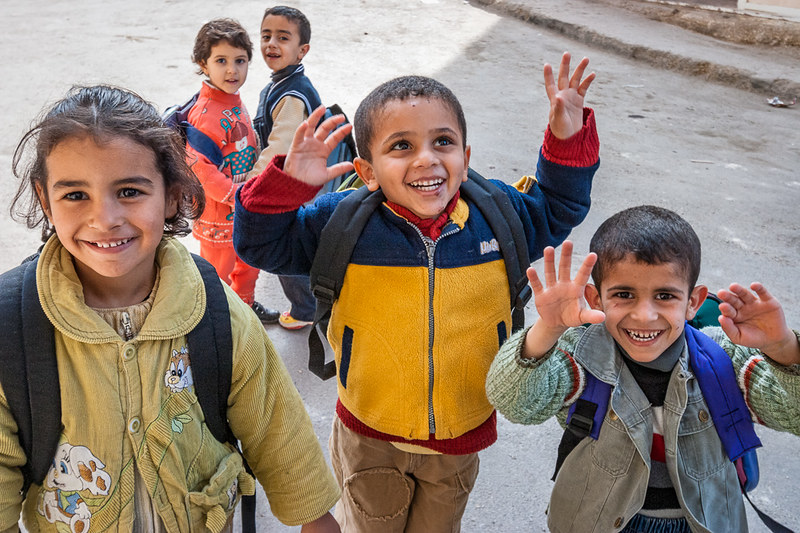
Child LaborChild labor in Pakistan continues to be a reality faced by many Pakistani children. Deprived of the opportunity to study like most other children, many are forced into work from an early age. Although Pakistan’s Employment of Children Act 1991 addresses this issue, the country continues to have difficulties implementing the legislation.
Child Labor in Pakistan

According to a 2018 report by the Human Rights Commission of Pakistan (HRCP), Pakistan has a big problem with child labor: an estimated 12 million children work in the country. Many of these children have limited educational opportunities. One of the most common jobs that these children are forced to do is domestic servitude, which requires children to serve the owners of the house. These child laborers may be forced to work from dawn to dusk, fed with leftovers and allowed to be punished in different ways. As a result of this form of labor, children are deprived of healthcare and education.

Since 2016, a project called Pakistan Decent Work Country Programme has operated in Pakistan. The organization assists the Pakistani government in eliminating the worst forms of forced labor for children. However, a new campaign is targeting attention on domestic child labor in Pakistan.

End Child Domestic Labor Campaign

In Pakistan, it is illegal to employ children under the age of 18 in factories. Until recently, the country lacked a law prohibiting children from working at home in most states. However, in June, a campaign was launched by Idare-e-Taleem-o-Asgahi (ITA) called End Child Domestic Labor. The campaign consists of 20 rights-based Pakistani organizations and suggests that children between 10 and 18 years of age belonging to any economic stratum be treated the same. In short, it argues that child abuse occurring through domestic labor must end. Accordingly, the campaign proposed a constitutional amendment that would prohibit all children under the age of 16 from engaging in any type of work.

Along with the campaign, the International Labor Organization (ILO) has developed the following strategies to address child labor in Pakistan:

  1. Strengthen the capacity of tripartite constituents to address child and bonded labor in the rural economy.
  2. Raise awareness in rural communities about the importance of ending child labor and bonded labor.
  3. Support federal and provincial authorities to improve their capacities in data collection and analysis.
  4. Promote inter-agency cooperation, partnership and learning to improve knowledge sharing and advocacy.
  5. Support ILO constituents to develop a community system for monitoring children and bonded labor.

New Law Bans Child Labor in Pakistan

On Aug. 6, 2020, Pakistan banned child domestic labor for the first time, passing an amendment that makes it illegal for children to participate in domestic labor. The government recognized the consequences of this labor, such as trauma and abuse, among young domestic workers.

The new law was implemented in response to the death of Zohra Shah, an 8-year-old girl and domestic worker who was brutally beaten and died. At the same time, Shah is not the only victim of abuse as a result of child labor in Pakistan. Among the other victims is 16-year-old Uzma Bibi, who was beaten. In addition, 10-year-old Tayyaba Quein was abused, making this a serious problem for the country. Accordingly, the Federal Minister of Human Rights announced that the cabinet’s decision will now include child domestic labor under the Employment of Children Act 1991.

The new law marks a change in Pakistan, where children will have access to education and a better life, without mistreatment or abuse. At the same time, it takes a step toward a better quality of life for all minors who are forced to work. This is and will be a great step for children’s rights and an example for other countries.

– Juliet Quintero
Photo: Flickr

September 10, 2020
https://borgenproject.org/wp-content/uploads/borgen-project-logo.svg 0 0 Kim Thelwell https://borgenproject.org/wp-content/uploads/borgen-project-logo.svg Kim Thelwell2020-09-10 18:42:062024-05-29 23:22:52Ending Child Labor in Pakistan
Child Labor, Global Poverty

7 Facts about Palestinian Children

palestinian children
Palestine is a Middle Eastern state that borders the Mediterranean Sea and primarily consists of the Gaza Strip and West Bank regions. Over five million people make up the population of both regions combined. Decades of conflict with Israel have left the land, especially Gaza, in a precarious state, with 80% of the population in Gaza needing some form of external aid to survive. Thus, Palestinian children face unique challenges and experiences.

Two-thirds of Palestinian families live above the poverty line, leaving almost one-third below the line, defined as having a monthly income of less than $640.

Children in Palestine, who make up about half of the population, are the most affected by these conditions. In both regions, more than one million children are in need of humanitarian assistance. Here are seven facts about the lives of Palestinian children.

7 Facts about Children in Palestine

  1. Infant mortality in Palestine is among the lowest in the Middle East. Infant mortality rates in the Middle Eastern region average to 18.3 deaths per 1,000 births, which is greater than Palestine’s alone. On average, there are 18 deaths per 1,000 births in Palestine between the West Bank and Gaza regions. As restrictions in movement confine Palestinians to their homes, the accessibility of adequate health care services may deprive children of their right to obtain necessary medical care.
  2. 70 percent of Palestinian children attend primary school. However, nearly 25 percent of boys and seven percent of girls drop out by age 15. These numbers are much larger for children with disabilities, who have a more difficult time accessing education. This is, in part, due to movement restrictions, as children and teachers need to cross at least one checkpoint to attend school. According to the Palestinian Ministry of Education and Higher Education, over 8,000 children and 400 teachers are in need of protective presence to obtain safe access to schooling in the West Bank.
  3. More than 80 new school buildings and 1,000 new classrooms are needed in Gaza over the next five years. The lack of sufficient classrooms has reduced learning hours for Palestinian students to 4.5 hours a day and has forced two-thirds of schools to operate on multiple shifts per day to prevent overcrowding. A lack of resources, materials, and willing teachers makes it difficult for children to attend school.
  4. Since 2000, over 10,000 Palestinian children in the West Bank have been detained by Israeli military forces in the Israeli military detention system. Defense for Children International — Palestine (DCIP) took the testimonies of 739 children, between 12 and 17 years old. Based on these testimonies, the organization found that 73 percent faced physical violence following their arrest, 64 percent faced verbal abuse and intimidation tactics by Israeli interrogators, 74 percent were not informed of their rights and 96 percent were interrogated without a family member present.
  5. The joint American Friends Service Committee (AFSC) and DCIP led the No Way to Treat a Child campaign that exposes the systematic ill-treatment of Palestinian children in Israeli military detention facilities. The campaign challenges Israel’s extended military occupation of Palestine by creating a sizeable network of people demanding immediate safeguarding of Palestinian children. As such, the proposed Promoting Human Rights for Palestinian Children Living Under Israeli Military Occupation Act (H.R.2407) follows these protocols and calls for U.S. citizens and policy-makers to take measures against unlawful detention.
  6. Conflict-related violence significantly impacts the physical and mental health of Palestinian children. Violent discipline in Palestinian homes and schools is widespread, where 91.5 percent of children have experienced psychological aggression or physical violence. The Israeli occupation has increased stress-levels and dysfunctionality within Palestinian families. The most vulnerable population— children— experience violence from both their families and Israeli soldiers alike. They are traumatized, confronting “flashbacks, nightmares, agoraphobia,” according to a UNICEF study involving children in the Gaza Strip.
  7. Coping mechanisms are eroding. Palestinian children and families are resorting to unhealthy coping strategies, such as school dropout, early marriage and child labor. Socio-economic difficulties, poverty and violence from the ongoing Israeli-Palestinian conflict have forced children to mature early in life, with one in 10 girls between the ages of 15 and 19 years old getting married. Checkpoints have contributed to significant dropout rates. Some children are even referred to as “One Shekel Kids”, moving into the labor sector to support their families.

Poverty and conflict greatly affect children in Palestine, leading to high dropout rates and negative mental and physical health impacts. More than one million children in Palestine are in need of humanitarian assistance. Despite these conditions and traumas, Palestinian children still present inspiring stories of hardiness and hope. 

– Sarah Uddin
Photo: Flickr

August 21, 2020
https://borgenproject.org/wp-content/uploads/borgen-project-logo.svg 0 0 Kim Thelwell https://borgenproject.org/wp-content/uploads/borgen-project-logo.svg Kim Thelwell2020-08-21 13:08:572024-05-29 23:22:187 Facts about Palestinian Children
Child Labor, Global Poverty

5 Chocolate Companies Fighting Child Labor in the Cocoa Industry

Child Labor in the Cocoa Industry
Chocolate is a staple dessert in many American households. However, journalists have recently helped expose the reality of the chocolate industry, revealing how most chocolate companies, including Hershey, Lindt, Mars and Nestle take advantage of child labor in the cocoa industry to increase profits. The cocoa that chocolate companies use to produce their products grows in the tropical climates of West Africa, Asia and Latin America, with West Africa producing 70% of the world’s cocoa. On average, the income of cocoa farmers is less than $2 a day. This income, which is below the poverty line, causes farmers to seek out cheap labor. Many children in West Africa live in poverty, so some children looking for work turn to cocoa farms, while others are sold into labor. Children as young as five work on these farms, enduring physical abuse and hazardous working conditions. One recently freed child slave said, “When people eat chocolate, they are eating my flesh.”

While child workers continue to be exploited, here are five chocolate companies that do not support child labor in the cocoa industry.

5 Chocolate Companies That Fight Child Labor in the Cocoa Industry

  1. Divine Chocolate: A group of farmers in Ghana founded this company in the early 1990s and set up a farmers’ co-op that traded its own cocoa and managed the entire sales process. The co-op, Kuapa Kokoo, aims to empower farmers by giving them a voice and providing ethical working conditions. The company also works to provide opportunities for women through literacy and numeracy programs, as well as training women to be buying clerks. The company is fairtrade certified and works to be environmentally conscious in its production.
  2. Endangered Species: This company focuses on farming cocoa in ethical working conditions and preserving wildlife diversity in its practice. In doing so, the company donates 10% of its annual profits to organizations that work to protect wildlife and animal habitats. Endangered Species is also the first chocolate company to source all of its cocoa from West Africa through fair trade, showing that it is committed to supporting cocoa farmers and their communities.
  3. Alter Eco: Alter Eco’s chocolate bars and truffles are made with cocoa from South Africa and only use ingredients that are clean and certified organic. The company is fairtrade certified, while also providing its partners with assistance by addressing concerns such as food security, biodiversity and gender equality. The company also aims to offset the effects of its chocolate production by practicing agroforestry, which copies the natural evolution of the forest and improves the wellbeing of its farms.
  4. Theo Chocolate: Theo Chocolate’s mission is to produce chocolate in a way that allows every member of production to thrive in the process. The company works directly with farmers in the Norandino Cooperative in Peru and Esco-Kivu in the Democratic Republic of the Congo to source its organic and fairtrade cocoa. As a fairtrade company, Theo Chocolate pays farmers above-market prices and prioritizes purchasing from smallholder farms.
  5. Shaman Chocolates: Shaman is a fairtrade certified company that donates 100% of its profits to the indigenous Huichol tribe in Mexico, which is the last tribe in North America to maintain their pre-Columbian traditions. A leader of the tribe, Brant Secunda, founded the company in order to provide financial support to allow the tribe to continue practicing their traditional lifestyle, keep conducting their ceremonies and create artwork. One of the company’s projects sent the first Huichol member to college, while other projects involve building schools and supplying beads.

In recent years, journalists have exposed the child labor that occurs in the cocoa industry. Children living in poverty sometimes turn to this industry for work and are subject to hazardous working conditions and abuses. While child labor is still used by some companies, through things like fair trade, these five companies fight child labor in the cocoa industry.

– Natascha Holenstein
Photo: Pixabay

August 13, 2020
https://borgenproject.org/wp-content/uploads/borgen-project-logo.svg 0 0 Kim Thelwell https://borgenproject.org/wp-content/uploads/borgen-project-logo.svg Kim Thelwell2020-08-13 14:24:182024-06-04 01:08:415 Chocolate Companies Fighting Child Labor in the Cocoa Industry
Child Labor, Children, Education, Global Poverty

Children of the Dump and Education

Many people in poverty find ways to create income for themselves and their families. Some choose to work in a factory or sell fruit at the local market. For others, having income comes from sifting through garbage dumps to find sellable materials. There are some very large garbage dumps located in Sub-saharan Africa, South Asia, the Middle East and North Africa. Due to waste distribution throughout a dump site, many people can sift through to find sellable items. These items can range from everyday plastic waste to copper byproducts. This type of work can be dangerous due to injury from objects in the dump or burning things that create toxic fumes. For this reason, charities such as Children of the Dump create opportunities for children in these situations to receive an education.

Payatas Dump

Looking more specifically at Manila, the city has a garbage dump that’s named Payatas Dump. The garbage dump allows people in poverty to sift through it to find items to sell. People collect the items, wash them if needed and then sell them for a minimal amount. Some people don’t just work in the dump, but also live near it since transportation can be expensive. The shelters created near the dumps are made from surrounding garbage and house several people in a confined space. In 2017, the Payatas Dump was closed, and many people lost their livelihoods. Some asked garbage truck drivers to dump garbage into the streets to scavenge enough for a small meal. This type of work doesn’t just appeal to adults; many children work in the dump to earn money for their families. As a result, many children of the dump are unable to have an education and some will sift through garbage their entire lives.

Children of the Dump

Children of the Dump is an organization created to aid children and their families who sift through garbage for money. The organization is partnered with another charity located in the Philippines and relies heavily on donations. Due to the lack of opportunities for these families, Children of the Dump provides three different programs:

  1. “Cashew Early Years” – Donations to this program go toward providing a free meal and half a day’s worth of education for 100 kids aged four to six.
  2. “Grapevine Outreach” – Donations to this program are given to families so children can attend local schools. This type of program gives children the opportunity to have an education rather than working in the dump.
  3. “Mango Tree House” – This program provides a place where displaced children can live and go to school to grow up in a nurturing and educational environment.

There are several success stories of children who were a part of Children of the Dump’s program. Two students, Danny and Jamaica, participated in the programs at very young ages. The two went on to become college graduates and are working full time.

Sifting through garbage dumps can be a way for people in poverty to earn income. However, it can prevent children in the dumps from having time to get an education because they are looking through garbage to earn money for their families. Children of the Dump works to ensure kids have access to education, helping students like Danny and Jamacia work toward future economic success.

– Brooke Young
Photo: Flickr

August 6, 2020
https://borgenproject.org/wp-content/uploads/borgen-project-logo.svg 0 0 Lynsey Alexander https://borgenproject.org/wp-content/uploads/borgen-project-logo.svg Lynsey Alexander2020-08-06 13:13:102020-08-07 04:59:21Children of the Dump and Education
Child Labor, Education, Global Poverty

Improving Education in Rural Uzbekistan

Childhood Education in Rural UzbekistanAfter gaining independence from the Soviet Union in the 1990s, Uzbekistan gradually lifted itself off the ground, despite malnutrition problems, a lack of government transparency and high unemployment rates. Since then, advancements have been made to improve opportunities for education in rural Uzbekistan.

Education in Rural Uzbekistan

Children living in rural areas are at a geographic disadvantage compared to those who live in cities. Issues affecting children living in impoverished, rural areas include a lack of access to basic education and healthcare services.

Approximately 46 percent of children living in urban areas are enrolled in school, but in rural areas, this number drops to 23 percent. The population of children aged 0-3 living in rural Kashkadarya, for example, grew by 12 percent from 2013 to 2016, yet rates of enrollment have not kept up with a growing rural population.

Making a Difference

Ameliorating the effects of child labor and the lack of access to primary education coupled with the establishment of protections over children’s rights have set the foundation upon which Uzbekistan has begun to build its nation. Programs such as the Rural Basic Education Project have been allocating funding to improve learning conditions in the rural areas of Tashkent, Surkhandarya and Kashkadarya. The goal is to increase opportunities for higher education for children living in rural Uzbekistan.

Child Labor Issues

A major, longstanding issue Uzbekistan faces is the state-controlled labor system that supports massive amounts of cotton exports. This hinders education in rural Uzbekistan from making lasting and important impacts on children.

Government-mandated labor quotas that previously included children forced out of school are becoming lenient and age-restricted. As a result, there has been a substantial decrease in the number of children working in fields. This has led to an increase in funding and the number of schools, increasing education access for rural children. In rural areas, more children are continuing their education, rather than being forced into state-mandated labor. As a result, more adults, specifically women, have greater job opportunities than they otherwise would.

Increased educational opportunities lead to greater attention to human rights laws and how they impact children living in poverty. The availability of a more open education system has also improved gender equality.

For the first time, 56,000 children are enrolled in partial-day preschool programs because of the Improving Pre-Primary and General Secondary Education Project administered by the Ministry of Public Education of Uzbekistan and regulated by the World Bank. Developing the education system, specifically in rural areas, has led to greater economic success and improved livelihoods.

The Future for Uzbekistan

Uzbekistan still faces pressing issues, including forced labor and violations of human rights. However, by investing in its children, the country has become characterized by progress and improved quality of life. The children living in poverty are the future of Uzbekistan. Through a focus on providing education for children in rural Uzbekistan, the nation is helping them grow and flourish.

– Jessica Ball
Photo: Wikimedia Commons

March 24, 2020
https://borgenproject.org/wp-content/uploads/borgen-project-logo.svg 0 0 Lynsey Alexander https://borgenproject.org/wp-content/uploads/borgen-project-logo.svg Lynsey Alexander2020-03-24 09:40:002024-05-29 23:15:16Improving Education in Rural Uzbekistan
Child Labor, Global Poverty, Human Trafficking

10 Facts About Human Trafficking in Africa

human trafficking in Africa
Today estimates determine that over 40 million people live in modern-day slavery, making it more rampant than it has ever been in human history. A significant amount of this trafficking takes place in Africa. These 10 facts illustrate what human trafficking in Africa looks like and highlights some organizations that are combatting it.

10 Facts About Human Trafficking in Africa

  1. Twenty-three percent of global human trafficking takes place in Africa. According to the 2018 Global Slavery Index, over 9.2 million people living in Africa are living in modern slavery. This makes up nearly a quarter of all human trafficking around the globe. When it comes to countries within Africa that have the highest amount of victims per 1,000 people, Eritrea has the highest prevalence with 93 victims per 1,000, followed by Burundi with 40 victims and the Central African Republic with 22.3.
  2. Nearly 40 percent of those trafficked in Africa are in forced labor. In Africa, forced labor is the reality for an estimated 37 percent of trafficking victims, according to the Global Slavery Index. Labor trafficking can take on many forms including work in agriculture, mining and fishing industries. Traffickers often force victims to work extensive hours in extremely dangerous conditions and potentially abusive environments with little to no pay.
  3. Over half of human trafficking victims in Africa are in a forced marriage. In Africa, traffickers force an estimated 63 percent of victims into marriage without their consent, many of whom are children. According to the International Labour Office, forced marriage of young girls and women can be in exchange for money, paying off debt or to settle disputes among families. Forced marriage can result in sexual and physical abuse, domestic servitude and sexual exploitation. According to the Human Rights Watch, Africa and other governments included ending child marriage as one of the targets in the 2015 United Nations Sustainable Development Goals. Since then, UNICEF says several African countries have started to create and utilize preventative action plans and strategies to address child marriage.
  4. A lot is still unknown about human trafficking in special case countries. Libya and Somalia are both special case countries according to the 2018 Trafficking in Persons Report. In other words, it is impossible to accurately measure the extent of trafficking due to extensive conflict in the area. It is Libya’s fourth consecutive year to have this classification. Violence and unrest in the region have led to a lack of authority and law enforcement, making it difficult to track human trafficking and combat it. Somalia has been a special case country for 17 consecutive years now, facing ongoing insecurity and a humanitarian crisis. Conflict in the area has continuously hindered efforts to prevent human trafficking.
  5. No African country fully meets the TVPA’s minimum standards for the elimination of human trafficking. These minimum standards of the Trafficking Victims Protection Act (TVPA) that the U.S. Department of State set includes four main parameters. These include prohibiting severe forms of trafficking, punishing trafficking crimes accordingly and making serious efforts to eliminate modern-day slavery. While no African countries fully meet these minimum standards, 19 are on the Tier 2 Watch List. According to the U.S. State Department, this means they are “making significant efforts” to comply with the TVPA’s standards.
  6. Over half of those suffering exploitation for labor are in debt bondage. According to Anti-Slavery International, debt bondage is the most common form of modern slavery. Through debt bondage, traffickers force victims to work in order to pay off a debt. However, in most cases, traffickers make debts impossible to pay off by giving laborers insufficient compensation or none at all. According to the Global Slavery Index, debt bondage accounts for 54 percent of people exploited for their labor in Africa.
  7. Over 400,000 people in Africa are victims of sexual exploitation. This accounts for 8 percent of forced sexual exploitation and commercial sexual exploitation of children around the globe. According to the International Labour Office, women and girls account for over 99 percent of these victims. 21 percent of all victims are children under the age of 18. These victims are men and women who traffickers have exploited for commercial sex. In some cases, victims may have voluntarily entered the industry but are not able to leave.
  8. The Democratic Republic of the Congo (DRC) has the highest absolute number of human trafficking victims. Over one-quarter (26.3 percent) of all victims of human trafficking in Africa are in the Democratic Republic of the Congo. According to the U.S. Department of State, although the DRC government is not making significant efforts to end trafficking, it has made some progress. The government of the DRC has taken steps to prevent the use of child soldiers and has repatriated several trafficking victims. Congolese law has also criminalized all forms of sex trafficking, but only some forms of labor trafficking.
  9. South Africa launched the Prevention and Combatting of Trafficking in Persons National Policy Framework. South Africa is not only a major destination for human trafficking but according to the United Nations Office on Drug and Crime (UNODC), many also consider it a transit country for trafficking in North America and Europe. In 2019, the Department of Justice and Constitutional Development in South Africa created a framework of the Global Action against Trafficking in Persons and Smuggling of Migrants. This National Policy Framework (NPF) engages governmental organizations as well as civil stakeholders in anti-trafficking efforts and aims to strengthen the criminal justice system in regards to human trafficking in South Africa. This framework is a four-year initiative in collaboration with the European Union and the UNODC.
  10. People traffick thousands of children on Lake Volta. Lake Volta is the world’s largest man-made lake and is essential to Ghana’s expansive fishing industry. According to the International Justice Mission (IJM), thousands of children work on this lake, many of whom traffickers force to work against their will. Often, traffickers force these children to do dangerous tasks such as untangling fishing nets and deep diving. The majority of trafficking victims are 10 years old or younger. Violence and starvation are common among these young trafficking victims and many are hard for the government to track as they are working on unregistered boats.  Since 2015, IJM has been able to rescue 164 victims from Lake Volta’s fishing industry and continues to partner with Ghana’s criminal justice system to bring traffickers to justice.

Human trafficking in Africa is a serious problem. However, with the help of organizations like the UNODC and IJM, awareness of modern-day slavery in Africa is increasing. The new legislation is helping to protect vulnerable populations and many African countries are joining the fight to end modern-day slavery.

– Megan McKeough
Photo: Flickr

February 22, 2020
https://borgenproject.org/wp-content/uploads/borgen-project-logo.svg 0 0 Lynsey Alexander https://borgenproject.org/wp-content/uploads/borgen-project-logo.svg Lynsey Alexander2020-02-22 01:30:152020-02-22 09:40:1310 Facts About Human Trafficking in Africa
Page 5 of 7«‹34567›»

Get Smarter

  • Global Poverty 101
  • Global Poverty… The Good News
  • Global Poverty & U.S. Jobs
  • Global Poverty and National Security
  • Innovative Solutions to Poverty
  • Global Poverty & Aid FAQ’s
Search Search

Take Action

  • Call Congress
  • Email Congress
  • Donate
  • 30 Ways to Help
  • Volunteer Ops
  • Internships
  • Courses & Certificates
  • The Podcast
Borgen Project

“The Borgen Project is an incredible nonprofit organization that is addressing poverty and hunger and working towards ending them.”

-The Huffington Post

Inside The Borgen Project

  • Contact
  • About
  • Financials
  • President
  • Board of Directors
  • Board of Advisors

International Links

  • UK Email Parliament
  • UK Donate
  • Canada Email Parliament

Get Smarter

  • Global Poverty 101
  • Global Poverty… The Good News
  • Global Poverty & U.S. Jobs
  • Global Poverty and National Security
  • Innovative Solutions to Poverty
  • Global Poverty & Aid FAQ’s

Ways to Help

  • Call Congress
  • Email Congress
  • Donate
  • 30 Ways to Help
  • Volunteer Ops
  • Internships
  • Courses & Certificates
  • The Podcast
Scroll to top Scroll to top Scroll to top