Fighting Poverty in the Cocoa Industry
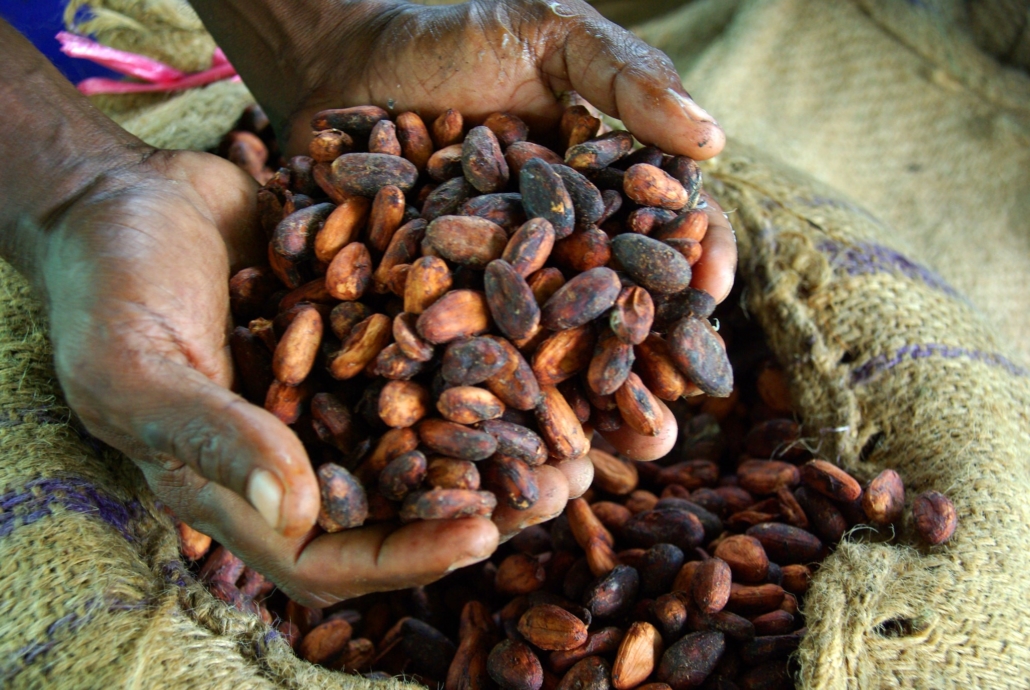
Tony’s Chocolonely, a chocolate company in the Netherlands, emerged in 2005. When police arrested a journalist by the name of Teun van de Keuken, he asked to go to prison. He hired a lawyer to help send him to prison and asked a judge to convict him of driving child slavery. However, the judge would not convict him, stating that his crime was simply eating a bar of chocolate. Keuken was not satisfied with this decision and ventured to create a chocolate company that would both combat child labor and poverty in the cocoa industry.
A Better Idea
Instead, Keuken decided to try to stop child slavery from the inside. He wanted to do this by setting up a chocolate company with the mission of ending child slavery in general by fighting poverty in the cocoa industry. Since 2005, the company has grown, and with it, so have its missions. The brand is now the Netherlands’ favorite chocolate company and it has an international reach as many supermarkets in Europe sell its products. Additionally, it is inspiring cooperatives and chocolate companies across the world. Here are Tony’s Chocolonely’s five guiding principles.
Tony’s 5 Guiding Principles
- Traceable Cocoa Beans: The company does not buy large quantities of anonymous beans, but rather trades directly with farmers and cooperatives so that it knows the environmental and social conditions in which the beans grew. The company has implemented Tony’s Beantracker so that it knows exactly where the cocoa for its chocolate comes from. This is part of its transparency to ensure conscious consumption.
- A Higher Price: The company pays a higher price for its cocoa to ensure that cocoa farmers earn a living wage, which is enough to feed their families and run their farms. This has involved paying a premium; as the cocoa market can be so volatile, Tony’s pays farmers the same amount, even when prices drop. This helps ensure that farmers have enough funds to maintain their livelihoods. In 2019, cocoa prices fell and Tony’s increased its premium from $375 to $600 per tonne to ensure the security of farmers’ income.
- Strengthening Farmers: Tony’s Chocolonely is working to professionalize farming cooperatives. If farmers work together, they will be more empowered to structurally challenge the inequality in the value chain. When working together, farmers can stand up to middlemen in the production chain, negotiate better prices when buying production resources as a collection and raise concerns. Tony’s facilitates meetings where farmers can engage and raise concerns, empowering farmers to speak up.
- The Long Term: Normally in the cocoa industry, a buyer seeks out the cheapest price. However, Tony’s has committed itself to sign five-year contracts to tie it into longer deals. The longevity of these deals allows the company to build relationships with the farmers. It also ensures farmers a stable income for five years so that they have a steady source of income and can feed their children and pay the bills.
- Improved Quality and Productivity: Tony’s invests in agricultural knowledge and skills related to growing cocoa and other crops. The company wants to help farmers increase their crop productivity to give them more stability in sales, but also in subsistence agriculture so they have the crops they need to survive nutritionally. To help here, Tony’s works with Soil & More to help farmers develop and source compost and organic fertilizer.
Walk the Walk, Talk the Talk
Tony’s Chocolonely leads by example in how it is fighting poverty in the cocoa industry. However, it has extended its mission to raise awareness and inspire others to act in the same way. It is spreading its message to more people every day in an effort to acknowledge the problems of slavery and poverty in the cocoa industry so that citizens can be more conscious consumers. Such awareness promotion is having an effect; in the Netherlands, where the company is based, 75% of people now know about the problems of child slavery and poverty in the cocoa industry and say they will try to be more ethical consumers.
Advocacy
Tony’s Chocolonely’s advocacy aims to inspire others. This is evident in its partnership with the Netherlands’ largest supermarket Albert Heijn, which has worked to make the chocolate it sells slave-free. In 2019, Tony’s Chocolonely also broke into the markets of the U.K. and Germany.
The company is aiming to pressure big chocolate producers like Nestle and Cadburys to eliminate child slavery from their practices. Tony’s Chocolonely wants to get to that tipping point where ethical practice becomes necessary for business and would like this to occur either through law or by requirement. In fact, it would like it to be necessary for businesses to have a license to operate in the cocoa industry.
– Lizzie Alexander
Photo: Flickr
