• Link to X
  • Link to Facebook
  • Link to Instagram
  • Link to TikTok
  • Link to Youtube
  • About
    • About Us
      • President
      • Board of Directors
      • Board of Advisors
      • Financials
      • Our Methodology
      • Success Tracker
      • Contact
  • Act Now
    • 30 Ways to Help
      • Email Congress
      • Call Congress
      • Volunteer
      • Courses & Certificates
      • Be a Donor
    • Internships
      • In-Office Internships
      • Remote Internships
    • Legislation
      • Politics 101
  • The Blog
  • The Podcast
  • Magazine
  • Donate
  • Click to open the search input field Click to open the search input field Search
  • Menu Menu

Archive for category: Aid

Aid, Child Malnutrition, Global Poverty

4 Countries Improving Malnutrition with RUTF

4 Countries Improving Malnutrition with RUTFThe global malnutrition crisis significantly impacts millions in underdeveloped nations. According to the World Food Programme, severe food insecurity affects more than 309 million people across 72 countries. This crisis stems from factors beyond poverty, including inadequate dietary intake, limited healthcare services and a lack of access to safe drinking water and resources. Ready-to-use therapeutic Food (RUTF) has become a key intervention in combating global malnutrition effectively.

Improving Malnutrition with RUTF

André Briend and Michel Lescanne developed RUTF more than 25 years ago to offer effective nutritional treatment for malnourished children. This high-energy paste includes ingredients like powdered milk and peanuts, along with essential vitamins, providing substantial nutritional value without the need for water or concerns about rapid spoilage. UNICEF reports that consuming three packets of RUTF daily for six to eight weeks can significantly address acute malnutrition in children and the agency currently distributes approximately 80% of the global supply. Additionally, numerous nongovernmental organizations are involved in distributing RUTF. Several countries have revealed notable improvements in the nutritional status of children and adults facing chronic malnutrition through the use of RUTF.

Yemen

Yemen faces a severe food security crisis, with 56% of its population lacking proper nutrition and nearly 500,000 children suffering from acute malnutrition. In response, UNICEF has partnered with USAID’s Office of Food for Peace and the Bureau for Humanitarian Assistance to combat starvation among children using RUTF. In the Tur Al Bahah district’s Al-Khatabiah area, 20% of children are acutely malnourished. Local health centers, supported by UNICEF, screen for malnutrition, provide RUTF treatment and conduct follow-up check-ups. The treatment has significantly aided recovery, improving conditions for affected families. USAID/BHA has supplied RUTF to address more than 144,000 cases of malnutrition in Yemen, underscoring the critical role of RUTF in combating the nation’s food insecurity.

Haiti

In Haiti, the struggle against malnutrition intensifies amid natural disasters, poor sanitation and economic challenges. With a population of 11.7 million, nearly 4.3 million face acute malnutrition and more than 22% of children under age 5 experience chronic hunger. The country’s escalating violence often hampers access to healthcare centers. To combat this, nongovernmental organizations, like Meds and Food for Kids, deliver nutritional support with their RUTF known locally as “Medika Mamba” or “Peanut Butter Medicine.” This product effectively restores essential micronutrients and is produced following standards set by PlumpyField and Nutriset, global leaders in nutritional solutions. Annually, Meds and Food for Kids produces more than 1000 metric tons of RUTF, achieving a 92% treatment success rate for malnourished children within 8 to 12 weeks.

Ethiopia

In Ethiopia, environmental challenges such as droughts and declining livestock productivity exacerbate food insecurity. The COVID-19 pandemic’s lockdown measures further worsened the situation as nearly one million children lost access to school feeding programs. This has led to acute malnutrition and a rise in micronutrient deficiencies, including iron deficiency anemia and Vitamin A deficiency. To combat this, Ethiopia’s government and UNICEF have committed to protecting vulnerable populations, such as children and pregnant women. Since 2007, Hilina Enriched Foods has collaborated with UNICEF to distribute RUTF to communities in urgent need. This partnership leverages ‘last-mile distribution’ strategies to deliver RUTF directly to health facilities, ensuring timely supply across 240 districts and improving malnutrition management in hard-to-reach areas.

Democratic Republic of Congo

In the Democratic Republic of Congo (DRC), malnutrition affects 40% of children. From June 2023 to June 2024, about 1.1 million children ages 6 to 59 months and 605,000 pregnant women experienced high rates of acute malnutrition. The World Health Organization (WHO) defines child wasting as rapid weight and muscle loss due to insufficient nutrient intake, often exacerbated by inadequate feeding practices and scarce resources. To combat this, the DRC has integrated RUTF into its national healthcare strategy, including listing it on the Essential Medicines List. UNICEF, the Bureau for Humanitarian Assistance (BHA), the World Bank and various NGOs with private funding have supplied RUTF.

Moving Forward

UNICEF has acknowledged the integration of RUTF in national clinical guidelines for malnutrition management across 71 countries. This adoption underscores a growing reliance on RUTF to combat global malnutrition effectively. Nations such as Yemen, Haiti, Ethiopia and the Democratic Republic of Congo have made significant strides by incorporating RUTF into their health strategies, revealing marked improvements in severe malnutrition cases. The support from UNICEF, USAID and various nongovernmental organizations has been instrumental in these ongoing efforts. Continued investment and focus on the programs could be essential for reducing malnutrition and improving health outcomes globally.

– Abigail Lobo

Abigail is based in Mississauga, Ontario, Canada and focuses on Good News and Global Health for The Borgen Project.

Photo: Unsplash
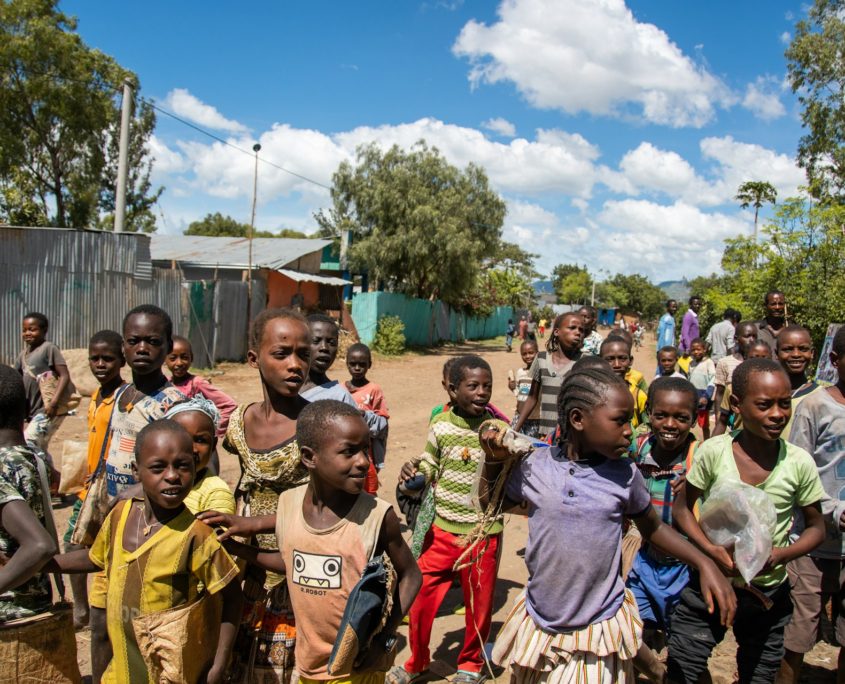
July 5, 2024
https://borgenproject.org/wp-content/uploads/borgen-project-logo.svg 0 0 Precious Sheidu https://borgenproject.org/wp-content/uploads/borgen-project-logo.svg Precious Sheidu2024-07-05 01:30:482024-07-04 03:43:114 Countries Improving Malnutrition with RUTF
Aid, Global Poverty, Nonprofit Organizations and NGOs

5 Nonprofits Fighting Poverty in South America

5 Nonprofits Fighting Poverty in South America More than a quarter of Latin America’s population faces low income and a scarcity of food and resources, highlighting the critical role of numerous nonprofits dedicated to combating poverty across the continent. In South America, poverty disproportionately affects women, Indigenous peoples and rural communities, prompting many organizations to specifically target vulnerable groups experiencing poverty in the region. Here are five nonprofits fighting poverty in South America:

RedEAmérica

This foundation creates partnerships between powerful businesses and organizations in Latin America to promote the exchange of ideas and resources to promote sustainable living and the development of local communities. RedEAmérica is based in 11 countries in the Caribbean and Latin America and has secured more than 40 partnerships across the regions. Its primary focus is collaborative knowledge to solve problems in climate change, education and gender issues. 

South American Initiative

The South American Initiative is a U.S.-based organization founded by Steven Malca. It provides food and medical aid to vulnerable groups in South America like children, babies, mothers and senior citizens. Malnutrition is the first cause of illness and death for infants, hence why its work is so important. Through its work, the South American Initiative has distributed almost 250,000 meals to those in need. In addition, the organization has many programs based in Venezuela specifically. It targets orphans, refugees and hospitals. For instance, the SAI Medical Clinic for Children helps youth avoid lifelong health conditions by ensuring they receive proper nutrition and medical aid.

Fundación Corazón Raíz

This Mexican organization primarily focuses on foundational education programs for children and youth. Its work is based on six pillars: solidarity, justice, confidence, respect, coherence and transparency. La Casa de la Mujer Indígena (translated to “The House of the Indigenous Woman”), one of its successful programs, empowers women in Indigenous communities to pursue educational opportunities and economic security. Another one of the Fundación Corazón Raíz’s initiatives is the Gayela Children Foundation, which provides housing, food, medical attention and access to education to children without families.

Nuestros Pequeños Hermanos

Nuestros Pequeños Hermanos is a nonprofit that helps children in poverty and disadvantaged circumstances in Central and South America, as well as the Caribbean. The organization has several other initiatives focused on health care and security. For instance, the Dental Care for Our Children program helps establish good dental hygiene by educating participants on the importance of a healthy dental routine.

Another initiative is the NPH Peru One Family Program. It helps children without parental care or those at risk of losing theirs, through family awareness programs that help kids become aware of their options. The program also facilitates family reintegration with follow-up support. Overall, Nuestros Pequeños Hermanos has been highly successful in providing aid to children, as seen in its past yearly reports. For instance, in 2022, more than 3,300 children from low-income households were sent to school.

Ayuda en Acción

Ayuda en Acción is a nonprofit that provides intervention throughout infancy and adolescence to disadvantaged youth through educational and economic programs. With more than 600 beneficiaries and programs in 20 countries, the organization hopes to create greater food security and peaceful conflict resolution in communities across South America.

Since its founding, Ayuda en Acción has provided more than 30,000 youth with access to education. Many of its initiatives are region-specific. For example, in Bolivia, the nonprofit helps Indigenous youth lead development in their communities to improve production and create new employment opportunities. In El Salvador, another program fortifies protection for children experiencing gender-based violence and supplies emotional and psychological care to those impacted by the COVID-19 pandemic.

Looking Ahead

Nonprofits across South America are tackling poverty by focusing on the needs of vulnerable populations, including women, Indigenous communities and rural residents. Organizations such as RedEAmérica, the South American Initiative, Fundación Corazón Raíz, Nuestros Pequeños Hermanos and Ayuda en Acción provide crucial support through education, health care and food security initiatives. Their ongoing efforts can potentially enhance the quality of life and promote sustainable development throughout the region.

– Hannah Hipolito

Hannah is based in Tampa, FL, USA and focuses on Good News for The Borgen Project.

Photo: Flickr

July 4, 2024
https://borgenproject.org/wp-content/uploads/borgen-project-logo.svg 0 0 Precious Sheidu https://borgenproject.org/wp-content/uploads/borgen-project-logo.svg Precious Sheidu2024-07-04 01:30:162024-07-04 01:53:515 Nonprofits Fighting Poverty in South America
Advocacy, Aid, Global Poverty

7 NGOs Safeguarding Overseas Filipino Workers

7 NGOs Safeguarding Overseas Filipino WorkersThe Philippines, a nation marked by vibrant culture and rapid economic development, faces significant challenges, including widespread poverty and a vast economic disparity between social classes. These ongoing issues compel many Filipinos to seek employment overseas. Known as Overseas Filipino Workers (OFWs), these individuals often face difficult working conditions, including exploitation and harsh work environments, while striving to support their families through remittances. These financial contributions are vital, lifting many households out of poverty and supporting the broader Philippine economy.

Despite the vital role they play, OFWs often contend with insufficient protection and recognition of their rights. To address these issues, the Philippine government and various nongovernmental organizations are actively working to improve conditions for OFWs, advocating for their rights and providing essential services to ensure their welfare and security. This concerted effort aims to safeguard the well-being of OFWs and optimize the benefits of their economic contributions to the country. Here are some of the NGOs supporting OFWs:

Unlad Kabayan

UNLAD Kabayan focuses on enhancing the business skills of Overseas Filipino Workers (OFWs). Earning higher wages than their counterparts in the Philippines does not always translate to financial savvy; many OFWs, despite years of working abroad, return home without substantial savings. Established in 1996, UNLAD Kabayan equips OFWs with essential knowledge to effectively invest their earnings and start businesses. The organization also supports OFWs in adjusting back to life in the Philippines, aiding their reintegration into Philippine society. This comprehensive approach aims to ensure that OFWs can secure their financial futures and contribute positively to their communities.

The Economic Resource Centre for Overseas Workers

Filipinos working abroad often encounter numerous challenges, from accidents and financial shortages to mistreatment by employers, including unpaid wages. The Economic Resource Centre for Overseas Workers, a nongovernmental organization, provides essential economic resources to support these individuals during such difficulties. The organizations’s efforts help mitigate the impact of unexpected adversities, ensuring that OFWs have the necessary support to address their immediate financial needs.

ATIKHA

Many OFWs seek employment abroad with plans to retire in the Philippines once they have accumulated sufficient funds. However, some opt to migrate permanently to their host countries, drawn by better economic opportunities. Such migrations can be costly, requiring substantial support for the workers and their families. This is where ATIKHA, a dedicated organization, excels. Its primary goal is to assist OFW families during their migration process, providing the necessary guidance and resources to facilitate their transition to a new country.

KAKKAMPI

Founded in Geneva, Switzerland, KAKKAMPI is an association dedicated to supporting Overseas Filipino Workers (OFWs). The organization provides a broad spectrum of services, including funding classes and loans, designed to enhance financial security for OFWs. Through these ongoing efforts, KAKKAMPI aims to safeguard OFWs from exploitation and ensure they have the financial resources necessary to succeed.

WE AIM OFW

WE AIM OFW collaborates closely with the Philippine government to support the One Model and Great Community (OMG) initiative. This comprehensive program encompasses various aspects such as financial support, housing funds, livelihood programs and scholarships. The organization empowers Overseas Filipino Workers (OFWs) to manage their earnings wisely and contribute positively to their communities, ensuring their financial stability and community development.

Center For Migrant Advocacy

Founded in 2002, the Center For Migrant Advocacy dedicates itself to enhancing the welfare of overseas workers globally. The organization achieves its goals through policy advocacy, networking, information dissemination, direct assistance and capability building. Key initiatives include encouraging overseas Filipino workers (OFWs) to report any abuses they or their peers endure. By raising awareness of OFW rights and welfare, the organization plays a crucial role in protecting these rights. Additionally, the Center For Migrant Advocacy offers various volunteer opportunities, empowering individuals to contribute to meaningful change.

Global Filipino Movement

The Global Filipino Movement, established by various Christian groups, provides emotional and spiritual support to overseas Filipino workers (OFWs). Recognizing the Philippines’ predominantly Christian background, the organization acknowledges the significant role faith plays for OFWs facing loneliness and hardship abroad. The NGO delivers ministry services to OFWs and their families, helping them cope during challenging periods. Active for 13 years, the Global Filipino Movement has been instrumental in bolstering the resilience of Filipino families through tough times.

Looking Ahead

The ongoing efforts to support OFWs can potentially bring about the security of their financial futures, thereby positively impacting both home and host countries. Continued advocacy and support could be vital in addressing the challenges faced by OFWs and maximizing the benefits of their contributions.

– Neil Misola

Neil is based in Kitchener, Ontario, Canada and focuses on Business and Good News for The Borgen Project.

Photo: Pexels

June 29, 2024
https://borgenproject.org/wp-content/uploads/borgen-project-logo.svg 0 0 Precious Sheidu https://borgenproject.org/wp-content/uploads/borgen-project-logo.svg Precious Sheidu2024-06-29 01:30:102024-06-30 00:56:267 NGOs Safeguarding Overseas Filipino Workers
Aid, Charity, Global Poverty

5 Charities Operating in Fiji

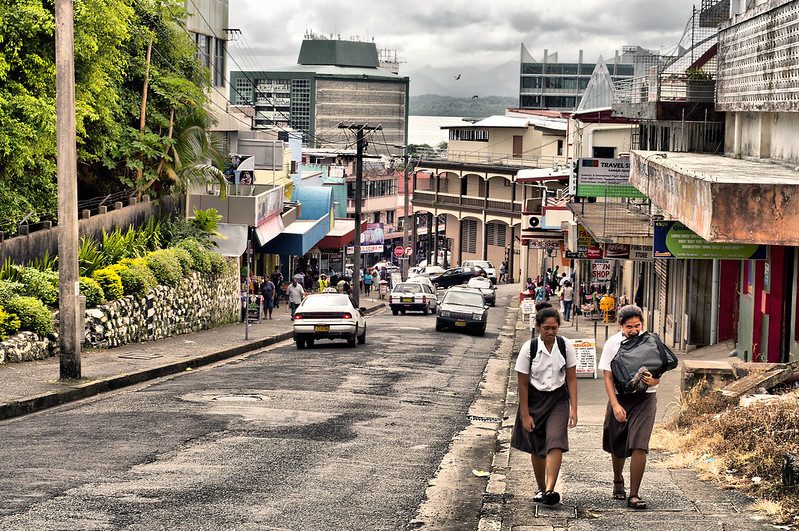
Charities in FijiFiji, a collection of volcanic islands in the South Pacific, is renowned as a popular vacation destination. According to the World Bank, Fiji has a population of more than 900,000. Despite its picturesque charm, 29.9% of Fijians lived below the national poverty line in 2019. Almost a third of the population in Fiji lacks access to necessities, in part due to the islands’ remote location. However, several charities are trying to combat the severity of poverty in Fiji. Here are five charities operating in Fiji.

Fiji Red Cross Society

The Fiji Red Cross Society has been actively committed to providing humanitarian assistance for more than 70 years. One of the organization’s core National Society programs is the youth program, which collaborates with youth representatives to advocate for the rights of Fiji youths.

The charity also started the Junior Red Cross Clubs program, an educational initiative offering an extra curriculum that can teach students about disaster preparation, health and wellness and, above all else, safety. This charity shows the importance of inclusion, as more than 70% of the volunteers for the Fiji Red Cross Society are youths, which means they are at the forefront of change.

Field Ready Fiji

Educating Fijians on how to look after their community will mean they are more prepared for future natural disasters. Fiji can experience up to 15 cyclones per decade. The intense rainfall can cause horrific floods, which frequently cause loss of life and economic damage. This is why it is essential for Fiji to have disaster preparations in place to save the Fijian communities and improve the economy.

Field Ready is an organization that aims to save lives and reduce suffering. It recruits and trains local engineers and informs people on humanitarian responses to encourage local work and support in Fiji. In 2019, Field Ready received a grant from the United United Agency for International Development (USAID), enabling it to save more lives and increase “resilience to recurrent natural hazards of at least 15,000 Pacific Islanders.”

Partners in Community Development Fiji

Founded in 1979, the Partners in Community Development Fiji (PCDF) is one of the longest-running nongovernmental organizations (NGOs) in Fiji. Sustainability is an important principle to PDCF and one of its programs is the Natural Resource Management Program, which aims to promote better management of sustainable natural resources to maximize essential resources.

Additionally,  the Pacific Islands Rural and Agriculture Stimulus Facility Project (PIRAS), implemented in 2022, aims to help farmers in Fiji recover from the effects of the COVID-19 pandemic. A survey conducted in 2023 shows that around one-fifth of people in Fiji reported running out of food, skipping meals or having additional stress due to the lack of food available to them because of the effect of COVID-19.

The PIRAS aims to maximize food and nutrition, security, preservation of local food and stabilization of the rural economy after COVID-19. So far, the initiative has provided water tanks and farming materials and started constructing nurseries for the 41 targeted communities.

Toomer Family Foundation

Vulnerable individuals with mental illness can feel ostracized within the community and the Toomer Family Foundation aims to support them through creative education. Some of the key programs that the charity runs are a national youth mentoring program, a family support service for mental health and community programs surrounding the arts.

Although this is a relatively recent charity founded in 2000, it has ambitious plans to grow and focus on supporting vulnerable people by creating a new structure of education surrounding the arts.

FRIEND Fiji

Improving the quality and quantity of medicine in Fiji is extremely important to help prevent diseases and improve the quality of life. Fiji’s constitution believes in the right to provide free health care to all communities. However, one of the biggest challenges is that due to its remote location, it is extremely difficult to access large supplies of medication. Fiji also has a shortage of emergency medical staff.

The Foundation for Rural Integrated Enterprises and Development (FRIEND) was founded in 2001 and aims to improve the health status of communities across Fiji. The charity is determined to support those living with genetic illnesses such as diabetes and cardiovascular issues.

Noncommunicable diseases (NCDs) account for 80% of deaths in Fiji, prompting FRIEND to also focus on sustainable medicine to combat these conditions. Additionally, the organization has established a screening system for diabetes across all communities to ensure timely treatment for everyone.

All of these charities focus on improving Fiji’s poverty issues, whether that be aiding them in better utilizing local produce or preparing for natural disasters. These charities operating in Fiji are making a real impact on the Fijian citizens. Even though it is seen as a beautiful and remote tourist location, there must still be support and funding for these charities to continue to make Fiji a better place.

– Charlotte Johnston

Charlotte is based in London, UK and focuses on Technology and Good News for The Borgen Project.

Photo: Flickr

June 28, 2024
https://borgenproject.org/wp-content/uploads/borgen-project-logo.svg 0 0 Hemant Gupta https://borgenproject.org/wp-content/uploads/borgen-project-logo.svg Hemant Gupta2024-06-28 03:00:492024-06-27 15:25:305 Charities Operating in Fiji
Advocacy, Aid, Global Poverty

5 Social Movements Fighting Global Poverty

Social Movements Fighting Global PovertyActivism against social injustice is increasingly visible, both through social media and street protests. The digital world offers activists opportunities to voice their concerns, from digital petitions to crowdfunding pages. Currently, social movements employ innovative resources and techniques in efforts to end poverty. Here are five inspiring social movements fighting global poverty.
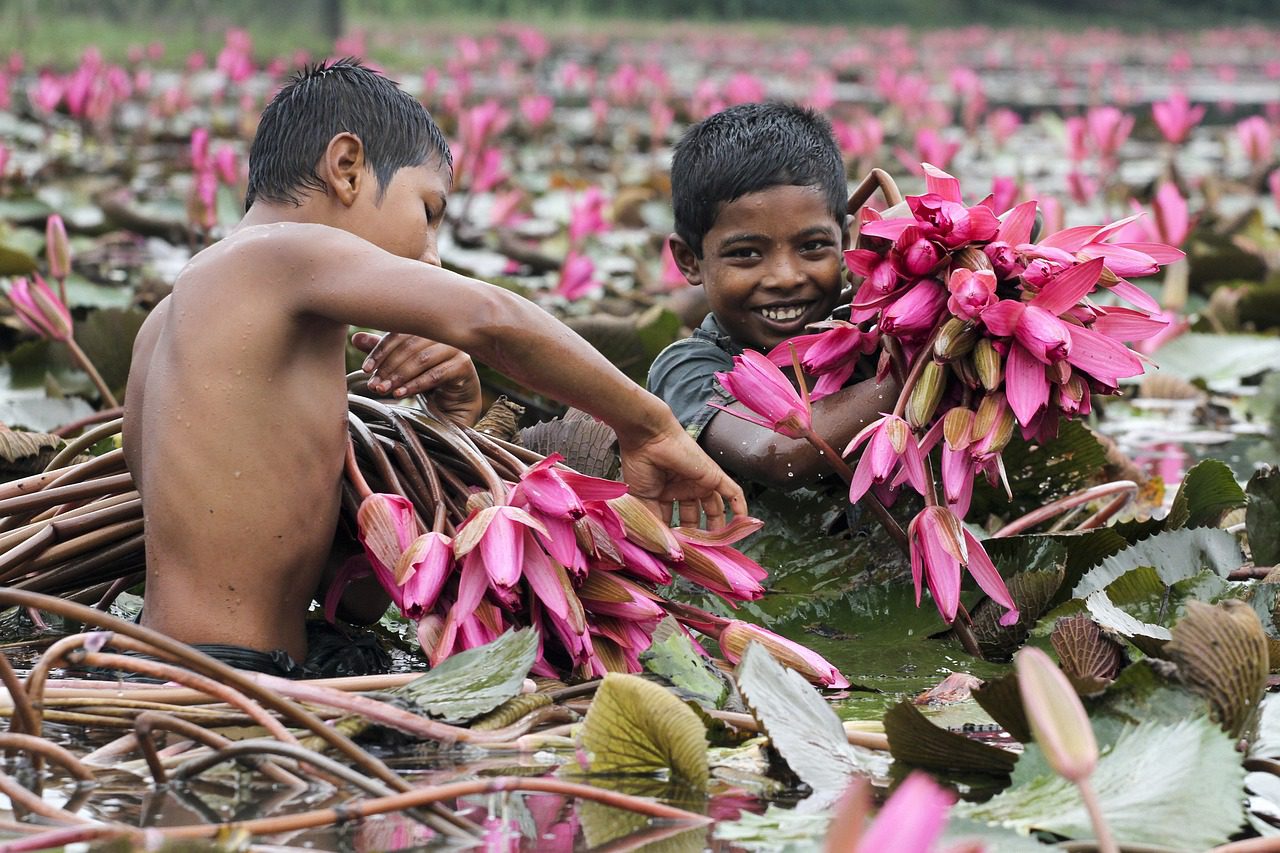
Make Poverty History (MPO)

Founded during the 2005 G8 summit, MPO emerged as world leaders convened to tackle global challenges. This gathering catalyzed the formation of movements focused on raising awareness. MPO, leveraging the summit’s political prominence, succeeded in mobilizing both the general public and influential leaders. Notably, the Live 8 event, broadcast globally, captured the attention of three billion viewers, effectively highlighting the need for overseas aid in Africa. This extensive exposure contributed to a significant commitment by the summit’s leaders: an agreement to increase international aid by $48 billion annually by 2010. MPO’s legacy continues to influence both public consciousness and political commitments to overseas aid, demonstrating the enduring impact of coordinated, global advocacy efforts against poverty. 

The Global Citizen Movement

The Global Citizen Movement is an active campaign centered on defeating poverty, demanding equity and defending the planet. These goals drive the actions taken and significantly impact the living conditions of those in poverty. The movement organizes three specific campaigns aligned with these objectives. “Stop Hunger Crisis Now” aims to minimize the global hunger gap through aid and support. “Power Our Planet” promotes awareness of sustainable energy practices that can transform our use of infrastructure. “Free Up Our Funds” addresses malpractice in investments with a focus on ethical practices.

Social Watch

Social Watch is an international network of organizations dedicated to connecting people across borders. Spanning over 70 countries, it aims to eliminate all forms of racism and injustice, with a particular focus on the injustices linked to poverty and discrimination. Social Watch regularly produces reports that inform readers about significant global events impacting those suffering from poverty. Additionally, the movement utilizes its Global Policy Watch to keep people informed about key policies being developed and enacted. It promotes and explains policies with the potential to alleviate poverty, thereby raising awareness about developments and solutions related to these pressing issues.

Landless Workers Movement

The Landless Workers’ Movement, established in Brazil in 1984, continues to champion the cause of greater autonomy for land workers three decades after its inception. The organization’s primary objective is the redistribution of land to rural workers to enable them to engage in independent small-scale farming. This initiative aims to provide these workers with a stable income source and improve their living conditions by moving away from unreliable day labor. The movement also has a significant presence in Brazil’s educational sector, where it focuses on imparting agricultural skills to both adults and children, fostering self-sufficiency. Furthermore, the movement advocates for sustainable farming practices as a means to alleviate poverty in rural communities.

International Trade Union Confederation

Trade unions serve as a pivotal mechanism for workers to unite and address unjust working conditions. By forming a confederation, these unions connect movements across the globe, facilitating the exchange of experiences and resources among workers. This global network enables collaborative efforts to enhance the lives of workers universally. The movement’s primary focus is on promoting workers’ rights, often employing a coalition-forming strategy to strengthen its impact. Currently, the confederation is spearheading a “For Democracy” campaign aimed at ensuring those in power uphold the rights of workers worldwide. Additionally, the organization is advocating for a new social contract to empower individuals in their pursuit of stable employment.

Looking Ahead

Activism against social injustice continues to grow, with both historical and modern movements striving to address global poverty. Social movements fighting global poverty like Make Poverty History, the Global Citizen Movement, Social Watch, the Landless Workers Movement and the International Trade Union Confederation are leading the charge with diverse strategies to raise awareness and drive policy changes. By harnessing both digital tools and on-the-ground efforts, these movements work toward creating a more equitable world.

– Sarah Littleton

Sarah is based in London, UK and focuses on Good News and Politics for The Borgen Project.

Photo: Unsplash

June 27, 2024
https://borgenproject.org/wp-content/uploads/borgen-project-logo.svg 0 0 Precious Sheidu https://borgenproject.org/wp-content/uploads/borgen-project-logo.svg Precious Sheidu2024-06-27 07:30:192024-06-27 15:03:445 Social Movements Fighting Global Poverty
Aid, Developing Countries, Global Poverty

Remittance to Bangladesh

Remittance to BangladeshIn recent years, remittances have become one of the primary economic contributors in recipient countries. Remittances are money transfers that international migrants send to their families in their home countries. In 2022, these money transfers to low- and middle-income countries were $647 billion. Remittance to Bangladesh has become a vital economic pillar, for a country of 171 million people.
Bangladesh’s Standing in Global Remittance

According to the World Migration Report, Bangladesh ranked as the eighth-highest recipient of remittances globally and third-highest in South Asia. In 2022, the country received a staggering $21.5 billion inflow of remittance. It is a major source of economic growth and development for Bangladesh, contributing 4.7% to the country’s GDP.

Overview of the Remittance Sector

Since independence, migration has been a significant factor in improving living standards and reducing poverty and unemployment in Bangladesh. With a huge young population and an increasing unemployment rate, many citizens have taken short-term jobs abroad.

In 2023, a record 1.3 million individuals left the country for overseas work, and many others have unregistered contracts. These migrations are mostly for unskilled or semi-skilled work.  The government aims to send an additional 1 million migrants to various countries, expanding the diaspora and increasing inward remittances by creating an “overseas employment market expansion roadmap.”

Economic and Social Factors

A mix of economic and social factors influences migration patterns from Bangladesh. Economically, many Bangladeshis migrate to escape poverty, seeking better job opportunities abroad due to limited prospects at home. The country’s high population and limited job market create pressure on local employment, pushing people to look for work in countries with higher labor demand. Socially, the desire to improve living standards and provide better education and health care for their families motivates migration, according to the Migration Policy Institute (MPI).

Remittances to Bangladesh have a profound impact on the economy. Back-home recipients use these funds to finance essential needs, education and small businesses, according to the MPI. This financial support often boosts the production of tradable and non-tradable goods and services, influences land markets and fosters the growth of banking and commerce sectors.

About 70% of remittance recipients use the funds for essential needs like food, clothing and shelter. They also invest significantly in agriculture, small businesses and housing, driving local entrepreneurship and job creation.

Improving Food Security

A World Bank analysis indicates that households in rural Bangladesh receiving remittances are more food secure compared to those that do not receive remittances. This means that remittance-recipient families are better able to afford and access sufficient food, leading to improved nutritional outcomes and overall well-being.

However, family support is not the sole driving factor of inward remittances. The migrants’ skills and education levels also play a part. A migrant with a secondary education is likely to send back more money than someone with no formal education. This highlights the importance of education and skills development in maximizing the remittance potential of future generations of Bangladeshi migrants.

Remittance Incentive Programme

The Bangladeshi government recognizes the immense contribution of its migrant workforce to the overall economic growth of the country. The Remittance Incentive Programme, launched in July 2019, is a significant initiative of the government. This program aims to encourage Bangladeshis working abroad to use official channels for sending money home, rather than informal systems. The program offers a cash reward directly deposited into the sender’s bank account for remittances sent through legal procedures. The incentive was 2% initially, then raised to 2.5% in 2022 and currently stands at 5%. This initiative promotes the use of formal channels for remittance and enhances transparency.

Remittance and the COVID-19 Pandemic

During the COVID-19 pandemic-induced global economic turmoil, the World Bank predicted that reducing inward remittance to Bangladesh would hit the economy hard. Despite that, remittance inflow started to increase in the last half of 2020 making it to the list of the top ten highest remittance recipient countries

This significant inflow has improved living standards, financed education, boosted local economies, and elevated the country’s foreign currency reserves past $46 billion. The remittances have also played a crucial role in stabilizing the balance of payments and enhancing the nation’s credit rating

Conclusion

Remittance to Bangladesh can be a powerful force to reduce poverty. Supporting education and skills development and fostering safe working conditions for migrant workers, can ensure this vital lifeline continues to flow and empower the nation for generations to come.

– Sumaiya Sultana

Sumaiya is based in London, UK and focuses on Business and New Markets for The Borgen Project.

Photo: Pixabay

June 27, 2024
https://borgenproject.org/wp-content/uploads/borgen-project-logo.svg 0 0 Jennifer Philipp https://borgenproject.org/wp-content/uploads/borgen-project-logo.svg Jennifer Philipp2024-06-27 01:30:042024-06-25 04:48:49Remittance to Bangladesh
Aid, Global Poverty, Nonprofit Organizations and NGOs

Mercy for Haiti

Mercy for HaitiHaiti is the second-largest island in the Caribbean, situated southeast of Cuba. Despite its beauty, Haiti is not only the poorest country in the Americas but one of the poorest countries in the world. In fact, in 2012, the official poverty estimates showed that more than 6 million people in Haiti lived below the poverty line. Additionally, more than 2 million were in extreme poverty.

In 2022, the population was reported to be 11.58 million people. This suggests that more than half of the Haitian population lives in poverty. Statistics also show that about one in five kids die before the age of 6 and that more than 400,000 children are orphans because of the country’s circumstances. However, the people of Haiti are being led to change with the help of a nonprofit organization.

The Mighty Fall

Instability can be blamed for Haiti’s fall from the top. Haiti constantly finds itself in a battle with instability caused by weather, political, social and developmental instability. Examples of this can be seen in its misplaced use of disaster aid and in its lack of access to work services. These actions have caused the country to rely on external revenue and farming. However, with the loss of value in its currency, not even this is enough to keep the nation afloat.

Political and social instability is another thing that Haiti has seen time and time again. Examples are the assassination of the nation’s president in July of 2021 and the population continuing to face tragedy with the inability to support themselves and family. Haiti is also home to gangs that prevent its people from leading their lives. These gangs have ruined many homes and families.

And so, between its unfavorable weather conditions from being placed on a fault line, facing debt with currency deflation and a lack of suitable income and gang violence, Haiti has found itself stuck between a rock and a hard place.

Mercy for Haiti

Despite the odds against it, Haiti has been shown grace by a nonprofit organization called Mercy International. Mercy International was founded by Dr. John Leigner, who felt “led” to aid the people of Haiti after he visited the country in 1974. With more than 100 visits and more than 50 years of work, Leigner and Mercy International are making great impacts.

Mercy International aims to rebuild the community with a helping hand from the gospel. This aim is followed through projects for medical facilities, housing and much more. The movement of this trajectory is nothing short of great for Haiti, considering the mass amounts of poverty, homelessness and orphans in the country.

Mercy’s Impacts in Haiti

Mercy International has established at least three villages in Haiti. This has enabled many residents to move from tent cities into permanent homes. In response to the devastating earthquakes in 2010 and 2020, as well as the 2016 hurricane, Mercy International has been deeply committed to addressing the urgent needs of the Haitian people.

Following these catastrophes, Mercy International built its first village in 2010, providing housing for around 700 people. Despite the subsequent storms, Mercy International persisted, establishing two more villages in southern Haiti. These villages offer more than just housing; they support residents with churches, educational programs and food initiatives.

The initiative’s educational programs in these villages have been particularly successful, resulting in many college graduates. This has been made possible through the dedication of volunteers, sponsorship and donations.

A Good Change

The work of Mercy International is crucial in a country like Haiti, where approximately 1,300 tent cities house an estimated 1.5 million people. Additionally, less than 60% of children attend primary school and 80% do not attend secondary school. The villages, education and supportive community provided by Mercy International are incredibly needed and impactful for the people.

Thanks to Mercy International, Haiti now has three new villages. This is in addition to education, housing, health care and food to support its citizens. As Mercy International continues to lead change in Haiti, more lives will be touched and more change will be seen.

– Yeliz Turkdil

Yeliz is based in Norman, OK, USA and focuses on Good News for The Borgen Project.

Photo: Fickr

June 26, 2024
https://borgenproject.org/wp-content/uploads/borgen-project-logo.svg 0 0 Hemant Gupta https://borgenproject.org/wp-content/uploads/borgen-project-logo.svg Hemant Gupta2024-06-26 01:30:092024-06-25 03:58:14Mercy for Haiti
Aid, Global Poverty, Nonprofit Organizations and NGOs

How Innovations for Poverty Action Is Helping Fight Poverty

Innovations for Poverty ActionInnovations for Poverty Action (IPA) was founded in 2002 and works to find tested and proven solutions to fight poverty. The organization has offices and projects in 20 countries and four continents. Through research and evidence, the IPA has implemented programs in many of these countries to help poverty-stricken areas.

Innovations for Poverty Action in Colombia

IPA first came to Colombia in 2010 and has since completed much research regarding poverty in the country. It has worked in various capacities, including education and migration. One of IPA’s major projects in Colombia, ConsultIPA, came from researching the effects of different programs and their impact on areas facing poverty.

ConsultIPA is an initiative that aims to help small, local nonprofit organizations develop programs. This branch of IPA works out of Colombia and provides support for these nonprofits in their commitment to the right monitoring, evaluation and learning (MEL) system. So far, ConsultIPA has helped multiple nonprofits start their foundations and implement working strategies. Two of the bigger nonprofits that IPA has helped are Fundación Iguaraya and Planeta Rural. Both of these organizations have impacted their local communities and led to bigger initiatives and practices.

Fundación Iguaraya focuses on sustainability in Colombia and promoting a greater quality of life for its residents. Its initial mission regarded local communities and their involvement in conservation efforts to achieve greater biodiversity. Over time, the mission has evolved into learning more about the local communities and how to best amplify their voices as it relates to the cultural heritage of the people. The initiative has also provided jobs, specifically as tour guides for people traveling to these local spots.

Planeta Rural has also developed into a very important organization in Colombia. The nonprofit works with young people in the rural countryside to provide help for those in need. Planeta Rural has established programs to help the more impoverished areas grow food and explore newer technologies in support of these areas.

IPA in Ethiopia

IPA has also started developing more programs in Ethiopia. Although the group does not have a base in the country, it has partnered with local groups to provide training and support for the Ethiopian people. One of its major programs has been helping the “ultra-poor” through a graduation process. The IPA took a sample group of 925 households and divided them in half: one group would receive the program’s benefits and one would not.

After the households were picked, the project was based on five components: an asset, a training program, a support program, a savings program and home visits. Each component provided the households with much-needed support and had long-lasting impacts on these homes. The impacts of this study have been overwhelming for these families. Exit surveys have shown that the families reported economic impacts, including better saving methods. Families also said that they had enough food daily after the program. Another benefit of this program has been an increase in revenue as more families have been able to find jobs and profit from the new livestock provided during the IPA program.

Looking Forward

IPA continues to provide increasing support for areas affected by poverty and will continue pursuing new evidence and results in the fight against poverty.

– Dorothy Howard

Dorothy is based in Greensboro, NC, USA. and focuses on Good News and Technology for The Borgen Project.

Photo: Pexels

June 24, 2024
https://borgenproject.org/wp-content/uploads/borgen-project-logo.svg 0 0 Hemant Gupta https://borgenproject.org/wp-content/uploads/borgen-project-logo.svg Hemant Gupta2024-06-24 03:00:382024-06-23 13:24:38How Innovations for Poverty Action Is Helping Fight Poverty
Aid, Foreign Aid, Global Poverty, Government, NGOs, WHO

KSRelief-WHO Funding Agreement for Sudan, Syria and Yemen

KSRelief-WHO Funding Agreement for Sudan, Syria and Yemen Ongoing conflicts in Sudan, Syria and Yemen have devastated public health institutions and affected millions. In Sudan, more than two-thirds of main hospitals are out of service, leaving 11 million people in need of urgent health care since April 2023. Syria faces a similar crisis, with more than 12.2 million people needing immediate medical attention due to inadequate health facility services. In Yemen, about 46% of health facilities are nonfunctional or partially operational, affecting 21.6 million people, at least two-thirds of the population. In response, the King Salman Humanitarian Aid and Relief Centre (KSRelief) is actively providing crucial support and resources to address these health care challenges.

International Aid and Collaboration

On May 25, 2024, KSRelief signed an agreement with the World Health Organization (WHO) to fund WHO’s critical health response operations in Sudan, Syria and Yemen to the amount of $19.4 million. Before signing the funding agreement, both organizations worked extensively to alleviate the pain the people in Sudan, Syria and Yemen endured.

At Jordan’s Zaatari camp for Syrian refugees, KSRelief has been operating medical clinics where doctors have provided health care assistance, including treatment for sinus and middle ear infections, to 2,349 Syrian patients. Similarly, WHO has been reinforcing disease surveillance in Sudan and Yemen to help countries such as the Kingdom of Saudi Arabia respond effectively to the health crises in these countries. KSRelief’s funding support to WHO’s critical health operations in Sudan, Syria and Yemen facilitates medical care on the ground.

Funding Dialysis Treatments in Sudan

KSRelief’s efforts includes providing $5 million to supply 100 dialysis machines and strengthen dialysis centers in Sudan. Currently, 77 renal dialysis centers in Sudan are only partially functioning and cannot provide life-saving dialysis treatment for the Sudanese people. According to the International Society of Nephrology, there are approximately 8,000 Sudanese people and more who have been relying on dialysis to stay alive since the conflict started. 

Healing Syria After the Earthquakes

On Feb. 6, 2023, a devastating earthquake in Syria destroyed many buildings, including essential hospitals and health clinics, affecting 8.8 million Syrians and resulting in the deaths of 5,954 Syrians. KSRelief supported WHO with a $4.75 million contribution to provide necessary medications and supplies to around 350,000 Syrians in need urgent health care. The funds allocated to Syria will also help WHO restore diagnostic capacity and ambulance services, assisting an estimated 4.1 million Syrians.

Countering Disease Outbreaks in Yemen

KSRelief is providing $9.5 million to support WHO’s operations in Yemen, focusing on strengthening responses to disease outbreaks like cholera and measles. Yemen currently faces over 40,000 suspected cholera cases and more than 34,000 cases of measles and rubella as of August 31, 2023. This funding also aims to help WHO enhance health care facilities in Yemen by improving their sanitation and hygiene services, thereby boosting their capacity to tackle disease outbreaks. These ongoing efforts are expected to benefit approximately 12.9 million Yemenis in urgent need of care due to the public health crisis.

Multilateral Collaboration to Address Critical Health Issues

KSRelief’s critical financial support to WHO’s health operations aims to ensure the safety of Sudanese, Syrian and Yemeni people who dream of a stable and secure future. The ongoing efforts highlight the impact multilateral collaboration between countries and organizations could have in addressing global health issues.

– Abdullah Dowaihy

Abdullah is based in Riyadh, Saudi Arabia and focuses on Good News and Global Health for The Borgen Project.

Photo: Flickr

June 21, 2024
https://borgenproject.org/wp-content/uploads/borgen-project-logo.svg 0 0 Precious Sheidu https://borgenproject.org/wp-content/uploads/borgen-project-logo.svg Precious Sheidu2024-06-21 01:30:352024-06-20 03:42:08KSRelief-WHO Funding Agreement for Sudan, Syria and Yemen
Aid, Global Poverty, NGOs

Financial Assistance Schemes for Singapore’s Low-Income Families

Financial Assistance Schemes for Singapore's Low-Income Families Financial assistance schemes in Singapore aim to help low-income families equip their children for future success. Despite challenges in measuring poverty within Singapore, data reveals that the country ranks 26th out of 136 nations for income inequality, making it the second most unequal in Asia. A primary cause of global poverty is the inability of low-income families to provide education for their children, which often leads to high unemployment rates and significant poverty levels. This issue is a concern in Singapore, but the government has recently implemented measures to tackle it, reflecting a commitment to addressing income disparity and promoting educational opportunities.

Impact of Poverty on Educational Success

Studies indicate that poverty significantly impacts children’s ability to succeed in educational settings. Children born into poverty from birth to age 2 are 30% less likely to complete high school, severely limiting their future opportunities. Those who do not finish high school often struggle to find employment as adults. Research by the Center for Universal Education has revealed that millions of children reach adolescence without acquiring basic skills. In developing countries, individuals lacking skills contribute to higher poverty rates. UNESCO reports that 59 million children are out of school.

Government and Organizational Support for Education

The Singaporean government, along with organizations like the Ministry of Education Financial Assistance Schemes (MOE FAS), actively provides financial aid to low-income families to help cover school-related expenses. For primary and secondary school students, MOE FAS completely covers school fees, standard miscellaneous fees, school uniforms, meals, transportation subsidies and textbooks. For pre-university students, the organization provides all the aforementioned support plus a $1,200 cash bursary.

Extended Financial Aid

Ongoing financial assistance schemes extend beyond primary and secondary school students. The Singaporean government subsidizes a large portion of educational costs for citizens pursuing higher education at publicly-funded institutions. Additionally, the Ministry of Education provides financial relief to students in Special Education (SPED) programs. The SPED Financial Assistance Scheme (SPED FAS) offers waived school fees and supplies materials for low-income families with students who have disabilities.

The Role of Subsidized Education in Social Inclusion

The Ministry of Social and Family Development reports that a subsidized education is a key component of the Singaporean approach to social inclusion and social mobility. Subsidized education is reportedly instrumental in the creation of equal opportunity. Moreover, ensuring a quality education is a conduit for what the ministry calls “leveling up,” which involves ensuring that students who come from disadvantaged backgrounds can still become successful and stay on an educational track.  

Looking Ahead

Singapore’s financial assistance schemes aim to provide low-income families with greater access to educational resources. By expanding these initiatives, the government seeks to address income inequality and improve social mobility. As these programs continue to develop, they focus on enhancing educational opportunities for young Singaporeans and contributing to a more equitable society.

– Hailey Nurry

Hailey is based in Pennsylvania, USA and focuses on Good News and Technology for The Borgen Project.

Photo: Flickr

June 18, 2024
https://borgenproject.org/wp-content/uploads/borgen-project-logo.svg 0 0 Precious Sheidu https://borgenproject.org/wp-content/uploads/borgen-project-logo.svg Precious Sheidu2024-06-18 07:30:392024-06-17 10:49:09Financial Assistance Schemes for Singapore’s Low-Income Families
Page 18 of 65«‹1617181920›»

Get Smarter

  • Global Poverty 101
  • Global Poverty… The Good News
  • Global Poverty & U.S. Jobs
  • Global Poverty and National Security
  • Innovative Solutions to Poverty
  • Global Poverty & Aid FAQ’s
Search Search

Take Action

  • Call Congress
  • Email Congress
  • Donate
  • 30 Ways to Help
  • Volunteer Ops
  • Internships
  • Courses & Certificates
  • The Podcast
Borgen Project

“The Borgen Project is an incredible nonprofit organization that is addressing poverty and hunger and working towards ending them.”

-The Huffington Post

Inside The Borgen Project

  • Contact
  • About
  • Financials
  • President
  • Board of Directors
  • Board of Advisors

International Links

  • UK Email Parliament
  • UK Donate
  • Canada Email Parliament

Get Smarter

  • Global Poverty 101
  • Global Poverty… The Good News
  • Global Poverty & U.S. Jobs
  • Global Poverty and National Security
  • Innovative Solutions to Poverty
  • Global Poverty & Aid FAQ’s

Ways to Help

  • Call Congress
  • Email Congress
  • Donate
  • 30 Ways to Help
  • Volunteer Ops
  • Internships
  • Courses & Certificates
  • The Podcast
Scroll to top Scroll to top Scroll to top