• Link to X
  • Link to Facebook
  • Link to Instagram
  • Link to TikTok
  • Link to Youtube
  • About
    • About Us
      • President
      • Board of Directors
      • Board of Advisors
      • Financials
      • Our Methodology
      • Success Tracker
      • Contact
  • Act Now
    • 30 Ways to Help
      • Email Congress
      • Call Congress
      • Volunteer
      • Courses & Certificates
      • Be a Donor
    • Internships
      • In-Office Internships
      • Remote Internships
    • Legislation
      • Politics 101
  • The Blog
  • The Podcast
  • Magazine
  • Donate
  • Click to open the search input field Click to open the search input field Search
  • Menu Menu

Archive for category: Aid

Africa, Aid, Global Poverty

USAID in the Sahel: Resilience and Security

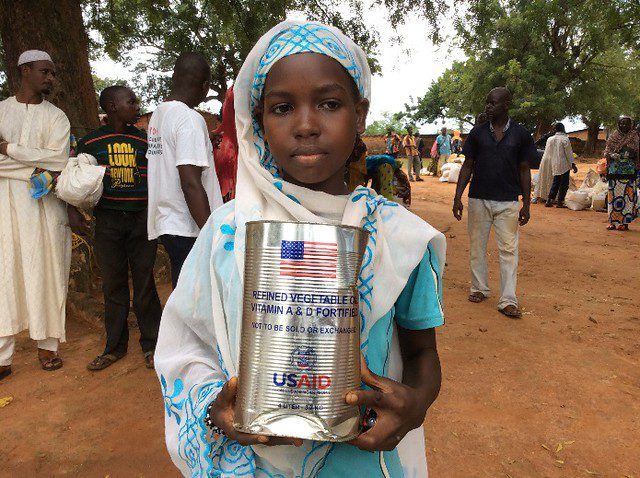
USAID in the SahelThe Sahel region is at a crossroads. Poverty, inadequate infrastructure, armed conflict and environmental challenges create recurrent humanitarian crises. USAID in the Sahel aims to reduce chronic vulnerability by alleviating systemic issues while promoting resilience against economic shocks, natural disasters and conflict.

Background

The World Bank estimates one-third of development funding is lost to disasters and crises. Resilience measures enhance coping mechanisms for hardships like natural disasters, terrorism and failed harvests.

Economic vulnerabilities and a growing youth unemployment fuel grievances and radicalization. It is now the epicenter of terrorism according to the Global Terrorism Index. The Sahel experienced 47% of global terrorism deaths in 2023. The UNOCHA estimates that 35 million people in the Sahel need humanitarian assistance.  11.6 million are food insecure, 2.2 million children suffer from severe acute malnutrition, 5.6 million people are internally displaced and 1.7 million refugees, according to the 2024 Humanitarian Programme Cycle.

The Sahel is exceptionally vulnerable to natural disasters; rising temperatures and droughts worsen already poor agricultural conditions. These factors and flawed farming practices increase desertification and soil erosion, leading to unsustainable economic approaches and shock vulnerability.

The Impact of USAID in the Sahel Region

Working with civil society, international partners and local government, USAID helps provide humanitarian and development support. In 2022, the Sahel Regional Office managed approximately $235 million for development activities and USAID’s Bureau for Humanitarian Assistance (BHA) allocated $857 million for humanitarian assistance.

According to the 2023 Sahel Regional Office Factsheet, that year, USAID funding in the Sahel:

  • Provided health care to 405,000 mothers and newborns. Furthermore, funding treated 146,000 child diarrhea cases and 450,000 childhood pneumonia cases in Burkina Faso.
  • Helped 1.2 million individuals access improved water facilities.
  • Helped manage 508,000 hectares of farmland and helped 320,000 individuals learn management practices in agriculture in Burkina Faso and Niger since 2020.
  • Assisted more than 170,000 food-insecure individuals in Mauritania
  • Provided critical food assistance to nearly 1.8 million people in 2022, built 70 shelters and provided health and kitchen supplies to nearly 7,000 displaced people in Chad.

USAID spent $2.392 billion total in the Sahel in 2023, and $1.154 billion so far in 2024 for food, health, agriculture and governance assistance.

USAID and Resilience Measures

USAID’s Resilience in the Sahel Enhanced (RISE) initiative focuses “on systemic solutions” that coordinate relief and development efforts with international donors “to support country-led plans.” RISE focused on agricultural opportunities and disaster management for chronically vulnerable households, according to a 2022 USAID report.

The program’s first stage disbursed $348 million and reached 1.9 million of the Sahel’s most vulnerable people in Burkina Faso and Niger. It mitigated the rise in food insecurity and the effects of shocks by expanding access to loans and insurance, educating people on risk and disaster preparedness and supporting social cohesion networks.

The RISE I program directly prevented one in five extremely vulnerable individuals from experiencing severe food insecurity. It mitigated the increase in food security between 2017 and 2020 to a rate of 2.9% compared to 16.5% in non-RISE areas. The program also mitigated the increase in moderate to severe food insecurity between 2017 and 2020 to an increase of 35.6% compared to 74.6% in non-RISE households.

RISE II, implemented from 2019 to 2025, focused on building resilience to economic, natural, conflict and health shocks in Burkina Faso and Niger. It secured $446.3 million in funding through 2023.

USAID in the Sahel supported economic well-being by improving access to financial services and market infrastructure. It strengthened governance through natural resource, risk and conflict management programs. USAID improved health by improving water access, nutrition, family planning and sanitation.

Security Interests

USAID in the Sahel aims to strengthen state legitimacy and curb terrorist groups and adversarial powers. However, international counter-terrorism support and regional leadership are failing. Several Sahelian countries recently experienced coups or attempted coups, including Russia-supported military regimes.

Weak infrastructural power catalyzes conflict. States cannot provide adequate social services or security, increasing local armed group influence. For example, Mali’s backing of ethnic militias and Burkina Faso’s reliance on less civil and accountable security forces created rivalries over resources and territory.

USAID in the Sahel reduces regional conflict by improving disaster reliance and addressing underlying causes of terrorism. USAID serves U.S. foreign interests by supporting regional partnerships and counter-terrorism efforts to maintain the U.S.’s presence.

Conclusion

USAID in the Sahel helped those living in extreme poverty mitigate economic and environmental risks. RISE targeted the systemic causes of poverty and promoted resilience to shocks caused by climate change, conflict and economic shifts.

The U.S. has ceded significant regional influence and failed to prevent coups and radical insurgent groups.  USAID recognizes the Sahel’s security-environment-poverty nexus and has made substantial, lasting impacts on people living in extreme poverty.

– Luke Ravetto

Luke is based in Boston, MA, USA and focuses on Politics for The Borgen Project.

Photo: Pxhere

July 28, 2024
https://borgenproject.org/wp-content/uploads/borgen-project-logo.svg 0 0 Jennifer Philipp https://borgenproject.org/wp-content/uploads/borgen-project-logo.svg Jennifer Philipp2024-07-28 07:30:192024-07-27 10:27:01USAID in the Sahel: Resilience and Security
Aid, Nonprofit Organizations and NGOs, Poverty Reduction

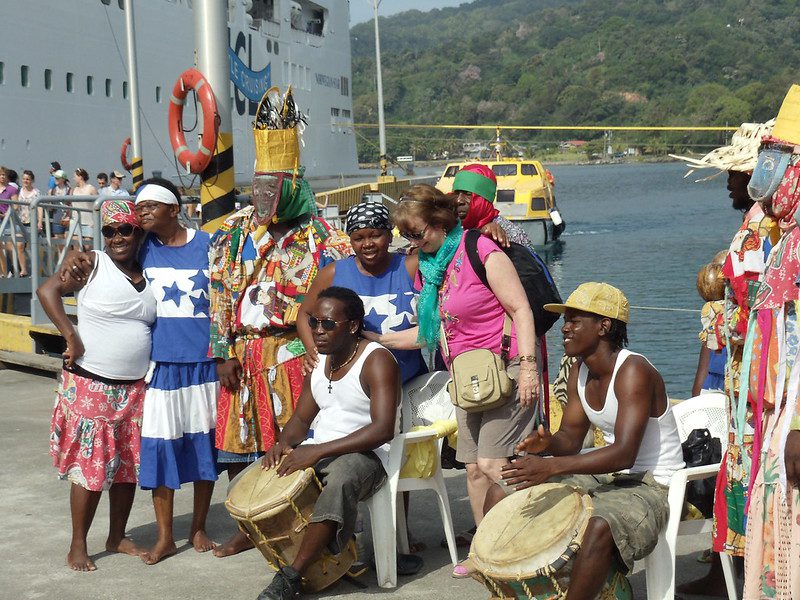
Alleviating Poverty in Honduras

How Honduras is Working Toward Alleviating Poverty In March 2024, more than 60% of Honduras was living in poverty, prompting urgent action to address the crisis. The World Bank reports that, as of 2022, 52.4% of the population lived on less than $6.85 per day. The situation worsened following Hurricanes Eta and Iota in 2020, which displaced 368,000 people and forced 200,000 into makeshift shelters. Additionally, the COVID-19 pandemic led to a 7% drop in GDP. Poverty is particularly severe in rural areas, where 40% of the Honduran population resides. These alarming statistics also highlight concerns about water quality in the country.

Water Crisis and Educational Challenges

According to the 2019 National Survey of Demography and Health, only 50% of Hondurans have access to clean, e-coli-free water. The pandemic and Hurricanes Eta and Iota exacerbated these ongoing issues by damaging critical infrastructure and restricting access to water systems.

As of March 2023, official data revealed 14% of Hondurans could not read or write. Additionally, a study by Bless the Children found that children typically require 9.4 years to complete grades one through six. Financial struggles within families often force children to contribute to household income, significantly complicating their ability to balance school and work.

Government Initiatives Alleviating Poverty in Hondorus

In 2020, along with the United Nations Development Programme (UNDP), the Honduran government launched the Single Voucher Program, supporting families struggling particularly from the pandemic. This initiative gave families a one-time voucher of $82 that can be redeemed for food, medicine and/or medical supplies. 

As of 2022, the Inter-American Development Bank approved a $75.9 million loan outlined to support 50,000 households through conditional cash transfers and 165,000 children through nutrition and early child development programs. This loan also works toward keeping children in school until seventh grade, at least. This loan is meant to be dispersed over four years. Honduras has collaborated with various international organizations to improve living conditions.

Nonprofit Initiatives

Food for the Poor, a nonprofit organization, actively improves water quality in areas affected by Hurricanes Eta and Iota. Immediately following the disasters, it installed temporary emergency water treatment systems in Bosques de Santa Lucia, Campo Las Flores and Los Achiotes. In Bosques de Santa Lucia, the organization provided 145 families with safe running water and functioning toilets. Additionally, in Campo Las Flores, Food for the Poor has diligently repaired damaged equipment and pipes affected by the hurricanes.

JustOne International has significantly boosted high school graduation rates in Aguas del Padre, Honduras. Since beginning its mission in 2019, the community has seen a 600% increase in graduation rates, with 89% of graduates advancing to higher education or securing high-paying jobs. This organization is making a substantial impact by helping thousands of young Hondurans complete their education.

Looking Ahead

As the country faces widespread issues, various initiatives are showing promise in alleviating poverty in Hondorus. Efforts by the government, supported by international organizations like the UNDP and the Inter-American Development Bank, are providing essential aid and educational support to vulnerable families and children. Nonprofits like Food for the Poor and JustOne International play crucial roles in improving water quality and boosting educational outcomes, respectively. These ongoing efforts aim to create a more resilient and self-sustaining future for Honduras.

– Madeline Rozmus

Madeline is based in Greenwich, CT, USA and focuses on Good News and Global Health for The Borgen Project.

Photo: Flickr

July 28, 2024
https://borgenproject.org/wp-content/uploads/borgen-project-logo.svg 0 0 Precious Sheidu https://borgenproject.org/wp-content/uploads/borgen-project-logo.svg Precious Sheidu2024-07-28 01:30:482024-07-30 10:52:17Alleviating Poverty in Honduras
Aid, Developing Countries, Global Poverty

USAID in the Central African Republic

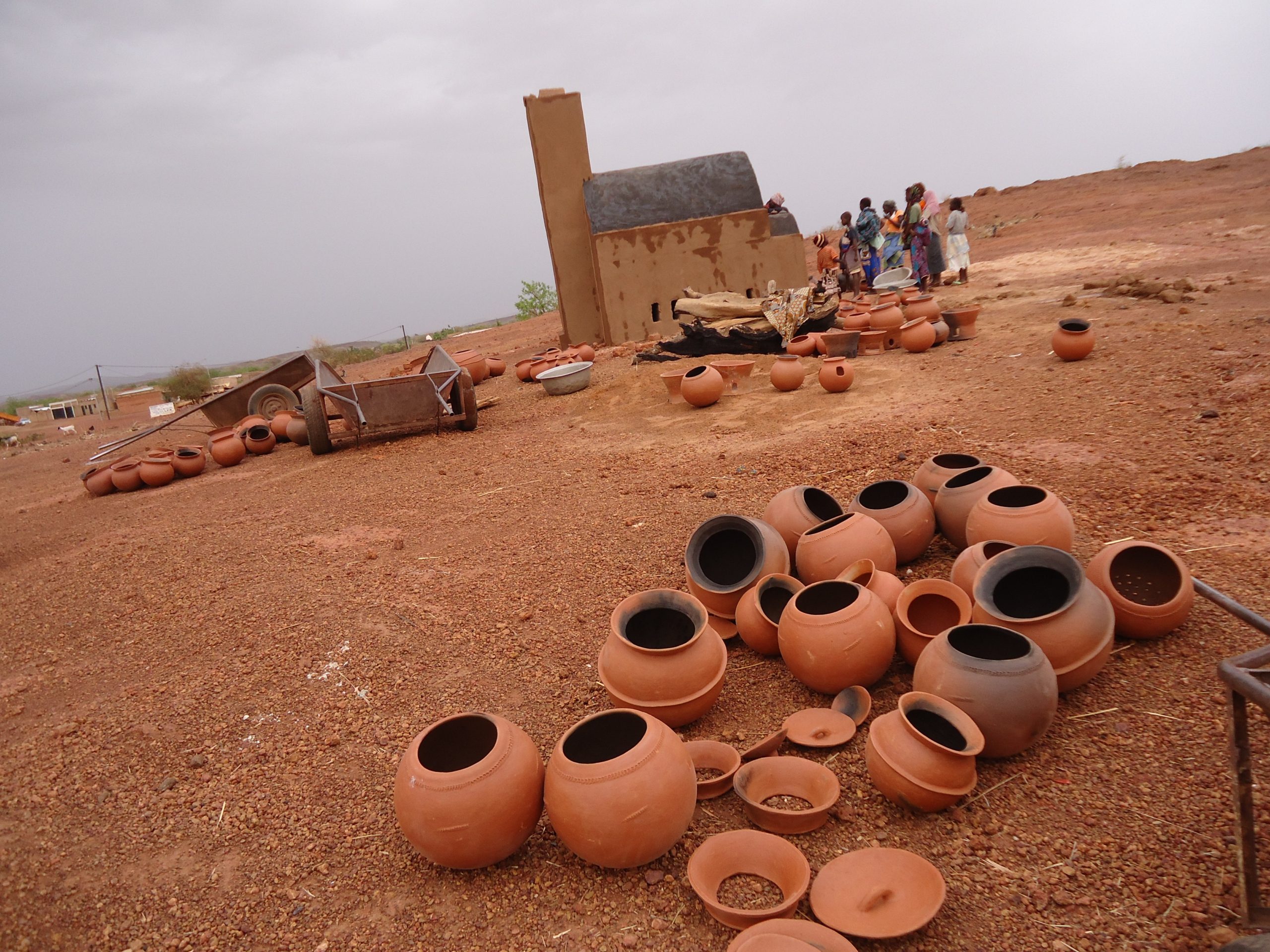
USAID in the Central African RepublicThe Central African Republic is one of the world’s poorest countries, despite its abundant valuable resources such as diamonds, gold, oil and uranium. The government has faced instability since its inception in 1960 when the country became an independent country. It has since seen multiple military coups which have become especially disruptive since 2013 and more than 60% of the country lives in poverty. This amount of poverty combined with weak governance has led to multiple humanitarian issues, such as high maternal mortality rates and low life expectancy. Many people and organizations within the country and around the world work to aid struggling or displaced people in the Central African Republic. The United States Agency for International Development (USAID) has programs committed to focusing on humanitarian aid and responding to crises in the Central African Republic but also invests in economic growth, trade and the environment.

Economic Growth and Trade

Currently, USAID programs in the Central African Republic are restoring an 85-mile stretch of road in the northwest region. The construction of this road creates jobs for locals and upon completion it connects two northern cities, opening their markets to each other. Unemployment in CAR stood at 6.34% in 2022. While little information is given on this project, USAID boasts community involvement and job creation as well as the potential for new trade, all of which can aid in reducing unemployment.

Environment

USAID programs in the Central African Republic also fund the Central Africa Regional Program for the Environment (CARPE) which aims to protect the world’s second-largest rainforest. Located in the Congo Basin, the rainforest is threatened by deforestation, biodiversity loss, environmental destruction and growing global demand for resources.

About 70% of the country’s population depends on agriculture and nearly half of its population is food insecure. It is also facing an increasingly common issue with cattle farmers who cannot find grazing land. They have to travel farther than they used to graze, often causing them to cross borders into the Central African Republic because of its abundant fields. This puts a heavy strain on CAR’s resources and causes possibly violent disputes.

USAID supports the region by building up local, regional and national organizations to mitigate natural disasters, improve management of natural resources and sustain biodiversity. It also enforces logging regulations, reforms natural resource policy, engages communities in resource management and shares the benefits of forest resources.

CARPE is the largest environmental program from USAID. Its mission is to create a Congo Basin with healthy ecosystems and dynamic local leadership that supports stability and prosperity in communities. USAID works with partners such as the World Wildlife Fund to fund conservation, development, and community projects and improve the livelihoods of farmers across the region.

Crises and Conflict

Although recognizing the importance of economic growth and the environment, USAID places most of its focus on humanitarian crises in the Central African Republic. Fighting between the national army and rebel forces permeates across the country, regularly affecting civilian safety. In 2022, the government tried to remove the president’s two-term limit from the constitution, which only fueled the fire. This has led to an increase in abductions and hostages from both sides.

Because of ongoing instability, violence and displacement within the country people are often left without necessities. USAID works to combat food shortages and delivers medical aid such as measles vaccines and malnutrition treatment, according to its website. In places with more extreme conflict, they also provide emergency relief supplies, food aid, health and nutrition supplies, protection, water, sanitation and hygiene supplies and coordinated humanitarian efforts.

Food and Water

As of March 2024, USAID works with different partners to provide food security, health and nutrition, logistics support, water, protection and shelter and settlement in the Central African Republic. UNICEF, for example, partners with USAID to provide access to safe water for nearly 100,000 people through the rehabilitation and repair of more than 90 boreholes, the implementation of emergency water supply systems, and the distribution of household water treatment kits.

The World Food Program (WFP) implements cash transfers, locally procured food, food vouchers, and some U.S.-sources crops and supplementary feeding programs for young children and pregnant or breastfeeding women. These are just two of their many partners and programs which also include things such as humanitarian air transportation due to insufficient roads, latrines and hygiene kits, community safety awareness sessions, emergency case management, emergency shelter kits and more.

The Central African Republic is facing political and economic instability and a major climate crisis at the same time, leading to skyrocketing poverty and food insecurity rates. USAID programs in the Central African Republic are designed to target these issues and help remove people from violence, poverty and hunger.

– Anna Thibodeau

Anna is based in Omaha, NE, USA and focuses on Good News for The Borgen Project.

Photo: Flickr
July 27, 2024
https://borgenproject.org/wp-content/uploads/borgen-project-logo.svg 0 0 Jennifer Philipp https://borgenproject.org/wp-content/uploads/borgen-project-logo.svg Jennifer Philipp2024-07-27 01:30:132024-07-26 06:08:46USAID in the Central African Republic
Aid, Entertainment, Global Poverty

Direct Relief and Bungie’s Humanitarian Efforts


Grassroots Gaming: Direct Relief and Bungie’s Humanitarian Efforts Gaming has evolved significantly from its novelty status in the 1950s to become a major industry, featuring several prominent companies that release high-budget titles. Within this expansive industry, some companies dedicate efforts to significant humanitarian work that benefits developing nations. A notable instance is the partnership between Direct Relief and Bungie, which has made considerable impacts despite limited coverage in mainstream media and gaming publications.
A Bungie Crash Course

Bungie is a “Triple A” video game development studio and publisher. It is best known for creating the Destiny series of live-service first-person shooters. The series is wildly popular and currently has two games; both installments have released several expansions. Within Destiny’s first week on the market in 2014, it made back its $500 million investment.

Work with Direct Relief Gaming

Direct Relief is a humanitarian organization focused on combating global poverty and responding to natural disasters. A lesser-known division, Direct Relief Gaming, collaborates extensively with gaming content creators and hosts its own charity livestream series, the Direct Relief Colosseum. This division has uniquely partnered with a game developer, Bungie, through the Bungie Foundation. While the Bungie Foundation primarily supports children’s initiatives, it has joined forces with Direct Relief several times to aid in disaster relief and pandemic responses, leveraging its community’s engagement for broader humanitarian impact.

Work In Nepal

In 2015, Nepal suffered from two high-magnitude earthquakes within three weeks, causing widespread devastation, displacement and critical injuries. In response, Direct Relief partnered with Bungie to raise funds for the victims. Bungie offered T-shirts and digital in-game items like shaders and emblems for sale, with all proceeds going to earthquake relief. The gaming community enthusiastically supported the initiative, purchasing more than 50,000 shirts. This effort successfully raised more than $1 million, making Bungie the largest single contributor to the relief efforts and marking the campaign as Bungie’s most successful charitable fundraiser. Due to this partnership, Direct Relief distributed essential medical supplies to organizations operating in Nepal.

Guardian’s Heart and COVID-19

During the COVID-19 pandemic, Direct Relief emerged as one of the largest humanitarian organizations distributing supplies globally. Partnering with Bungie, they launched the Guardian’s Heart fundraiser, which offered a special in-game emblem in Destiny 2 to donors contributing at least $20. The campaign successfully raised more than $780,000, funding critical medical supplies for first responders, especially in low- and middle-income countries with limited access. This initiative was part of Direct Relief’s broader impact during the pandemic; within a year, the organization donated 82 million units of personal protective equipment, 173 million defined daily doses of essential medicines and 36,000 pieces of diagnostic and intensive care equipment. Its efforts spanned more than 100 countries and distributed more than $50 million to health care providers worldwide, demonstrating a profound and far-reaching impact.

Looking Ahead

Bungie’s partnership with Direct Relief has made substantial impacts on global humanitarian efforts, particularly during crises like the Nepal earthquakes and the COVID-19 pandemic. Through innovative fundraising campaigns involving their gaming community, Bungie has raised significant funds to support disaster relief and medical supply distribution. These ongoing efforts highlight the role that the gaming industry can potentially contribute to global humanitarian causes.

– Meredith Wyrick

Meredith is based in Magnolia, TX, USA and focuses on Good News and Global Health for The Borgen Project.

Photo: Flickr

July 26, 2024
https://borgenproject.org/wp-content/uploads/borgen-project-logo.svg 0 0 Precious Sheidu https://borgenproject.org/wp-content/uploads/borgen-project-logo.svg Precious Sheidu2024-07-26 03:00:292024-07-25 13:23:27Direct Relief and Bungie’s Humanitarian Efforts
Aid, Development, Global Poverty

Australia Awards – Direct Aid Programs Impacting Millions

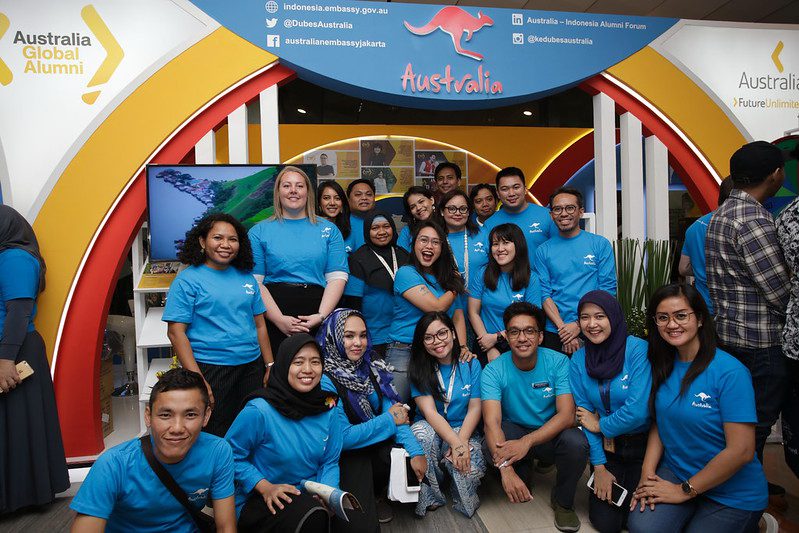
Australia AwardsAustralia has a yearly development budget of $4.96 billion, which is split between international scholarship programs, funding committed to development programs and specific, committed programs dedicated to assisting the progress developing countries make toward their development goals. However, here are some of the ways this budget is used to support developing countries around the world.

Australia Awards – Scholarships for Thousands

The Australia Awards are a scholarship program in Australia designed to recognize the achievements of individuals from underrepresented backgrounds. Australia has historically offered favorable opportunities for individuals seeking higher education in developing countries neighboring Australia. This is part of the agreement with Tuvalu, the Falepili Union, which includes the establishment of a visa allowing Tuvaluans to live, study and work in the country.

What makes the Australia Awards particularly impactful is the targeted nature of the Awards. Applications from often marginalized groups such as women and those with disabilities are encouraged. The Awards also target specific areas of study and the program, in particular, seeks to elevate those studying in fields such as education, tourism and engineering. Providing forward-thinking and relevant fields of study like this, especially in developing countries, allows thousands of individuals across the Pacific to access resources they may not have had the opportunity to come across otherwise.

Australia and the Indo-Pacific

A significant amount of Australia’s development budget is earmarked for Official Development Assistance (ODA). That said, ODA is only one of many ways the country assists the many countries impacted by its outreach. Australia is committed to helping many countries enact their specific development plans. One way these programs are effective is the way Australia is committed to assisting Tuvalu.

In 2023, the two countries announced the formation of the Falepili Union, which serves to strengthen the two-way partnership between the two countries. In a joint effort, Australia allocated $88 million to Tuvalu’s development budget. Out of this amount, $50 million was utilized for the construction of Tuvalu’s inaugural undersea telecommunications cable. This marks a significant milestone for a nation that has historically relied on the internet as a steady revenue stream.

Another example of work being done to extend aid to developing countries is Australia’s dedication to development in Southeast Asia. Australia allocated $1.3 billion ODA toward the region in 2023. Programs targeting specific initiatives such as the Australia-Indonesia Climate and Infrastructure Partnership (KINETIK) and the Aus4Adaptation initiative in Vietnam. Taking a position at the forefront of the development in countries shows that when economic powers commit to developing countries impactful change can be made.

In Summary

Providing educational grants to underrepresented communities and directly putting funding and resources in the pockets of local, boots-on-the-ground programs working to enact lasting change are just a few ways Australia’s Direct Aid Programs can impact millions around the world. This is just a glimpse into how the $4.96 billion Australian developmental budget can create a tangible impact.

– Malik Vega

Malik  is based in Miami, FL, USA and focuses on Good News for The Borgen Project.

Photo: Flickr

July 26, 2024
https://borgenproject.org/wp-content/uploads/borgen-project-logo.svg 0 0 Hemant Gupta https://borgenproject.org/wp-content/uploads/borgen-project-logo.svg Hemant Gupta2024-07-26 01:30:092024-07-25 07:07:28Australia Awards – Direct Aid Programs Impacting Millions
Aid, Global Poverty, Nonprofit Organizations and NGOs

3 Nonprofits in Timor-Leste

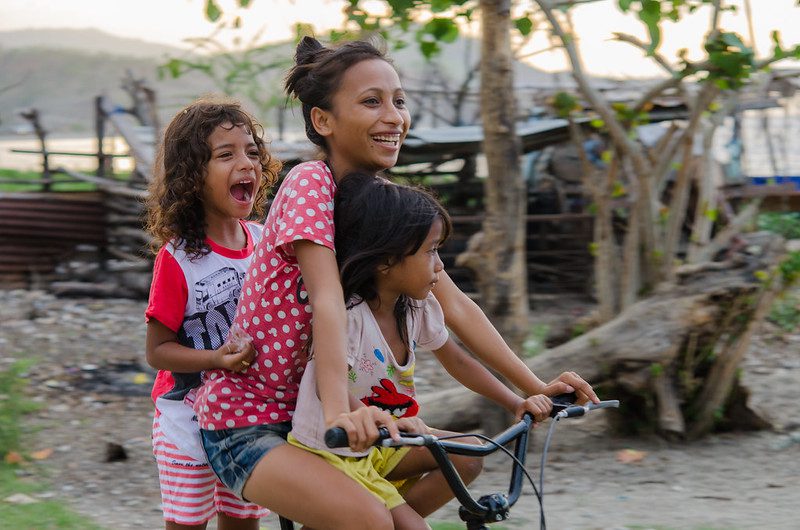
Nonprofits in Timor-LesteTimor-Leste, also known as East Timor, is a country in Asia. Located on the eastern half of the island of Timor, it is one of the lowest-income nations in the world, with a gross domestic product (GDP) per capita of $2,389.30. Due to the nation’s low income, it must contend with many problems that poverty brings. However, multiple nonprofits work to help Timor-Leste with the burdens of poverty.

Oxfam

Oxfam is a nonprofit global organization that works to fight poverty and injustice. Its mission is to provide worldwide equality and give everyone a fair chance at life. Oxfam Australia has been working with Timor-Leste for more than 40 years to help those living in rural areas escape poverty.

There is a significant inequality between those living in rural and urban areas and Oxfam Australia is working to address this issue. One of its ongoing initiatives is the “HAKBIIT Project,” which aims to combat gender inequality in Timor-Leste, particularly in rural areas. The HAKBIIT Project supports women in gaining equal opportunities for education and employment.

Ba Futuru

Ba Futuru is a nonprofit organization based in Timor-Leste that was founded in 2004. The organization’s mission is to reduce violence in Timor-Leste, making it a country that is safer for everyone, especially women and children. It has provided successful training to more than 40,000 people. It has also conducted behavior change programs, which have impacted more than 100,000 Timorese. Currently, Ba Futuru is working to provide improved early childhood education.

Early childhood education in Timor-Leste is rare, with only about 10% of children receiving it. Ba Futuru’s Early Childhood Development Initiative aims to change this by establishing preschools for children ages 2-6, including creating facilities and training educators. These schools will focus on health, safety, language, literacy, science, mathematics, technology and sustainability. The long-term goal of this program is to create a strong foundation for the future of children in Timor-Leste.

CARE

CARE is a 78-year-old nonprofit organization that works to provide humanitarian aid, fight poverty and bring equality. The organization has been involved in Timor-Leste since 1994 and its focus with Timor-Leste has been on long-term changes. As Timor-Leste is susceptible to natural disasters, a big focus of CARE is to aid in reducing the impact of disasters. This is done by supporting improved infrastructure in rural areas and helping with employment for those affected.

It also works to reduce violence and improve education and health. In addition to these long-term goals, CARE has aided in the past with humanitarian crises. In 1999 and 2006, there were violent outbreaks in Timor-Leste. CARE responded with emergency aid to people caught up in the fighting.

Conclusion

Timor-Leste, a nation that gained independence in 2002 after being a Portuguese colony, is still recovering and grappling with numerous challenges, such as poverty, gender inequality and lack of education. Despite these issues, the country is gradually progressing and improving over time.

Organizations such as Oxfam, Ba Futuru and CARE are among the many nonprofits working tirelessly in Timor-Leste. These groups are committed to the betterment of the country and will persist until their goals are achieved. While these goals will take time to realize, it is clear that nonprofits in Timor-Leste have already made significant strides and will continue to play a crucial role in improving the nation.

– Tyra Brantly

Tyra is based in Los Angeles, CA, USA and focuses on Good News for The Borgen Project.

Photo: Flickr

July 25, 2024
https://borgenproject.org/wp-content/uploads/borgen-project-logo.svg 0 0 Hemant Gupta https://borgenproject.org/wp-content/uploads/borgen-project-logo.svg Hemant Gupta2024-07-25 03:00:362024-07-25 03:00:193 Nonprofits in Timor-Leste
Aid, Global Poverty, Women's Rights

Women in Turkmenistan

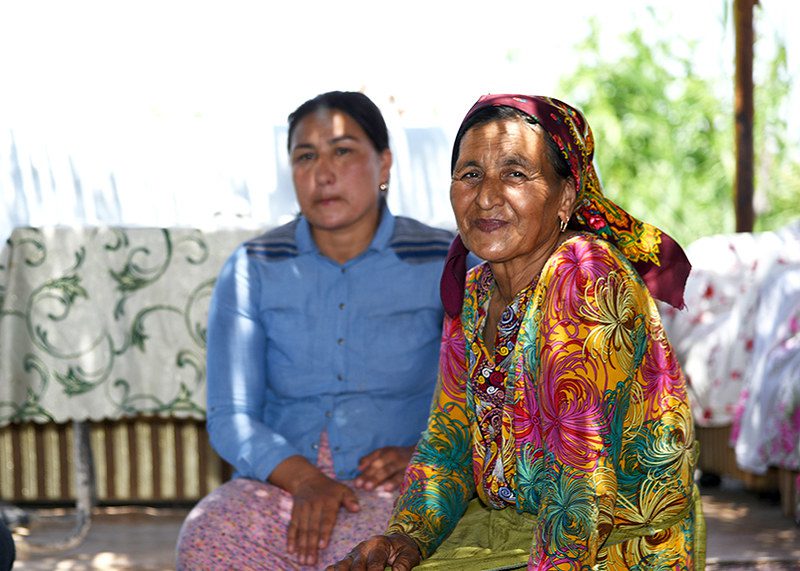
Women in Turkmenistan Turkmenistan spans 189,656 square miles in Central Asia and operates under a strict totalitarian regime that severely restricts its citizens’ freedoms, including religious practices and media access. In 2021, the country reported that 16,000 people lived in multidimensional poverty, with an additional 22,000 at risk. The nation’s isolation and oppressive government policies make daily life challenging. Women experience profound disadvantages, facing various forms of violence and lacking opportunities to participate in organizational or advocacy roles. Consequently, about 60% of women in Turkmenistan cannot make independent decisions about their health care, underscoring the significant gender inequalities prevalent in the society.

Restrictions on Women’s Freedoms

The restrictions on women in Turkmenistan extend beyond health care and organizational rights. Recently, a “Taliban-style ban” has been imposed, prohibiting women from wearing tight clothing and using beauty enhancements such as hair dye, fake lashes and nails. Additionally, the ban extends to cosmetic surgeries, including popular procedures like lip fillers and eyebrow microblading. Women who previously had these enhancements or who attempted to bypass these restrictions are facing severe consequences, including job loss and police detention.

Enforcement and Consequences

Turkmenistan has further curtailed women’s freedoms by restricting their transportation options, barring them from sitting in the front seats of cars or being picked up by male drivers who are not relatives. These regulations were not formally announced but are strictly enforced. Authorities rigorously inspect women in both private and public settings to ensure compliance with these transportation and beauty standards. Women found violating these rules face severe penalties, including arrest, job termination and fines that are substantial relative to their monthly income.

International Aid and Women’s Advocacy

Despite numerous challenges, women in Turkmenistan can find support from international organizations aiming to improve their futures. The United States Agency for International Development (USAID), the United Nations Development Programme (UNDP) and the United Nations (U.N.) Population Fund are actively involved in this mission. The U.N. Population Fund, in collaboration with state parties, is providing housing, shelter and work opportunities for women affected by violence in Turkmenistan. Simultaneously, UNDP initiatives are enhancing local infrastructure, supplying clean resources and energy and bolstering peace efforts. Additionally, USAID supports women by equipping national civil servants with the skills necessary to promote gender equality, offering a critical platform for change in the lives of Turkmen women.

Looking Ahead

International organizations like USAID, UNDP and the U.N. Population Fund continue to provide crucial support to women in Turkmenistan, despite the severe restrictions they face. These ongoing efforts include providing shelters, work opportunities and essential resources, along with promoting gender equality and peace initiatives. By equipping local civil servants and enhancing infrastructure, these organizations aim to create a more equitable and supportive environment for Turkmen women, offering hope amid challenging conditions.

– Yeliz Turkdil

Yeliz is based in Norman, OK, USA and focuses on World News and Global Health for The Borgen Project.

Photo: Flickr

July 25, 2024
https://borgenproject.org/wp-content/uploads/borgen-project-logo.svg 0 0 Precious Sheidu https://borgenproject.org/wp-content/uploads/borgen-project-logo.svg Precious Sheidu2024-07-25 03:00:332024-12-13 18:03:05Women in Turkmenistan
Aid, Global Health, Global Poverty

U-Report in Zambia: Empowering Youth and Transforming Health

U-Report in Zambia: Empowering Youth and Transforming Health U-Report, a global counseling program initiated by UNICEF, encourages citizens to voice concerns or seek information on issues impacting their nations. Launched in Uganda in 2011, the program has expanded to 23 countries and engages more than 2 million active users. Use is primarily through the preferred mobile SMS method in each country.
The Launch of U-Report in Zambia

In 2012, Zambia launched its U-Report program, inspired by Uganda’s platform, to target HIV and enhance sexual and reproductive health. Expanding beyond its initial focus, Zambia’s U-Report now also addresses gaps in knowledge that contribute to stigma and low service utilization. The platform identifies areas needing improvement in sexual and reproductive health, mental health, education and nutrition.

In 2024, U-Report in Zambia boasts nearly 244,000 users, largely due to the program’s adaptability to its user base. Notably, 43% of participants are between the ages of 25 and 30.  This prompted the program to tailor its language and tone to resonate with young adults. Such adjustments enhance user comfort, encouraging them to openly share their experiences, opinions and needs with trained counselors. These counselors, in turn, relay this critical feedback to authorities, driving improvements in current systems to maximize effectiveness.

4 Main Components of U-Report

  1. Advice Line. The advice line is one of the core components of the platform. It provides confidential text exchanges with trained counselors who offer free, individualized information and advice on issues raised by U-Report users.
  2. Polling. Polls are conducted on the U-Report platform to gather feedback and opinions from Zambian youth on various social issues. The information from these polls highlights knowledge gaps and illuminates necessary new services and systems.
  3. Campaigns. U-Report campaigns send targeted messages to specific audiences based on age, sex and location. These messages promote risk reduction behaviors.
  4. Reporting. Reporting via U-Report enables users to report deficiencies in health services, such as a lack of essential medicines and equipment, prompting follow-up actions from health authorities.

HIV and AIDS Prevention

U-Report Zambia launched to combat the AIDS crisis by addressing the lack of HIV prevention information and the underuse of prevention services like protected sex and HIV preventive care. It now serves as an up-to-date knowledge bank on HIV and sexual reproductive health information. Additionally, the rise in mobile device usage has boosted user engagement. Within a short period, U-Report facilitated an additional HIV test for every five young individuals who had not been tested before 2016.

Mental Health Awareness Campaign

U-Report Zambia has made significant strides in spreading mental health awareness. In 2022, it launched a Mental Health Awareness Campaign titled “Let’s ‘Work It Out.” The campaign aims to destigmatize mental illness and support those seeking help. With only 15% of at-risk populations in Zambia receiving adequate mental health care, the campaign plays a crucial role in enhancing access to mental health knowledge. User feedback has also highlighted gaps in mental health services. U-Reporter Regina Twitty Chanda praised the platform, stating, “Zambia U-Report is creating a great platform for people who have gone through or are struggling with mental health.” Chanda emphasized the importance of accepting one’s condition and seeking treatment, underscoring that it is possible to lead a normal life thereafter.

Looking Ahead

U-Report Zambia continues to evolve, adapting its approach to better serve its growing user base of nearly 244,000 individuals. By tailoring its language and tone to resonate with young adults, the platform fosters an environment where users feel comfortable sharing their experiences and needs. The feedback gathered is crucial for informing authorities and driving system improvements. As U-Report expands its focus to include mental health, education and nutrition, it remains a vital tool in addressing and mitigating health challenges in Zambia.

– Lauren Thompson

Lauren is based in San Francisco, CA, USA and focuses on Good News and Global Health for The Borgen Project.

Photo: Flickr

July 23, 2024
https://borgenproject.org/wp-content/uploads/borgen-project-logo.svg 0 0 Precious Sheidu https://borgenproject.org/wp-content/uploads/borgen-project-logo.svg Precious Sheidu2024-07-23 07:30:102024-07-23 03:26:42U-Report in Zambia: Empowering Youth and Transforming Health
Aid, Developing Countries, Global Poverty

Alleviating Poverty: The SAKALA Foundation

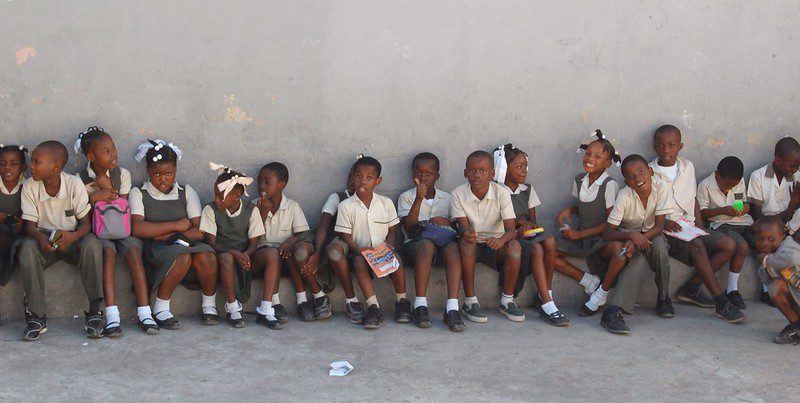
The SAKALA FoundationHaiti, located on the island of Hispaniola in the Caribbean, is the most impoverished country in Latin America and the Caribbean. Almost 59% of people in Haiti live below the poverty line, placing the country at position 163 out of 191 on the Human Development Index. With gross domestic product (GDP) growth at -3, the economy is contracting due to political instability, poverty, insecurity and socioeconomic issues.

The country is struggling with fuel shortages, which have left many in need of necessities, a resurgence of gang violence, which has limited access to education and health services and the aftermath of a 2022 cholera outbreak. Haiti’s shrinking economy has led to past gains in poverty reduction being undone and has left the youth vulnerable to the effects of worsening poverty and gang violence.

Cité Soleil

Cité Soleil, located in Port-au-Prince, is a highly dangerous area of Haiti due to extreme poverty and gang violence. It is an impoverished area where an estimated four million children aged 5-19 are at risk of losing learning opportunities. They are also faced with violence, malnutrition and poverty, which severely impact their livelihoods and ability to learn.

The SAKALA Foundation

The SAKALA Foundation is a beacon of hope for some of the most impoverished children in Cité Soleil. As the only youth community center in the area, it offers programs to educate and develop children and young people. Its vision is to provide a safe space for young people as an alternative to violence and gangs.

The SAKALA Foundation offers education, athletics and agronomy programs. Classes in English, IT, sexual health and leadership are available, teaching important life skills and academic subjects. Sports are important to the foundation, as they are part of after-school programs and day camps. The initiative stresses sports as a vehicle for community development. Therefore, it offers boys and girls a range of sports. SAKALA’s agronomy program focuses on teaching the youth agroecology and nutrition, leadership skills and sustainable development.

Haiti’s Education Sector

SAKALA’s programs offer children and young people the opportunity to learn important academic, professional and personal skills. For children living in areas controlled by armed groups, accessing education is difficult due to a lack of qualified teachers and forced school closures. In some of the most harrowing instances of gang violence, shootouts occur in schools as gangs and police use them as a base.

The disruption to education is clear and SAKALA’s importance is also clear. Providing a haven for some youth and allowing them to learn and grow among the chaos drives the foundation. Through a partnership with the Global Fund for Children, the foundation covers school fees for 160 local youth, helping them break the cycle of poverty through education.

The Future of Cité Soleil

Without economic stimulus and political stability, addressing the situation in Cité Soleil is difficult. This is where charities, foundations and existing schools can be the key to progress in the immediate future. Due to the lack of economic opportunities in the region, education is one of the only paths out of poverty. This means that schools that are operating and foundations like SAKALA are important in helping children and young people out of their predicament.

– Lauren Alkhalil

Lauren is based in London, UK and focuses on Good News for The Borgen Project.

Photo: Flickr

July 22, 2024
https://borgenproject.org/wp-content/uploads/borgen-project-logo.svg 0 0 Hemant Gupta https://borgenproject.org/wp-content/uploads/borgen-project-logo.svg Hemant Gupta2024-07-22 07:30:312024-07-24 06:21:01Alleviating Poverty: The SAKALA Foundation
Aid, Global Poverty, Health

Health Care in Palestine

Health Care in PalestineRecent violence in Palestine has had serious consequences for civilians living in the Gaza Strip. As of June 29, 2024, “at least 37,834 Palestinians had been killed and 86,858 wounded in Israel’s war on Gaza since October 7,” according to Aljazeera. With the rise of violence in the Gaza Strip, an area that measures just 141 square miles, the necessity of health care in Palestine has also risen in importance.

Health Care Difficulties

Even before the most recent conflict, the health care system in Palestine could not always provide satisfactory health services to all of its residents. Limitations have been imposed on items coming into Palestine, most notably the Gaza Strip, making it difficult for the health care sector in the region to get access to the supplies it needs to treat everyone properly.

Deficits of water, electricity and staff have also further created problems for the health care industry in Palestine. On top of this, many Palestinians live in refugee camps, which not only produces more health risks, but these camps do not often receive the health care that they need.

Israel’s Impact

However, activity coming from Israel has amplified these health care limitations as the Israeli military has destroyed hospitals and has been attacking patients and workers in the Gaza Strip. Beyond just health care, the Israeli military has prevented Palestinians from receiving “water, food, electricity and fuel,” as evidenced by the Institute for Palestinian Studies and this certainly creates its own set of problems. In the West Bank as well, roads that ambulances utilize have been blocked by Israeli forces.

As far as aid goes, only certain entrances to the country have been made accessible by Israel to allow relief to come into the country. Israeli forces have been accused of killing many individuals hoping to provide aid to the Gazan people.

Limitations of Aid

On top of these issues, robberies on deliveries of aid are further extrapolating the difficulties of getting assistance to the Palestinian people. Some argue that Israel needs to institute stronger levels of security to ensure that aid can actually make it into the country and be utilized to help the Palestinians. Aid in other forms, such as food, has also been limited in entering the country which has certainly created repercussions for the welfare of Palestinians. Malnutrition has become a widespread problem across the region.

Doctors Without Borders has identified how slow the process of moving aid into the country has been, which has created the problem of less than sufficient medical care resources being available. In fact, the organization has reported that “it has been unable to bring any medical supplies into Gaza since the end of April.”

Providing Aid

However, Doctors Without Borders has still been able to help thousands of people in the state of Palestine in the past couple of months. Thousands of wounds have been bandaged, tens of thousands of health appointments have been administered to Palestinians and surgeries have been able to take place as a result of Doctors Without Borders’ efforts.

 Another organization, Medical Aid for Palestinians (MAP), has also completed enormous amounts of work in the region. This group has provisioned Gaza with millions of dollars worth of medical necessities, such as antibiotics, bandages and medicines, while simultaneously working to limit the impacts of malnutrition. MAP has worked in both Gaza and the West Bank.

– Brendan Sheehan

Brendan is based in San Rafael, CA, USA and focuses on Global Health for The Borgen Project.

Photo: Flickr

July 21, 2024
https://borgenproject.org/wp-content/uploads/borgen-project-logo.svg 0 0 Hemant Gupta https://borgenproject.org/wp-content/uploads/borgen-project-logo.svg Hemant Gupta2024-07-21 03:00:072024-07-21 01:27:49Health Care in Palestine
Page 16 of 65«‹1415161718›»

Get Smarter

  • Global Poverty 101
  • Global Poverty… The Good News
  • Global Poverty & U.S. Jobs
  • Global Poverty and National Security
  • Innovative Solutions to Poverty
  • Global Poverty & Aid FAQ’s
Search Search

Take Action

  • Call Congress
  • Email Congress
  • Donate
  • 30 Ways to Help
  • Volunteer Ops
  • Internships
  • Courses & Certificates
  • The Podcast
Borgen Project

“The Borgen Project is an incredible nonprofit organization that is addressing poverty and hunger and working towards ending them.”

-The Huffington Post

Inside The Borgen Project

  • Contact
  • About
  • Financials
  • President
  • Board of Directors
  • Board of Advisors

International Links

  • UK Email Parliament
  • UK Donate
  • Canada Email Parliament

Get Smarter

  • Global Poverty 101
  • Global Poverty… The Good News
  • Global Poverty & U.S. Jobs
  • Global Poverty and National Security
  • Innovative Solutions to Poverty
  • Global Poverty & Aid FAQ’s

Ways to Help

  • Call Congress
  • Email Congress
  • Donate
  • 30 Ways to Help
  • Volunteer Ops
  • Internships
  • Courses & Certificates
  • The Podcast
Scroll to top Scroll to top Scroll to top