• Link to X
  • Link to Facebook
  • Link to Instagram
  • Link to TikTok
  • Link to Youtube
  • About
    • About Us
      • President
      • Board of Directors
      • Board of Advisors
      • Financials
      • Our Methodology
      • Success Tracker
      • Contact
  • Act Now
    • 30 Ways to Help
      • Email Congress
      • Call Congress
      • Volunteer
      • Courses & Certificates
      • Be a Donor
    • Internships
      • In-Office Internships
      • Remote Internships
    • Legislation
      • Politics 101
  • The Blog
  • The Podcast
  • Magazine
  • Donate
  • Click to open the search input field Click to open the search input field Search
  • Menu Menu

Archive for category: Aid

Aid, Global Poverty, Violence

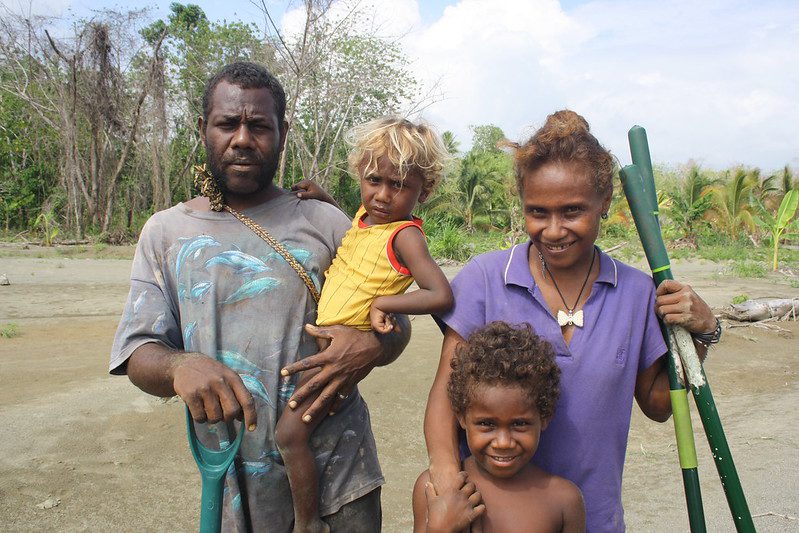
Challenging Poverty in The Solomon Islands

Navigating Post-Conflict Challenges in the Solomon IslandsFor five years, from 1998 to 2003, violent civil conflict battered the Solomon Islands, leaving deep scars. Islanders still working to rebuild and rehabilitate their communities bear the burdens of social, political and economic instability. The challenges are stark: nearly 200,000 people live below the poverty line, a significant portion of the population relies on subsistence farming and 16.5% are undernourished. In response to these pressing issues, the United Nations (U.N.) and the United States Agency for International Development (USAID) are actively addressing gender inequality, food insecurity, disease and poverty in the Solomon Islands.

Advancing Gender Equality and Women’s Rights

The Solomon Islands is a deeply patriarchal and conservative society, but it is making significant progress toward female empowerment. The U.N. General Assembly adopted the Convention on the Elimination of All Forms of Discrimination against Women on 18 Dec. 1979. It advances the roles of women and girls in all spheres of life, from agriculture to government. The Solomon Islands enacted its first Family Protection Act 35 years later, a landmark piece of legislation that outlawed domestic violence and significantly stepped toward protecting women from physical and sexual assault. According to the U.N. Women, the government advances women’s equity by implementing fee-free education and enacting targeted measures to increase primary and secondary education enrollment rates, enabling girls to start and stay in school.

Economic Competitiveness through Agriculture

Solomon Islanders primarily work in agriculture, mining, forestry, fishing and tourism. Their main exports—fish and timber—have been depleted. This has led to widespread underemployment and left thousands unable to provide for their families. To enhance the Solomon Islands’ economic competitiveness, USAID partnered with the largest cocoa buyer in the Solomon Islands to promote farmers’ education, develop nurseries, renew family plantations and improve processing techniques. This collaboration has significantly impacted agribusiness by increasing farmers’ productivity and income. These interventions have also improved the governance of natural resources through partnerships with national, provincial and community partners.

Enhancing Health Care and Disease Prevention

The U.N. and USAID have played critical roles in advancing health care in the Solomon Islands. Each organization has significantly protected islanders from disease outbreaks and combated endemic strains of malaria, tuberculosis and dengue. Under its Sustainable Development Cooperation Framework, the U.N. is upgrading the Islands’ Public Health Laboratory and enhancing access to clean water through its Water, Sanitation and Hygiene (WASH) program. Similarly, USAID has been supporting the Solomon Islands in combating COVID-19. This is being achieved by enhanced data collection, promoting vaccination campaigns, training health workers and procuring emergency equipment. During the pandemic’s peak, USAID worked with civil society organizations to establish quarantine facilities. Additionally, they supported case tracking and assisted in repatriating Solomon Islanders stranded overseas.

Looking Ahead

The Solomon Islands are steadily overcoming the aftermath of years of civil conflict through targeted efforts by the U.N. and USAID. These organizations are focusing on advancing gender equality, improving food security and enhancing health care services. By promoting women’s rights, boosting agricultural productivity and strengthening public health systems, the foundations for reducing poverty in the Solomon Islands are being set. A brighter and more resilient future for the Solomon Islands are being established.

– Natalie Kaufman

Natalie is based in Orlando, FL, USA and focuses on Good News and Global Health for The Borgen Project.

Photo: Flickr
July 20, 2024
https://borgenproject.org/wp-content/uploads/borgen-project-logo.svg 0 0 Precious Sheidu https://borgenproject.org/wp-content/uploads/borgen-project-logo.svg Precious Sheidu2024-07-20 03:00:482024-07-19 03:56:49Challenging Poverty in The Solomon Islands
Aid, Charity, Global Poverty, Humanitarian Aid

3 Sisters Raise More than $700K to Help Tackle Global Poverty

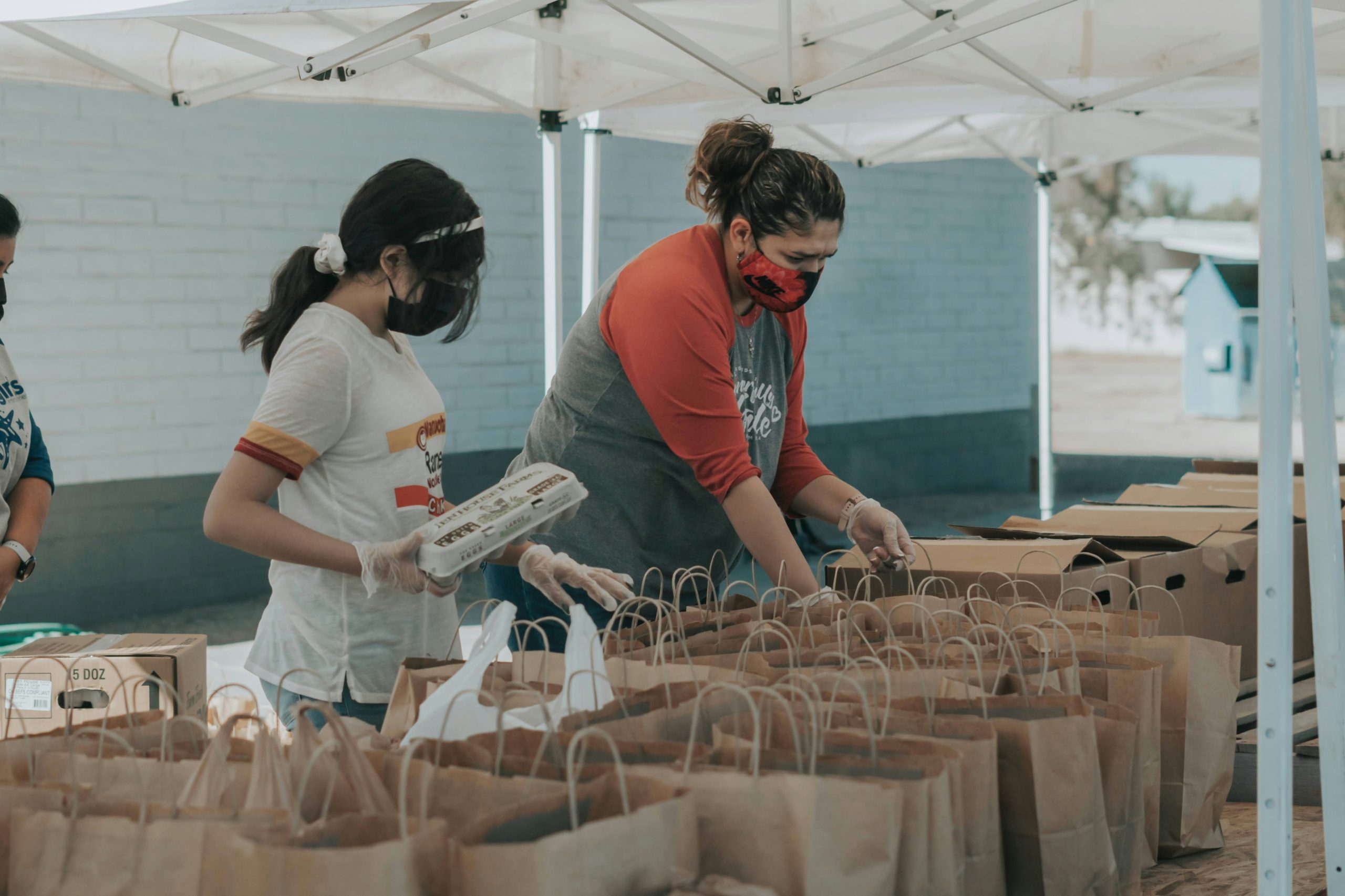
Tackle Global PovertyKhadeejah, 8; Haziqah, 13; and Leya, 20, have raised more than $700,000 to help tackle global poverty and are eager to continue their work. Known as Team H&K, these young girls have been raising money for poverty-stricken families in Pakistan for nearly five years.

What Do They Do?

The kind-hearted family raised more than $90,000 (£75,000) during this past Ramadan for those experiencing the hardship of the 2022 Pakistan floods. From collecting mosque buckets to university sales, these sisters have done everything they can to ensure people have access to a good and safe life. They set up regular food drives and also ran health awareness campaigns focusing on hygiene and nutrition. The money that team H&K has raised will support the Jigsaw charity, whose mission is to change the world for the better.

They have regular fundraisers that are partnered with Jigsaw charity, which range from food appeals to cake auctions to educational and health programs. However, the sisters aren’t the only generous ones in the family. Their Father, Yuser, not only balances his home life and his job but also visits countries where he helps others distribute aid. Specifically, Yuser “has recently visited the Sindh, Khyber Pakhtunkhwa and Neelum Valley districts of Pakistan to supervise humanitarian efforts.” He also helps set up and support projects and programs that ensure people can start small businesses and support their families.

Moving Forward

Currently, they have many fundraising projects aimed at combating food insecurity and providing essential nutritional support to families. One such initiative is the “Just Feed” project, which aims to provide regular, fresh, hot meals to families of 5-7. This project is dedicated to ensuring that no family goes hungry by delivering nutritious hot meals daily. The initiative seeks to make a substantial impact on the well-being of families, reducing the stress and health issues associated with food insecurity.

In addition to their food support programs, they also have an initiative focused on education, social welfare and livelihood support. This appeal aims to alleviate the burdens of those experiencing poverty in Hajira, a small town in the Poonch District of Azad Kashmir, Pakistan, by providing them with essential educational infrastructure, health care and livelihood assistance.

Final Remark

Overall, their story is a testament to the power of community action. Their innovative approach and endless dedication inspire many, proving that whether you are young or old, you can help tackle global poverty, even with the smallest of actions. Through their various initiatives, they have shown that collective effort and compassion can lead to meaningful improvements in people’s lives. Their work not only addresses immediate needs but also lays the foundation for long-term positive change.

– Alice Davies

Alice is based in Bristol, UK and focuses on Good News and Global Health for The Borgen Project.

Photo: Unsplash

July 20, 2024
https://borgenproject.org/wp-content/uploads/borgen-project-logo.svg 0 0 Hemant Gupta https://borgenproject.org/wp-content/uploads/borgen-project-logo.svg Hemant Gupta2024-07-20 01:30:252024-07-19 03:23:243 Sisters Raise More than $700K to Help Tackle Global Poverty
Aid, Charity, Global Poverty

5 Charities Operating in Spain

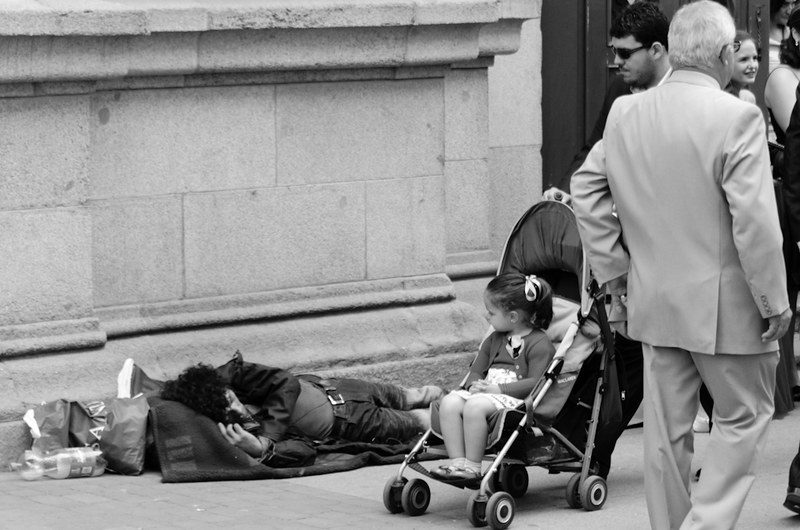
Charities in SpainSpain has experienced a wave of poverty ranging from 2019-2022. The highest recorded rate was during 2020 (21.7%), when the pandemic hit, leaving the economy to shrink severely. Improvement significantly hit around 2021 (20.4%), decreasing by 1.3%. Though poverty in Spain has grown to shift throughout the years, it remains a significant issue.

In May 2020, the government modified the Minimum Vital Income (IMV) program, though support levels were high, the cause of inflation ultimately surpassed them. The plan affected particular individuals, those who had not been residents for an entire year and young adults ages 18 through 22. Eventually, it made it more difficult for the IMV to offer sufficient social support. In August 2021 and August 2022, price inflation had increased by 10.5%, reaching the highest level since the official measurement began in 1994. As a result, staple foods increased in price by 25 to 40% by September.

As inflation fluctuates and prices continue to rise and fall, the fight against poverty continues. Charities operating in Spain like the ones listed below advocate to help those in need.

Lanzaderas de Empleo y Emprendimiento Solidario

In the first quarter of the year, the unemployment rate in Spain increased to 12.29% from 11.80% in 2023, demonstrating that the issue remains consistent. Lanzaderas de Empleo y Emprendimiento Solidaria (Employment and Solidarity Entrepreneurship Shuttles) is an educational workshop established in 2013 by the Santa Maria la Real Foundation. The program focuses on supportive proactive training to help individuals overcome the challenges that come with unemployment. More than 800 Employment Shuttles have worked at this free-of-charge program across the country. About 20,000 people have participated and around 60% have improved their employment situation.

Fundación Balia

Founded in 2001, another of the charities operating in Spain is the Fundación Balia, which aims to promote social inclusion by helping disadvantaged children. Its goal is to break the pattern of poverty through education, allowing minors the opportunity to develop their fullest potential. The organization has delivered numerous programs through 27 public primary and 31 public secondary schools. In June 2020, The Scheinberg Relief Fund worked with the foundation to provide “a year’s supply of masks and hygiene items” when its doors reopened after the mass pandemic. Children began to attend the restarting of face-to-face events to prevent the inequality gap from increasing. Its various initiatives have helped more than 1,444 families and 914 children in 2020.

The Human Safety Net España

Developed by Generali in 2017, The Human Safety Net focuses on vulnerable families with children under 6 helping more than 150,000 families. Its For Families program aims to support parents who live in difficult circumstances by providing the best possible foundation for their children’s future. The program allows parents to invest in courses on positive parenting and learn how to educate their children at each stage of their growth. It joins forces with NGOs and private sectors that share the same objectives to accomplish its goals.

Acción Contra el Hambre

Since 2014, Acción contra el Hambre (Action Against Hunger) has been approaching the food safety problem. It helps the unemployed by offering training and programs to detect food insecurity. In 2023, its programs opened employment opportunities for more than 5,000 people. By offering employment and training itineraries, they achieved a labor insertion rate of 43% in less than six months. The organization has helped around 24.5 million people working in 55 countries.

Cáritas Española

The Spanish Episcopal Conference established Caritas, associated with the Catholic Church, in 1947. Its objective is to improve conditions and promote social justice by helping in areas of health and housing. One of its many projects includes Nueva Esperanza (New Hope), a temporary house for women seeking sanctuary. Cáritas has provided support to around 500,000 people in Spain in 2023 and continues to make a difference.

Poverty remains an issue in Spain as the cost of living fluctuates, resulting in higher prices. However, with the work of charities operating in Spain, a difference is being made.

– Savannah Garza

Savannah is based in New York, NY, USA and focuses on Good News and Global Health for The Borgen Project.

Photo: Flickr

July 19, 2024
https://borgenproject.org/wp-content/uploads/borgen-project-logo.svg 0 0 Jennifer Philipp https://borgenproject.org/wp-content/uploads/borgen-project-logo.svg Jennifer Philipp2024-07-19 07:30:062024-07-19 03:08:025 Charities Operating in Spain
Aid, Global Poverty, Nonprofit Organizations and NGOs

4 Organizations Helping the People of Togo

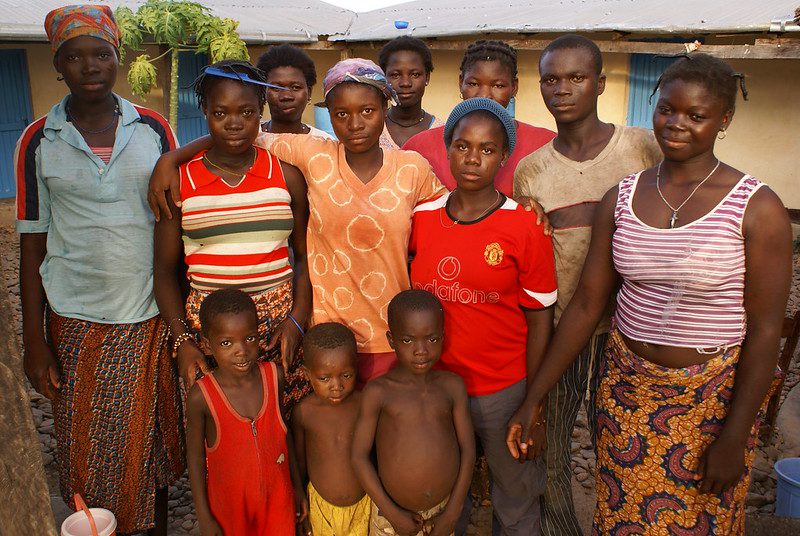
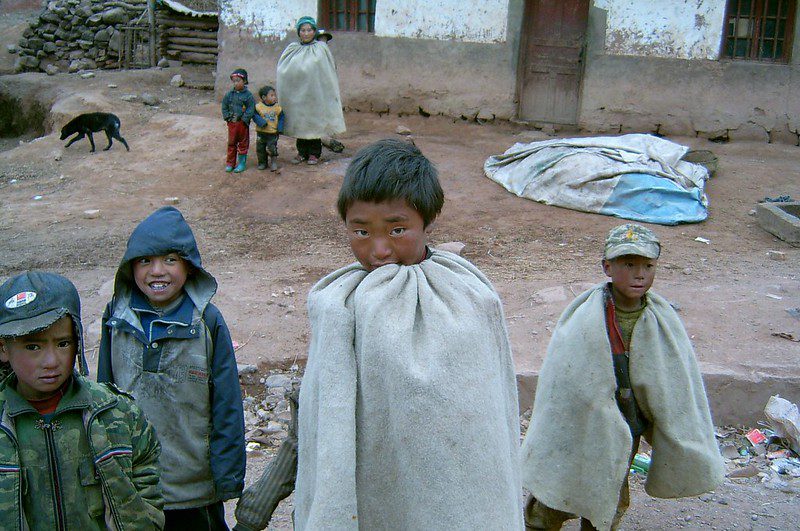
People of TogoTogo, a small coastal country in West Africa with lush greenery, is home to approximately 8.5 million people. Despite being one of the world’s poorest countries, with 42.4% of the population living below the international poverty line in 2023, global organizations are helping Togo break the cycle of poverty. As a result of aid from charities, recent good harvests, financial stability slowly returning since the COVID-19 pandemic and increased industrial activity, experts expect poverty rates to gradually decrease in 2024 and 2025. The following organizations are actively assisting the people of Togo out of poverty:
4 Organizations Helping the People of Togo

  1. CARE. An international organization that combats poverty and injustice. CARE focuses on empowering women and girls by providing access to education and economic opportunities. Since 1986, CARE has been active in Togo, supporting women’s agriculture through training and access to savings and loans. The organization has also improved access to essential health services for women and children under 5. Additionally, CARE has facilitated educational opportunities for girls, protecting them from hazardous and exploitative child labor. Its programs have enabled Togolese communities to access water infrastructure, engage in agro-forestry and explore other livelihood options.
  2. Caritas Togo. Also known as OCDI, it is the international charitable arm of the Catholic Church in Togo. The organization has been active in the country since 1987. According to its official website, the charity primarily focuses on improving health care, education, rural development, village water supplies and promoting women’s roles. In 2014, Caritas, along with various other church groups, provided aid to children who became orphans due to the Ebola pandemic in Togo and other West African countries.
  3. SOS Children’s Villages. A nonprofit organization operating in 136 countries, it provides care, education and health services to children who have lost or are at risk of losing parental care. Through this charity’s involvement, support reaches 1,460 adults and children in the community and 33,730 medical services have been delivered, establishing medical facilities to address a range of diseases. Additionally, 6,800 children receive education at the organization’s kindergartens and schools and 380 children grow up under the care of SOS Children’s Villages.
  4. AAM Nation Care. An international organization that assists those in poverty by helping them grow and earn better salaries. It offers financial support to underprivileged families, free online courses to teach poor students how to make money online, food and improved access to health care services. Additionally, the organization has delivered relief services in Togo, including food, shelter, health care and other basic necessities.

Looking Ahead

Togo is making strides toward reducing poverty with the aid of international organizations and positive economic developments. CARE, Caritas Togo, SOS Children’s Villages and AAM Nation Care are key contributors, offering vital resources and support to those in need. As these ongoing efforts persist, Togo is on a path toward a more stable and prosperous future for its citizens.

– Kimran Gill

Kimran is based in Leicester, UK and focuses on Celebs and World News for The Borgen Project.

Photo: Flickr

July 17, 2024
https://borgenproject.org/wp-content/uploads/borgen-project-logo.svg 0 0 Precious Sheidu https://borgenproject.org/wp-content/uploads/borgen-project-logo.svg Precious Sheidu2024-07-17 01:30:412024-07-16 01:14:064 Organizations Helping the People of Togo
Aid, Global Poverty, Nonprofit Organizations and NGOs

Good Neighbors Tackles Global Poverty

Good Neighbors Tackles Global Poverty Good Neighbors, a global nonprofit organization established in South Korea in 1991, works to enhance the lives of marginalized and vulnerable children. It operates in more than 200 communities across 50 countries, including North Korea, Taiwan, Australia, Ghana and Chile.
Good Neighbors Korea

Good Neighbors actively supports the well-being of young adults. The organization provides 31,550 girls with feminine products, educational materials about the menstrual cycle and personal development. Additionally, it offers mentoring and therapy sessions to teach young adults how to express their emotions healthily. Between 2017 and 2023, Good Neighbors helped a total of 77,774 girls, supplying them with essential food and appliances.

In Busan, Good Neighbors has partnered with the City of Busan and other nonprofit organizations to offer a “self-reliance kit”. These kits assist young adults as they transition out of orphanage programs. These kits include bedding, cooking sets, heaters and more to facilitate a smoother move to independence. The project also provides career mentoring, driver’s license assistance and financial aid for post-secondary education. Overall, Good Neighbors has significantly improved the nutrition, education, housing and self-reliance of young adults.

Gugah Nurani Indonesia

In 2023, Gugah Nurani Indonesia (Good Neighbors Indonesia) and the Manggarai Barat Community Development Project (CDP) collaborated with the Golo Pua Village Government to enhance agricultural productivity and product availability through horticultural farming. The project implemented a drip irrigation system to increase water efficiency and boost chili production. This advancement has led to higher-quality crops, enabling farmers to earn more income. Additionally, it has provided consumers with greater access to agricultural products. Overall, this initiative fosters environmental sustainability and improves the socio-economic well-being of the village community.

From March 20 to 22, 2024, Gugah Nurani Indonesia and the Manggarai Barat Community Development Project (CDP) hosted a training session on seed breeding and pest management for Farmer Groups and Women Farmer Groups in Golo Pua Village. This training aimed to enhance seed quality and educate participants about effective pest management, improving productivity and environmental sustainability. With Gugah Nurani Indonesia’s support, the village is poised to withstand pest attacks and advance toward more productive and sustainable agriculture.

Philippines

Typhoon Rolly in 2020 severely limited water supplies from natural resources and disrupted water supply chains, primarily because residents relied on untreated water from deep wells and hand pumps. The challenging terrain requires residents to climb mountains and cross rivers just to fetch a gallon of water and adverse conditions further restrict access to these sources.

Good Neighbors International Philippines launched the “Securing Access to Flourish Empowerment for Water” (SAFE) Project. This initiative led to the construction of a water tank and reservoir, ensuring water delivery to every household and public school in the area. Additionally, the Barangay Water and Sanitation Association (BAWASA) was established, involving health care workers and community leaders from nine villages. As a result, the SAFE Project has benefited a total of 4,475 community members, significantly improving their daily lives, safety, health and overall well-being by securing access to one of life’s most important necessities: clean water.

Good Neighbors México

Xocoapa is struggling with poverty, economic adversity and a lack of health services, challenges that intensified following Hurricane Otis. In 2024, Good Neighbors Mexico responded by delivering food pantries stocked with basic foods, personal hygiene products and cleaning supplies to families in the community of Xocoapa, located in the municipality of Tlaocoapa, Guerrero. By supporting rural communities, Good Neighbors plays a crucial role in combating poverty and enhancing quality of life through sustainable development in the region.

Bangladesh

Since 2018, Good Neighbors Bangladesh has been implementing the ‘Building Resilience to Achieve Zero Hunger (BRAZH)’ project, funded by the U.N. World Food Program, in the Kurigra district. The project focuses on three main activities: Forecast Actions, Seasonal Livelihood Programming and Climate Risk Insurance. It has enhanced the capabilities of Seasonal Livelihood Programming beneficiaries by providing Entrepreneurship Development Training and practical training in various Income Generation Activities at the field level. A key goal of the training is to boost women’s participation in income-generating activities, fostering self-dependence and economic stability. So far, 2,852 people have participated, with increasing numbers receiving training. Through these ongoing efforts, Good Neighbors aims to reduce hunger and promote lasting self-reliance.

Looking Ahead

Good Neighbors’ initiatives across various countries demonstrate a commitment to improving the lives of vulnerable communities. From enhancing agricultural productivity in Indonesia to securing clean water access in the Philippines and addressing food insecurity in Mexico and Bangladesh, the organization continues to make significant strides. These ongoing efforts highlight the importance of sustainable development and empowerment in fostering resilience and self-reliance among affected populations.

– Sein Kim

Sein is based in Bellevue, WA, USA and focuses on Good News and Technology for The Borgen Project.

Photo: Flickr

July 14, 2024
https://borgenproject.org/wp-content/uploads/borgen-project-logo.svg 0 0 Precious Sheidu https://borgenproject.org/wp-content/uploads/borgen-project-logo.svg Precious Sheidu2024-07-14 07:30:362024-07-14 00:45:58Good Neighbors Tackles Global Poverty
Aid, Global Poverty, Refugees and Displaced Persons

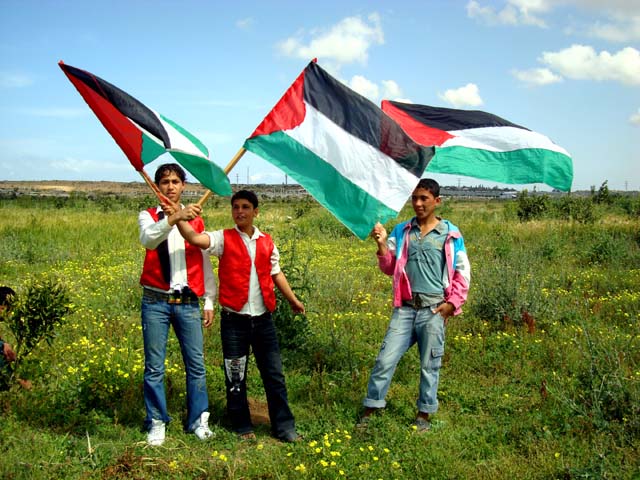
Anera: Providing Relief in Gaza

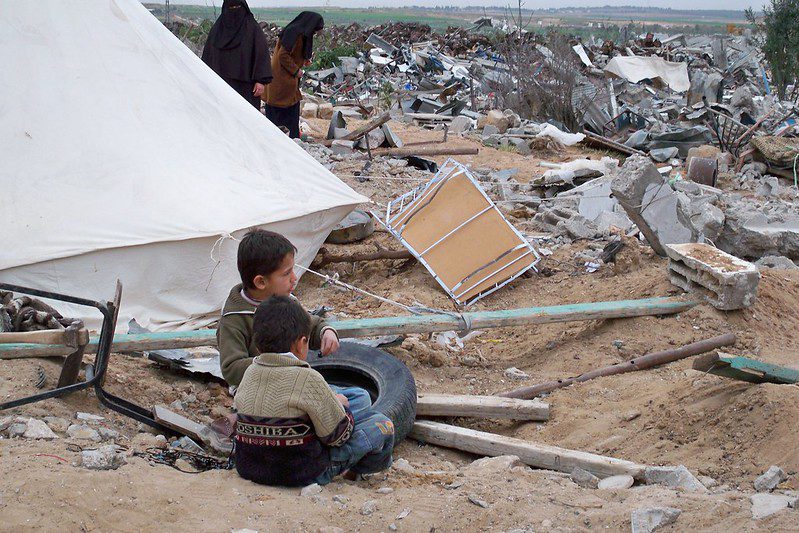
Anera: Providing Relief in GazaIn Gaza, a region marred by conflict and instability, the plight of refugees and civilians caught in the crossfire is often dire. Among the organizations dedicated to alleviating this suffering is American Near East Refugee Aid (Anera), which focuses on the development and relief needs of refugees and others impacted by conflicts in Gaza, the West Bank, Lebanon and Jordan.

Anera’s Mission and Scope

Anera was established to address the pressing needs of those affected by conflict in the Middle East. With a particular focus on Palestinians and residents of East Jerusalem, Anera provides humanitarian relief through various programs aimed at health, education and economic development. The organization’s holistic approach ensures that immediate needs are met while also paving the way for long-term improvements.

Providing Vital Medical Supplies

In conflict zones like Gaza, medical supplies are often scarce and health care facilities are overwhelmed. Anera’s intervention is critical in this context. According to its website, a donation of $30 can supply the Central Blood Bank Society in Gaza with 16 blood bags. This seemingly small contribution can have a significant impact, as it supports the health care system in handling emergencies and routine medical needs. Blood bags are essential for surgeries, trauma care and treating chronic conditions, making them a vital resource in any medical facility.

Hygiene and sanitation are fundamental to preventing the spread of diseases, particularly in areas with high population density and inadequate infrastructure. Anera’s hygiene kits, costing $80 each, can support two displaced families. These kits typically include items such as soap, disinfectants, sanitary pads and other essentials. By providing these kits, Anera helps maintain the health and dignity of displaced individuals, reducing the risk of outbreaks of illnesses that can thrive in unsanitary conditions.

Food Aid for Families

Food security is a significant concern in Gaza and the West Bank, where economic instability and blockades have severely limited access to necessities. Anera’s food assistance programs are a lifeline for many families. A donation of $100 can provide enough food for a displaced family to last seven to 10 days, ensuring that they have access to nutritious meals. For $200, Anera can supply food to two families, doubling the impact. These food parcels often include staples such as rice, lentils, canned goods and cooking oil, offering a balanced diet to those in need.

Impact on Gaza and the West Bank

Anera’s efforts in Gaza and the West Bank have been particularly impactful. In Gaza, where the blockade has created severe shortages of almost everything, Anera’s provision of medical supplies, food and hygiene kits has alleviated some of the immediate suffering. In the West Bank, Anera’s projects support not only refugees but also residents facing economic hardships. The organization’s work in these regions addresses both the symptoms and the root causes of poverty and hunger.

Beyond Gaza and the West Bank, Anera’s work extends to Lebanon and Jordan, where many Palestinian refugees reside. In Lebanon, the economic crisis and political instability have exacerbated the challenges faced by refugees. Anera’s programs in Lebanon include education, vocational training and health care services, aimed at improving the quality of life and fostering self-reliance among refugees. In Jordan, Anera supports Palestinian and Syrian refugees through similar initiatives. The organization’s comprehensive approach ensures that the assistance provided is relevant and effective, addressing the unique needs of each community.

Looking Ahead

Anera’s comprehensive aid efforts in Gaza, the West Bank, Lebanon and Jordan address the immediate humanitarian needs of refugees and civilians affected by conflict. By providing essential medical supplies, hygiene kits and food assistance, Anera helps to improve the quality of life for vulnerable populations. These ongoing efforts not only offer relief from current hardships but could contribute to long-term stability and development in the region.

– Sakshi Bhagat

Sakshi is based in Kolkata, West Bengal, India and focuses on Good News, Global Health for The Borgen Project.

Photo: Flickr

July 13, 2024
https://borgenproject.org/wp-content/uploads/borgen-project-logo.svg 0 0 Precious Sheidu https://borgenproject.org/wp-content/uploads/borgen-project-logo.svg Precious Sheidu2024-07-13 07:30:402024-07-13 02:54:10Anera: Providing Relief in Gaza
Aid, Children, Global Poverty

The Child Nutrition Fund

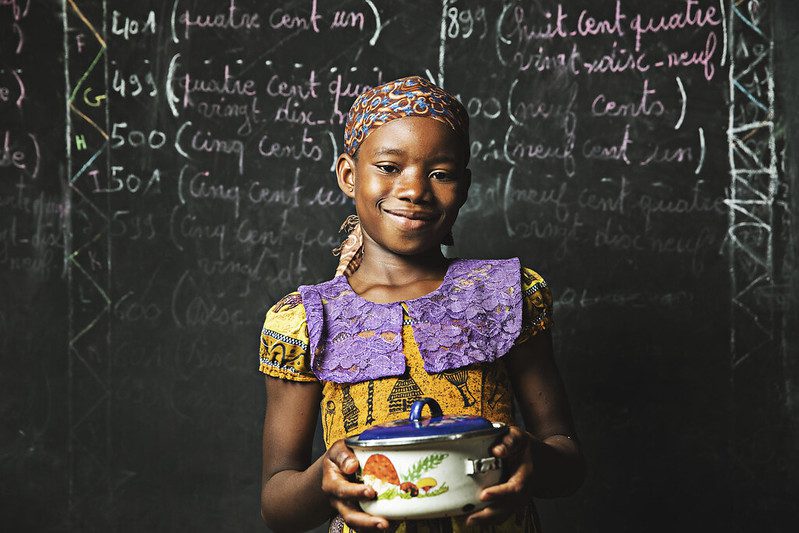
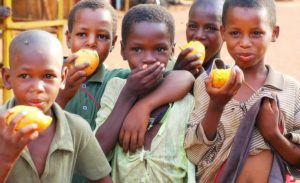
Child Nutrition FundAccording to UNICEF’s 2024 Child Nutrition Report, “Child Food Poverty: Nutrition Deprivation in Early Childhood,” one in four children, approximately 181 million children under 5 years of age globally, are living in severe early child food poverty. Malnutrition and child wasting, which are highly prevalent, are life-threatening. The Child Nutrition Fund (CNF) is actively involved in addressing these ongoing issues.
Launch of the Child Nutrition Fund

UNICEF launched the CNF as one of its initiatives. The CNF, led by UNICEF, serves as a financing mechanism to address malnutrition in children and women sustainably through policies, programs, practices and supplies. It has brought together countries, donors, partners and civil society organizations to collaborate on this critical issue.

CNF Governance Structure

The governance structure of the CNF was formally established in Nov. 2023 with three distinct members: financial partners, government partners and operational partners. Financial partners contribute to the cause by donating financial resources and participating in a funding agreement with the CNF(via UNICEF). Government partners are national governments collaborating with the CNF to access its funds for child nutrition issues through partnership agreements. Operational partners are nonstate entities that implement child nutrition programs using funds from the CNF and operational partners’ agreements with UNICEF.

Strategic Actions and Goals

The CNF is actively supporting 23 countries that are implementing operational plans under the United Nations Secretary-General’s Global Action Plan on Child Wasting. These countries are taking steps that include promoting breastfeeding during the first two years of life, enhancing nutritious complementary food with micronutrient powders, monitoring weight gain and providing nutrition counseling, using mid-upper arm circumference (MUAC) measurements and ready-to-use therapeutic foods (RUTF) for early detection of child wasting and distributing food supplements. The Global Action Plan on Child Wasting sets a goal to reduce wasting, which is low weight-for-height, to less than 5% by 2025 and less than 3% by 2030.

Impact and Future Goals of the CNF

Despite the fact that the history of the CNF is short, with this structure and vision, the CNF has been making a meaningful contribution to child nutrition. The CNF has funded $25 million in country programs in Kenya, Malawi, Pakistan and the Philippines. These funds work towards the prevention, detection and treatment of child wasting. In addition, partnerships are formed for many projects including a $30 million project with Gavi in Ethiopia. Additionally, the CNF has matched $15 million in domestic resources in 14 countries. The CNF also increased access to RUTF by providing funding to RUTF suppliers. Between its launch in Dec. 2022 and 30 Sept. 2023, the RUTF Advance Payment Facility has financed $89 million to RUTF suppliers, which resulted in more than 4.8 million cartons of RUTF available to children in need. RUTF is useful in treating waste because of its high nutrition and digestibility. 

The history of the CNF demonstrates its lasting impact on improving children’s lives and their health. By 2025, the CNF expects to expand its reach to 33 countries. The CNF will continue to work to end child wasting and malnourishment with a current goal of impacting 368,116,890 children and women.

– Sein Kim

Sein is based in Bellevue, WA, USA and focuses on Good News and Global Health for The Borgen Project.

Photo: Flickr

July 13, 2024
https://borgenproject.org/wp-content/uploads/borgen-project-logo.svg 0 0 Precious Sheidu https://borgenproject.org/wp-content/uploads/borgen-project-logo.svg Precious Sheidu2024-07-13 01:30:262024-07-13 02:43:04The Child Nutrition Fund
Aid, Global Poverty, Nonprofit Organizations and NGOs

Salar de Uyuni: CODESPA’s Efforts to Alleviate Poverty

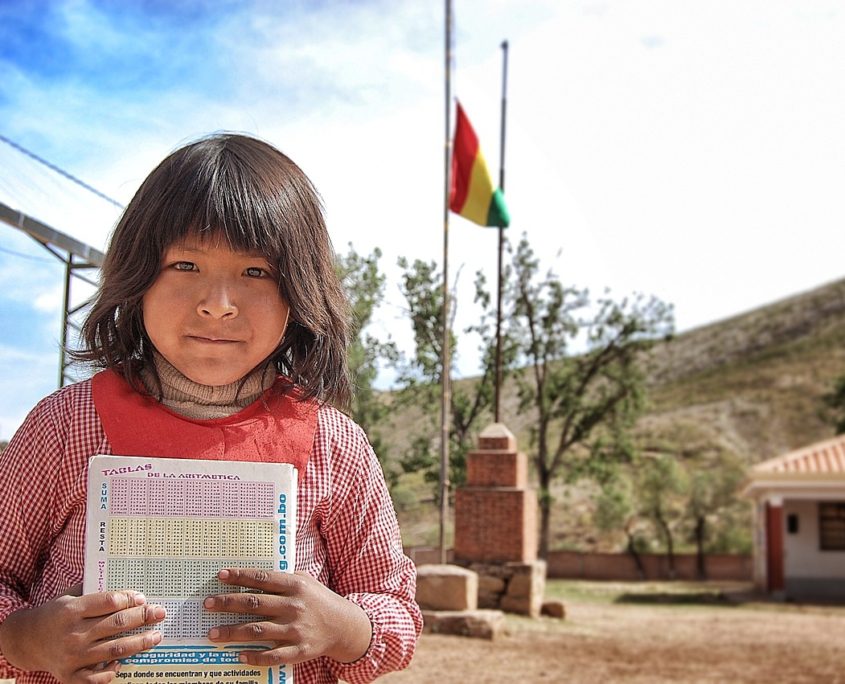
Empowering Salar de Uyuni: CODESPA's Efforts to Alleviate Poverty Salar de Uyuni in Bolivia, the world’s largest salt desert, features stunning landscapes but also faces significant poverty within its indigenous communities. The area struggles economically due to limited access to education, health care and sustainable employment opportunities. In response, the nonprofit organization CODESPA has launched initiatives to improve local livelihoods. CODESPA’s efforts include fostering entrepreneurship, providing vocational training and supporting small businesses to drive sustainable economic growth. Through these ongoing initiatives, CODESPA seeks to empower the community, reduce poverty and enhance the quality of life for the people of Salar de Uyuni.

Economic Struggles in Salar de Uyuni:

The people of Salar de Uyuni, due to their rural environment, have limited access to education. Most children complete primary school, but boys often receive priority for secondary education. Girls who cannot attend school typically stay home to help with work and chores. Additionally, a lack of sex education contributes to teen pregnancy, which exacerbates the high illiteracy rates among women—up to 6% higher than the national average of 13%. In poor families, children attend public schools where educational quality is low. Educators in rural areas are twice as likely to lack proper training compared to their urban counterparts. Furthermore, rural areas offer fewer educational opportunities than urban areas. Without adequate education, securing well-paying jobs becomes significantly harder, leading many to resort to manual labor, such as working in salt farms.

Health Care Challenges and Its Effects

In addition to limited educational opportunities, the people of Salar de Uyuni face significant health challenges, including unsafe drinking water. The rivers and lakes on which these communities rely are often contaminated and they lack the means to purify the nonpotable water. Drinking unsafe water can lead to many illnesses, including diarrhea, which is a leading cause of death among children under the age of 5 in Bolivia.

Malnutrition is another leading cause of death among children under the age of 5 in Bolivia. In poor rural areas like Salar de Uyuni, where the majority of the population lives, children are more likely to suffer from malnutrition. A poor child from a rural town is eight times more likely to be malnourished than a child from a wealthier urban family. Poverty is the primary driver of malnutrition in these areas.

CODESPA’s Initiatives and Impact

The NGO CODESPA is committed to transforming the future for residents of Salar de Uyuni, focusing particularly on one of the most disadvantaged groups: the indigenous Quechan women. By leveraging tourism as a viable economic market, CODESPA assists these women in starting small tourism-related businesses, including accommodations, services, products and experiences. The organization provides training in business operations and management and supports sales efforts. CODESPA also utilizes its connections with tour operators, government ministries and other stakeholders to forge lasting partnerships. Its efforts have reached 102 Indigenous Quechan women and have created more than 230 new jobs in the area, empowering women to become leaders in their businesses and communities.

CODESPA’s initiatives in Salar de Uyuni demonstrate the potential of targeted efforts to alleviate poverty in developing areas. By addressing challenges such as lack of education, unsafe living conditions and limited employment opportunities, CODESPA is driving significant and lasting change. The organization focuses on supporting indigenous Quechan women by helping them start tourism-based businesses, which not only offers immediate economic benefits but also promotes a self-sustaining economic model.

Looking Ahead

CODESPA’s initiatives in Salar de Uyuni are transforming the region by addressing its economic challenges and improving access to education, health care and sustainable employment. By empowering indigenous Quechan women through tourism-based businesses, the organization is fostering economic growth and enhancing the quality of life. These ongoing efforts are creating a more promising future for the people of Salar de Uyuni, breaking the cycle of poverty and ensuring lasting change.

– Rachel Venable

Rachel is based in Berkeley, CA, USA and focuses on Good News and Global Health for The Borgen Project.

Photo: Pixabay

July 12, 2024
https://borgenproject.org/wp-content/uploads/borgen-project-logo.svg 0 0 Precious Sheidu https://borgenproject.org/wp-content/uploads/borgen-project-logo.svg Precious Sheidu2024-07-12 01:30:302024-07-11 01:53:44Salar de Uyuni: CODESPA’s Efforts to Alleviate Poverty
Aid, Global Poverty, USAID

Understanding the Humanitarian Crisis in Burkina Faso

Understanding the Humanitarian Crisis in Burkina FasoBurkina Faso, located in West Africa, has a population known as the Burkinabe. This former French colony declared its independence in 1960. Originally named Upper Volta, the country adopted its current name in 1984. Its population is estimated at 23.6 million.

Although Burkina Faso faces a severe humanitarian crisis, the country also boasts rich cultural diversity that deserves recognition. Home to more than 60 ethnic groups, each with its customs, languages and practices, Burkina Faso celebrates a vibrant cultural heritage anchored in traditional music and dance.

Burkina Faso Economic Challenges

Burkina Faso’s population is unevenly distributed, with half of its people living in the eastern and central regions. More than two-thirds of the Burkinabe reside in rural areas, primarily near the country’s center. Economic challenges, exacerbated by poor weather and severe droughts, have driven many residents to emigrate. As a result, Burkina Faso is considered one of the world’s poorest countries and heavily relies on humanitarian aid from foreign nations and NGOs. The country exports gold, livestock, sugar and fruit. Despite the generally poor state of public health, the government has achieved notable progress in preventing and treating HIV/AIDS since the early 2000s, with a declining rate of HIV/AIDS cases.

Educational and Social Welfare Issues

In Burkina Faso, only 33% of the population is literate. In response, the country has introduced after-school tutoring at community centers and offers adolescents training in mechanics, hairdressing, sewing, gardening and farm work. Public education in Burkina Faso is not freely provided and many parents struggle to afford schooling for their children. Additionally, a shortage of schools means that even families who can afford it often struggle to find available educational opportunities. As a result, only 81% of students advance to the 5th grade.

More than 40% of Burkina Faso’s population lives below the national poverty line, placing the country 184th out of 191 in the United Nations (U.N.) Development Programme’s 2021-2022 Human Development Index (HDI) report. Although extreme poverty decreased by 0.7% in 2023, about 2 million citizens remain displaced and face food insecurity.

Crisis and Humanitarian Aid for Burkina Faso

Since 2019, Burkina Faso has faced a severe refugee crisis. In the past year alone, an additional 707,000 citizens have become displaced and thousands have lost access to aid. By early 2023, more than 6,100 schools had closed, accounting for nearly half of all school closures in Central and West Africa. Additionally, up to 400 health facilities shut down, leaving 3.6 million people without access to health care—a 70% increase from 2022.

Emergency Aid and International Assistance

In May 2024, the US announced it would provide nearly $55 million to Burkina Faso to help address its ongoing humanitarian crisis. This aid is intended to meet the food and nutrition needs of the most vulnerable Burkinabe citizens. Within Burkina Faso, 20 locations home to half a million people are isolated from the rest of the country and in 2023, fewer than 5,000 of these residents received international aid from nongovernmental organizations. Only two-thirds of the funds allocated to Burkina Faso have been disbursed, mainly because high costs make it challenging to assist those in more isolated areas. Additionally, due to limited financial resources, organizations often prioritize helping those who are more accessible, leaving those in cut-off areas further deprived of sustainable living conditions and basic needs.

Impact of Climate and Economic Challenges

Burkina Faso’s location makes it highly susceptible to drought and climate change. The country is also struggling with ongoing economic challenges stemming from the COVID-19 pandemic. In 2021, the USAID’s Bureau for Humanitarian Assistance allocated $43 million to Burkina Faso to support food and nutrition assistance. This aid included food supplies, locally procured produce, and food vouchers.

European Union’s Commitment to Aid

Projected statistics for 2024 indicated that up to 27% of Burkina Faso’s population would need humanitarian aid. In 2023, the European Union (EU) allocated 44 million Euros to assist the country. These funds are targeting the food crisis and focusing on malnutrition, health, nutrition, shelter, water, sanitation, hygiene, education and rapid response to displacements. This aid aimed to support vulnerable, internally displaced people by providing them with food, shelter and essential items to meet their basic needs. Additionally, the EU provided educational support in areas where schools had closed. The EU offered guidance on preparing for climate-related issues tied to the country’s location.

Looking Ahead

The humanitarian crisis in Burkina Faso presents ongoing challenges, with significant portions of the population facing food insecurity, inadequate health care and educational disruptions. Recent international aid efforts, including substantial contributions from the U.S. and the EU, aim to address these critical needs. However, reaching isolated and vulnerable communities remains a significant hurdle. Continued and enhanced support can potentially improve living conditions and foster sustainable development in the region.

– Brogan Dickson

Brogan is based in Edinburgh, Scotland and focuses on Good News and Global Health for The Borgen Project.

Photo: Flickr

July 11, 2024
https://borgenproject.org/wp-content/uploads/borgen-project-logo.svg 0 0 Precious Sheidu https://borgenproject.org/wp-content/uploads/borgen-project-logo.svg Precious Sheidu2024-07-11 01:30:472024-07-10 06:20:31Understanding the Humanitarian Crisis in Burkina Faso
Aid, Global Poverty, Natural Disaster

SISRI: Preparing Island Nations for Natural Disaster Response

SISRI: Preparing Island Nations for Natural Disaster ResponseThe Small Island States Resilience Initiative (SISRI), funded by the Global Facility for Disaster Reduction and Recovery and the World Bank, seeks to decrease the effects of natural disasters on small island nations, which are particularly vulnerable to such events. Natural disasters significantly contribute to global poverty. Preventionweb notes that impoverished individuals tend to live in hazard-prone areas and lack the resources to invest in measures that reduce risks. Consequently, people in these areas often lack adequate insurance and social protection, meaning their limited assets are usually spent trying to recover from the last natural disaster.

Global Impact of Natural Disasters on Poverty

Preventionweb reports that of the approximately 1.5 billion people worldwide at risk of or exposed to flooding, 89% reside in low to middle-income countries. Drought is one of the most severe causes of poverty globally, particularly in small island nations. Other significant risks include the previously mentioned flooding and tropical storms. These are among the deadliest and most severe natural disasters, posing the greatest threat and highest risk of poverty.

Loss of life is the primary consequence of these  ongoing issues, but other risks include injuries, home damage, loss of livelihood, displacement, health implications and food insecurity, among others. The Small Island States Resilience Initiative addresses these challenges. This initiative responds to calls from small islands for more support in mitigating climate change and natural disaster risks that significantly affect their populations, assets, ecosystems and economies.

Goals and Strategies of SISRI

The primary goal of the SISRI is to alleviate the risks and reduce the burdens that natural disasters often impose. The project focuses on protecting coastal areas, establishing safety nets for citizens and providing expert assistance in assessing flood and landslide risks. SISRI also supports these nations in constructing safer infrastructure. Additionally, it fosters a global community where island practitioners can share and access worldwide knowledge on risk management.

Small island states are particularly vulnerable to natural disasters. For instance, countries experiencing the highest losses from these disasters include small island nations, which account for more than 60% of such cases. These losses can represent up to 9% of a small island nation’s GDP. Moreover, in the last 50 years, Pacific island nations have incurred more than $3 billion in damages from natural disasters. Despite these ongoing challenges, initiatives like the Small Island States Resilience Initiative, coupled with external support, can significantly impact these regions.

Implementation and Achievements of SISRI

SISRI is enhancing the resilience of small island nations by building larger pipelines for investments that can withstand climate change impacts. This initiative focuses on increasing these areas’ capacity to adapt to extreme weather events. There are three main goals SISRI aims to achieve: helping small island nations document climate finance assistance, increasing the scale and efficiency of investments and upscaling and consolidating support to shift from fragmented smaller projects to broader national initiatives that deliver more significant results.

SISRI leverages the expertise of a broader team from GFDRR and the World Bank to provide technical and operational advice. These experts address project bottlenecks and launch new investments that enhance flood and landslide risk assessments, develop safer infrastructure and strengthen social and financial safety nets. For example, in Jamaica, SISRI is protecting vulnerable coastal zones by integrating existing coastal defenses, such as seawalls and mangroves.

Using a practitioner network, SISRI connects practitioners to share knowledge and experience, enhancing resilience on small islands. Several meetings with support groups have already occurred, including the 2018 Understanding Risk Forum in Mexico City and the 2017 Global Platform for Disaster Risk Reduction in Cancun. These gatherings aim to better educate small island nations on optimal risk management strategies for natural disasters.

Through SISRI, the World Bank aims to enhance enabling environments and stakeholder capacity and to prepare proposals, projects and pipelines. While this initiative significantly supports small island nations in combating poverty and recovering from natural disasters, which often devastate economies and lives, more efforts are necessary to ensure these communities can recover and thrive after such events.

Looking Ahead

Currently, SISRI operates in East Asia, the Pacific and Sub-Saharan Africa, assisting about 37 countries. The Initiative plays a vital role in enhancing the resilience of vulnerable island nations against natural disasters. By focusing on protecting coastal areas, improving infrastructure and providing technical assistance, SISRI aims to mitigate the severe impacts of these events. Continued support and investment in these ongoing initiatives could safeguard communities and promote sustainable recovery and development.

– Lachlan Wellington

Lachlan is based in Fareham, Hampshire, UK and focuses on Technology and Global Health for The Borgen Project.

Photo: Unsplash

July 11, 2024
https://borgenproject.org/wp-content/uploads/borgen-project-logo.svg 0 0 Precious Sheidu https://borgenproject.org/wp-content/uploads/borgen-project-logo.svg Precious Sheidu2024-07-11 01:30:032024-07-10 05:43:48SISRI: Preparing Island Nations for Natural Disaster Response
Page 17 of 65«‹1516171819›»

Get Smarter

  • Global Poverty 101
  • Global Poverty… The Good News
  • Global Poverty & U.S. Jobs
  • Global Poverty and National Security
  • Innovative Solutions to Poverty
  • Global Poverty & Aid FAQ’s
Search Search

Take Action

  • Call Congress
  • Email Congress
  • Donate
  • 30 Ways to Help
  • Volunteer Ops
  • Internships
  • Courses & Certificates
  • The Podcast
Borgen Project

“The Borgen Project is an incredible nonprofit organization that is addressing poverty and hunger and working towards ending them.”

-The Huffington Post

Inside The Borgen Project

  • Contact
  • About
  • Financials
  • President
  • Board of Directors
  • Board of Advisors

International Links

  • UK Email Parliament
  • UK Donate
  • Canada Email Parliament

Get Smarter

  • Global Poverty 101
  • Global Poverty… The Good News
  • Global Poverty & U.S. Jobs
  • Global Poverty and National Security
  • Innovative Solutions to Poverty
  • Global Poverty & Aid FAQ’s

Ways to Help

  • Call Congress
  • Email Congress
  • Donate
  • 30 Ways to Help
  • Volunteer Ops
  • Internships
  • Courses & Certificates
  • The Podcast
Scroll to top Scroll to top Scroll to top