• Link to X
  • Link to Facebook
  • Link to Instagram
  • Link to TikTok
  • Link to Youtube
  • About
    • About Us
      • President
      • Board of Directors
      • Board of Advisors
      • Financials
      • Our Methodology
      • Success Tracker
      • Contact
  • Act Now
    • 30 Ways to Help
      • Email Congress
      • Call Congress
      • Volunteer
      • Courses & Certificates
      • Be a Donor
    • Internships
      • In-Office Internships
      • Remote Internships
    • Legislation
      • Politics 101
  • The Blog
  • The Podcast
  • Magazine
  • Donate
  • Click to open the search input field Click to open the search input field Search
  • Menu Menu

Archive for category: Aid

Agriculture, Aid, Global Poverty

The Work of the FAO in Ethiopia

Supporting Ethiopia: The Work of the FAOEthiopia remains one of the poorest countries globally despite significant reductions in its poverty rates, from 44% in 2000 to 30% in 2011. However, the World Bank notes that Ethiopia’s economy has experienced some of the strongest growth rates in the region. With continued improvements planned by its government, Ethiopia aims to reach lower-middle-income status by 2025. The Food and Agriculture Organization (FAO) in Ethiopia supports these efforts.

Barriers to Economic Progress

To achieve lower-middle-income status by 2025, Ethiopia must overcome several challenges, according to the World Bank. These include recovering from the COVID-19 pandemic, which has left high urban unemployment and an overall increase in poverty levels. Additionally, environmental and natural crises, such as locust invasions and adverse weather conditions, have driven food price inflation. The World Bank also notes that the 2022 drought, the worst in half a decade, has contributed to severe food insecurity affecting an estimated 20 million people as of 2023.

Furthermore, expansion of the labor market, reducing learning poverty which remains high at 90% and preventing the impact of further conflict within the nation are crucial to the continued growth of its economy. To encourage these circumstances, overseas aid is of vital importance and one such provider is the Food and Agriculture Organization of the United Nations (U.N.) or the ‘FAO’. 

The Country Programming Framework (CPF)

A subdivision of the FAO, the CPF has worked in Ethiopia providing the government with priority areas to focus on. The FAO’s website cites that the CPF was realized after a series of consultations with departments such as the Ministry of Agriculture and Natural Resources and the Ministry of Livestock and Fisheries Resources, among others. Together, these departments devised a four-year plan to take effect between 2022 and 2025. The priority areas to be focussed on during the plan are as follows: 

  1. Innovation for sustainable agriculture production
  2. Nutrition for the most vulnerable and safe food for everyone
  3. Natural Resource management and agricultural production system
  4. Promotion of inclusive economic growth and reducing inequalities
  5. Addressing cross-sector issues

Sustainable Agricultural Practices

To address the first three priority areas, the CPF is promoting new agricultural methods to produce sustainable crops and encouraging the development of sustainable livestock and fishery approaches. In this way, it aims to create climate-resilient systems to strengthen and grow food security and improve overall nutrition. This includes continued research into how to utilize drylands and ensure better drought resilience. To address the fourth priority area, the CPF outlines its aim to provide support to households to develop alternative sources of income, such as eco-tourism and support small and medium-scale businesses such as milk, hides, skins and grain enterprises.

Success Stories from the FAO

The work of the FAO has had particular success in the agricultural sector of Ethiopia. Supporting programs such as fruit nurseries across the nation, its website highlights Aleje as a beneficiary of such initiatives. The nursery sought to increase local farmers’ stock by growing and distributing seedlings of highland fruit. The nursery received 20,844 Italian rootstocks and 24,160 grafted seedlings in total. Beyond this, the nursery also provides opportunities for local workers, with 437 farmers being trained on its practices like irrigation and sustainable planting methods. 

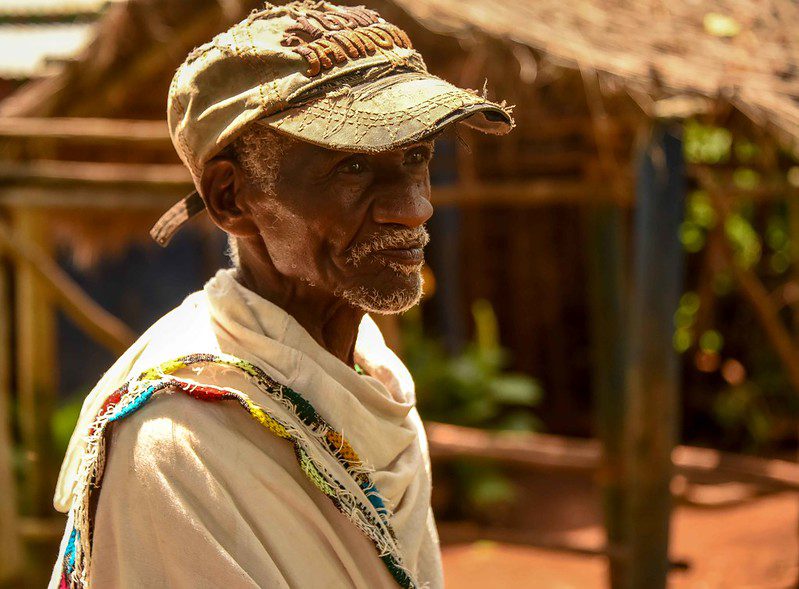
Priest Habte Yiheyis was one such farmer. After participating in training given by the nursery, he received seedlings of apricots, plums, almonds and apples. Habte has since begun to harvest the yield, generating 7,500 Ethiopian Birr. The FAO notes that this gave him the opportunity to “cover all necessary expenses such as school stationary and uniform for his children, health care and other needs of his family.” He has since passed on his training and knowledge to an additional 35 local farmers, demonstrating the positive impact of the FAO in his case.

Looking Ahead

Ethiopia’s strategic partnership with the FAO and ongoing efforts in sustainable agriculture and economic diversification offer a promising pathway to achieving its lower-middle-income status by 2025. These initiatives continue to empower local communities and lay the foundation for a resilient, inclusive economy.

– Kayleigh O’Brien

Kayleigh is based in Leeds, UK and focuses on Good News and Technology and Solutions for The Borgen Project.

Photo: Unsplash

April 29, 2024
https://borgenproject.org/wp-content/uploads/borgen-project-logo.svg 0 0 Precious Sheidu https://borgenproject.org/wp-content/uploads/borgen-project-logo.svg Precious Sheidu2024-04-29 01:30:522024-04-29 00:23:31The Work of the FAO in Ethiopia
Aid, Developing Countries, Innovations, Poverty Reduction

Water Poverty in Zimbabwe: Save the Children’s Approach

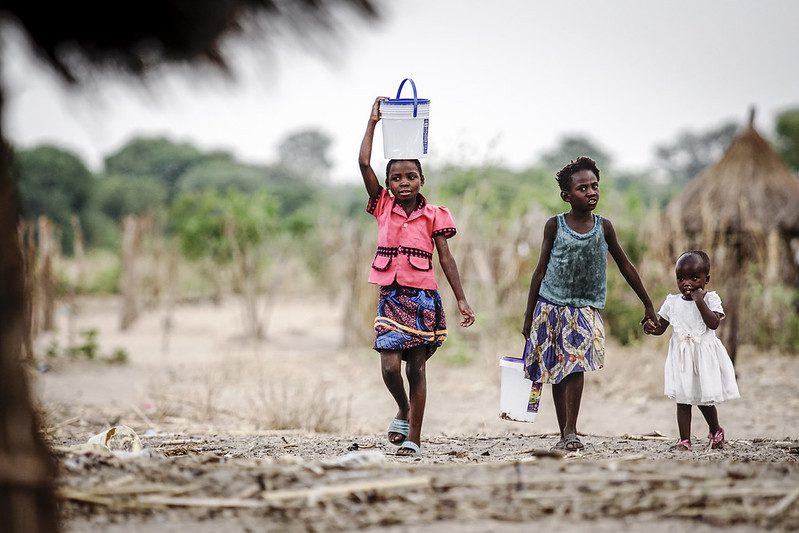
Water Poverty in Zimbabwe: Save the Children’s ApproachZimbabwe, situated in southern Africa, grapples with serious poverty-related issues, including widespread water poverty. The World Bank reported that 42% of the country’s population lived in extreme poverty in 2019, primarily in remote, poorly connected and densely populated rural areas susceptible to poverty traps. The COVID-19 pandemic may have been responsible for the rise in poverty levels in the country.

The Water Problem

Save the Children emphasizes that water is a basic human right and that the absence of clean, safe water increases the risk of contracting preventable diseases. In April 2024, Zimbabwe’s President, Emmerson Mnangagwa, declared a national disaster over the drought gripping the country, requesting $2 billion in aid to secure food and safe water for millions. The drought has severely impacted not only food and water supplies but also electricity production, which relies heavily on hydroelectric power. Furthermore, the scarcity of clean, safe water led to a significant cholera outbreak, underscoring the urgent nationwide need for constructing boreholes.

Save the Children’s Efforts

Save the Children collaborated with the Beitbridge District Water and Sanitation Sub Committee to provide clean and safe water for drinking and household use. This effort received financial backing from the European Union (EU) through UNICEF as part of the Enhanced Resilience for Vulnerable Households in Zimbabwe (ERVHIZ) project. The initiative focused on rehabilitating dysfunctional boreholes, enabling local access to clean water without the need for long-distance travel.

This safe and clean water serves multiple purposes beyond drinking. Communities can use it to grow vegetables, enhance their diet and improve both health and well-being. Additionally, selling surplus produce can generate profit, creating employment opportunities for many women and girls.

Empowering Communities Through Water Access

Projects like the ERVHIZ have not only improved access to clean water but also empowered communities to take ownership and manage their resources. With functioning boreholes, some communities have established Water Point Management Committees comprising both men and women. Save the Children has provided training to ensure the boreholes are well maintained. A functioning and well-maintained borehole protects the community from cholera and enhances safety for women and girls.

Overall, the rehabilitation of 45 dysfunctional boreholes has improved access to clean water for more than 125,000 people. Moreover, this is just one example of the impactful work Save the Children undertakes to alleviate poverty. It illustrates the transformative effects that providing safe and clean water can have on communities.

Looking Forward

The revitalization of water resources by Save the Children and its partners promises a sustainable path toward community resilience and economic stability. The effective management and maintenance of these resources could be pivotal in breaking the cycle of water poverty in Zimbabwe and ensuring long-term health benefits for the communities involved.

– Cordelia Moore

Cordelia is based in Lewes, UK and focuses on Good News for The Borgen Project.

Photo: Flickr
April 25, 2024
https://borgenproject.org/wp-content/uploads/borgen-project-logo.svg 0 0 Precious Sheidu https://borgenproject.org/wp-content/uploads/borgen-project-logo.svg Precious Sheidu2024-04-25 01:30:232024-04-24 03:50:20Water Poverty in Zimbabwe: Save the Children’s Approach
Aid, Global Poverty, UNHCR

Red Cross and UNHCR Efforts in Cabo Delgado

Red Cross and UNHCR Efforts in Cabo DelgadoIn the Northern province of Cabo Delgado, Mozambique, every day of the past seven years has been a fight for survival. Due to the recurring attacks on civilians by nonstate armed groups (NSAGs). As of January 2024, close to 800,000 people remain internally displaced in Northern Mozambique. However, two organizations stand as beacons of hope: the Red Cross and the United Nations High Commissioner for Refugees (UNHCR). With unwavering dedication, they have stepped into the fray, extending a helping hand to those in desperate need.

The UNHCR’s Efforts

The United Nations High Commissioner for Refugees (UNHCR) reported its concern about the escalating humanitarian crisis in Cabo Delgado in March 2024. Together with the government, the UNCHR and its partners balance the urgent needs of the newly displaced with the long-term needs of those forced to remain in overcrowded settlements. 

UNHCR and its partners provide core relief items to internally displaced persons (IDPs), including blankets, sleeping mats, mosquito nets, jerrycans, buckets, solar lamps, kitchen sets and plastic sheets. It screens and registers people with specific needs for support and assistance. Furthermore, the organization reports that additional interventions are being planned and discussed with local authorities in the sectors of safety, water and sanitation, health, shelter and food security, though lack of funding thwarts the response. 

The Red Cross: A Lifeline in Times of Crisis

The UNHCR focuses on broader humanitarian assistance, while the International Committee of the Red Cross (ICRC) serves as a lifeline for those directly affected by the conflict in Cabo Delgado. With a network of volunteers and staff on the ground, the ICRC, in collaboration with the Mozambique Red Cross (CVM), could provide IDPs with emergency assistance. 

Emergency medical is one of the key services provided by the ICRC. From treating injuries sustained in the violence to combatting the recent cholera outbreak, ICRC medical teams provide indispensable support to a conflict-affected area like Cabo Delgado, where access to health care is often limited.

The ICRC also provides vital support in the form of food, clean water and shelter. In 2022, the organization delivered 6,000 household and shelter kits. In addition, it built 32 solar-powered hand pumps and washing areas, improving access to water and sanitation for 10,000 people. 

Supporting Recovery and Reconnecting Families

The ICRC promotes self-sufficiency and as part of its emergency assistance, it distributed seed and tool kits to 25,000 people, to help them restart food production. It assists separated families and vulnerable unaccompanied children. The organization works with CVM to facilitate phone calls, reconnect, families and register unaccompanied minors. 

In the face of conflict, the ICRC and the UNHCR have emerged to inspire hope in Cabo Delgado, Mozambique. Through their dedication and efforts, they have provided a lifeline to displaced families struggling to survive amid violence and insecurity. As the humanitarian crisis in Cabo Delgado continues to unfold, the work of these organizations remains essential in alleviating the suffering of those affected and rebuilding the future of the people of Northern Mozambique.

– Danielle Schaafsma

Danielle is based in South Africa and focuses on Good News for The Borgen Project.

Photo: Unsplash

April 19, 2024
https://borgenproject.org/wp-content/uploads/borgen-project-logo.svg 0 0 Precious Sheidu https://borgenproject.org/wp-content/uploads/borgen-project-logo.svg Precious Sheidu2024-04-19 01:30:422024-04-18 05:14:42Red Cross and UNHCR Efforts in Cabo Delgado
Aid, Charity, Development

5 Charities Operating in Laos

Charities Operating in LaosLaos, a country located in Southeast Asia with a GDP of $2,054 and 18.3% of the population living in poverty, ranks 115th out of 167th in the overall Prosperity Index. According to an article from Amnesty International, multiple areas pose a problem for the country’s human rights, including “economic, social and cultural rights.” However, here are five charities operating in Laos that are helping Laotian people have access to things that are easy to take for granted such as education, access to water and appropriate health care.
GreenHeart Foundation

GreenHeart Foundation is a humanitarian nonprofit organization that has made a “continuous pursuit to address issues of poverty, gender inequality, sex trafficking and unexploded bombs and promote creative expressions through the Preservation and Perpetuation, and Promotion of culture and arts in Asia.” Alongside USAID, the foundation has helped “establish and promote cottage weaving industries along with Consortium and the Lao Women’s Union.” The project provided various benefits to more than 533 weavers. GreenHeart Foundation has helped women express themselves through their artwork which is a part of their life through their traditional cultures. Expressing themselves through creativity can help these women get recognition in a country that’s struggling with social and economic rights.

The Asia Foundation

The Asia Foundation is a nonprofit international development organization that focuses on improving lives and expanding opportunities across Asia and the Pacific. It plays an active role in working “with the Lao government to improve human rights and help communities manage the development and safeguard their natural environment.”

Natural resources account for more than a third of Laos’ total economic growth, which puts increased pressure on the environment. The Asia Foundation provided support to three villages in the Xe Bang Fai district and Khammouane province, helping the people “develop sustainable and economically viable wetland management plans.” Allowing people to use wetland resources can help them financially while also supporting “smallscale riverbank erosion protection measures,” according to The Asia Foundation.

Laos Educational Opportunities Trust (LEOT)

Established in 2006, Laos Education Opportunities Trust (LEOT) aims to “supplement local efforts and ensure students can access quality education and the skills they need to be successful in the future.” This includes community projects, scholarships and sponsorship programs that support children as students and work with isolated or rural villages to “improve the health and sanitation of families and communities.”  This has posed an equal opportunity for all children regardless of their social or economic status within their family households.

Laos Rehabilitation Foundation (LRF)

Laos Rehabilitation Foundation (LRF) is a nonprofit, nonreligious, and nonpolitical organization that aims to “provide medical services to Laotian people and surrounding communities with a greater focus on children and the poor.” LRF has had many accomplishments, including “providing items of personal hygiene and clothing to the children of Home of Light, a school for blind children” in Vientiane. LRF has also completed various construction projects for the country including building various health centers and schools to help provide children the best care that they deserve.

The World Health Organization (WHO)

The World Health Organization (WHO) has been “involved in supporting the development of health services and health systems in Laos since the country became a member of the organization in 1950.” WHO’s mission towards Laos is to “achieve the highest level of health for all health sector reforms and universal health coverage for the country by 2025.” Providing health care to all people living in both rural and urban areas could help the country improve its human rights and fight poverty.

It is through these five charities operating in Laos that Laos continues to receive help to better improve their country environmentally, economically and socially. Laos could potentially improve its human rights record through charities that have helped make a difference in providing better human rights.

– Nevin Guler
Photo: Unsplash

April 11, 2024
https://borgenproject.org/wp-content/uploads/borgen-project-logo.svg 0 0 Naida Jahic https://borgenproject.org/wp-content/uploads/borgen-project-logo.svg Naida Jahic2024-04-11 01:30:522024-04-10 16:36:475 Charities Operating in Laos
Africa, Aid, Food & Hunger, Refugees

How ShelterBox is Aiding Nigeria 

aiding NigeriaWith a population of almost 220 million people, Nigeria is the most populous country in Africa and the world’s sixth most populous country. Nigeria has been facing growing instability and fear due to Boko Haram’s mutiny against the Nigerian government since 2009, particularly targeting the northeast and committing large-scale acts of violence. More than 2.9 million Nigerians have no choice but to flee their homes to seek refuge in neighboring countries, leaving behind crops and vital necessities for survival. Ultimately, this has resulted in a humanitarian crisis as many Nigerians move into poorer regions and refugee camps where food, water and shelter are dangerously limited.
However, since 2018 ShelterBox has been aiding Nigeria by saving and protecting the lives of thousands affected by Boko Haram, as well as providing general support as a result of climate-driven scarcity worsened by conflict in the Lake Chad Basin.

Improving Food and Water Insecurity

According to the UN Office for the Coordination of Humanitarian Affairs (OCHA), Nigeria faces a humanitarian emergency. More than 8.3 million Nigerians require emergency assistance, 80% of whom are women and children. Around 314,000 Nigerians have died from food insecurity due to the decline of agricultural production, which is a major catalyst affecting public health in Nigeria and has been worsened by conflict in the Lake Chad Basin, flooding and extreme weather. This has resulted in the displacement of 3.2 million and leaves 10.6 million Nigerians in need of humanitarian assistance as the majority of the Lake Chad population depends on agriculture, livestock, fishing and manual labor for survival, according to Refugee International.

ShelterBox and their partner ACTED are aiding Nigeria by providing lifesaving items such as kitchen sets, water containers and purification equipment to reduce food and water insecurity, enabling Nigerians to rebuild their lives, according to its website. Because of the effects of flooding, extreme weather and military-enforced movements, Nigerians are prevented from effectively growing and harvesting crops to support their livelihood. However, by providing kitchen sets, water containers and purification equipment, food and water insecurity is decreasing as ShelterBox and ACTED have successfully helped over 7,300 families from 2018 to 2022, according to its website. Additionally, water purification equipment has enabled Nigerians to access safe and clean water, significantly reducing the chances of disease from dirty water.

Providing Shelter and Security

With no choice but to flee their homes in search of safety away from conflict and food insecurity, more than 2 million Nigerians remain displaced from homes in the northeast of Nigeria, as of 2019. Thousands have no choice but to live in overcrowded displacement sites which are significantly below international minimum standards. Although some Nigerians choose to build improvised shelters with sticks and ripped fabric, it does not provide efficient shelter from extreme weather and provides no privacy or security, making women and children in particular even more susceptible to intrusions and attacks.

There are 9.7 million people in urgent need of humanitarian assistance in the Lake Chad region, according to ShelterBox. In partnership with other charities, ShelterBox has been aiding Nigeria by providing tents, shelter kits, rope, tarpaulins, mosquito nets, solar lights, blankets and other lifesaving necessities to increase the security and health of Nigerians amid the humanitarian crisis.

From 2018 to 2022 in partnership with IEDA, ShelterBox has been successfully aiding more than 100,000 refugees and displaced Nigerians. Additionally, ShelterBox has provided a type of shelter known as the Bama shelter to more than 30,000 Nigerians in the epicenter of the crisis in partnership with ACTED.

The Bama shelter is large enough for a family of five; it has a timber-framed structure with tarpaulin material for the wall and the roofing structure, ShelterBox reports. Windows provide natural sunlight and ventilation and for extra safety, the shelter has a secure lockable door to prevent intrusions and attacks. ShelterBox also provides sleeping mats, blankets and mosquito nets, allowing Nigerians to start again with a safe and comfortable lifestyle.

Aiding Nigeria Through the Crisis

After many years of instability, ShelterBox and other charities have worked tirelessly to aid Nigerians through the humanitarian crisis which remains an ongoing issue after ten years since the conflict began. Overall, Boko Haram seems to be at its final stages of conflict, however, aiding Nigeria remains vital. Other factors such as extreme weather patterns and flooding have resulted in food and water instability amongst Nigerian communities which continues to worsen as years go by.

– Emily Whatley
Photo: Flickr

April 7, 2024
https://borgenproject.org/wp-content/uploads/borgen-project-logo.svg 0 0 Naida Jahic https://borgenproject.org/wp-content/uploads/borgen-project-logo.svg Naida Jahic2024-04-07 01:30:172024-06-11 00:12:45How ShelterBox is Aiding Nigeria 
Aid, Global Poverty, Refugees

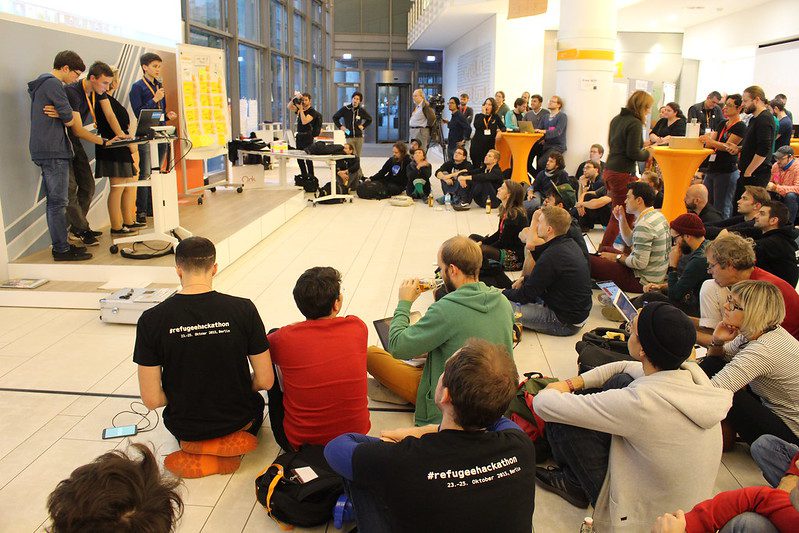
How the Poetry Project Is Platforming Young Refugees in Berlin

Poetry ProjectWhen hundreds of thousands of refugees arrived in Germany in 2015/16, including many unaccompanied minors, SPIEGEL foreign correspondent Susanne Koelbl wondered about the stories of these young people. Having reported from countries such as Afghanistan, Iran, Syria and Saudi Arabia for many years, she has experienced poetry’s power as a common form of storytelling.

Inspired by its beauty, Koelbl teamed up with Afghan-born lawyer and translator Aarash D. Spanta and a United Nations (U.N). adviser Andreas Jödecke to create a space for poetry in Berlin, hoping that they may be able to encourage young Farsi-speaking refugees to find their voices and tell their stories. The effort was an undeniable success.

The young men who attended (primarily young men were sent on the journey to Europe unattended) wrote of their trip in poems which were published later that year in an anthology that resulted in several writers performing their writing at Berlin’s 16th International Literary Festival (ilb). The Poetry Project met with The Borgen Project to give further insight into its work, mission and future plans.

How and Why Poetry Works

When organizing opportunities for the young refugees to write poetry, “we’re really thinking, how can we build connections?” Theresa Rüger told The Borgen Project. Rüger herself is a literature scholar who stumbled upon The Poetry Project at the ilb. Seeing the poems displayed in the Haus der Berliner Festspiele, she was inspired and applied to be a part of it. She explains that the workshops allow young people to tell their stories, meet others and build connections.

The inspiration to use poetry as a medium came from Koelbl’s encounters with poetry in countries such as Afghanistan. Rüger describes Koelbl’s joy as everyone from cab drivers to dinner hosts took the opportunity to share their own poetry, recite traditional poetry and use poetry to convey emotion where regular conversation failed. Searching for a medium to express the young refugees’ experiences, Koelbl decided poetry could be the answer she sought. In many countries, Rüger explains, poetry is close to the present, allowing it to weave in and out of everyday conversation. Perhaps due to this poetic connection, the young people working with The Poetry Project found that their emotions and stories flowed easily into this medium.

There’s another reason, however, that poetry fits so well to express the complex emotions and experiences at play here. “Sometimes the young people are afraid that their audience won’t be able to deal with [their stories],” Rüger explains, “or that they’re going to ask questions that they don’t want to answer.” Poetry introduces a degree of separation between reader and writer, allowing the refugees to get their story out there while retaining a comfortable distance from their audience.

Expansion

Today, The Poetry Project has expanded to include workshops in four languages: Farsi, Arabic, Ukrainian and Kurdish. Work is also translated into English and German. Workshops are held in the same room in the Project’s main office in Berlin, Rüger informs me and take place every weekend, with an additional drop-in session on Wednesday afternoons. This session, Theresa explains, can be used as a time to “just drop by if they want to write or just to talk to us.” In short, it is another opportunity for social connections to be forged and for trust to be built. Like the weekend workshops, attendance at the Wednesday sessions isn’t mandated. Instead, young people are free to invest as much time as makes them feel comfortable.

Spreading the Word

The young people involved in The Poetry Project don’t limit their words to the page. More than 10 readings are organized annually and young poets are frequently invited to speak at literary institutions in readings that impress the audience deeply. The performances “differ from your regular reading where you have a professional author. It feels more immediate.” Emotions run high in audiences facing “very young people” speaking of such harsh experiences and “often people cry.”

The readings’ most impactful are those delivered to the young poets’ peers: school children whose lives match the refugees’ perfectly in years but differ vastly in lived experience. Rüger tells of school assembly halls echoing with the jokes of 150 teenagers, raucous and reluctant to sit quietly for their teachers. But when the young poets come out on stage and begin to read, she says, “You could hear a pin drop.”

The awe and enthusiasm were verified by the school-age audience at the International Literary Festival Berlin, where students lined up to spend their “pocket money” on The Poetry Project’s first anthology after sitting spellbound through the reading. They even requested that the readers sign their individual copies.

Looking Forward

Looking ahead to 2024 and beyond, Rüger describes how The Poetry Project has many projects, readings and events that will continue to spread its message and be a platform for young refugee voices. The Project has scheduled a collaborative performance with a dance group, the publication of a new anthology and a partnership with PEN Berlin – a writer’s association that specializes in supporting persecuted authors to come to Germany and establish themselves in the German publishing scene.

PEN Berlin also organizes additional workshops “held by professional authors who share a mother tongue with the participants.” In addition, The Poetry Project has planned participation in the event series “75 Jahre Grundgesetz – intersektional” from the Bundeszentrale für politische Bildung. Through the event series, The Poetry Project will join the discussion of Germany’s Basic Law from a “diversity-oriented, intersectional perspective,” adding its poetry to the debate on how the law relates to “marginalized and discrimination-affected groups.”

The Poetry Project has established itself as a center that works tirelessly to build connection, understanding and empathy. It provides opportunities for young refugees to foster a sense of belonging and to get their stories heard – all while helping those who grew up in Germany gain a more robust understanding of what refugees have experienced. Its methodology is simple – pass the mic to those who’ve been through it.

– Peggy Hughes
Photo: Flickr

April 5, 2024
https://borgenproject.org/wp-content/uploads/borgen-project-logo.svg 0 0 Hemant Gupta https://borgenproject.org/wp-content/uploads/borgen-project-logo.svg Hemant Gupta2024-04-05 07:30:172024-04-04 08:29:17How the Poetry Project Is Platforming Young Refugees in Berlin
Aid, Global Poverty

Elderly Poverty in Kenya

Empowering Kenya's Elderly Out of PovertyElderly poverty in Kenya has been a longstanding issue, with many seniors facing financial insecurities due to a lack of adequate savings and limited access to health care. Subsequently, the “Inua Jamii” program, also known as the Older Persons Cash Transfer Program (OPCT) initiated in 2018, marks a significant effort by the government to improve the lives of Kenya’s seniors, directly addressing the issue of poverty among the elderly.

The Inua Jamii Program

The Inua Jamii Senior Citizensʼ scheme reaches approximately 763,000 older persons aged 70 years and above, more than 60% of which are women. Its primary objective is to improve the living standards of vulnerable seniors in Kenya by providing regular cash transfers to individuals. Eligible candidates must have a valid identification card and be excluded from other pension schemes.

Furthermore, the International Labor Organization (ILO) documents the program’s first year of implementation, stating that it “helped increase older people’s sense of dignity and self-worth.” The program ensures to provide individual entitlements rather than a household transfer. Through its initiative, the Kenyan government wishes to provide elders with full financial independence that does not limit them in their reliance on family for basic needs.

While the program primarily focuses on unconditional cash transfers, there are many positive conditionalities attached, such as ensuring children or grandchildren of beneficiaries attend school regularly and receive necessary vaccinations. These conditions aim to promote social inclusion, improve the overall well-being of beneficiary households and end elderly poverty in Kenya.

Reducing Elderly Poverty in Kenya

In 2024, a conversation with Kenya News Agency counselor, Ernest Onyana, praised the government’s recent financial injection, scheduled to begin Feb. 7, 2024. The government’s program has provided each pensioner with 2,000 shillings, a measure Onyona describes as essential in reducing poverty among Kenya’s elderly.

Moreover, in its five years of running, the scheme has collaborated with various banks to emphasize the creation of special services purposely designed for the pension scheme. Additionally, the program acknowledges daily challenges elderly individuals may encounter, particularly those with disabilities. As a response, the program is introducing M-PESA payments, which will prioritize disabled individuals by enabling them to conveniently receive payments from nearby, Onyona assures, in the continuous fight against elderly poverty in Kenya.

Supporting Elderly Women

Age International documents, according to the United Nations (U.N.) Women, 34% of women aged 60 have experienced violence since the beginning of 2020. The Kenyan government’s acute focus on bringing dignity to elders stricken by poverty in Kenya has positively contributed to older women and those with disabilities. ILO highlights individual entitlements, rather than a household transfer, have empowered older women to gain control over their funds.

Organizations such as the Older People’s Association (OPA), help build community groups to support the reduction of elderly poverty in Kenya by supporting seniors with health care, income and guidance in advocating for their rights. Implemented support groups such as the government-run scheme or smaller organizations such as OPA, continuously tackle and reduce the issue of elderly poverty in Kenya.

Positive Future

Over the years, the Inua Jamii program has undergone expansion to reach more elderly citizens across different regions of Kenya. The government has made efforts to increase the coverage and scale of the program to help reach the poorest communities in the fight to reduce elderly poverty in Kenya. Overall, the Inua Jamii program represents a significant government initiative in Kenya aimed at addressing elderly poverty and promoting social inclusion and dignity for older citizens.

– Kasia Flisiuk
Photo: Flickr

March 21, 2024
https://borgenproject.org/wp-content/uploads/borgen-project-logo.svg 0 0 Precious Sheidu https://borgenproject.org/wp-content/uploads/borgen-project-logo.svg Precious Sheidu2024-03-21 07:30:592026-04-16 10:06:00Elderly Poverty in Kenya
Agriculture, Aid, Global Poverty

Jersey’s Dairy for Development Scheme Reduces Poverty

How Jersey’s Dairy for Development Scheme Reduces Poverty AbroadThe island of Jersey’s official aid agency, Jersey Overseas Aid (JOA), operates several grant schemes to help the world’s poorest and most vulnerable populations escape poverty. By leveraging Jersey’s strengths, JOA maximizes the impact of its development aid, despite the island’s small size. Among its initiatives, is the Dairy for Development initiative, which aims at the promotion of the Jersey cow and stands out for its transformative effects in countries like Malawi, Rwanda, Zambia, Ethiopia and Nepal, demonstrating an innovative approach to combating poverty.
The Legacy of the Jersey Cow

Following the enactment of a 1763 law prohibiting cattle imports to Jersey, the distinct purebred Jersey cow breed emerged over time. Renowned for its longevity, nutrient-rich milk and charming appearance, the Jersey cow symbolizes local pride, as evidenced by bronze statues in the town center.

Jersey cows are highly valued globally due to their ability to produce high-quality and profitable dairy products and are ranked as the world’s second most favored breed. The Royal Jersey Agricultural and Horticultural Society (RJAHS) tapped into this breed’s promise to elevate dairy sectors in poverty-stricken nations. Consequently, it launched the ‘Dairy for Development’ initiative in 2004, exporting bull semen and offering technical assistance to Rwanda. This move aimed to bolster local dairy production by introducing the Jersey cow’s superior genetics, showcasing a strategic approach to enhance dairy yields and livelihoods in challenging environments.

Expanding Dairy for Development

In 2017, in collaboration with the RJAHS, JOA launched a grant scheme that significantly benefited Rwanda and other poverty-stricken countries by exporting Jersey cattle and genetic materials. Moreover, these countries were chosen for their long-standing dairy farming traditions and the pressing need to combat poverty and malnutrition. In addition, Jersey cattle known for its exceptional heat tolerance compared to other European dairy breeds, were particularly suited to the environmental conditions of these selected nations.

Objectives and Impacts of Dairy for Development

The scheme objectives are designed to create a multifaceted positive impact. These objectives are centered around enhancing dairy production efficiency, fostering sustainable agricultural practices and promoting economic growth within impoverished communities.

People often question why RJAHS/JOA focuses on dairy rather than other agricultural sectors. With Africa expected to hold a third of the global cattle population by 2029 but only contributing to 5% of the world’s milk production, enhancing dairy production’s efficiency and quality is crucial for selected countries. The Jersey Inka Nziza (Jersey ‘Good Cow’) Phase II project in Rwanda exemplifies the significant benefits this initiative offers its beneficiaries.

Following the first phase’s success from 2017 to 2019, JOA funded a second phase for Jersey Inka Nziza (JIN) from 2019 to 2021. This phase worked with 12,000 smallholder farms, introducing artificial insemination, enhancing cattle feeding and establishing numerous farmer self-help groups alongside training opportunities. It also aimed to bolster gender equality at the local level.

Looking Ahead

Through the collaboration between Jersey Overseas Aid (JOA) and the Royal Jersey Agricultural and Horticultural Society (RJAHS), Jersey delivers impactful development grants and programs that empower communities and combat poverty. This partnership leverages Jersey’s unique breed of cattle to transcend the island’s size limitations, demonstrating that smaller, well-structured projects like Dairy for Development can play a vital role in international poverty reduction efforts.

– Moses Sappe
Photo: Unsplash

March 21, 2024
https://borgenproject.org/wp-content/uploads/borgen-project-logo.svg 0 0 Precious Sheidu https://borgenproject.org/wp-content/uploads/borgen-project-logo.svg Precious Sheidu2024-03-21 03:00:422024-03-20 04:57:00Jersey’s Dairy for Development Scheme Reduces Poverty
Aid, Child Poverty, Global Poverty

How Science is Alleviating Child Poverty in Ukraine

How Science is Alleviating Child Poverty in UkraineThe conflict with Russia has dramatically increased child poverty in Ukraine, with the rate doubling to more than 80% in just one year. A promising initiative by the United Nations International Children’s Emergency Fund (UNICEF) and INSCIENCE now offers displaced children a glimmer of hope.

Child Poverty in Ukraine

As recorded in the Humanitarian Needs Response Plan in 2024, there are 14.6 million people displaced or suffering from poverty in Ukraine and 3.17 million are children. The poverty and risk to the safety of children living in frontline areas across the Russian border are, of course, greater. However, poverty in Ukraine was already a challenge even before the escalation of violence in February 2022.

Educational Disruption and Innovative Solutions

Reports show an increase in poverty in Ukraine from 2021 disproportionally affects households with children in them. As reported by UNICEF, these households suffer most from poor access to basic utilities like electricity, water and heating. 

The war in Ukraine has severely affected children’s education, leading to reliance on online learning as a partial solution. However, the lack of access to essential learning tools like laptops, tablets and internet connectivity, due to the conflict, has compromised the effectiveness of this approach. This decline in educational quality contributes further to the poverty faced by Ukraine’s children. To combat these challenges, UNICEF and INSCIENCE have joined forces to equip children with the necessary resources to handle wartime trauma.

The “Science Kids” Initiative: A Beacon of Hope

The “Science Kids” initiative in Ukraine creates opportunities for children to hone their social skills and navigate the educational hurdles posed by the current conflict. This program not only offers a safe space for learning and creativity but also equips these young minds with strategies to process their trauma and cope with fear and anxiety, providing a semblance of normalcy in tumultuous times.

In Odesa, Mykolaiv and Kharkiv, the “Science Kids” program offers children a respite from the war through science exploration. At these sites, kids engage in learning, experiments and creative projects, such as observing an insect with a magnifying glass and drawing their imaginative insect. This initiative allows them to find some normalcy amidst turmoil.

Child Poverty in Ukraine: Addressing Mental Health

After class, they are then instructed in breathing exercises to help manage stress and anxiety. The coordinator of “Science Kids,” Yuliia Isliamova, spoke of the importance of good breathing exercises, saying it is “a very simple way to deal with anxiety and stress that they can use anywhere and with anyone – for example, with their parents or friends.” 

In addition, engaging with children’s mental health early can prevent the onset of serious psychological effects, thus avoiding its contribution to the cycle of poverty as they grow. Certainly, ending the war in Ukraine would significantly impact efforts to address poverty and child poverty.

Looking Forward

Amidst the backdrop of rising child poverty in Ukraine, initiatives like “Science Kids,” supported by UNICEF and INSCIENCE, offer a beacon of hope and resilience. By fostering educational engagement and mental well-being, these programs provide displaced children with the tools to overcome adversity and envision a brighter future. As the international community continues to support Ukraine, such efforts illuminate the path toward recovery and the potential for lasting change in the lives of its youngest citizens.

– Thomas Field
Photo: Unsplash

March 21, 2024
https://borgenproject.org/wp-content/uploads/borgen-project-logo.svg 0 0 Precious Sheidu https://borgenproject.org/wp-content/uploads/borgen-project-logo.svg Precious Sheidu2024-03-21 01:30:232026-04-16 09:57:49How Science is Alleviating Child Poverty in Ukraine
Aid, Global Poverty, Nonprofit Organizations and NGOs

Aid Organizations in the Middle East

Aid Organizations in the Middle EastA region of rich history and political unrest, though renowned for its vast oil reserves and natural gas, poverty is a harsh reality that many face. This article explores aid organizations in the Middle East dedicated to fostering sustainable growth and alleviating poverty.

Abu Dhabi Fund for Development (ADFD)

Since 1971, more than AED 52.7 billion has been donated to finance projects in Bahrain, Oman, Jordan, Egypt and other Middle Eastern countries by the Abu Dhabi Fund for Development (ADFD). The headquarters are in Abu Dhabi, and the central focus is to help such countries reach sustainable growth and reduce poverty. ADFD values include cooperativeness, creativity, competency and commitment.

One way the ADFD helps is through renewable energy, it has an allegiance with the International Renewable Energy Agency (IRENA) to promote the widespread use of renewable energy. ADFD is also a provider of sovereign loans that meet the requirements of the Organisation for Economic Co-operation and Development (OECD).

The ADFD Success Story in Egypt

Egypt is one example of a poor nation in the Middle East, and has been a key focus of ADFD since 1974. Its capital Cairo has faced big issues with overpopulation. To curb these struggles, ADFD helped to construct a new city, named Sheikh Zayed City in Egypt in 1995. It provided Egypt with a grant of AED 735 million to facilitate this, and the city now attracts a plethora of tourists from all over the world. More than 70 projects in Egypt including sectors such as agriculture, electricity and water, social and health services, housing, industrial and transportation have been supported by ADFD. Egypt has received a total of AED 4 billion in total aid from ADFD till now.

Project Hope

Since its formation in 1958, Project Hope has worked alongside the Middle East to build skills among citizens and provide humanitarian care for refugees residing in Iraq, Lebanon, Jordan and Turkey. It works on the front lines by partnering with health care workers and health facilities, as well as working with public health systems to make long-term changes.

Project Hope Success Story in Syria

Syria’s civil war has been one of the world’s most renowned humanitarian crises. More than 12 million people are suffering from food insecurity since 2011, and millions are internally displaced.

In addition to war, climate shocks have contributed to poverty in Syria. In 2023, a 7.8-magnitude earthquake struck, killing around 6,000 Syrians and wounding many. After mere hours of the earthquake, Project HOPE activated its Emergency Response Team to provide essential items to those affected, despite difficulties due to the aftershock. HOPE has implemented personnel on the grounds to harmonize a long-term humanitarian response in these surrounding regions.

Project HOPE has teamed with local committees to implement shelter, mental health, mobile medical unit (MMU) and WASH programs. It has identified immense MHPSS [Mental health and psychosocial support] needs for survivors dealing with the long-term impacts of trauma. In northwest Syria, Project HOPE is supporting the nonprofit organization Sened Dernegi in efforts to provide MHPSS post-earthquake destruction.

It has also partnered with Syrian Relief and Development. It supports two mobile medical units in Azaz and Daret Azza districts in Syria. Each unit offers consultations to citizens, whether internally displaced or host residents. Services include reproductive and pediatric health care and nonspecialized mental health care integration. 8412 consultations were offered between March and June 2023 to the earthquake survivors.

Looking Ahead

These aid organizations in the Middle East are setting the tone for a brighter future. Investing in the Middle East is important, as geopolitical conflict has affected levels of tourism, which was once heavily relied on by these regions. Even outside of the main crisis states, such as Syria, Libya and Yemen, poverty remains through the aftermath such as sanctions and fewer investments.

– Sepy Akbarian
Photo: Unsplash

March 16, 2024
https://borgenproject.org/wp-content/uploads/borgen-project-logo.svg 0 0 Precious Sheidu https://borgenproject.org/wp-content/uploads/borgen-project-logo.svg Precious Sheidu2024-03-16 03:00:592024-05-30 22:32:52Aid Organizations in the Middle East
Page 20 of 65«‹1819202122›»

Get Smarter

  • Global Poverty 101
  • Global Poverty… The Good News
  • Global Poverty & U.S. Jobs
  • Global Poverty and National Security
  • Innovative Solutions to Poverty
  • Global Poverty & Aid FAQ’s
Search Search

Take Action

  • Call Congress
  • Email Congress
  • Donate
  • 30 Ways to Help
  • Volunteer Ops
  • Internships
  • Courses & Certificates
  • The Podcast
Borgen Project

“The Borgen Project is an incredible nonprofit organization that is addressing poverty and hunger and working towards ending them.”

-The Huffington Post

Inside The Borgen Project

  • Contact
  • About
  • Financials
  • President
  • Board of Directors
  • Board of Advisors

International Links

  • UK Email Parliament
  • UK Donate
  • Canada Email Parliament

Get Smarter

  • Global Poverty 101
  • Global Poverty… The Good News
  • Global Poverty & U.S. Jobs
  • Global Poverty and National Security
  • Innovative Solutions to Poverty
  • Global Poverty & Aid FAQ’s

Ways to Help

  • Call Congress
  • Email Congress
  • Donate
  • 30 Ways to Help
  • Volunteer Ops
  • Internships
  • Courses & Certificates
  • The Podcast
Scroll to top Scroll to top Scroll to top