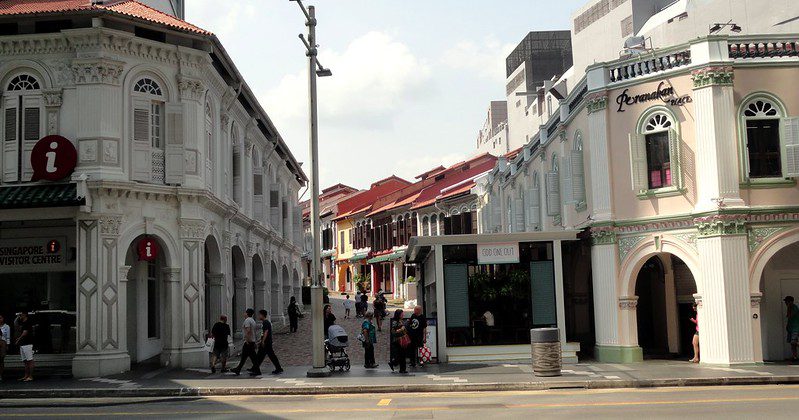
 Financial assistance schemes in Singapore aim to help low-income families equip their children for future success. Despite challenges in measuring poverty within Singapore, data reveals that the country ranks 26th out of 136 nations for income inequality, making it the second most unequal in Asia. A primary cause of global poverty is the inability of low-income families to provide education for their children, which often leads to high unemployment rates and significant poverty levels. This issue is a concern in Singapore, but the government has recently implemented measures to tackle it, reflecting a commitment to addressing income disparity and promoting educational opportunities.
Impact of Poverty on Educational Success
Studies indicate that poverty significantly impacts children’s ability to succeed in educational settings. Children born into poverty from birth to age 2 are 30% less likely to complete high school, severely limiting their future opportunities. Those who do not finish high school often struggle to find employment as adults. Research by the Center for Universal Education has revealed that millions of children reach adolescence without acquiring basic skills. In developing countries, individuals lacking skills contribute to higher poverty rates. UNESCO reports that 59 million children are out of school.
Government and Organizational Support for Education
The Singaporean government, along with organizations like the Ministry of Education Financial Assistance Schemes (MOE FAS), actively provides financial aid to low-income families to help cover school-related expenses. For primary and secondary school students, MOE FAS completely covers school fees, standard miscellaneous fees, school uniforms, meals, transportation subsidies and textbooks. For pre-university students, the organization provides all the aforementioned support plus a $1,200 cash bursary.
Extended Financial Aid
Ongoing financial assistance schemes extend beyond primary and secondary school students. The Singaporean government subsidizes a large portion of educational costs for citizens pursuing higher education at publicly-funded institutions. Additionally, the Ministry of Education provides financial relief to students in Special Education (SPED) programs. The SPED Financial Assistance Scheme (SPED FAS) offers waived school fees and supplies materials for low-income families with students who have disabilities.
The Role of Subsidized Education in Social Inclusion
The Ministry of Social and Family Development reports that a subsidized education is a key component of the Singaporean approach to social inclusion and social mobility. Subsidized education is reportedly instrumental in the creation of equal opportunity. Moreover, ensuring a quality education is a conduit for what the ministry calls “leveling up,” which involves ensuring that students who come from disadvantaged backgrounds can still become successful and stay on an educational track.
Looking Ahead
Singapore’s financial assistance schemes aim to provide low-income families with greater access to educational resources. By expanding these initiatives, the government seeks to address income inequality and improve social mobility. As these programs continue to develop, they focus on enhancing educational opportunities for young Singaporeans and contributing to a more equitable society.
– Hailey Nurry
Hailey is based in Pennsylvania, USA and focuses on Good News and Technology for The Borgen Project.
Photo: Flickr
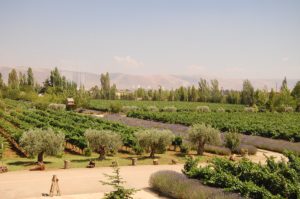 Lebanon’s progress under the United Nations (U.N.) Sustainable Development Goals (SDGs) has been stagnant at best since its financial crisis in 2017 and the 2020 Beirut blast, which left 300,000 people displaced and more than 200 people killed. Since then, the South of Lebanon has also found itself at war with Israel, which has further worsened the economic situation in the country.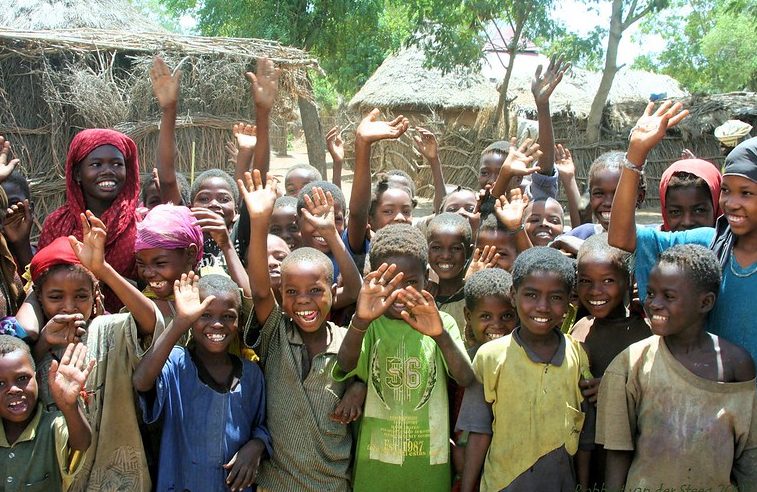
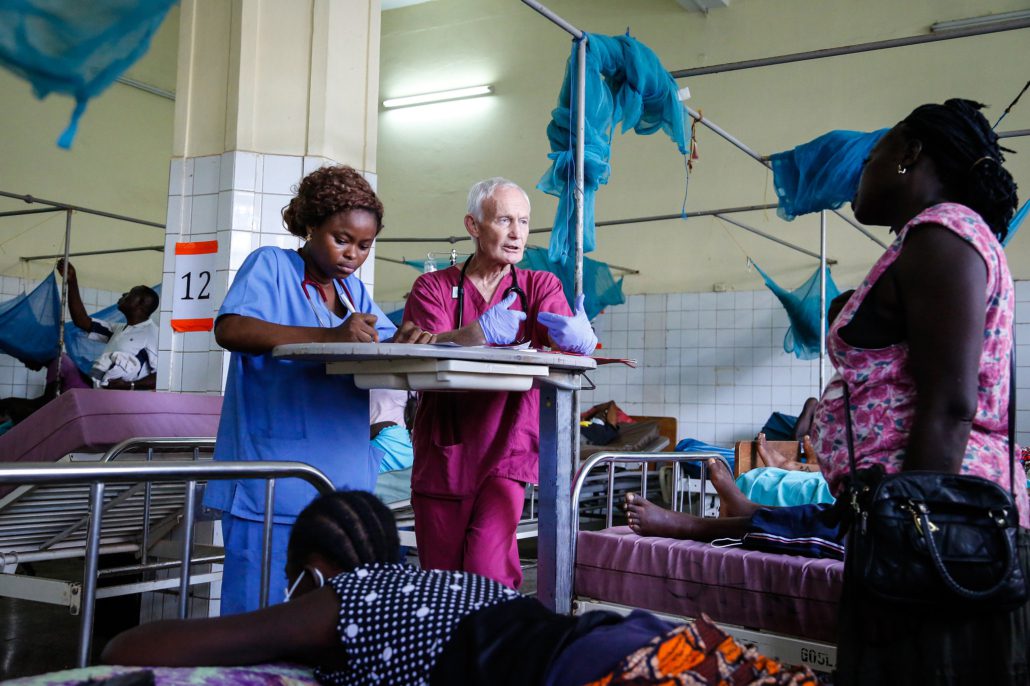

 Considered one of the poorest countries in the world, Afghanistan is facing a rising humanitarian crisis characterized by ongoing conflict and violence, food insecurity exacerbated by El Niño, displacement of people and economic decline. Ultimately,
 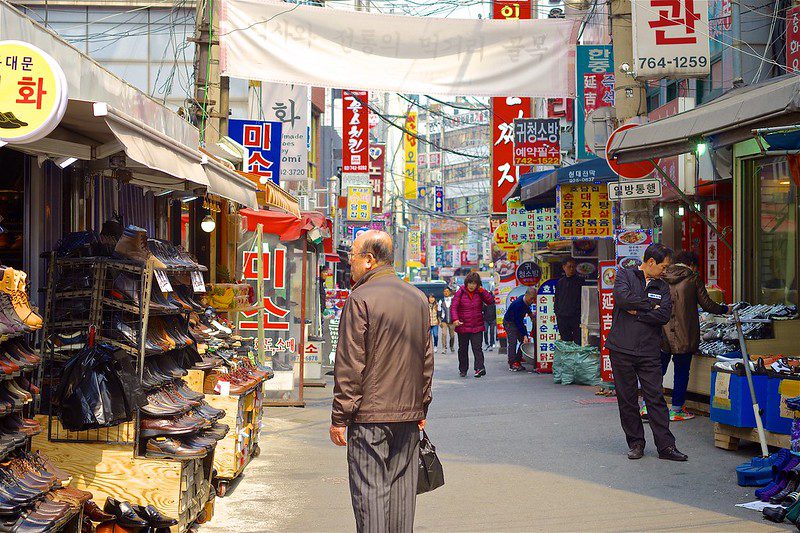 Mental health in South Korea is a critical issue that often falls under the radar due to the nation’s global reputation for economic prosperity and technological innovation. Despite these achievements, South Korea faces high rates of suicide and

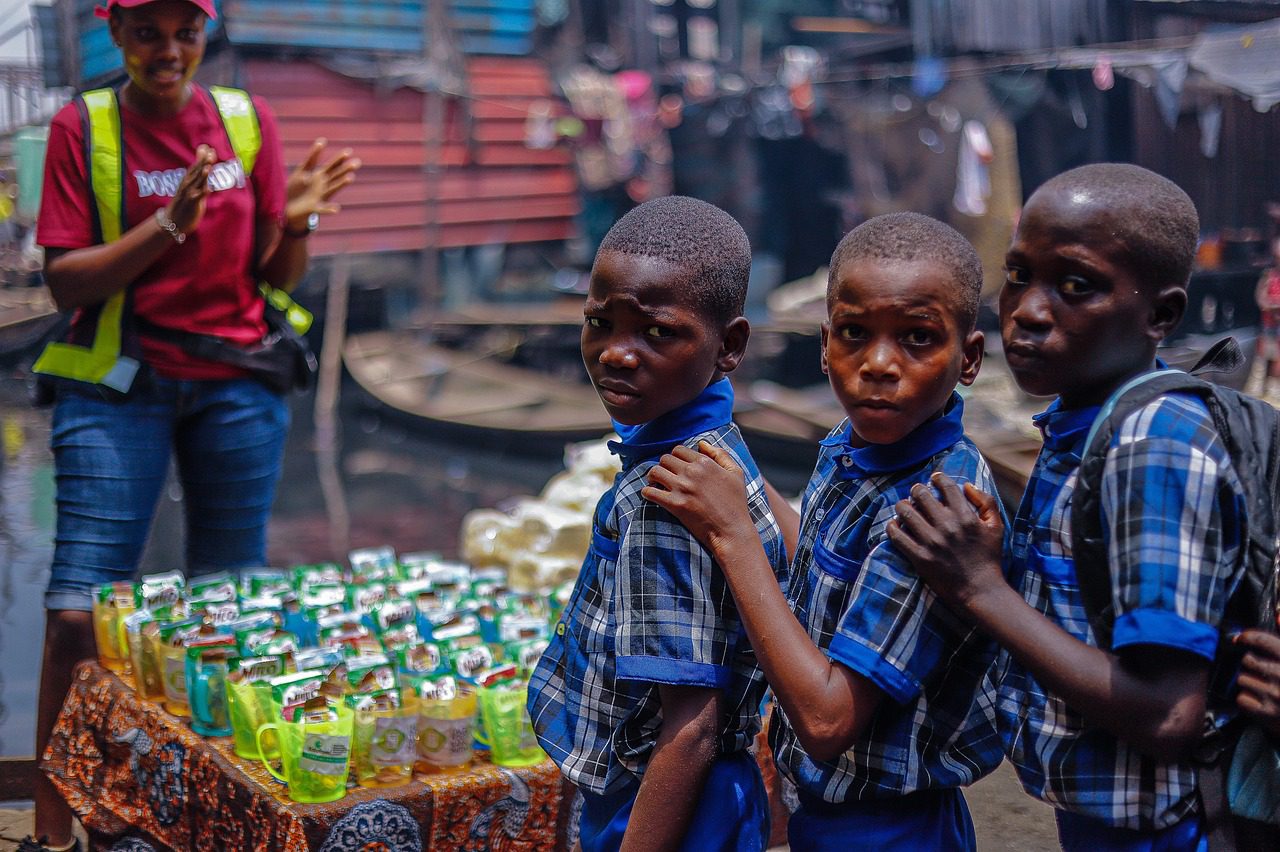 Since the 2011 Arab Spring and the fall of Muammar Gaddafi, Libya has been tentatively working towards stability for its citizens. In the instability, Libyans have been struggling to gain access to basic needs such as health care and food. Ten years after the liberation, “of the country’s 6.7 million inhabitants,