• Link to X
  • Link to Facebook
  • Link to Instagram
  • Link to TikTok
  • Link to Youtube
  • About
    • About Us
      • President
      • Board of Directors
      • Board of Advisors
      • Financials
      • Our Methodology
      • Success Tracker
      • Contact
  • Act Now
    • 30 Ways to Help
      • Email Congress
      • Call Congress
      • Volunteer
      • Courses & Certificates
      • Be a Donor
    • Internships
      • In-Office Internships
      • Remote Internships
    • Legislation
      • Politics 101
  • The Blog
  • The Podcast
  • Magazine
  • Donate
  • Click to open the search input field Click to open the search input field Search
  • Menu Menu

Archive for category: Africa

Africa, Food Insecurity, Global Poverty

Nkosinathi Sithole and Food Poverty in South Africa

Food Poverty in South AfricaFood poverty, depriving individuals of adequate nutrition, is a pressing issue affecting countless lives. Nkosinathi Sithole, a South African writer from the province of KwaZulu-Natal near Lesotho, sheds light on the harsh realities of food poverty in rural South African communities through his novel “Hunger Eats a Man.” Although a work of fiction, Sithole’s poignant narrative powerfully captures the stark truths of food poverty in South Africa, emphasizing the urgent need for change.

The Novel and Food Poverty in South Africa

The narrative takes place in a rural community in Lesotho. It follows the fictional character, Priest, who loses his job as a farmhand due to poor farming conditions. This situation highlights the widespread problem of food poverty. This scenario underscores the standard explanation of food poverty. Inadequate agricultural conditions in Lesotho make crop cultivation challenging, leading to repercussions like unemployment.

Sithole’s connection to Southern Africa, his birthplace and hometown, enriches the narrative with firsthand insights into food poverty and the urgent need for change. Despite awareness of this issue, the United Nations (U.N.) predicts that an estimated 27.4 million people in the region will face food insecurity in the next six months, indicating the persistent and unresolved nature of the problem for the future.

Evidence for Improvement in Lesotho

Given the significant implications of food poverty in South Africa, it is evident that efforts for increased food security are imperative. Hence, the work of the WFP comes into play. Established in 1961, the organization addresses hunger by offering food and cash assistance to nations grappling with food scarcity. As an international entity, the WFP endeavors to enhance food conditions across various countries and territories. Notably, the charity’s impact is substantial, with 20 million children receiving nutritious meals, snacks and takeaway rations in 2022, underscoring its success in providing food aid on a global scale.

The Future of Food Poverty in Lesotho

The WFP highlights chronic malnutrition as particularly severe among children under 3. This has often resulted in stunted development and potential growth impairment. Dedicated to fostering change and future prosperity, the WFP prioritizes babies, children and young people.

The organization supports the government’s school meal programs and provides food to 60,000 students in schools and Early Years centers. This critical initiative aims to build a brighter future for younger generations. It aims to ensure increased access to food and adequate nutrition.

Just as the poverty-stricken community in Sithole’s novel finds unity and hope, the WFP is committed to reversing food poverty in South Africa. The organization assists hungry communities, improving development, health and stability.

– Amelie Bunce
Photo: Unsplash

March 20, 2024
https://borgenproject.org/wp-content/uploads/borgen-project-logo.svg 0 0 Hemant Gupta https://borgenproject.org/wp-content/uploads/borgen-project-logo.svg Hemant Gupta2024-03-20 01:30:492024-04-01 07:29:41Nkosinathi Sithole and Food Poverty in South Africa
Africa, Global Poverty

Internet Economy in Liberia

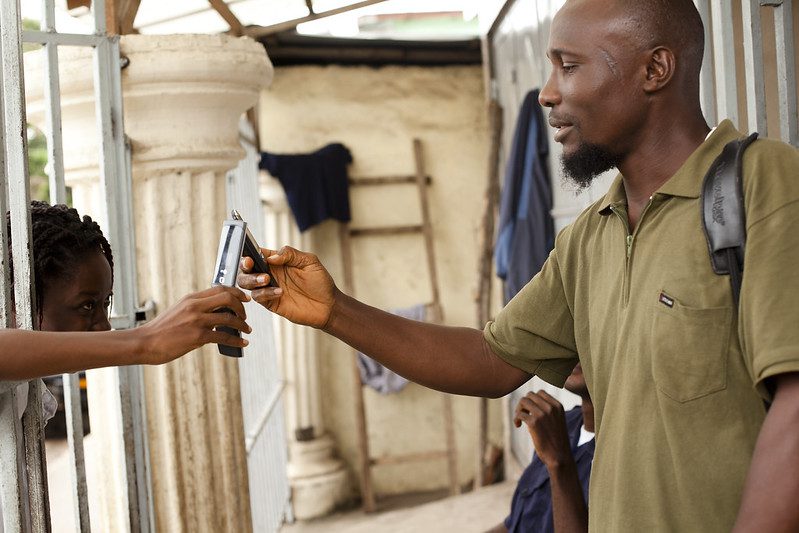
/Internet Economy in LiberiaCurrently, 1.05 billion people live in internet poverty and Africa has one of the highest populations of people without access to the internet. The internet is now ubiquitous to the economy, whether measuring the global economy or the more immediate economy of one’s home. Technology has infiltrated day-to-day life so that it is now nearly impossible to live without having access to the web. 

The benefits should quickly spread around. That was the case in Liberia until 2018, when political and economic opportunists sanctioned data liberties to benefit the producer over the consumer in the internet economy in Liberia. In developing countries like Liberia, where access to the web means the difference between struggle and survival, uncovering accessible routes for progress is crucial. The internet economy is vast, providing abundant resources, enough for everyone to benefit. 

Extended Economy

Extended Economy is a term used to denote factors not generally associated with one’s economic standing. Traditional factors include access to medical care, clean water, nutritious food, clothing and shelter. One’s extended economic standing contains items such as the state of war surrounding the individual, mental state, assistance for mental health and, yes, access to the internet.  

The internet economy is measured by a set of standards called the IPI (Internet Poverty Index). Three standard pillars are used to judge the health of internet access in any given area: Quantity or how much data a community needs to thrive; Quality, indicating the value of connection required to sustain access; and Affordability, how much it will cost the community member to gain access to the internet. 

How the Internet Benefits the Economy

A healthy internet economy increases job availability. This is because employers can find new employees in a larger pool than they would typically have access to and because the internet creates new job opportunities. Through the internet, citizens have opportunities to become technological support specialists, remote language tutors and much more. Of course, opportunities wouldn’t exist without proper education, which citizens also access through the internet. 

Another economic benefit is access to digital currency, which allows employees to receive payment quickly and in a form used in multiple economies. Digital currencies allow companies to broaden their scopes and interact in more varied trade arrangements. Furthermore, digital currency sets an easily converted standard and will enable countries with vastly different backgrounds to benefit from each other’s economies mutually.

Obstacles to Internet Inclusion

One of the major obstacles to internet inclusion is access and the major barrier to access is the price of that access. In Liberia, where those in extreme poverty survive on less than $2 a day, the internet is not within the scope of reality. As of 2023, the average cost for 1G (gigabyte) of data in Liberia varies depending on the internet service provider, but it is generally estimated to be around $2.63. For comparison, the average American will blow through a gigabyte of data in less than an hour, streaming music and video and playing mobile games.

In some cases, political policy can be a challenge to accessing the internet. For example, in 2019, during protests against government corruption, policymakers in Liberia blocked internet access. They specifically blocked access to popular social media platforms like Facebook, WhatsApp and X to control the narrative of the events happening in the country then. 

The Good News & What Can You Do

Some individuals and organizations are striving to bring about positive change in places such as Liberia and one of their goals is to improve its internet economy. “The Alliance for Affordable Internet” is working to pressure companies to lower their internet costs and encourage competition among them by supporting those offering services at more affordable rates. Similarly, “The Business and Human Rights Resource Center” and “Access Now” work to publicize and prevent unfair governmental actions against Liberians and protect their digital liberties.

– Antonio Muhs
Photo: Flickr

March 19, 2024
https://borgenproject.org/wp-content/uploads/borgen-project-logo.svg 0 0 Hemant Gupta https://borgenproject.org/wp-content/uploads/borgen-project-logo.svg Hemant Gupta2024-03-19 07:30:332024-03-18 05:29:42Internet Economy in Liberia
Africa, Global Poverty, Women and Female Empowerment, Women's Rights

Women’s Rights in Burkina Faso

Women's Rights in Burkina FasoBurkina Faso is a country in West Africa that is part of the Sahel region. The nation is among the poorest in the world, ranked by the Human Development Index (HDI) at 184 out of 194 in the 2021-2022 HDI report. Nearly half of the population lives below the poverty line and due to a lack of women’s rights in Burkina Faso, women in particular struggle to escape.

Women in Society

There are different communities and ethnic groups across the country that vary in the way that they treat women. However, generally, there is a deep-rooted acceptance that women are beneath men in terms of social standing. The strict gender roles mean that women do not have assets of their own. They have no right to inheritance and cannot own land or have credit. Women are, therefore, forced to obtain permission from their husbands for many activities, especially to make payments.

Sexual Health

This lack of autonomy impacts their everyday activity and health. Due to transportation and medication fees, they cannot take themselves or their children to the hospital without prior permission. As well as this, they have no power to insist that their husband uses contraceptives. With a culture of polygamy and levirate, there is a high risk of sexually transmitted infections (STIs) and contraceptives are incredibly important.

In general, there is limited access to sexual, reproductive and maternal services throughout the country. A lack of facilities combined with a lack of independence means that it is tough for women to get the help that they need, leading to high maternal mortality rates, high birth rates and illegal abortions.

Women in Education

For change to occur, it is vital to have women in positions of power. However, according to the United Nations (U.N.) Women, in 2021, Burkina Faso’s women took up only 6.3% of the seats in parliament. There are a multitude of social factors that dissuade girls from pursuing their education. This in turn affects the number of those who can fight for women’s rights in Burkina Faso.

Once a woman is married, their time is taken up by unpaid domestic labor. Education becomes less of a priority. Child marriage is a significant concern in Burkina Faso, with approximately 52% of women in 2018 between the ages of 20 and 24 married before the age of 18. It is believed that investing in a young girl’s education is futile as she will marry into a family very soon.

The fear of physical and sexual abuse in schools also influences a girl’s decision to continue her education. This abuse can be from both students and teachers, creating an association that school can result in unwanted pregnancies. As a result, 50% of the young female population in Burkina Faso are not in education or employment.

SWEDD

It has become clear to the government and the World Bank that investing in women is important for economic growth and social welfare. The World Bank’s Vice President for Western and Central Africa, Ousmane Diagana, says that “by investing in women and girls, countries will build resilient communities that can bounce back from crises and adapt to rising threats, such as climate change and fragility.”

The Sub-Saharan Africa Women’s Empowerment and Demographic Dividend (SWEDD) initiative was launched by the World Bank in 2015. The project addresses issues of child marriage, education and gender-based violence in Burkina Faso and across the Sahel region. Across the region, 3420 safe spaces have been established, providing vital support. Additionally, more than 7000 midwives have been deployed to rural areas, contributing to improved maternal and child health. SWEDD also works toward changing the mindset of both men and women to uproot internalized ideals about women’s rights in Burkina Faso.

SWEDD works with people from across the Sahel region who have an audience. More than 9000 religious leaders, 35 musicians and 17 footballers used its platforms to raise awareness and stimulate dialogue. Increasing resources and facilities is insufficient if women can’t use them. This is why social and behavioral change is necessary for women in Burkina Faso to gain independence and take control of their future.

– Liz Johnson
Photo: Flickr

March 18, 2024
https://borgenproject.org/wp-content/uploads/borgen-project-logo.svg 0 0 Hemant Gupta https://borgenproject.org/wp-content/uploads/borgen-project-logo.svg Hemant Gupta2024-03-18 01:30:162024-03-17 04:26:10Women’s Rights in Burkina Faso
Africa, Global Poverty, Poverty Reduction

How a USAID Program Is Protecting Fisheries in Ghana

Fisheries in GhanaIn Ghana, sustainable management of fisheries plays a crucial role not only in preserving the Ghanaian environment but also in reducing poverty. Ghana is situated in West Africa along the Atlantic coast and has significant poverty levels. As of 2023, 27% of Ghanaians live below the international poverty line and anticipated projections suggest that this figure may increase due to the economic crisis that began in 2022. Consequently, coastal communities have an escalating reliance on Ghanaian fisheries as fishing becomes a primary source of sustenance and employment.

Given this scenario, initiatives like the Feed the Future Ghana Fisheries Recovery Activity (GFRA) are instrumental in sustainably combating poverty in Ghana while safeguarding the fisheries crucial to the livelihoods of many.

Sustainable Fisheries Management for Poverty Alleviation

The United States Agency for International Development (USAID) funds GFRA in partnership with the Ghanaian government. A five-year program launched in 2021 aims to mitigate the near collapse of Ghana’s small pelagic fisheries like sardines, mackerel and anchovies by establishing a foundation for their ecological recovery. Sustainably managing these fisheries and preventing overfishing is crucial for protecting marine ecosystem biodiversity. Similarly, maintaining a source of employment and food for coastal Ghanaian communities alleviates poverty.

Approach To Sustainable Fisheries Management

The USAID-funded program employs a diverse approach to sustainable fisheries management. Tetra Tech, an engineering and consulting firm, administers the program, which focuses on water, environmental conservation, sustainable infrastructure, renewable energy and international development. It adopts a multifaceted strategy in eco-friendly fishing management.

Since the program’s inception, one measure implemented has supported establishing a Marine Protected Zone (MPA) in Ghanaian waters. This zone restricts fishing activities within its boundaries and is slated for establishment by the Ghanaian government by 2025. Additionally, the Government of Ghana has committed to mandating the monitoring of all fishing vessels. They ensure compliance with regulations and preserve the health and sustainability of these fisheries.

USAID Bolsters Funding for Ghana Fisheries Program

Amid the declining state of Ghana’s economy since the initiation of GFRA, USAID has taken proactive measures by injecting an additional $6 million in 2023 into the program. This initiative indicates a significant 33% increase, elevating the program’s budget from $17.8 million to $23.8 million. The increased financing has gone toward joint projects with the Ghanaian government and projects meant to diversify the economies of coastal communities away from fishing.

These programs aim to lessen Ghanaians’ excessive reliance on coastal fishing for subsistence, focusing on empowering women and youth. This strategic shift aims to enhance fisheries’ health and bolsters these communities’ economic resilience in adversity.

Moreover, GFRA funding extends to bolstering Ghanaian partners involved in the project. It includes support for organizations like Hεn Mpoano, a Ghanaian nonprofit dedicated to coastal regulation. The Centre for Coastal Management – Africa Centre of Excellence in Coastal Resilience (CCM-ACECoR) established a partnership to support ecological recovery at the University of Cape Coast. These partners will be pivotal in spearheading training programs and conducting research essential to the project’s success.

Conclusion

Collaborating organizations from the United States (U.S.) and Ghana are actively pursuing the GFRA’s mission to safeguard Ghana’s fisheries. They are focused on sustaining local communities nutritionally and economically in the long term. As this program persists amid Ghana’s enduring economic challenges, anticipation builds regarding its transformative impact on its economy, poverty rates and environmental well-being.

– Lyle Seeligson
Photo: Wikimedia Commons

March 15, 2024
https://borgenproject.org/wp-content/uploads/borgen-project-logo.svg 0 0 Hemant Gupta https://borgenproject.org/wp-content/uploads/borgen-project-logo.svg Hemant Gupta2024-03-15 07:30:592024-03-15 03:44:49How a USAID Program Is Protecting Fisheries in Ghana
Africa, Global Poverty

I Built 100 Water Wells: Borehole Wells in Africa

Water wellsSocial Media influencer and American Youtuber Jimmy Donaldson, AKA Mr. Beast, has been the subject of worldwide praise and controversy with his latest video, “I Built 100 Water Wells in Africa.” This video, a sequel to; “We Built Wells in Africa,” released in 2022, details a journey in which the influencer and his team traveled across several African countries, including Kenya, Somalia and Zimbabwe, to install water borehole wells.
What Are the Benefits?

Africa is experiencing a water crisis. According to The Guardian, many humanitarian projects, including active water wells across rural Africa, have fallen into disrepair due to the lack of maintenance or care across the continent. Governments and other organizations have often installed water wells and projects without considering maintenance and care costs for year-round provision.

Borehole drilling offers an economical and environmentally friendly means of obtaining safe, high-quality drinking water throughout the year on the property where it’s installed. Essential for populated regions and business sites lacking access to clean water, boreholes ensure a reliable supply of pressure and quality drinking water.

With minimal cost and maintenance, this endeavor has proven helpful to developing nations like Cameroon and Uganda. This makes the initiative crucial to developing countries, who struggle with access to clean drinking water and water necessary for crop growth and development. Beast’s initiative will provide clean, naturally sourced drinking water for more than 500,000 people in developing African countries.

Going Forward

Beast’s venture has garnered global attention. While some commend his initiative, others have leveraged the project to highlight the perceived inadequacy of actions and legislation addressing the water crisis within African parliaments and governing bodies. In contrasting the actions of the influencer with those of the Kenyan Government, prominent activist Boniface Mwangi stated, “We are a shameful, horrible country, a begging nation that is governed by millionaires.”

While some have applauded the project, concerns about its long-term impact have been raised, particularly regarding maintenance and sustainability. Saran Kaba Jones, an activist and the CEO of Face Africa, an organization dedicated to enhancing water infrastructure in Africa, emphasized, “It’s one thing to install the well; it’s another to go back three, four or five years from now and see if that well is still functional.”

The most recurring problems with borehole drilling initiatives are maintenance and upkeep. Far too often, boreholes are drilled and left unattended for months or even years. The International Institute for Environment and Development states that the U.S. has invested more than $360 million in drilling and building wells that become non-functional or outright useless because of the lack of maintenance or repairs when they break.

In response to the criticism, Beast utilized social media platform X to reaffirm his project’s goal. Asserting his commitment to using his channel and influence to assist individuals and encourage his followers to do likewise, he remains undeterred by the criticism.

– Anthony Durham
Photo: Flickr

March 15, 2024
https://borgenproject.org/wp-content/uploads/borgen-project-logo.svg 0 0 Hemant Gupta https://borgenproject.org/wp-content/uploads/borgen-project-logo.svg Hemant Gupta2024-03-15 01:30:052024-03-14 05:39:08I Built 100 Water Wells: Borehole Wells in Africa
Africa, Global Poverty

Community-Based Tourism Alleviating Poverty in Rwanda

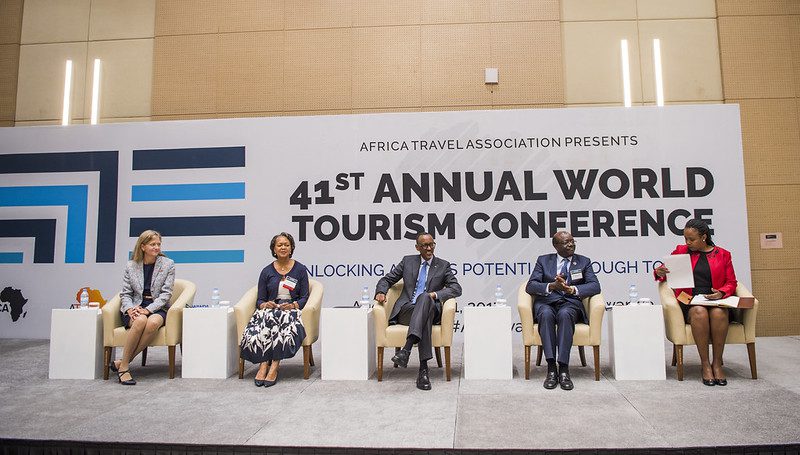
Community-Based TourismRwanda is a landlocked country located in the Great Rift Valley of Central Africa. Known as the “land of a thousand hills,” it is renowned for its unique biodiversity and natural beauty, making it an increasingly popular tourist destination. However, despite making significant progress developmentally and economically since the 1994 Genocide, approximately 49% of Rwandans still live below the poverty line, with 92% of them living in rural areas.

This positions the nation as having one of the highest poverty rates in Africa. However, with tourism now the most significant and fastest-growing industry globally, the Rwandan government is turning to new ways to address poverty. Specifically, as part of substantial policies to promote tourism, such as its flagship “Visit Rwanda,” the government has sought to create jobs that protect the country’s biodiversity and simultaneously provide significant social and economic opportunities. This is known as Community-Based Tourism (CBT). While CBT can be effective, it has its issues.

What Is CBT and How Does It Alleviate Poverty?

To understand how Community-Based Tourism is relieving poverty in Rwanda, it is helpful to see how tourism benefits the country more broadly. For many developing countries like Rwanda, tourism is a great way to attract investment to create jobs, which, as of 2019, brought in an estimated $408 million and provided 142,000 workers with employment.

However, with most jobs in the tourism sector located in urban areas, without carefully targeted policies aimed at those living in rural areas, tourism benefits won’t effectively help reduce poverty. One solution to this problem, however, is CBT. CBT provides local communities with economic opportunities centered around their environment, culture and traditions. Not only does this reduce poverty, it is also intended to accommodate any contingent needs the community or individuals in the community might have. In countries like Rwanda, which are heavily dependent on the natural environment as an attraction for tourism, providing communities with economic opportunities that respect their traditions and the natural environment is vital.

What Are the Issues With CBT?

As pointed out by many scholars, a central facet that contributes to the success of Community-Based Tourism is the concept of community ownership and their effective engagement in the decision-making processes of these programs. Policies will build trust and improve service delivery by ensuring that communities are involved in decision-making. This enhances tourism’s economic benefits and provides vital knowledge on how tourism benefits vulnerable groups like women and children and looks after the environment.

For example, without effective community engagement, farmers may miss learning about new agricultural techniques and how they can benefit them. This might prevent them from improving their yields, generating a better income and sustaining the country’s natural biodiversity. CBT policies will then have little effect on reducing poverty and encouraging tourism.

What Is Being Done to Remedy These Issues in Rwanda?

In Rwanda, however, several organizations are operating to address these issues. Volcano’s National Park, one of many national parks, has nongovernmental organizations (NGOs) working with the government. They aim to implement projects that ensure communities are effectively engaged in the decision-making process and to help communities fully reap the benefits of the tourism boom.

In particular, an African NGO, Red Rocks, has been active. It advocates not only for the Rwandan government to include local communities in decision-making processes but also for the implementation of training and skills development programs. These programs provide much-needed knowledge on building economic resilience while conserving the park’s precious natural resources. For example, one of its key pillars has been prioritizing youth and women’s programs that teach organic agricultural practices that reduce costs, increase yields and preserve biodiversity.

According to the United Nations Development Programme (UNDP), the success of these programs has been significant as livelihoods have been improved and communities have received resources that better fit their contingent needs. This issue is especially pertinent for traditionally marginalized groups like women and children. The park’s story, therefore, highlights the transformative potential of CBT when it functions as intended, underlining that it needs to be focused on people just as much as the environment.

Conclusion

Rwanda has done well in marketing itself as a global tourism destination. Policies that promote tourism need to remain people-focused, especially for those living in poverty. CBT schemes have been shown to work better when participating communities are fully incorporated in the decision-making process. This will allow the necessary resources to reach those who need it most.

– Cameron Mason
Photo: Flickr

March 14, 2024
https://borgenproject.org/wp-content/uploads/borgen-project-logo.svg 0 0 Hemant Gupta https://borgenproject.org/wp-content/uploads/borgen-project-logo.svg Hemant Gupta2024-03-14 15:00:122024-05-30 22:32:52Community-Based Tourism Alleviating Poverty in Rwanda
Africa, Global Poverty, Health

Sightsavers Reduce Trachoma in Kenya

Trachoma in KenyaTrachoma, one of the well-documented Neglected Tropical Diseases (NTD), is the foremost infectious cause of blindness globally. According to the World Health Organization (WHO), trachoma represents a significant public health challenge in 42 countries, contributing to the blindness or visual impairment of approximately 1.9 million individuals. Its impact most profoundly affects the most rural areas of Africa, Central and South America, Asia, Australia and the Middle East. Africa bears the brunt of its effects, with more than 30% of the population in Kenya being affected with trachoma.

Sightsavers, an international organization, is dedicated to preventing and treating blindness caused by NTD. Originating in the ’50s, it initially focused on leading countries like Kenya. The organization promotes disability rights and provides medical treatments to help eliminate trachoma in Kenya.

Sightsavers’ Efforts to Combat Trachoma in Kenya

Sightsavers dedicates itself to “avoiding blindness and advocating for the rights of individuals with disabilities.” The organization actively pursues several key goals:

  1. Protecting Sight: Sightsavers works to prevent blindness in the most impoverished communities globally.
  2. Combatting Tropical Diseases: One of Sightsavers’ primary focuses is fighting tropical diseases like trachoma in regions such as Kenya.
  3. Disability Rights: Sightsavers strives to ensure equal opportunities for all, advocating for fair access to education and employment facilities.

Kenya stands as one of the countries most affected by trachoma. However, the nation’s health care system faces significant challenges due to underfunding and lacking essential resources for avoiding vision loss. Consequently, many individuals in Kenya’s poorest communities struggle to access vital medications necessary for preventing trachoma.

In response, Sightsavers focuses on providing targeted support through various initiatives. This initiative includes offering “Free Eye Screening” services and ensuring regular check-ups for trachoma to detect and address vision issues early. The organization also emphasizes training local staff, equipping doctors and surgeons with the necessary skills to enhance Kenya’s health care system and improve patient care quality.

Additionally, Sightsavers researches to gather data on the causes and prevalence of visual impairment due to trachoma in Kenya. The organization reaches out to remote communities through rural outreach programs to conduct screenings for signs of trachoma. Moreover, Sightsavers implements hygiene programs to educate schools on the significance of good hygiene practices. They are helping to combat infectious diseases. Finally, the group prioritizes inclusive education efforts, working to reduce gender inequality barriers that prevent women and girls from accessing essential eye care support.

Lanoi’s Journey: A Tale of Resilience and Hope

In 2024, Sightsavers captured the narrative of Lanoi, a 4-year-old afflicted with trachoma in Kenya. The nonprofit organization’s community health volunteer, Joel, embarked on a journey to remote villages where he encountered Lanoi, grappling with trachoma. Utilizing dose poles facilitated by SightSavers, Joel swiftly determined the appropriate medication dosage and administered antibiotics to Lanoi.

Dose poles are crucial in assessing a patient’s height and facilitating accurate medicine dosage. The distribution of more than one billion NTD treatments through pole calculations highlights the significance of Sightsavers. Following treatment, Lanoi experienced a swift recovery within days. Following her recovery, Lanoi’s uncle committed to advancing Sightsavers’ mission and combatting trachoma in Kenya. He focused on educating others about crucial prevention strategies to reduce the prevalence of the disease.

SAFE Strategy in Kenya

SightSavers employs the SAFE strategy (Surgery, Antibiotics, Face-washing and Environmental improvements) to combat trachoma in Kenya. This comprehensive approach involves surgical interventions to alleviate the condition where necessary. The group distributes antibiotics through mass drug administration programs, repeated annually for five years, to ensure the effectiveness of treatment.

Additionally, the organization prioritizes facial cleanliness, conducting local workshops to educate individuals on the importance of personal hygiene. Environmental improvements are also emphasized, with efforts concentrated on enhancing access to clean water and minimizing the risk of reinfection by eliminating breeding grounds for flies carrying the disease in Kenya.

Fighting Stigma Toward Gender

Sightsavers emphasizes the importance of addressing gender inequality in trachoma treatment efforts in Kenya. Children are particularly vulnerable to trachoma. Mothers, often primary caregivers, face heightened exposure. Recognizing this, Sightsavers views female volunteers as crucial in reaching women lacking treatment due to cultural or religious norms.

– Kasia Flisiuk
Photo: Flickr

March 14, 2024
https://borgenproject.org/wp-content/uploads/borgen-project-logo.svg 0 0 Hemant Gupta https://borgenproject.org/wp-content/uploads/borgen-project-logo.svg Hemant Gupta2024-03-14 07:30:552024-03-13 04:58:55Sightsavers Reduce Trachoma in Kenya
Africa, Foreign Aid, Global Poverty

Equitable Funding: African Visionary Fund

Equitable Funding: African Visionary Fund (AV Fund)The African Visionary Fund (AV Fund) is integral to this article’s discussion on the reevaluation of foreign assistance approaches. Degan Ali, a prominent African activist and founder of NEAR, a network championing the Global South’s leadership, advocates for reforming foreign aid distribution. Furthermore, the organization aims to decentralize control, directing resources and decision-making power closer to the communities they intend to assist.

Evidence of Change

Decolonizing Development is gaining traction in the aid sector, highlighted by the African Visionary Fund (AV Fund)’s recent announcement. Launching as a Segal Family Foundation fellowship in 2017, the AV Fund commits $1 million in flexible support to African-led organizations. In addition, this initiative, benefiting Sub-Saharan African communities, boasts pooled funding from several contributors, including King Baudouin Foundation’s United States (U.S.) arm, Segal Family Foundation, Skoll Foundation and the Tawingo Fund, which supports small to medium-sized charitable groups aiding the needy in developing nations.

The Case for Co-Leadership

Co-leadership is essential to the African Visionary Fund’s (AV Fund) operation, underscoring the belief that proximity to the communities served enhances the impact. Integral to its philosophy since inception, the AV Fund advocates for equity-centered philanthropy, embodying these principles within its structure. Launched as an independent entity in 2020, Katie Bunten-Wamaru, with her extensive background in nonprofit management and experience in East Africa, serves as the co-CEO, propelling the Fund’s mission forward. Her leadership exemplifies the Fund’s commitment to shared governance and deep local engagement.

“The African Visionary Fund (AV Fund) emerged amid global discussions on equity and localization, focusing on directing more funding to local leaders during the global pandemic. A year after its inception, Atti Worku joined Katie Bunten-Wamaru as co-CEO. Based in Africa, Worku, with her extensive experience in the nonprofit sector and advocacy for local founders, has significantly contributed to the Fund’s mission. Moreover, before the AV Fund, Worku founded and led Seeds of Africa in Ethiopia for more than a decade, bringing valuable grassroots experience to her role.

Atti Worku, AV Fund co-CEO stated “This role is very personal to me. I see myself in the ambitious and innovative entrepreneurs we engage with at the AV Fund. I hope to learn from them and partner with them to redesign funding systems that give African visionaries an equitable chance of success.”

AV Fund

The African Visionary Fund (AV Fund) emphasizes collaboration with visionary leaders and acts as a strategic ally, creating opportunities for those closest to their communities. It focuses on supporting organizations that are African-founded, -based and -led, working alongside a network of trusted partners. In addition, this approach enables significant impacts across various sectors, including health infrastructure, education, local economies and equitable societies, showcasing the Fund’s success in fostering sustainable and inclusive development.

Looking Forward

The AV Fund is evidence that foreign aid is having a reckoning. As Degan Ali impressed “International fund-raising should be based on amplifying the dynamic work our communities themselves are engaged in.” Furthermore, Bunten-Wamaru stated, “Everything that we do has to be in service of African-led organization.” In addition, Katie explained further, “There will always be a need to balance this tension – having a co-leadership model helps us balance both sides of our work and not lose sight of either goal.”

– Pamela Fenton
Photo: Flickr

March 14, 2024
https://borgenproject.org/wp-content/uploads/borgen-project-logo.svg 0 0 Precious Sheidu https://borgenproject.org/wp-content/uploads/borgen-project-logo.svg Precious Sheidu2024-03-14 01:30:082024-03-13 04:30:48Equitable Funding: African Visionary Fund
Africa, Global Health, Global Poverty, Nonprofit Organizations and NGOs

How ActionAid International Is Improving Public Health in Kenya

ActionAidDespite Kenya being one of the largest and most developed countries in Eastern and Central Africa, it still grapples with significant challenges, particularly regarding food security, access to clean water, health care and education. The country is currently reported to have made strides in economic development. Still, persistent issues such as poverty, inequality and corruption continue to hinder progress, especially in rural and marginalized communities. Addressing these challenges requires a comprehensive approach involving government intervention and collaboration with important organizations such as the ActionAid International nonprofit.

ActionAid: An Overview

ActionAid is a global movement working toward improving public health in Kenya. It also aims to eradicate poverty and injustice by supporting people and communities to claim their rights and achieve sustainable change. The organization was founded in 1972 and focused on empowering developing communities and marginalized groups to advocate for access to health care resources. At the heart of the group’s approach is the belief that poverty is not simply based on lack of income but is also about community marginalization. The organization works in various Kenyan locations to address the root causes of poverty, including unequal distribution of resources, discrimination and lack of access to education and health care.

ActionAid’s methods and programs differ from the standard nonprofit approach, encompassing many overlooked issues, including women’s health rights, climate justice, humanitarian responses and economic justice. Through grassroots mobilization, advocacy campaigns and partnerships with other impactful organizations, the nonprofit is improving public health in Kenya. This society seeks to amplify the voices of affected populations by creating community-led initiatives and providing essential resources to influence policy changes that address the systemic inequalities faced by marginalized communities in the country. The organization focuses on three critical areas for improving public health in Kenya: empowerment, solidarity and campaigning for social justice.

The Response to Poverty and Rights

In addition to its programmatic work, ActionAid also conducts research plans, policy analysis and public awareness campaigns to raise awareness about the fundamental causes of poverty and advocate for changes at the national and international levels. One of these impactful plans, labeled “Strategic Objective 2,” involves facilitating young people and communities living in poverty and exclusion to advocate for their rights with democratic governance for access to the advancement of economic opportunities for young people. This plan aims to build capacity among youth and marginalized communities, providing them with the necessary skills, knowledge and resources to effectively engage with policymakers, demand accountability and participate in decision-making processes that affect their lives.

The organization also works with various impoverished communities to provide them with essential resources, capacity-building initiatives and support to address specific needs and challenges. One of these impactful plans, labeled “Strategic Objective 3,” involves:

  • Implementing sustainable development projects.
  • Facilitating access to education and health care services.
  • Promoting economic empowerment through livelihood programs.
  • Advocating for policy changes that advance the rights and well-being of marginalized populations.

Through these collaborative efforts, the organization strives to foster resilience, self-reliance and dignity among communities facing poverty and exclusion. Furthermore, ActionAid is committed to maintaining long-term partnerships with local organizations such as the Foreign Ministry of Affairs of Denmark to ensure that interventions are culturally sensitive, contextually appropriate and sustainable in improving public health in Kenya.

Addressing Food Insecurity and Access To Clean Water

ActionAid, recognizing the critical importance of addressing food insecurity and lack of clean water access, has implemented several initiatives across Kenya to tackle these pressing issues. The organization aims to empower communities to secure their right to food and clean water through grassroots mobilization, advocacy campaigns and educational strategies. The organization has implemented these sustainable solutions in multiple locations nationwide, including Turkana, Garissa and Baringo.

In addition to addressing the immediate need for resource accessibility, ActionAid also recognizes the importance of education in influencing communities to break the cycle of poverty and achieve sustainable development. One of the most notable programs developed to address this issue is the “Education For Life Project (EFL),” which equips marginalized youth and adults with the essential skills and knowledge for personal and developmental growth.

The EFL project goes beyond traditional classroom education by incorporating practical, hands-on learning experiences tailored to participants’ and their communities’ specific needs and aspirations. The initiative is currently implemented in five regions of Kenya (Kisumu, Garissa, Kilifi, Migori and Isiolo) in partnership with Voluntary Services Overseas (VSO) and Leonard Cheshire (LC) to influence positive school and life skills for the most marginalized populations.

– Caleb Ilayan
Photo: Unsplash

March 12, 2024
https://borgenproject.org/wp-content/uploads/borgen-project-logo.svg 0 0 Hemant Gupta https://borgenproject.org/wp-content/uploads/borgen-project-logo.svg Hemant Gupta2024-03-12 03:00:322024-03-11 07:22:39How ActionAid International Is Improving Public Health in Kenya
Africa, Global Health, Global Poverty, Mental Health

Suicide Prevention in the Central African Republic

Suicide Prevention in the Central African RepublicTragically, 1 in 100 deaths results from suicide, with the Central African Republic among several countries experiencing a devastatingly high suicide rate. Suicide prevention in the Central African Republic is crucial, as countless families face devastation. Survivors of suicide attempts in the country continue to struggle with severe depression. Therefore, preventing suicide and providing care for individuals who have previously attempted suicide are essential in the Central African Republic.

Factors Contributing to the Decline in Suicide Rates

Fortunately, the Central African Republic has seen a 3.91% decline in suicide rates per 100,000 individuals. Addressing other problems like drug abuse, unemployment and food scarcity helps relieve depressed individuals from further stress, contributing to this decline.

In addition, between 2004 and 2008, the United Nations (U.N.) reported multiple drug seizures of cocaine and other illicit substances from parts of West Africa. By 2024, Amphetamine-type stimulants (ATS) and methamphetamine have become two of the most common forms of drug use in Africa, alongside cannabis.

Michael Groat, director of psychology at Silver Hill Hospital in New Canaan, explained that suicide and addiction stem from a desire to end pain. The combination of depression and drug use can be lethal, leading to addiction and possibly intentional or unintentional overdose.

Addressing Substance Abuse and Mental Health Issues

RehabPath has created a referral page for several treatment facilities for those struggling with substance abuse in the Central African Republic. Moreover, RehabPath recommends facilities like the Continental Brain Clinic and Synapse Azalea, which dedicate themselves to helping people recover from addiction and hopefully prevent some from committing suicide via drug overdose.

Drug use is not always the reason for suicide as mental health problems are considered one of the biggest factors for suicide. Mental health issues can include but are not limited to anxiety, depression, or bipolar disorder which can be situational-based or even genetically linked. Not every individual who suffers from depression or another form of mental illness will commit suicide however, it is still recommended that those who are struggling seek help before their health deteriorates further.

Funding Challenges for Mental Health

Those struggling with mental health in the Central African Republic have limited options due to low government investments. The African government lends 311.53 XAF, the United States (U.S.) equivalent of $00.50, to mental health practices. Strong Minds Uganda is currently trying to raise awareness of Africa’s unfunded mental health care system. In addition, the organization has managed to raise enough awareness for an article on the World Health Organisation (WHO) website.

Success of Group Therapy Initiatives

Recently, both WHO and Strong Mind have provided group therapy sessions to more than 160,000 women and young people in both Uganda and Zambia. Fortunately, approximately 80% of these figures have reported a significant levity in their depression. Whilst this news is encouraging there are thousands more who need help, especially men as it has been reported more males are likely to commit suicide than females on a 3:1 ratio.

Socio-Economic Factors and Suicide Rates

The men living in Africa are not the only ones who struggle. It is reported suicide rates have become increasingly high in multiple black communities including countries such as the U.S.Psychiatrist Patricia Harris, who is Everyday Health’s chief health and medical editor suggests multiple reasons for the increase including cyber-bullying, pressure to live up to a ‘strong black person’ image and the lack of representation in mental health services.

Moreover, the Central African Republic has an abysmal lack of funding. With 70% of the country living in extreme poverty, it is no surprise that men fall into despair and want to end their lives. The World Bank has suggested strengthening the human capital of Central Africa to invest in agricultural pursuits thus boosting agriculture further to decrease poverty.

Furthermore, this could potentially save lives as the people of the country will feel less pressure regarding feeding their families and maintaining a healthy household. For now, both men and women rely on the compassion of others. Interaction with other individuals can be beneficial to a person’s mental health and prolonged isolation can worsen symptoms of depression. Isolation can be caused by feeling unwanted or like an outcast around a particular group of people.

Efforts to Combat Mental Health Stigma and Isolation

The World Health Organization (WHO) started World Mental Health Day in 2022. This day is dedicated to raising awareness of suicide and mental illness in the Central African Republic. This campaign aimed to reach 10 million African people, help them seek treatment for any of their medical conditions and support their families and friends in the interim.

In 2024, the Central African Republic has put new plans into place to help the most isolated citizens. Plans include efforts for suicide prevention in the Central African Republic. These plans include vital multisectoral assistance to 1.9 million vulnerable people and localizing humanitarian responses. Looking forward, these plans with the help of donations from humanitarian organisations, should provide those struggling with their mental health some form of hope to achieve a healthier, happier future.

– Phoebe Vaughan
Photo: Unsplash

March 12, 2024
https://borgenproject.org/wp-content/uploads/borgen-project-logo.svg 0 0 Precious Sheidu https://borgenproject.org/wp-content/uploads/borgen-project-logo.svg Precious Sheidu2024-03-12 01:30:142024-03-11 06:59:20Suicide Prevention in the Central African Republic
Page 22 of 24«‹2021222324›»

Get Smarter

  • Global Poverty 101
  • Global Poverty… The Good News
  • Global Poverty & U.S. Jobs
  • Global Poverty and National Security
  • Innovative Solutions to Poverty
  • Global Poverty & Aid FAQ’s
Search Search

Take Action

  • Call Congress
  • Email Congress
  • Donate
  • 30 Ways to Help
  • Volunteer Ops
  • Internships
  • Courses & Certificates
  • The Podcast
Borgen Project

“The Borgen Project is an incredible nonprofit organization that is addressing poverty and hunger and working towards ending them.”

-The Huffington Post

Inside The Borgen Project

  • Contact
  • About
  • Financials
  • President
  • Board of Directors
  • Board of Advisors

International Links

  • UK Email Parliament
  • UK Donate
  • Canada Email Parliament

Get Smarter

  • Global Poverty 101
  • Global Poverty… The Good News
  • Global Poverty & U.S. Jobs
  • Global Poverty and National Security
  • Innovative Solutions to Poverty
  • Global Poverty & Aid FAQ’s

Ways to Help

  • Call Congress
  • Email Congress
  • Donate
  • 30 Ways to Help
  • Volunteer Ops
  • Internships
  • Courses & Certificates
  • The Podcast
Scroll to top Scroll to top Scroll to top