Hydropower in Namibia
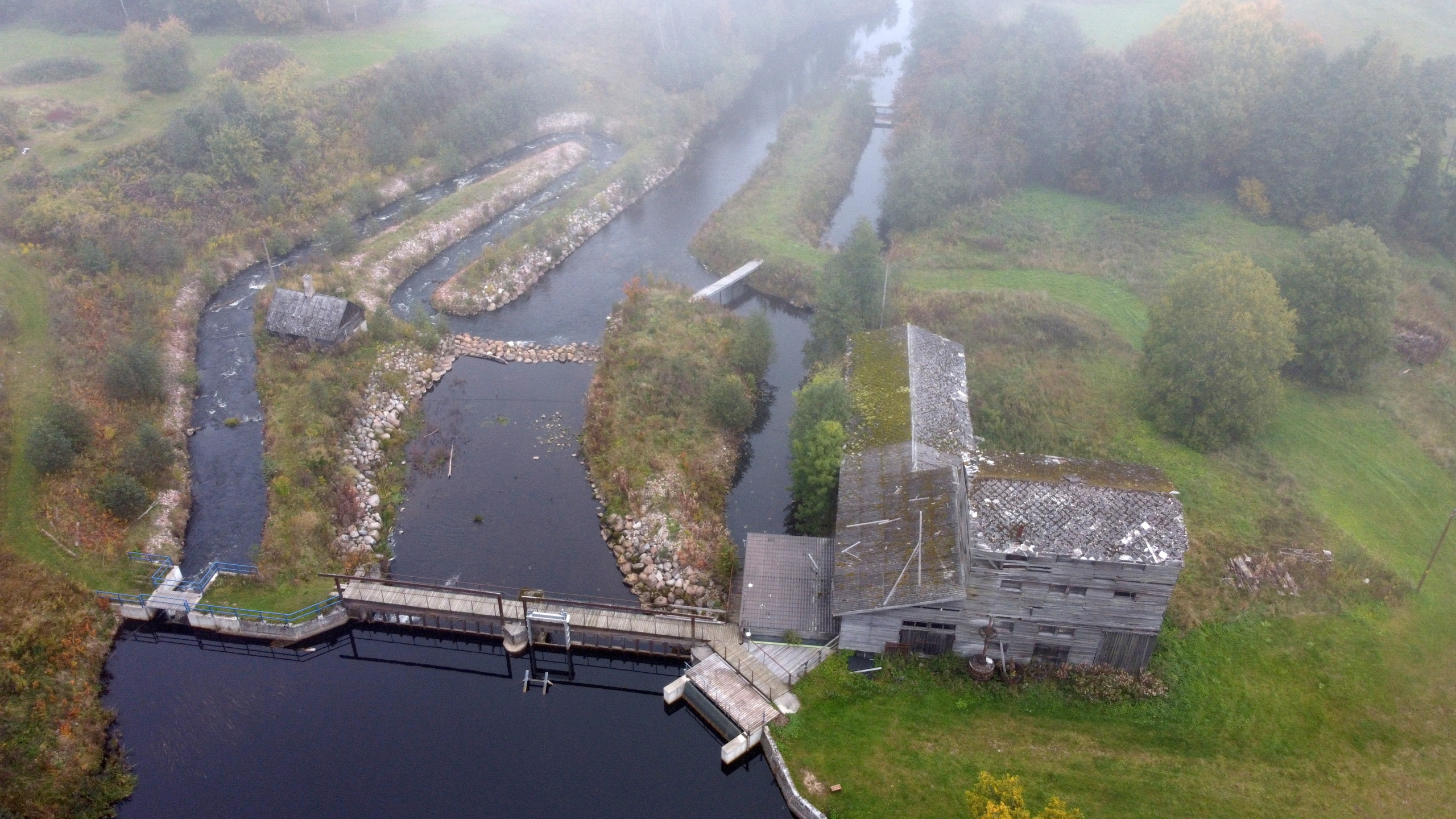 Namibia, a small nation in Southern Africa, has begun making strides toward renewable energy, which has dominated its market. The country has a demand of 600 MW but only a generation capacity of 486.5 MW, which is expected to grow as the population increases year after year. The government of Namibia wishes to boost its generation to fulfill its requirements and provide electricity to all educational institutions and health care facilities by 2020. However, in 2024, the country still doesn’t generate even half of what it consumes.
Additionally, Namibia has an electrification rate of 50%. However, this doesn’t display the full picture as there is a huge disparity between urban and rural areas. Urban areas have an electrification rate of 72% and the rural regions only have a rate of 21%. With more than 46% of people living in rural areas, many citizens lack options. At the time, there was truly no hope for the Namibia population. However, all hope is not lost. The International Renewable Energy Agency researched the situation of South Africa and Namibia in particular and found that focusing on renewable energy could be the solution to Namibia’s energy poverty. With nearly 21.6% of Namibians unemployed, equipping these workers with the training required could also ease the unemployment rate.
Namibia’s Renewable Energy Initiative
In 2021, the government of Namibia passed the Second Harambee Prosperity Plan (HPPII). The HPPII is a government-powered group of targeted policies aimed at providing enhanced services, boosting the economy, combatting poverty and engendering inclusive growth. The push for this campaign came after the country was found struggling after the pandemic.
This initiative was intended to completely reform the country from how it handled conflict with other countries to how to deliver electricity to its people. The initiative also builds on Namibia’s current energy production while ensuring that the country prioritizes clean, renewable energy.
Currently, Namibia produces most of its energy in a renewable fashion through hydropower. Roughly two-thirds of the country’s energy production comes from hydropower. Specifically, four power stations produce approximately 60% of the country’s energy, leaving the population vulnerable if one shuts down. The current plan is to slowly build more solar and hydropower projects to boost the country’s production and decrease the reliance on any project and other countries for energy.
Namibia has a unique geographical advantage that makes it perfect for solar projects. With a lack of dense areas and an abundance of flat land that receives a lot of sunlight, Namibia can drastically increase its production through the use of solar farms. Additionally, this can bring in many new high-skilled jobs.
Conclusion
While renewable energy in Namibia is still an emerging market, it has the potential to completely shift the narrative of the country. It can provide millions of jobs and lift many people out of poverty while providing clean electricity to the population. By harnessing its unique hydropower and solar advantage, Namibia can meet its energy needs and achieve much more.
– Aman Chaudhary
Photo: Wikimedia Commons
