• Link to X
  • Link to Facebook
  • Link to Instagram
  • Link to TikTok
  • Link to Youtube
  • About
    • About Us
      • President
      • Board of Directors
      • Board of Advisors
      • Financials
      • Our Methodology
      • Success Tracker
      • Contact
  • Act Now
    • 30 Ways to Help
      • Email Congress
      • Call Congress
      • Volunteer
      • Courses & Certificates
      • Be a Donor
    • Internships
      • In-Office Internships
      • Remote Internships
    • Legislation
      • Politics 101
  • The Blog
  • The Podcast
  • Magazine
  • Donate
  • Click to open the search input field Click to open the search input field Search
  • Menu Menu

Archive for category: Africa

Africa, Agriculture, Development, Global Poverty

How Tree Planting in Africa is Revolutionizing Agriculture

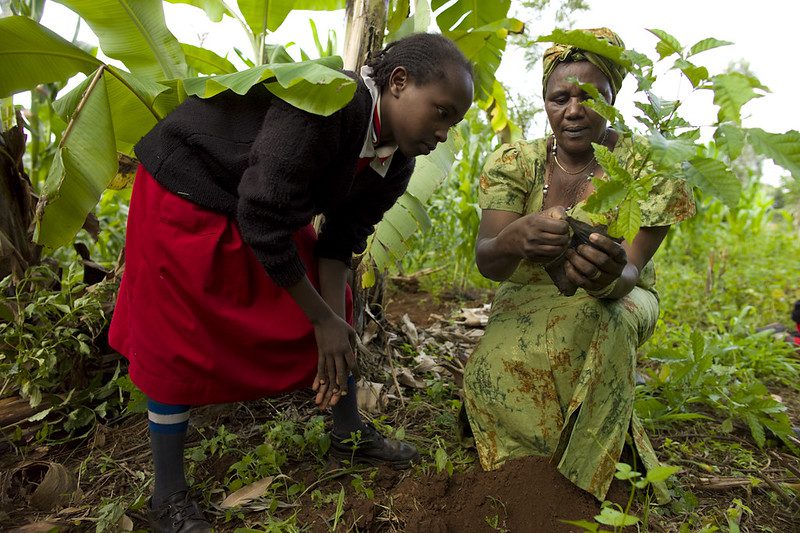
How Tree Planting in Africa is Revolutionizing AgricultureIn Sub-Saharan Africa, where farming engages 52% of the workforce, agroforestry is gaining traction as a transformative agricultural practice. This part of agriculture entails interspersing trees among other crops or grazing lands and holds great promise for diversifying production while enhancing agricultural output and substantially boosting practitioners’ income. Addressing food insecurity and poverty, tree planting in Africa offers substantial benefits to smallholder farmers. With support from local government subsidies and foreign aid, more agricultural workers are adopting agroforestry, driving positive change for millions.

Enhancing Productivity Through Agroforestry

Tree planting in Africa offers farmers a versatile agricultural method, allowing them to choose from a variety of native tree species. These species fall into three primary categories: fertilizer, fruit or nut-bearing and fuelwood. Fertilizer trees increase soil fertility and nutrient density, often more effectively than synthetic alternatives. By integrating these species through intercropping techniques, farmers significantly improve agricultural productivity and enhance crop resilience to flooding and other challenging conditions.

Diversifying Income through Tree Planting

Fruit- and nut-bearing trees provide rural Africans with a significant opportunity to earn extra income by selling their byproducts. For livestock farmers, these trees are especially valuable. The foliage serves as important feed, improving the productivity of grazing animals. These trees offer crucial shade and shelter for livestock during hot seasons or droughts.

Fuelwood trees, also known as timber trees, are known for their fast growth rates. Although not directly integrated into agricultural practices, these trees provide significant benefits. Farmers can sell their wood for fuel or construction. They can also use the timber to make furniture or other goods for sale, thereby increasing and diversifying their income opportunities.

Regardless of the tree variety each farmer prioritizes, tree planting in Africa provides significant economic benefits. African governments and international aid initiatives recognize agroforestry’s potential, offering subsidies, grants and educational programs to encourage farmer participation. These programs are often organized by region, with a focus on initiatives in Western and Southeastern Africa.

Agroforestry in West Africa

Agroforestry stands out as a key agricultural method in West Africa, especially in countries like Mali, Burkina Faso and Ghana. Burkina Faso and Mali lead the way, with about 50% of households engaging in agroforestry. This contributes to tree-based products making up roughly 25% of their income. These countries actively use agricultural subsidies and capacity-building initiatives to strengthen their farming communities. This support spurs economic growth and helps reduce poverty among rural populations.

Foreign aid plays a pivotal role in supporting farmers across these countries with grants and educational programs. A key example is the Africa Research in Sustainable Intensification for the Next Generation (Africa RISING) Program, backed by USAID under the U.S. government’s Feed the Future initiative. This program assists farmers in adopting innovative agricultural practices, such as tree planting in Africa. Focused on adding value, improving market access, and forging partnerships, Africa RISING has made significant progress in West Africa and beyond, targeting 1.1 million households between 2016 and 2021.

USAID further collaborates with Mali’s government through its Country Development Cooperation Strategy, which aims to provide agroforestry assistance to more than 64,000 farmers by subsidizing improved technologies and offering education on enhanced management practices. With the potential to benefit nearly 200,000 individuals, this initiative alone is anticipated to decrease the prevalence of hunger in Mali by a substantial 14%.

Initiatives in Southeast Africa

In Tanzania, land productivity has dropped by a staggering 70% in the last 15 years. To alleviate this, Africa RISING developed a Land Degradation Index (LDI), which has facilitated effective mapping of areas that stand to gain substantially from the adoption of agroforestry. Comprehensive strategies such as these are essential for engaging with farmers and swiftly addressing issues related to diminished output and are crucial steps toward mitigating the severe impacts of food insecurity and poverty.

Research conducted by CIFOR-ICRAF, an internationally-funded agroforestry organization, has played a pivotal role in supporting Zambia’s endeavors to establish a National Agroforestry Policy. With approximately 80% of Zambia’s population relying directly on natural resources for sustenance, several CIFOR-ICRAF-supported programs are making significant strides in aiding citizens. These initiatives encompass the provision of grants, upscaling activities and facilitating connections between private producers and local entities.

Looking Ahead

Agroforestry in Sub-Saharan Africa represents a beacon of hope for sustainable agriculture and poverty alleviation. With increasing support from local governments and international aid, more farmers are poised to embrace this transformative practice, unlocking new economic possibilities and enhancing food security. The commitment to expanding agroforestry initiatives promises to empower communities, foster environmental resilience and pave the way for a greener, more prosperous future across the continent.

– Matthew Candau

Matthew is based in Fife, UK and focuses on Technology and Solutions for The Borgen Project. 

Photo: Flickr

April 3, 2024
https://borgenproject.org/wp-content/uploads/borgen-project-logo.svg 0 0 Precious Sheidu https://borgenproject.org/wp-content/uploads/borgen-project-logo.svg Precious Sheidu2024-04-03 07:30:232024-04-02 03:12:46How Tree Planting in Africa is Revolutionizing Agriculture
Africa, Charity, Global Poverty

5 Charities in Sudan

Charities in SudanThe United Nations (U.N.) now refers to the situation in Sudan as the “world’s largest human displacement crisis.” This is due to an ongoing civil war that Sudan’s armed forces and the paramilitary rapid support forces are fighting. Nearly eight million people have experienced displacement, with six million within Sudan and 1.5 million fleeing to neighboring countries. Nonetheless, here are five charities working to ease the plight of people in Sudan.

Save the Children

Save the Children, which has been operating in Sudan since 1983 and was founded by sisters Eglantyne Jebb and Dorothy Buxton, is dedicated to supporting communities in need. With a focus on delivering essential medical supplies and emergency trauma kits, Save the Children operates mobile health clinics within displaced camps. Additionally, it addresses malnutrition by distributing nutrition supplements to children in need. Recognizing the profound impact of psychological trauma on children, the organization also provides recreational activities and games to aid in their recovery. The nonprofit helped more than two million people, including 1.5 million children, in 2022. 

Islamic Relief

Islamic Relief, operating in Sudan since 1984 and founded by Dr. Hany El-Banna and some students from the University of Birmingham, is adamant about reducing the practice of Female genital mutilation (FGM) in Sudan. Despite facing formidable challenges due to ongoing conflict in the region, Islamic Relief remains committed to this cause.

Sudan’s struggle with FGM is pronounced, with the United Nations Children’s Fund (UNICEF) reporting an alarming statistic: 86.6% of women in the region have been subjected to this harmful practice. It’s frequently the harshest form of FGM that women are put through and young girls aged 5-9 years old often fall prey to this practice. 

The procedure is a breach of fundamental human rights. Therefore, it should be advocated against on a much larger scale than it is now, which is why the work of Islamic Relief is essential. Islamic Relief supports 26 health centers nationwide, providing health care and medicine access to 55,261 people. The nonprofit also offered food aid to 116,975 people. Further, it also provided shelter assistance to 2,395 people.  

Doctors Without Borders (MSF)

Doctors Without Borders, which has been present in Sudan since 1971 and founded by Max Recaimer and Bernard Kouchner, both volunteer doctors working with the International Committee of the Red Cross funding, operate in 11 of the 18 Sudanese states. “An estimated 11 million people in Sudan need urgent health assistance,” according to the World Health Organization. 

Since the conflict started in April 2023, the organization has donated medical equipment, fuel, oxygen, water tanks and other vital tools to hospitals and other health facilities in different parts of Sudan. MSF has successfully provided 586,800 outpatient appointments, delivered 350 tonnes of medical supplies and assisted in 1,950 births.

Muslim Aid

Muslim Aid, founded in 1985 by 17 Islamic organizations and operating in Sudan since 1991, works to improve the country’s overall state. In 2022, the organization prioritized several key areas to uplift communities across Sudan. Among these initiatives was a concerted effort to enhance access to education by supporting 2000 children. Additionally, the nonprofit supported economic empowerment, aiding in the restoration of independent businesses and offered regular child sponsorship starting from £30 ($38.17) per month. The country office for the charity is considered one of the “main partners of UNHCR in addressing asylum seekers from Eastern Sudan.” More than 100,000 people have been beneficially impacted by “key projects” set up by Muslim Aid.

International Committee of the Red Cross (ICRC)

Founded in 1859 by Henry Dunant, ICRC, a nonprofit organization, has been active in Sudan since 1978. In 2023, the ICRC provided essential household items to 20,700 individuals and facilitated 66,500 phone calls between separated family members. Furthermore, it assists farmers by providing seeds and tools and vaccinating pastoralist livestock against diseases. The organization also plays a pivotal role in facilitating the release of detainees. It offers them necessities like clothing and resources to aid in returning to their respective areas of origin.

Many more charities are operating in Sudan due to the intensity of the current conflict. These charities have been on the ground in Sudan for decades and continue to make a positive impact. 

– Uswah Khan
Photo: Pexels

April 1, 2024
https://borgenproject.org/wp-content/uploads/borgen-project-logo.svg 0 0 Jennifer Philipp https://borgenproject.org/wp-content/uploads/borgen-project-logo.svg Jennifer Philipp2024-04-01 01:30:222024-03-30 11:43:145 Charities in Sudan
Africa, Global Poverty

Poverty Reduction in Ethiopia

Poverty Reduction in EthiopiaEthiopia is Africa’s oldest independent country and is the second most populous country in Africa. With a growing population of 128 million as of 2024, the United Nations estimates that more than 68% of all Ethiopians live in poverty. Poverty reduction in Ethiopia is difficult due to prolonged drought in the Horn of Africa has left 13 million Ethiopians to experience acute food insecurity. Due to damage to agriculture and El Niño’s effects, Ethiopia has a significant humanitarian risk.

Additionally, the issue of poor housing poses an urgent danger to the health and sanitation of many Ethiopians, as 70% of houses require total replacement. These staggering numbers emphasize the urgency for assistance in Ethiopia, where the public health crisis is worsening. However, significant efforts have been made internationally to combat poverty in Ethiopia and the public health crisis.

The Productive Safety Net Program

One major catalyst for poverty in Ethiopia is food insecurity, which affects millions of Ethiopians. Food insecurity is rapidly growing in the nation due to a drastic increase in droughts since 1999. Ultimately, this impacts Ethiopia’s crop and livestock production, which accounts for nearly 60% and 25% of the Ethiopian agricultural income.

The Productive Safety Net Program (PSNP), implemented by the Government of Ethiopia in 2015, targets households without secure access to food, providing short-term relief and long-term solutions. For example, financial opportunities through cash transfers, reducing food insecurity and increasing resilience to a crisis in Ethiopia.

As a safety net, it prevents starving Ethiopians from selling important assets to overcome food shortages. Since 2015, there have been clear improvements to poverty in Ethiopia; statistics of Ethiopians who live below the poverty line have reduced by 21% and there is a significant reduction in food insecurity.

International Humanitarian Support

The U.S. and the U.K. are continuously making significant efforts to provide vital humanitarian assistance to the people of Ethiopia. They are funding millions to protect their health and improve the quality of life for Ethiopians who are affected daily by poverty.

As the largest single-country provider of Ethiopia, the U.S. has funded more than $331 million in humanitarian assistance towards the country’s poverty crisis in 2023. The funding supports Ethiopians affected by droughts and food insecurity, providing life-saving support such as food, shelter, sanitation and safe drinking water.

In addition, the U.K. has funded £100 million (approximately $126 million) since 2023, focusing on ending preventable deaths targeted at children as well as pregnant women. The U.K.’s objective is to help around three million individuals. Additionally, 75 health centers will be aided in tackling malnutrition and deadly diseases such as malaria and cholera.

Improvements to Sanitation and Housing

Addressing the difficult living conditions generated by poverty in Ethiopia is important. Poorly built housing has a major impact on the public health of Ethiopians, where a staggering 70% of houses require complete replacement. The houses are made of wood and mud with cracked walls, dirt floors and unstable roofs, which are at risk of leaks. Further, only 28% of homes have access to sufficient sanitation facilities, 38% of Ethiopians have no toilet facilities and 48% use open pits or latrines.

Habitat for Humanity has been assisting vulnerable Ethiopians living in poverty since 1993, providing safe homes with water facilities and access to sanitation. Multiple projects provide different objectives to improve the health of Ethiopia, such as the urban slum upgrading project, the water and sanitation project and the Resilience Building Assistance Network (RBDC). Statistics show that since 2022, Habitat for Humanity has been serving more than 97,000 struggling Ethiopians, building more than 65 new homes and improving more than 96,000 homes in need of urgent repair.

Poverty Reduction in Ethiopia

Over the years, Ethiopia has shown remarkable progress. Ethiopians living below the poverty line have decreased by 21% as a result of many factors, including international support and PSNP. However, poverty persists due to natural disasters and extreme population growth, which pose a serious risk to the lives of many. Poverty in Ethiopia is complex and requires continuous support and sustainable solutions for a lasting impact.

– Emily Whatley
Photo: Flickr

March 31, 2024
https://borgenproject.org/wp-content/uploads/borgen-project-logo.svg 0 0 Jennifer Philipp https://borgenproject.org/wp-content/uploads/borgen-project-logo.svg Jennifer Philipp2024-03-31 07:30:452024-03-30 11:09:08Poverty Reduction in Ethiopia
Africa, Electricity and Power, Global Poverty

Policy Is Promoting a Revolution of Renewable Energy in Eswatini

Renewable Energy in EswatiniIn the heart of the Southern African plains lies Eswatini, a small landlocked country formerly known as Swaziland. A nation that has long relied on neighboring South Africa and Mozambique for unsustainable fossil fuel-based electricity imports, renewable energy in Eswatini is quickly diversifying.

The transformative journey culminated at the COP26 conference, where Eswatini committed to an ambitious 50% surge in renewable energy production by 2030. This pledge signifies a crucial step toward Swazi energy independence, bridging the stark urban-rural economic divide and promising new employment and educational opportunities.

The commitment is more than a superficial gesture. In collaboration with private entities and foreign aid programs, the Swazi government is taking crucial and necessary steps to advance its energy infrastructure and deliver power to the 17% of the population (more than 200,000 people) living without it.

By investing in renewable energy and expanding electric connectivity, the government aims to liberate unelectrified Swazi citizens from the energy poverty trap, enabling them to realize their untapped potential. These are the four key sectors of renewable energy in Eswatini that are receiving strategic government investments and support.

Biomass Energy

In 2020, bioenergy from burning natural materials such as wood and sugar cane waste constituted 97% of the supply of renewable energy in Eswatini. The government issued an Independent Power Producer (IPP) license to Ubombo Sugar Limited (USL), a private sugarcane agricultural company with a 40% government stake, marking a significant milestone in expanding the bioenergy sector.

USL’s connection to Eswatini’s national grid now contributes 31% of local grid-electricity production, pivotal in the country’s impressive 32% point increase in electricity access between 2011 and 2021.

To electrify the whole population, Eswatini initiated the Partnership for Affordable Renewable Energy in Swaziland (PARES) in 2018. Through public-private partnerships (PPPs), PARES aims to promote sustainability in the bioenergy industry while addressing crucial issues such as investment reliability and unemployment, particularly among the country’s marginalized youth.

Solar Panels

Photovoltaic (PV) solar cells are increasingly prominent sources of small-scale electricity production in Eswatini. The government actively encourages the adoption of solar panels in residential and commercial buildings to provide both electricity and water heating. Continued innovation drives down PV cell prices, promoting off-the-grid power and easing the strain on electricity imports. This individualized approach empowers rural communities, increasing access to education, health care and entrepreneurial opportunities.

Shifting focus to larger-scale projects, such as the Eswatini Solar-Storage Project by Frazer Energy, by granting IPP licenses is poised to increase electricity access, create jobs and even export power to communities throughout Southern Africa. Additionally, the government-owned Eswatini Electric Company (EEC) completed the Lavumisa Solar PV Plant in 2021. Projects such as these conserve millions of liters of fuel throughout their lifetime and ensure year-round reliable and sustainable electrification for public facilities.

Hydroelectric Power

Hydroelectric power currently stands as one of the most prominent energy sources in Eswatini. The EEC operates four hydropower plants, constituting 15% of the country’s electricity production and plans to bolster the existing infrastructure.  The EEC and the Public Service Pension Fund (PSPF) have expressed interest in conducting feasibility tests and environmental impact assessments on further investment in hydroelectric energy and project expansions.

The government also granted an IPP to Middle Lusutfu Hydropower Ltd., an energy company aiming to increase Swazi hydroelectricity production by more than 20%. These initiatives showcase the government’s endorsement of investments toward long-term economic growth and providing the impoverished with the resources they need to thrive.

Wind Turbines

While wind energy production in Eswatini is negligible, the country’s mountainous regions hold immense potential for installing wind turbines. Government feasibility studies in the Lubombo Plateau, a largely uninhabited and undeveloped region near the border with Mozambique, are ongoing. No official data from these studies or information regarding international collaboration is publicly available. However, the Swazi government’s engagement with the possibility is a testament to its commitment to energy security and independence.

Through hands-on investment and partnerships with private corporations, the Swazi government exemplifies how emerging economies can electrify their populations with cutting-edge renewable energy technology. There is still much work and foreign investment can accelerate the process. Eswatini offers numerous foreign business incentives, including tax deductions, duty-free imports of machinery and repatriation of profits, ensuring mutual benefits for investors and the Swazi people.

Final Remark

The electrification of Eswatini promises its energy-deprived citizens more than just basic household power. It heralds a new era of economic expansion, immediately offering job prospects in construction and laying the groundwork for internet-driven startups to flourish. Electricity also plays a pivotal role in bolstering health care and education, empowering communities to chart a path towards prosperity. Furthermore, reliable access to electricity will strengthen social bonds, nurturing a sense of belonging and active engagement within the wider Southern African economy.

Eswatini’s energy revolution is a testament to its dedication to sustainability and self-sufficiency. As Eswatini strides into the future with renewable energy, the convergence of local innovation, international collaboration and growth-oriented policies promises to illuminate every corner of the nation. This positions Eswatini as a beacon of inspiration for other developing nations navigating toward a self-reliant future.

– Matthew Candau
Photo: Unsplash

March 31, 2024
https://borgenproject.org/wp-content/uploads/borgen-project-logo.svg 0 0 Jennifer Philipp https://borgenproject.org/wp-content/uploads/borgen-project-logo.svg Jennifer Philipp2024-03-31 07:30:432024-03-30 11:13:49Policy Is Promoting a Revolution of Renewable Energy in Eswatini
Africa, Global Poverty, Poverty Reduction

A Music Tour Reducing Poverty in Africa

Poverty in AfricaRwanda is a small landlocked country in East Africa that has remarkably reduced extreme poverty from 40% to 16% since 2000. However, as a young country with 45% of the population under the age of 18, childhood poverty remains a significant challenge. To recognize the efforts of those working to alleviate poverty in Africa, the “Move Afrika: Rwanda” concert was held at Kigali’s BK arena on December 6, 2023.

Poverty in Rwanda

Despite significant efforts and successes in reducing poverty in Rwanda, the challenges for children and their families remain substantial. Of 1,000 children born in Rwanda, 50 do not survive to 5 years old. Moreover, 75% of these deaths come in the first months of life. While chronic malnutrition has declined, poor water quality and access to hygiene facilities still leave children suffering from stunting and low birth weight. This challenge is compounded by the fact that only 64% of households have their own latrine and 5% have hand-washing facilities with soap and water.

In terms of education, 13% of children are enrolled in early education, with a large disparity weighted against children living in rural areas compared to urban ones–a common trend when analyzing child poverty rates globally. Despite these challenges, poverty reduction efforts in Rwanda merit celebrating and supporting further. Hence, the American creative communications company pgLang, in partnership with Grammy Award winner Kendrick Lamar, the Rwanda Development Board and Global Citizen, imagined an original music event for the region.

Move Afrika: Rwanda

“Move Afrika: Rwanda” supports an advocacy campaign that urged world leaders to make bold pledges on significant issues, aiming to reduce poverty in Africa. The campaign focused on key areas such as increasing resources for health campaigns that particularly benefit women and young girls, addressing food scarcity within the continent and providing greater access to economic opportunities. During the event, local communities were supported with training to support the concert. This included stage management and security skills training. Furthermore, Rwandan culture was front and center, with traditional Agaseke peace baskets a focal point on the stage. These were crafted by 20 artisans from the Nyamirambo Women’s Centre.

In celebrating those people fighting to reduce poverty in Rwanda, the works of nonprofits and civil society workers who came together in nationwide community service to plant more than 1,000 trees on Mount Rebero were recognized. In attendance also were 30 health care workers who were allowed to highlight their work in health equity and access. Move Afrika has also made a lasting pledge to continue to support local entrepreneurs and help them access longer-term job opportunities in the future. By giving internationally recognizable performers such as Kendrick Lamar a platform, Move Afrika is exposing countries like Rwanda to fighting poverty with international support.

The Future of Move Afrika?

“The Move Afrika: Rwanda” music tour was a success. So much so that it will be repeated next year; this time, it will be held in Ghana. Ghanaian President Nana Akufo-Addo said, “Global Citizen is known for leveraging live music events to engage youth while creating social and economic impact. Today, we celebrate this milestone for Ghana.”

“We look forward to future announcements on this growing cohort of Move Afrika destinations,” he added. With Move Afrika at the beginning of its journey to reduce poverty in Africa, there is no telling where this innovative and engaging project will end up.

– Thomas Field
Photo: Flickr

March 29, 2024
https://borgenproject.org/wp-content/uploads/borgen-project-logo.svg 0 0 Hemant Gupta https://borgenproject.org/wp-content/uploads/borgen-project-logo.svg Hemant Gupta2024-03-29 07:30:502024-03-28 04:19:47A Music Tour Reducing Poverty in Africa
Africa, Agriculture, Global Poverty

Trees for the Future: Hope and Prosperity in Sub-Saharan Africa

Trees for the FutureIn the vast expanse of Sub-Saharan Africa, where communities face many challenges, Trees for the Future has emerged as a beacon of hope. The organization is known chiefly for its large-scale ecosystem restoration efforts and, as of recently, recognized as a United Nations (U.N.) World Restoration Flagship. But Trees for the Future is much more than just that; its focus transcends mere reforestation efforts.

It pioneers initiatives that catalyze profound socioeconomic transformations and improve countless individuals’ lives across nine African countries. The organization works with the belief that “farmers have the power to change everything” and that to solve issues of hunger and poverty, farmers should be at the forefront of the solution.

The Forest Garden Approach

This organization intrinsically follows the philosophy of teaching a man to fish. The innovative Forest Garden Approach lies at the heart of Trees for the Future’s mission. This approach is where the organization’s staff train the locals in a regenerative agroforestry technique through a four-year program where the group also provides them with seeds and other resources. Unlike conventional monoculture methods, this approach integrates trees with crops, transforming degraded landscapes into thriving ecosystems.

By planting a diverse array of tree species alongside staple crops such as maize and beans, communities not only replenish greenery but also foster economic stability. The Forest Garden Approach transcends the conventional paradigm of small-scale farming by addressing the intertwined challenges of poverty and food insecurity. Families cultivating forest gardens not only benefit from increased yields and improved soil fertility but also gain access to a continuous source of food and income.

Village Savings and Loans Association Training

In 2020, Trees for the Future introduced Village Savings and Loans Association (VSLA) Training as an additional element to its program, alongside promoting sustainable agriculture to empower communities. Recognizing the critical link between financial literacy and communal economic advancement, this training equips locals with the skills and resources needed to break the cycle of poverty.

Through VSLAs, typically made up of 15–30 members, community members learn to establish savings and lend their savings to one another at low-interest rates. By fostering a culture of financial inclusion and cooperation, Trees for the Future empowers individuals to pursue income-generating activities and invest in their futures.

A Transformative Impact

Forest gardens in rural villages once plagued by food insecurity and economic hardship now flourish, yielding abundant harvests and sustaining families year-round. One such success that Trees for the Future shares on its blog is the story of Fatoumata, a Senegal farmer who diversified her crops, secured a stable income and became a leader in her community. Today, she serves as a role model for other women, inspiring them to embrace opportunities for economic empowerment.

Conclusion

With the aim of creating 230,000 jobs by 2030, Trees for the Future stands against the challenges of poverty and food insecurity that so many people face. Through initiatives like the Forest Garden Approach and VSLA Training, the organization exemplifies the transformative power of grassroots efforts in fostering community resilience and prosperity. Trees for the Future offers a compelling vision of hope and possibility by championing sustainable agriculture and economic empowerment.

– Danielle Schaafsma
Photo: Unsplash

March 28, 2024
https://borgenproject.org/wp-content/uploads/borgen-project-logo.svg 0 0 Hemant Gupta https://borgenproject.org/wp-content/uploads/borgen-project-logo.svg Hemant Gupta2024-03-28 07:30:552024-03-27 05:05:18Trees for the Future: Hope and Prosperity in Sub-Saharan Africa
Africa, Education, Global Poverty

Addressing Education Poverty in Sub-Saharan Africa

Education Poverty in Sub-Saharan AfricaAn education is very important especially for children of young ages. Education poverty is a big issue in sub-Saharan Africa In fact, sub-Saharan Africa has low participation rates amongst children going to school which can decrease the chance of continuing school, dropping out and having a low rate of achievements. Sub-Saharan Africa is one of the prominent places that has education poverty. About 6 million boys and 9 million girls in Africa will never go to school at all. Specifically in Mali, Africa, records have indicated that a lot of children are currently not in school. This includes children ranging from 6-17 that are not in school at the moment. 

Causes of Limited Education

Among the population of Mali, more than half of the Mali population, including more than half between the ages of 15 and 24 are illiterate. This can be due to many factors like the absence of textbooks, qualified teachers and low-quality school environment. The lack of access to the necessities and funding to create a good education program for these children to undergo are major issues when it comes to receiving a good education. Due to these factors, Mali students are not able to have basic skills of math and reading. 

Solutions

Many things are occurring to help this issue of education poverty. There have been donors and UN partners that have been a part of making a change when it comes to educational poverty in Africa.

For instance, the UIS has noticed what has been lacking for a proper education for these children like teachers and basic amenities that are necessary. To address that issue, UIS is working on training and recruiting teachers to teach in Africa. When it comes to the amenities, the organization is tracking which schools are lacking things like portable water, textbooks and access to electricity.

There is also another program that the World Bank has implemented called the “Mali Improving Education Quality and Results for All” where they are helping promote access to lower and upper secondary education for the children in Mali specifically. The World Bank mentioned this project is impacting about 4 million individuals in underserved areas as well.

Looking Ahead

While there is no set time to end education poverty in sub-Saharan Africa anytime soon, by what is occurring right now with the help of the government, UNESCO and USI, it is on the right track for giving these children a better education that they deserve. As time goes on, it should be hopeful that these young kids will have the chance to go to school with having access to electricity and having the right teachers to educate them. Time is all that is needed to come up with better ways to give these kids these amenities that they rightfully deserve.

Conclusion and Call to Action

Overall, education poverty is a major issue in Africa, especially in Mali. This can be due to many factors that can impact the effectiveness of the education they are getting. As mentioned before, there are many organizations that are helping the situation currently happening. For example, UNESCO is an organization that is there to give full power of education, science and culture in order to tackle issues that are in the world. In regards to helping the issue of education poverty, UNESCO is tracking the trends in teacher numbers and qualifications. It projects the numbers of teacher shortages so the organization can see where distribution is required to help reduce the shortage. It is slowly helping reduce education poverty and will hopefully continue to do so in the years to come.

– Madison Lam, Elizabeth Alebachew and Fabian Urrutia
Photo: Flickr

March 27, 2024
https://borgenproject.org/wp-content/uploads/borgen-project-logo.svg 0 0 Jennifer Philipp https://borgenproject.org/wp-content/uploads/borgen-project-logo.svg Jennifer Philipp2024-03-27 01:30:592024-03-26 04:43:38Addressing Education Poverty in Sub-Saharan Africa
Africa, Global Poverty, Health, Mental Health

Mental Health in the Gambia

Mental Health in the GambiaManagement of mental illnesses represents a significant challenge yet to be adequately addressed in numerous low and middle-income nations. Such conditions not only escalate the expenses of health care and social support but also correlate with diminished quality of life, unemployment, heightened disability risk and premature mortality.

The Gambia has long marginalized and stigmatized mental health, leading to a gradual rise in mental wellness crises within the nation. With a population nearing 2.8 million as of 2023, the Gambia possesses only one psychiatric hospital in the capital city of Banjul, referred to as Tanka-Tanka, alongside a singular psychiatric outpatient clinic catering to the entire populace. The Tanka-Tanka mental hospital accommodates 100 beds and employs 58 practitioners. These facilities shoulder the responsibility of addressing all documented cases of mental illness throughout the country.

Mental Health in the Gambia Is Still a Major Issue

Widespread societal attitudes that downplay or disregard mental health issues are pervasive in deeply religious nations, perpetuating stigma and discrimination against individuals grappling with such conditions. This trend notably occurs in the Gambia, a predominantly spiritual country. According to the Central Intelligence Agency World Factbook’s (CIA) 2022 publication, approximately 96.4% of the population identifies as Muslims, underscoring the notion that prevailing social perspectives have adversely impacted mental health perceptions in the Gambia.

In Gambian tradition, manifestations of mental disorders frequently get ascribed to spiritual assaults or alleged demonic possession. Unorthodox healing modalities address the presumed “Spiritual Root Cause” through religious and traditional approaches, such as herbal remedies or ceremonial purification rituals. Among these methods, traditional healers also practice soaking and ingesting Quranic verses inscribed on paper. Regrettably, these treatments often disregard the effectiveness of medical interventions.

In a 2015 paper authored by A. Sulaimon and published in the Journal of Health Care for the Poor and Underserved, The paper highlighted how cultural beliefs perpetuate myths suggesting that mental illness is contagious or that individuals struggling with such conditions are inherently violent and unstable. Consequently, this leads to the social ostracization and mistreatment of affected individuals, as families often conceal afflicted relatives to evade community stigma.

Additionally, there is a troubling surge in substance abuse among urban youths, primarily rooted in mental health challenges. The absence of specialized services for addressing drug and alcohol addiction exacerbates this issue. Furthermore, the prevalence of prostitution among young and underage girls, coupled with the underreported and unaddressed problem of sex trafficking, collectively compound the societal challenges impacting mental health.

Initiatives Addressing Mental Health Challenges

The World Health Organization (WHO), through its Mental Health Gap Action Programme (mhGAP), initiated in 2008 and the Mental Health Leadership and Advocacy Programme (mhLAP), introduced in 2010, has emphasized the necessity of expanding mental health services within the country. WHO acknowledges that the presence of sufficient mental health professionals and facilities is essential to address the needs of existing mental health patients adequately. Additionally, such expansion is crucial for implementing an effective early intervention and preventive care strategy.

Mobee Gambia, a Non-Governmental Organization (NGO) dedicated to assisting individuals with mental health challenges, has undertaken initiatives to address mental health concerns in the Gambia. In February 2024, the organization orchestrated an educational event and mental well-being promotion involving a cohort of young individuals. The event centered around the theme of drug and alcohol issues impacting the mental well-being of young people in our communities.

Mobee is currently in the planning stages of establishing offices for administrative purposes to facilitate the implementation of psychoeducation programs to enhance individuals’ physical, social, psychological and emotional health. Additionally, discussions are underway with the Gambia Red Cross and Wyce.org.uk. The collaboration aims to deliver mental health services and programs geared towards enhancing cognitive health in the Gambia.

Conclusion

The involvement of international organizations and government initiatives signifies a positive shift towards addressing mental health in Gambia. While progress may be gradual, the collective impact of various programs and assistance is poised to become increasingly evident over time.

– Olusegun Odejobi
Photo: Pixabay

March 25, 2024
https://borgenproject.org/wp-content/uploads/borgen-project-logo.svg 0 0 Hemant Gupta https://borgenproject.org/wp-content/uploads/borgen-project-logo.svg Hemant Gupta2024-03-25 01:30:352024-03-24 03:47:05Mental Health in the Gambia
Africa, Global Poverty

Child Mortality Rate in Sub-Saharan Africa

Child Mortality in Sub-Saharan AfricaIt is estimated that about 11 children aged less than 15 die every minute. This is around 16,000 deaths daily and an annual figure of six million child deaths. The child mortality rate in Sub-Saharan Africa is no different. Children have a life expectancy of 51 years, with almost 10% dying in their first year of life. About 155 of every 1000 children born in Sub-Saharan Africa do not reach age 5. Child mortality is particularly high in the first month of life of children in Sub-Saharan Africa, with neonatal mortality of 40 out of every 1000 births.

Causes of Child Mortality in Sub-Saharan Africa

Children in Sub-Saharan Africa are 14 times more likely to die before the age of 5 than children in North America and Europe. The causes of these deaths vary and range from medical to socioeconomic factors. Medical causes range from birth asphyxia, preterm birth, neonatal causes, child pneumonia, malaria, diarrhea, HIV/AIDS and measles. Socioeconomic causes range from poverty, low levels of maternal education and inaccessible quality health care.

Other secondary causes that can be identified include inefficient neonatal health care and the lack of reliable data on the child mortality rate in Sub-Saharan Africa. Most countries in Sub-Saharan Africa do not register births and deaths of children. It is estimated that as many as half of newborns who die go unregistered. The implication is that newborns and their mothers are unreachable by national and regional policies and programs aimed at reducing the child mortality rate in Sub-Saharan Africa.

The Impact of GAVI Alliance Vaccine Programs

GAVI is an international nonprofit that partners with public and private sectors to save lives and protect people’s health by increasing the equitable and sustainable use of vaccines. It has made significant contributions to eradicating child mortality in Sub-Saharan Africa. Since its establishment in 2000, GAVI has disbursed nearly $5.9 billion to Sub-Saharan African countries, which has helped to reach more than 364 million children and averted more than 8.9 million potential child deaths in the region.

GAVI has been partnering with other international nonprofits, like the World Health Organization (WHO) and the United Nations Children’s Fund (UNICEF), since 2019 to implement the Malaria Vaccine Implementation Programme (MVIP) in Ghana, Kenya and Malawi. The malaria vaccine is administered in four doses to children at around five months of age. More than two million children have received the vaccine. This has led to a significant 13% reduction in all-cause mortality among eligible children.

As of February 2024, through its Zero-Dose Immunization Programme (ZIP), GAVI had successfully delivered one million life-saving vaccines to children across Ethiopia, Somalia, Sudan and South Sudan. These particular countries are located in the Horn of Africa. They are known to suffer from multiple crises. These include civil conflicts, food and water shortages, extreme droughts and flooding, making children vulnerable to vaccine-preventable diseases, resulting in a high child mortality rate.

Gavi’s Impact in Nigeria

As of 2014, in Nigeria, nearly 480 children per 100,000 died of pneumonia or other lower respiratory infections. That same year, with the support of GAVI, Nigeria launched the PCV vaccine as part of its routine immunization program. By 2019, the figure had decreased from 480 to 386 per 100,000. In 2022, Nigeria achieved 60% coverage with the final dose of the PCV vaccine.

Gavi’s Director of High Impact Countries, Tokunbo Oshin, highlighted that, in partnership with other international organizations, GAVI, as of 2023, has delivered 11.7 million doses of the highly effective pentavalent vaccine to children in Nigeria. The vaccine protects children from five life-threatening diseases, including diphtheria, pertussis, tetanus and hepatitis B.

It has also delivered a dose of the tetanus-diphtheria vaccine to more than 670,000 eligible children aged 4 to 14 years old across 18 high-burden local government districts in Kano State. Also, 75,000 zero-dose children aged less than 2 received their very first dose of the pentavalent vaccine.

Gavi’s Effort Against Rotavirus in Sub-Saharan Africa

GAVI’s support has been instrumental in the fight against rotavirus, a major cause of deadly diarrhea in children in Sub-Saharan Africa. The impact of GAVI’s vaccination programs is significant, with a reported prevention of 64% of severe rotavirus diseases during the first year of life in children in Sub-Saharan countries, including Ghana, Kenya and Mali.

In the first quarter of 2023, Kenya was hit with an outbreak of rotavirus, which was managed through the supply of vaccines from the National Vaccines and Immunization Program. In Mombasa County, 8,000 children have received vaccinations in Q1 2024. A target of 9,000 vaccinations has been set to help protect the future of children in Kenya.

Certainly, GAVI’s contribution to reducing the child mortality rate in Sub-Saharan Africa has not gone unnoticed. Its continued partnership with other international organizations will help it achieve its objectives.

– Olusegun Odejobi
Photo: Pixabay

March 24, 2024
https://borgenproject.org/wp-content/uploads/borgen-project-logo.svg 0 0 Hemant Gupta https://borgenproject.org/wp-content/uploads/borgen-project-logo.svg Hemant Gupta2024-03-24 01:30:482024-03-23 03:53:24Child Mortality Rate in Sub-Saharan Africa
Africa, Electricity and Power, Global Poverty

Access to Electricity in the Central African Republic

Electricity in the Central African RepublicThe Central African Republic (CAR), is one of the poorest countries in the world. Currently, efforts are being made to bring electricity to those without it. These projects, if successful, could almost double the country’s electricity generation capacity, according to the World Bank, which is funding some of these projects. This increased access to electricity in CAR, primarily from renewable sources, will bring new energy into this impoverished country’s infrastructure and quality of life.

About CAR

CAR is one of the poorest and most unstable countries in Africa and the world. Violence and conflict have been a reality in the country for decades and a military coup in 2013 resulted in various groups fighting within the country since then. This violence has displaced approximately 1.4 million people, with almost 750,000 people having to flee the country altogether.

This ongoing cycle of conflict has made humanitarian assistance difficult in CAR, which has posed a devastating problem to those living in extreme poverty, a population that numbers approximately 71% of the country’s 6.1 million people. Consequently, the rates of acute hunger and gender-based violence in CAR are both high. Additionally, education rates are low and the country’s economy has experienced an ongoing crisis in recent years.

A Glimpse of Hope in CAR

However, not all is dark in CAR. Funding for humanitarian aid from the international community is working to address poverty. One hardship that some actors are aiming to tackle is access to electricity. At present, only 14.3% of the population in the country has access to electricity. This service is largely limited to the capital city, Bangui. The figure drops dramatically in rural areas, with just 2% of the population having electricity. Almost all energy production in the country currently comes from biofuels like wood or charcoal or fossil fuels like diesel.

Renewable Energy in CAR

Renewable energy can open the door to electricity access for thousands in the Central African Republic. Currently, multiple actors are taking different routes to realize the potential of the country’s renewable energy resources. The African Development Fund, a part of the African Development Bank, has provided millions in funding for rehabilitating the Boali hydroelectric plant, which is expected to provide electricity to 100,000 people in CAR and the Democratic Republic of the Congo (DRC).

The World Bank has also rolled out multiple projects to increase solar energy production in the CAR. These efforts have included not only improvements to existing electricity infrastructure and the creation of new and improved transmission lines but also the building of a 25-megawatt solar panel site that was completed in November 2023. This solar park will provide electricity to 250,000 people in the capital city of Bangui.

Final Remark

The effects of increased electricity access in the Central African Republic will enormously benefit the country. According to Ousmane Diagana, the World Bank Vice President for Western and Central Africa, “Thanks to this project, health centers, schools and businesses will have increased access to electricity and this will enhance productivity and promote job creation.” Access to electricity in CAR, brought on by tapping into the country’s renewable energy potential, has and will continue to bring progress to the country’s economy and the quality of life for the millions living in poverty.

– Lyle Seeligson
Photo: Flickr

March 23, 2024
https://borgenproject.org/wp-content/uploads/borgen-project-logo.svg 0 0 Hemant Gupta https://borgenproject.org/wp-content/uploads/borgen-project-logo.svg Hemant Gupta2024-03-23 01:30:432024-03-22 04:26:26Access to Electricity in the Central African Republic
Page 21 of 24«‹1920212223›»

Get Smarter

  • Global Poverty 101
  • Global Poverty… The Good News
  • Global Poverty & U.S. Jobs
  • Global Poverty and National Security
  • Innovative Solutions to Poverty
  • Global Poverty & Aid FAQ’s
Search Search

Take Action

  • Call Congress
  • Email Congress
  • Donate
  • 30 Ways to Help
  • Volunteer Ops
  • Internships
  • Courses & Certificates
  • The Podcast
Borgen Project

“The Borgen Project is an incredible nonprofit organization that is addressing poverty and hunger and working towards ending them.”

-The Huffington Post

Inside The Borgen Project

  • Contact
  • About
  • Financials
  • President
  • Board of Directors
  • Board of Advisors

International Links

  • UK Email Parliament
  • UK Donate
  • Canada Email Parliament

Get Smarter

  • Global Poverty 101
  • Global Poverty… The Good News
  • Global Poverty & U.S. Jobs
  • Global Poverty and National Security
  • Innovative Solutions to Poverty
  • Global Poverty & Aid FAQ’s

Ways to Help

  • Call Congress
  • Email Congress
  • Donate
  • 30 Ways to Help
  • Volunteer Ops
  • Internships
  • Courses & Certificates
  • The Podcast
Scroll to top Scroll to top Scroll to top