A Look at Efforts to Address Health Care in Ghana
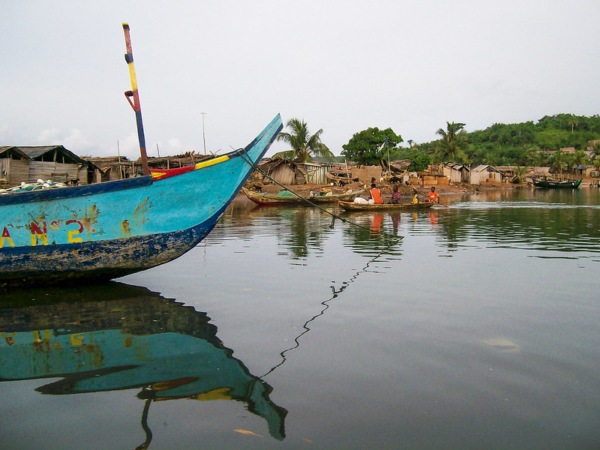
The West African nation of Ghana is a vibrant country filled with natural beauty and rich culture. However, like many of its neighbors in sub-Saharan Africa, Ghana suffers from a high poverty rate and lack of access to adequate health care. In fact, according to the Ghana Statistical Service, 23 percent of the total population lives in poverty and approximately 2.4 million Ghanaians are living in “extreme poverty.” That being said, many organizations and groups — both national and global — are working to improve health care in Ghana.
Malaria in Ghana
A disease transmitted through the bites of infected mosquitoes, malaria is a common concern throughout much of West Africa, including Ghana where it is the number one cause of death. In fact, according to the WHO’s most recent World Malaria Report, nearly 4.4 million confirmed malaria cases were reported in Ghana in 2018 — accounting for approximately 15 percent of the country’s total population.
All that in mind, many NGOs, as well as international government leaders, have taken up the mantle to eliminate malaria in Ghana. This includes leadership from the United States under the President’s Malaria Initiative or PMI which lays out comprehensive plans for Ghana to achieve its goal of successfully combating malaria.
With a proposed FY 2019 budget of $26 million, the PMI will ramp up its malaria control interventions including the distribution of vital commodities to the most at-risk citizens. For instance, the PMI aims to ensure that intermittent preventative treatment of pregnant women (IPTp) is more readily accessible for Ghanaian women. Progress has been made, too, as net use of IPTp by pregnant Ghanaian women has risen from 43 percent to 50 percent since 2016. This is just one example of the many ways in which PMI is positively contributing to the reduction and elimination of malaria in Ghana.
National Health Care System
National leaders are also doing their part to positively impact health care in Ghana. In 2003, the government made a huge step toward universal health coverage for its citizens by launching the National Health Insurance Scheme (NHIS). As of 2017, the percentage of the population enrolled in the scheme declined to 35 percent from 41 percent two years prior. However, 73 percent of those enrolled renewed their membership and “persons below the age of 18 years and the informal sector workers had significantly higher numbers of enrolment than any other member group,” according to the Global Health Research and Policy.
It is difficult to truly understand Ghana’s health issues without considering firsthand perspectives. In an interview with The Borgen Project, Dr. Enoch Darko, an emergency medicine physician who graduated from the University of Ghana Medical School, commented on some of the health issues that have plagued Ghana in recent decades. “A lot of problems that most third world countries, including Ghana, deal with are parasitic diseases such as malaria and gastroenteritis. Though health issues like diabetes and hypertension still remain in countries around the world, and even the United States, the difference is that some diseases that have been eradicated in Western countries still remain in countries like Ghana,” Darko said. “Many people in Ghana simply do not see a doctor for routine checkups like in the United States. Rather, most people will only go to see a doctor when they are feeling sick. As a result, lesser symptoms may go unchecked, thus contributing to the prevalence and spread of disease and infection. Combined with the fact that many Ghanaians in rural communities may not have sufficient money to afford treatment or medicine, this becomes a cycle for poor or sick Ghanaians.”
That said, it is hoped that with continued support from international players as well as government intervention, the country can continue to make strides in addressing health care for its citizens.
– Ethan Marchetti
Photo: Flickr
