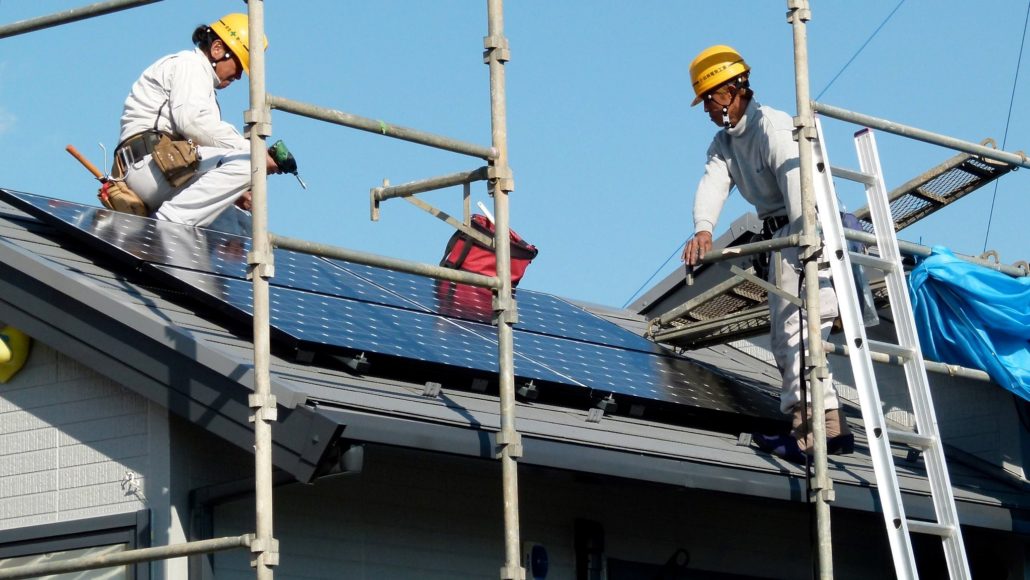
In 2010, Toshi Nakamura and Ewa Wojkowska created Kopernik, an NGO dedicated to providing proper living standards by integrating technology within rural villages. Toshi and Ewa were former UN workers who researched tribes existing within Thailand, Timor-Leste, Indonesia and Sierra Leone. The organization currently has four divisions that coordinate donations, financial consulting and technology. Each section is divided between locations in New York, Indonesia and Japan. During the COVID-19 pandemic, Kopernik continued its pre-planned projects for tribes in financial distress. This shows how lucrative and dedicated the organization has become.
Partnerships and Projects
Kopernik realizes that changing the world requires collaboration, and proudly announces partnerships whenever a new project undergoes initiation. In March 2020, Kopernik and the Malaysian Administrative Modernization and Management Planning Unit (MAMPU), collaborated to introduce Cirebon, Indonesia to digital resources. A businesswoman named Kurian, who owns a 12-person furniture manufacturing business in Cirebon, received help from Kopernik and MAMPU to reach more lucrative digital markets and develop her online marketing skills; Kurian was able to double her profits and reach markets as far as Mexico. MAMPU and Kopernik have historically helped many women-owned micro-businesses develop, despite poverty-stricken circumstances. Kopernik’s Indonesia headquarters runs a Wonder Woman program that empowers female entrepreneurs to learn about business strategies and cleantech resources. The organization trains local women on the technical use of solar panels, mobile phone chargers and biomass stoves that are a low price.
The Canada Fund for Local Initiatives (CFLI)
In February 2021, the Canada Fund for Local Initiatives (CFLI) partnered with the ecstatic Kopernik. They collaborated on the development of “the Waste for Water: Creating A Community-Led Water Desalination Business to Provide Clean Drinking Water to Coastal Villages in Indonesia” project. In 2016, Kopernik flirted with a similar idea by selling the Carocell 3000 water purifier. It tested the experiment within Likotuden, East Flores. The purifier was able to produce 10 liters of freshwater per day, and safely distilled seawater, groundwater and overall contaminated/polluted liquids from local reservoirs. However, the project showed that 10 liters were not enough to provide for the community.
The two NGOs decided to start their project of integrating technology in the coastal villages within Nusa Penida, Bali and partnered with Wujudkan. They wanted to create a community-operated desalination plant that produced up to 3,000 liters daily. The last part of the project is an information campaign that shared guidelines for safe drinking water, water purification and the importance of preserving and sustaining water management.
Technology
Kopernik’s biggest achievement has been integrating solar technology in Indonesia’s “last mile.” By the end of 2020, Kopernik fostered funding support from the Abu Dhabi government to provide 3,600 solar lanterns and 1,000 mobile charging solar lanterns to the southeastern of Borneo. D.Light, a U.S.-based technology company that sells products for as low as $7, develops the solar lanterns. It also develops solar systems that people can purchase through micropayments.
Kopernik also paired with Greenlight Planet, which offers 6kW solar system installation to people in Sumba for $3.60 per month for a three-year period; Sumba Sustainable Solutions (3S) is a company that partnered with Kopernik to enact similar strategies and resources for solar solutions. During the COVID-19 pandemic, Sumba faced a financial hit from the decreasing tourism industry. 3S devised solutions for boosting revenue in Sumba’s agriculture section. 3S provided a solar-powered corn and rice mill to help farmers create higher sales prices within the crop market. Also, 3S founder Sarah Hobgen claimed that “[instead] of grinding corn manually with stones or pounding rice in a wooden tube, we lend them the mills for just IDR 500, or $0.03 per kilogram.” Both Kopernik and 3S have received international prizes for their support.
Agricultural Work
In September 2020, Kopernik initiated the Good Agriculture Practice (GAP) program in Papua. The program intended to teach agricultural regulations through interactive modules, videos and field practices. This GAP program helped farmers in Papua develop enhanced skills in farm production and post-production. It taught safe techniques to harvest food and agriculture products while including economic, social and environmental sustainability. GAP had farmers focus on the production of cacao, a plant used to make chocolate and cacao butter, by focusing attention on proper plant drying techniques. Kopernik introduced the idea for a solar dryer, which the organization has been blueprinting since 2016.
Kopernik and Papua farmers finalized the dryer within a remote village called Berab. Building a solar dryer involves ventilation and space between the cacao plant. In previous designs, racks were 12.5 cm apart. However, the on-site production showed that 30 cm enabled more ventilation and space for farmers to stir the beans. Due to limited resources, UV plastics replaced the polycarbonate feature, which captures solar light transmission, to capture the right amount of light energy. Additionally, instead of using iron for the framing, the farmers insisted on wood because of familiarity with the resource. Despite the challenges, the farmers finished construction within five days. The device cut the drying process from five days to three.
The Future of Kopernik
Kopernik continues to develop innovative projects, bring together lucrative business partners and work toward integrating technology. The year 2021 is seeing more digital solutions within the company as support for ending poverty increases for Kopernik.
– Matthew Martinez
Photo: Flickr

Overseas Filipino Workers in the UAE
Travel enthusiasts and visitors often cite Dubai as the most dazzling city in the Middle East. Yet amidst all the glamor and luxury in the United Arab Emirates, migrant workers face immense wage inequality and abuse. One of the largest populations of migrant workers hails from the Philippines. Filipino laborers undertake a variety of service jobs in domestic work and hospitality, both of which are vital sectors of the Emirates economy. Yet despite their integral role in the financial stability of the Emirates, Overseas Filipino Workers (OFWs) struggle with a lack of job security and often have no choice but to return home. The economic hardships of COVID-19 have only exacerbated their struggle.
UAE Migrant Demographics
As of 2019, immigrants comprise nearly 90% of the United Arab Emirates’ total population. This is largely because Dubai offers a variety of policies to attract global businesses and international professionals. For example, Dubai established 30 tax-free regions of the city for companies to operate free from restrictions. The Kafala Sponsorship System allows workers from around the world to more easily access job opportunities in the Emirates, but this program has also created conditions in which migrant workers face increased vulnerability and potential risks.
The United Arab Emirates operates as a mixed free economy. Although oil sales comprise the majority of its income, the UAE has branched out into the vacation industry as well as the automation and telecommunications sectors. The expansion of economic sectors such as hospitality, development and trade in the United Arab Emirates have made employment more accessible for blue-collar migrants. The Filipino government in particular has supported labor migration for its citizens, with the Labor Code of the Philippines promoting protections for OFWs. Currently, over 2 million Filipino migrant workers are in the Middle East.
Wealth Disparity
In recent years, the severe maltreatment of Filipino workers in the United Arab Emirates has forced the Department of Foreign Affairs in the Philippines to repatriate thousands of its citizens. Several of these individuals suffered abuse from their Dubai employers or were victims of human trafficking.
Household workers, who are usually female, make up 10% of Filipino migrant workers. Among female Filipino domestic workers, sexual abuse and mistreatment are unfortunately quite common. Due to the vulnerable financial and legal status of female Filipino domestic workers, this particular segment of migrant workers often experiences abuse. The Filipino government responded to this by repatriating such female workers from the United Arab Emirates.
Solutions for Overseas Filipino Workers
The Philippines Overseas Employment Administration (POEA) advocates for OFWs’ rights and addresses the concerns of the transnational community. The Overseas Workers Welfare Administration (OWWA) provides programs for migrant workers and aims to prevent potential abuse.
Filipino migrants in economically valuable positions can effectively produce a change for their community. Educated Filipino migrants make up over half of the Filipino migrant population in the United Arab Emirates. As such, they are economically essential to the country’s labor force. Approximately 47% of Filipinos have climbed the ladder to higher positions. These individuals are paving the way for a new rank of Filipino professionals to represent the OFW community.
Generous Filipino residents within the UAE work tirelessly to assist their fellow community members throughout the COVID-19 pandemic. Thanks to the service of caring individuals such as Dela Peña, unemployed Filipino workers still have resources to survive through the coronavirus pandemic and access to food through Dela Peña’s program, Ayuda.
Points of Resolution
Leaders of the United Arab Emirates often overlook the impact that OFWs have upon its economy. However, migrant workers have been pivotal to the growth and industry of Dubai and the nation as a whole. With this in mind, the UAE will hopefully recognize the importance of the OFWs and establish laws to uphold their rights. Supporting and encouraging the Overseas Filipino Workers in their endeavors will not only erase the need for their repatriation back to the Philippines but will further strengthen the economy of the migrants’ new home.
– Luna Khalil
Photo: Flickr
5 Women Advancing Equal Rights for Women
Throughout history, women have not always had access to the same rights as men. More recently, women are increasingly demanding and fighting for equal rights, especially by women who witness the oppression or have lived subject to the inequalities. Here are five women who are taking leadership in advancing equal rights for women.
5 Women Advancing Equal Rights for Women
The leadership of these women advances equal rights for women across the world. Their personal experiences and courage, often in the face of insurmountable odds, led them to activism on behalf of vulnerable or oppressed women. The example that they set serves as an inspiration to all people that each person’s voice has value, meaning and power. The impact of each organization demonstrates the importance of advocacy and activism.
– Hannah Brock
Photo: Flickr
Examining the Redlegs of Barbados
About 400 Irish descendants live in poverty today on an eastern Caribbean island called Barbados. One can date their ancestors back to the 1600s when Captain Joseph West sold the first 53 Irish indentured servants to the government of Barbados. Over time, a total of 50,000 Irish indentured servants would undergo transport to Barbados. The Irish descendants in Barbados received the name of Redlegs of Barbados because of their sunburns turning their pale white skin bright red from the hot tropical sun. Even after hundreds of years, their bodies still have not adapted to the unfamiliar heat conditions.
Their History
Oliver Cromwell, a political and military leader for England, led the invasion of Ireland in 1649 leading to his role in the transportation of the conquered Irish people to become the Redlegs of Barbados. It was his death that brought an end to the major transportation of Irish indentured servants and the start of the transportation of African slaves to Barbados.
Living Conditions
“School absenteeism, poor health, the ill effects of inter-family marriage, large families, little ownership of land and lack of job opportunities have locked those remaining on the island into a poverty trap. Even today the red legs still stand out as anomalies and are hard-pressed for survival in a society that has no niche for them,” says Sheena Jolley, a photographer who has captured the living conditions of the Redlegs of Barbados.
The Redlegs of Barbados have mostly married within their community. As a result, this caused a higher risk of birth defects, diseases and shorter life expectancy. Some integration with African descendants in Barbados has occurred, which has led to better health and education for some Redlegs. However, many still struggle with health problems. Lack of dental care and poor diet has also contributed towards Redlegs of Barbados having bad or even no teeth at all.
Help from Ireland
Micheal Martin, Irish Minister and Department of Foreign Affairs, has commented on the issue of assistants to the Redlegs of Barbados. His insight to the Irish Aboard Unit, “manages and coordinates the Emigrants Support Programme (ESP) in partnership with Ireland’s embassies and consulates abroad,” says they have been to Barbados to meet with the community. During their meetings, the Redlegs received encouragement to keep in contact with the government.
“Representatives of the community are welcome to submit an application for funding under the Emigrant Support Programme” said Minister Martin.
– Joshua Botkin
Photo: Flickr
Tackling HIV/AIDS in South Africa
Since the human immunodeficiency virus (HIV) first evolved into the acquired immunodeficiency syndrome (AIDS) in the early 1980s, the virus has rapidly spread to every corner of the globe. It has infected over 65 million people worldwide. With no cure in sight, over 25 million victims have perished at the hands of the virus to date. HIV/AIDS predominantly plagues regions in Africa, Asia and the Pacific. Though cases have dropped since the epidemic heights of the 1990s, this disease continues to afflict 38 million people today and remains a leading cause of death. Here is a summary of HIV/AIDS in South Africa.
What is HIV/AIDS?
The human immunodeficiency virus (HIV) infiltrates and takes over the cells that protect against infections. As the body’s ability to fight viruses disappears, HIV makes the individual extremely vulnerable to additional infections or diseases. Spread through the transmission of bodily fluids, transmission most commonly occurs during the communal use of drug injection syringes and unprotected sexual activity. When left untreated, HIV can devolve into a lifetime condition called acquired immunodeficiency syndrome (AIDS). No cure exists for HIV or AIDS, but there are preventative measures that an individual can take, as well as treatment, drugs and therapy.
HIV/AIDS in South Africa
In 1982, South Africa was battling the apartheid that had dominated its governance for decades. This landmark transformation created tumultuous political strife that distracted national attention away from the HIV virus that was silently taking root in the gay and impoverished black communities. With drastic changes occurring in the South African government, insufficient measures failed to halt the initial handful of HIV infections from growing by 60% by 1995.
By the time that South African President Nelson Mandela first spoke about the virus, the epidemic had escalated into a public health crisis. South America became the most infected country in the world. Virus deniers and negligent governing officials let the situation further devolve throughout the 1990s and early 2000s. It was not until 2008 and a change in administrations that South Africa treated HIV/AIDS as a public health threat. The new government implemented a plan to distribute medicines and drugs, the largest step South Africa had taken since the virus outbreak 30 years prior.
Currently, efforts to fight HIV/AIDS face infrastructural and monetary difficulties. Public health resources have become sparse as the South African currency lost value. Consequently, HIV/AIDS therapy and antiretroviral treatment declined even while virus rates continue to rise.
In 2019, HIV/AIDS infected an estimated 7.7 million South Africans. That totals 20.4% of the population, with new cases occurring daily. Additionally, more than 72,000 HIV/AIDS-related deaths have occurred in South Africa. Over 70% of South African adults and 41% of minors undergo antiretroviral treatment.
Preventing the Spread
The HIV/AIDS epidemic that continues to plague South Africa may find its match in antiretroviral treatment (ART). This preventative measure is highly popular since the South African government progressed the ART program since the early 2000s. UNAID reported that 70% of South Africans living with HIV/AIDS received ART treatment in 2019, up by 50% since 2010. If an individual tests positive for HIV, they can receive ART to forestall or fully prevent the further devolution of HIV symptoms and the onset of AIDS. South Africans have invested themselves in taking advantage of the free testing. A guaranteed treatment for those testing positive increases the number of South Africans willing to obtain testing.
ART therapy particularly helps mothers with HIV by curbing mother-to-child transmission. This preventative measure has resulted in a strengthening of both mother and child health, and a decrease in birthing mortality and childhood HIV/AIDS infection.
While HIV/AIDS in South Africa remains a massive issue, one can find hope in new and evolving preventative measures. ART treatment offers an avenue to health for many infected individuals. It prevents further spread, curbs symptoms and can make healthy populations resistant to the virus. With South Africa expanding its diagnostic and treatment capabilities, people living with HIV/AIDS may live longer and healthier lives.
– Caroline Largoza
Photo: Flickr
The Role Poverty Plays in Human Trafficking in Aruba
Aruba currently ranks on the Tier 2 watchlist for human trafficking according to the United States Department of State. The Tier 2 rank means that a nation’s government does not fully comply with the Trafficking Victims Protection Act’s minimum standards of human trafficking prevention, although the nation in question is making substantial efforts to comply with these standards.
Countries typically end up on a watch list if the U.S. Department of State suspects they have severe or increasing levels of sex trafficking, or if they fail to provide substantial evidence of the work they are doing to prevent trafficking; the latter is a particular problem Aruba’s government faces. Aruba is attempting to make a difference in the way it attacks human trafficking. However, poverty is playing a considerable role in a way that Aruba’s current tactics are not prepared to handle.
The Causes of Sex Trafficking
In order to properly look at how sex trafficking is affecting people in Aruba, it is important to first acknowledge some of the root causes of trafficking. One of the main causes of sex trafficking is poverty. Sex traffickers will exploit low-income families struggling to provide for themselves by offering them false opportunities or offering to buy off their children. Poverty also affects other contributing factors such as lack of education or limited employment opportunities and leads to vulnerable people migrating to new places in search of a better life.
Another important factor to remember is that sex trafficking is able to thrive because an open market exists for it that thrives on traffickers’ fearlessness regarding law enforcement. If sex traffickers believe they can get away with their business, and people continue to contribute to the business, sex trafficking becomes a classic case of supply and demand. This is why education is also so critical to not only the victims but also government and law enforcement officials. If victims fear punishment from law enforcement, they may be less likely to try and reach out for help.
Sex Trafficking in Aruba
In Caribbean countries such as Aruba, women have had to become the primary source of income for their families, which leaves children alone and unsupervised. In some cases, these children may even take up jobs to provide support. Oftentimes, the “support” these children are providing is through sex trafficking.
Migrants in Aruba
Many of the victims of human trafficking in Aruba are foreign and predominantly Venezuelan. Due to political turmoil and socio-economic insecurity, millions of people are migrating out of Venezuela, many of whom are coming to Aruba on visas and remaining past the visa’s expiration. These foreign victims are more at risk due to their situation. As illegal migrants, fear of deportation to the country they fled from can be a powerful motive to do anything to stay. Traffickers frequently exploit people in these positions, believing law enforcement will not protect them.
Traffickers often lure foreign visitors or migrants with false promises. Some of these examples include “a weekend of free entertainment,” opportunities to learn English and openings at modeling agencies or other job-like positions. Another reason these people get sucked into sex trafficking is that they are drowning in debt. These innocent victims looking to make a better life for themselves end up getting trapped in trafficking schemes with seemingly no way out. The “unknown” of the world around them also affects the trust the victims have. Often, the fact that many of these victims are immigrants results in them having trouble placing their trust in officials trying to save them. The victims have had traffickers shatter their ability to trust, so they struggle to place this same trust in officials. For many victims, leaving human trafficking means no source of income and potential for deportation as well. As a result, human trafficking victims hold onto a sense of security in the system for fear of the unknown on the outside.
Aruba’s Measures to Prevent Human Trafficking
With a lack of support, the impoverished victims of human trafficking in Aruba are frequently reluctant to seek help. Aruba has several programs in place to aid in the fight against human trafficking.
These efforts strongly contribute to fighting human trafficking on the educational front. By making people more aware of what trafficking situations they could find themselves in, as well as how to safely get out of them, Aruba is attacking human trafficking at its core. This weakens the power traffickers have over potential victims.
Looking Ahead
Although several programs are supporting victims of human trafficking in Aruba, much more support is necessary. Aruba must allocate more resources to areas like immigration structures and mechanisms, the regulation of prostitution and the escort business and overall human and financial resources in order to best employ its budget to stop human trafficking.
– Samantha Fazio
Photo: Flickr
Kopernik: Integrating Technology
In 2010, Toshi Nakamura and Ewa Wojkowska created Kopernik, an NGO dedicated to providing proper living standards by integrating technology within rural villages. Toshi and Ewa were former UN workers who researched tribes existing within Thailand, Timor-Leste, Indonesia and Sierra Leone. The organization currently has four divisions that coordinate donations, financial consulting and technology. Each section is divided between locations in New York, Indonesia and Japan. During the COVID-19 pandemic, Kopernik continued its pre-planned projects for tribes in financial distress. This shows how lucrative and dedicated the organization has become.
Partnerships and Projects
Kopernik realizes that changing the world requires collaboration, and proudly announces partnerships whenever a new project undergoes initiation. In March 2020, Kopernik and the Malaysian Administrative Modernization and Management Planning Unit (MAMPU), collaborated to introduce Cirebon, Indonesia to digital resources. A businesswoman named Kurian, who owns a 12-person furniture manufacturing business in Cirebon, received help from Kopernik and MAMPU to reach more lucrative digital markets and develop her online marketing skills; Kurian was able to double her profits and reach markets as far as Mexico. MAMPU and Kopernik have historically helped many women-owned micro-businesses develop, despite poverty-stricken circumstances. Kopernik’s Indonesia headquarters runs a Wonder Woman program that empowers female entrepreneurs to learn about business strategies and cleantech resources. The organization trains local women on the technical use of solar panels, mobile phone chargers and biomass stoves that are a low price.
The Canada Fund for Local Initiatives (CFLI)
In February 2021, the Canada Fund for Local Initiatives (CFLI) partnered with the ecstatic Kopernik. They collaborated on the development of “the Waste for Water: Creating A Community-Led Water Desalination Business to Provide Clean Drinking Water to Coastal Villages in Indonesia” project. In 2016, Kopernik flirted with a similar idea by selling the Carocell 3000 water purifier. It tested the experiment within Likotuden, East Flores. The purifier was able to produce 10 liters of freshwater per day, and safely distilled seawater, groundwater and overall contaminated/polluted liquids from local reservoirs. However, the project showed that 10 liters were not enough to provide for the community.
The two NGOs decided to start their project of integrating technology in the coastal villages within Nusa Penida, Bali and partnered with Wujudkan. They wanted to create a community-operated desalination plant that produced up to 3,000 liters daily. The last part of the project is an information campaign that shared guidelines for safe drinking water, water purification and the importance of preserving and sustaining water management.
Technology
Kopernik’s biggest achievement has been integrating solar technology in Indonesia’s “last mile.” By the end of 2020, Kopernik fostered funding support from the Abu Dhabi government to provide 3,600 solar lanterns and 1,000 mobile charging solar lanterns to the southeastern of Borneo. D.Light, a U.S.-based technology company that sells products for as low as $7, develops the solar lanterns. It also develops solar systems that people can purchase through micropayments.
Kopernik also paired with Greenlight Planet, which offers 6kW solar system installation to people in Sumba for $3.60 per month for a three-year period; Sumba Sustainable Solutions (3S) is a company that partnered with Kopernik to enact similar strategies and resources for solar solutions. During the COVID-19 pandemic, Sumba faced a financial hit from the decreasing tourism industry. 3S devised solutions for boosting revenue in Sumba’s agriculture section. 3S provided a solar-powered corn and rice mill to help farmers create higher sales prices within the crop market. Also, 3S founder Sarah Hobgen claimed that “[instead] of grinding corn manually with stones or pounding rice in a wooden tube, we lend them the mills for just IDR 500, or $0.03 per kilogram.” Both Kopernik and 3S have received international prizes for their support.
Agricultural Work
In September 2020, Kopernik initiated the Good Agriculture Practice (GAP) program in Papua. The program intended to teach agricultural regulations through interactive modules, videos and field practices. This GAP program helped farmers in Papua develop enhanced skills in farm production and post-production. It taught safe techniques to harvest food and agriculture products while including economic, social and environmental sustainability. GAP had farmers focus on the production of cacao, a plant used to make chocolate and cacao butter, by focusing attention on proper plant drying techniques. Kopernik introduced the idea for a solar dryer, which the organization has been blueprinting since 2016.
Kopernik and Papua farmers finalized the dryer within a remote village called Berab. Building a solar dryer involves ventilation and space between the cacao plant. In previous designs, racks were 12.5 cm apart. However, the on-site production showed that 30 cm enabled more ventilation and space for farmers to stir the beans. Due to limited resources, UV plastics replaced the polycarbonate feature, which captures solar light transmission, to capture the right amount of light energy. Additionally, instead of using iron for the framing, the farmers insisted on wood because of familiarity with the resource. Despite the challenges, the farmers finished construction within five days. The device cut the drying process from five days to three.
The Future of Kopernik
Kopernik continues to develop innovative projects, bring together lucrative business partners and work toward integrating technology. The year 2021 is seeing more digital solutions within the company as support for ending poverty increases for Kopernik.
– Matthew Martinez
Photo: Flickr
The State of Mental Health in Iran
The Islamic Republic of Iran is the second-largest Middle Eastern country, home to roughly 83 million people. Iran is one of the oldest civilizations but has the classification of being a developing country. However, its healthcare system is not underdeveloped. Iran has both public and private health care organizations extended to urban and rural areas. Nevertheless, Iran has maintained a 17-18% population share of people with a mental health or development disorder. The global population share of people with any form of mental disorder is 10.7%.
Mental Health in Iran
Mental health issues are prevalent in Iran. About one-fifth of people have a mental illness or substance disorder, amounting to nearly 10% of the total disease burden. Over 60% of Iranians do not receive any treatment, and only 15-25% get proper treatment. Many do not seek treatment, and resources are currently limited to treating disorders for those who do.
While 64% of the population reside in urban areas, mental health is nearly identically prevalent in rural areas. Iran aims to aid urban and rural areas accordingly. The Iranian health care initiative intends to soften the gap between urban-rural access to healthcare. Part of the initiative is lessening the disparity of primary health care between urban and rural areas. The gap has decreased significantly, and Iran has begun integrating mental health treatment into its primary care system.
Therefore, rural areas are obtaining near-equal access to mental health treatment as urban areas. However, only 3% of Iran’s healthcare spending goes toward mental health, which complicates its success in treating mental health. Iran has a robust healthcare system, allocating more money toward mental health should down-trend its number of mental health cases.
Various mental disorders are prevalent in Iran. Iran’s mental health difficulties vary depending on the type of disorder. Overall, mental health maintains a vital challenge for the country. With 4.3 million Iranians currently suffering from depression, it equates to around 5% of the Iranian population, compared to 3.4% of the global population suffering from depression. Another 688,000 Iranians have bipolar disorder, which is less than a percentage point of Iran’s population. Meanwhile, 5.75 million Iranians have an anxiety disorder and over 180,000 Iranians have schizophrenia. With that, mental health disorders of all severities continue to be prevalent in the nation.
Underlying Causes of Mental Health Issues in Iran
Several underlying factors escalate the issue of mental health in Iran. The nation has a fluctuating unemployment rate, shifting between 10-15%, with almost one-third of people living in poor conditions, exacerbating the attempt to aid mental health. While unemployment and poverty are sources of mental health issues, they also lead to mental health deterioration factors. Therefore, women have a higher rate of mental illness in Iran, as they are twice as likely to be unemployed than men in Iran. Another issue is the rate of mental illness increases within older age groups, although adolescents maintain similar rates.
Solutions
Iran has continued to address the issue. Iran has made several attempts to find solutions to lower the number of people with mental health disorders within it. From 2013 to 2018, Iran increased its health expenditure by 2.6% totaling almost 9% of its total GDP. Aforementioned, Iran integrated mental health treatment into its primary care system in 1989, improving access to treatment. As the country increases its healthcare expenditure, mental healthcare funding would increase within Iran’s primary care system. With the steps occurring to reduce the percentage of people needing mental health treatment, resources such as having enough facilities, hospital beds and doctors to treat people are the next step for Iran.
With 792 million people globally living with any form of mental illness, mental health is not only prevalent in Iran. Similarly, the stigma behind mental health has contributed to the setbacks and barriers. Though, Iran maintains a firm hold over taking steps to eradicate the issue over time. As the country continues to make public health care a primary focus, the goal is to see mental health cases slowly dwindle in the foreseeable future. Continuing the betterment of mental health in Iran serves to alleviate unemployment and poverty in the nation.
– James Van Bramer
Photo: Unsplash
Human Trafficking in Uganda
Uganda is a country in East Africa that resides primarily on a central plateau that the rainforest mainly covers. Uganda is home to approximately 43 million people and a very young population, with an average age of 15.9 years old. Because of Uganda’s prominent position in Africa, it is an important destination for international tourism and trade. With large economic inequality and limited access to employment opportunities, Uganda’s population has grown economically vulnerable. This economic insecurity has lead to high rates of human trafficking in Uganda, as black market traffickers exploit vulnerable populations.
The Situation
Human trafficking is the crime of using “force, fraud or coercion” on people with the aim of exploiting them for profit. The exploitation typically comes in the form of physical labor, acts of service or sexual favors. Traffickers use varied tactics to lure their victims, including violent force, manipulation, romance and promises of well-paying jobs.
Human trafficking has become a major problem in Uganda. According to the Trafficking in Persons Report from 2020, estimates determined that traffickers are currently exploiting 7,000 to 12,000 children through sex trafficking in Uganda. The report also outlines how human trafficking in Uganda primarily takes the form of forced physical labor and sexual exploitation.
Uganda lacks employment opportunities, quality education and social welfare systems to aid the nation’s young population. The lack of opportunities and access to resources has left young Ugandans who live in rural and underserved areas vulnerable to exploitation. Most young Ugandans emigrants go to the Gulf States to work as laborers, security officers, construction workers and other forms of untrained labor, putting them at risk of human trafficking syndicates. The criminal justice system in Uganda is not adequately prepared to handle international crimes of this scope and nature. Special expertise and the cooperation of the international community are necessary to apprehend and bring to justice human traffickers and their accomplices.
The Fight Against Trafficking
Currently, Uganda has not met the minimum requirements to eliminate human trafficking but has made significant efforts to do so. Necessary measures for Uganda to eliminate human trafficking are varied. They include greater scale and intensity of federal investigations into human trafficking and a focus on prosecuting traffickers on the judicial side. Outside of criminal justice, assisting survivors of human trafficking and allocating resources to NGOs that provide protective services to populations vulnerable to trafficking are both crucial to ameliorate the damage that human trafficking has done. To successfully combat the menace of human trafficking, the Ugandan government must prioritize both survivor resources and relentless prosecution of human traffickers.
Despite its difficulties, the Ugandan government has taken the initiative to combat human trafficking. The Human Trafficking Institute, which emerged in 2015, has dedicated itself to combating modern slavery by empowering law enforcement to stop traffickers. The Institute has met with Ugandan leaders and planned the creation of specially-trained anti-trafficking units dedicated exclusively to combating human traffickers and the criminal infrastructure that enables them. The Institute is currently working with the Ugandan government to conduct trafficking investigations and prosecutions of traffickers. In 2017, the Institute led the training of 175 judges, police and prosecutors in Kampala, Uganda. Working with the Institute, the Ugandan government approved a specialized Human Trafficking Department in the Ugandan police force. The Human Trafficking Department now has approximately 250 staff members across Uganda.
Progress & Future Efforts
In 2009, the Prevention of Trafficking in Persons Act became law in Uganda. Under the law, which prohibits sex trafficking of any kind and protects the rights of sex trafficking survivors, prosecution and conviction of traffickers have escalated considerably. In 2009, only a single human trafficker received a conviction in Uganda out of three prosecutions. In contrast, 2017 saw 50 prosecutions and 24 convictions of human traffickers and their accomplices in Uganda.
Nonprofits and advocacy groups have also played a role in the fight against human trafficking. Willow International is a nonprofit organization that Kelly Morgan founded in 2015, dedicated to fighting human trafficking in Uganda. After she visited the country and witnessed human trafficking firsthand, Morgan made it her mission to end slavery in Uganda. Willow International combats human trafficking in Uganda through advocacy, aftercare, partnerships, prevention and rescue. Hundreds of trafficking victims and survivors have benefited from Willow’s work, with an estimated 55,000 lives positively impacted through rescue, education and prevention efforts in Uganda.
These efforts by the Ugandan government and advocates from the world are promising and important initiatives. Legal reform and resources for vulnerable communities have helped Uganda’s underdeveloped rural population stand up to traffickers. Simultaneously, the Ugandan government has reaffirmed its dedication to fighting trafficking and cooperated with international organizations to implement its new initiatives. But Uganda continues to be an area with prevalent human trafficking, and as long as modern slavery continues in the country, the fight against exploited labor will and must continue.
– Jose Ahumada
Photo: Flickr
Addressing Period Poverty in Brazil
Period Poverty in Brazil
In Brazil, not only is access to period products an issue but females also have no or limited access to hygiene facilities. Roughly 39% of schools lack handwashing facilities. This inadequacy directly impacts girls’ school attendance because, during menstruation, girls need a bathroom facility to change their tampons or pads and wash their hands. Outside of school, roughly five million Brazilians live in places that do not have adequate bathroom facilities.
Menstrual Stigma
There are about 5,000 known euphemisms for the words “menstruation” or “period.” This simple fact illustrates the shame associated with menstruation. Cultural taboos, discrimination, lack of education and period poverty perpetuate menstrual stigma. The consequences are that girls miss school while menstruating due to stigmas and taboos as well as a lack of access to menstrual hygiene products. Missing school means falling behind on education and increases the likelihood of girls dropping out of school altogether. Without education, girls are at higher risk of child marriage, early pregnancy and violence. Lack of education continues the cycle of poverty, limiting the futures of girls. This clearly illustrates how period poverty affects overall poverty.
Helena Branco
Ordinary young Brazilians are taking action to address period poverty in Brazil. Helena Branco is an 18-year-old Brazilian inspiring change and finding solutions to period poverty. After learning that the Brazilian government did not view period products as an essential resource, she took action. Branco and her teammates are part of Girl Up, a global movement for gender equality created by the United Nations Foundation.
After extensive research, the team’s first step was to focus efforts on supplying menstrual products to people suffering from the financial impact of COVID-19. The team developed the campaign #AbsorventeUrgente (#UrgentPads) to encourage local communities to donate menstrual products to organizations supporting vulnerable people during COVID-19. A total of 16 girl-led gender equality clubs from seven different Brazilian states took part in this effort. Through the campaign, the team successfully distributed more than 60,000 period products, raised $3,200 and directly impacted more than 3,000 people.
Eliminating Global Period Poverty
Branco and her team are bringing attention to the issue of period poverty in Brazil, highlighting barriers such as menstrual product taxes that discriminate against women. It is vital to address issues of period poverty in order to eliminate stigma and normalize the idea of menstruation in all nations. Efforts to address period poverty are essentially efforts to address global poverty overall.
– Rachel Wolf
Photo: Flickr
Combatting Human Trafficking in Jordan
On Wednesday, March 3, 2021, Jordan’s Lower House of Parliament approved a draft law to make amendments to the nation’s Anti-Human-Trafficking Law. The newly adjusted law aims to reduce human trafficking in Jordan by increasing the penalties for human traffickers, while also providing further support to victims and persons these crimes affect. Additionally, the Lower House established a special fund that compensates trafficking victims for the harm they received. According to Jordan’s Minister of State, Mahmoud Kharabsheh, “the draft law protects young beggars who are exploited and protects people from bonded labor.”
The Situation
This initiative aptly responds to the 2020 U.S. Trafficking in Person’s Report on Jordan, which declared that the country did not meet the requirements for the elimination of trafficking. The report designated Jordan as a Tier 2 country, meaning that although the country has not met the standards for reducing human trafficking, it is making significant efforts to do so.
In 2020, the Jordanian government made several efforts to prevent human trafficking, including distributing relevant cautionary information to all foreign migrant workers. However, the in Person’s report also mentioned that the government did not make any efforts to decrease commercial sex acts and the prostitution of minors. For this reason among others, it is evident from the 2020 report that Jordan’s government still has a long way to go in implementing anti-human-trafficking legislation. The country’s new Anti-Human-Trafficking Law passed on Wednesday, March 3, 2021, is a timely step in the right direction.
Trafficking Victims in Jordan
The victims of human trafficking in Jordan are primarily migrant workers from South and Southeast Asia, East Africa, Egypt and Syria. Foreign migrant workers are the most vulnerable to human trafficking due to a variety of reasons. Oftentimes these people have left their home country to escape dangerous conditions or abuse, or in the hope of earning more money. Syrian refugees in Jordan are a prominent example of a vulnerable population not only in search of safe living conditions but requiring jobs as well. Because many of Jordan’s foreign workers are undocumented, their illegal status makes them unlikely to complain about their employers or leave in fear of experiencing deportation. The many disadvantages that foreign migrant workers in Jordan face make them especially vulnerable to human trafficking.
Although it is difficult to quantify human trafficking in Jordan, some relevant statistics exist that help to illustrate the scope of the issue. A study that the Jordanian Women’s Union in 2020 published found that “the number of human trafficking cases in Jordan that the police had dealt with between 2009 and 2019 was 224.” Of these cases, “forced domestic labor topped the figures with 55.8 percent… while sexual exploitation cases represented 6.3 percent, followed by exploitation of prostitution cases with 5.8 percent.” Considering that 800,000 undocumented foreign workers had employment in Jordan in 2016 alone, the number of human trafficking cases that the police dealt with is disproportionately small.
Looking Ahead
Human trafficking in Jordan is a big problem that requires more national attention in order for the country to move out of the Tier 2 Watch list. The majority of human trafficking victims in Jordan are foreign migrant workers, however, an upwards trend has taken place seeing that, “in 2019, the government identified nine trafficking victims, which represented a significant decrease from the 40 identified victims in 2018.” This data, along with the solidification of new anti-human trafficking legislation in Jordan, illustrates that the humanitarian crisis has gained more prominence within the country. Jordan is taking strides to end human trafficking, and its recent successes prove it.
– Eliza Kirk
Photo: Flickr