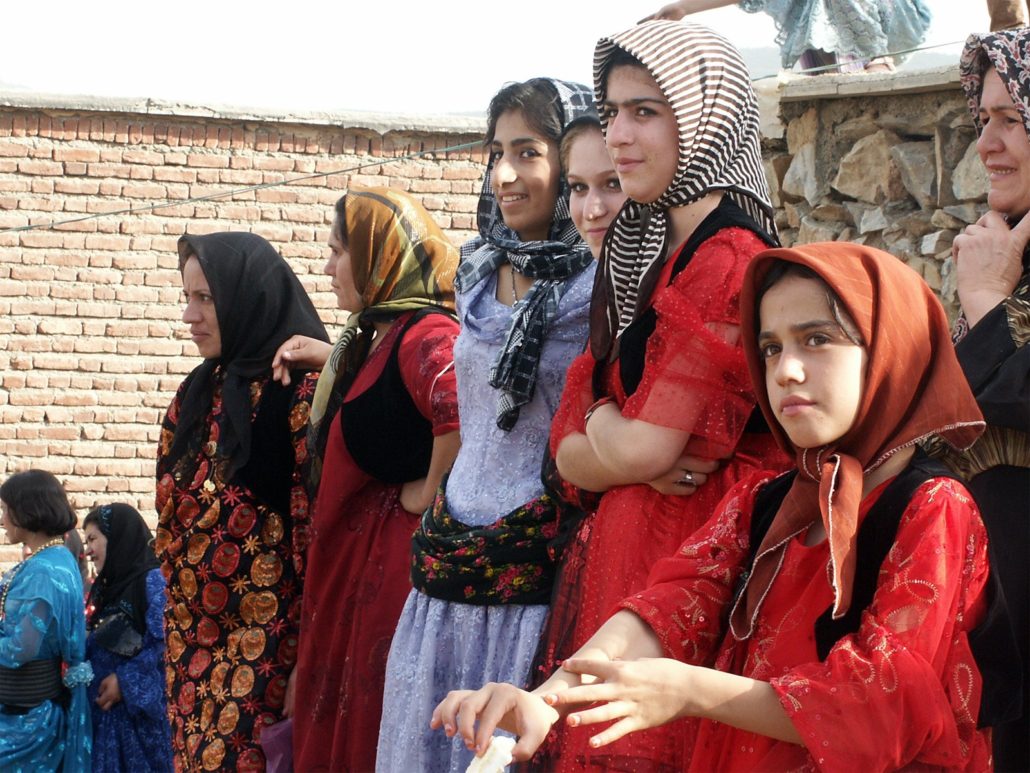
Menstruation is a normal, healthy part of life. However, for women and girls worldwide, having a period can be a barrier to attaining true gender equality. Period poverty in Iran is the result of many factors including misconception, lack of training and education, stigma and traditional, conservative religious beliefs. With “millions of women and girls [continuing] to be denied their rights to water, sanitation, hygiene, health, education, dignity and gender equity,” some are directing attention and resources to the menstrual equality movement.
Misconception and Restriction
In the Islamic Republic of Iran, taboos, misconceptions and social and cultural restrictions shadow menstruation for many women. A study among school girls in West Iran found that “41.2% of girls understood that menstruation is a normal physiological process in women,” leaving the majority of pubescent girls in this study to form inaccurate perceptions about this normal bodily function. In a similar study, 48% of Iranian girls stated they believed that menstruation was a disease. The feelings of confusion, panic and fear that accompany such beliefs can inhibit girls from experiencing true dignity and comfort in their bodies.
Cultural, religious and traditional beliefs have a significant impact on norms and attitudes. Islamic rules dictate various prohibitions for menstruating women. During menstruation, women cannot bathe, pray, enter a mosque, fast during Ramadan, touch the Quran or have sexual intercourse. Certainly, the level of restriction varies amongst communities and families, however, much of these restrictions predominate.
A study that occurred in secondary schools in the city of Tabriz, the most populous city in northwestern Iran, indicated that the majority of female students were able to access menstrual hygiene products. Specifically, out of the 1,000 students included in the study, two-thirds reported a favorable economic status and 95.6% reported using disposable pads during menstruation. Though these rates are encouraging, Iran’s poverty rates remain very high. After the last census in 2016, an Iranian economist estimated that 30 million Iranians were living in relative poverty and 12 million in absolute poverty. High poverty rates correlate to less access to water, sanitation and hygiene resources, including menstrual pads.
The Impact of Education
While organizations and governments can best tackle the complex issue of combating period poverty in Iran through collaboration across disciplines of education, urban planning, water and sanitation, a study out of Iran University of Medical Sciences and Health Services states that “health education is among the fundamental and successful approaches to health promotion.” It is promising, then, that in early 2019, a group of officials from the Iranian Ministry of Science and Health as well as the Vice President for the Women’s and Family Affairs, collaborated to create a document aimed at promoting sexual health awareness and education. The document provides guidance to empower teachers and parents, implement education packages and establish policies and interventions to promote indirect sexual education through media. This document is the first of its kind and marks a critical undertaking of improving adolescents’ sexual health education in Iran.
Training and education have a considerable influence and can help mitigate period poverty in Iran. One study found that the use of sanitary pads, as well as bathing and washing after urination or defecation during menstruation, were practices significantly elevated in groups of young girls that received training. The stakes of proper training are beyond fostering hygienic practices; education has a direct impact on health outcomes. Young girls who are first learning about menses are a particularly vulnerable group. Lacking information about menstruation can lead to anxiety and lowered self-esteem but also reproductive tract infections and pelvic inflammatory diseases. The International Journal of Pediatrics found that “young girls with better knowledge and practice toward menstrual hygiene are less vulnerable to adverse health outcomes.”
The Importance of Mothers
Iran can best take on the task of providing reproductive education to its youth by utilizing a critically helpful source: mothers. Countless studies state that the most efficient, culturally and religiously sensitive strategy to convey information to girls about menstruation involves families, mothers in particular.
A study by the International Journal of Preventive Medicine compared different training sources for adolescents’ menstrual health education. Its findings indicate that partnering parents and school trainers as equal stakeholders “leads to more successful results in health implementation.” Another study based out of Iran suggests that education to mothers could be even more effective than directly training adolescent girls themselves. With 61% of Iranian girls reporting that their mothers are the best source of information about menstrual hygiene, it is critical that mothers receive sufficient education so they can share accurate information with their daughters. It is urgent, ethical and resourceful to prioritize education and training for menstrual health management.
Organizations Addressing Women’s Health
While there are over 2,700 NGOs working in Iran on women and family affairs, including Relief International and Center for Human Rights in Iran, the work of Imam Ali’s Popular Student Relief Society, IAPSRS, has been substantial in the area of reducing period poverty in Iran. This prominent group includes 12,000 volunteer university students and graduates. It aims to promote social and economic justice by supporting marginalized children and women in the most problematic, marginalized neighborhoods in Iran. The organization has provided workshops about personal hygiene, birth control, maturity and sexually transmitted disease prevention, as well as deployed volunteer gynecologists for biannual disease screenings.
The work of this group is currently in jeopardy, however. In early March 2021, a court verdict dissolved the NGO, stating that it “deviated from [its] original mission and insulted religious beliefs.” The Human Rights Watch has already called on the U.N. High Commissioner for Human Rights to reverse this action and reinstate the organization.
The Period Equity Movement
The last decade has illuminated the need for a growing focus and global movement on menstrual health management. Significant developments have occurred to address the barriers facing girls and women all over the world, but the need for major overhauls in programming and policy agenda persists.
– Brittany Granquist
Photo: Flickr

Progress Regarding Women’s Rights in Oman
Before 1994, women in Oman did not have permission to vote. Before 2008, women did not have equal ownership of property compared to men. These are a small glimpse of many such fundamental rights that some countries deny women. Preconceived notions about the roles of women in society are difficult to alter after generations of their observance; however, Oman is starting to make significant strides towards progress in women’s rights.
Women’s Suffrage in Oman
In the 2003 elections in Oman, both men and women received an equal chance to vote for the first time. Women obtained permission to vote for members of the Majlis al-Shura, the elected governing body of Oman, and could even run as candidates in 2012. Commentator Muhammad Al Hinai observed that “society is becoming more aware of how important the woman’s role is, in pushing the wheels of development in the country along with men,” in a Gulf News interview. In the recent elections of Majlis al-Shura that took place in October 2019, 47.3% of voters were women, and government bodies have represented more than twice the number of women since the 2012 elections.
Omani Women’s Right to Equal Pay
Women in Oman face many day-to-day challenges, including their right to equal pay. Under the Basic Law of Oman’s government, women are entitled to the same wages and treatment as men. In practice, however, the law overlooks workplace discrimination and prejudices employers have against women. Women continue to face difficulty in gaining equal independence when they have to financially rely on their husbands to be the breadwinners of the family. Due to the lower pay, women in Oman are more likely to face greater financial struggles than men and are frequently unable to escape the cycle of poverty. Despite this issue, recent laws and articles have brought the gender wage gap to the forefront of Omani citizens’ attention.
The national daily Times of Oman reported that between 2010 and 2016, the wage for women increased more than 160%. The Omani Women’s Association, a non-governmental organization that emerged in 1972, is a prominent supporter of women’s rights in Oman. Its work promotes social justice and equal opportunities by encouraging women to apply for jobs and gain a source of income, eliminating dependence on family members. Opportunities that the organization offers include providing literacy classes, as well as setting up family programs to allow women to explore areas of interest outside of caretaking. The Omani Women’s Association currently has 58 associations across Oman.
Laws Regarding Marriage
Although Oman has made several breakthroughs regarding the ability of women to choose their spouses and divorce their husbands, the patriarchal system effectuates that women remain dependent on men. According to Article 17 in Oman’s Basic Law, women can marry freely. However, the Personal Status Law retains higher authority in matters of guardianship, child custody and inheritance. In exchange for protection, Omani women must bind themselves to their husbands and may not receive financial compensation if they divorce. As a result, women are unable to fully exercise their rights.
Nevertheless, the Government of Oman stipulated in a 2016 report that it was attempting to “[address] shortcomings in the application of the Personal Status Law by amending to ensure women’s optimal obtainment of their right.” In addition to granting women more fundamental freedom, the Government of Oman is building schools in order to provide women with education and improve the issue of women’s rights in Oman.
The Importance of Awareness About Women’s Rights in Oman
The first step in creating a progressive mindset in society is to inform and educate civilians. Without knowledge, countries like Oman cannot obtain change simply through legislation, and oftentimes, women in countries such as Oman are not even aware of their basic rights.
Awareness of rights and the necessity to challenge traditional thinking has led to the passing of many successful laws in Oman. In Oman’s capital of Muscat, Omani women held a three-day protest in front of the General Police Headquarters to advocate for women to gain better access to healthcare. While two of the women underwent unfair detainment without a proper hearing, authorities eventually released them imposing any charges on them.
Following the numerous demonstrations in the capital, the government of Oman attempted to pass laws to improve the state of women’s rights in Oman. For example, in 2008, Omani legislation passed a law that declared that courts would regard testimonies from both men and women as equal. In addition, a 2010 law stated that married Omani women no longer needed the consent of their husbands in order to acquire a passport, a law that established a great amount of freedom for women. Advocating for women’s rights is an essential component to empowering and supporting women in developing countries.
– Esha Kelkar
Photo: Flickr
The Silent Threat of Elderly Poverty in Turkey
Turkey is a divided nation, caught between ancient traditions and the promise of modernity. Turkey’s elderly population especially reflects this, as many of Turkey’s elderly struggle to adapt to the drastic changes in social, cultural and economic landscapes. Turkey has the second-fastest-growing elderly population in the OECD, and with this uptick in the elderly population looming on the horizon, the Turkish traditions of elderly care are being put to the test. Yet, with the government turning its attention elsewhere, the silent threat of elderly poverty in Turkey presents a national problem.
Upholding Tradition
In many Turkish traditions, care for the elderly is a key pillar of Turkish values. People in Turkey consider the elderly in family units essential, not only for the sake of respect and tradition but also for the wisdom, knowledge and support they provide for the family. In religious terms, numerous verses and Surahs of the Quran describe the virtuosity regarding caring for the elders, as well as the importance of responsibility for one’s family. Surahs illustrates this in 17:23, in which respect for the elderly receives particular emphasis. In addition, Doctor Nermin Ersoy and Doctorate student İnsaf Altun wrote for the Eubios Journal of Asian and International Bioethics stating that “In ancient Turkish societies the elders kept their existence after death. People believed that their spirit was living in the home.”
However, considering that expectations have determined that the elderly population in Turkey will triple by 2050, Turkey is facing a shortage of financial resources. The combination of these two factors presents an ominous future for the country’s elderly. One study by Statista found that 18.4% of Turkish elderly ages 65 and over already live in poverty. Another 2019 study from the European Social Policy network found that a whopping 9.4% of employed Turks aged 55-64 fell below the poverty line, ultimately amounting to uncared for and neglected elders.
Much-Needed Aid for Turkish Elderly
While the situation is bleak, some Turkish governmental agencies have worked to combat the effects of elderly poverty in Turkey. Prior to the pandemic, the Turkish government was beginning to work on revitalizing already existing elderly support programs. One such program, the Elderly Support Program, offers funding for elderly housing and care facilities, as well as reparative construction for existing civilian and community housing.
Another aid program aimed at helping Turks over the age of 60, the Caregiver Service Program, works to provide caregiving for seniors in need. The program provides financial support to the families of the elderly as well, citing the fact that more than 5.5 million people in the Turkish workforce earn less than the minimum wage, with the majority included in that figure caring for older family members. The Caregiver Service Program also raises awareness of elderly poverty and encourages younger generations to pursue careers in caregiving or related fields.
However, in the face of the COVID-19 pandemic, national support is not the only aid that some are offering to combat the silent threat of elderly poverty in Turkey. While the government implemented a quarantine for elderly Turks over the age of 65 to minimize the risk of COVID-19 for part of 2020, local organizations are also taking matters into their own hands. A local nonprofit in Istanbul dedicated to helping poverty-stricken Turks of all ages, Derin Yoksulluk Ağı (Deep Poverty Network), stated that even considering current government efforts and the inclusion of “old-age pension, [and] death compensation, even state aids are not enough to take people out of the poverty spiral.” Since the start of the pandemic, the Deep Poverty Network and organizations like it have worked to aid in alleviating the silent threat of elderly poverty in turkey.
The Future of Turkish Elderly Poverty
The current Turkish political landscape does not leave much room for the subject of elderly poverty in Turkey, with governmental attention focused on the more immediate political, economic and social struggles in Turkey. Without receiving the attention of Turkish leadership, the issue of elderly poverty has turned into a silently looming threat. With projections determining that the elderly population will triple by 2050, the silent threat of elderly poverty in Turkey still remains an issue. However, with the continued efforts of state programs and local assistance from organizations like the Deep Poverty Network, hope exists the outlook for Turkey’s elderly population.
– Maddie Youngblood
Photo: Unsplash
Elderly Poverty in the Netherlands
The Netherlands is a country in northwestern Europe, neighboring Belgium to the south, Germany to the east and the North Sea to the north and west. A founding member of NATO, the E.U. and the OECD, the Netherlands has the world’s 18th largest economy and the sixth-largest in the European Union. With a life expectancy of 81.95 years and a relatively low birth rate, Dutch society is aging. Nevertheless, the Dutch seem to be doing so gracefully, as the rates of elderly poverty in the Netherlands are the lowest in the OECD. Here is the current situation regarding elderly poverty in the Netherlands and what the country is doing about it.
The Current Situation
Like most other European countries, the population of the Netherlands is aging. As of 2020, approximately 19% of the population is aged 65 and older, lower than the European average of 20.5% but higher than the U.S. figure of 17%. In 2016, the rate of elderly poverty in the Netherlands was only 3.1%. Elderly poverty in the Netherlands is the lowest within the OECD and much lower than the U.S. rate of 23%, the highest rate of elderly poverty within the OECD.
The good news for those in their golden years in The Netherlands does not stop there. Households that people aged 65 and older head in the Netherlands saw their capital increase from an average of 22,000 Euros annually in 1995 to 86,500 Euros in 2015. The income of this age group is five times higher than that of an average Dutch household. During the late 1990s, only about one in three elderly Dutch persons were homeowners, but by 2015 more than half owned their own homes. The risk of those aged 65 and over falling into poverty has also decreased over the past 20 years.
The Dutch Pension System
The Dutch pension system rests on three pillars: a flat-rate state pension, supplemental occupational pensions and voluntary private pension provisions. The first pillar, a flat-rate state pension, receives financing through payroll taxes paid to residents 67 years of age and older. Supplemental occupational pensions, the second pillar of the system, consist of additional occupational pensions accrued during employment. The third pillar is the voluntary private pension system, through either endowment insurance or annuity insurance. Together, these three assistance sources have provided a stable income source for older adults in the Netherlands.
The Melbourne Mercer Global Pension Index has classified the Dutch pension system as a B+ system, one of the best in the world. Only Australia has an equal rating for its pension system, and only Denmark’s pension system ranks higher with an A rating. The U.S. pension system, by comparison, obtained the rating of being a C system. A B+ pension system is defined as having a sound structure but with some room for improvement, while a C system has some positive features but significant shortcomings.
Extensive Home Ownership
According to Statistics Netherlands, increased capital among the elderly, which decreases the chances of slipping into poverty, lies in extensive homeownership. More than half of elderly homeowners own a home with a market value above the original purchase price.
Universal Health Care
Dutch law requires all residents to have a private health insurance policy, and insurers must accept every applicant. Furthermore, a national insurance system for long-term care such as nursing homes and exceptional medical expenses exists in the Netherlands. This insurance is mandatory and paid for through public insurance contributions. There seems to be a clear relationship between elderly poverty and health care spending. Among OECD countries, the Netherlands has the second-highest health care spending and the lowest rate of elderly poverty.
The picture has not been so rosy for the entire elderly population of the Netherlands. Elderly poverty in the Netherlands among those of non-Western background, who made up 6% of the total elderly population in 2020, is higher than that of the native Dutch. Income levels and life expectancy are lower among these groups than they are among native Dutch elders. This is an issue of concern, which reflects the disparity within larger Dutch society between natives and those of non-Western migrant backgrounds.
Tens of thousands of older people in the Netherlands do indeed live in poverty. Still, the low rate of poverty and significant financial success of the vast majority of older people in the Netherlands suggests that the system is working well for most.
– Adam Abdelaziz
Photo: PIXY
CIASPE Improves Food Security in Mexico
CIASPE Mexico
CIASPE is working toward food security and sustainability by empowering families and communities through education. CIASPE is located in the central Mexican city of Querétaro, and its food system designs continue to spread through Latin America. Additionally, CIASPE offers training and consultation services that range from the fundamentals of agriculture to the latest innovations in sustainability. CIASPE was founded in 2011 by agronomist and agricultural engineer Gabriela Lucas Deeke. Deeke strives to equate food sovereignty with food security. Furthermore, she works to give communities the tools and know-how to provide for themselves.
Gabriela Lucas Deeke
Deeke has a master’s degree in integrated watershed management from the Autonomous University of Querétaro and another master’s degree in rural tourism from the University of Argentina. In addition, Deeke served 10 years in public service with the Ministry of Agriculture. Furthermore, she took courses in bio-intensive agriculture, which studies how to achieve the biggest crops out of the smallest plots of land.
Deeke’s dream is to give rise to conscious farmers and ensure families can live off what they produce. Additionally, Deeke and CIASPE strive to teach people about the importance of giving back and creating sustainable systems. The organization’s courses reflect this holistic yet practical approach to agriculture.
Agricultural Education
CIASPE offers courses on the fundamentals of farming, advanced practices in sustainability and much more. It opens with basics such as raising poultry, sheep and rabbits. Additionally, it offers a kitchen workshop that focuses on basic nutritional education. The organization preaches respect and care for the land through courses such as agroecology farming, which focuses on making the best use of nature without doing damage to the resource or land. Lastly, it seeks to complete the circle of life with a workshop on composting.
This philosophy runs counter to many of the farming practices deployed today. For example, pesticides and over-farming detract from the nutrients of the crops on an industrial scale. This renders the land useless in the long term. In addition, local impoverished farmers often resort to shortcuts that are ultimately detrimental to their yield and their health. CIASPE looks to combat these harmful practices from the ground up through its educational offerings and focus on the family unit.
Food Sovereignty
CIASPE’s team believes that food security in Querétaro, Mexico, Latin America and beyond can be achieved family by family, community by community. The organization collaborates with other NGOs, schools and entrepreneurs to plant community gardens. Additionally, it employs women who work in handicrafts to help facilitate the sales of surplus produce. CIASPE’s family projects provide a blueprint on how families can live sustainably.
CIASPE works extremely hard to equip communities with everything that they need to be self-sufficient today, tomorrow and in all years to come.
– Greg Fortier
Photo: Flickr
Renewable Energy in Poland
Over 1.3 million Polish households struggle to pay for electricity, hot water and heating. Energy poverty, broadly defined as the inability to secure basic energy needs, forces people to choose between risking adverse health effects from poor living conditions and reducing their consumption of basic goods, such as food and drink. Spurred by the E.U.’s ambitious plan to reduce carbon emissions by 55% by 2030 (from 1990 levels), Poland’s green transition will alleviate energy poverty within its borders. At first, the transition away from fossil fuels may increase energy costs and leave Poland’s 80,000 coal workers unemployed. Over time, however, renewable energy will lead to cheaper and cleaner energy and create more jobs than it makes obsolete. Investment in and support of renewable energy in Poland brings not only commercial benefits but also healthier and more affordable living conditions.
Energy Poverty in Poland
Energy poverty has been decreasing in Poland over the last decade and a half, but the COVID-19 pandemic risks temporarily reversing this trend. From 2007 to 2017, the percentage of people who were unable to adequately heat their living space decreased from 22.7% to 6%. From 2014 to 2017, the percentage of people falling behind on utility bill payments dropped from 14.4% to 8.5%. These figures are promising.
However, increases in Polish incomes, rather than updated energy infrastructures alone, also drove these trends. The “Family 500 plus” program, for example, has helped many Poles meet energy costs. The Law and Justice party established it in 2016 to provide 500PLN per child in monthly childcare benefits for all multi-child households and poorer single-child households. Energy sourcing patterns prevent a less rosy outlook: from 2013 to 2016, the share of electricity produced through renewable energy in Poland actually decreased, and coal still generates over 75% of Polish electricity.
Against this backdrop, COVID-19 and the government’s lockdown response have and will continue to strain people’s energy budgets: increasing the time people spend in a home in need of heating and decreasing people’s incomes by stalling the economy.
Policies and Programs in Poland
Poland has enacted a number of policies and programs in response to its over-reliance on coal. Through the Clean Air program, launched in 2018, Poland plans to invest $30 billion in clean heating. Many Poles still heat their homes through coal-fired furnaces, which emit harmful gasses into the air. Polish households use up 12 million tonnes of coal annually, around two-thirds of the E.U.’s total consumption. Every year, as many as 48,000 deaths in Poland result from poor air quality. By the end of 2020, the program had only removed about 70,000 of Poland’s three million coal-fired heating systems, but its investment efforts will continue until at least 2029.
There have also been social initiatives that have addressed the burden of polluting heating systems. The “FINE Power Engineering – Civic energy” initiative, for example, sets up social energy cooperatives that enable rural regions to become more energy independent. Launched by the Schneider Electric Foundation and Ashoka, an organization promoting social entrepreneurship, this program provides services such as helping communities set up solar panels for local energy production.
Renewable Energy in Poland
Although Poland still contains 36 of the 50 most polluted cities in Europe, recent foreign investment in renewable energy in Poland suggests a bright future for its green transition. The U.S., France and South Korea are in talks with Poland about investing in nuclear energy, one of the cleanest forms of power. A Danish company, Orsted, is jointly developing two offshore wind farms with PGE, Poland’s biggest power group. Internal politics have sometimes and may continue to complicate Poland’s shift away from coal. However, in the long term, Poland’s changing energy landscape, facilitated by domestic and foreign policies and investment, will lift many Poles out of energy poverty and raise their economic and health-related standards of living.
– Alexander Vanezis
Photo: Wikipedia Commons
Migrant Children Seeking Asylum in the US
Causes and Temporary Solutions
The increase in migrant children can be linked to a combination of several factors. Firstly, natural causes. The coronavirus pandemic, coupled with devastating hurricanes in Central America, has compounded pre-existing conditions such as violence and poverty. Secondly, the reversal of Trump-era policies has restored hope to migrants who were previously denied entrance into the U.S.
To respond to the increase in asylum seekers, President Biden has restored border facilities to full capacity. Biden has also restarted programs allowing migrants to apply for asylum from their home countries rather than having to make the perilous journey to the border.
Perhaps most debated is Biden’s decision to reopen the Carrizo Springs influx facility in Texas for children aged 13 to 17. The facility has drawn comparisons to a McAllen, Texas, processing center used by both the Obama and Trump administrations where children were enclosed in chainlink fences and forced to sleep on the ground. Child welfare advocates are concerned about Biden’s decision because the Carrizo Springs facility is not licensed to house children. However, they generally agree that the facility is an improvement over the McAllen housing used during the Trump presidency.
Political Tightrope
While Biden’s reversal of the restrictive immigration policies created by Trump will increase the number of refugees granted legal entrance into the United States, a bigger question remains on how to improve conditions in migrant countries of origin in the face of COVID-19, extreme weather, climate change and violence. Addressing these conditions will eliminate the need for migration entirely, resolving many of the issues associated with migration to the U.S.
The process of softening the restrictions put in place by the previous two administrations is a lengthy and complicated one. Biden faces pressure to open the border from the left and pressure to close it from the right. Through the U.S. Citizenship Act of 2021, Biden has put forth a $4 billion four-year plan to improve living conditions in Honduras, El Salvador and Guatemala, the home countries of many of the migrants who have arrived at the U.S.-Mexico border to seek asylum. These improvements will alleviate migration to the U.S.
The Road Ahead
Biden is walking a political tightrope by working to address root causes while simultaneously continuing Obama and Trump-era border practices. He also faces the tangible challenge of lacking the capacity to process the sheer numbers of migrant children arriving daily. Whether or not Biden can deliver on the promises he made in his campaign remains to be seen but it is certain that the U.S. is understandably trying to adopt an approach that safeguards both the well-being of migrants as well as that of the United States.
– Kieran Hadley
Photo: Flickr
Combating Period Poverty in Iran
Menstruation is a normal, healthy part of life. However, for women and girls worldwide, having a period can be a barrier to attaining true gender equality. Period poverty in Iran is the result of many factors including misconception, lack of training and education, stigma and traditional, conservative religious beliefs. With “millions of women and girls [continuing] to be denied their rights to water, sanitation, hygiene, health, education, dignity and gender equity,” some are directing attention and resources to the menstrual equality movement.
Misconception and Restriction
In the Islamic Republic of Iran, taboos, misconceptions and social and cultural restrictions shadow menstruation for many women. A study among school girls in West Iran found that “41.2% of girls understood that menstruation is a normal physiological process in women,” leaving the majority of pubescent girls in this study to form inaccurate perceptions about this normal bodily function. In a similar study, 48% of Iranian girls stated they believed that menstruation was a disease. The feelings of confusion, panic and fear that accompany such beliefs can inhibit girls from experiencing true dignity and comfort in their bodies.
Cultural, religious and traditional beliefs have a significant impact on norms and attitudes. Islamic rules dictate various prohibitions for menstruating women. During menstruation, women cannot bathe, pray, enter a mosque, fast during Ramadan, touch the Quran or have sexual intercourse. Certainly, the level of restriction varies amongst communities and families, however, much of these restrictions predominate.
A study that occurred in secondary schools in the city of Tabriz, the most populous city in northwestern Iran, indicated that the majority of female students were able to access menstrual hygiene products. Specifically, out of the 1,000 students included in the study, two-thirds reported a favorable economic status and 95.6% reported using disposable pads during menstruation. Though these rates are encouraging, Iran’s poverty rates remain very high. After the last census in 2016, an Iranian economist estimated that 30 million Iranians were living in relative poverty and 12 million in absolute poverty. High poverty rates correlate to less access to water, sanitation and hygiene resources, including menstrual pads.
The Impact of Education
While organizations and governments can best tackle the complex issue of combating period poverty in Iran through collaboration across disciplines of education, urban planning, water and sanitation, a study out of Iran University of Medical Sciences and Health Services states that “health education is among the fundamental and successful approaches to health promotion.” It is promising, then, that in early 2019, a group of officials from the Iranian Ministry of Science and Health as well as the Vice President for the Women’s and Family Affairs, collaborated to create a document aimed at promoting sexual health awareness and education. The document provides guidance to empower teachers and parents, implement education packages and establish policies and interventions to promote indirect sexual education through media. This document is the first of its kind and marks a critical undertaking of improving adolescents’ sexual health education in Iran.
Training and education have a considerable influence and can help mitigate period poverty in Iran. One study found that the use of sanitary pads, as well as bathing and washing after urination or defecation during menstruation, were practices significantly elevated in groups of young girls that received training. The stakes of proper training are beyond fostering hygienic practices; education has a direct impact on health outcomes. Young girls who are first learning about menses are a particularly vulnerable group. Lacking information about menstruation can lead to anxiety and lowered self-esteem but also reproductive tract infections and pelvic inflammatory diseases. The International Journal of Pediatrics found that “young girls with better knowledge and practice toward menstrual hygiene are less vulnerable to adverse health outcomes.”
The Importance of Mothers
Iran can best take on the task of providing reproductive education to its youth by utilizing a critically helpful source: mothers. Countless studies state that the most efficient, culturally and religiously sensitive strategy to convey information to girls about menstruation involves families, mothers in particular.
A study by the International Journal of Preventive Medicine compared different training sources for adolescents’ menstrual health education. Its findings indicate that partnering parents and school trainers as equal stakeholders “leads to more successful results in health implementation.” Another study based out of Iran suggests that education to mothers could be even more effective than directly training adolescent girls themselves. With 61% of Iranian girls reporting that their mothers are the best source of information about menstrual hygiene, it is critical that mothers receive sufficient education so they can share accurate information with their daughters. It is urgent, ethical and resourceful to prioritize education and training for menstrual health management.
Organizations Addressing Women’s Health
While there are over 2,700 NGOs working in Iran on women and family affairs, including Relief International and Center for Human Rights in Iran, the work of Imam Ali’s Popular Student Relief Society, IAPSRS, has been substantial in the area of reducing period poverty in Iran. This prominent group includes 12,000 volunteer university students and graduates. It aims to promote social and economic justice by supporting marginalized children and women in the most problematic, marginalized neighborhoods in Iran. The organization has provided workshops about personal hygiene, birth control, maturity and sexually transmitted disease prevention, as well as deployed volunteer gynecologists for biannual disease screenings.
The work of this group is currently in jeopardy, however. In early March 2021, a court verdict dissolved the NGO, stating that it “deviated from [its] original mission and insulted religious beliefs.” The Human Rights Watch has already called on the U.N. High Commissioner for Human Rights to reverse this action and reinstate the organization.
The Period Equity Movement
The last decade has illuminated the need for a growing focus and global movement on menstrual health management. Significant developments have occurred to address the barriers facing girls and women all over the world, but the need for major overhauls in programming and policy agenda persists.
– Brittany Granquist
Photo: Flickr
Examining USAID Programs in Ukraine
Seven years after the onset of the conflict in Crimea, President Joe Biden reaffirmed the United States’ support of Ukraine in the country’s ongoing struggle with Russia over the Crimean Peninsula. President Biden’s statement in support of those in the country working, “towards a peaceful, democratic and prosperous future,” comes as USAID programs in Ukraine continue to help deal with the aftermath of the conflict while also assisting with the ongoing COVID-19 crisis and other healthcare issues.
USAID Relief During the Crimean Conflict
The Russian occupation of Crimea and the ensuing discord in the region have resulted in over 3,000 civilian deaths and led to 1.5 million people becoming internationally displaced persons. As a result of the continuing effects of the hostilities in Eastern Ukraine, USAID has partnered with the Ukrainian Helsinki Human Rights Union to assist in helping victims of the conflict with legal matters.
In January 2021 alone, the partnership addressed 393 appeals for legal assistance. This followed a year in which the partnership addressed over 300 appeals for legal assistance each month on subjects ranging from illegal detentions and torture, reimbursement of damages and legislation related to social protection.
Similarly, USAID has also continued to support the U.N.’s efforts to help the populace in Eastern Ukraine. Since 2014, USAID programs in Ukraine have provided more than $88 million in aid towards providing food, shelter, protection and other forms of relief to affected people in the region.
USAID Healthcare Support in Ukraine
In 2021, USAID began participating in the U.N.’s 2021 Humanitarian Response Plan for Ukraine by supporting eight non-governmental organizations in their efforts to protect vulnerable populations in the area including the elderly, children and people in remote communities. The U.N. plan aims to provide aid to 1.9 million of the most vulnerable people in Eastern Ukraine in order to help improve their living conditions and assist in key areas like healthcare and sanitation during the ongoing COVID-19 crisis. USAID supports multiple areas of the plan including cash assistance and pandemic response programs.
One such program that has received support is WASH, an initiative to provide sanitation awareness, education and access to vulnerable communities including children and families. The U.S. government gave $6.9 million to WASH in 2020 to help the program achieve those goals through tactics like the distribution of hygiene commodities and the installation of public handwashing stations.
Pandemic Relief
USAID’s pandemic relief extends beyond U.N.-related initiatives as well. Thus far, the United States has given $29 million worth of aid to Ukraine to help combat the spread of COVID-19. That aid has helped provide key medical equipment and supplies to the country. For example, the U.S. embassy in Ukraine announced in February 2021 that USAID provided $1 million worth of oxygen stations to 15 different Ukrainian hospitals in order to treat severe COVID-19 cases.
Additionally, USAID programs in Ukraine have targeted healthcare issues in the country beyond the pandemic. This includes initiatives such as USAID’s new partnership with Ronald McDonald House Charities to support family healthcare in the country through efforts like a national education program to improve Ukraine’s medical systems. This joint effort marked the first partnership between USAID and Ronald McDonald House Charities, a nonprofit that currently operates in five public hospitals in Ukraine.
Through programs and initiatives like these, USAID continues to work towards its goal of helping facilitate a secure, healthy and self-reliant country for the Ukrainian people in the midst of the ongoing Crimean conflict.
– Brett Grega
Photo: Flickr
Healthcare in Barbados: Combating COVID-19
Healthcare aids in the prevention, treatment and diagnosis of an illness. Healthcare has greatly improved through research and newly discovered science and medicine. Although, the outbreak of COVID-19 has hurt many populations around the world. As a result, healthcare was forced to adapt radically and rapidly. According to the World Health Organization (WHO), almost every country experienced a disruption to its health services. Low and middle-income countries reported the greatest difficulties. However, Barbados’s response to the COVID-19 crisis has proven to be more successful than other nations.
Barbados
Healthcare in Barbados is of high standard and easily accessible to everyone. The Queen Elizabeth hospital has about 600 beds and offers care in areas such as radiology and obstetrics. Furthermore, there are eight government Polyclinics that provide free medical treatment for minor ailments, five Geriatric hospitals for elderly care and a network of Child Care facilities. With a population of about 287,375 people, the country has seen around 365 COVID-19 cases and seven deaths.
Combatting the Virus
The Pan American Health Organization (PAHO) planned to strengthen laboratory capacity for early detection of COVID-19. Barbados ‘Bet-dos Santos Public Health Laboratory’ became one of the first in the Caribbean to acquire test kits and reagents for COVID-19 detection. Additionally, Barbados received concurrent training of laboratory personnel in the new testing protocol.
According to Barbados Today, COVID-19 patients were receiving an experimental drug called Remdesivir and were recovering quickly in April. The doctor leading the trial said, “the patients taking part in a clinical trial of the drug have all had severe respiratory symptoms and fever but were able to leave the hospital after less than a week of treatment.”
Barbados’s government established a COVID Rapid Response Unit and a COVID Engagement Unit to monitor quarantine sites and crack down on violation of COVID-19 protocols. A Cuban medical team in Barbados won the 2021 Nobel Peace Prize for its outstanding work in response to the COVID-19 pandemic in December. David Comissiong, the Ambassador of Barbados to CARICOM (Caribbean Community) nominated the nation. Additionally, medical teams have gone to up to 38 countries and 12 Caribbean countries.
Adjusting for Visitors
Barbados is a popular tourist hotspot and it still wishes to accommodate visitors. The government created the Welcome Stamp, a new visa for remote workers. This visa allows visitors to stay for up to 12 months and work remotely. According to the Insider, Barbados’s new incentive allows people to relocate to a popular destination and still continue to work from home. Barbados had 1,693 Welcome Stamp applications by the end of October. Travel guidelines have been implemented to prevent the spread of the virus. Thus, airports require health screening procedures and quarantine procedures.
Barbados is a thriving country that successfully utilizes its accessibility to healthcare. Healthcare in Barbados is vital. The country is not selfish or prejudice with its medical management. Furthermore, it lives by an egalitarian system regarding health protection. Barbados has used its resources to aid other countries and provide solutions and trials to carriers of the virus. The country and its medical teams will continue to take the proper precautions to protect its inhabitants and those in other countries.
– Thomas Williams
Photo: Flickr
The Need for a New Approach to HIV/AIDS in Iran
Iran discovered its first case of HIV/AIDS in 1987. Now, over 30 years later, UNAIDS estimates that more than 59,000 people are living with HIV/AIDS in Iran. While Iran has had success managing its HIV/AIDS epidemic in the past, shifting conditions surrounding the spread of the disease has made prior prevention plans obsolete. Iranian non-governmental organizations (NGOs) are taking a new approach to help tackle the present crisis.
HIV/AIDS in Iran
Avert is an organization working in HIV/AIDS education. According to its reports, the Middle East and North Africa (MENA) region, the area where Iran is located, has the fewest HIV/AIDS infections in the world. However, a concerning aspect of the region’s HIV/AIDS epidemic is that so few people are aware of their infected status. Of the estimated 59,000 people living with HIV (PLHIV) in Iran, UNAIDS estimates that only 22,000, or 37%, know that they are carrying the disease. By comparison, only about 15% of PLHIV in the United States are unaware of their status.
This lack of awareness amongst Iranian PLHIV is concerning both in its implications for the quality of life of those individuals, but also in its potential to increase the spread of the virus. This is part of the reason why Iran continues to see the steady spread of HIV/AIDS. According to UNAIDS, while new infections are down from a spike in 2004, Iran saw more than 4,000 new infections in 2019. The AP reports that this increase could be due to the rising prevalence of sexually transmitted cases of HIV/AIDS in Iran, where infection by contaminated drug injection has traditionally fueled the country’s crisis.
Knowledge and Perceptions of HIV/AIDS in Iran
The unknown status of many Iranian PLHIV results from larger issues surrounding Iran’s attitude towards the virus. Specifically, a lack of education regarding HIV/AIDS and prevailing cultural stigma towards PLHIV impacts how Iranians treat the virus and those living with it.
A 2013 survey showed that public education about HIV/AIDS in Iran is limited. The survey included 4,950 participants, each of whom had to fill out a questionnaire regarding their understanding of and attitudes towards HIV/AIDS.
The results of this survey showed that more than 80% of participants were aware that HIV/AIDS could spread through sexual contact or the sharing of a needle with a person with HIV/AIDS. In addition, 70% of participants knew that the use of a condom decreases the likelihood of contracting the virus during sex. However, despite this understanding, only 21.8% of respondents consistently used a condom during sex. This is particularly concerning given the rising role of sexual transmission in the spread of the disease in Iran.
The survey also revealed high stigmatization of PLHIV by respondents. Among respondents, 43% believed that HIV was a “fair punishment,” for “sins of the past,” and 48.6% said that they would stop interacting with somebody who contracted HIV.
Stigma towards PLHIV in Iran results from numerous factors. Misunderstandings about the spread of HIV/AIDS are part of the equation. Due to cultural norms, the association of HIV/AIDS with drug use, homosexuality and premarital sex have led to the widespread nonacceptance of PLHIV, a sentiment echoed in the aforementioned survey.
A New Approach to HIV/AIDS in Iran
Fortunately, NGOs in Iran exist that are advancing a more compassionate and effective approach to HIV/AIDS. The Tehran Positive Club is one such organization. The club devotes itself to assisting Iranian PLHIV, educating the public about HIV/AIDS and reducing the stigma against PLHIV. It provides services to PLHIV including counseling, group therapy, material support and vocational training.
Based out of Iran’s capital, the Tehran Positive Club has thousands of members and multiple branches throughout the country, including in populous cities like Isfahan, Kermanshah and Qom.
By providing material support, the Tehran Positive Club hopes to alleviate the social and psychological trauma that societal stigmatization causes PLHIV. And by increasing public understanding about the disease, it seeks to eliminate the prevailing cultural stigmata that result from misinformation. Reducing stigmatization creates empathy for PLHIV and raises the likelihood that more Iranians will receive testing for the disease, thereby reducing its spread and increasing the chances of survival for the unwittingly infected.
In 2016, the Tehran Positive Club received the Red Ribbon Award from UNAIDS for its work with the HIV/AIDS epidemic in Iran. Though the organization already has powerful allies at home and abroad, including the Iranian Research Center for HIV/AIDS and the United Nations Development Program, increased foreign aid would undoubtedly help further its mission and turn the tide of Iran’s HIV/AIDS epidemic.
– Joseph Cavanagh
Photo: Creative Commons