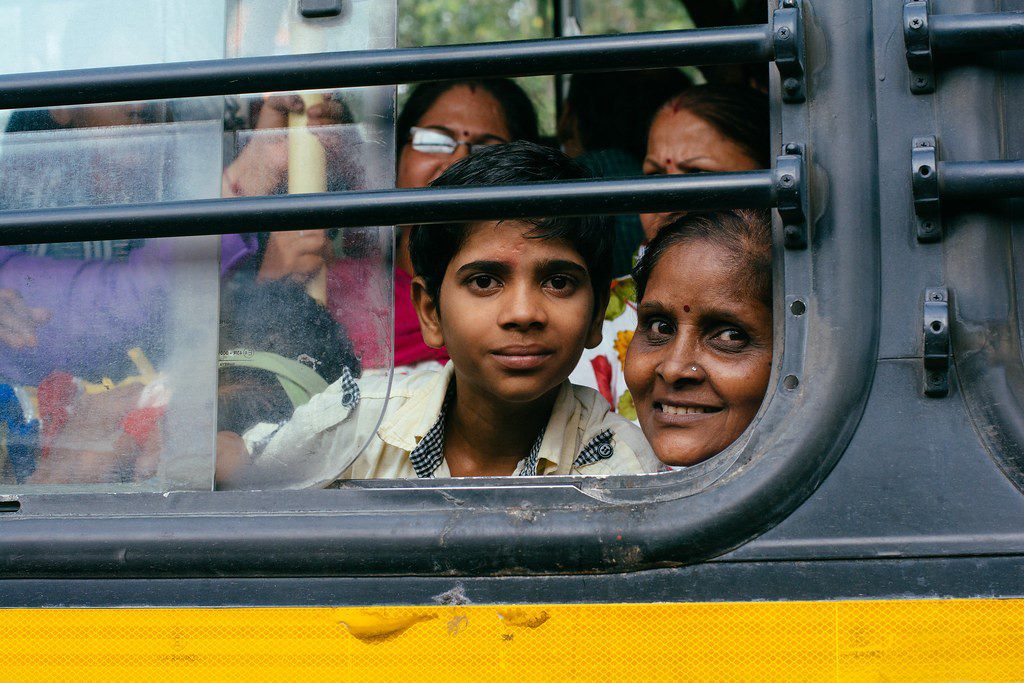
The Supreme Court of India identified the growing number of car accidents as a “National Emergency.” About 12% of the world’s road accidents involve Indians. They own less than 3% of the globe’s vehicles. This created a decrease in car safeness in India. With over five lakh accidents recorded each year, India records the highest road fatalities, a lop-sided track record in comparison to countries with high motorization rates.
Jai Prakash Sharma, a taxi driver in Mumbai since 2008, believes the primary reason behind the increase in accidents is careless drivers. Despite the implementation of stringent rules and heftier fines, there is still a great deal of misconduct. “As far as taxi drivers are concerned, they try their best to drive with caution as the implications of a road fatality can be financially crippling, especially following a pandemic,” he said. Studies have found that road fatalities in India have a direct impact on poverty and low-income households. Moreover, they promote rural-urban inequality and impede India’s prosperity.
Road Crashes and Poverty
In India, the majority of accidents involve pedestrians, cyclists or motorcyclists who often belong to the low-middle income strata. According to Ashok Kumar Yadav, a 43-year-old cab driver in Mumbai, road fatalities will rise as people prefer personal vehicles or even walking over public transport due to safety and affordability issues.
A World Bank survey in India indicated that more than 75% of the low-income households experienced a sharp decline in living standards following a major accident. Yadav said the aftermath of the accidents drains four to five months of his salary. Data has shown that the impact of an accident can use seven months of earnings in low-income households, whereas high-income families use up only one month of earnings. Yadav said, “I involuntarily have to borrow to compensate for hefty medical and repair costs because my earnings and savings are not enough.”
Road Crashes and Rural-Urban Disparity
Statistics have pointed out that road fatalities have elevated inequality in India. The drop in income post-crash was highest in lower-income households (LIH) in rural areas (56%). High-income households (HIH) in rural areas (39.5%) and LIH in urban areas (29.5%) followed this statistic. Indian Union transport minister, Nitin Gadkari, released this report. The relationship between the drop in income at the place of the crash is, in part, representative of the rampant rural-urban disparity in India.
A World Bank and Save Life Foundation study has suggested that low-income households in rural areas are more prone to road fatalities. In fact, this number is four times more than low-income households in urban areas. The report also determined that low-income households reported twice the number of deaths in comparison to high-income families.
Jai Prakash explained the majority of the taxi drivers have only minimum health insurance coverage. Therefore, individuals sustaining major injuries pay medical bills out-of-pocket. Consequently, they arranged money to begin medical procedures.
Road Crashes and Women
Rajiv Manda, a veteran among other taxi drivers, worries about the consequences of a car accident. It would not only put him out of work but also burden his wife and kids to provide for the family. He said, “When a sole jobholder (typically a man) in a low-income household loses their job, the added load often is assumed by the women in the family.” In fact, about 11% of women from affected families take up extra work to mitigate the financial woes of the family. As a result, about 40% reported a change in working patterns, while 50% experienced a substantial drop in livelihoods.
Road Crashes and Prosperity
The latest findings by India’s government and the World Health Organization (WHO) reveal car accidents as the primary cause of death among the age group of five to 29. The lack of car safeness in India reflects this information. Rajiv Manda blames the recklessness and negligence of young drivers. He said, “Young vehicle users often drive in high spirits, which is a recipe for trouble.”
Such deaths prevent a dynamic pool of youth from having a productive impact on the country. The cost of loss in productivity, combined with the obligation on police, courts, healthcare and insurance systems, aggregates to a massive 3% of India’s GDP or 4.3 lakh crore annually. A World Bank study has shown that if India manages to halve road deaths and injuries between 2014 and 2038, it could uplift India’s GDP by 14%.
Solutions
The Indian government has introduced a National Road Safety Policy and a Motor Vehicles Amendment Bill. This will improve safety requirements, law enforcement and victim assistance, and subsequently reduce road fatalities. Additionally, the government has launched a variety of initiatives to generate awareness about the issue.
Yadav is thankful for these measures but feels that the government should improve healthcare services and post-crash care. For example, he explained that the current car insurance procedures are counterproductive. Drivers frequently have to leave their taxis at the insurance office to undergo car inspection to claim car insurance, forcing them to forgo work.
Conclusion
Road accidents can have injurious effects on the financial stability of low-income families. They can also shove them into vicious depths of poverty, disproportionately impacting poor families and women. The lack of car safeness in India highlights the rural-urban divide in the country.
– Prathamesh Mantri
Photo: Flickr

10 Facts About the Ervebo Ebola Vaccine
10 Facts About the Ervebo Ebola Vaccine
The Future
One cannot undo the damage of past outbreaks but the Ervebo Ebola vaccine may be a valuable tool for future Ebola prevention efforts. As the vaccine becomes widely available in future years, the World Health Organization hopes the population of West Africa will achieve herd immunity against the disease, eradicating the spread of EVD. The technology used in the development of the Ebola vaccine will also aid in the quick development of vaccines for future global outbreaks. As the world continues to struggle against COVID-19, the success of Ervebo provides a blueprint for the prevention and mitigation of future epidemics.
– Eliza Browning
Photo: Flickr
Car Safeness in India May Contribute to Poverty
The Supreme Court of India identified the growing number of car accidents as a “National Emergency.” About 12% of the world’s road accidents involve Indians. They own less than 3% of the globe’s vehicles. This created a decrease in car safeness in India. With over five lakh accidents recorded each year, India records the highest road fatalities, a lop-sided track record in comparison to countries with high motorization rates.
Jai Prakash Sharma, a taxi driver in Mumbai since 2008, believes the primary reason behind the increase in accidents is careless drivers. Despite the implementation of stringent rules and heftier fines, there is still a great deal of misconduct. “As far as taxi drivers are concerned, they try their best to drive with caution as the implications of a road fatality can be financially crippling, especially following a pandemic,” he said. Studies have found that road fatalities in India have a direct impact on poverty and low-income households. Moreover, they promote rural-urban inequality and impede India’s prosperity.
Road Crashes and Poverty
In India, the majority of accidents involve pedestrians, cyclists or motorcyclists who often belong to the low-middle income strata. According to Ashok Kumar Yadav, a 43-year-old cab driver in Mumbai, road fatalities will rise as people prefer personal vehicles or even walking over public transport due to safety and affordability issues.
A World Bank survey in India indicated that more than 75% of the low-income households experienced a sharp decline in living standards following a major accident. Yadav said the aftermath of the accidents drains four to five months of his salary. Data has shown that the impact of an accident can use seven months of earnings in low-income households, whereas high-income families use up only one month of earnings. Yadav said, “I involuntarily have to borrow to compensate for hefty medical and repair costs because my earnings and savings are not enough.”
Road Crashes and Rural-Urban Disparity
Statistics have pointed out that road fatalities have elevated inequality in India. The drop in income post-crash was highest in lower-income households (LIH) in rural areas (56%). High-income households (HIH) in rural areas (39.5%) and LIH in urban areas (29.5%) followed this statistic. Indian Union transport minister, Nitin Gadkari, released this report. The relationship between the drop in income at the place of the crash is, in part, representative of the rampant rural-urban disparity in India.
A World Bank and Save Life Foundation study has suggested that low-income households in rural areas are more prone to road fatalities. In fact, this number is four times more than low-income households in urban areas. The report also determined that low-income households reported twice the number of deaths in comparison to high-income families.
Jai Prakash explained the majority of the taxi drivers have only minimum health insurance coverage. Therefore, individuals sustaining major injuries pay medical bills out-of-pocket. Consequently, they arranged money to begin medical procedures.
Road Crashes and Women
Rajiv Manda, a veteran among other taxi drivers, worries about the consequences of a car accident. It would not only put him out of work but also burden his wife and kids to provide for the family. He said, “When a sole jobholder (typically a man) in a low-income household loses their job, the added load often is assumed by the women in the family.” In fact, about 11% of women from affected families take up extra work to mitigate the financial woes of the family. As a result, about 40% reported a change in working patterns, while 50% experienced a substantial drop in livelihoods.
Road Crashes and Prosperity
The latest findings by India’s government and the World Health Organization (WHO) reveal car accidents as the primary cause of death among the age group of five to 29. The lack of car safeness in India reflects this information. Rajiv Manda blames the recklessness and negligence of young drivers. He said, “Young vehicle users often drive in high spirits, which is a recipe for trouble.”
Such deaths prevent a dynamic pool of youth from having a productive impact on the country. The cost of loss in productivity, combined with the obligation on police, courts, healthcare and insurance systems, aggregates to a massive 3% of India’s GDP or 4.3 lakh crore annually. A World Bank study has shown that if India manages to halve road deaths and injuries between 2014 and 2038, it could uplift India’s GDP by 14%.
Solutions
The Indian government has introduced a National Road Safety Policy and a Motor Vehicles Amendment Bill. This will improve safety requirements, law enforcement and victim assistance, and subsequently reduce road fatalities. Additionally, the government has launched a variety of initiatives to generate awareness about the issue.
Yadav is thankful for these measures but feels that the government should improve healthcare services and post-crash care. For example, he explained that the current car insurance procedures are counterproductive. Drivers frequently have to leave their taxis at the insurance office to undergo car inspection to claim car insurance, forcing them to forgo work.
Conclusion
Road accidents can have injurious effects on the financial stability of low-income families. They can also shove them into vicious depths of poverty, disproportionately impacting poor families and women. The lack of car safeness in India highlights the rural-urban divide in the country.
– Prathamesh Mantri
Photo: Flickr
Empowering Women: Closing the Mobile Gender Gap
Mobile phone usage directly correlates to social welfare, women’s empowerment and gender equality in households and society. Many sub-Saharan African and West Asian countries failed to meet the quota for gender equality in 2015. Additionally, South Asia has the most prevalent mobile gender gap.
There is a 28% difference in cell phone usage between men and women. On average, women earn less salary than men and are less likely to receive an education. As a result, many women are illiterate. This severely limits a woman’s sense of independence and financial liberty. Cell phone usage is one large indicator of gender inequality. According to GSMA Connected Women, women are 10% less likely to own a cell phone than men in low-to-middle-income countries.
Women’s Empowerment
Mobile phone usage directly links to a sense of empowerment and freedom. According to the Mobile Gender Gap’s 2019 report, women with access to mobile phones in developing nations are more involved in decision-making within the household and community. Furthermore, cell phones allow women to make decisions regarding contraception and easily find information on HIV testing. Many women living in South Asia and sub-Saharan Africa are unaware of the opportunities that come with mobile phone usage.
There are numerous benefits to closing the mobile gender gap. Women become more empowered, connected, safe and are able to access information and services with ease. Additionally, closing the gender gap allows for considerable commercial and economic progress. Including women in technological advancements aids in building the society and economy substantially.
According to a Food Policy study conducted in Uganda, mobile phone usage directly connects to an increase in household income, women’s empowerment, food security and improved dietary quality. Small farm households that use mobile phones improve social welfare as well. Furthermore, the study found that eliminating the mobile gender gap increases economic and social development in developing countries. The GSMA reported that if the gender gap is closed by 2023, an additional $140 billion would be generated in revenue for the mobile industry.
What’s Being Done
Since 2014, 250 million women have obtained cell phones. While the gender gap is certainly shrinking, there is still a significant disparity. However, the GSMA Connected Women Program is working with mobile operators to combat this inequality. It aims to break down the barriers women face when accessing and using mobile internet services. The organization’s goal is to significantly reduce the mobile gender gap and provide commercial opportunities for the mobile industry. The Connected Women has reached more than 19 million women in the past three years.
Similarly, the Mobile Phone Literacy Project aims to sustain and spread mobile literacy interventions for women and girls. For example, female participants in the mobile-based post-literacy program in Pakistan have exhibited notable literacy improvements.
The benefits of mobile phones and internet services are momentous. Women experience a sense of safety, empowerment, financial independence and have increased access to learning services. Projects such as the Mobile Phone Literacy Project are helping to eradicate gender inequality. While the mobile gender gap is steadily closing, there is still much more to be done to maintain gender equality.
– Nina Eddinger
Photo: Flickr
The Frontline Heroes of Human Rights in Brazil
Human Rights Concerns in Brazil
Despite the wave of policy change threatening human rights in Brazil, there is an equally powerful movement rising to meet it; real people and organizations dedicated to the fight for all humans and their right to exist freely in a peaceful, healthy and safe country.
Damião Braga
At 54 years old, Damião Braga is an experienced activist. He is the leader of Pedra do Sal, a community of African slave descendants in Rio de Janeiro called quilombolas. For 30 years, Braga has been in a judicial struggle over land in a historical part of Rio because he believes it should belong to his people whose ancestors arrived there as slaves.
This land is currently owned by the state and claimed by the Catholic Church, two formidable opponents. Braga says granting quilombolas the property rights is an essential step in making reparations for these descendants of slaves. Because slaves freed in Rio were never given property to live on in the first place, forcing them to settle in the margins of the city that became known as favelas, many believe it is time the government makes amends.
It is not only important for the quilombolas to fight against racism and systematic marginalization but it is also important for them to fight for the right to have a place of their own. Here they can build a future in a land they did not arrive at willingly but now call home.
The Guardians of the Forest
This group, formally established in 2013, is made up of around 120 indigenous activists in the Araribóia Indigenous Reserve. Located in the Brazilian state of Maranhão, this reserve is one of the regions most at risk of illegal logging. Emboldened by the relaxing of consequences for illegal loggers by the Bolsonaro administration, violence is increasing and the local people are taking matters into their own hands.
At first, most of the group’s work entailed destroying the camps of illegal loggers, using guerilla tactics to make them feel unwelcome. The Guardians are now working to set up an NGO and website in order to raise awareness and donations to help fund a more organized resistance.
It is indeed dangerous work. In 2019, the Indigenous Missionary Council released a report saying that violence against the indigenous peoples of the Amazon went up 23% from 2017 to 2018, making for a total of 135 people murdered in 2018 alone. Thus, the Guardians take this work very seriously. Most of them are Guajajara, the indigenous people of the area, therefore, they see it as a sacred duty to protect the land they have lived on for centuries. “We will continue to confront the wrongs committed by the Brazilian system of justice against the lives of Brazilians.”
Marielle Franco
Born to a very poor family who immigrated to Rio, Franco grew up in the favela Maré. Because she was exposed to the injustice of police brutality at a young age, Franco’s experiences fuelled her political career.
In 2016, she became a councilwoman for the Socialism and Liberty Party, officially enlisting in the fight for human rights in Brazil. She worked hard in this position to improve the situations of women and people living in favelas.
The councilwoman proposed 16 bills but only two were approved while she was alive. Another five would pass after her death, a small comfort to those who saw her as a leader.
In March of 2018, a now-charged man shot the 38-year-old Rio councilwoman in an alleged assassination. Now, after her death, her life is celebrated by supporters wearing shirts that read, “Fight like Marielle” and her name is the inspiration and strength people need to keep fighting for their rights.
Inspiring Activism in Brazil
The danger of these and thousands of other activists fighting for human rights in Brazil is tangible and constant. Thus, the courage to continue this work even in the face of such great risk shows the world their commitment to stand up against an authoritarian government.
– Kari Millstein
Photo: Flickr
Plans to End US Involvement in the War in Yemen
Effects of the War in Yemen
The military conflict created mass instability throughout the country of Yemen. As a result, Yemen experienced extreme poverty, starvation, violence and the displacement of millions of people. Thus, the situation in Yemen has been labeled as the world’s largest humanitarian crisis. More than 24 million people are in need of humanitarian assistance. This includes more than 12 million vulnerable children.
About 4.3 million people have lost their homes due to displacements. Additionally, more than 230,000 people have died as a result of the consequences of war and conflict in Yemen. This includes more than 3,000 children. Furthermore, more than 20,100 airstrikes have been conducted on Yemen. The Obama administration conducted an estimated 185 airstrikes over eight years while the Trump administration conducted nearly 200 in four years. These attacks contributed to more than 17,500 deaths and injuries. Moreover, the airstrikes have destroyed schools, hospitals, water wells, civilian homes and other essential infrastructure.
USAID in Yemen
While the U.S. has played a significant role in creating the world’s largest humanitarian crisis, the nation is also the leading contributor of foreign aid to Yemen. According to the United States Agency of International Development (USAID), the U.S. has provided more than $1.1 billion of foreign aid to Yemen since 2019. This aid has provided funding for food, shelter, medical care and other essential resources. In addition, USAID states that the U.S. allocates funding for development initiatives that focus on helping put the country on a stable path to recovery and prevent continued dependence on humanitarian aid.
The U.S. involvement in the war in Yemen is shifting from tactical to mediation. This is putting the nation on the path to recovery. Furthermore, the end of the war benefits Yemeni civilians and the U.S. economy. As the U.S. is pulling out of the offensive efforts, the foreign aid provided to Yemen can be fully utilized.
President Biden emphasizes the importance of this decision in his foreign policy address, stating, “this war has to end.” He decided to take a step in the opposite direction of the last two administrations, including the Obama administration in which he served as vice president. Additionally, President Biden claims this decision to be one of many in a plan to restore U.S. emphasis on diplomacy, democracy and human rights.
– Kendall Couture
Photo: Flickr
Fighting Malnutrition in Nepal
Malnutrition in Numbers
Nearly 66% of children between 0-5 months old are exclusively breastfed. Between 6-24 months old, only 36% of babies receive a minimum acceptable diet. Additionally, as little as 47% of these children receive diversified diets with the proper nutrients.
Mother Fights Malnutrition
To help fight malnutrition, adolescent girls, women and children, need access to better nutritious diets and associated nutritional care. According to UNICEF, “The first 1,000 days from the start of a woman’s pregnancy to a child’s second birthday offer an extraordinary window of opportunity for preventing undernutrition and its consequences.” In this critical period, preventative intervention is vital. This includes breastfeeding support, supplementary foods for infants and micronutrient supplementation for women and children.
Bimala Chaudhary is an example of a mother who has been educated on the importance of nutrition. On a monthly basis, Chaudhary participates in a mothers’ group meeting where female community health volunteers teach mothers about how to improve both their own nutrition and the nutrition of their children. The mothers have been taught lessons that include the importance of handwashing and how to prepare nutritious porridge.
The health volunteers also visit Chaudary’s home to provide one-on-one nutritional counseling. A USAID-supported radio program called Mother Knows Best further emphasizes the lessons she learns through the women’s group. She also receives SMS messages to remind her to take her daughter for visits at the clinic in order to monitor progress.
To help the community, Chaudhary shares what she learns from the meetings with other mothers. Her end goal is to make sure no children are malnourished in the future.
Solutions
Since the 1990s, a lot of progress has been made to fight malnutrition in Nepal. The current country program (2018-2022) works to improve nutrition in Nepal. Adolescents, pregnant women, breastfeeding mothers, infants and young children receive special focus. UNICEF supports the Government of Nepal in the implementation of comprehensive nutritional strategies. These strategies include deworming children, vitamin A supplementation, iron folate supplementation and nutritional education and counseling.
The Nepal Youth Foundation has developed child malnutrition treatment centers. These Nutrition Rehabilitation Homes (NRHs) treat severely malnourished children, teach mothers about children’s health and train professionals on best nutritional practices. These homes bring in critically-underweight children for three to four weeks to help improve their health through a monitored diet. For a long-term solution, caregivers and mothers are taught how to make nutritious meals. They are then encouraged to share these lessons with their communities. Since the first NRH was opened in 1998, 15,000 malnourished children have been restored back to health.
Food for the Future
By increasing the nutritional education of communities, malnutrition in Nepal can improve. With both short and long-term solutions, organizations like UNICEF and the Nepal Youth Foundation improve the lives of mothers and children.
– Sarah Kirchner
Photo: Flickr
Empowering Renewable Energy in Mexico
Renewable energy in Mexico is facing a crisis. On December 28, 2020, Mexico saw a two-hour power outage that affected 10.3 million people. Mexico’s National Center for Energy Control (CENACE) reported that the blackouts were due to an imbalance in the National Interconnected System (SIN).
SIN is Mexico’s state-owned power grid. During the blackouts, Mexico experienced a loss of 7,500 megawatts due to complications with Mexico’s fossil fuel power plants. CENACE blames the blackouts on renewable energy, although renewable energy currently accounts for only 28% of SIN’s power supply.
Following the blackouts, CENACE sought to consolidate the SIN system. Representatives from the CFE (Federal Electricity Commission) said the current SIN grid system does not have the mechanical inertia and capacity to support renewable energy sources. CFE Communication Director Luis Bravo stated that renewable energy damages “the reliability of the national system” and that CENACE will exclude renewable energy from the SIN. This will not only set back Mexico’s environmental progress, but it will also drive up electricity costs for families and businesses that the pandemic has already left struggling.
Higher Electricity Costs and Reduced Investment
Expensive electricity has long been a hindrance to Mexican households and businesses. In 2020, the state-owned electric company’s generation costs were over three times the generation costs of private renewable energy businesses. In February 2021, when the company cut power to two Oaxaca communities where many residents had unpaid electricity bills, local residents traveled to the state’s CFE headquarters to protest the company’s unreasonably high rates.
Nevertheless, President Andrés Manuel López Obrador is fighting against cheaper renewable energy in Mexico in favor of government-owned fossil fuel plants. On February 2, 2021, he proposed a bill that mandates that SIN plants be the first source of statewide power. The bill also requires that the government approve all renewable energy usage.
Not only are many Mexican businesses voicing opposition, but many foreign companies, like Iberdrola, a huge Spanish producer of wind power, have stopped investing in Mexican energy projects. In June 2020, Iberdrola suspended a $1.2 billion project to create a power plant in Tuxpan that would have been an economic boon to the area. Reduced usage of renewable energy in Mexico could also damage the country’s standing in international arrangements, such as trade agreements or the Paris Climate Accord.
Renewable Energy Opportunities
Despite what their president claims, renewable energy in Mexico is affordable. While wind energy is growing within Mexico through international means, solar panels are helping domestically in rural areas.
Many businesses are starting to use solar energy. One region, in particular, Querétaro, is wholeheartedly embracing the economic benefits of renewable energy. The Federation of Producers of Corn Flour and Tortillas said solar cells currently power more than 40% of the state’s 389 tortilla shops. This organization helps shop owners take out low-interest government loans, allowing businesses to get off the SIN grid. Federation president Arthur Campos Novoa said, “Over three years, they have to pay [monthly] for the [solar panels], but after that, it will be a benefit to the business.” Businesses that receive the loans save 20,000 pesos every two months. The goal is to get 100% of Querétaro’s tortilla shops off the SIN grid.
Iluméxico
Iluméxico is another company using renewable energy to benefit everyday citizens. Its mission as a social enterprise is to empower rural communities that are living in energy poverty. Iluméxico specializes in installing small solar panels in areas with poor infrastructure. The company designs and distributes solar panels, creates affordable energy access plans and trains people in the solar panel trade. Iluméxico is Mexico’s largest provider of off-grid solar energy. It has installed nearly 25,000 systems and should reach 1 million people by 2025.
For example, Iluméxico helped Nereo Cruz of Chichicuastla, Veracruz along with his wife and four children out of energy poverty. Cruz and his family used to have to stop most activities at sunset because of their lack of electricity, but with a microloan from Iluméxico, Nereo purchased a solar home system that he slowly paid off using savings and income.
Renewable energy in Mexico is revealing political divisions. However, those fighting for a greener and more affordable future are persevering through the current crisis to continue alleviating energy poverty.
– Matthew Martinez
Photo: Flickr
The Kwanisa Foundation Helps South Africans
COVID-19 in South Africa
Surprisingly, in an analysis done by Global Food Security, food security issues caused by COVID-19 in South Africa are not related to supply, logistics or distribution. Food insecurity is due to a collapse in earnings.
A recent study conducted by the United Nations Development Program (UNDP), concluded that 34% of households are expected to fall out of middle-class status and into the vulnerability of poverty. The same study predicts that the South African economy will contract anywhere from 5-8% in 2020. Furthermore, the economy will likely recovery slowly through 2024.
The adverse health effects of COVID-19 and economic disruptions put South Africa’s food security in jeopardy. Shocks in the system due to COVID-19 have resulted in a complete stop of household income for many families, income that is vital for purchasing food.
Although the South African government has provided relief funds, it has not been enough to curb the effects of the pandemic. With the loss of income resulting in food insecurity, social protections and grassroots efforts are vital to providing short-term relief.
The Kwanisa Foundation
Providing much-needed short-term relief is exactly what Kopano Tsengiwe and Nwabisa Mpotulo, both from Johannesburg, set out to do by founding the Kwanisa Foundation. Starting in March 2020 when the nation went into lockdown, the Kwanisa Foundation has been providing food to families in need.
Delivering food packages around their community, consisting of dry and canned goods and even hygiene products such as toothpaste, the Kwanisa foundation has empowered those in the community to help in any way they can.
By developing these grassroots programs that draw in help from those who can give it, the Kwanisa Foundation has put an increased emphasis on outreach directed toward the youth of South Africa.
The goal is to build a network of individuals who can pool together resources and skills in order to develop and improve local communities.
The co-founders first met at the University of Pretoria and both worked at the nonprofit called Blue Palm. In an attempt to continue their philanthropic efforts, the two co-founded the Kwanisa Foundation whose mission is to empower disadvantaged youth to become advocates for change within and outside of their communities.
Other Initiatives
The Kwanisa Foundation’s efforts do not stop at food drives. Looking to empower the youth of South Africa and address unemployment, skills development workshops target students in underprivileged schools. These workshops include university readiness training and career counseling to help prepare the youth for their futures ahead.
Another youth-driven project is the Light in a Home Mission. This project looks to improve the living conditions and access to resources for the 2.3 million orphaned children currently living in South Africa. Orphans receive basic necessities and administrative help such as applications for grants and tertiary institutions.
Other community-driven projects championed by the Kwanisa Foundation include sanitary pads and toiletry drives, school shoes and stationary drives as well as blanket drives.
Instead of just hoping for change, Tsengiwe and Mpotulo are stepping up and creating change with a grassroots effort to help end poverty in South Africa.
– Andrew Eckas
Photo: Flickr
Maternal Healthcare Services in Spain
The foundations of the Spanish National Health System (SNS) are free access, equity of financing and funding from taxes. This allows the public sector to provide the most coverage. Oftentimes, this coverage is free of charge. Maternal healthcare services receive high regard in both public and private settings. However, this system faces many issues as well.
Healthcare is available to all Spanish residents for free. Social security payments guarantee almost everyone access to free healthcare. Moreover, some only need to pay a small percentage of fees. Furthermore, only non-residents with health insurance in other countries are not eligible for public healthcare in Spain.
Pros and Cons of Healthcare in Spain
The Spanish healthcare system generally offers high-quality services. There is a network of hospitals and medical centers with well-trained staff members. Additionally, the healthcare system also covers the direct family of a beneficiary. This includes dependents that are under 26 years of age and their siblings.
However, the waiting times for surgeries and treatment from specialist doctors can be extremely long. This is one of the main setbacks of public healthcare. Also, public healthcare services do not allow patients to choose their doctor or specialist. This is very troublesome for some people who wish to have a specific doctor.
Costs for Expecting Mothers
Mothers most often choose hospitals to have childbirth. However, the number of home births has been slowly increasing across Europe. In addition, the state health system does not cover home births in Spain. Moreover, less than 1% of Spanish midwives were registered to oversee home births legally in 2015.
Residents of Spain who use state healthcare can give birth for free. Yet, there may be additional costs with private insurance depending on the insurance plan. Thus, this option makes it easier to find a plan to fully cover the cost of childbirth. The cost of giving birth in Spain is about $1,950 without insurance. This is one of the lowest costs in the world.
Women must hold a private insurance policy for 6-12 months in order to have maternity costs covered. As such, the European Health Insurance Card does not include maternity care.
Maternity Leave
There is also a complicated process in receiving maternity leave. In order to have a standard maternity leave of 16 weeks, mothers must have been paying contributions for a set period of time depending on their age. Mothers are eligible for 18 weeks of maternity leave if they have twins and 20 weeks for triplets. Additionally, maternity leave can receive an extension to 18 weeks if the child has special needs or if the mother is a single parent.
Spain’s Social Security System (Seguridad Social) pays for maternal healthcare services. Mothers must receive paid contributions for at least 180 days within the last seven years to qualify.
The Spanish maternal healthcare system helps many people living in poverty. This system provides a way for people to receive care regardless of their socioeconomic status or salary. Furthermore, it provides a way for residents to choose between public and private options. These options gear towards those who want personalized treatments with a specific doctor.
Expecting mothers benefit from these affordable and accessible maternal healthcare services. Although aspects of the process are difficult and intricate, this service provides a way for Spanish women to give birth easily. This public healthcare system has made Spain a highly rated country for quality care and service.
– Miranda Kargol
Photo: Flickr
Countries that Experienced Economic Growth in 2020
“Everyone is growing.” At the end of 2019, this was the World Bank’s outlook of the economic trajectory for the year 2020. The global economy was steadily growing and strengthening, and only a select few countries were facing GDP and economic contractions. Here is a look at the countries that experienced economic growth in 2020.
COVID-19’s Impact on the Economy
At the end of 2020, the World Bank sang a much different tune than what it did at the end of 2019. After the onset of a global pandemic, the majority of the world’s economies have taken a turn for the worst, the year turning out to be one of the worst in terms of economic growth and development. A far cry from the projected global GDP growth of 2.5%, as in June 2020, the International Monetary Fund (IMF) predicted that the world would close out the year with a GDP growth rate of -4.9%.
For some countries such as Spain, the U.K. and Tunisia, economic growth in 2020 had already fallen by around 20% by the year’s second quarter compared to the same period of 2019, a record quarterly fall for many countries. In other countries such as Taiwan, Finland, Lithuania and South Korea, the economic impact was much less than 5% contractions in GDP.
However, while the problem of economic recession was common for most nations, there were a select few that were not only able to ward off a negative growth pattern but steadily grew in the face of a global crisis. According to reports from the International Monetary Fund (IMF), in October 2020, only 16 countries would sustain economic growth in 2020 of more than 1%, and 11 would grow at a rate between zero and 1%. That leaves a whopping 167 nations facing economic contraction.
5 Countries that Experienced the Highest Economic Growth in 2020
2. South Sudan: After facing stunted economic growth in the 2010s due to civil unrest, the relatively newly independent South Sudan faced harsh humanitarian and food insecurity crises. However, in 2018, the country signed a new peace agreement, followed by the reopening of many of its oil wells, boosting its main revenue source. Between 2018 and 2019, the country gradually maneuvered itself back into a steady growth pattern that maintained a 4.11% growth in GDP in 2020.
3. Bangladesh: Over the years 2016 to 2020, the Bangladesh economy has recorded a 7.6% growth in GDP. Such rapid expansion has allowed the country to graduate from the U.N.’s list of Least Developed Countries (LDC). Because of its now stable macroeconomic environment, buoyant domestic demand and export-oriented industry-led growth, Bangladesh has been able to maintain an approximate 5.2% growth rate during 2020, with predictions that it will see an increasing growth rate of 6.8% in 2021 and the coming years.
4. Egypt: Similar to Guyana, the Egyptian economy has recently benefitted greatly from lucrative natural gas discoveries. Though the pandemic and global economic crisis hit the country’s economic growth in 2020 due to a sudden fall in tourism, remittances and exports, its previous main sources of income, the revenue from its oil discoveries, was enough to stabilize growth in the economy. Already, the Egyptian economy is on the path to recovery with a projected 2.76% growth in 2021, before returning to its previous growth levels averaging at 5.28% in the coming years.
5. Benin: Due to intentional and effective key economic and structural reforms in recent years, Benin reached a growth rate of 6.41% between the years 2017 and 2019. Therefore, while economic activity did slow for the country heavily dependent on re-export and transit trade, it was able to sustain economic growth in 2020 at a rate of approximately 2%. As the world adapts to and moves towards the end of the pandemic and global economic crisis, expectations have determined that Benin’s economy will return to faster growth rates of around 5% to 7% in the upcoming years.
Looking Forward
It was low- and middle-income emerging economies that were better able to sustain a growth trajectory throughout the 2020 global economic crisis. In fact, China, which the COVID-19 pandemic hit first, has been the only trillion-dollar economy that sustained positive economic growth in 2020. Economic growth is crucial for reducing and eradicating poverty and can lead to social improvements in affected countries. Therefore, the hope is that the countries that are not on the above list will return to pre-pandemic growth rates, and the five fastest-growing nations of 2020 keep developing at this level.
– Rebecca Harris
Photo: Flickr