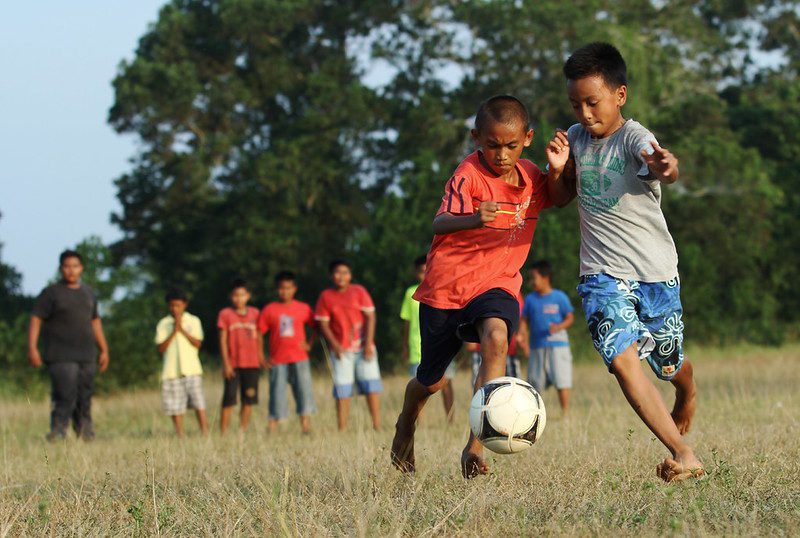
 Malaysia has a population of around 36 million, of whom 5.8% live below the poverty line. To tackle poverty, Malaysia has many youth-led projects which are vital, as young people are not only the leaders of tomorrow but also the key players in change today.
These initiatives allow young people to gain experience applicable to future employment, provide pathways out of poverty, and offer a way to be influential in the long-term, as young leaders are not just focused on themselves, but also the generations yet to come.
Youth Empowerment Foundation in Malaysia
The Youth Empowerment Foundation (YEF) is an NGO working in Malaysia with the aspiration to eradicate poverty, improve education, create pathways into employment, reduce inequalities, and ensure these changes endure in the long run. Its work is highly successful, with more than 8,000 people benefiting from assistance within community projects, helping them all move toward a better future.
Its Youth Empowerment Program provides education to Malaysia’s most vulnerable young people, such as orphans. The program also teaches technical skills that young people will need as they enter the workforce.
The SPARK, IGNITE, BLAZE system in place allows for a well-rounded education to Malaysian youth. SPARK delivers skill-based training, including computer skills, English language, Islamic knowledge, and finance management. These skills open employment to more people and influence young leaders in Malaysia. IGNITE develops an individual’s personal growth, guiding them toward their employment roadmap, reviving confidence in their skills, and improving transferable skills, such as time management. BLAZE promotes youths’ community engagement, helping strengthen relationships and drive youth-led change within communities.
Overall, YEF’s work creates positive change in the lives of Malaysian youth and opens up opportunities, such as quality education, that previously were denied to those in poverty. This creates a better future, and long-term opportunities open doors that were once shut to young leaders in Malaysia.
ASEAN Youth Dialogue
In 2025, Kuala Lumpur, Malaysia’s capital, hosted the Fourth ASEAN Youth Dialogue. The event helps participants understand why youth-led change matters now, not later, and gives young people the opportunity to share their opinions on issues critical to their lives, such as sustainable businesses.
ASEAN aims to continue highlighting that young leaders in Malaysia, as well as Singapore and Brunei Darussalam, is the way to achieve the Sustainable Development Goals (SDGs) and create a sustainable future for everyone. The event featured a series of sessions where young people engaged with social issues and developed solutions. The dialogue concluded with the ASEAN Youth Resolution, a document that summarizes everything participants discussed.
The ASEAN Youth Dialogue centers on the idea that youth-led change is a matter of now, not later. Decisions today affect those under 30 more than anyone else, so empowering them to control their future is the best way to ensure a positive outcome.
HopesMalaysia
HopesMalaysia is an NGO set on giving young people tools to tackle inequalities, especially because of the persistence of poverty in rural areas. Young people, aged between 15 and 30, work closely in rural areas such as Sabah, to support sustainable farming, building of small businesses and gravity-fed water systems that remain clean. This empowers people in poverty to live more self-sufficiently, as well as putting young people at the top of long-term, sustainable change.
This work has played an important role in Malaysia, helping 40% of farming families increase their household income, rebuilding five suspension bridges, and implementing 200km of gravity-fed water systems in 30 villages. These achievements highlight the influence of young leaders in Malaysia, who are already positively impacting thousands of people.
Takeaways
Overall, these three initiatives, aiding youth empowerment in Malaysia, show the significance of recognizing that young people need opportunities to take action for their futures now, not later. When young people have that opportunity, they create real, long-term change.
Youth-led change not only increases young people’s employability and access to education, but also inspires people of all ages to live self-sufficiently and build lives outside of poverty. It shows that, when given the chance, young people seize opportunities; they simply need access to them.
The main takeaway is that when young people have the chance, youth-led change produces sustainable, long-term solutions to poverty, especially in rural areas of Malaysia.
– Caitlin Cooper
Caitlin Cooper is based in Aberdeen, Scotland and focuses on Global Health and Politics for The Borgen Project.
Photo: Flickr

Healing Gaza’s Children: Teachers As Mental Health Workers
Beyond PTSD
Dr. Aneeza Pervez urges psychologists to reflect on how they respond to the suffering of children in contexts of war and extreme violence, arguing that healing Gaza’s children requires psychologists to address the issue openly. She asks whether silence or neutrality in the face of widespread harm is compatible with the responsibilities of psychology, as children in Gaza are individuals entitled to safety, dignity, care and psychological support.
Psychotherapist Teresa Bailey explains that trauma rewires a child’s brain and argues that these children do not suffer from post-traumatic stress disorder (PTSD) but something more severe, because they experience traumatic terror daily.
Red Paint, Silence and Rap
A young girl from Deir al-Balah, a displacement camp in Gaza, used only red in an art therapy session, overcome by memories of violence following repeated bombings. Humanitarian practitioners should track child mental health and protection as a separate priority from wider health clusters because the funding allocated to psychosocial support remains unclear. Training teachers to support and offer pathways for these children to communicate and release their emotions is essential.
Asal al-Ladawi, 9, suffered from traumatic mutism after witnessing the death of her mother in a bombing. However, psychotherapy techniques such as virtual reality programs have aided children like her in finding their voices again and rebuilding a sense of security.
MC Abdul is a teenager who left Gaza and makes music about the ongoing suffering of people there, as well as his family. His song “The Pen & The Sword,” released in 2023, addresses the lost dreams of children living in Gaza.
Teachers as Healers
According to a 2019 report, Mental Health and Psychosocial Support (MHPSS) received only 0.14% of Overseas Development Assistance funding between 2015 and 2017. In Gaza, SOS Children’s Villages provides specialized psychosocial support programs to help integrate children and adolescents through recreational activities. Zoya Thatlgieh of SOS Children’s Villages Palestine stated that when a child opens up to someone they trust, recovery is always possible. According to a report in October 2025, SOS Children’s Villages provided mental health assistance to 30,632 children in Gaza.
Teacher Ahmed Abu Riziq set up schools in tents to bring structure and learning to his pupils. Abu Riziq and his colleagues launched Gaza Great Minds in 2024. By 2025, more than 3,000 students between the ages of 3 and 16 were receiving lessons in tents alongside professional psychiatric support.
In displacement camps south of Khan Younis in the Gaza Strip, more teachers have set up schools in tents. Teacher Abdulsalam explained that these tents have become a line of defense, describing education in the camps as a form of therapy as well as a source of knowledge. Teachers can detect behavioral changes in children and can support the mental health of young people in Gaza.
Hadeel al-Gharbawi, a Palestinian teacher, helps children cope with trauma through yoga practice. These classes allow children to step away from their fears and feel in control, even if only temporarily. The tent also offers educational and other recreational programs for displaced children.
Evidence of Success
Education International member organizations from South Africa, the U.K., Portugal, Italy, Spain and Australia set up a joint initiative to support the General Union of Palestinian Teachers. The project trains hundreds of female teachers across the region and financially assists teachers in Gaza and the West Bank.
Similar programs such as the Syrian American Mental Health Network have delivered and supervised training on Teaching Recovery Techniques to large numbers of children in Jordan, Lebanon and Turkey. The Union of Medical Care and Relief Organizations (UOSSM) has reached more than 50,000 displaced Syrians through school and camp programs, offering telepsychiatry through Yale University.
This demonstrates that teachers trained in basic mental health support can play a meaningful role in healing Gaza’s children.
Looking Ahead
Teachers can become a major lifeline for children in Gaza if they receive training in psychological first aid, helping to reduce the effects of conflict on young people. Healing Gaza’s children requires trained teachers, sustained funding and continued international support.
– Anisa Begum
Photo: Flickr
Poverty and Healthcare in Kenya
Navigating HIV/AIDS in Poverty
HIV/AIDS affects 1.4 million people in Kenya, and 32% of orphanhood stems from HIV/AIDS. This happens due to how widespread HIV is within families, and how it will directly affect the families labor force and overall income. HIV also plays a major role in the health of parents in the family, causing deaths of either one or both parents, leaving more children orphaned. Poverty directly impacts access to antiviral drugs (ARVs) as
the citizens of Kenya rely heavily on donors. In January 2025, the U.S. shut down its USAID, reducing its programs to Kenya from 149 to 30. This massive exit from humanitarian aid has caused many healthcare workers to experience lay offs and forced healthcare facilities to close.
Vitamin Deficiencies in Pregnant Women
In Kenya, many pregnant women have vitamin deficiencies which are due to the limited amounts of nutritional products for maternal health along with overall nutritious foods required during pregnancy. In Kenya, 26% of pregnant women suffer from iron deficiency, creating an anemia rate of 42.6%. Kenya as a whole is facing a drought which is not only affecting their resources, but also the ability for families to have stability which leads to a lot of children in orphanages. Many of the orphans in Kenya have living relatives but widespread poverty leaves them without substantial resources, leading to children being placed in orphanages with the idea that they will live a better life.
Gender Disparities
Only 6% of women have titles to land in Kenya. Although it is a legal right for them to own property, societal norms of discrimination against women have long been the driving factor of them being unable to obtain and keep property. Kenyan women are at risk of being victims of land grabbing, usually in the way of their husbands running them off or abusing them causing them to have to flee. These women are put in vulnerable situations, feeling forced to abandon their children to orphanages, and pushes women to make less than ideal choices, such as prostitution. This can lead to a higher mortality rate, and ultimately leaves many children orphaned.
Available Resources
To help combat these issues, many organizations and campaigns, such as Stand for Her Land and Kenyan Peasants League have started garnering support and finding these depleted resources to help the community. Stand for Her Land has worked on advocacy for women of lesser status and income to exercise their rights on gaining legal access to land. Along with this, the Kenyan Peasants League gathers community-based funding to purchase land for women who had their lands usurped during major land-grabbing times.
Policy Action
The government has now also taken a stronger stance on these issues, one main way being by creating the National Care Reform Strategy for Children in Kenya. This specific act focuses a lot on family based care in society and ensuring that they are provided with the resources to continue in society. However, to break this cycle of poverty as a whole, national and international organizations need to prioritize things such as accessibility to healthcare, enforcing a woman’s right to own land, and overall strengthening child-welfare programs. Changes like these can likely help the livelihoods of not only the children in Kenya, but also the community that exists around them.
Conclusion
In summary, poverty in Kenya has shown to have lasting effects that have caused severe damage to especially the orphaned children of the country. Studies show that there will be long term effects on their overall developmental issues that will likely follow them into their adulthood. In order to properly address these matters, more accessible resources need to be implemented.
– Mansi Sampda, Jessica Norman, Melissa Kronblat and Kalea Mailangi
Photo: Unsplash
Youth Empowerment in Malaysia
These initiatives allow young people to gain experience applicable to future employment, provide pathways out of poverty, and offer a way to be influential in the long-term, as young leaders are not just focused on themselves, but also the generations yet to come.
Youth Empowerment Foundation in Malaysia
The Youth Empowerment Foundation (YEF) is an NGO working in Malaysia with the aspiration to eradicate poverty, improve education, create pathways into employment, reduce inequalities, and ensure these changes endure in the long run. Its work is highly successful, with more than 8,000 people benefiting from assistance within community projects, helping them all move toward a better future.
Its Youth Empowerment Program provides education to Malaysia’s most vulnerable young people, such as orphans. The program also teaches technical skills that young people will need as they enter the workforce.
The SPARK, IGNITE, BLAZE system in place allows for a well-rounded education to Malaysian youth. SPARK delivers skill-based training, including computer skills, English language, Islamic knowledge, and finance management. These skills open employment to more people and influence young leaders in Malaysia. IGNITE develops an individual’s personal growth, guiding them toward their employment roadmap, reviving confidence in their skills, and improving transferable skills, such as time management. BLAZE promotes youths’ community engagement, helping strengthen relationships and drive youth-led change within communities.
Overall, YEF’s work creates positive change in the lives of Malaysian youth and opens up opportunities, such as quality education, that previously were denied to those in poverty. This creates a better future, and long-term opportunities open doors that were once shut to young leaders in Malaysia.
ASEAN Youth Dialogue
In 2025, Kuala Lumpur, Malaysia’s capital, hosted the Fourth ASEAN Youth Dialogue. The event helps participants understand why youth-led change matters now, not later, and gives young people the opportunity to share their opinions on issues critical to their lives, such as sustainable businesses.
ASEAN aims to continue highlighting that young leaders in Malaysia, as well as Singapore and Brunei Darussalam, is the way to achieve the Sustainable Development Goals (SDGs) and create a sustainable future for everyone. The event featured a series of sessions where young people engaged with social issues and developed solutions. The dialogue concluded with the ASEAN Youth Resolution, a document that summarizes everything participants discussed.
The ASEAN Youth Dialogue centers on the idea that youth-led change is a matter of now, not later. Decisions today affect those under 30 more than anyone else, so empowering them to control their future is the best way to ensure a positive outcome.
HopesMalaysia
HopesMalaysia is an NGO set on giving young people tools to tackle inequalities, especially because of the persistence of poverty in rural areas. Young people, aged between 15 and 30, work closely in rural areas such as Sabah, to support sustainable farming, building of small businesses and gravity-fed water systems that remain clean. This empowers people in poverty to live more self-sufficiently, as well as putting young people at the top of long-term, sustainable change.
This work has played an important role in Malaysia, helping 40% of farming families increase their household income, rebuilding five suspension bridges, and implementing 200km of gravity-fed water systems in 30 villages. These achievements highlight the influence of young leaders in Malaysia, who are already positively impacting thousands of people.
Takeaways
Overall, these three initiatives, aiding youth empowerment in Malaysia, show the significance of recognizing that young people need opportunities to take action for their futures now, not later. When young people have that opportunity, they create real, long-term change.
Youth-led change not only increases young people’s employability and access to education, but also inspires people of all ages to live self-sufficiently and build lives outside of poverty. It shows that, when given the chance, young people seize opportunities; they simply need access to them.
The main takeaway is that when young people have the chance, youth-led change produces sustainable, long-term solutions to poverty, especially in rural areas of Malaysia.
– Caitlin Cooper
Photo: Flickr
How IoT Sensors Are Helping Moroccan Farmers Fight Drought
Agriculture remains a significant part of Morocco’s economy. Around 40% of Morocco’s workforce is employed in agriculture, meaning millions of livelihoods depend on stable harvests. At the same time, the sector contributes between 13% and 20% of the country’s GDP, making water shortages not only an environmental issue but also a major economic challenge.
Water management is also crucial, as only 15% of Morocco’s cultivated land is irrigated. Yet, this land produces about 75% of the country’s agricultural exports. With so much production reliant on limited irrigation systems, improving smart irrigation technology has become essential to maintaining crop yields during droughts.
IoT Sensors in Morocco
To address these challenges, IoT sensors are helping Moroccan farmers monitor soil health and manage water more efficiently. These smart sensors collect real-time data on soil moisture, nutrient levels and pH, enabling farmers to make informed decisions about irrigation and fertilization. Farmers can then use this data to apply the precise amount of water their crops need rather than relying on traditional estimates.
According to industry reports, adopting smart agricultural technologies and IoT sensors in Morocco has already led to a 20% increase in water-use efficiency. A key technology that supports this transformation is the Long Range Wide Area Network (LoRaWAN). It enables low-cost sensors to transmit data across large rural areas.
Agricultural organizations and technology developers are deploying these sensors directly in farmers’ fields, making digital solutions more accessible to small-scale farmers. These technologies are also improving crop stability. Even with less water overall, delivering irrigation at the precise moment plants need it can improve crop quality and maintain yields.
For many smallholder Moroccan farmers, this reliability can mean the difference between a successful harvest and a failed season.
Bridging the Digital Divide in Rural Morocco
Despite its promise, IoT technology alone cannot solve Morocco’s agricultural challenges. Several barriers still limit the widespread adoption of smart agriculture tools. First, the upfront costs of IoT sensors and digital irrigation systems can still pose a risk for farmers operating on narrow profit margins.
While the technology is relatively affordable compared to traditional equipment, many small-scale farmers need financial support to adopt it. Second, digital literacy remains a challenge. Farmers must learn to interpret soil data and integrate it into daily farming decisions.
Finally, there remain infrastructure gaps in rural regions. LoRaWAN networks rely on communication gateways that transmit sensor data over long distances, making the expansion of connectivity in remote agricultural areas essential.
Looking Ahead
Morocco is investing heavily in long-term solutions to its growing water crisis. The government’s “Generation Green 2020-2030” strategy aims to expand water-saving irrigation systems to “one million hectares” of farmland by 2030. At the same time, digital agriculture is becoming a national priority, with many programs supporting smart irrigation tools, satellite monitoring and connected soil sensors.
If these initiatives continue to expand, especially for smallholder farmers, technologies like IoT sensors could become a key part of Morocco’s strategy to protect harvests and conserve water. They could also help build a more climate-resilient agricultural sector.
– Ines Wargui
Photo: Flickr
4 UK Charities Providing Aid in Colombia
The Catholic Agency for Overseas Development
The Catholic Agency for Overseas Development (CAFOD) has been providing aid in Colombia for more than 60 years. Through partnerships with local organizations and Indigenous leaders, it works to protect local environments, build peace and support human rights defenders and Indigenous communities. One of its most notable contributions has been supporting the people of Cajamarca in their fight against AngloGold Ashanti, one of the world’s largest mining companies.
In March 2017, 98% of Cajamarca’s residents, more than half of whom depend on farming, voted against proposed mining in the area to protect their water sources from pollution. Although the vote was legally binding, energy and government officials have tried to overturn it in favor of the mine. However, their efforts have been challenged by a legal coalition of local groups.
These include the Cajamarca Youth Socio-Environmental Collective (COSAJUCA) and the Socio-Legal Center for Territorial Defense (SIEMBRA), both supported by CAFOD partners.
The Scottish Catholic International Aid Fund
The Scottish Catholic International Aid Fund (SCIAF) has operated in Colombia since 1985, providing aid, promoting peace and helping Indigenous and Afro-Colombian communities preserve and protect their land. One example of its work came in 2011, when SCIAF supported COCOMOPOCA, a coalition of 43 Afro-Colombian communities. After 12 years of appeals, their application for collective legal ownership of 73,000 hectares of land in the Chocó region was approved. While SCIAF has continued supporting efforts to protect Indigenous and Afro-Colombian land, it has recently expanded its focus to the growing number of Venezuelan migrants entering Colombia.
In 2019, SCIAF received more than $140,000 from the Scottish Government’s Humanitarian Emergency Fund for projects in Colombia. This funding provided food support to 13,259 Venezuelan migrants and nonfood items to assist 6,339 migrants traveling through the country, both 25% above projected targets. These efforts have become even more significant amid rising regional instability. Colombia already hosts around three million Venezuelan migrants and could face another large influx following recent U.S. strikes in Venezuela.
Tearfund
Tearfund is a Scottish-based charity that has provided aid in Colombia since 1980, with assistance ranging from supporting Venezuelan migrants to responding to natural disasters. Through collaboration with its local church partner, CORSOC and funding from the Scottish Government’s Humanitarian Emergency Fund, Tearfund has provided 500 families with basic household goods and food. It has also offered medical assistance to 1,175 people at four church locations across Colombia.
Additionally, 24,000 children of Venezuelan migrants are now Colombian citizens as a result of campaigns supported by Tearfund. In recent weeks, catastrophic flooding in northern Colombia has heavily affected the Córdoba region, where officials report that 156,000 people have been impacted and 80% of the territory remains underwater following heavy rainfall. In response, a network of local churches that participated in Tearfund’s Transforming Communities program has helped more than 3,000 people rebuild their lives, including 700 families.
Christian Aid
Christian Aid has supported local communities and strengthened resilience among Indigenous groups for more than 20 years by helping them secure land and territorial rights. One of its most significant achievements came in 2016, when it partnered with the Inter-Church Justice and Peace Commission (CIJP) to help obtain a collective land title for Afro-descendant communities in the Naya River basin. The title recognizes the land rights of 52 communities that have lived there since the 17th century.
The agreement secured 177,817 hectares of land for 18,000 beneficiaries, marking a powerful milestone 15 years after the Naya Massacre, when right-wing paramilitaries killed 25 civilians in the town of Alto Naya.
Future Efforts
While the aid provided by these four U.K. charities has helped reduce economic gaps between urban and rural areas, more must be done to address the inequality that makes Colombia the second most unequal country in Latin America. The U.K. continues to support efforts in Colombia and has called for faster implementation of the 2016 Peace Agreement.
– Sean Welsh
Photo: Flickr
Initiatives Helping Domestic Violence Survivors in Pakistan
Impoverished women also do not have their community or family’s support when it comes to gender-based violence. Furthermore, the police are often unwilling to help them, which further exacerbates their situation.
Domestic Violence and the Law
This year, Pakistan’s President Asif Ali Zardari approved the Domestic Violence (Prevention and Protection) Bill of 2026. The new law imposes stricter punitive measures for perpetrators and increases protections for those suffering from domestic violence. Under the bill, domestic violence includes acts causing bodily harm, stalking, harassment, repeated humiliation, threats of violence, false allegations, abandonment and coercion.
It also includes threats of divorce, threats of a second marriage, sexual conduct that violates dignity, depriving someone of financial resources or restricting access to money or property. Stronger legal protections for victims and penalties for aggressors are steps toward ending domestic violence. However, they do little for women whose cases never reach the courts, whose abuse goes unreported or whose perpetrators are protected by local police.
Thus, below are some initiatives helping domestic violence survivors in Pakistan, especially those already living in poverty.
Panah
The Panah Shelter Home provides refuge for survivors of domestic violence in Pakistan. It aims to rehabilitate abused women, improve their well-being and help them reintegrate into society stronger. The home provides survivors with resources, social services and access to social workers, lawyers, doctors and psychiatrists.
Panah also equips them with skills for financial independence through literacy classes and vocational training in arts, crafts, cooking, sewing and beauty treatments. Women can also participate in recreational activities such as art therapy, yoga and games.
Bedari
Bedari is a national nongovernmental organization that addresses violence against women and children. It established the country’s first crisis center for domestic violence survivors. At first, the organization provided domestic violence survivors with resources such as legal aid, medical care, psychiatric counseling and other support services.
Recently, Bedari launched initiatives to educate the public and raise awareness about the harms of domestic violence, aiming to denormalize abuse against women in Pakistani society. It also runs programs that empower, educate and train women to become financially independent, helping them escape abuse and poverty. These projects have impacted more than 3,000 women and girls in the Khushab and Bhakhar districts of Pakistan.
Dastak
Dastak Society is a justice center that supports survivors of domestic and gender-based violence in Pakistan through its women’s protection and child rights units. The center provides crisis management services, a 24/7 helpline, free legal assistance and shelter for survivors. Dastak Society also runs campaigns and programs to increase outreach, build capacity, raise community awareness and sensitize the public.
These projects aim to shift sociocultural attitudes that enable domestic violence and ultimately bring an end to all violence against women.
Shirkat Gah
The Shirkat Gah Women’s Resource Center is one of Pakistan’s leading women’s rights organizations, advocating for gender equity and addressing gender-based violence. It supports survivors of domestic violence, forced marriage and sexual violence. The center also provides training and safe spaces for connection, learning and social services.
Its goal is to help women become more resilient and better informed about their right to live free from violence.
Humqadum Mobile App
With funding from the U.N. Trust Fund, the Shirkat Gah Women’s Resource Centre, the National Commission on the Status of Women and Lahore University of Management Sciences collaborated to release a free mobile application called Humqadam. The app connects survivors of domestic and gender-based violence with existing support services across Pakistan, including legal aid and psychosocial counseling.
It provides 24/7 support while helping break the taboo around seeking help and raising awareness of available resources.
Ending Domestic Violence in Pakistan
To conclude, several initiatives support domestic violence survivors in Pakistan, including a mobile app that connects them to available services. However, domestic violence will persist as long as gender-based violence remains normalized and widely ignored in Pakistani society. Ending domestic violence requires stronger educational initiatives and a broader societal shift in attitudes toward gender-based violence.
– Umaymah Suhail
Photo: Unsplash
Education and Indian Tribal Communities Fight Against Poverty
Moreover, their remote geographical locations further distance them from access to governmental aid. Over the years, different provisions and strategies were attempted, among which the chief focal point was improving literacy rates. Officials and some of the Indigenous groups view education as a potent long-term solution to alleviate the lives of the poor in this region.
Indian Tribal Communities and Poverty
Poverty ranks among the top socio-economic problems that the Scheduled Tribes in India encounter. A 2011 national census states that 45.3% of tribal communities in rural areas live below the poverty line, while their urban counterparts record 24.1% below the poverty line. Several social studies conducted in the last few decades also identify similar problems, along with a lack of resources, clean drinking water, sanitation and access to health care.
In historic times, records suggest that tribal communities flourished in a lifestyle centered around hunting, agriculture and barter trade systems. However, due to invasions and encroachment over centuries, many lost land and migrated to hilly regions.
The groups’ current landscape lacks resources that can nurture their survival, let alone provide a stable means of livelihood. Additionally, even those Indigenous groups that attempt to assimilate with the wider nation encounter unemployment challenges due to the existing literacy gap.
Education and Indian Tribal Communities
Indian tribal groups have a two-pronged approach toward mainstream education. One aspect views education as a means of economic and social empowerment. On the other hand, concerns about preserving cultural identity lead specific groups to show hostility toward central education.
Presently, in 2026, numerous scholars, including many from tribal origins, work toward building a more optimistic perspective. They identify issues and strategies that could help education become more culturally sensitive and accommodating of the inherent differences between tribal groups.
One particular social research study delves into several challenges in tribal communities’ education. Firstly, the lack of proper school infrastructure and accessibility poses a significant impediment. Second, economic and livelihood demands often include children as an integral part of procuring food or income.
In such cases, tribal families tend to view sending children to school as a luxury they cannot afford, despite education being free. Thus, many experts highlight the need to include Indigenous group members in the decision-making process regarding education for children in these communities.
Education’s Role in the Fight Against Poverty
While earlier sections discussed the poverty existing among tribal and Indigenous groups in India, many proposed solutions point toward education. Studies over the past century emphasize the role education can play in poverty reduction.
Nobel laureate economist James Heckman stated that early education can help break the cycle of poverty across multiple generations. A 2017 report from the United Nations Educational, Scientific and Cultural Organization (UNESCO) says that nearly 420 million people could escape poverty if they complete secondary education.
Through education, tribal communities, specifically those residing in urban areas, stand a higher chance of employment. Subsequently, this leads to improved access to basic needs such as food, health care and economic opportunity.
Moreover, education can help empower multiple aspects of Indigenous communities. For children, it opens opportunities beyond the villages and cities of their upbringing. Adult tribal men can benefit from technology and other advancements that education provides for farming, animal rearing and other means of livelihood.
Women, through education, may benefit significantly. Apart from financial independence, Adivasi women can face gender-based risks such as domestic abuse, child marriage and human trafficking. Literacy and education can help women better protect themselves from such risks and improve their economic opportunities.
Looking Ahead
Education has the potential to transform the lives of Indian tribal communities. As discussed, policymakers and nongovernmental organizations (NGOs) continue to address many factors contributing to poverty among tribal groups through education initiatives. However, experts note that strategies require culturally responsive and community-centered approaches to education. Such approaches may improve the likelihood of reducing poverty within these communities.
– Shafika Fathima
Photo: Flickr
Extreme Heat is Trapping Workers in Poverty in West Africa
Heat Stress and Lost Working Hours
Extreme heat significantly reduces the number of hours people can safely work outdoors. According to the International Labour Organization (ILO), heat stress is expected to reduce total global working hours by 2.2% by 2030, which is equivalent to about 80 million full-time jobs. The report also estimates that Africa will lose about 4.7% of its total working hours, making it one of the regions most affected by rising temperatures.
In many parts of West Africa, daytime temperatures regularly exceed 35°C (95°F). For workers performing physically demanding tasks under direct sunlight, these conditions can cause dehydration, heat exhaustion and even heatstroke. Because of this, many laborers stop working during the hottest hours of the day, reducing productivity and daily income.
Farmers Facing Declining Productivity
Agriculture remains the backbone of employment in many West African countries. In Nigeria, for example, agriculture employs about 35% of the country’s workforce and supports millions of rural households. Similarly, in Ghana, the sector employs more than 30% of the labor force, according to the Food and Agriculture Organization (FAO).
Rising temperatures are making farm work increasingly difficult. Farmers often begin working very early in the morning to avoid extreme midday heat. However, shorter working hours reduce productivity. In addition, higher temperatures increase drought conditions and reduce soil moisture, which can damage crops and reduce harvests. Lower yields directly affect farmers’ incomes and increase the risk of poverty for rural communities.
Urban Workers Under Pressure
Extreme heat is also affecting workers in urban areas. Construction workers, delivery drivers, street vendors and market traders spend long hours outdoors across many West African cities. Many of these workers operate within the informal economy, which accounts for about 85% of employment in Africa, according to the International Labour Organization (ILO).
Without formal labor protections such as regulated working hours or health insurance, these workers often face difficult choices between protecting their health and earning enough money to survive. When temperatures become dangerously high, workers may slow down or stop working completely, resulting in lost daily income.
Extreme heat creates serious health risks for workers. Heat exposure can lead to dehydration, fatigue and reduced concentration, which increases the risk of workplace accidents. Long-term exposure to high temperatures can also contribute to chronic health problems.
The World Health Organization (WHO) reports that between 2000 and 2019, heat-related deaths among people over 65 increased by about 70% globally. As heat waves intensify, outdoor workers in vulnerable regions such as West Africa face growing health and economic risks.
Solutions to Protect Workers
Reducing the impact of extreme heat on workers requires stronger policies and practical solutions. Governments can introduce measures such as adjusting working hours to cooler parts of the day, providing shaded rest areas and ensuring access to safe drinking water. Public awareness campaigns can also help workers recognize the early signs of heat stress and take preventive action.
In agriculture, climate-resilient farming methods and improved irrigation systems can help farmers adapt to rising temperatures. Expanding access to climate information and early warning systems will also allow communities to prepare for extreme heat conditions and reduce economic losses.
Preventing Poverty in West Africa
Extreme heat is becoming an increasingly serious challenge for workers across West Africa. As temperatures continue to rise, outdoor laborers face growing health and economic risks. Efforts to improve working conditions and expand climate adaptation strategies may help reduce these risks and poverty in West Africa.
– Segun Oyekale
Photo: Unsplash
Climate and Poverty: The Role of Global Charities
Background
The poorest communities, often living in the most exposed and fragile conditions, suffer the worst effects of severe storms, droughts and other natural disasters. To cope with the risks of more frequent extreme weather, significant investment is necessary to strengthen communities and businesses. Climate finance from developed countries to developing countries remains crucial to help vulnerable populations adapt while supporting long-term poverty reductions
Climate actions also present economic opportunities. Green jobs, roles that reduce the environmental impact of economic activity, are essential to building a more sustainable economy. According to the International Monetary Fund (IMF), increasing productivity and sustainability in climate-critical sectors could lift 100 million small-scale farmers out of poverty.
This is why climate charities and poverty reduction strategies are becoming inseparable in global development policies.
International Fund for Agricultural Development (IFAD)
Farmers are not just food producers; they are the backbone of rural economies and global food systems, yet unpredictable weather conditions disrupt their livelihoods. The International Fund for Agricultural Development (IFAD) supports small-scale farmers in adapting to the impacts of extreme environmental conditions. It funds infrastructure that can withstand extreme weather, including flood defenses and cyclone early-warning systems and helps redesign government policies to better respond to environmental risks in the future.
In 2024, IFAD invested more than $750 million in climate finance projects. Overall, it has supported 6 million farmers and helped avoid 112 million tonnes of greenhouse gas emissions. Its work shows how strengthening rural resilience can simultaneously protect ecosystems, increase food security and reduce poverty.
Practical Action
Practical Action is a charity that focuses on helping communities tackle poverty and environmental degradation, working directly with those most affected. Its approach centers on creating green and inclusive economies that strengthen resilience while unlocking economic opportunity. The organization supports small businesses that help adapt to increasing environmental shocks and unpredictable weather conditions, as they allow people to earn a decent living. It trains farmers to grow and sell products in ways that protect nature and increase income. It also expands access to clean and affordable energy to power homes and local businesses. By making clean energy affordable and food production climate-smart, they help farmers, entrepreneurs and workers grow and diversify their income while protecting nature.
Practical Action also helps communities prepare and recover from natural disasters. The charity supports communities in building their own future with solutions that foster resilience, create jobs and lasting prosperity. As a result of their work, crops survive extreme weather, ensuring food security and small businesses grow, creating job opportunities.
Over the past five years, 6 million people have experienced improvements in their lives through the organization’s projects, and it aims to reach 10 million people by 2030.
SolarAid
SolarAid is an international charity providing solar lamps to some of the most rural and hard-to-reach communities in sub-Saharan Africa, tackling both poverty and the environmental changes.
In many of these areas, households rely on kerosene lamps and paraffin candles, which emit toxic fumes and contribute to carbon emissions. Solar power offers a cleaner and safer alternative, an immediate benefit for both people and the planet. To date, SolarAid has distributed 2.5 million solar lights.
Its mission is to light up every school, clinic and home in Africa. The aim is to enable farmers to work after sunset, children to study in the evening and midwives to deliver babies safely at night
Trees for the Future
Trees for the Future is an organization that focuses on large-scale land restoration in developing communities, tackling hunger, poverty and environmental degradation. With landscapes and ecosystems are deteriorating worldwide, many farming families are trapped in cycles of hunger and poverty. Africa alone is home to 33 million farmers who produce 80% of the continent’s food, often on degraded land worsened by environmental shocks. Trees for the Future’s Forest Garden Approach restores soil health by planting diverse mixes of trees and crops, ensuring year-round food and income
The program can end poverty as its approach ensures opportunities otherwise inaccessible to rural families. By embracing sustainable land practices, farmers are breaking the cycles of land degradation and poverty and rebuilding our food systems.
UNDP’s Green Growth and Jobs Accelerator
The United Nations Development Program (UNDP)’s Green Growth and Jobs Accelerator (GGJAP) helps established entrepreneurs and small and medium-sized enterprises (SMEs) adopt greener business practices, expand green job opportunities, and contribute to a more sustainable and inclusive economy. SMEs form the backbone of many economies and are key to tackling environmental risks, unemployment and poverty. Across the Arab States region, GGJAP aims to support 800 SMEs, creating 4,000 green jobs.
Climate Action and Poverty Reduction
There are now more jobs in clean energy than in fossil fuels, as investments in clean energy technologies drive global demand for new workers worldwide. Every dollar invested in renewable energy creates roughly three times more jobs than in the fossil fuel industry.
Measures to reduce emissions and adapt to environmental instability can promote sustainable, resilient and inclusive development, particularly in developing countries, offering new avenues out of poverty.
The two biggest challenges of the 21st century, poverty and growing environmental disruption, can be addressed together. Technologies and practices that tackle environmental shocks also improve people’s livelihoods, health, food security, education, gender equality and more.
– Jeanne Pellet
Photo: Flickr
Vietnam and Cambodia: Mekong Plus Poverty Reduction
Because of these compounding pressures, it is vital to examine the Mekong Plus approach to poverty reduction in Vietnam and Cambodia. Their model stands apart from traditional charities by prioritizing sustainable, independent community development over temporary aid.
The Mission
In 1994, Bernard Kervyn saw the urgent needs of citizens and farmers in the rural regions of Vietnam. Kervyn called for his friends, all of whom had worked previously in the French NGO ‘Frères des Hommes’ and together they formed Mekong Plus that same year. The NGO began in the tiny commune of Tiên Thành.
Mekong Plus’ mission foremost is to “eliminate poverty.” The staff of the NGO also realized that pouring internationally raised funding into these communities would only make these struggling rural citizens reliant on those distant nations. Thus, it set out to use all funding to build sustainable grassroots-level improvements within rural communities. In order to do this, the organization broke down its core mission into three clear areas: Education, Sustainability and Microcredits.
Mekong Plus Poverty Reduction
Mekong Plus considers education a core mission goal, as according to the NGO, it is the “fundamental basis for sustainable development.” To provide as much as can be, the organization split up this goal into many different sections, such as providing safe hygiene for students or making schools more accessible to children in difficult or outlying areas. They provide schools with equipment like computers, allowing children access to greater learning tools, as well as a means to interact with the larger world. To cater to the needs of students, the organization creates inclusive curricula read to target the students’ varying needs. Mekong Plus’ curricula also offer training in sectors important to the community, such as agricultural schemes, which the organization used to increase food yields by 100% in regions used to famine.
Sustainability
Sustainability is another of Mekong Plus’ core focuses, helping to create cheaper and healthier long-term living strategies. While some of Mekong Plus’ work focuses on hygiene, the NGO has equipped more than 13,000 houses with sanitation facilities. Beyond this, the organization also helps rural communities with upcycling and plastic collection efforts, where the NGO turns old recycling into classroom equipment and furniture. This even covers houses, and last year Mekong Plus built 10 houses entirely out of recycled materials. In recognition of its work promoting sustainable and healthy living, Mekong Plus received the 2021 Energy Globe Award.
Microcredits form one of the organization’s most important initiatives in rural areas. The NGO’s Microcredit scheme provides a system where citizens can take loans as small as 50 euros, providing a lifeline to businesses and families. As of this date, the organization supports 7,500 houses through the NGO’s microcredit system, in the worst-hit regions of famine and drought. The NGO has also managed to raise 35,000 people out of extreme poverty, with an impressive non-repayment rate of 1% by those taking the loans.
The Future
The success of Mekong Plus poverty reduction is important because the NGO provides a model that is not simply a charity; it is a development partner. Its cooperation with communities provides essential, everyday benefits that have lifted thousands in regions on the cusp of ecological disaster. Its model also provides a multi-dimensional means to tackle the issue of extreme poverty, showing that, just like any other crisis, fighting poverty is possible.
– Eli Thomson
Photo: Flickr