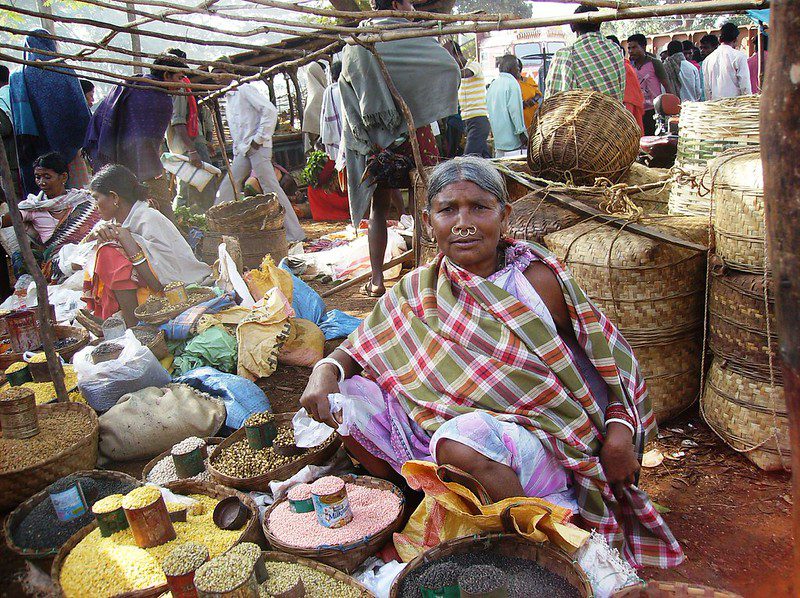
 In the past century, research and individual experiences have revealed the vast impact of gender inequality on women worldwide. India’s poverty landscape reflects this reality. As a result, experts and policymakers consistently stress the importance of reducing India’s gender poverty gap.
The recent COVID-19 pandemic severely disrupted earlier progress and deepened disparities between men and women. Many women, including those who were the sole breadwinners of their families, lost their jobs. This subsequently led to more families being pushed below the poverty line.
Since then, the issue has called for strategic initiatives and approaches to address the widening gender inequality in India.
India’s Gender Gap in Poverty
The poverty gender gap in India is deeply rooted and begins affecting women from birth. A 2021 study conducted by the World Bank found that among children from low-income households, the number of girls was higher than that of boys. While the study uses data from more than 90 countries, the difference mainly occurred in India.
Moreover, this difference only persists in the older age groups. The International Labor Organization (ILO) discovered in 2022 that Indian women earn 20-30% less than their male counterparts. Additionally, social impediments, such as the nature of jobs, complicate women’s efforts to achieve financial independence.
Other societal differences, such as class and caste, further widen the gender gap. One study, focusing on Scheduled Castes (SC) and on Urban versus Rural poverty, from 2021 identified this difference. The study states that SC women earn only 55% of what women from other castes earn.
Additionally, there also arises a difference within this subset when considering urban and rural differences. SC women in urban areas earn slightly more than their rural counterparts. However, it remains lower than that of urban women from other castes. Furthermore, according to another 2023 report, female-headed households showed higher odds of becoming urban poor than male-headed households.
Why Are Women Becoming More Vulnerable to Poverty?
When analyzing the reasons behind India’s gender gap in poverty, several causes come to light. As mentioned earlier, social impediments pose a major difficulty for women. For instance, in Indian society, women often work as domestic help, as in other countries. Domestic work, apart from paying less, is also not included in the national GDP.
This indicates that women’s earnings go unaccounted for in national and international statistics. Relatedly, due to the existing patriarchal model, women also face difficulties due to male-favoring inheritance laws. Studies showed that only 13% of women in India own agricultural land, compared to men. Due to the aforementioned laws, women find it harder to gain control of their assets.
However, one of the major drivers of rising poverty among women is limited access to education. In India, school dropout rates are often alarmingly higher among girls than boys. Early marriages in families residing below the poverty line result in many women not having their high school diplomas.
The Indian Ministry of Statistics and Program Implementation (MOSPI) released a detailed education report in 2016. In this report, females account for higher numbers in nearly every category of student dropouts aged 5 to 29, with only a few exceptions. Additionally, according to the 2020 census, the female literacy rate was 70.3%, 14.4 percentage points lower than the male literacy rate of 84.7%. The lack of education hinders a wide range of opportunities that could help women become financially independent.
Government Initiatives and Programs Aiding Women in Poverty
Women’s empowerment has been an integral part of the Indian government’s agenda in the last few decades. From abolishing Sati to providing education for girls, Indian lawmakers have always focused on opening new avenues of concession for women. While there are implementation issues, the government provides funding for new women-centered initiatives every year.
In 2026, leaders announced schemes for girl child, for women entrepreneurs and capital development. The “Lakpathi Didi Scheme” aims to help women in self-help groups earn more than $1,000. This strategy, when effectively implemented, can alleviate poverty largely among women.
Another economic development initiative, the Trade Related Entrepreneurship Assistance and Development (TREAD) Scheme, aims to support the growth of women entrepreneurs. Under the scheme, the government enables eligible women to access business loans of up to $3,224 to establish their enterprises.
Thirdly, officials also announced the “Stand Up India Mission,” focusing on lower-strata social groups. Women from the SC and the Scheduled Tribes are the target audience for this initiative. It provides loans ranging from $12,900 to $129,000. Through this, the government claims to cover nearly 75% of the production costs for these women’s startups.
Finally, in the spirit of providing financial security, parents of newborn girls can now open bank accounts offering high interest rates. This program, called the “Sukanya Samriddhi Yojana,” was launched as part of the Girl Child Scheme from 2015.
Other Gender Gap Reduction Strategies
Experts and lawmakers have stated that reducing the gender gap requires more than a single approach. The above governmental schemes directly address women’s economic deficiencies, aiming to elicit long-term solutions. For this reason, world changemakers believe that education is a powerful tool for women’s empowerment.
Shivani Nithyanandhan is a member of Kongu Business Forum, a platform that aims to empower individuals in business in the Kongu region. She spoke to The Borgen Project about different strategies that could help women become financially secure. Speaking of education, Nithyanandhan stated, “Access to education and skill development is key. When women are equipped with relevant skills, whether in business, digital literacy or vocational areas, they gain the confidence and ability to earn independently.”
Nithyanandhan also discussed the need for a supportive community for women in poverty to help them set up businesses. The Kongu Business Forum regularly conducts knowledge-sharing sessions to educate women about business opportunities in their locale. Since the Kongu region’s major source of income is agriculture, Nithyanandhan says that the forum aims to help women explore opportunities in agri-related enterprises.
Looking Ahead
India’s gender gap in poverty, similar to that of other countries, has received focus over the last few decades. While visible results do exist, women’s lack of awareness about upliftment schemes continues to hinder widespread growth. Nithyanandhan from the Kongu Business Forum discusses the need for financial and digital literacy that could help prevent this issue.
She also discussed how women’s empowerment within impoverished populations can have a ripple effect. When educated and financially empowered, the female population can positively impact the growth of their community. In this manner, reducing the gender gap also contributes to reducing global poverty.
– Shafika Fathima
Shafika is based in Chennai, India and focuses on Good News and Global Health for The Borgen Project.
Photo: Flickr

Development of Health Care in Solomon Islands
Geographic isolation, natural disasters and systemic gaps such as shortages of medical equipment and staff create major barriers in accessing health care in rural areas. Improving health care in the Solomon Islands is critical for public health and for addressing the broader systemic issues, supporting economic stability and growth.
Konide Area Health Centre
In 2018, the old Konide clinic collapsed due to decades of deterioration and was forced to close. Consequently, rural communities had to rely on small health clinics such as the Susubona Rural Health Clinic, which was far too small to handle the sudden surge in patients. Residents had to travel long distances to Buala Hospital, causing delays in treatment and referrals. These delays often lead to worse health outcomes, causing patients to miss work or school and lose income, increasing the risk of poverty.
In November 2025, the new Konide Area Health Centre opened following an investment of SBD 20.8 million. The opening marked a major expansion of health care in Solomon Islands, as communities now have better access to services such as general clinical services and trauma care, maternal and reproductive health, communicable and non-communicable diseases, community-based health services, and additional support services.
Residents in Konide and nearby communities can now access care closer to home and receive more timely treatment.
The World Bank’s ECHO project
Efforts to improve health care in Solomon Islands also include support from the World Bank through the Engaging Communities to Improve Health Outcomes (ECHO) project. Managed by the Ministry of Health and Medical Services (MHMS), the initiative aims to strengthen essential health systems and improve access to primary health care services across the country.
The ECHO project consists of three components aimed at improving primary health care, which are Strengthening Primary Health Care Services, National Supply Chain Management (SCM) and Project management, monitoring, and stakeholder engagement.
The first component focuses on access to primary health care services with a Community Health Worker (CHW) program, along with climate-resistant infrastructure improvements to Rural Health Centres (RHCs), and the expansion of digital tools for efficient monitoring and reporting. To ensure a steady supply of essential medicines, the second component aims to upgrade the national supply chain through staff training, system improvements, and the construction of a pharmaceutical warehouse in Noro. Lastly, the third component establishes an MHMS-based Project Management Unit (PMU) modelled after COVID-19 response structures. The PMU is responsible for operational oversight, data-driven monitoring, and community engagement. By providing technical support and coordination, it ensures the ECHO project aligns with national health strategies.
Solomon Islands Development Partnership Plan
Australia and the Solomon Islands share a partnership, with Australia serving as the Solomon Islands’ largest development partner. The Australia – Solomon Islands Development Partnership Plan 2024-2029 (DPP) coordinates Australian contributions to support Solomon Islands’ domestic development initiatives and strengthen health care in Solomon Islands. It establishes clear objectives, implementation methods, and monitoring protocols to track progress and ensures Australia’s efforts align with other international development actors to avoid duplication of efforts and maximize impact.
In addition, the DPP also has a primary goal of fostering “A stable and prosperous Solomon Islands” with three objectives. One of their objectives is to invest in people and communities to improve health and education. While another focuses more on improved stability and economic growth as well as infrastructure. This commitment is reflected in Australia’s investment in health care by providing SBD 32.9 million for health services, SBD 9.1 million for crucial medical supplies, completing a scabies mass drug administration program for up to SBD 14.8 million, and fostering four new biomolecular laboratories in Choiseul, Temotu, and Western and Guadalcanal Provinces.
Part of the DPP, in March 2025, the MHMS and the Australian high commissioner launched a health partnership called the “Solomon Islands Australia Health Partnership” investing approximately SBD 150 million until 2028 to promote high-quality health care and access.
The partnership focuses on promoting Provincial Grants including SBD 75 million to provincial health services, National Health Priorities Fund, the Health facility Fund and the Women in Health Leadership Awards, a new initiative to promote gender equity, and to empower women within the health care sector. With provincial funding, communities in rural areas are driven towards increased health care access and leadership that empowers a stronger health system, which all play a role in reducing poverty and other systemic issues. Together, these four key areas are designed to strengthen high-quality health care, enhance services and economic growth.
The Future
In a country with more than 900 islands, the progress of the health system is crucial in addressing health care accessibility and larger systemic issues, such as global poverty. New infrastructure developments such as the Konide Area Health Centre, initiatives from the World Bank, namely the ECHO project, and partnerships from Australia, are creating lasting progress for health care in Solomon Islands. Continued investment and partnerships will strengthen public health, increase economic growth, and advance productivity, which will help the Solomon Islands move closer towards a more sustainable future.
– Bianca P. Gunawan
Photo: Flickr
PERi-Farms: Nando’s Supporting Smallholder Farmers
In Southern Africa, agriculture remains central to both livelihoods and economic growth, with 60% of the population depending on the sector for income and survival. Yet the region continues to face severe malnutrition, exposing a deep contradiction between reliance on agriculture and persistent food insecurity. Farmers across the region face major barriers, including limited access to technology, climate shocks and chronic food insecurity.
These challenges make it difficult for farming households to move beyond the poverty line or earn enough to sustain themselves and their families, reinforcing a cycle of intergenerational poverty.
Nando’s PERi-Farms
In response to the challenges Southern African farmers face in earning a sustainable living, Nando’s launched a scheme to promote sustainable farming. Recognizing the region’s heavy dependence on agriculture, the company identified an opportunity to help improve the quality of life for smallholder farmers by addressing the setback created by limited resources and low incomes.
In 2012, Nandos committed to supporting smallholder farms in Southern Africa by buying chilies from farmers in Mozambique, Malawi, Zimbabwe and South Africa for use in its well-known PERi-PERi sauces. What began with just six farmers, who supplied 1.6% of Nando’s chili requirements at the time, has since grown to more than 1,400 farmers across 18 growing regions in those four countries.
Through this model, Nando’s provides smallholder farmers with a more stable income throughout the season. This stability helps protect farmers from price fluctuations driven by crop quality, climate-related disruptions and early-season pricing pressures. Regional farming organizations run the project on Nando’s behalf.
They teach smallholder farmers in Southern Africa more sustainable farming practices and provide them with finance, materials and seedlings that they may have found hard to obtain. As a result, findings from the Impact Amplifier show that, compared with national averages in their respective countries, farmers in Nando’s supply chain are 95% more food secure, 75% more energy secure and achieve 80% higher completion rates across primary, secondary and tertiary education.
How This Makes a Difference
The Impact Amplifier has strengthened Nando’s capacity in areas such as professional development, food security, health care and education. This has enabled the company to better support independent smallholder farmers in Southern Africa. It does so by improving access to finance and agricultural inputs, providing training in efficient farming practices and offering more stable pricing throughout the growing season.
This means that smallholder farmers in Southern Africa can afford to educate their children, expand their homes, access solar power and grow their livestock herds. In turn, this helps families build more secure futures and gradually break the cycle of poverty.
Future Initiatives
With the success of the PERi-Farms program, Nando’s has expanded its support beyond the well-known African Bird’s Eye chilies to other crop-growing areas. The scheme now also includes crops such as paprika and cayenne pepper, both key ingredients in Nando’s famous PERi-PERi sauce. This expansion is expected to increase income opportunities and extend support to more smallholder farmers.
Nando’s support for smallholder farmers also promotes gender inclusion, creating opportunities for women through female-focused farming initiatives. Ciara Carpenter, a former intern at Nando’s Malaysia, explained in an interview with The Borgen Project: “They allow women to work on the farms and they provide some form of education and teaching to enable them to progress and grow so they can get other jobs.”
Through this approach, Nando’s enables women to build independence, expand their economic opportunities and better support their families, contributing to more resilient livelihoods.
Final Remarks
“It is nice to understand how some companies are incorporating CSR and sustainability practices into their operations. The Nando’s chili farm not only farms chili but also supports education and helps women get jobs. The farms teach their farmers so that they can then progress onto new things,” Carpenter said as a closing remark in an interview with The Borgen Project.
Through its efforts to help address global poverty, Nando’s has improved the quality of life for smallholder farmers in Southern Africa. The company’s scheme has helped farming families gain access to more stable incomes, better education, improved housing conditions and greater knowledge of sustainable, long-term agricultural practices. In an interview with The Borgen Project, Ciara Carpenter also highlighted the equal opportunities Nando’s creates for women. She explained how Nando’s Malaysia contributes to the company’s wider commitment to sustainable sourcing.
– Freya Bryers
Photo: Flickr
Women-Centered Approaches: Countering India’s Gender Gap
The recent COVID-19 pandemic severely disrupted earlier progress and deepened disparities between men and women. Many women, including those who were the sole breadwinners of their families, lost their jobs. This subsequently led to more families being pushed below the poverty line.
Since then, the issue has called for strategic initiatives and approaches to address the widening gender inequality in India.
India’s Gender Gap in Poverty
The poverty gender gap in India is deeply rooted and begins affecting women from birth. A 2021 study conducted by the World Bank found that among children from low-income households, the number of girls was higher than that of boys. While the study uses data from more than 90 countries, the difference mainly occurred in India.
Moreover, this difference only persists in the older age groups. The International Labor Organization (ILO) discovered in 2022 that Indian women earn 20-30% less than their male counterparts. Additionally, social impediments, such as the nature of jobs, complicate women’s efforts to achieve financial independence.
Other societal differences, such as class and caste, further widen the gender gap. One study, focusing on Scheduled Castes (SC) and on Urban versus Rural poverty, from 2021 identified this difference. The study states that SC women earn only 55% of what women from other castes earn.
Additionally, there also arises a difference within this subset when considering urban and rural differences. SC women in urban areas earn slightly more than their rural counterparts. However, it remains lower than that of urban women from other castes. Furthermore, according to another 2023 report, female-headed households showed higher odds of becoming urban poor than male-headed households.
Why Are Women Becoming More Vulnerable to Poverty?
When analyzing the reasons behind India’s gender gap in poverty, several causes come to light. As mentioned earlier, social impediments pose a major difficulty for women. For instance, in Indian society, women often work as domestic help, as in other countries. Domestic work, apart from paying less, is also not included in the national GDP.
This indicates that women’s earnings go unaccounted for in national and international statistics. Relatedly, due to the existing patriarchal model, women also face difficulties due to male-favoring inheritance laws. Studies showed that only 13% of women in India own agricultural land, compared to men. Due to the aforementioned laws, women find it harder to gain control of their assets.
However, one of the major drivers of rising poverty among women is limited access to education. In India, school dropout rates are often alarmingly higher among girls than boys. Early marriages in families residing below the poverty line result in many women not having their high school diplomas.
The Indian Ministry of Statistics and Program Implementation (MOSPI) released a detailed education report in 2016. In this report, females account for higher numbers in nearly every category of student dropouts aged 5 to 29, with only a few exceptions. Additionally, according to the 2020 census, the female literacy rate was 70.3%, 14.4 percentage points lower than the male literacy rate of 84.7%. The lack of education hinders a wide range of opportunities that could help women become financially independent.
Government Initiatives and Programs Aiding Women in Poverty
Women’s empowerment has been an integral part of the Indian government’s agenda in the last few decades. From abolishing Sati to providing education for girls, Indian lawmakers have always focused on opening new avenues of concession for women. While there are implementation issues, the government provides funding for new women-centered initiatives every year.
In 2026, leaders announced schemes for girl child, for women entrepreneurs and capital development. The “Lakpathi Didi Scheme” aims to help women in self-help groups earn more than $1,000. This strategy, when effectively implemented, can alleviate poverty largely among women.
Another economic development initiative, the Trade Related Entrepreneurship Assistance and Development (TREAD) Scheme, aims to support the growth of women entrepreneurs. Under the scheme, the government enables eligible women to access business loans of up to $3,224 to establish their enterprises.
Thirdly, officials also announced the “Stand Up India Mission,” focusing on lower-strata social groups. Women from the SC and the Scheduled Tribes are the target audience for this initiative. It provides loans ranging from $12,900 to $129,000. Through this, the government claims to cover nearly 75% of the production costs for these women’s startups.
Finally, in the spirit of providing financial security, parents of newborn girls can now open bank accounts offering high interest rates. This program, called the “Sukanya Samriddhi Yojana,” was launched as part of the Girl Child Scheme from 2015.
Other Gender Gap Reduction Strategies
Experts and lawmakers have stated that reducing the gender gap requires more than a single approach. The above governmental schemes directly address women’s economic deficiencies, aiming to elicit long-term solutions. For this reason, world changemakers believe that education is a powerful tool for women’s empowerment.
Shivani Nithyanandhan is a member of Kongu Business Forum, a platform that aims to empower individuals in business in the Kongu region. She spoke to The Borgen Project about different strategies that could help women become financially secure. Speaking of education, Nithyanandhan stated, “Access to education and skill development is key. When women are equipped with relevant skills, whether in business, digital literacy or vocational areas, they gain the confidence and ability to earn independently.”
Nithyanandhan also discussed the need for a supportive community for women in poverty to help them set up businesses. The Kongu Business Forum regularly conducts knowledge-sharing sessions to educate women about business opportunities in their locale. Since the Kongu region’s major source of income is agriculture, Nithyanandhan says that the forum aims to help women explore opportunities in agri-related enterprises.
Looking Ahead
India’s gender gap in poverty, similar to that of other countries, has received focus over the last few decades. While visible results do exist, women’s lack of awareness about upliftment schemes continues to hinder widespread growth. Nithyanandhan from the Kongu Business Forum discusses the need for financial and digital literacy that could help prevent this issue.
She also discussed how women’s empowerment within impoverished populations can have a ripple effect. When educated and financially empowered, the female population can positively impact the growth of their community. In this manner, reducing the gender gap also contributes to reducing global poverty.
– Shafika Fathima
Photo: Flickr
Rohingya Education Is Critical to Children’s Mental Health
Education Restrictions in Bangladesh
In Bangladesh, access to education for Rohingya children is shaped by government policy, influenced by the expectation that refugees will eventually return to Myanmar. To prevent long-term integration, authorities have restricted formal schooling, prohibited accredited curricula and limited language instruction. As a result, most children are confined to informal learning centers that do not lead to recognized qualifications, and access to secondary education remains extremely limited.
In addition to limited access to education, Rohingya children face strict movement restrictions and are confined to overcrowded refugee camps, with few opportunities to integrate into broader society. They cannot enroll in formal Bangladeshi schools or access the national curriculum, which further limits their future opportunities. Without access to recognized education or employment pathways, many children grow up with increasing uncertainty about their future, reinforcing cycles of vulnerability and exclusion.
Funding Cuts and Growing Risks
As of 2025 and early 2026, the situation has worsened due to major funding cuts. Thousands of learning centers have closed, leaving hundreds of thousands of children without access to education and raising concerns about a “lost generation.” Reduced access to schooling has also led to increases in child labour and early marriage. Although the Bangladesh government has begun funding Rohingya education with support from the World Bank, access remains limited—especially for adolescents—and pathways to accredited or higher education are still largely unavailable.
Restoring Hope Through Learning Programs
At a UNICEF-supported multi-purpose centre in Kutupalong, 13-year-old Nur is learning solar panel repair after years of displacement. He had always dreamed of becoming a teacher, but limited access to education left him feeling uncertain and without direction. Like many Rohingya children, he experienced a sense of hopelessness as opportunities to learn remained out of reach. Through structured learning and skills-based training, these programs are helping children like Nur regain confidence and begin to imagine a different future.
Children make up a large share of the Rohingya population, many of whom face risks such as child labor, domestic violence and early marriage. These experiences can contribute to anxiety, stress and emotional distress. When access to education declines, the consequences extend beyond learning, increasing vulnerability and weakening protection systems within the camps.
UNICEF Programs and Community Impact
UNICEF-supported learning centers provide structured environments where children can learn, interact with peers and access psychosocial support. These spaces create routine and safety, both essential for emotional stability. Multi-purpose centers further expand opportunities by combining learning with skills-based training, helping children regain a sense of purpose.
Building on these efforts, child-friendly spaces and trained facilitators play a key role in supporting children’s mental health. These programs provide safe environments for play, creativity and emotional expression, while educators trained in psychosocial support help identify distress and foster inclusive, supportive spaces.
Expanding Access and Future Opportunities
Addressing these challenges requires sustained policy and funding commitments. As the host country, Bangladesh plays a central role in expanding access to meaningful and continuous education. Increasing opportunities for secondary learning, certification pathways and teacher support could significantly improve outcomes. Continued collaboration with international organizations and donors may help stabilize services and expand opportunities for children who have already lost years of schooling.
Education programs in the camps demonstrate how learning can support protection, recovery and long-term resilience. For Rohingya children like Nur, access to safe and structured environments is helping restore hope and bring the possibility of achieving their dreams—such as becoming a teacher—within reach.
– Isil Ertas Senturk
Photo: Flickr
Poverty Reduction and Women Entrepreneurs in Nigeria
Female-led companies have created jobs, driven local economic growth and expanded access to essential goods and services across sectors. Here are some ways women entrepreneurs continue to strengthen the economy of Nigeria while advancing broader efforts to reduce poverty.
Improving Access To Essential Health Services
Olamide Orekunrin was on one of her frequent visits to her home city, Lagos, when her sister became critically ill. With no equipment or drugs to revive her and no reliable way to get her to a hospital, the situation quickly turned critical. What would have been easily accessible lifesaving care in many places instead exposed a gap in Lagos’ health system that led to her sister’s untimely death.
This motivated Orekunrin to start Flying Doctors, a medical emergency service specializing in air ambulances. The organization introduced the first air ambulance service in Nigeria and West Africa. Flying Doctors has successfully evacuated victims of road accidents, bomb blasts, fire outbreaks and other mishaps across Africa.
Female-led businesses like Flying Doctors combine passion with humanitarianism and have helped ensure that all Nigerians have access to essential emergency medical services.
Supporting Community Development
When it comes to entrepreneurship, women-led businesses reinvest up to 90% of income back into their families and communities, compared to 30–40% for men. Female entrepreneurs in Nigeria have launched initiatives such as skills-training programs, education services and other community-focused enterprises. Tutoring and educational initiatives help keep children in school longer.
Each additional year of schooling for girls can increase future earnings by up to 20%. Child care centers enable mothers to remain in the workforce and accelerate their career paths while balancing motherhood. Skills and training programs do the same. These services, which allow more women to join the workforce and children to stay in school longer, are tackling both child poverty and female poverty.
Job Creations
With women accounting for 43% of micro-enterprise ownership and about 40% of early-stage entrepreneurial activity, their businesses are a major source of employment and income in communities where poverty is widespread. Women-owned businesses employ several low-income women and youth. These businesses provide essential services like tailoring and clothing, transportation and logistics, food retail and hospitality and digital services and e-commerce.
These businesses not only expand access to affordable everyday services in underserved communities, but also create jobs for the people in those communities. In doing so, they are reducing reliance on Nigeria’s limited formal job market. By generating income and supporting more sustainable livelihoods, women-led enterprises are helping households and communities lift themselves out of extreme poverty.
Final Remarks
Ultimately, women-owned businesses often serve female customers and underserved communities, especially in informal sectors and rural areas. Through business networks and support systems, women are also better able to overcome barriers to finance, market access and formal business opportunities. In many cases, women-led enterprises create jobs and income opportunities for other women and young people in their communities in Nigeria.
This ripple effect strengthens local economies while expanding opportunities for groups historically excluded from formal work. Across Nigeria, female entrepreneurs are expanding access to financial services, health care, education, food and employment. From agriculture to digital finance, women-led enterprises are filling critical service gaps in underserved communities and driving more inclusive economic growth.
– Yemi Mary John
Photo: Unsplash
Grassroots Groups Driving Women’s Empowerment in Haiti
However, economic participation has not translated into equality. Haiti ranked 163rd out of 170 countries on the Gender Inequality Index and its Gender Development Index score of 0.898 falls well below the regional average of 0.963. These figures highlight that women contribute significantly to the economy but still lack access to resources, financial security and decision-making power.
Barriers Facing Women in Rural Economies
Women in Haiti face persistent structural barriers that limit their economic advancement. In rural areas, where agriculture supports nearly half of the workforce, women play a central role in farming and household management but often lack access to land, credit and formal markets. Environmental challenges such as drought, soil degradation and limited infrastructure further reduce productivity and income stability.
Cultural norms also restrict women’s participation in leadership and higher-paying sectors. For example, in the fishing industry, women are often confined to processing and selling fish while relying on fishermen for supply, which limits their bargaining power. These overlapping challenges reinforce cycles of poverty and economic dependence.
Grassroots Solutions Creating Economic Opportunity
Grassroots groups in Haiti are responding to these challenges through community-led, cooperative-based solutions. One example is the Women’s Initiative from The Haiti Project, which supports women in the rural village of Chermaitre. The initiative began when women came together to share their experiences of hardship and resilience, eventually forming the Chermaitre’s Women cooperative.
This program focuses on developing business skills, strengthening collaboration and creating sustainable income opportunities. By centering local leadership, the initiative ensures that women actively shape their economic futures and build solutions tailored to their community’s needs.
Women’s Empowerment in Haiti
The cooperative model combines economic opportunity with long-term social empowerment. Women in the Chermaitre’s Women cooperative produce goods such as coffee, peanut butter and handmade crafts, including textiles and jewelry, which they sell in local and international markets. By pooling resources and sharing profits, the cooperative reduces financial risk and increases collective bargaining power.
Women use their earnings to pay school fees, invest in agriculture and improve household stability, particularly during periods of environmental stress. Participation also builds financial literacy, confidence and leadership skills. This creates a clear chain of impact: income leads to independence, independence strengthens decision-making power and decision-making power increases women’s influence in their communities.
In this way, these grassroots organizations empowering women in Haiti transform economic participation into meaningful advocacy.
The Impacts of Grassroots Cooperatives on Women
The success of this model reflects a broader global pattern in which grassroots women’s cooperatives drive sustainable development. Evidence shows that cooperatives increase income while also expanding leadership capacity by giving women opportunities to make decisions, manage finances and resolve conflicts. Many women in these groups take on leadership roles for the first time, helping to challenge traditional gender norms.
These cooperatives also support environmental sustainability through activities like reforestation and soil restoration. Globally, gender equality is essential to achieving development outcomes, including poverty reduction, food security and climate resilience. In fact, empowering women is considered critical to achieving all 17 Sustainable Development Goals (SDGs), reinforcing that economic inclusion drives long-term progress.
Funding Gaps Limit Grassroots Impact
However, despite their effectiveness, grassroots organizations in Haiti face significant funding challenges. For instance, of the total $6.43 billion invested in Haiti’s development from 2010-2012, only 0.6% of that funding has gone directly to Haitian-based nonprofit organizations. At the same time, 90% of women-led and women’s rights organizations globally report experiencing funding cuts.
Despite limited resources, grassroots groups in Haiti continue to strengthen leadership, improve safety for women and girls and respond to ongoing crises. This imbalance highlights a critical gap: the most effective, community-based solutions often receive the least financial support. Expanding direct investment would allow these organizations to scale their impact and reach more women.
A Path Toward Sustainable Change
Ultimately, women’s grassroots groups in Haiti demonstrate that economic empowerment can drive lasting social change. Programs like the Women’s Initiative show that when women gain access to income, skills and leadership opportunities, they do more than support their families; they strengthen entire communities. Expanding support for grassroots, cooperative-based initiatives offers a clear pathway toward reducing poverty, advancing gender equality and building a more sustainable future for Haiti.
– Kianna Hines
Photo: Flickr
Solar-Powered Vaccine Cold Chain in Chad and Sudan
Why Vaccine Delivery Remains a Challenge
Although many vaccines are available today, low vaccination rates in Chad and Sudan mean that only a few can be prioritized immediately. In 2024, Gavi, the Vaccine Alliance, launched pneumococcal, rotavirus and malaria vaccines in Chad. This approach centers on reducing vaccine-preventable deaths, making these vaccines the most immediately impactful.
Vaccines are not widely manufactured in Africa and are often transported from overseas. Most also need to be stored at specific temperatures to remain effective. Adding to the challenge, each vaccine requires its own storage conditions. For this reason, the Centers for Disease Control and Prevention provides a detailed toolkit on vaccine storage and handling.
The cold chain is the critical system that allows vaccines to reach their destination safely and remain usable. If required temperatures are not maintained throughout the process, vaccines can lose potency and health workers must discard them. This means that everyone involved in the cold chain process, from transport personnel to staff managing refrigeration at medical facilities, requires specialized training.
It also demands strong infrastructure and tightly coordinated logistics to ensure there are no gaps in storage or delivery. Because cold chain delivery and storage require such close oversight, the UNICEF Supply Division treats them as a major operational priority.
The Status Quo
While the vaccine cold chain requires particular attention, refrigeration is also essential for many other perishable supplies that must be transported to especially hot climates, such as Chad and Sudan. According to the WHO’s Communications Officer for News and Media, the organization published an evidence brief for this reason. Titled “Solar direct-drive vaccine refrigerators and freezers,” the brief explains how solar power can play a particularly important role in vaccine storage.
Because electricity is unreliable in many parts of Chad and Sudan, clinics and transporters often rely on kerosene and gasoline to power cold chain storage and refrigeration. Unfortunately, these fuel-powered systems are both costly and difficult to maintain. Rising prices and supply chain disruptions can also make kerosene and gasoline hard to keep in stock.
In addition, because these fuels are used with absorption refrigeration systems rather than the more reliable electric refrigerators, reliability remains a major concern.
Where Do Solar Panels Come In?
As demand for reliable energy grows, researchers are exploring alternatives to fossil fuels. Beyond climate concerns, fossil fuels are finite and increasingly expensive. While no energy source currently known to scientists is without cost, many groups have spent years searching for sustainable options with the lowest possible operating costs.
While energy needs vary across regions, Northern Africa’s arid climate and abundant sunshine make solar power a strong candidate for a major energy source. Globally, CleanEnergy predicts that solar power will become a leading source of energy generation by 2050. WHO and UNICEF, alongside partners such as the World Bank, are actively scaling up solar energy to stabilize critical health, water and education services in Chad and Sudan.
Barriers To Creating a Solar-Powered Vaccine Cold Chain
Transitioning to new energy sources does not come without cost. Although sunshine is abundant in Northern Africa, installing solar panels would require a major investment. While exact figures are unclear, providing solar-powered refrigeration and cold chain storage for vaccines in Chad and Sudan would likely require large organizations such as the WHO and UNICEF to purchase and install a significant number of solar panels.
There would also be initial challenges in integrating solar energy into existing power systems. Although this would likely be a short-term issue, failures during the transition could lead to the loss of vaccines and other perishable supplies. In addition, while Chad and Sudan are still developing their solar regulatory frameworks, government policy remains an important consideration when implementing large-scale energy or grid infrastructure projects.
Looking to the Future
While 2050 is more than two decades away, solar energy use is rapidly expanding worldwide and creating a solar-powered vaccine cold chain in Chad and Sudan will soon be a reality. Given the evidence highlighting refrigeration’s critical role in vaccine distribution, solar power is likely to be prioritized and expanded in the region sooner rather than later.
– Nicole Miller
Photo: Flickr
How Women’s Self-Help Groups in India Are Reducing Poverty
The World Bank reports that SHGs connect underserved communities with financial institutions and help millions of unbanked households enter the formal economy. Today, more than 80 million women participate in these networks, making SHGs one of the largest community-driven financial systems worldwide. In addition to financial access, SHGs provide platforms for training, information-sharing and community support.
These groups help women increase household income, improve health practices and strengthen their role in decision-making. As a result, SHGs expand financial inclusion while also driving long-term social and economic change in rural communities.
National Rural Livelihoods Mission
In 2011, the Government of India launched the National Rural Livelihoods Mission (NRLM) to reduce rural poverty by strengthening women-led economic networks. As one of the world’s largest livelihood initiatives, the program aims to reach around 350 million people across 12 states, where the majority of India’s rural poor live. NRLM organizes rural women into SHGs and provides them with training, financial literacy and access to credit.
These groups help women build savings, invest in small businesses and connect with formal banking systems. In addition, the program supports farmers, artisans and small producers by linking them to markets and strengthening their ability to negotiate fair prices. Beyond financial support, NRLM also invests in skill development for rural youth and promotes entrepreneurship at the local level.
By combining access to finance with market opportunities, the initiative helps women move beyond subsistence work and build more stable sources of income. This large-scale approach has also created opportunities for collaboration with organizations and local initiatives that further support women’s economic participation.
Strengthening Women Entrepreneurs in India
Several organizations in India actively support women entrepreneurs by providing skills, networks and access to economic opportunities. These initiatives focus on helping women build stable incomes rather than rely on short-term support.
The Self-Employed Women’s Association (SEWA), founded in 1972, organizes women working in India’s informal economy and represents more than 3.7 million members across the country. SEWA provides financial services, training and collective support, enabling women to improve their working conditions and secure more reliable incomes. By bringing informal workers together, the organization strengthens both economic security and bargaining power.
The Raise India Foundation works directly with communities to improve access to education, skills training and job opportunities. Over the past decade, the organization has reached more than 1.8 million people through projects across several Indian states. Its programs equip women with practical skills and support them in entering the workforce or starting small businesses.
At the same time, individual entrepreneurs are creating new pathways for economic participation. Designers like Diya Joukani build independent brands by combining local craftsmanship with digital platforms. Through her work, she creates and sells her own designs, generating income while promoting locally made products.
Together, these efforts show how structured support and individual initiative can strengthen women’s economic participation and contribute to poverty reduction across India.
Women Entrepreneurs Transforming Local Communities
At the community level, women-led businesses are reshaping everyday economic life. From tailoring and food production to small retail ventures, these businesses generate income while creating new opportunities within local economies. As more women gain access to financial tools, training and support networks, they continue to build independent livelihoods and strengthen economic stability.
This progress highlights how women’s self-help groups in India are helping reduce poverty by expanding financial inclusion and supporting entrepreneurship. Through both organized initiatives and individual efforts, women are increasing household incomes and contributing to long-term community development.
India’s experience shows that when women receive the right support, the impact extends far beyond individual success. Women entrepreneurs are not only improving their own living conditions but also helping to build more resilient and inclusive communities for the future.
– Elif Oktar
Photo: Flickr
Poverty Reduction in Vietnam
Economic Growth
Economically, Vietnam has reduced poverty over the past decades through several key strategies, including the introduction of the Đổi Mới reforms and increased participation in international trade. Initiated to shift the country from a centrally planned system to a more market-oriented economy, these reforms allowed individuals to start businesses, supported agricultural workers and attracted foreign investment.
International trade expanded significantly not only because of the Đổi Mới reforms but also because Vietnam joined the World Trade Organization (WTO) in 2007. This move introduced new trading partners, including the U.S. and the European Union. It opened the door to new economic opportunities, advanced technology and business growth.
By transforming its economy in these ways, Vietnam created more financial opportunities and improved living conditions for its people. These changes helped many communities rise out of poverty and move toward a more stable and prosperous future.
Advancing Agriculture
Another way Vietnam has reduced poverty is by developing its agricultural sector. The government promoted household farming, which significantly increased productivity, created jobs and improved food distribution. These changes began with the Đổi Mới reforms and continued to expand in the years that followed.
Vietnam transformed from an impoverished nation into one of the world’s leading rice exporters. As global demand for rice grew, incomes for agricultural workers increased. Access to personal land also made it easier for people to find work and earn a stable income, reducing barriers related to location and job availability.
Overall, the growth of agriculture played a major role in reducing poverty, with poverty declining by about 1–2% per year.
Poverty Reduction Programs in Vietnam
Vietnam has alleviated poverty by implementing various poverty reduction programs in recent years to prevent its recurrence. These include the National Target Program on Sustainable Poverty Reduction (2021–2025) and the National Targeted Program on New Rural Development (NTP-NRD).
Vietnam’s National Target Program on Sustainable Poverty Reduction focuses on reducing poverty among the poorest regions and ethnic minorities. The program aimed to halve the number of poor and near-poor households by 2025. It supports projects like infrastructure, livelihood programs, vocational training, housing and access to social services to improve living standards and reduce inequality.
The NTP-NRD is a program designed to modernize rural areas in Vietnam by improving education, healthcare, income and livelihoods, while also reducing poverty. It focuses on supporting communities that have not experienced significant economic progress over the past decade, particularly those in areas with limited access to resources and services. The program extends to more than 9,000 communes across all 63 provinces in the country.
Final Remarks
Over the past decade, Vietnam has made significant strides in improving living conditions, transforming from widespread poverty to a country admired for its progress. The nation has advanced across diverse sectors, including economic and agricultural development and the implementation of various social programs.
– Danielle Johnson
Photo: Flickr
Update on SDG 1 in Myanmar: Progress in Ending Poverty
Current Situation of Poverty in Myanmar
Myanmar, a Southeast Asian country with more than 54 million people, continues to face economic challenges. According to the World Bank, the country shows only moderate economic recovery while ongoing conflict and recent shocks continue to affect livelihoods. These disruptions have limited income opportunities, especially in rural and conflict-affected areas. Reduced access to jobs and essential services such as health care and education, continues to place pressure on vulnerable populations and increase poverty risks.
Social Protection and Policy Solutions
Innovative social protection policies have played an important role in reducing poverty in Myanmar. According to UNICEF, programs that provide cash transfers and targeted support to vulnerable households have helped families maintain access to essential services such as food, health care and education. These policies focus on protecting low-income populations from economic shocks while improving long-term resilience.
Evidence shows that well-designed social protection programs can reduce poverty levels and support household stability, particularly during crises such as COVID-19. By strengthening national systems and expanding access to financial assistance, these initiatives contribute directly to Sustainable Development Goal 1. This update on SDG 1 in Myanmar highlights that policy-driven approaches remain a key solution in addressing poverty and improving living conditions.
NGO-Led Livelihood and Agriculture Solutions
International organizations continue to play a key role in addressing poverty in Myanmar. Save the Children implements programs that support children and families through education, protection and livelihood assistance in vulnerable communities. These efforts aim to improve household income and increase access to essential services.
Oxfam also supports communities in Myanmar by strengthening food security and helping farmers adapt to climate-related challenges. Its programs focus on improving agricultural practices and building resilience among vulnerable populations. These initiatives help communities maintain stable incomes and reduce long-term poverty risks.
Challenges To Achieving SDG 1
Despite these efforts, Myanmar continues to face major obstacles in achieving SDG 1. Political instability, ongoing conflict and economic decline limit access to essential services and slow development progress. Rural communities and displaced populations remain the most affected.
Limited infrastructure and restricted access to education and employment opportunities also create barriers to poverty reduction. Without sustained investment and stability, these challenges may continue to hinder progress.
Future Outlook for Poverty Reduction
Achieving SDG 1 in Myanmar requires strong collaboration between international organizations, NGOs and local stakeholders. Evidence shows that combining financial assistance with livelihood support creates more sustainable outcomes. Programs that improve income opportunities while expanding access to education and services can help reduce poverty over time.
This update on SDG 1 in Myanmar highlights that while challenges remain, ongoing efforts continue to support vulnerable communities. With sustained investment and coordinated action, Myanmar can move closer to reducing poverty and improving living conditions for millions.
– Murshid Alam
Photo: Pixabay