The Children of Guinea-Bissau and Poverty
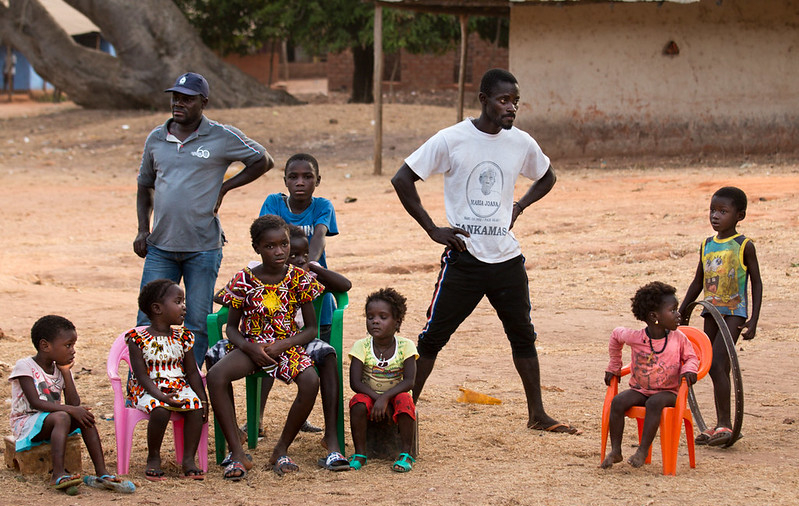 The small, West African country of Guinea-Bissau, comprised of 88 islands, is home to 1.8 million people. Its beautiful landscapes, pristine beaches, cultural traditions and natural source of mangoes, cashews and papayas attract tourists to its UNESCO Biosphere Reserve. Yet of the 873,000 children of Guinea-Bissau, 70% are living in poverty.
Children under 5 years of age account for 291,000 of the population and face the highest risk of malnutrition, stunting and high mortality rates. Child poverty in Guinea-Bissau has a detrimental effect on a child’s future by restricting opportunity. Poverty forces children as young as 5 into work, becoming debt slaves, and into sexual exploitation, with “17% engaging in child labor.”
Health and education challenges in Guinea-Bissau limit opportunities for children due to factors such as poverty, malnutrition and cultural norms. These obstacles hinder a child’s prospects. Efforts to address period poverty are ongoing, including increased pad donations, aiming to make lasting progress in ending this issue.
High Child Mortality Rates
For children under the age of 5, malaria, diarrhea and pneumonia account for 27% of deaths, with death in the first month of infancy accounting for 43%. These diseases pose a greater risk in urban areas where only 35% of children are vaccinated.
Between 2014 and 2019, child mortality rates dropped from 8.9% to 5.1%. The COVID-19 pandemic had a detrimental effect on child mortality rates, due largely to health care strikes, lack of vaccinations and essential medicines, which has left them unable to access appropriate medical care.
Malnutrition
Child poverty in Guinea-Bissau causes wasting, affecting 5% of children under the age of 5, with 28% also having stunted growth.
Limited education around infant feeding and consuming food that is poor in nutrition, alongside preventable illnesses like diarrhea and malaria, have raised the rates of malnutrition.
For children living in poverty in Guinea-Bissau, 40.6% of children experience stunting, and even for those with a more significant income, stunting still affects 17.8%.
Health and Access to Clean Water
Accessing pediatric care for children under 15 is difficult in Guinea-Bissau due largely to the lack of pediatricians. According to UNICEF, the country has three pediatricians for every 720,000 children, and 66% of the population has to walk at least one hour to a health center.
In terms of health, inadequate sanitation exacerbates conditions. Approximately 84% of households lack access to soap and water for proper handwashing. In 2019, merely 18% of households could access uncontaminated water, free from fecal bacteria, while just 45% had access to water points. These challenges contribute to public health issues.
Diarrhea is the second-highest cause of death for children under 5. Inadequate access to clean water causes diseases and can lead to infection or even death.
Children’s health is a priority with Vitamin A supplements and deworming becoming “routine activities of community health workers.”
Supported by UNICEF, the integrated management of acute malnutrition (IMAM) has created training and supplies for adequate treatment. It has opened up 78 healthcare facilities nationwide to treat malnutrition.
Education
Guinea-Bissau Annual Country Report conducted in 2022 found that “93% of cases of children who had to repeat an educational year in primary school were strongly linked to malnutrition.”
Guinea-Bissau’s children struggle to gain an adequate education, resulting in a lack of basic skills. Teachers are often under-trained and lack suitable knowledge and resources, resulting in substandard teaching outcomes.
For children aged between 7-14, 88% do not have basic literacy skills, and 93% are unable to demonstrate numeracy skills, with Guinea-Bissau having “a primary education completion rate of under 30%.”
Positive Steps
The World Food Programme (WFP) is working with the Guinea-Bissau government to tackle the impact of malnutrition. 179,000 children receive hot and nutritious meals. In May 2023, WFP implemented a program to provide vegetable gardens in schools, focusing on children with special needs. The program aims to promote home-grown produce that can be used in schools.
The WFP provides nutritious meals to children, and alongside the Social Behavior Change and Communication campaign, the organization is tackling cultural views on eating habits and locally sourced food.
Children in Guinea-Bissau with disabilities face further challenges when accessing education. The Humanity and Inclusion U.K. has been working to make schools more accessible to disabled children, and while its education program ended in March 2022, it is working toward implementing further programs and improvements.
The children of Guinea-Bissau face difficulties accessing health care, education and getting out of poverty. However, key steps by organizations like UNICEF, WFP and Humanity & Inclusion U.K. are creating opportunities for children to reach their full potential. With continued support and investment, there is hope for the children of Guinea-Bissau to rise above poverty and access better health care and education.
– Isabel R. Burnside
Photo: Flickr
