Poverty and Women’s Rights in Guinea-Bissau
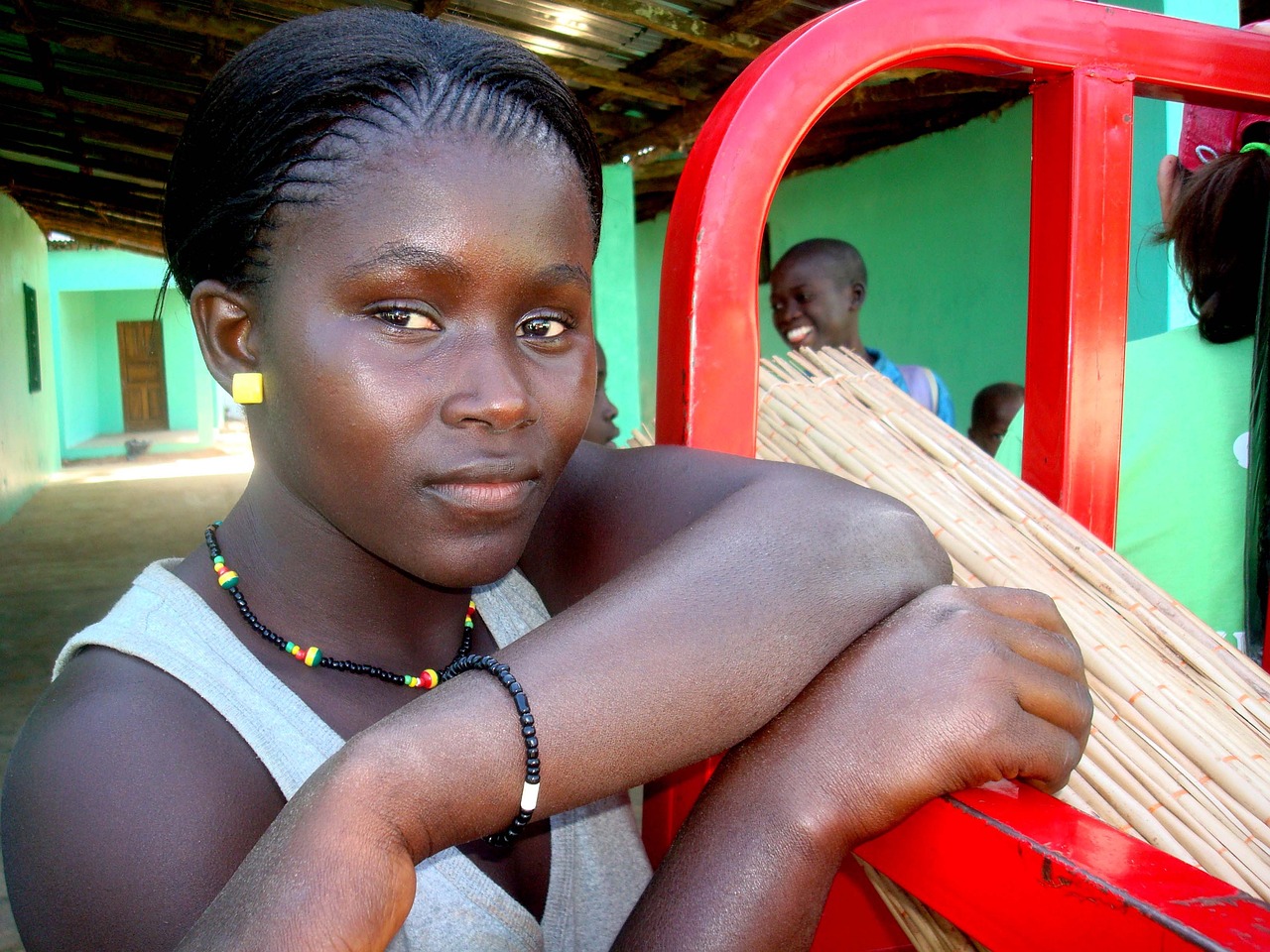 Guinea-Bissau is a small country located on the west coast of Africa and is a former colony of Portugal, from which it declared independence in 1974. Despite political and governmental challenges, including constitution changes and a coup d’Etat, the country has made efforts to protect women’s rights in Guinea-Bissau in key sectors such as labor, security and health measures.
Women in the Workforce
Developing nations such as Guinea-Bissau often face cultural and familial challenges that hinder women’s involvement in the workforce. Globally, the female labor force participation rate, which is the proportion of the female population that is 15 or older who are economically active is 48.8%. This figure rose dramatically, from just 2.63% in 1979. Additionally, the female unemployment rate in Guinea-Bissau is 2.8%. This is a low figure, especially in comparison with other developing nations across Africa and the Middle East. While the potential for progress remains, the data regarding workforce participation is an indicator of progressive change in female poverty and women’s rights in Guinea-Bissau.
Domestic Security for Women
As it stands, the Guinea-Bissau constitution does not explicitly prohibit violence against women or harmful practices to women’s health and safety. To improve female safety across Guinea-Bissau, the country adopted measures such as the Convention on the Elimination of All Forms of Discrimination Against Women (CEDAW) in 1985 and a National Action Plan per U.N. Resolution 1325 in 2011. However, Guinea-Bissau experiences high levels of governmental corruption and impunity for gender-based violence, as well as a stark lack of prosecution for cases of rape. This makes the legal advancements that promote women’s safety ineffective and reinforces gender disparity and poverty regarding domestic security.
Maternal Mortality
A vital measure of women’s health in a country is maternal mortality. One measure of maternal mortality is the number of maternal deaths per year. In 2020, Guinea-Bissau experienced 464 maternal deaths, down from 743 in 1997. In comparison, a developed country such as the U.S. experienced only 19 maternal deaths per 100,000 live births in the same year. While data shows improvements in maternal safety in Guinea-Bissau, these numbers are severe and have serious consequences for women’s health.
In 2020, 3.12% of women in Guinea-Bissau were expected to die from pregnancy-related causes, according to Our World in Data. This statistic is abysmal, but women’s health in childbearing and birth can be dramatically improved through investment in maternal care, safe and sterile deliveries, improved nutrition and better hygiene and sanitation. UNICEF provides training and technical support to community health workers “to upgrade the skills of midwives as in some cases poor obstetric care has contributed to high maternal death rates.”
FGM in Guinea-Bissau
Female Genital Mutilation (FGM) is a practice across developing nations in Africa, Asia, and the Middle East that has serious health consequences for the girls who experience FGM. In 2011, Guinea-Bissau passed the Federal Law to Prevent, Fight and Suppress Female Genital Mutilation. This law defines FGM, as well as criminalizes the performance, the failure to report incidents, the participation of medical professionals in the act, and the procurement or arrangement of FGM.
While this law is a significant step in reducing FGM and its culture across Guinea-Bissau, it is necessary to reiterate the impact of the weak legal system and corrupt government in the country. Due to these challenges, there is no data regarding prosecutions under the updated criminal code that FGM laws fall under. However, data does exist on the prevalence of FGM across Guinea-Bissau. From the ages of 15-49, an average of 52.1% of women experience FGM, with lower rates along the coast and extreme rates inland (95.8% of women in the Gabú region), according to the 28 Too Many report. Thus, poverty and women’s rights in Guinea-Bissau are strongly hindered by the prevalence of FGM, as the practice creates unsafe and unhealthy realities for women and girls across the country.
The Future of Women’s Rights
Women’s rights in Guinea-Bissau have increased with a global movement to involve women in the workforce, promote their safety and protect their health. Fortunately, numerous NGOs and non-profit organizations carry out important work in improving the well-being of women in Guinea-Bissau. For example, the FGM/C Research Initiative (FGMCRI) continues the work of the 28 Too Many Charity, which provides essential research and recommendations for ending FGM in countries that allow the practice to continue, including Guinea-Bissau. FGM is a difficult problem to measure and research, so the work of FGMCRI has provided other charities and organizations like the U.N. with the research needed to adjust goals and interventions.
Another organization operating in Guinea-Bissau is Effective Interventions which has been in operation for just two years. This NGO conducts randomized controlled trials to improve maternal and child health and literacy. In doing so, Effective Intervention can accurately measure the outcomes of their trials, which are either expanded or discarded depending on program success rates. Thus far the organization has succeeded in five projects that have improved maternal mortality rates and increased literacy rates in children.
Despite extensive challenges to women’s rights in Guinea-Bissau, these organizations provide hope to the women experiencing the challenges, and to the future generations of women who will continue to improve conditions.
– Carlie Duggan
Carlie is based in Newtown, PA, USA and focuses on Global Health for The Borgen Project.
Photo: Pixabay
