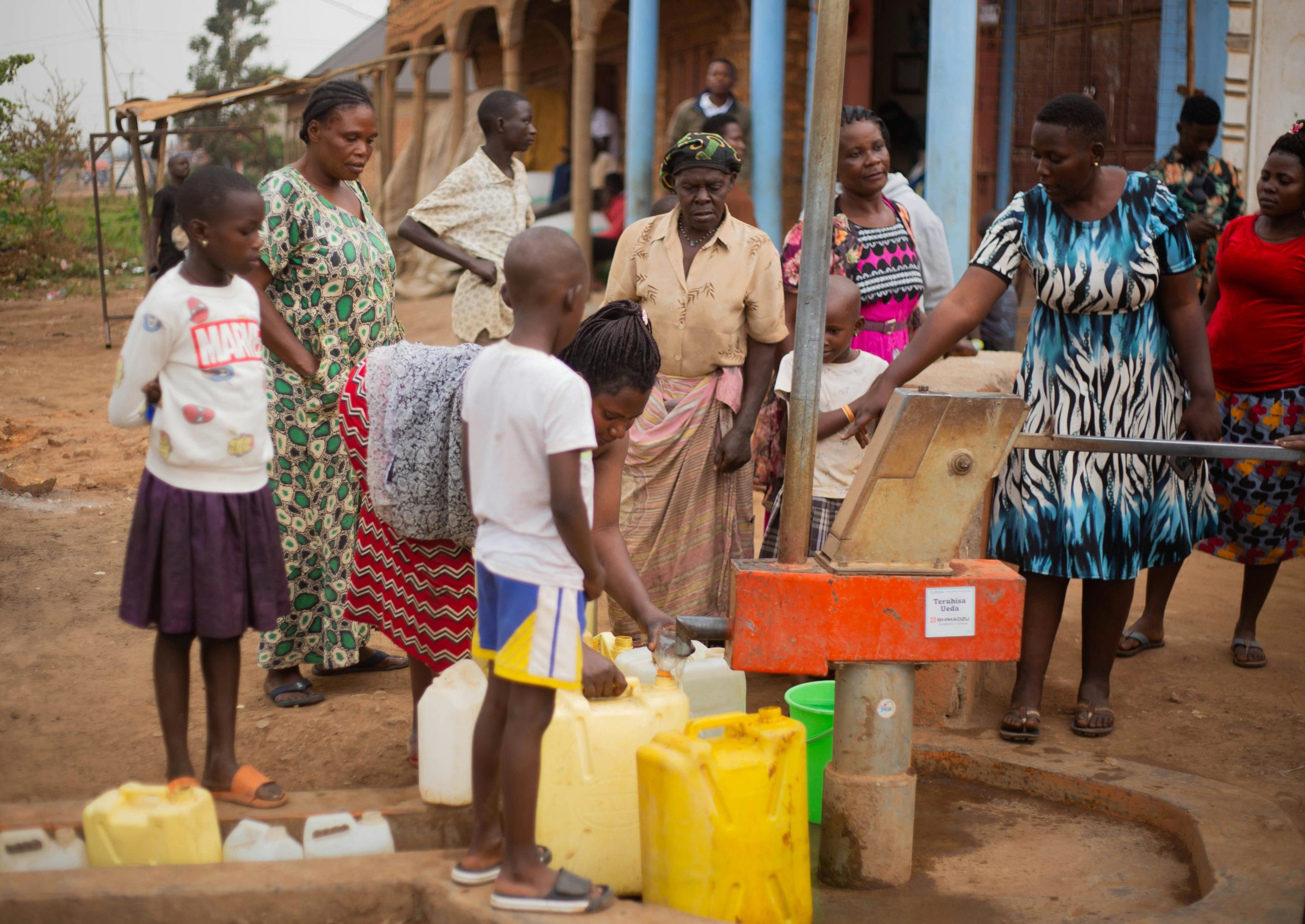
 Access to clean, safe drinking water is integral for maintaining the health and everyday life of any human being, with the World Bank stating that it is “essential for human and economic development.” However, with less than 1% of the water on Earth being drinkable, not everyone has access to clean, safe water.
Access to Clean Water in Jamaica
The anthropogenic change in the climate is placing further stress on natural freshwater sources due to increasingly irregular rain patterns and more frequent extreme weather, such as droughts and flooding. This affects access to safe drinking water and damages water infrastructure, further limiting availability. In Jamaica, this has led to indefinite water restrictions in some areas as reservoirs like the Hermitage System and Mona Reservoir operate well below capacity, at 37% and 33%, respectively.
In recent years, Jamaica has even had to resort to water shutoffs where water is only accessible at certain times. This demonstrates that although Jamaica is known as “the land of wood and water,” access to clean and safe water remains an important issue and is only predicted to worsen if no intervention is undertaken to combat the impact of climate emergency.
Increasing Access to Clean Water in Jamaica
Jamaica’s National Environment and Planning Agency (NEPA), in response to the nation’s worsening clean water situation and the threat posed by adverse climate conditions, signed a grant agreement with the U.S. Trade and Development Agency (USTDA) on July 31, 2024. The grant “will support the development of reverse osmosis technology” by facilitating a study undertaken by the NEPA into 13 different national reverse osmosis sites and four international sites “that are environmentally responsible and reduce the impact on groundwater and marine life.”
Advancements in Reverse Osmosis Technology
Reverse Osmosis (RO) “is a multistage water filtration process that is used to remove up to 99.9% of contaminants.” This could simply be removing salt from seawater and turning it into safe and clean potable water for households or industries. However, it can also have other less obvious applications, such as removing heaving metals and dangerous chemicals from industrial wastewater, allowing it to be reused or distributed to the public. Both these applications of RO technology can help reduce water insecurity and help provide greater access to clean water in Jamaica.
Current developments in RO technology are also promising, offering increased efficiency at lower energy costs through a new pressure exchange system that fully automates the RO process. These new technological developments, combined with the implementation of RO systems made possible by the USTDA grants, can reduce Jamaica’s water insecurity while reducing the operation costs of such technology, making these services much more cost-effective and viable for a developing economy such as Jamaica’s.
Safe Water, Health and Poverty
While most people intuitively understand the importance of access to safe and clean water because it’s used copiously in daily life, it is also inextricably linked to health and, by extension, poverty. Clean water is essential not only for drinking and basic sanitation but also for many industries, including agriculture, which accounts for about one-twentieth of Jamaica’s gross domestic product (GDP). Therefore, a lack of access to clean and safe water can cause diseases such as cholera or diarrhea and reduce economic growth by impacting and limiting industries such as agriculture, which accounts for 29% of GDP and 65% of jobs in developing countries.
Poor health is a major cause of poverty and a significant barrier to escaping it, as medical treatment often forces those living in or near poverty to cover out-of-pocket expenses. Ill health also prevents the sick individual or those caring for them from working, creating a loss of earnings that “is often larger than that through medical expenses.” Therefore, disease and poor health caused by unsafe water, often resorted to when clean and safe water is unavailable, can directly impact or cause poverty. A lack of safe and clean water can also affect early childhood development due to time spent fetching water and associated illness with poor hygiene and sanitation, leading to disrupted education, another factor directly linked to increases in poverty.
Final Remarks
Achieving 100% access to clean water across Jamaica is essential for reducing poverty-related factors and fostering economic growth. The USTDA’s support will help accelerate progress toward this goal while facilitating the implementation of sustainable, long-lasting infrastructure to meet Jamaica’s ongoing demand for clean water. Advancements in RO technology further support meeting future water demands while lowering energy costs, making RO a more viable long-term solution for Jamaica’s clean water needs. This will help reduce the impact of a lack of clean and safe water as an influencing cause of poverty and its continuation, hopefully paving the way for further poverty reduction measures in the country.
– Archie Day
Archie is based in St Andrews, Scotland and focuses on Technology and Global Health for The Borgen Project.
Photo: Pexels

3D Printed Weather Stations Combats African Data Poverty
Climate Data Poverty in Africa
Weather Stations do much more than just inform whether an umbrella will be necessary today. It is often overlooked that they make up the integral forecasting infrastructure that saves countless lives, prevents massive economic damages, and protects the livelihoods of the most vulnerable demographic—by providing early warnings of extreme weather events. The availability of early warning systems allows vulnerable people to have enough time to evacuate and better prepare for emergency relief, lowering the number of casualties and deaths.
Advancements in weather forecasting in the last 50 years have contributed to the massive decrease in the number of deaths that extreme weather globally causes. However, statistics at a global scale hide within it the fact that flood-induced deaths were four times more occurrent in Africa per flood for the last 20 years; the fact that 99% of deaths caused by droughts occurred in Africa from 2006 to 2015.
Weather Stations in Africa
Although this indeed is a problem with a variety of causes, the attention of global health agencies, researchers and foreign aid projects synchronously focus on establishing early warning systems in the African continent in response (The World Meteorological Organisation (WMO) and the Biden Administration have all addressed this issue publicly in 2023). The unnerving fact is that the African continent immensely lacks land-based weather observation network coverage and is currently losing existing facilities.
According to Climate Links, 3,300 ground-based weather stations covered the African continent in 1981, but in 2023 only 800 remain functional. This is mainly due to a lack of maintenance and the high cost of those operations. The WMO reports that only 37 Radar stations cover the African continent of 1.2 billion people while 636 stations cover Europe and the United States with 1.1 billion people. Simply having an early warning 24 hours before an extreme weather event can lower damages by 30%
The first part of the answer is that weather stations are incredibly expensive tools and governmental funding is insufficient in many parts of Africa. According to the Kenyan Meteorological Department, each automatic weather station cost them $54,000, The Washington Post reports. The second part of the answer is the fact that the maintenance cost of these weather stations is also high, adding to the height of the financial obstacle. Maintenance costs include manpower for regular maintenance (cleaning the sensors), the cost of operational power, and the cost of replacing broken parts, according to Climate Links. The fact is, constructing a rich network of weather stations and maintaining it in a continent as large as Africa is expensive—especially challenging for a region facing the highest level of poverty globally.
The Good News: 3D Printed Weather Stations
3D Printed Automatic Weather Stations (PAW) is a collection of 3D printable blueprints, instruction manuals and software that experts can use to locally build a fully functioning weather station using minimal resources in even the most distant parts of the globe. Despite its astronomically cheaper construction cost– around $300-500 USD–the system can impressively measure seven meteorological indicators simultaneously at 15-minute intervals: “pressure, temperature, relative humidity, wind speed, wind direction, precipitation and visible/infrared/UV light.” Building the system can take just a week, showcasing its potential for reproduction at an extremely fast pace.
3D PAW has grabbed the attention of the African early warning system space. In late March 2023, this new technological solution received a $10 million commitment as part of the expansion of the FEWS NET network from the Biden administration to establish a strong weather station network in the African continent, according to The White House. 3D PAWs have started to be deployed in Kenya and have currently installed 26 working weather stations at the time of reporting.
Now, the rigidity of the 3D-printed weather stations needs examination and the problem of maintaining a larger network of 3D PAWS is still something that needs a solution. However, it is undeniable that the cost-of-production problem now has an attractive solution. It is an exciting time.
The Conclusion
Working, reproducible and affordable, 3D printed weather stations are just one piece of the puzzle, but also a part of a new wave of innovations—such as AI analysis models—transform the weather forecasting game to be more affordable. The problem is still far from being solved, however, solutions are being proposed and governments and organizations globally are attentive and working together to solve the problem. The early warning issue in Africa is at a dynamic state – it is exciting to anticipate what the future may hold.
– Siwon Kim
Photo: Flickr
ChildFund in Brazil
Education and Youth
Due to the effects of COVID-19, the education system was in dire need of support, UNICEF stated that, in 2022, 2 million children from the ages of 11 to 19 had not completed basic education and had not returned after the closures from COVID-19. ChildFund in Brazil have been persistent in trying to eradicate the education system to make a more positive environment; it has started introducing awareness workshops within the community schools. Additionally, more than 12,000 young people took part in ChildFund’s “Skilled and Involved Youth” projects in 2015. The organization conducted several workshops focusing on natural disasters and violence.
There are several campaigns that ChildFund runs and networking sessions to get more young people involved in current affairs which also, opens more avenues for young people to be involved in decisions directly relating to them. ChildFund is working alongside local partners (OSPs) to encourage children to have a routine to stick to and they have several social groups that support children in several activities, such as dance and judo. OSPs have also created several play kits to support the children with art supplies and they supply the correct age-appropriate items. All of these initiatives help support the children of Brazil.
Health Care
Brazil has purposefully attempted to rebuild the health care system after the devastating disaster of COVID-19 and the government’s focus has been on achieving Universal Health Coverage (UHC). Although there are several improvements to health care and being more available there are still shortages in public funding, suboptimal resource allocation and weaknesses in health care delivery persist. Those who are most vulnerable to these issues are children, the elderly and those with terminal illnesses; thus, ChildFund aims to improve the health care systems for children. In 2015 ChildFund in Brazil created a “Taking Care of the First Years of Life” program which has benefitted more than 8,000 children in 31 different areas in Brazil, according to its website.
During the COVID-19 pandemic, it was very difficult to support people physically however, ChildFund partnered with local staff who could help them connect with families virtually and provide at-home kits for caregivers and educators. It also hand-delivered food to more than 7,700 families including baby supplies such as baby cribs and clothes.
Safe Drinking Water
There have been several severe droughts in the southeastern areas of Brazil and these conditions have created a shortage in water for agriculture and clean, drinking water for people, according to ChildFund. ChildFund in Brazil has constantly worked with local partners and organizations to have a better monitoring system in place for when these events occur and in particular making sure the water quality is clean for drinking.
According to ChildFund, it collects regular samples and tests for bacteria and any other pollution and it has created a backup system to be more prepared and also, encourage others to be aware of these issues and raise awareness. The World Food Programme (WFP) Centre of Excellence against Hunger and ChildFund in Brazil signed a partnership to promote food and nutritional security for children and find solutions to fight hunger. ChildFund has always tried to defend children’s rights and they are an important asset to building sustainable solutions for children.
– Charlotte Johnston
Photo: Flickr
The Solutions to Elderly Poverty in Nauru
In Nauru, 24% of the population lives below the basic needs poverty line, highlighting a persistent issue of elderly poverty. This challenge has been addressed for years through efforts by both the Nauruan government and nonprofit organizations. Given the substantial proportion of elderly individuals in the population, it is crucial to strengthen support systems. These measures not only aim to reduce poverty but also to preserve Nauruan history and cultural heritage, with the help of foreign aid and continued government backing.
Social Protection Programs: Elderly Allowance
Nauru has established Social Protection Programs and activities to support qualified members of its community. Current government initiatives include Birth Claims, Death Claims, Disability Allowance and School Feeding Programs. Additionally, since 2005, the reformed Nauruan government has introduced an elderly allowance aimed at assisting impoverished seniors and providing much-needed financial support for the elderly population.
Eligible members of the community in Nauru receive $50 every two weeks as part of the Elderly Allowance program, supporting individuals aged 60 and above. In 2012, this amount was increased to $75 following efforts by the community to enhance financial support for seniors. However, with an average cost of living in Nauru of $1,000 per month, this assistance falls short of covering basic needs. Additionally, financial aid is not available to those with other income sources or those still on the waitlist, highlighting ongoing challenges in addressing elderly poverty in Nauru.
NIANGO
With only 25 members in 2007, Nauru Island Association of Nongovernmental Organizations (NIANGO) was the only nongovernmental body fighting general poverty in Nauru. NIANGO emphasizes communications, human rights and effective management within Nauru. In addition, the NGO plays a crucial role in facilitating the work of other not-for-profit organizations in Nauru. As one of the most impoverished countries in the world, Nauru depends heavily on foreign aid and organizations like NIANGO work to serve the entire community.
NIANGO functions as a coalition that fosters collaboration among NGOs, offering support in advocacy, information sharing and networking with both international and regional organizations. It also assists in capacity-building activities and institutional strengthening for its members. By amplifying the voices of struggling populations, including older adults, NIANGO helps drive change in Nauru through the mobilization of funds and resources.
Intergenerational Trust Fund for the People of Nauru
The Minister for Finance oversees the Intergenerational Trust Fund (ITF) in Nauru, which receives financial support from countries like Thailand, New Zealand and Australia. Between 2020 and 2021, Nauru received significant funding through the ITF, with cash contributions of $1.8 million from New Zealand and $3.5 million from Australia.
The ITF was initiated in 2009 with the goal of investing in phosphate mining, ensuring that Nauruans would benefit from royalties. Through the support of the ITF, Nauru’s elderly population, along with the broader community, receives financial assistance that helps sustain their livelihoods and improve overall living conditions.
Final Note
While there is still work to be done to address elderly poverty in Nauru, organizations like NIANGO and initiatives such as the ITF are making meaningful progress. The people of Nauru are in urgent need of continued support from governments capable of assisting, such as Australia, New Zealand and China. With increased backing, there is hope that the elderly population can enjoy a higher standard of living in their later years.
– Alena Thomas
Photo: Flickr
The Wajukuu Art Project in Mukuru, Nairobi
Mukuru’s Living Conditions
The Mukuru slum is situated on a hillside near the Kenyan capital’s major manufacturing industries. Job opportunities, however, are scant, so many subsist by scavenging for saleable items in the dumpsite that pollutes their locality. Most of the slum’s 700,000 residents live in suffocatingly tiny three-square-meter homes, sheltered only by roofs made of cardboard or plastic.
Diseases like malaria and tuberculosis are rampant, yet most medical facilities are priced out of residents’ reach. However, with the community’s involvement, the area has recently witnessed development, with 32 more miles of paved roads and significantly better access to flushing toilets.
The Slum Art Form’s Roots
In 2003, Lawrence “Shabu” Mwangi and a few other art school graduates from the Lumba-Lumba neighborhood of Mukuru formed an art collective. They wanted to avoid the criminal activities that many around them had succumbed to with the lack of fruitful employment opportunities.
Officially registering it in 2007, they named it “Wajukuu” or “grandchildren,” deriving from a Swahili proverb that says that younger generations feel the actions of parents and grandparents. Having borne the brunt of previous generations’ mistakes, they wanted to shape a happier future.
Bringing the Slum’s Art Form to Its Children
Noticing the many curious children intently looking in from the outside daily, they decided to start a Kids’ Club. This became their chance to find authentic self-expression, as also future employability, amid the deprivation that they were growing up with.
On a pleasant June day this year, perched upon large sheets of paper, the Kids’ Club started painting. Sitting beside the toxin-choked Ngong River, they used bright tangerine and vivid cobalt hues to breathe life into their self-portraits. They showed an intimate understanding of the problems that had broken their world and their dreams of transforming it. One child outlined his forearm and wrote “PEACE” in bold letters right next to it. Another depicted a man distributing bags of rice among locals.
So far, Wajukuu’s 27 members have nurtured more than 1,000 children through the Kids’ Club and art therapy. The team also manages a library that teaches close to 30 children daily. Wajukuu’s scholarship program has enabled 15 students to achieve a high school education. Wajukuu’s other initiatives include sustainable, organic farming and the twice-yearly Slum Art Festival, which hosts exhibitions and performances by well-known musicians and dancers.
Recognition for The Wajukuu Art Project
In 2022, Wajukuu was invited to take its distinctive slum art form to the Documenta Fifteen contemporary art exhibition in Kassel, Germany, which saw a footfall of more than 738,000. Indeed, Wajukuu interactive architectural displays were reminiscent of traditional Maasai homes and the construction patterns typical of its Mukuru, with its trembling corrugated metal walls.
Even after Documenta, Wajukuu was part of a minor core team working to promote collectivity and shared resource building across geographies. Furthermore, Wajukuu’s In The Absence exhibition at Nairobi’s African Arts Trust gallery in August 2024 startled visitors into self-reflection about the irresponsible use of technology and true freedom from colonialism.
– Shiveka Bakshi
Photo: Pexels
Reverse Osmosis: A Path to Clean Water in Jamaica
Access to Clean Water in Jamaica
The anthropogenic change in the climate is placing further stress on natural freshwater sources due to increasingly irregular rain patterns and more frequent extreme weather, such as droughts and flooding. This affects access to safe drinking water and damages water infrastructure, further limiting availability. In Jamaica, this has led to indefinite water restrictions in some areas as reservoirs like the Hermitage System and Mona Reservoir operate well below capacity, at 37% and 33%, respectively.
In recent years, Jamaica has even had to resort to water shutoffs where water is only accessible at certain times. This demonstrates that although Jamaica is known as “the land of wood and water,” access to clean and safe water remains an important issue and is only predicted to worsen if no intervention is undertaken to combat the impact of climate emergency.
Increasing Access to Clean Water in Jamaica
Jamaica’s National Environment and Planning Agency (NEPA), in response to the nation’s worsening clean water situation and the threat posed by adverse climate conditions, signed a grant agreement with the U.S. Trade and Development Agency (USTDA) on July 31, 2024. The grant “will support the development of reverse osmosis technology” by facilitating a study undertaken by the NEPA into 13 different national reverse osmosis sites and four international sites “that are environmentally responsible and reduce the impact on groundwater and marine life.”
Advancements in Reverse Osmosis Technology
Reverse Osmosis (RO) “is a multistage water filtration process that is used to remove up to 99.9% of contaminants.” This could simply be removing salt from seawater and turning it into safe and clean potable water for households or industries. However, it can also have other less obvious applications, such as removing heaving metals and dangerous chemicals from industrial wastewater, allowing it to be reused or distributed to the public. Both these applications of RO technology can help reduce water insecurity and help provide greater access to clean water in Jamaica.
Current developments in RO technology are also promising, offering increased efficiency at lower energy costs through a new pressure exchange system that fully automates the RO process. These new technological developments, combined with the implementation of RO systems made possible by the USTDA grants, can reduce Jamaica’s water insecurity while reducing the operation costs of such technology, making these services much more cost-effective and viable for a developing economy such as Jamaica’s.
Safe Water, Health and Poverty
While most people intuitively understand the importance of access to safe and clean water because it’s used copiously in daily life, it is also inextricably linked to health and, by extension, poverty. Clean water is essential not only for drinking and basic sanitation but also for many industries, including agriculture, which accounts for about one-twentieth of Jamaica’s gross domestic product (GDP). Therefore, a lack of access to clean and safe water can cause diseases such as cholera or diarrhea and reduce economic growth by impacting and limiting industries such as agriculture, which accounts for 29% of GDP and 65% of jobs in developing countries.
Poor health is a major cause of poverty and a significant barrier to escaping it, as medical treatment often forces those living in or near poverty to cover out-of-pocket expenses. Ill health also prevents the sick individual or those caring for them from working, creating a loss of earnings that “is often larger than that through medical expenses.” Therefore, disease and poor health caused by unsafe water, often resorted to when clean and safe water is unavailable, can directly impact or cause poverty. A lack of safe and clean water can also affect early childhood development due to time spent fetching water and associated illness with poor hygiene and sanitation, leading to disrupted education, another factor directly linked to increases in poverty.
Final Remarks
Achieving 100% access to clean water across Jamaica is essential for reducing poverty-related factors and fostering economic growth. The USTDA’s support will help accelerate progress toward this goal while facilitating the implementation of sustainable, long-lasting infrastructure to meet Jamaica’s ongoing demand for clean water. Advancements in RO technology further support meeting future water demands while lowering energy costs, making RO a more viable long-term solution for Jamaica’s clean water needs. This will help reduce the impact of a lack of clean and safe water as an influencing cause of poverty and its continuation, hopefully paving the way for further poverty reduction measures in the country.
– Archie Day
Photo: Pexels
USAID Programs in Eswatini
USAID Programs in Eswatini
Whilst there are several USAID programs in Eswatini, most of its work in Eswatini, and Southern Africa as a whole has been a part of the President’s Emergency Plan for HIV/AIDs Relief (PEPFAR), which works to control the HIV/AIDS pandemic in at least 50 countries across the world. The project has four main priorities within its operation: making progress towards HIV/AIDS control in more than 50 countries across the world, helping partner countries in spending every dollar they receive on creating data-driven policies, giving access to support to the populations that the by HIV/AIDs impacts the most and providing them with innovative solutions that are appropriate to their situations while utilizing partnerships in several different sectors to increase their impact.
After partnering with USAID and PEPFAR in 2007, Eswatini’s first Swaziland HIV Incidence Measurement Survey (SHIMS) in 2011 proved HIV rates in Eswatini were relatively high. Only less than 62% of the infected population aged between 18 and 49 knew their status, and out of those, only 73.1% were undergoing treatment and were virally suppressed. However, after SHIMS3 in 2021, these figures had improved significantly, with 93.7% of the population living with HIV knowing their status, and of this, 96.2% were undergoing treatment
DREAMS
USAID introduced the Determined, Resilient, Empowered, AIDS-free, Mentored and Safe (DREAMS) program in Eswatini with help from PEPFAR in 2015, to help teenage girls and young women by addressing factors that make them susceptible to HIV/AIDS. The program offers services such as access to pre-exposure prophylaxis (a drug that can prevent the acquisition of HIV), education subsidies and wider access to HIV screening, testing and counselling. In Eswatini, young girls also have access to business mentorship with Cabrini Ministries, as youth unemployment currently stands at 58%, and this mentorship provides young girls with employment opportunities in a social climate where job opportunities for women are sparse.
In 2024, PEPFAR announced that it is looking to roll out DREAMS NextGen, in partnership with USAID, which will aim to take a specific approach for the situation in each country, by expanding the services already in place and specific services for women in each partner country. This USAID program in Eswatini is the next step within the DREAMS program, which aims to create “supportive environments” for teenage girls and young women, with aims including strengthening families with social protection with subsidized education costs and parent and caregiver programs and mobilizing local communities to promote change through a roll-out of school and community HIV and violence awareness and prevention.
The Future
It is clear that with the help of USAID programs in Eswatini and schemes such as the PEPFAR, the country will be able to sustainably develop beyond USAID programs and control the HIV/AIDs pandemic. With further support from both of these organizations, the people of Eswatini will be able to prosper, with access to things like better and subsidized education that will better prepare young people for the workplace and better healthcare to improve their quality of life.
– Freyja Stone
Photo: Unsplash
Elderly Poverty in Hong Kong
Causes
Elderly poverty in Hong Kong is driven by several factors, including a prevailing attitude that discourages reliance on welfare. As a result, there is limited government assistance available to provide financial protection for those struggling with poverty. Culturally, there is also an expectation for families to care for their elderly, with the Chinese government introducing a law in 2013 that demands children see and “greet” parents regularly, which made little difference. As times are changing, many families do not want to or are not able to care for their elderly.
While values are changing for some, the state has not adapted to this; existing welfare benefits (particularly the Social Security Allowance Scheme) for older people are rarely enough to cover living costs. Therefore, older adults are often seen collecting recyclable rubbish, such as cardboard and glass, in order to make enough money to survive. Pensions are a real concern, with the city having no pension scheme and many retirement funds being continually offset. This means that many are forced to remain in employment well past retirement age.
Furthermore, many cannot afford the help they desperately need; on average, it takes 19 months to receive subsidized home care services, leaving many older people alone without the support they need to live a fulfilling life.
Organizations Providing Aid
Efforts are underway to reduce elderly poverty in Hong Kong. Oxfam has launched the Concerning Home Care Service Alliance’s “service matching” scheme, which connects caregivers with seniors to assist with daily tasks like cooking, cleaning and accompanying them to appointments. Seniors pay just $0.64 for the service, while caregivers receive a stipend in addition to this small fee.
The Society for Community Organization (SoCO) also advocates for better support for older adults, assisting them in applying for existing welfare programs and accessing health care. These support systems are crucial for improving the quality of life for elderly individuals living in poverty. SoCO assists more than 1,000 seniors to apply for “social security or public housing each year.”
Furthermore, the Elder Academy supports the mental well-being of older adults by partnering them with academic institutions, offering opportunities for lifelong learning and fostering a sense of community inclusion. Last year, the organization received $10 million in government funding, demonstrating a commitment to improving the livelihoods of older adults.
– Eryn Greenaway
Photo: Flickr
3 NGOs Operating in Yemen
Save the Children
Save the Children is one of Yemen’s largest and longest-standing organizations working towards development and relief. As suggested by the name, Save the Children prioritizes funds and initiatives geared towards bettering the futures of the world’s children whether that be through education, health and medicine, policy and advocacy and emergency response programs, according to its website.
In response to the ongoing crisis in Yemen, Save the Children has been working on the ground and raising funds to bring much-needed resources to those most vulnerable. The organization has been operating in the country since 1963 and has been recognized as one of the largest NGOs operating in Yemen. Save the Children has delivered life-saving assistance to more than 5 million children in need since March 2015, and has supported more than 200 health facilities in providing vital resources for babies and children across the country, according to its website.
Youth for Homeland
Youth for Homeland (YFH) is an independent youth organization based in Yemen that works alongside its partners and relevant local governments to work towards a more developed future for Yemen. Established in 2013 with two branches, more than 150,000 indirect beneficiaries and 66,000 direct beneficiaries, YFH maintains goals of building economic stability and strong infrastructure across the country. The NGO works with other NGOs and INGOs along with relevant local governments to improve the lives of the Yemeni people.
YFH is actively working towards development in sectors ranging from sanitation and clean water to food security and youth empowerment. Some of the central projects of the organization include campaigns to provide food to vulnerable families, building better water infrastructure for clean water sources, and creating friendly and safe spaces for children in conflict-ridden regions to provide educational opportunities and improve health in the Yemeni youth.
Yemen Relief and Reconstruction Foundation
Advocating for awareness and policy change to U.S. politicians and policymakers while simultaneously working on the ground in Yemen to bring relief to those in need is what the Yemen Relief and Reconstruction Foundation (YRRF) values at its core. The YRRF’s mission statement surrounds the central value of rejecting war and violence and focusing completely on fostering peace, a moral principle reflected in each of the foundation’s projects both on the ground and abroad.
With about 18 million Yemeni lacking access to clean water, improving water infrastructure and funding innovative clean water solutions are a top priority for the Yemen Relief and Reconstruction Foundation. Since April 2024, YRRF fed more than 1,000 malnourished kids, their families received food baskets and caretakers learned proper feeding techniques. Furthermore, the foundation has changed the lives of 354 Yemeni orphans under the age of 18 through the YRRF’s orphan sponsorship program, thus enabling families to pave the way to brighter futures for themselves and their children.
These select initiatives only scratch the surface of the impact that the YRRF has had on the country. Offering cash transfer programs, delivering clean water tanks, training midwives to encourage safer health practices and supporting economic entrepreneurship are all programs that the foundation promotes across Yemen bringing about change on the ground and advocating for international awareness.
NGOs Operating in Yemen: Making a Change
NGOs operating in Yemen have prioritized support to those who are most vulnerable and advocated for awareness and policy change regarding the crisis. Save the Children, Youth for Homeland and the Yemen Relief and Reconstruction Foundation along with their partners and many more charitable organizations both national and worldwide represent hope and dedication to a better future for Yemen and the developing world in its entirety.
– Juliana Granville
Photo: Flickr
The WFP’s Efforts to Address Food Insecurity in North Korea
An Escalating Crisis
North Korea faces deep-rooted structural challenges in its agricultural sector, including a lack of arable land, inadequate access to modern agricultural technologies and persistent natural disasters. Droughts, floods and typhoons have devastated agricultural production in recent years. Even small-scale disasters have a disproportionate impact on the country’s food system, which is already fragile and prone to disruption. North Korea ranks 29th out of 191 countries in terms of its vulnerability to natural disasters.
The onset of the COVID-19 pandemic worsened the situation. With borders closed and imports restricted, North Korea has been cut off from many of the external resources it once relied on, including agricultural inputs and food imports. The pandemic has also disrupted the domestic food distribution system, compounding the country’s food insecurity. Economic sanctions imposed by the United Nations (U.N.) further restrict North Korea’s access to international trade, exacerbating shortages of essential goods such as fertilizers, modern farming tools and food.
The WFP estimates that 10.7 million North Koreans—approximately 40% of the population—are undernourished. Many suffer from chronic malnutrition, which is particularly severe among children, pregnant women and nursing mothers. The country’s child malnutrition rate is alarming. In children under five, 18% suffer from stunted growth due to inadequate nutrition. These numbers highlight the urgent need for external food assistance.
Recent WFP Initiatives to Combat Hunger
In response to the worsening food crisis, the WFP has adapted and expanded its programs in North Korea. The organization’s recent focus has been on scaling up the delivery of specialized nutritious food, enhancing food production resilience and securing additional funding to meet the growing need.
The Impact of Sanctions and Border Closures
The WFP’s efforts in North Korea are complicated by the country’s political isolation and economic sanctions. U.N. sanctions, aimed at curbing North Korea’s nuclear weapons program, include restricting international trade and investment in the country. In particular, sanctions have limited North Korea’s ability to import essential agricultural inputs, such as fertilizers and modern farming equipment, which are necessary to boost local food production.
The COVID-19 pandemic further complicated the WFP’s work. North Korea implemented strict border closures to prevent the spread of the virus. These closures cut off the country from most external aid and imports, including food and medical supplies. Additionally, the closure of public institutions and restrictions on movement within the country disrupted the distribution of food and aid. This has made it even harder for the WFP to reach those in need.
The Road Ahead
Despite the WFP’s efforts, North Korea’s food crisis persists, with millions still suffering from malnutrition. The need for expanded food assistance is critical. However, sanctions, political isolation and the ongoing effects of the pandemic continue to limit the WFP’s operations in North Korea. The organization has consistently called for increased funding and international cooperation to overcome these ongoing challenges. However, the path forward is fraught with uncertainty.
– Sophia Lee
Photo: Flickr
Poverty Alleviation in Hong Kong
Government Financial Aid
In response to reduced economic development, the Hong Kong government has launched several strategies to address local poverty. This year, it increased various social welfare subsidies by 3.3%, including the Comprehensive Social Security Assistance (CSSA), Disability Allowance and Old Age Living Allowance (OALA), benefiting more than 1.5 million citizens. Social welfare spending, now totaling HKD$127.4 billion, represents more than 20% of the government’s overall recurrent expenditure. This marks a 56.2% increase over five years, compared to HKD$81.5 billion in 2019. While financial aid plays a critical role, it may not be a long-term solution. Consequently, the government is also focusing on additional strategies to educate and assist able-bodied citizens in avoiding a return to poverty.
Government Programmes
Hong Kong has launched several government schemes to foster self-reliance among residents, particularly those in single-parent households facing poverty. A key initiative is the School-based After School Care Service scheme, which allows elementary students to stay at school for care and educational support after hours. This arrangement helps parents continue working without the burden of additional childcare costs, alleviating financial strain on single-income families.
Another significant effort is the Strive and Rise Program, a collaborative project involving the government, local businesses and the community. This initiative provides year-long mentorships to secondary students from economically disadvantaged backgrounds. Renewed for a second year, the program enhances students’ career prospects by offering mentorship and financial support to help them achieve personal development goals. Each participant receives HKD$ 10,000, with half paid at enrollment and the remainder upon program completion. These mentorships not only offer valuable work experience but also include lessons in financial planning, aiming to guide students toward economic independence.
Looking Ahead
Despite being relatively new, the Hong Kong government regularly evaluates the effectiveness of its programs aimed at poverty alleviation. As one of the world’s wealthiest regions, these local government initiatives underscore a strong commitment to narrowing the wealth gap in Hong Kong. By continuously refining and expanding these ongoing efforts, Hong Kong aims to foster a more equitable society where every individual has the opportunity for self-reliance and enhanced quality of life.
– Viola Cuthbertson
Photo: Flickr