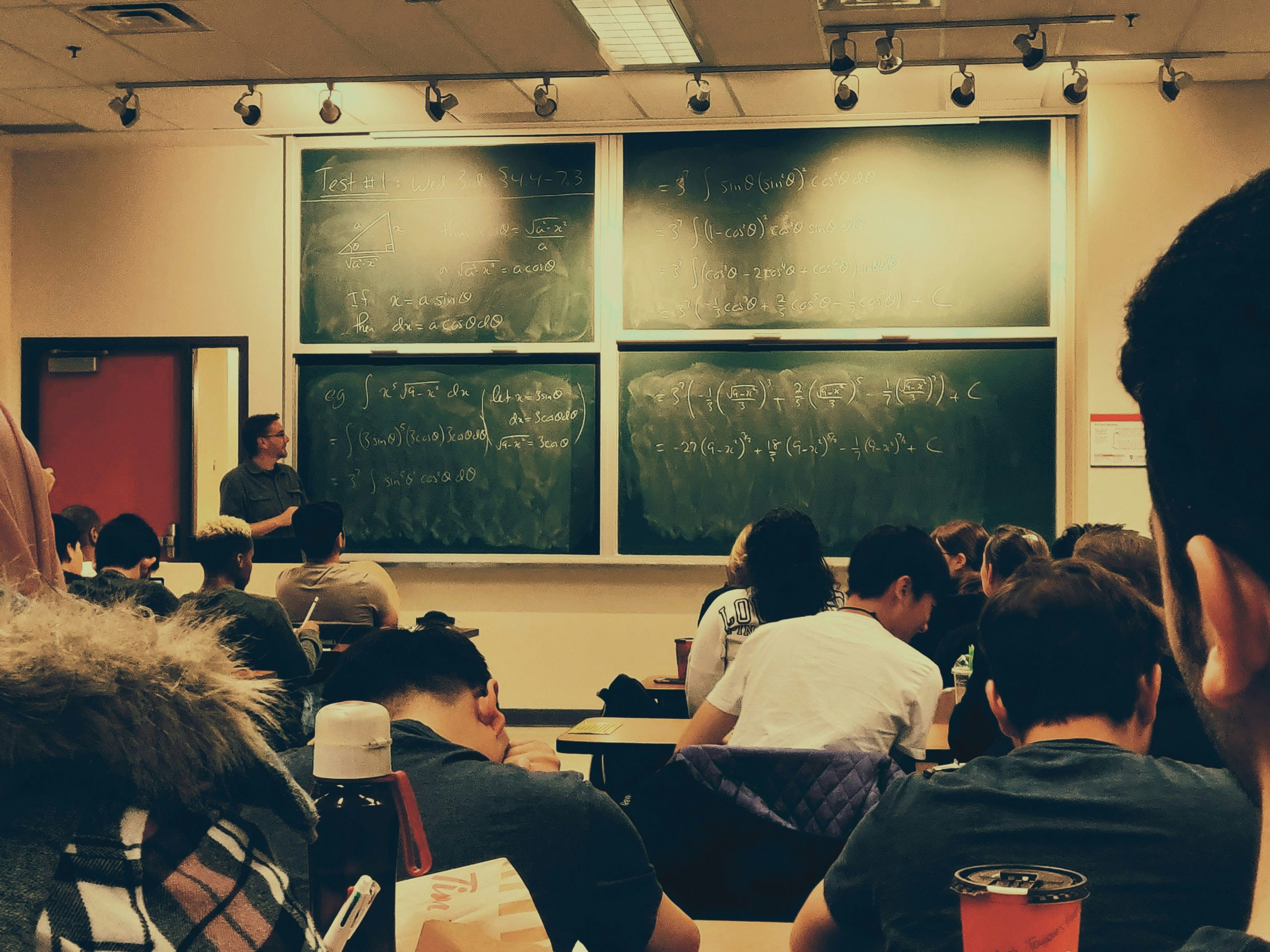
 Child poverty is a pressing issue in Canada, with more than one million children living in conditions that put them at risk of lifelong adverse effects. In 2021, Canada ranked 19th out of 39 countries in terms of child well-being, with poverty rates worsening over the years. The consequences of this poverty are profound, affecting children’s physical health, mental well-being and academic success. For many, the lack of adequate resources, nutrition and educational support makes it incredibly challenging to break out of the cycle of poverty. Education, a key pathway to a better future, is often compromised for these children, leading to long-term disadvantages that can last a lifetime.
Start2Finish is a Canadian charity committed to breaking this cycle of child poverty by offering continuous educational support to at-risk children. Its mission is clear: to empower children from low-income families to succeed in school and life by nurturing their minds, bodies and social health. Through programs like the Running and Reading Clubs and Backpack Program, Start2Finish provides children with the tools they need to thrive academically and socially in their school environment.
The Start2Finish Journey
Start2Finish was founded in 2000 with a vision to eliminate the impact of child poverty in Canada. Since its inception, the organization has made a significant impact across the country, serving thousands of children each year. With a network of 700 volunteers in 70 communities, Start2Finish offers 120 sessions each week
The Running and Reading Clubs, one of Start2Finish’s flagship programs, are after-school initiatives that combine physical activity with literacy education. These clubs operate in more than 50 communities across Canada, providing children with a safe and supportive environment where they can improve their reading skills, build confidence and develop a love for physical activity.
The Backpack Program, another cornerstone of Start2Finish’s efforts, provides children in Canada with key school supplies at the beginning of the academic year. This initiative ensures that children from low-income families have the resources they need to start the school year on the right foot. Together, these programs are designed to address the multiple dimensions of poverty that affect children’s ability to succeed in school and life.
Between 2022 and 2023, Start2Finish distributed 12,000 books to children, worked alongside 37 organizations and accomplished much more. Start2Finish also provides several other initiatives, including the Brainworx program, the Junior Coach program and many more.
Start2FinishUTM: Expanding the Reach
In February 2024, a group of dedicated students at the University of Toronto Mississauga (UTM) recognized the importance of Start2Finish’s work and decided to bring its mission closer to home. Led by co-presidents Kathy Dang and Karl Aquino, Start2FinishUTM was established as a student group with the goal of expanding the reach and impact of Start2Finish through volunteer recruitment and community engagement.
The idea for Start2FinishUTM was born during UTM’s Alternative Reading Week, a program that connects students with community organizations for experiential learning opportunities. Dang and Aquino, both passionate about giving back to the community, were inspired by Start2Finish’s mission and saw a chance to make a difference. “We really love their work and we really appreciate what they do as a nonprofit organization. So we, Start2FinishUTM, we’re basically helping them expand their volunteer outreach initiatives to help the organization,” Aquino explained.
One of the challenges facing Start2Finish in recent years has been a decline in volunteer numbers, particularly after the COVID-19 pandemic. Many of the organization’s long-time volunteers did not return, creating a gap that needed to be filled. Start2FinishUTM aims to address this challenge by recruiting new volunteers from the UTM student body and the broader Mississauga community.
Building a Strong Volunteer Network
To achieve its goals, Start2FinishUTM has outlined a comprehensive plan for volunteer recruitment and community engagement. The group plans to host interactive workshops, information sessions and charity events throughout the academic year. “We’re planning on tabling in September at the Clubs Fair, where we can outreach to first-year and second-year students and also during Orientation Week,” Dang shared. These events will provide students with the opportunity to learn more about Start2Finish and how they can get involved.
In addition to these outreach efforts, Start2FinishUTM is also exploring fundraising initiatives to support Start2Finish’s programs directly. “We’re in the middle of brainstorming so many different ideas that we could do as fundraising events,” Aquino said. The group hopes that these efforts will not only provide financial support to Start2Finish but also raise awareness about the issue of child poverty in the community.
A Personal Motivation
For both Dang and Aquino, their involvement with Start2FinishUTM is deeply personal. Dang, who is studying Digital Enterprise Management and Linguistics and Aquino, who is pursuing a degree in Comparative Physiology and Biology for Health Science, both have a strong desire to give back to their community. “It’s very close to my heart because I love children,” Aquino said. Coming from an Asian family where academics is one of the biggest things, providing these services for children might be small, but for me, very important,” he added.
Dang echoed this sentiment, sharing her own connection to the cause. “Our mission is to break the cycle of child poverty by providing ongoing educational support to at-risk children. My main motivation was to assist in this cause, supporting and helping children that may be struggling just as I may have once experienced in my personal life as well. And that personal connection really hits straight home to my heart,” said Dang.
Looking Ahead
As Start2FinishUTM moves forward, the group is focused on building a strong community of volunteers and supporters who share its passion for education and social change. “We’re just starting and we’re a very fresh and new student group. Hopefully in the next few years, more students will know about it and our impact on the community will snowball from there,” Aquino said.
Start2Finish UTM is more than just a student group; it is a movement dedicated to breaking the cycle of child poverty through education and empowerment. By partnering with Start2Finish, the students at UTM are not only contributing to a vital cause but also building a legacy of service and social responsibility that will inspire future generations.
– Jennifer Lee
Jennifer is based in Toronto, ON, Canada and focuses on Good News for The Borgen Project.
Photo: Unsplash

Addressing Energy Poverty in India
Governmental programs aim to alleviate energy poverty in India while promoting more reliable and efficient forms of energy. The Indian government will continue to subsidize all energy forms to meet growing demand while promoting technological development and private investment.
Energy Poverty In India
Energy poverty is still widespread in India because of the challenges of affordability, capacity and reliability. According to the Household Energy Poverty Index, 65% of households experienced energy poverty in 2020, but this is improving.
Energy poverty in India declined between 2004 and 2012 in most states but increased in poorer states which account for more than 30% of India’s population. It is declining slower in rural areas — the greatest improvements being in major cities.
Energy poverty rates are higher than income poverty rates. In rural areas, 57% of households experience energy poverty while 22% experience income poverty, compared to 28% and 20% respectively for urban areas.
Energy poverty affects disadvantaged groups. It is linked to lower socio-economic status and level of education. Furthermore, lower castes and marginalized communities such as the Dalits and tribal Adivasi are particularly energy-poor or have only seen marginal rates of energy poverty decline, according to the 2019 Energy and Buildings article.
Despite nearly all Indians having access to electricity, 41% still rely on traditional biofuels like cow dung and wood for cooking because of financial insecurity. Women and girls are more likely to collect and prepare bio-fuels, detracting from time spent on education, childcare and income-generating activities, according to the 2019 Energy and Buildings article. These fuels create pollutants associated with chronic respiratory diseases, including tuberculosis and bronchitis.
India’s Energy Challenges
India has been increasing fossil fuel subsidies because of its carbon-intensive economy. Last year, 58% of energy consumption and 77% of generated energy came from coal. Crude oil accounted for 31% of energy consumption last year, but India imports approximately 87% of it, leading to vulnerability to price fluctuations and geopolitical risks that prevent lower-income households from accessing energy affordably and reliably.
Fossil fuel subsidies reinforce income inequalities by mostly benefiting higher-income individuals. They also contribute to health and environmental costs that disproportionately impact the poor.
During the global energy crisis, the Indian government instituted fuel price caps, tax cuts and budgetary transfers to help combat energy poverty. However, such measures led to overconsumption because fuel prices did not reflect their market value or social costs. This resulted in an estimated $346 billion in lost tax revenue in 2022 and less space for renewable energy and infrastructure development critical for low-income households.
Government Energy Policy in 2024
To address these issues, India is taking a hybrid approach by boosting all forms of energy. India is expected to invest more than $35 billion annually in advanced energy solutions by 2030.
Renewable energy is another focus, with a target to increase non-fossil fuel energy capacity by 2030. The 2024 budget allocated approximately $71.7 million to the Green Hydrogen Fund to promote green hydrogen production and stimulate private-sector investment.
The budget also allows the first public-private nuclear energy partnerships, inviting $26 billion in investments for small modular reactors and research and development. The government will also engage in joint ventures for thermal power plants.
To ensure more equitable access, approximately $1.2 billion was allocated to subsidize solar panel installation for 10 million households and provide 300 units of free electricity monthly for some lower-income households. Decentralized Renewable Energy (DRE) projects like private solar panels, micro-grids and other community-focused projects help reduce energy poverty in Indian marginalized communities.
In addition to diversifying its energy sources, India has also diversified the countries it imports oil from to reduce price fluctuations due to supply changes and geopolitical tensions.
Energy Poverty in India: Conclusion
India’s multi-dimensional approach aims to balance its energy needs with sustainable and equitable access. Investments in advanced energy solutions and private sector ventures, as well as investments in clean energy and infrastructure, are necessary to meet India’s growing energy demand while working toward sustainable development goals.
Energy poverty in India is difficult to alleviate because of reliance on fossil fuels, deep socio-economic inequalities and infrastructural and financing challenges. However, India has made spectacular progress in recent decades in other developmental areas like poverty alleviation and expanding access to electricity. While the path to ending energy poverty is complex and long-term, recent government plans demonstrate continuity in efforts to alleviate the issue.
– Luke Ravetto
Photo: Flickr
Brazil’s Global Alliance Against Hunger and Poverty
Why Brazil’s Global Alliance
Before the Global Alliance Against Hunger and Poverty, President Lula created a national program in 2003 to eradicate hunger. In 2014, “with an undernourishment rate below 2.5% for three years,” Brazil left the Food and Agriculture Organization’s (FAO) “hunger map,” but has been unable to maintain those levels since 2021. Levels started falling again, however, in 2023, in President Lula’s new administration.
President Lula has taken his national program and turned it into a global scale. In his announcement speech, he says: “In the middle of the 21st century, nothing is as absurd and unacceptable as the persistence of hunger and poverty, when we have so much abundance, so many scientific and technological resources and the artificial intelligence revolution at our disposal.”
The Pan American Health Organization (PAHO) director has welcomed the Global Alliance and has stated the importance of overcoming inequalities. He said that policies and public investment in health are needed, and to ensure healthy lives, eliminating hunger and poverty is necessary.
Goals of Brazil’s Global Alliance
From Wellington Dias, the Minister of Development and Social Assistance: “The Alliance’s mission is to expand the adoption of good national programs on a large scale to end hunger and poverty; and of policies to ensure the human right to dignity and to adequate, nutritious and healthy food.”
Brazil’s Global Alliance will aim to raise and mobilize resources, both funds and technological knowledge, to expand policies and programs to help combat and eradicate inequality in terms of poverty and hunger, according to Africa News.
In President Lula’s announcement speech, he expresses how the Global Alliance’s goals go beyond eradicating hunger and poverty, but rather to ultimately bolster a just world:
“As long as there are families without food on the table, children in the streets and young people without hope, there will be no peace. A just world is a world in which people have unimpeded access to food, health, housing, education and decent jobs,” Gov.br reports.
Support
Ahead of the official launch in November 2024, President Lula has sought support for the Global Alliance. As the initiator of the initiative, Brazil is covering half of the cost, according to Africa News.
After the announcement speech in New Delhi, Brazil is hopeful to gain the support of over one hundred countries. So far, the World Bank president, Ajay Banga, has declared support for the initiative. The Inter-American Development Bank and the African Development Bank (AfDB) have also said they would support the initiative. The International Monetary Fund (IMF) has approved the channeling of Special Drawing Rights for development banks, Reuters reports.
– Rachel Padden
Photo: Flickr
Gardening in Conflict: Sowing seeds of hope in war zones
Gardening in Conflict
Communities across the globe exhibit gardening in conflict as they cultivate alternative land and futures in the aftermath of war. War correspondent Lalage Snow writes of the desensitization associated with conflict, noting the wantonness of destruction in her book War Gardens: A Journey Through Conflict in Search of Calm.
Yet such desensitization is being challenged by community projects in areas once defined by war. From Burkina Faso to Afghanistan, gardeners display a belief in tomorrow by planting seeds that will outlast human conflict. Three projects particularly exemplify this sentiment and demonstrate that gardens can provide not only a means of survival but also sanctuary against a backdrop of unrest.
The RECOSA Project in Burkina Faso
Around 1.9 million people are now seeking refuge in disparate parts of Burkina Faso as armed groups have claimed entire regions of the country. The closure of 6,000 schools and rising food insecurity come alongside a sense of disconnection from personal land and heritage.
Initiated by the Red Cross and Handicap International, the RECOSA garden project is addressing such issues by creating shared spaces for growing crops and flowers. In Sebba, social cohesion is growing through communal gardens. Cross-border populations are particularly vulnerable to social dislocation, inhabiting a place characterized by the transitory movement of people. Seventy-five Sebba households learned to create shared gardens which has been transformative for those experiencing food insecurity and isolated from their communities.
Chihilsitoon Garden in Kabul
The Chihilsitoon Garden, like much of Afghanistan, suffered the civil war of the 1990s. It lay in ruins, a remnant of looting and destruction, for 25 years. However, in 2015, the Aga Khan Trust for Culture restored the 12.5-hectare Chihilsitoon garden to its former glory. By planting 5,000 new trees and populating the park with native flowers from nearby hills, a space became a sanctuary for the citizens of Kabul.
This drastic landscaping has created multifaceted opportunities for those still recovering from the turmoil of war and occupation. Waterways and paths, long lost under the rubble of conflict, have been recovered to form trails that connect various spatial experiences. Picnic and an amphitheater are linked through paths lined with flowers now tended by a team of Afghan farmers.
The rehabilitated garden provides citizens a sanctuary to socialize and form new associations with a place once tainted by war. The preservation of green spaces is restoring Afghan culture and social history; the planting of native flowers supplants former devastation.
Since its restoration, the gardens have annually attracted more than 400,000 visitors. The transformation of a former warzone into a green sanctuary has provided newfound hope for Afghanis.
Gardening in the War Zone of Kharkiv
Alla Olkhovska lives 20 miles south of the Russian-Ukraine border in Kharkiv, Ukraine. Confronted with daily air raid sirens, a reminder of the battlefield surrounding her, she seeks solace in the flowers and trees in her garden. Lacking the means to escape the country after Russia’s invasion, she has sought refuge in clematis and wild flowers. Her remarkable work has garnered international attention, allowing her to make a documentary, Gardening in a War Zone.
The documentary shows her horticultural skills and the therapy she finds in tending to her plants. At one point she admires the seedlings in her hand and the ability to hold multiple lives and future lives in one hand. This sentiment offers relief against a backdrop of conflict which threatens to destroy a generation’s future.
Alla’s work has also spawned a book, Clematis, which covers how best to cultivate the flower. In a message to the reader Alla says that writing the book during the war was particularly taxing and, faced with ‘constant missile attacks’ and a volatile psychological state, writing conditions were far from ideal. Yet a passion for gardening drowned out the wail of sirens in the distance. It has provided her with a sense of purpose, helping it grow into hope for her nation.
Whilst the reality of war can not be ignored, she refuses to accept defeat when confronted with the life found in plants every day. Her story is a testament to the power of gardens in reminding us that new life will prevail despite imminent threats to it.
Gardening in Conflict: Final Thoughts
The cultivation of seeds produces more than just plants; each seedling spawns newfound hope and autonomy. Gardening in conflict offers social cohesion. Yet it also speaks of human fortitude, and a remarkable ability to see potential in spaces once threatened by war.
– Lucy Tappin
Photo: Flickr
How Start2FinishUTM is Making a Difference
Start2Finish is a Canadian charity committed to breaking this cycle of child poverty by offering continuous educational support to at-risk children. Its mission is clear: to empower children from low-income families to succeed in school and life by nurturing their minds, bodies and social health. Through programs like the Running and Reading Clubs and Backpack Program, Start2Finish provides children with the tools they need to thrive academically and socially in their school environment.
The Start2Finish Journey
Start2Finish was founded in 2000 with a vision to eliminate the impact of child poverty in Canada. Since its inception, the organization has made a significant impact across the country, serving thousands of children each year. With a network of 700 volunteers in 70 communities, Start2Finish offers 120 sessions each week
The Running and Reading Clubs, one of Start2Finish’s flagship programs, are after-school initiatives that combine physical activity with literacy education. These clubs operate in more than 50 communities across Canada, providing children with a safe and supportive environment where they can improve their reading skills, build confidence and develop a love for physical activity.
The Backpack Program, another cornerstone of Start2Finish’s efforts, provides children in Canada with key school supplies at the beginning of the academic year. This initiative ensures that children from low-income families have the resources they need to start the school year on the right foot. Together, these programs are designed to address the multiple dimensions of poverty that affect children’s ability to succeed in school and life.
Between 2022 and 2023, Start2Finish distributed 12,000 books to children, worked alongside 37 organizations and accomplished much more. Start2Finish also provides several other initiatives, including the Brainworx program, the Junior Coach program and many more.
Start2FinishUTM: Expanding the Reach
In February 2024, a group of dedicated students at the University of Toronto Mississauga (UTM) recognized the importance of Start2Finish’s work and decided to bring its mission closer to home. Led by co-presidents Kathy Dang and Karl Aquino, Start2FinishUTM was established as a student group with the goal of expanding the reach and impact of Start2Finish through volunteer recruitment and community engagement.
The idea for Start2FinishUTM was born during UTM’s Alternative Reading Week, a program that connects students with community organizations for experiential learning opportunities. Dang and Aquino, both passionate about giving back to the community, were inspired by Start2Finish’s mission and saw a chance to make a difference. “We really love their work and we really appreciate what they do as a nonprofit organization. So we, Start2FinishUTM, we’re basically helping them expand their volunteer outreach initiatives to help the organization,” Aquino explained.
One of the challenges facing Start2Finish in recent years has been a decline in volunteer numbers, particularly after the COVID-19 pandemic. Many of the organization’s long-time volunteers did not return, creating a gap that needed to be filled. Start2FinishUTM aims to address this challenge by recruiting new volunteers from the UTM student body and the broader Mississauga community.
Building a Strong Volunteer Network
To achieve its goals, Start2FinishUTM has outlined a comprehensive plan for volunteer recruitment and community engagement. The group plans to host interactive workshops, information sessions and charity events throughout the academic year. “We’re planning on tabling in September at the Clubs Fair, where we can outreach to first-year and second-year students and also during Orientation Week,” Dang shared. These events will provide students with the opportunity to learn more about Start2Finish and how they can get involved.
In addition to these outreach efforts, Start2FinishUTM is also exploring fundraising initiatives to support Start2Finish’s programs directly. “We’re in the middle of brainstorming so many different ideas that we could do as fundraising events,” Aquino said. The group hopes that these efforts will not only provide financial support to Start2Finish but also raise awareness about the issue of child poverty in the community.
A Personal Motivation
For both Dang and Aquino, their involvement with Start2FinishUTM is deeply personal. Dang, who is studying Digital Enterprise Management and Linguistics and Aquino, who is pursuing a degree in Comparative Physiology and Biology for Health Science, both have a strong desire to give back to their community. “It’s very close to my heart because I love children,” Aquino said. Coming from an Asian family where academics is one of the biggest things, providing these services for children might be small, but for me, very important,” he added.
Dang echoed this sentiment, sharing her own connection to the cause. “Our mission is to break the cycle of child poverty by providing ongoing educational support to at-risk children. My main motivation was to assist in this cause, supporting and helping children that may be struggling just as I may have once experienced in my personal life as well. And that personal connection really hits straight home to my heart,” said Dang.
Looking Ahead
As Start2FinishUTM moves forward, the group is focused on building a strong community of volunteers and supporters who share its passion for education and social change. “We’re just starting and we’re a very fresh and new student group. Hopefully in the next few years, more students will know about it and our impact on the community will snowball from there,” Aquino said.
Start2Finish UTM is more than just a student group; it is a movement dedicated to breaking the cycle of child poverty through education and empowerment. By partnering with Start2Finish, the students at UTM are not only contributing to a vital cause but also building a legacy of service and social responsibility that will inspire future generations.
– Jennifer Lee
Photo: Unsplash
3 Projects Supporting Women in Tanzania
Tanzania’s 1977 constitution prohibits gender discrimination and women hold 37% of parliamentary seats. Despite a female labor force participation rate of 80%, surpassing the Sub-Saharan African average of 63%, Tanzanian women face significant challenges. Their central role in households often restricts their participation in paid employment and many lack financial education and opportunities for entrepreneurship. To address these ongoing issues, three organizations are actively working in Tanzania to help women realize their financial and societal potential.
Forever Projects
The Forever Projects program promotes self-sufficiency among Tanzanian women, guiding them from poverty to independence. Initially, the program provides essential formula milk for malnourished babies and other life-improving items. Subsequently, it trains women in disease prevention and financial security, equipping them to start businesses and assume vital community roles. An Australian family moved to address the orphan crisis in Tanzania and founded the charity. It operates at the community level, collaborating with local partners like hospitals and police forces.
A central theme of the program is “Empowerment,” designed to enable women to help themselves. For instance, a 65-year-old participant received training in nutrition and commerce. This allowed her to nurture her malnourished grandson and launch her own business. Forever Projects aims for lasting impact, helping communities escape poverty cycles. The charity reports that 91.7% of participants gain confidence in their futures, with many tripling their income, fostering socially and financially secure lives, thus reducing poverty, child abandonment and disease.
EngenderHealth
The central aim of the EngenderHealth program is economic empowerment. It targets young people and women, who face various cultural norms and educational barriers to the working world. Funded by Shell Tanzania and Equinor, it connects subjects to work for Lindi Municipal Council and Mtama District Councils in Tanzania. EngenderHealth promises to investigate the barriers to economic empowerment as part of this 2023 to 2025 program. With this evidence, it will propose points of action for economic empowerment to best match community needs. These may include proposals made by World Bank Program Leader Inaam Ul Haq, who recommended Tanzania “end child-marriage, lower school dropout rates and provide childcare support”.
Her Initiative
Her Initiative is a nonprofit organization that aims to shift negative cultural views and financial disempowerment of women via digital inclusion. Its approach is based on teaching women important skills, linking them to opportunities and developing an encouraging environment. Its impact has indirectly reached 25 million young women. Mshiko clubs is one of its projects, it seeks to combat girls leaving education prematurely. It teaches financial freedom, focusing on how to save money and find sources of income beyond the school curriculum. This sets up their vision of guiding young women to choose and create opportunities for themselves and others.
Impact
These programs exemplify the broad impact of gender-responsive empowerment in breaking the cycle of poverty and boosting a country’s economy. Tanzania’s poverty rate dropped from 35.6% in 2000 to 26.4% in 2018 and the country advanced from a low to lower-middle-income status in 2020. Mara Warwick, World Bank Country Director, partially attributed this change to the “expansion of women’s economic opportunities.” For Tanzanian women and the country as a whole, these ongoing efforts are crucial for reducing poverty and fostering growth.
Looking Forward
Tanzania has made notable strides in promoting gender equality. Organizations like Forever Projects, EngenderHealth and Her Initiative have played a key role in empowering women. These initiatives focus on providing women with the tools to achieve financial independence and improve their communities. As Tanzania continues to lower its poverty rate, the expansion of women’s economic opportunities remains critical to sustaining progress and fostering long-term national development.
– Daisy Outram
Photo: Flickr
Kauai Food Bank: Island-based organization combats hunger
How It Helps
The Kauai Food Bank plays a crucial role in the community by offering various programs to alleviate hunger. One of the primary services the organization provides is food assistance through its distribution centers. These centers are strategically located across the island to ensure food is accessible to all residents, including those living in remote areas. The organization also hosts distribution events from their Lihue warehouse every second and fourth Wednesday of the month.
Pop-Up Events
In response to the heightened food insecurity that the COVID-19 pandemic caused, the Kauai Food Bank introduced “pop-up” food distribution events. The organization designed these events to meet the urgent needs of those disproportionately affected by the pandemic. The pop-up events provide essential items such as fresh produce, pantry staples, and other groceries. By bringing food directly to the communities that need it most, the food bank has reached more people and provided immediate relief to families struggling during these difficult times. The success of these events highlights the food bank’s ability to adapt to changing circumstances and continue its mission under challenging conditions.
Partnerships
The Kauai Food Bank’s efforts are further amplified through its partnerships with other local organizations and corporations. By collaborating with corporations, schools, shelters and nonprofit organizations, the food bank has created a network of support that allows it to extend its reach and impact. An example of a contribution that resulted from a partnership with the Kauai Food Bank would be Project Keiki, a community-giving program dedicated to providing food for children when they don’t have access to school lunches. Foodland Super Market, a local Hawaii grocery store chain, helped launch this project with the state food bank, which branched out to all island-local food banks.
Achievements
A study published in 2024 revealed that Kauai has the lowest household food insecurity rate in Hawaii, at just 23%. This achievement directly results from the concerted efforts of the Kauai Food Bank and its partners. The study’s findings underscore the importance of the food bank’s work and its positive impact on the community. Continued efforts are necessary to maintain and further reduce food insecurity, ensuring all residents have access to the resources they need to thrive.
Kauai Food Bank: Even More Success
The Kauai Food Bank also focuses on serving special populations within the community, including children and families. During a recent food distribution event, the Kauai Food Bank and the Hawaii Foodbank provided enough food to support more than 500 individuals and families. This event is just one example of how the food bank’s targeted initiatives are making a tangible difference in the lives of Kauai’s residents. The ability to reach such a large number of people in a single event demonstrates the food bank’s capacity to mobilize resources quickly and efficiently, a critical factor in the fight against hunger.
Conclusion
Looking ahead, the Kauai Food Bank remains steadfast in its mission to eliminate hunger on the island. As the island’s economy continues to recover from the pandemic’s effects, the food bank’s role will be more important than ever. By providing not only food but also hope and support, the Kauai Food Bank is a lifeline for many residents, ensuring that the island’s beauty is reflected not just in its landscape, but in the well-being of its people.
– Christian Core
Photo: Flickr
3 Ways Mothers Can Be Lifted Out of Poverty
Better Provision for the Essential Living Costs
Governments can address poverty by improving support for essential living costs faced by families. By covering expenses for heating and electricity through targeted schemes for the most vulnerable, working families can make fewer sacrifices. Such programs would eliminate the difficulty of buying groceries and maintaining a warm home. This support would enable families to focus more on spending quality time with their children and provide mothers with much-needed respite.
Child Care Provisions
Child care provisions also provide a hopeful potential solution. High child care costs act as a key barrier for parents who work. Fees are an additional financial factor that particularly impacts lower-income parents during school holidays. Suppose countries can implement better universal child care provisions. In that case, the gap between accessibility for low- and high-income parents can be closed. Parents can focus on work and career progression, leading to better wages for their families. Children can interact with other children and develop their creativity and imagination. Creating these schemes will, therefore, benefit both the parents and the children.
Turning to a success story, Sweden works as a model for other countries, providing hope that these solutions are attainable when put into practice. The “income packaging” approach to the welfare state adopted in Scandinavian countries promotes female involvement in the world of work. By providing children’s allowances, mothers can focus on work rather than entirely on ensuring that child care measures are in place. This enables greater career progression and mothers to work more hours rather than being confined to part-time roles due to child care commitments.
Income Transfers and Support for Parents in Employment
Implementing schemes with more generous income transfers and support for working parents has effectively reduced poverty. In countries like the U.K., where social transfer systems are limited, support for vulnerable working families falls short, resulting in higher poverty rates. In contrast, Scandinavian countries provide more comprehensive support for single mothers. This targeted approach ensures that the assistance is more effective and beneficial. Additionally, the direct benefits can be assessed more efficiently, allowing for easier adjustments and improvements as needed.
Final Remark
The changes required to lift mothers and their children out of poverty are achievable. With a global commitment to supporting this group, effective tax redistribution and improved support schemes can help break the cycle of poverty. By implementing these measures, future generations of families can be lifted out of poverty and provided with greater opportunities for a better life.
– Sarah Littleton
Photo: Pexels
3 Agricultural NGOs in East Timor
RAEBIA
RAEBIA is a local organization that promotes conservation agriculture to support communities. In response to challenges such as drought and adverse climatic conditions, the organization focuses on teaching sustainable farming techniques to rural farmers in East Timor, ensuring agricultural practices are resilient and future-oriented.
To achieve its goals, RAEBIA operates two key programs—Seeds of Survival and Community Seed Banking. Through these initiatives, the organization has established two community seed banks, which serve as local institutions to preserve seeds. Additionally, several hectares of farmland have been conserved using techniques like terracing, controlled grazing and controlled deforestation.
By teaching and implementing these practices, farming in East Timor can become sustainable as the soil quality improves. The programs have also committed to educating the local communities on combating climate emergencies and empowering local leaders in the farming community, including women and youth.
Food and Agriculture Organization of the United Nations
Food and Agriculture Organization of the United Nations (FAO) is another NGO operating in Timor Leste and it is working to support the country’s agricultural census and management systems for its agriculture. Guided by its Country Programming Framework (CPF), FAO works to improve farming livelihoods and support smallholder fishing. For example, FAO collaborated with the Secretary of State of Fisheries to develop sustainable marine management in East Timor. Furthermore, it strengthened regional and national fisheries governance.
Additionally, FAO also donated money to East Timor’s Ministry of Agriculture and Fisheries to enhance their monitoring and evaluation capacity. This was achieved by developing a system and improving its planning, programming and decision-making, using the Ministry of Agriculture and Fisheries data. FAO’s goal was to push East Timor’s aquaculture to enhance from the top down, with the government using “the developed M&E system to inform evidence-based policy planning and decisions.”
The Global Agriculture and Food Security Program
The NGO has a program operating in East Timor called the Sustainable Agriculture Productivity Improvement Program (SAPIP) that focuses on increasing smallholder agriculture productivity. In rural areas, crops are typically watered only by rainfall due to a lack of proper irrigation equipment. These crops are often grown through unsustainable small-scale subsistence farming on poor-quality soil.
SAPIP aims to enhance food security in East Timor by boosting public sector investments to increase smallholder agricultural productivity. Furthermore, it connects farmers to markets, helps mitigate risks such as floods and offers technical assistance. The NGO plans to train farmers using the Farmer Field School model. This will equip them with knowledge of good agricultural practices and demonstrate the benefits of collective farming.
As of December 2021, SAPIP had benefited 70,121 people, 47% of whom were women. This has been achieved by providing 123,554 days of training to scientists, extension agents, agro-dealers, farmers and community members to boost agricultural productivity. Additionally, 14,386 farmers became members of associations, approaching the end target of 16,500. SAPIP has made a substantial impact on East Timor’s agricultural communities.
Conclusion
These three agricultural NGOs in East Timor each have slightly different focuses, but all share the goal of improving and strengthening the country’s agriculture sector. Whether by promoting sustainable practices, uniting and empowering farming communities or advancing aquaculture, all three organizations have significantly contributed to enhancing East Timor’s agriculture quality.
– Hannah Chang
Photo: Wikimedia Common
Monkeypox Outbreak in Africa
Countries at Risk
Mpox is causing major outbreak fears in the DRC, Uganda and Kenya as people are starting to experience an increase in cases. Mpox in the DRC has reached over 15,000 reported cases, as of August 2024, making it the largest concentration of infected on the continent, and surrounding countries are at risk. Kenya, Uganda, and Rwanda have now reported their first cases of monkeypox, and have begun taking necessary precautions to isolate the problem before more are infected.
The DRC and other countries are working hard to contain the threat; a mixture of existing economic setbacks and Mpox would be detrimental to the progress and stability Africa has worked hard to achieve. Mpox in the DRC is close to a total outbreak in the eastern provinces of South and North Kivu where millions of displaced people are living in overcrowded conditions, inevitably causing an immediate rise in cases.
Kwazulu Natal reported nine cases of Mpox and two confirmed deaths already in July 2024. Men between the ages of 17 through 43 were among the first groups to contract the disease in July 2024. Exposure can occur through contact with contaminated materials, infected animals or infected people, most notably through sexual contact. South Africa fears of growing community transmission in areas with high concentrations of vulnerable groups.
Monkeypox Outbreak: Solutions
Government organizations like UNICEF, WHO and the African CDC are working in partnerships to provide vaccines, services and information, and health kits to healthcare facilities across Africa. A collaboration with Gavi, the vaccine alliance has led to the approval of several projects aimed at containing and stopping Mpox in the DRC and other African countries.
Beginning in 2026, Gavi will start stockpiling vaccines, but progress will rely on funding, prequalification of a recommended vaccine and the availability of WHO Emergency Use Listing. Gavi will support outbreak response in DRC and surrounding countries in the meantime. The organization will invest in the learning agenda which aims to help inform and improve future vaccination efforts.
In 2022 the CDC Foundation activated the Emergency Response Fund, previously used to bolster support to communities and organizations when Ebola, Zika, and most recently COVID-19 threatened the world. Appealing with government and private entities the CDC aims to raise as much support as possible, the first of many donations coming from the Robert Wood Johnson Foundation.
Going through the COVID-19 pandemic, the world gained an experience. Support in awareness and advocacy of the problem that the monkeypox outbreak poses is necessary for low-income countries to receive help. The world has the chance to stop another pandemic from taking shape.
– Immanuel Wiggins
Photo: Flickr
How Inequality and Mental Health Fuel Global Poverty
Understanding Global Inequality
Global inequality is marked by the uneven distribution of resources, opportunities and power, leading to significant differences in living standards. This issue is not only global but also deeply rooted within nations where social stratification creates rigid hierarchies based on power, status and wealth. For instance, the bottom 50% of the global population controls just 2% of the world’s wealth, while the top 10% commands 76%. Although global inequality between countries has slightly decreased, internal disparities within nations have widened, revealing an alarming trend of growing inequality even as some global measures improve.
Psychological Dimensions of Inequality
This stigma often traps individuals in a cycle where mental illness and poverty exacerbate each other, particularly in low- and middle-income countries (LMICs). Mental health struggles can lead to exclusion from economic opportunities, further deepening poverty. Moreover, poor mental health is closely linked to other health problems, reducing productivity and economic stability. Addressing mental health in these populations is essential for breaking the cycle of poverty and inequality.
Mechanisms Perpetuating Poverty
Global Efforts to Tackle Inequality
The Business Commission to Tackle Inequality (BCTI) and the International Monetary Fund (IMF) have launched significant initiatives to address global inequality. BCTI’s 10-point action agenda focuses on embedding social performance and accountability into business practices. At the same time, the IMF has expanded its efforts to include fiscal redistribution, social spending and inclusive growth.
In response to COVID-19, the IMF doubled access to emergency financing, approving $116 billion for 85 countries, provided debt relief grants through the Catastrophe Containment and Relief Trust (CCRT) and collaborated on the Debt Service Suspension Initiative (DSSI) for low-income countries. Additionally, the IMF allocated $650 billion in Special Drawing Rights (SDRs) to bolster global economic stability during the crisis. These initiatives highlight the importance of addressing both the economic and psychological dimensions of inequality as part of a comprehensive strategy to reduce global poverty.
Conclusion
Addressing mental health and emotional barriers that sustain inequality can create more just and equitable societies. While economic growth is necessary, it alone may be insufficient; changing perceptions and breaking down psychological barriers are vital for fostering sustainable development and global social equity.
– Sandeep Kaur
Photo: Pexels