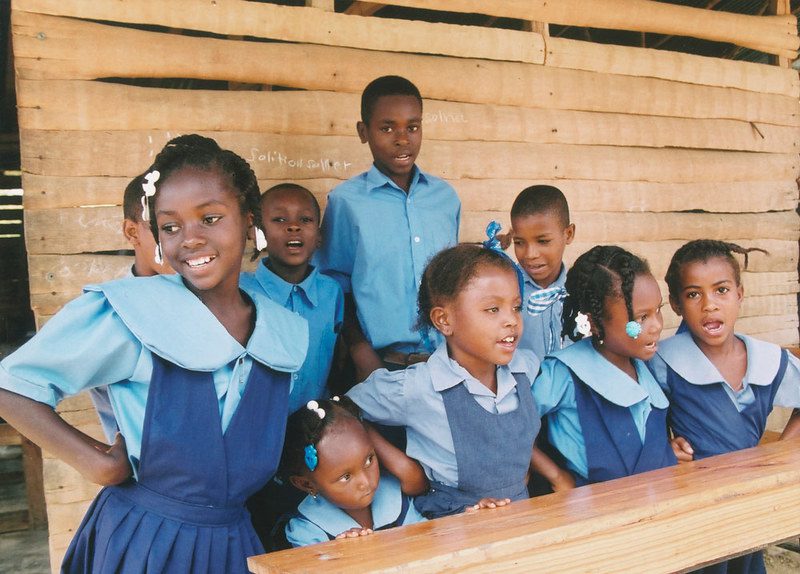
 In Haiti, more than 5.5 million citizens urgently need humanitarian assistance due to escalating armed violence, food and water shortages, political instability and forced displacement. While gang activity was once concentrated in urban centers, it has spread into rural, isolated regions over the past few years, weakening the government’s authority and the nation’s sovereignty. Many of these crises developed following the assassination of President Jovenel Moïse in 2021, leading to a loss of political agency throughout the country that external health and environmental issues, including the COVID-19 pandemic have exacerbated.
Amid these ongoing crises, Haitian women continue to face disproportionate consequences in comparison to their male counterparts, specifically in the form of widespread gender-based violence. As humanitarian organizations prioritize responses to alleviate institutional weaknesses in Haiti, they place the unique struggles of women and girls at the forefront to ensure equitable progress.
Overview of Economic and Political Insecurities
Gang violence has only continued to escalate across Haiti since 2021, beginning to creep into almost all regions. A primary point of concern is the capturing of Haiti’s capital Port-au-Prince, which is currently seized by a variety of differing gang entities. With Port-au-Prince serving as the primary center of distribution for the nation, many armed gangs have been able to acquire access to the most fundamental roads, ports and fuel terminals for the Haitian economy, restricting the potential for economic growth.
The newfound authority of these gangs allows them to attack individuals and families without political repercussions, instating a sense of fear across the population. In 2022 alone, authorities recorded more than 2,000 murders and 1,114 kidnappings in Haiti, highlighting the urgent need for enhanced safety measures. Additionally, some gang members have compromised humanitarian spaces that could provide services and supplies that would lead to greater infrastructural resistance to political violence. Currently, there have been an estimated 893 humanitarian access incidents as a result of conflicts occurring between gangs, police and those dedicated to serving in these NGOs.
Rise in Sexual Violence and Discrimination
The increase in gang activity within Haiti has also led to higher rates of sexual violence, often used as a means of punishment and control by gangs. These violent and potentially deadly measures coerce families during ransoms, threatening the livelihoods of women and girls in Haiti. Although reports reveal a 49% increase in gender-based violence in recent years, the actual extent of sexual violence remains underreported and frequently unpublished under gang control.
Currently, women constitute more than half of the 580,000 displaced people in Haiti, many of whom reside temporarily in makeshift camps and other forms of shelter. Most of these camps, operating with limited funding, lack lighting or locks in critical areas such as bedrooms or toilets, heightening the risk for gender-based aggression. Despite the presence of humanitarian organizations, gangs deliberately target women and young girls in Haiti to block their access to humanitarian assistance, creating a greater need for financial dependency. A report by the United Nations (U.N.) Women’s Rapid Gender Assessment revealed that more than 90% of women living in these camps do not have a sustainable income source, with another 16% feeling “intimidated, harassed or traumatized” by armed gangs.
Health Care for Pregnant Women
Less than half of the health facilities in the Port-au-Prince metropolitan area are functioning at normal capacity, with many hospitals forced to close due to the inability to guarantee patient safety in the context of gang activity. This situation has put immense pressure on local health care systems, now struggling with medical emergencies and outbreaks, including more than 75,000 hospitalized cases of cholera as of January 2024. As a result, more than 3,000 women currently lack proper access to maternal health services.
The World Health Organization (WHO) indicated in 2016 that only 39% of births in Haiti take place in health care facilities that “reflect issues of access, quality and demand” and low rates of postpartum newborn care, with the nation having the highest rates of maternal mortality in Latin America and the Caribbean. In this shifting political climate, mothers and children face even greater challenges in obtaining necessary services for optimal health outcomes.
Current Humanitarian Programs and Responses
Many humanitarian organizations have developed effective solutions to the many instabilities in Haiti but still lack the necessary funding to fulfill all their tasks completely. For example, the Pan American Health Organization supports Haiti’s Ministry of Health by delivering more than 38 tons of medical supplies and conducting more than 20,000 medical consultations. With only 5.6% of their required $22,250,000 to rebuild health care systems, they continue to seek international support to meet critical health needs, including blood transfusion supplies, oxygen and other essential medical equipment, alongside incentives for health care workers.
Simultaneously, “humanitarian aid must be safely distributed in line with the differentiated needs of women and girls,” states U.N. Women Executive Director Sima Bahous. U.N. Women has partnered with Rapha International to provide emergency support for women who have experienced gender-based violence, ranging from counseling, medical assistance and relocation to financial support. Women can connect with service providers, trained in both medical and psychological care, securely and anonymously without concern for external repercussions. So far, more than 2,000 women in Haiti have used this system and around 100 community leaders have received training to monitor and report cases of sexual abuse, implementing safety on a broader scale.
Re-Envisioning Mental Health Approaches
Many respondents of the U.N. Women Rapid Gender Assessment suggested that rapid surges of violence occurring throughout Haiti had negatively impacted their mental health. Dr. Yolle-Guida Dervil Pierre, a licensed therapist based in Florida, supports a group of 12 young girls in Jacmel, Haiti through the Divine Ministries of Haiti, providing weekly group meetings, emergency medical support and many of their basic needs including clothing, hygiene kits and school supplies. In her practice, she emphasizes the importance of building self-worth and promoting self-care amid the ongoing events in the nation, which she concludes has improved their mental health.
Dr. Yolle-Guida Dervil Pierre aligns her work with human trafficking prevention strategies, acknowledging the vulnerability of young girls in Haiti to traffickers who offer financial incentives for school tuition or food. She advocates creating small business opportunities for Haitian women, enabling them to gain vocational experience and build aspirations for the future. Her program allows donors to sponsor these girls, providing essential support such as paid tuition, weekly meals and comprehensive physical and emotional care during times of instability.
Looking Ahead
As Haiti continues to struggle with widespread violence and instability, the focus remains on restoring safety and access to essential services for its population. Strengthening health care facilities and addressing the specific needs of women and children could be key in moving forward. Ensuring adequate funding for humanitarian efforts and expanding community-based support systems are critical steps in rebuilding the nation’s resilience. International cooperation could play a vital role in helping Haiti recover and creating sustainable solutions for its future.
– Eileen Lincoln
Eileen is based in Oakton, VA, USA and focuses on Technology and Global Health for The Borgen Project.
Photo: Flickr

The Ehsaas Program: Empowering Women and Fighting Poverty
Global Recognition and Impact
In a 2021 report by the World Bank, Pakistan’s Ehsaas Emergency Cash Program was highlighted for its remarkable reach, ranking fourth globally in terms of the number of people covered and third in terms of the percentage of the population served. The Ehsaas Emergency Cash initiative disbursed stipends of PKR 12,000 ($48) to nearly 15 million households, benefiting more than 100 million people—almost half of Pakistan’s population. The World Bank praised the program for its rapid rollout and extensive coverage, calling it one of the most impressive large-scale social protection measures worldwide.
Economic Empowerment Through Targeted Initiatives
A significant aspect of the Ehsaas Program is its emphasis on women’s empowerment. More than 50% of its initiatives focus on providing financial security to women. By targeting women for poverty alleviation and supporting the United Nations (U.N.) SDG 5 on gender equality, Ehsaas is empowering women economically and socially.
The Ehsaas Kafaalat Program provides direct cash transfers to low-income women, ensuring that they have the financial support needed for necessities such as food, health care and education. Women have been the focal point of the Ehsaas Interest-Free Loan Scheme, which enables them to start small businesses and gain financial independence. Nishtar highlighted how the empowerment of women is beneficial for society and the economy and that the “government is determined to lift seven million poorest women in Pakistan out of poverty and help them achieve their potential.”
Promoting Sustainable Livelihoods
The Ehsaas Aamdan Program provides sustainable assets such as sewing machines, shops, livestock and vehicles to help individuals generate long-term income. This asset-based approach empowers women to contribute to their families’ economic stability while fostering entrepreneurship at the grassroots level.
Similarly, the Ehsaas Nashonuma Program promotes gender-sensitive financial support for nutrition. Families receive $7.18 for girls and $5.39 for boys younger than 2 years of age, which not only provides vital nutrition for children but also encourages a shift in societal attitudes toward gender equality. By offering higher financial incentives for female children, the program aims to combat cultural practices like female feticide and emphasize the value of female children.
Final Remark
Ehsaas’ implementation provides valuable lessons for other nations, especially in light of the recent crises that have highlighted the need to redefine the role of the welfare state. This presents a unique chance to create a pivotal moment in advancing global social welfare. Moreover, its emphasis on gender equality mirrors the development strategies of economically advanced countries, which have leveraged the potential of their female populations to achieve sustainable growth.
This realization is paving the way for Pakistan’s future economic, social and political development, with women playing a crucial role in these advancements. By empowering women, the Ehsaas Program is driving Pakistan closer to achieving its national development goals while addressing the pressing issues of poverty and inequality.
– Irtija Ahmad
Photo: Wikimedia Commons
26 Letters School – A Lesson on Empowerment
The economic collapse of Lebanon has severely impacted the country’s education system. These unprecedented challenges have affected the Lebanese children and refugee children present in the country. The World Food Programme (WFP) has stated that more than half of the Syrian refugee children in Lebanon are unable to access primary education as a result of economic hardships and other factors.
A study by the Center for Lebanese Studies has indicated poor academic performance and depletion in psychological well-being due to the Lebanese crisis. Children no longer attend schools and face potential exposure to different forms of abuse and exploitation. Children from low-income households, those living in rural areas, migrants and refugees are the most impacted. Fortunately, 26 Letters School is making a difference by providing education to Lebanese children.
About 26 Letters School
26 Letters School is a nongovernmental organization (NGO) based in Beirut, Lebanon. The purpose of the school is to offer free quality education for all children and teenagers who live in Beirut. It recognizes that its pupils come from different economic, social and religious backgrounds. Keeping this in mind, the school emphasizes the importance of plurality and respect for all individuals. Here are 10 reasons why the 26 Letters School is a phenomenal initiative to change students’ lives beyond education and literacy.
10 Ways 26 Letters School is Making a Difference
Looking Ahead
The organization 26 Letters School is a unique educational initiative offering personalized learning experiences and a creative curriculum tailored to every individual student. 26 Letters School’s commitment to inclusive and creative educational practices and community involvement sets it apart as a forward-thinking institution.
– Caren Thomas
Photo: Flickr
Leading The Way: Cabo Verde’s HIV Fight
Investment in Communities
Combating HIV and AIDS requires involving both the general public and individuals living with HIV in decision-making processes. The Joint United Nations Programme on HIV/AIDS (UNAIDS) has reported that the West Africa region is not on track to meet the goal of eradicating AIDS by 2030, a target set during the Africa Rising Forum in 2014.
The group’s Executive Director expressed the need for “policies and programs that focus on people not diseases.” This involves community-led HIV testing to reach more people. Furthermore, support groups for mothers living with HIV and individual visits by social assistants are also key. One assistant in Cabo Verde expressed how this work allows patients to “have a good quality of life and avoid stigma and social marginalization.”
Regional Asymmetry
A key challenge for Cabo Verde is the disparity in resources between islands, which affects HIV patients’ ability to access care. At independence in 1975, the country had only 13 doctors. However, the health system has since expanded in both size and sophistication, with 80% of the population now living within half an hour of a health facility. The decentralization of smaller health centers has improved access to care, enabling HIV patients to receive antiretroviral therapy to manage the disease. UNAIDS estimates that by 2023, 72% of individuals living with HIV in Cabo Verde were accessing antiretroviral therapy.
Free Health Care
Cabo Verde’s economy has grown significantly since the ’90s, driven by foreign investment and tourism. This growth has led to increased health care spending, rising from $65 per person in 2001 to $165 in 2013. Citizens are entitled to free basic health care, including preventive care and treatment for HIV and AIDS. The country’s social protection efforts are supported by widespread health education, facilitated by high literacy rates and good access to electricity, fostering greater public awareness and engagement.
Advocacy for the Disabled Community
Despite Cabo Verde’s broad progress, vulnerable communities, such as those with disabilities, continue to face challenges. Handicap International, active in Cabo Verde since 2006, has worked to include disabled individuals in the fight against HIV. The organization improved data on the biological vulnerability to HIV infection and promoted inclusive education on HIV and AIDS.
Research found that the HIV prevalence rate among people with disabilities in Cabo Verde is 2.3%. Additionally, about 79% of disabled participants unaware of available HIV care and support. However, the study itself led to 96% of participants gaining an improved understanding of HIV and AIDS.
Preventing Vertical Transmission
Preventing vertical transmission of HIV from mother to fetus is a key priority for Cabo Verde in reducing new infections. Minister of Health Arlindo Nascimento do Rosário emphasized, “Every child has a right to be born healthy and to live a healthy life.” As part of the free health care system, pregnant women are offered HIV testing. If they test positive, they receive antiretroviral drugs and antenatal support to minimize the risk of transmission.
In 2019, the World Health Organization (WHO) shared the story of Leila Rodrigues, a mother who discovered she had HIV just weeks before giving birth. Thanks to the care her son received, transmission was prevented. Rodrigues later joined the National Network of People with HIV of Cabo Verde.
Final Note
Cabo Verde’s progress in HIV health care has not come without challenges. However, the country has become a model for investing in change and empowering communities. The WHO Africa Health Forum has highlighted Cabo Verde as an exemplar, with participants visiting to observe how innovations have built a strong health care system. Emulating Cabo Verde’s commitment to social inclusion, universal health coverage and decentralized HIV testing could enable the West African region to more effectively combat the disease.
– Daisy Outram
Photo: Wikimedia Commons
China and the World Bank Address Energy Security in Ethiopia
Energy Security in Ethiopia
According to the World Bank, Ethiopia has the third largest energy deficit in Africa, with about half of the population unable to access reliable electricity. There is also a stark rural-urban divide: as of 2022, only 40% of rural households had reliable access to electricity, compared to 93% of urban households. Ethiopia has been making strides on this issue and recently expanded the electricity grid to cover almost 60% of towns and villages.
The main challenge, however, is the lack of adequate energy infrastructure rooted in a broader shortage of resources. Fortunately, several international actors have recently stepped up to help address Ethiopia’s energy gaps, including China’s Belt and Road Initiative (BRI) and the World Bank’s International Development Association (IDA).
China
China has been heavily involved in Ethiopia’s development for more than a decade now, reflected by the fact that Ethiopia is China’s second-largest debtor on the continent. Ethiopia was an early signee to China’s BRI, which has resulted in several multi-million dollar infrastructure projects in the country, including a flagship $5 billion railway from Addis Ababa to Djibouti.
Ethiopia doubled down on this partnership by joining BRICS+ in late 2023. This will grant the country access to BRICS’ multilateral financing institutions, thus paving the way for easier access to Chinese funding in the future. One program with particular appeal for Ethiopia is China’s “Africa Solar Belt” program, which aims to provide solar power to 50,000 African households. Ethiopia also plans to import more than 100,000 electric vehicles and 5,000 electric buses from China in the coming years in a bid to upgrade the country’s transportation infrastructure.
The World Bank
While China has often been Ethiopia’s main development partner, the country also cooperates extensively with the World Bank, primarily on financing. In the realm of energy security, the World Bank recently unveiled a program called Power Sector Reform, Investment and Modernization in Ethiopia (PRIME). This program provides Ethiopia with a “financing envelope” of $1.5 billion, disbursed in multiple phases in the next 10 years, to upgrade its energy sector.
The program focuses on investing in critical energy infrastructure and expanding electricity access more broadly. In an attempt to diversify and stabilize Ethiopia’s energy supply, PRIME will only invest in non-hydropower renewable energy sources since 96% of Ethiopia’s electricity is currently derived from hydropower. Almost all of the funding comes from the IDA, the World Bank’s fund for least-developed countries, with the remainder coming from a green energy trust fund, leaving none of the funding burden on Ethiopia.
Final Thoughts on Energy Security in Ethiopia
While energy security in Ethiopia remains an entrenched issue, the situation is improving: for instance, access to electricity has more than quintupled in the last two decades, rising from about 10% in 2001 to 55% in 2022, according to the World Bank. Furthermore, with Ethiopia’s new membership in BRICS+ and its 10-year financing deal with the World Bank, chances are good that energy security in Ethiopia will continue to improve.
– Kipling Newman
Photo: Flickr
African Women in Science: Alleviating Poverty
Despite these challenges, many African women in science work on innovations to alleviate poverty and improve public health. Their efforts highlight the role of women in science and show how scientific advancements can drive social and economic progress. Here are three inspiring examples of women and organizations making a significant impact in the fight against poverty.
Corine Ngufor
Each year, Cameroon reports more than 2.7 million cases of malaria, according to USAID. For its people, this means missing work and school often – significantly impacting both economic and educational opportunities. The fight to eradicate malaria has become a priority for the Cameroonian Government. Corine Ngufor’s work – inspired by her personal experience with malaria growing up in Cameroon – is a remarkable step forward.
As a medical entomologist with a PhD from the London School of Hygiene and Tropical Medicine, Ngufor has innovated mosquito net fabrication. While insecticide-treated nets have saved millions of lives in the past decades, mosquito resistance has diminished their effectiveness. To combat this, many researchers have advocated for dual-insecticide nets. Ngufor’s lab identified chlorfenapyr as the effective second insecticide to pair with pyrethroid, a product already used on nets.
Her improved mosquito nets – officially named Interceptor G2 – have prevented 13 million malaria cases and saved 25,000 lives between 2019 and 2022, as reported by STAT News. Corine Ngufor’s work in reducing malaria cases is also crucial in poverty alleviation because healthier communities lead to increased productivity and less financial strain due to medical expenses.
Revital Healthcare
While vaccines for polio and measles are effective in combating these diseases, many African countries face challenges due to a shortage of syringes, leading to the reuse of needles and the transmission of “blood-borne pathogens” such as HIV and hepatitis B. Additionally, the COVID-19 pandemic exacerbated this issue by creating a shortage of syringes in Africa – where 80% come from Asia – disrupting routine vaccinations for children across the continent. It highlighted the need to improve Africa’s self-reliance in syringe production, an indispensable medical tool.
Thus, to prevent the reuse of needles and ensure the availability of syringes on the continent, Revival Healthcare – Africa’s largest medical device manufacturer based in Kenya – started manufacturing auto-disable syringes in 2021 with a $4 million grant from the Gates Foundation. These syringes become inoperative after the plunger has been used, preventing reuse, and they aim to produce 300 million of them annually.
Beyond providing life-saving medical equipment, Revival Healthcare also supports women in science. With an 80% female workforce, the company creates job opportunities that help reduce poverty by improving families’ financial stability and access to vital resources. Revival Healthcare empowers women economically and encourages them to pursue education and careers in the medical field.
Rachel Sibande and mHub
According to the 2023 UNESCO Global Education Monitoring Report, 89% of learners in sub-Saharan Africa still lack access to a computer and 82% do not have an Internet connection at home. This digital gap limits young people’s ability to gain the skills needed in today’s world, further hindering their employability prospects.
To address this challenge, Malawian computer scientist Rachel Sibande founded mHub in 2014. As Malawi’s first technology and innovation center, mHub has been instrumental in reducing poverty across Africa by empowering young innovators and promoting local technology solutions. As of 2023, mHub has trained more than 40,000 young people in technology, technical and business skills.
In 2020, the hub launched the Digital Malawi project, providing digital skills and business opportunities to youth across the country – supporting more than 500 young people, with some receiving $2,500 in seed capital.
mHub also champions African women in science and technology through its Girls for Code program, which equips young girls with skills in robotics, machine learning, and mobile application development – reaching 323 girls across 15 schools. By advancing technological proficiency and promoting gender equality in STEM fields, mHub fosters innovation and drives economic growth throughout Africa.
Africa Women in Science: Making a Change
African women in science are making a significant impact on reducing poverty through innovation. Despite facing challenges like limited access to education and underrepresentation in STEM, women such as Corine Ngufor, the team at Revital Healthcare and Rachel Sibande are leading the way. Their work in health, technology and medical improvement is bettering lives, boosting economies and promoting gender equality. As they continue to inspire future generations, the role of African women in science will grow, contributing to a better future for the continent.
– Alissa Naydenova
Photo: Flickr
Collective Action to Fight Poverty in Gaza
For more than 30 years, the Palestinian Solidarity Campaign (PSC) has been at the forefront of the U.K. movement for Palestinian rights. As a grassroots organization, it is involved in lobbying politicians, challenging government policy and holding the media to account. The Borgen Project spoke to its Student and Young People Officer, Stella Swain, to discuss the importance of the organization’s grassroots methods when it comes to drawing attention to the struggle in Palestine.
Poverty and Struggle in Gaza
It is estimated that nine in every 10 people in Gaza have been displaced internally due to the conflict. Half of these people are children, many of whom have lost their families on top of their homes. In addition, according to the Palestinian Ministry of Health, more than 14,000 children have already been killed in the violence.
Furthermore, famine has long been looming in Gaza. As a result of the continual displacement, violence and restrictions placed on aid, organizations like Save the Children estimate that 96% of the population in Gaza is facing severe food shortages. As of May of this year, close to half a million jobs had been lost from the Palestinian economy since October 2023. This drop includes an estimated loss of 200,000 jobs in the Gaza Strip, 114,000 jobs in the West Bank and 148,000 cross-border commuters from the West Bank to the Israeli labor market.
This massive drop in employment and job opportunities has led to an unprecedented increase in poverty across the country. The overall poverty rate of Palestinians stood at 32.8% in mid-2023 – around 64% in Gaza and 12% in the West Bank. However, as of present, nearly every single Gazan lives in poverty due to the destruction caused by the ongoing conflict.
Young People at the Forefront
Students have long led campaigns and protests that have shaped the world, including the movement against the Vietnam War and the fight to end apartheid in South Africa. Protests calling for an end to the conflict in Gaza are no different. More and more student encampments are being set up around the world as students and other young people demand that universities and governments acknowledge the violence in Gaza and its impacts on the civilians in the area.
Swain stated that student organizing had shown universities that “the vast majority of their student body care deeply about where their institutions’ money is going and that they are determined that these institutions should enact their alleged ethos of global responsibility.”
Grassroots organizations, such as the PSC and The Borgen Project, mobilize the power of the people to bring about significant cultural, political and environmental change. Ben Jamal, the director of the PSC, emphasized the importance of public support at the organization’s Divest for Palestine Conference. He stated that their “longer-term and enduring task is to harness the energy of this extraordinary movement of solidarity and resistance into sustained campaigns to achieve the change needed” to end the violence and secure support and aid for the Palestinian people.
Looking Forward
The work of the PSC is a reminder of the importance of citizens coming together to hold their elected officials to account. The organization is working to bring the struggles of Palestinians to the forefront of the minds of powerful politicians who can provide aid and support. Grassroot organizations like PSC stand as proof of the importance of collective action to change the lives of those struggling in poverty.
– Kristina Grant
Photo: Pexels
“I Still Had the Mind of a Child”: Ending Child Marriage in Zambia
Doreen’s story is not uncommon. In Zambia, nearly 29% of girls are married before they turn 18 and 5% before age 15. The impacts are widespread, especially in rural areas like the eastern and northern provinces, where traditions and economic pressures often lead families to marry off their daughters at a young age.
Why Child Marriage in Zambia Continues
Poverty is a major driving force behind Zambia’s high rate of child marriage. Indeed, around 60% of the population lives below the poverty line and for many families, marrying off their daughters can seem like a way to reduce financial strain. A bride price—money or goods paid to the girl’s family—can immediately relieve households struggling to get by.
In Doreen’s case, her grandmother worried about the future after taking on the responsibility of raising five grandchildren. She arranged the marriage, thinking it would secure Doreen’s future. “My grandmother feared she wouldn’t live long enough to care for us all,” Doreen explained.
Cultural practices also contribute. In many communities, marrying young girls is seen as a way to preserve family honor, prevent premarital sex or control a girl’s future.
The Impact on Girls’ Lives
For many girls, getting married means their education is over. Without access to school, they lose the opportunity to gain skills that could help them build a future independent of poverty. Doreen reflects on how her life might have been different: “If I had stayed in school, my life would have been different. I could have become a teacher, earned my own salary.”
Ending child marriage is crucial for reducing severe health risks, especially those associated with early pregnancy. Doreen, who became pregnant at 15, knows this all too well. “I was hurt when I found out I was pregnant. People were pointing at me: ‘That one is pregnant,’” she recalls. Her age caused complications during childbirth and doctors recommended surgery. “I was too young,” she explains.
Health complications from early pregnancies are common among child brides. Young mothers face higher risks during childbirth and are also more vulnerable to sexually transmitted infections, including HIV. The emotional, physical and sexual abuse that often goes with child marriage compounds these challenges, leaving many girls trapped in a life of hardship.
Ending Child Marriage in Zambia: New Legislation
In its fight toward ending child marriage, Zambia passed the Marriage (Amendment) Act of 2023, setting 18 as the minimum marriage age without exceptions. Any marriage involving a child is now void from the start and cultural practices allowing child marriage are no longer recognized. Furthermore, the law also enforces strict penalties, with those involved in child marriages facing up to five years in prison. Under the Education Act, marrying off school-going children carries a minimum 15-year sentence.
The 2023 Amendment builds on Zambia’s earlier laws, including the Education Act of 2011, which banned marrying off school children and the Child Code Act of 2022, which criminalized child marriage. These laws aim to protect girls and align Zambia with international agreements on child rights.
What Comes Next
Zambia’s battle against ending child marriage is far from over. The success of the Amendment will depend on successfully enforcing the law alongside addressing the cultural and economic factors that sustain the practice. In communities where poverty and tradition drive child marriage, laws alone may not be enough to create lasting change.
Traditional leaders are vital in preventing child marriages. As respected figures, they can report cases, promote birth registration and support local authorities in enforcing laws. Schools and educators also have to raise awareness among students and parents about the dangers and legal protections around early marriage.
Health care providers are vital, too. By offering youth-friendly services and educating families on the health risks, they help reduce early marriages and support at-risk girls. Engaging men and boys is often overlooked. Involving them in discussions about gender equality and challenging norms can shift attitudes. When they advocate for girls’ education and rights, the cycle of child marriage has a better chance of being broken.
Final Note
Zambia’s new law marks a significant milestone toward ending child marriage. Yet, with nearly a third of girls marrying before 18, achieving lasting change will require ongoing education, community engagement and support for girls. Doreen’s experiences reflect those of many girls across the country, serving as a reminder of the work still needed. She says, “I wouldn’t want anyone else to go through what I did at 14.”
– Georgia O’Keeffe
Photo: Flickr
Protecting Young Girls in Haiti Through Humanitarian Responses
Amid these ongoing crises, Haitian women continue to face disproportionate consequences in comparison to their male counterparts, specifically in the form of widespread gender-based violence. As humanitarian organizations prioritize responses to alleviate institutional weaknesses in Haiti, they place the unique struggles of women and girls at the forefront to ensure equitable progress.
Overview of Economic and Political Insecurities
Gang violence has only continued to escalate across Haiti since 2021, beginning to creep into almost all regions. A primary point of concern is the capturing of Haiti’s capital Port-au-Prince, which is currently seized by a variety of differing gang entities. With Port-au-Prince serving as the primary center of distribution for the nation, many armed gangs have been able to acquire access to the most fundamental roads, ports and fuel terminals for the Haitian economy, restricting the potential for economic growth.
The newfound authority of these gangs allows them to attack individuals and families without political repercussions, instating a sense of fear across the population. In 2022 alone, authorities recorded more than 2,000 murders and 1,114 kidnappings in Haiti, highlighting the urgent need for enhanced safety measures. Additionally, some gang members have compromised humanitarian spaces that could provide services and supplies that would lead to greater infrastructural resistance to political violence. Currently, there have been an estimated 893 humanitarian access incidents as a result of conflicts occurring between gangs, police and those dedicated to serving in these NGOs.
Rise in Sexual Violence and Discrimination
The increase in gang activity within Haiti has also led to higher rates of sexual violence, often used as a means of punishment and control by gangs. These violent and potentially deadly measures coerce families during ransoms, threatening the livelihoods of women and girls in Haiti. Although reports reveal a 49% increase in gender-based violence in recent years, the actual extent of sexual violence remains underreported and frequently unpublished under gang control.
Currently, women constitute more than half of the 580,000 displaced people in Haiti, many of whom reside temporarily in makeshift camps and other forms of shelter. Most of these camps, operating with limited funding, lack lighting or locks in critical areas such as bedrooms or toilets, heightening the risk for gender-based aggression. Despite the presence of humanitarian organizations, gangs deliberately target women and young girls in Haiti to block their access to humanitarian assistance, creating a greater need for financial dependency. A report by the United Nations (U.N.) Women’s Rapid Gender Assessment revealed that more than 90% of women living in these camps do not have a sustainable income source, with another 16% feeling “intimidated, harassed or traumatized” by armed gangs.
Health Care for Pregnant Women
Less than half of the health facilities in the Port-au-Prince metropolitan area are functioning at normal capacity, with many hospitals forced to close due to the inability to guarantee patient safety in the context of gang activity. This situation has put immense pressure on local health care systems, now struggling with medical emergencies and outbreaks, including more than 75,000 hospitalized cases of cholera as of January 2024. As a result, more than 3,000 women currently lack proper access to maternal health services.
The World Health Organization (WHO) indicated in 2016 that only 39% of births in Haiti take place in health care facilities that “reflect issues of access, quality and demand” and low rates of postpartum newborn care, with the nation having the highest rates of maternal mortality in Latin America and the Caribbean. In this shifting political climate, mothers and children face even greater challenges in obtaining necessary services for optimal health outcomes.
Current Humanitarian Programs and Responses
Many humanitarian organizations have developed effective solutions to the many instabilities in Haiti but still lack the necessary funding to fulfill all their tasks completely. For example, the Pan American Health Organization supports Haiti’s Ministry of Health by delivering more than 38 tons of medical supplies and conducting more than 20,000 medical consultations. With only 5.6% of their required $22,250,000 to rebuild health care systems, they continue to seek international support to meet critical health needs, including blood transfusion supplies, oxygen and other essential medical equipment, alongside incentives for health care workers.
Simultaneously, “humanitarian aid must be safely distributed in line with the differentiated needs of women and girls,” states U.N. Women Executive Director Sima Bahous. U.N. Women has partnered with Rapha International to provide emergency support for women who have experienced gender-based violence, ranging from counseling, medical assistance and relocation to financial support. Women can connect with service providers, trained in both medical and psychological care, securely and anonymously without concern for external repercussions. So far, more than 2,000 women in Haiti have used this system and around 100 community leaders have received training to monitor and report cases of sexual abuse, implementing safety on a broader scale.
Re-Envisioning Mental Health Approaches
Many respondents of the U.N. Women Rapid Gender Assessment suggested that rapid surges of violence occurring throughout Haiti had negatively impacted their mental health. Dr. Yolle-Guida Dervil Pierre, a licensed therapist based in Florida, supports a group of 12 young girls in Jacmel, Haiti through the Divine Ministries of Haiti, providing weekly group meetings, emergency medical support and many of their basic needs including clothing, hygiene kits and school supplies. In her practice, she emphasizes the importance of building self-worth and promoting self-care amid the ongoing events in the nation, which she concludes has improved their mental health.
Dr. Yolle-Guida Dervil Pierre aligns her work with human trafficking prevention strategies, acknowledging the vulnerability of young girls in Haiti to traffickers who offer financial incentives for school tuition or food. She advocates creating small business opportunities for Haitian women, enabling them to gain vocational experience and build aspirations for the future. Her program allows donors to sponsor these girls, providing essential support such as paid tuition, weekly meals and comprehensive physical and emotional care during times of instability.
Looking Ahead
As Haiti continues to struggle with widespread violence and instability, the focus remains on restoring safety and access to essential services for its population. Strengthening health care facilities and addressing the specific needs of women and children could be key in moving forward. Ensuring adequate funding for humanitarian efforts and expanding community-based support systems are critical steps in rebuilding the nation’s resilience. International cooperation could play a vital role in helping Haiti recover and creating sustainable solutions for its future.
– Eileen Lincoln
Photo: Flickr
JUST Empowers Women Entrepreneurs Beyond Credit Barriers
The Traditional Lending Dilemma
For individuals like Leti, a Hispanic woman who experienced a profound personal loss, the conventional financial system can seem both impersonal and inaccessible. After the tragic loss of her child, Leti’s food truck business, once her lifeline, collapsed. As her financial situation worsened, she struggled to secure traditional loans and lacked savings to fall back on. With her prospects dwindling, Leti began cleaning homes to make ends meet.
A New Hope: JUST
Leti’s fortunes took a turn when she discovered JUST, a nonprofit organization dedicated to supporting Hispanic and Black female entrepreneurs. Founded to provide financial assistance without relying on traditional credit scores, JUST operates on a trust and community support model. Its approach has proven effective: it has disbursed more than $21 million in loans with a remarkable 99% repayment rate.
Steve Wanta, CEO and co-founder of JUST, explains that their method represents a departure from the conventional financial system’s reliance on credit scores. “Our financial system in the United States is not designed to trust people, especially those without money,” Wanta asserts. “Credit scores don’t paint an accurate picture of capability for thousands of people who have, in some cases, been penalized by the system or can’t get a foothold in the first place. Building up a longstanding credit history is impossible without that initial foothold.”
Breaking down Credit Barriers
JUST’s innovative model involves assessing individuals based on their potential and character rather than their financial history. When Leti applied for a loan through JUST, the organization met her with an empathetic and supportive process. No one asked for her credit score or scrutinized the failure of her previous venture. Instead, it gave her a $750 loan based on trust and belief in her potential to succeed.
Leti’s experience with JUST showcases the effectiveness of its approach. Before receiving a loan, she cleaned four houses a week, barely making ends meet. After joining the JUST community, she secured the funding to revitalize her business. With support from JUST’s peer coaches and a network of women entrepreneurs who had overcome similar challenges, her cleaning business flourished. What started as a one-person operation has become a successful enterprise, now employing more than 30 people.
Final Note
The success of JUST’s model underscores the power of trust in financial transactions. JUST has created a lifeline for those who might otherwise be excluded from the financial system by offering loans based on character and potential rather than credit scores. This approach supports individual entrepreneurs and fosters community development and economic empowerment.
As Leti’s story demonstrates, providing opportunities to those who might be overlooked can lead to remarkable outcomes. With continued support and innovation, JUST is paving the way for a more inclusive and equitable financial landscape, proving that trust and community can be powerful tools in the fight against poverty.
– Sakshi Bhagat
Photo: Pexels
Meesanallur in Tamil Nadu Is Breaking the Cycle of Poverty
About Meesanallur in Tamil Nadu
Prior to its transformation, Meesanallur was a typical example of the challenges faced by many rural villages in Tamil Nadu. The village was characterized by extreme poverty, with most of its inhabitants, particularly those from the Irular tribe, living in dilapidated huts with little to no access to basic amenities like clean water, sanitation or electricity. The lack of education and employment opportunities perpetuated a cycle of poverty, forcing many families into bonded labor to survive. This economic exploitation was compounded by social marginalization, as the Irular community faced significant discrimination, further limiting their access to resources and opportunities for advancement.
Transforming Lives Through Planned Resettlement
One of the most significant aspects of Meesanallur’s transformation is the resettlement of Irula families who were once kept in near-perpetual poverty, often for generations, as the victims of exploitative working conditions and bonded labor. These families have now been resettled in the planned community of Meesanallur, where they have been provided housing, education and economic opportunities. The resettlement initiative, supported by the International Justice Mission (IJM) and local authorities, has been crucial in providing these families with the security and stability they lacked for generations.
In Meesanallur, the construction of new homes, complete with basic amenities such as electricity and sanitation, has been a game-changer. These homes have provided physical shelter and a sense of dignity and belonging. The availability of legal land ownership has further empowered the residents, giving them a stake in their future and a foundation upon which they can build better lives.
Economic Empowerment and Education
Economic empowerment has been a cornerstone of Meesanallur’s success. The community has been equipped with resources and training to engage in various income-generating activities. For instance, residents have received support to start small businesses, engage in agriculture and access employment opportunities. These initiatives have significantly reduced the community’s reliance on exploitative labor practices, helping them achieve financial independence.
The Broader Impact and Future Potential
The success of Meesanallur as a model for breaking the cycle of poverty holds significant potential for other vulnerable communities, particularly those facing similar challenges of bonded labor, marginalization and economic deprivation. The approach taken in Meesanallur—combining resettlement, economic empowerment and community building—can be adapted and implemented in other regions with similar demographics.
For instance, the model can be applied to other tribal communities across India, many of whom face similar issues of exploitation and poverty. By providing secure housing, legal land ownership and opportunities for economic and educational advancement, these communities can be lifted out of poverty and given the tools to sustain themselves long-term.
Conclusion
Meesanallur stands as a beacon of hope for marginalized communities across India and beyond. Through strategic interventions and a holistic approach to rehabilitation, the village has successfully broken the cycle of poverty and provided its residents with the means to build a better future. The model of Meesanallur has the potential to be replicated in other vulnerable communities, offering a pathway to security, stability and dignity for those who have long been deprived of these fundamental human rights.
– Sophia Lee
Photo: Flickr