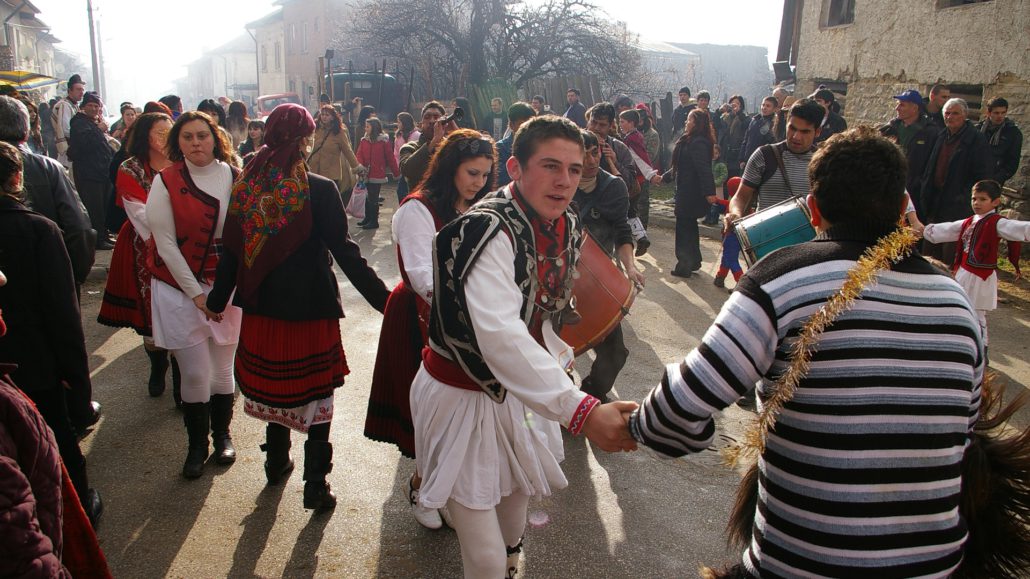
There are several charities operating in Bulgaria that address the poverty challenges it faces. In 2007, the Republic of Bulgaria joined the European Union alongside Romania. Today, however, it is the poorest member with the lowest Gross Domestic Product (GDP), and since 2020, the country has been troubled by political instability, with governmental coalitions collapsing. There have been six parliamentary elections between 2021 and 2024 – a seventh election already in sight. This political uncertainty impacts Bulgaria’s access to EU funds while also slowing its mission to fully join the Schengen area and adopt the euro as its currency.
According to UNICEF’s “Child Poverty in the Midst of Wealth” report, more than one in four children in Bulgaria lived in poverty between 2019 and 2021, with a child poverty rate of 26.1 percent. Despite a 55% increase in efforts to reduce child poverty, there has been less than a 10% change in the poverty rate since 2012. The inadequacy of social transfers, such as family benefits and social assistance, is evident, as these payments fail to account for inflation and rising living standards. Consequently, an “economically vulnerable household” with out-of-work parents and two children will receive 17.5% of the national average wage in social transfers – without housing benefits – placing Bulgaria 37th out of 39 OECD/EU countries.
Bulgaria’s weak social protection system underscores the critical role of charities operating in Bulgaria, with 36.2% child material deprivation and 12.9 percent housing problems. These nonprofit organizations play a crucial role in improving the lives of Bulgarian citizens, and here are five charities operating in Bulgaria and combatting poverty.
Children of Bulgaria
Since 2014, the nonprofit organization Children of Bulgaria has raised funds for its annual projects to improve children’s health. The charity’s operations are crucial, with the average infant mortality rate in 2021 being 5.2 per 1,000 live births – a little less than double the EU 3.6 average for that year. Instead of simply sending capital to the recipients, Children of Bulgaria uses 98% of its donations – the remaining 2% are operating costs – to fund projects and buy the necessary equipment, thus preventing fraud and misuse of contributions.
In 2023, it delivered medical equipment to the Neonatal Ward in the Hospital of Silistra – used to help an average of 150 premature babies annually. Similarly, in 2021 and 2022, the organization focused on improving centers for autistic children since most daycares in the country are unfit for children with the disorder, and child psychiatrists are scarce. This year’s 2024 project focuses on funding four new centers for children with special needs in South-East and South-West Bulgaria, underlying the importance of inclusive childcare.
Habitat for Humanity Bulgaria
Habitat for Humanity is one of the key charities operating in Bulgaria. Since 2001, it has advocated for adequate housing – since the Bulgarian constitution does not recognize the right to housing as a fundamental human right. Nonetheless, the necessity for affordable housing is distinct, with one in three Bulgarians needing accommodation in 2022, while the country also had one of the highest overcrowding rates in the EU – 36.2% compared to an average of 16.8%.
Habitat for Humanity Bulgaria has been fighting this struggle since 2014 by creating the Coalition “Decent Homes.” It collaborates with 36 organizations, from the municipal, business and non-governmental sectors, to better decision-making in housing policies. The nonprofit has built 12 houses and helped to more than 6,000 families find settlements in the country through partnerships with local communities and volunteers, providing affordable housing construction and enhancing accessibility to housing improvements.
Light of Bulgaria
After the fall of communism in Bulgaria, the younger generations moved to work in the city, making Light of Bulgaria a crucial charity for the older population. Most of them still living in the mountains and forests of South-West Bulgarian on minimal pensions – 580.57 BGN per month or $330.28 USD – do not have access to social or medical care.
Light of Bulgaria reaches more than 60 villages, providing food, clothes and medical care while also helping families who struggle with mental health problems or are victims of neglect and domestic violence. When temperatures drop below fifteen degrees in winter, the nonprofit also implements its program “The Soup,” providing nutritious food for the villagers and assisting them through their hardships.
Trust for Social Achievement Foundation
Minorities in Bulgaria face significant disadvantages, and the Roma community is no exception. Although they are estimated to comprise around 10% of the population, many Roma do not officially declare their ethnicity due to fear of discrimination, leading to varying figures. The Roma community grapples with poverty, social exclusion and limited access to education and health care. Many Roma people live in marginalized neighborhoods with poor living conditions, where discrimination severely limits their opportunities for employment and integration into society. Furthermore, derogatory remarks from government officials, including Prime Minister Boyko Borissov, who has publicly referred to the Roma as “bad human material,” exacerbate the situation and deepen the social divide.
To face these challenges and support the Roma community, the Trust for Social Achievement Foundation has created various programs. For example, the “Continued Support for Roma Students at the American University in Bulgaria” provides financial aid, mentorship and academic support to Roma students, helping them overcome barriers in higher education. Additionally, the “Early Learning and Care” program focuses on improving early childhood education by providing access to quality learning resources and parental support, aiming to address educational disparities from a young age – with 45% of Roma children not attending preschool. These initiatives are part of broader efforts by charities operating in Bulgaria to combat systemic barriers and discrimination, improving long-term outcomes for the Roma community.
UNICEF
In 2022, the Agency for Social Assistance reported 736 cases of domestic violence in Bulgaria, with 73% involving children. ATD Fourth World, an international nonprofit focused on ending poverty, also reported on child protection in Bulgaria, highlighting the link between poverty and child abuse. Indeed, children in poverty are especially at risk of abuse and neglect because financial problems create stress and instability in families. Thus, those struggling with poverty often lack the support needed to prevent or address abuse – leading to higher rates of harm among children from marginalized communities.
In response, UNICEF Bulgaria has worked to strengthen protection for vulnerable children and families by supporting the National Programme for Prevention of Violence and Child Abuse. This program aims to create a comprehensive framework for preventing and addressing violence and abuse by integrating various services and policies. On the ground, UNICEF has directly assisted 259 children—181 girls and 178 boys—who were victims or witnesses of abuse, through the Zona ZaKrila protection centers in Sofia, Shumen, and Montana. Additionally, UNICEF’s “For Every Child, Protection from Violence and Abuse” initiative has trained 525 specialists in preventing and responding to violence against children and women, as well as in preventing sexual exploitation and abuse. These efforts are vital for fostering safer environments and ensuring that every child receives the protection and support they need to thrive.
Looking Ahead
Bulgaria’s long journey to becoming a prosperous and thriving country is far from complete, but progress has been made in the last decades. With funding from the European Union and help from charities operating in Bulgaria, the living conditions of its citizens are improving.
– Alissa Naydenova
Alissa is based in Colchester, Essex, UK and focuses on Good News for The Borgen Project.
Photo: Flickr

Reducing Poverty Via Social Entrepreneurship in Indonesia
Social Entrepreneurship in Indonesia
Social entrepreneurs or entrepreneurs who pursue innovative ideas with the potential to solve a community problem, can contribute to poverty reduction in Indonesia. As of 2018, there were an estimated 34,205 social enterprises in Indonesia, including nongovernmental organizations (NGOs), cooperatives and micro, small or medium businesses. The study also found that young people are strongly represented in social enterprises, suggesting the increasing popularity of social entrepreneurship among young people and the growth potential of social entrepreneurship in the future. Social enterprises in Indonesia are mostly in the creative industry (22%), followed by the agriculture and fisheries industry (16%) and the education sector (15%).
Social entrepreneurship in Indonesia can support business opportunities and economic development in the country. Researchers found that amid economic crises like the COVID-19 pandemic, social entrepreneurship plays an important role in encouraging the creation of existing and new social entrepreneurial business opportunities to help solve economic development problems. Besides, social entrepreneurship also contributes to sustainable environmental policies in Indonesia. Research on green space development in Indonesia suggests that social enterprises serve as catalysts for ecological impact, effectively converting community perceptions that favor sustainability into sustainable practices.
Facilitating Positive Changes
For instance, Azzura Solar, a social enterprise co-founded by Hemant Chanrai, is a social enterprise that focuses on solar energy and empowers communities with its businesses. The Bright Future Program (BFP) of the company installs solar panels for the population in the Marga Mulya area of North Jakarta, a more impoverished region of the country with limited access to electricity. The enterprise developed its own indigenous, low-cost system that not only promotes access to electricity for needier populations but encourages the reuse of drinking bottles. The receivers of the services can pay what they can afford, with the rest of the cost covered by sponsors and Azzura Solar.
Javara, on the other hand, focused on assisting local indigenous farmers to earn their livelihood from traditional agricultural products. Through ethical partnerships with farmers, fishers and food artisans, the enterprise brings biodiversity-based food products from rural Indonesia to a broader market. With a wide range of products from honey and coffee to pasta, the company has exported sustainable agricultural products in Indonesia to 33 countries on five continents.
Looking Forward
Policymakers in the Indonesian government have promoted social enterprises mainly through financial assistance and training. The Kredit Usaha Rakyat (KUR) Program, for instance, has been in place to provide bank loans to small businesses in Indonesia since 2007. The Beginner Entrepreneur Program also provides funds for young entrepreneurs with training certificates from the Ministry of Cooperatives and Small and Medium Enterprises.
The ProKUS program in 2021 assisted impoverished and vulnerable families with activities and social and business approaches to prevent and overcome social risks after the COVID-19 pandemic. The program collaborated with social workers and 26 business mentors to incubate social enterprises across 33 districts of the country, improving entrepreneurship skills for the recipients.
With significant government commitment and existing successes, social entrepreneurship in Indonesia is a highly promising solution that can promote poverty reduction in the country. By further promoting social entrepreneurship, the government can empower the local community and contribute to sustainable development in the long term.
– Wangruoxi Liang
Photo: Pexels
5 Charities Operating in Bulgaria
There are several charities operating in Bulgaria that address the poverty challenges it faces. In 2007, the Republic of Bulgaria joined the European Union alongside Romania. Today, however, it is the poorest member with the lowest Gross Domestic Product (GDP), and since 2020, the country has been troubled by political instability, with governmental coalitions collapsing. There have been six parliamentary elections between 2021 and 2024 – a seventh election already in sight. This political uncertainty impacts Bulgaria’s access to EU funds while also slowing its mission to fully join the Schengen area and adopt the euro as its currency.
According to UNICEF’s “Child Poverty in the Midst of Wealth” report, more than one in four children in Bulgaria lived in poverty between 2019 and 2021, with a child poverty rate of 26.1 percent. Despite a 55% increase in efforts to reduce child poverty, there has been less than a 10% change in the poverty rate since 2012. The inadequacy of social transfers, such as family benefits and social assistance, is evident, as these payments fail to account for inflation and rising living standards. Consequently, an “economically vulnerable household” with out-of-work parents and two children will receive 17.5% of the national average wage in social transfers – without housing benefits – placing Bulgaria 37th out of 39 OECD/EU countries.
Bulgaria’s weak social protection system underscores the critical role of charities operating in Bulgaria, with 36.2% child material deprivation and 12.9 percent housing problems. These nonprofit organizations play a crucial role in improving the lives of Bulgarian citizens, and here are five charities operating in Bulgaria and combatting poverty.
Children of Bulgaria
Since 2014, the nonprofit organization Children of Bulgaria has raised funds for its annual projects to improve children’s health. The charity’s operations are crucial, with the average infant mortality rate in 2021 being 5.2 per 1,000 live births – a little less than double the EU 3.6 average for that year. Instead of simply sending capital to the recipients, Children of Bulgaria uses 98% of its donations – the remaining 2% are operating costs – to fund projects and buy the necessary equipment, thus preventing fraud and misuse of contributions.
In 2023, it delivered medical equipment to the Neonatal Ward in the Hospital of Silistra – used to help an average of 150 premature babies annually. Similarly, in 2021 and 2022, the organization focused on improving centers for autistic children since most daycares in the country are unfit for children with the disorder, and child psychiatrists are scarce. This year’s 2024 project focuses on funding four new centers for children with special needs in South-East and South-West Bulgaria, underlying the importance of inclusive childcare.
Habitat for Humanity Bulgaria
Habitat for Humanity is one of the key charities operating in Bulgaria. Since 2001, it has advocated for adequate housing – since the Bulgarian constitution does not recognize the right to housing as a fundamental human right. Nonetheless, the necessity for affordable housing is distinct, with one in three Bulgarians needing accommodation in 2022, while the country also had one of the highest overcrowding rates in the EU – 36.2% compared to an average of 16.8%.
Habitat for Humanity Bulgaria has been fighting this struggle since 2014 by creating the Coalition “Decent Homes.” It collaborates with 36 organizations, from the municipal, business and non-governmental sectors, to better decision-making in housing policies. The nonprofit has built 12 houses and helped to more than 6,000 families find settlements in the country through partnerships with local communities and volunteers, providing affordable housing construction and enhancing accessibility to housing improvements.
Light of Bulgaria
After the fall of communism in Bulgaria, the younger generations moved to work in the city, making Light of Bulgaria a crucial charity for the older population. Most of them still living in the mountains and forests of South-West Bulgarian on minimal pensions – 580.57 BGN per month or $330.28 USD – do not have access to social or medical care.
Light of Bulgaria reaches more than 60 villages, providing food, clothes and medical care while also helping families who struggle with mental health problems or are victims of neglect and domestic violence. When temperatures drop below fifteen degrees in winter, the nonprofit also implements its program “The Soup,” providing nutritious food for the villagers and assisting them through their hardships.
Trust for Social Achievement Foundation
Minorities in Bulgaria face significant disadvantages, and the Roma community is no exception. Although they are estimated to comprise around 10% of the population, many Roma do not officially declare their ethnicity due to fear of discrimination, leading to varying figures. The Roma community grapples with poverty, social exclusion and limited access to education and health care. Many Roma people live in marginalized neighborhoods with poor living conditions, where discrimination severely limits their opportunities for employment and integration into society. Furthermore, derogatory remarks from government officials, including Prime Minister Boyko Borissov, who has publicly referred to the Roma as “bad human material,” exacerbate the situation and deepen the social divide.
To face these challenges and support the Roma community, the Trust for Social Achievement Foundation has created various programs. For example, the “Continued Support for Roma Students at the American University in Bulgaria” provides financial aid, mentorship and academic support to Roma students, helping them overcome barriers in higher education. Additionally, the “Early Learning and Care” program focuses on improving early childhood education by providing access to quality learning resources and parental support, aiming to address educational disparities from a young age – with 45% of Roma children not attending preschool. These initiatives are part of broader efforts by charities operating in Bulgaria to combat systemic barriers and discrimination, improving long-term outcomes for the Roma community.
UNICEF
In 2022, the Agency for Social Assistance reported 736 cases of domestic violence in Bulgaria, with 73% involving children. ATD Fourth World, an international nonprofit focused on ending poverty, also reported on child protection in Bulgaria, highlighting the link between poverty and child abuse. Indeed, children in poverty are especially at risk of abuse and neglect because financial problems create stress and instability in families. Thus, those struggling with poverty often lack the support needed to prevent or address abuse – leading to higher rates of harm among children from marginalized communities.
In response, UNICEF Bulgaria has worked to strengthen protection for vulnerable children and families by supporting the National Programme for Prevention of Violence and Child Abuse. This program aims to create a comprehensive framework for preventing and addressing violence and abuse by integrating various services and policies. On the ground, UNICEF has directly assisted 259 children—181 girls and 178 boys—who were victims or witnesses of abuse, through the Zona ZaKrila protection centers in Sofia, Shumen, and Montana. Additionally, UNICEF’s “For Every Child, Protection from Violence and Abuse” initiative has trained 525 specialists in preventing and responding to violence against children and women, as well as in preventing sexual exploitation and abuse. These efforts are vital for fostering safer environments and ensuring that every child receives the protection and support they need to thrive.
Looking Ahead
Bulgaria’s long journey to becoming a prosperous and thriving country is far from complete, but progress has been made in the last decades. With funding from the European Union and help from charities operating in Bulgaria, the living conditions of its citizens are improving.
– Alissa Naydenova
Photo: Flickr
Vocational Education Training Centers in Bangladesh
What is Vocational Educational Training?
Vocational education and training equips learners with specific skills that they can carry into the workplace. It teaches the knowledge behind specific trades or occupations. This usually occurs after secondary education. This training can come in many forms. It could occur during employment or apprenticeships or provided during formal education.
The Importance of Vocational Education Training Centers
Vocational education training centers in Bangladesh provide opportunities and career advancement for the country’s youth. They act as a bridge between education and work life. These vocational education centers equip young people with the practical skills that are applicable in various industries such as tech, sciences, agriculture or construction.
Not only does vocational education training centers support the youth of Bangladesh but they also support the economic growth of the country. As Bangladesh continues to industrialize, the demand for a skilled workforce grows. This is what the vocational education training centers aim to achieve a skilled workforce.
With these centers producing a skilled workforce, some have argued that this is helping Bangladesh enhance its global competitiveness. With a number of Bangladesh’s workforce being employed overseas, particularly in the Middle East, there is a constant attempt reach these international standards. Therefore, the centers are constantly trying to better the training they are teaching.
TVET Initiatives
Over the years, there have been a number of vocational education training centers in order to provide people with vocational education in Bangladesh. In 2011, the National Skills Development Policy (NSDP) was put into action. This policy aimed to create a more cohesive development system, emphasizing in demand driven training.
From 2009 to 2013, the Skills Development Project (SDP) occurred with funding from the Asian Development Bank and the Swiss Agency for Development and Cooperation. This project aimed to expand access to vocational education training centers, particularly for women and disadvantaged groups. It supported the establishment of new training institutions and provided scholarships to those who needed it.
The Skills Training Enhancement Project (STEP) was rolled out based on the success of the SDP. From 2010 to 2014, STEP was more focused on improving the quality and relevance of these vocational education training centers. This enabled these centers to enhance their training programs and develop needed partnerships with industries. This made it easier for participants to walk into employment straightaway.
After this, an additional funding phase was introduced to further expand vocational education training centers in Bangladesh up until 2019. Since then, plans for the Skills Development for Tomorrow (SDT) Program have been drawn up. This initiative aims to prepare the new workforce by focusing on emerging industries and technology.
Challenges Facing Vocational Education Centers in Bangladesh
Although the idea of vocational education sounds appealing in terms of helping the economic growth of the country it is facing several challenges. There is a lack of apprenticeships across the country. This means there is limited opportunity to receive not only the hands on training necessary for the workplace but apprenticeships also allow a taste for what the work place could be.
Furthermore, there is a stigma around VET. While only 64% of children complete secondary schooling in Bangladesh only a 0.81% go on to use these centers for vocational training. This is due to social attitudes surrounding it. There is a preference for more ‘prestigious’ education.
Conclusion
The development of these vocational education training centers is crucial for the country in addressing their socio-economic challenges and the need to align their workforce with the ever growing global economy. While the current TVET programs are showing improvements in terms of growth, they still face numerous challenges such as low public perception and insufficient infrastructure.
– Ellisha Hicken
Photo: Flickr
Poverty Reduction in Madagascar
In 2022, 75.2% of Madagascar’s population was in poverty. There has been a steady decline in poverty within rural areas however, poverty within urban areas has ripened, seeing an increase of 31.5% over the past decade. This shocking growth in poverty within Madagascar’s urban areas is due to several factors with the COVID-19 pandemic and a large quantity of cyclones being the main causes. Fortunately, efforts for poverty reduction in Madagascar are underway and making a difference.
Food Insecurity
This level of poverty has led to a ripening level of food insecurity, seeing 204,000 of the Madagascan population in the highest level of severity (IPC phase 4) and 859,000 in the second highest level of severity (IPC phase 3) in 2020.
In response to this, the Madagascan government received $227 million credit in April 2023 from the World Bank and the French Development Agency to restructure rural infrastructure. This restructuring and development program aims to aid approximately 165,000 farmers and 150,000 homes by implementing training on forms of agriculture to cope with their climate. In addition to blockchain input vouchers and 30,000 hectares of watersheds, it aims to help reduce food insecurity and further develop the rural economy.
Roads and Transport
In addition to tackling food insecurity, the Madagascan government are also rehabilitating roads, with 40 KM of the RN44 already complete and with work on rural roads not yet finished. This may have a knock-on effect on the education sector. As the restructuring is halving the travel time, it is allowing more children to attend school, helping to increase the completion of primary school from 62% for girls and 57% for boys. This will likely allow these children to grasp more skills and attain a higher-level job later in life. It may also benefit trading, as markets would become more accessible to the public allowing more local trade to occur. UNESCO’s research proves this, which infers that world poverty could be reduced by half if all adults finished high school.
Energy Access
Another aspect of Madagascar’s poverty reduction plan is to increase accessibility to electricity as, currently more than 18 million people currently lack electricity. It is crucial to improve the accessibility to electricity to facilitate the growth of enterprises, which is necessary to provide a better job market. Atou Seck, the World Bank Country Manager for Madagascar, has addressed this issue as a crucial aspect to provide improvement as he states, “Addressing poverty in Madagascar requires bold pro-growth reform that will improve the business climate, promote competition as well as build human capital, invest in connectivity, access to energy and digital infrastructure.”
In terms of initiatives, the Madagascan government has been approved for a $400 million credit for the Digital and Energy Connectivity for Inclusion in the Madagascar Project (DECIM). This project will likely increase energy access in Madagascar from 33.7% to 67% and add 3.4 million internet users, helping further Madagascar’s connectivity as a nation and allowing businesses to develop and generate larger profits, thus aiding poverty reduction in Madagascar.
In conclusion, Madagascar is one of the most impoverished countries in the world. However, there are several initiatives helping develop and further Madagascar’s economy, while aiding poverty reduction in Madagascar.
– Max O’Shea
Photo: Flickr
The Approach of the Catalan Integral Cooperative to the Economy
Background of the Catalan Integral Cooperative
While the 2008 financial crisis was global in scope, it hit Spain particularly hard: the unemployment rate skyrocketed from 8.2% in 2007 to 26.1% by 2013, while youth unemployment was above 55% by 2013. With a declining gross domestic product (GDP) and a ballooning national debt, the Spanish government instituted austerity measures in 2010. Actions included rolling back the welfare system and making hiring and firing easier for employers. Civil unrest swept the nation and Catalonia in particular.
The CIC was born in this milieu with the aim of creating an alternative economy based on the principles of direct democracy, transparency and cooperative ownership. While CIC dissolved as an organized entity in 2015, many of its autonomous components survive to this day. Here are three of its most fascinating components.
Concluding Remarks
The CIC may have collapsed as an organization almost a decade ago, however, its legacy of furthering the public good endures by way of its numerous still-active offshoots and sub-organizations. Cooperative projects like CAC, the eco and Casx have sheltered living standards. Furthermore, they have boosted purchasing power in the region while granting valuable insight into both the promise and pitfalls of a post-capitalist economy.
– Kipling Newman
Photo: Wikimedia Commons
4 Charities Operating in Jamaica
Jamaica is a diverse and culturally rich island known for its music and natural attractions. It is the third-largest island in the Caribbean and has a population of about 2.5 million. However, COVID-19, changing weather patterns and other governmental issues have resulted in environmental, educational and economic gaps. Post-pandemic, Jamaica’s economy has taken a hit. Tourism, which is a large part of the Jamaican economy, has plummeted and Jamaica’s poverty rate increased by 4%. This article features four impactful charities operating in Jamaica that strive to help resolve these issues and improve the quality of life on the island.
Children First Agency
One of the major charities operating in Jamaica is Children’s First Agency, which is a nonprofit charity that supports children, mobilizes them to overcome poverty and gives them educational tools to improve their lives. Its mission is to allow children who may not have had equal opportunities to realize their full potential. More than 190,000 children in Jamaica live in poverty, with rural areas having higher poverty rates, while 85% of children experience violent discipline and 30% are born to mothers under 17. This charity aims to assist families that are not sufficiently supported by their environment.
The nonprofit has two main projects: the Youth Wellness Center and the Bashy Bus. The Youth Wellness Center focuses on educating children on their healthcare needs by giving them knowledge that helps them make informed decisions. The center offers education and vocational skills training, job placements and support services. The Bashy Bus is a bus that provides reproductive health information and resources to teenagers. It is the first mobile bus service for reproductive health.
Issa Trust Foundation
Couples Resorts founded the Issa Trust Foundation in 2005 with the mission to promote the well-being of Jamaican people. The organization strives to assist with the needs of children and families, advocating for improved medicine and education. Besides fostering a sense of community and support for the impoverished, the charity has a focus on pediatric care.
Issa Trust Foundation’s 10th pediatric medical initiative showed more than 1,000 children being treated with more than 41 volunteers taking part for treatments. The charity also offers free health lectures, as well as providing eye care and glasses for children in need. A pharmacist intern Shanique Powell is an example of a Jamaican-born citizen returning to Jamaica to counsel and help needy families. Powell says, “Coming back has reminded me of where I am from.” This opportunity to reconnect with her culture and improve upon her home country would not have been possible without the Issa Trust Foundation and her story is only one in many.
Food for the Poor
Food for the Poor is a global charity that strives to assist impoverished families by providing food, housing, clean water and more. In Jamaica, 17.1% of citizens live below the poverty line and 7% of children under 5 suffer from malnutrition. Although the charity is global, Jamaica was the first country in their initiative in 1982. Since then, FFTP has remained steadfast in helping relieve Jamaica’s poverty. In 2022, it implemented two income-generating projects, provided 68 computers to children in Angel of Hope’s Children Homes, provided a rainwater harvesting system in a school and more. In 2024, the charity gave more than 32.4 million meals to Jamaica and contributed to the building and expansion of more than 322 schools.
Smile a While Foundation
Smile a While Foundation is a nonprofit organization geared towards providing therapy for special needs children in Jamaica. The founder, Joanne Oates, was inspired to help children who may not be able to get the support they need. In Jamaica, 162,800 people reported having a self-identified mental illness. Children under 14 make up 21% of this group. However, developing countries often don’t have the resources or infrastructure to provide sufficient help.
Between 76% – 85% of people in these countries with serious mental illness do not receive the help they need. The Jamaican government has tried to reduce the reliance on institutional care, use more licensed professionals, and emphasize community care. Smile a While Foundation is an example of a progressive step forward. In 2023, the charity opened a splinting clinic, recruited new therapists with specializations in autism, and more.
Looking Ahead
These four charities operating in Jamaica are essential contributors to alleviating Jamaica’s economic, educational and environmental issues. With the support of donations and volunteers and the vision of these nonprofit leaders, Jamaica will continue to improve and strive for a better island for all its citizens.
– Sofia Hattiangadi
Photo: Flickr
The Chomuzangari Cooperative: Food Security in Masvingo
Women in Masvingo
In the Chivi District of Masvingo Province, where women form the majority of the population at 787,098, they traditionally play a diminished role in community decision-making. The Chomuzangari Cooperative aims to empower these women by boosting their confidence and self-esteem, ensuring their voices are heard and their participation increases. The theory is simple: with more resources and confidence, women can enhance food production in the area. A significant method for bolstering self-esteem is through education. To make education more accessible to everyone in the community, the Cooperative has introduced e-learning resources, including Raspberry Pi technology.
Mental Health
In addition to enhancing learning, water access, sanitation and hygiene, the Cooperative also focuses on destigmatizing mental health in Zimbabwe. Typically, mental health services are concentrated in hospitals in major urban centers, leaving rural areas poorly served. Rural mental health care suffers from stigma, resource constraints and staff shortages. Moreover, care for the mentally ill often falls on women, which can be traumatic and detrimental to their mental health. By boosting female self-esteem, the Cooperative hopes to not only support women through these challenges but also empower them to advocate for improvements in the mental health system.
3 Success Stories of Women in Masvingo
Looking Ahead
The Chomuzangari Cooperative has significantly enhanced the perception of women and the quality of life in entire communities throughout the Masvingo region. Before the project began, the changing climate, discrimination and limited resources severely hindered women’s ability to provide food for their families. Although these challenges persist, the Cooperative’s ongoing efforts and funding have greatly mitigated their impact.
– Bea Newington-Bridges
Photo: Flickr
Transforming Education: School Feeding Programs in Malawi
Boosting School Enrollment and Attendance
Feeding programs have a clear and immediate effect on increasing school enrollment and attendance rates. In an environment where many families face food insecurity, the guarantee of a meal when children attend school provides a strong incentive for parents to send their children to school. Data from the WFP reveals that attendance rates in schools with feeding programs have improved from 77% to 92%, which is a drastic increase. Additionally, these programs have led to a 5% decline in absenteeism and a 2.9% reduction in dropout rates.
Promoting Gender Equality
In Malawi, as in many developing countries, girls are generally disadvantaged when it comes to accessing education. Negative cultural practices, early marriages and domestic chores often make it difficult for girls to attend school. However, school feeding programs have made significant progress in bridging the gender gap in education. The implementation of the United Nations Joint Program on Girls’ Education, which includes the provision of varied school meals, has led to a notable decrease in girls’ dropout rates, from 15.6% to 5.2%. These programs help alleviate some of the economic burdens on families by ensuring that girls receive at least one meal a day, encouraging parents to support their daughters’ education.
Enhancing Academic Performance
The benefits of school feeding programs extend beyond simply getting children to school—they also play a crucial role in enhancing students’ ability to learn and perform academically. Malnutrition, which affects cognitive development, is a significant barrier to learning. By providing nutritious meals, these programs help ensure that children are better able to focus, participate in class and retain information.
Overcoming Challenges and Ensuring Sustainability
Since 1999, Malawi’s school meals programs have continued to grow but have not been able to reach all students. The home-grown school feeding strategy has been important in promoting education and increasing economic welfare by providing nutritious food to 605,000 children while supporting 35,000 smallholder farmers. Supported by Norway, the European Union (EU) and Iceland, this investment reveals an impressive 20:1 return on every dollar, demonstrating progress in education, nutrition and local economies.
These achievements have not been without challenges. In developing countries like Malawi, reliance on international grants could create instability and unpredictability in operations. Many schools also face infrastructural issues, such as inadequate cooking facilities, lack of water supply and insufficient electricity for meal preparation and serving. The use of wood as fuel contributes to deforestation and other environmental problems. Despite the benefits of these programs, food insecurity remains a major barrier to both school enrollment and completion. Addressing these issues requires a multifaceted approach, including long-term funding, improved infrastructure and the adoption of less environmentally harmful fuel sources.
Looking Forward
School feeding programs in Malawi have significantly improved education, boosting enrollment, attendance and academic performance, particularly for girls. The home-grown initiative further benefits local economies by supporting smallholder farmers. However, challenges like funding instability, poor infrastructure and environmental concerns remain. Addressing these ongoing issues can potentially sustain and expand the program’s impact, ensuring a brighter future for Malawi’s children and communities.
– Aneela Agha
Photo: Flickr
Helen’s Daughters and Saint Lucia’s Female Farmers
Helen’s Daughters is a non-governmental organization (NGO) blending the empowerment of Saint Lucia’s women with its overall development. It trains and supports female farmers, viewing them as long-overlooked drivers of change.
The Roots of Helen’s Daughters
Keithlin Caroo, the organization’s founder, told the BBC that she established Helen’s Daughters to “address the systematic exclusion of rural women in the agricultural sector.” The strong concentration of women within the informal economy and the blurring of economic and non-economic activity on small-scale family farms have long shrouded their contributions to agriculture in Saint Lucia, limiting their access to support systems, resources and growth prospects.
In a podcast interview from February 2024, Caroo describes witnessing her grandmother’s contributions to the family’s agricultural business dematerialize as she listed her occupation as “housewife” on official records. She remembers thinking that, given more opportunity, she “would probably be one of the most successful farmers in the area”
Caroo recognized that Saint Lucia’s female farmers needed “an ecosystem of other women in farming and agriculture” and set out to create one. She points out that Helen’s Daughters exists “not to negate men’s roles in the field”, but to address “a developmental issue in the region” that confines women to the margins of the agricultural sector.
Training Programs for Saint Lucia’s Female Farmers
Since its inception in 2016, Helen’s Daughters has cultivated a thriving network of female farmers, reaching 1,200 women as of 2022. The NGO operates two training programs in Saint Lucia, as well as Saint Kitts and Nevis and Saint Vincent and the Grenadines, which focus on sustainable agriculture, financial literacy, business development and marketing.
It also organizes guided commercial farm visits, where the women it serves can gain expert knowledge of sustainable and productivity-boosting farming practices. Furthermore, seeking to increase the visibility of Saint Lucia’s female farmers, Helen’s Daughters operates an agri-tourism experience, allowing visitors to learn firsthand about the women’s trials and successes through tours and markets.
In 2022, Helen’s Daughters partnered with global chocolate retailer Hotel Chocolat to establish the Agri-Apprenticeship Programme, which provides three women every year invaluable experience in managing a farm. They receive mentorship and training throughout the process and, upon completing the apprenticeship, can use start-up funds from Helen’s Daughters to establish their agricultural enterprise.
Caroo shared in a podcast that, “One of the critical and key areas of Helen’s Daughters is that seed of empowerment; of self-belief; of belief in yourself as an agricultural entrepreneur.” This focus on the nourishment of burgeoning female potential is pertinent in an economy where women engage heavily in entrepreneurship but where the vast majority of small businesses with limited growth capacity are woman-owned, according to the World Bank report.
Tilling Saint Lucia’s Socioeconomic Landscape
One of Helen’s Daughters’ major focuses is strengthening female farmers’ ability to engage in the economy. It organizes quarterly markets where women can grow their customer bases and establish firm roots within the sector through networking. In 2022, 95 of Saint Lucia’s female farmers benefited from this initiative and sales amounted to $37,415, according to Helen’s Daughters 2020 annual report. Helen’s Daughters also connects the rural women it supports to larger enterprises such as hotels and restaurants, allowing them to significantly boost their income.
This demonstrates a wider focus on Saint Lucia’s development. The Caribbean imports between 80% and 90% of its food. However, in the podcast, Caroo points out that more than half of this produce could be grown locally. She believes Saint Lucia, and the region at large, to be “stuck in a very dangerous cycle” of dependency. Still recovering from the profound wound that the collapse in tourism triggered by the COVID-19 pandemic left in its economy, the country is now keenly feeling the sharp increase in import prices precipitated by the war in Ukraine. Helen’s Daughters’ integration of small-scale farmers into Saint Lucia’s economy is therefore testimony to a vision of increased resilience and autonomy for both the women it supports and for entire communities. As Caroo puts it, “If a nation cannot feed itself, it’s not free.”
Food Sovereignty and Health
Another facet of Helen’s Daughters’ commitment to “food sovereignty and health,” as Caroo pointed out in the podcast, of Saint Lucia is its focus on nutritional marketing within its training programs and its creation of a cooking channel showcasing local recipes and products. According to Caroo, the organization is teaching farmers how to capitalize on the fact that, currently, “health is trendy”, and is encouraging consumers to “recognize that there is value in food that’s locally available.”
Helen’s Daughters also holds quarterly wellness fairs. According to its website, these clinics allow rural people to access health information, dietary advice and checkups at no cost and pay homage to the farmers who work tirelessly to support their families at the expense of their own wellbeing.
Empowering Saint Lucia’s Female Farmers
Helen’s Daughters provides Saint Lucia’s female farmers with the tools they need to transform the island’s natural abundance into increased prosperity and agency for themselves, their families and their communities. At the organization’s core is a commitment to the living realities of rural communities, long masked by an image of tropical splendour but vibrant and beautiful in their own right.
– Leila Powles
Photo: Flickr
Communities Fighting Elderly Poverty in Syria
Food that once fed families now leaves them exhausting their savings for every meal. Older persons struggle even harder to find jobs, especially as the conflict has pushed desperation to self-reliance, marginalizing older people and the traditional family structure. An elderly person from North-west Syria comments: “In the past, older people would reach retirement age, and the family would take care of them. However, currently, the responsibility they should rely on self-care […] has increased, placing the burden directly on them.”
Communities in Damascus
Fortunately, many community-led initiatives help fight elderly poverty in Syria. The Syrian Society for Social Development has a home-based care program for Seniors who have specific vulnerabilities. Collaborating with the United Nations High Commissioner for Refugees (NHHCR), a team of volunteers focuses on helping and provide safety to the older population. The program dedicates itself to helping people over the age of 60 through nursing, housekeeping, hygiene, medication organization, as well as food preparation.
Taking place in several community centers of Rural Damascus, care-giving volunteers not only provide different meals and learn to use blood pressure monitors but also socialize with older people through entertaining and engaging activities. Older people are no longer excluded from younger people, therefore improving both their mental and physical well-being. Because of this, elderly people struggle and spend less on medication and health check-ups, as well as food. These responsibilities help combat elderly poverty in Syria by including older people back into a supportive system and engaging the community.
Communities in Aleppo
People residing in Southern Aleppo were suffering from a damaged rainwater drainage network that had begun to flood the streets. There was a high risk of disease as large bodies of wastewater accumulated on the ground. Further threats would ensue if younger children and elderly people fell into the water. The cost of injury and the addition of medication prices would be detrimental to the elderly Syrian population who have a higher risk of suffering from poverty and marginalization.
Successfully, the local community came together to discuss and plan a new drainage foundation. Alongside the UNHCR, both a construction team and members of the local community contributed to the excavation and installation of a new drain filter. As a result, the filter not only improved the appearance of the town and the efficiency of the drainage system but benefited 3000 residents living in Abtein town. Because of this, the town demonstrated strong values of community and kindness. Their uniting demonstration challenges elderly poverty in Syria by preventing expensive medical prices through ensuring the health and safety of the entire community.
Fighting Elderly Poverty in Syria
In conclusion, conflict and soaring expenses have split up traditional family structures. Alienising older people from the young, the older Syrian population has lost a grounded support system and the elderly have been pushed further into isolated poverty. However, community-led projects such as fixing drainage systems, and organisations such as the Syrian Society for Social Development, help to care for the vulnerable population of elders and to protect them from further elderly poverty in Syria. Volunteers and townspeople come together to provide the elderly with entertainment and physical aid, as well as essentials such as food and medication that they might otherwise struggle to afford on their own.
– Chelsey Saya McLeod
Photo: Unsplash