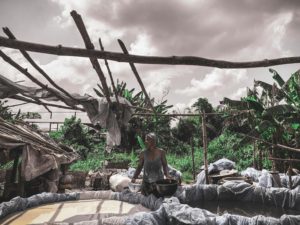
 According to the World Bank, by the end of 2024, 40.7% of Nigerians are expected to live below the international poverty line of $2.15 per day. In October 2021, the Policy Innovation Center (PIC) was created to promote better policy-making in Nigeria. PIC is Africa’s first national initiative aimed at helping governments and organizations make better decisions through behavioral insights and evidence-based solutions. Each year, it hosts the Gender and Inclusion Summit to promote gender equality and inclusive governance in Africa.
PIC’s 2024 Summit
The 2024 summit (GS-24) took place on September 4 and 5 under the theme, “Reimagining Gender-Inclusive Pathways and Partnerships for Poverty Reduction.” The event focused on poverty reduction through gender-inclusive strategies, bringing together policymakers, stakeholders and organizations to influence national policy reforms and address issues like health, education and living standards.
The summit highlighted how gender equality is essential for economic growth, improved health and community well-being, emphasizing gender inclusion as a foundation for broader development goals. Its nine primary objectives, the Summit Tracks, provide a framework for gender-inclusive policies contributing to poverty reduction. They also align with the United Nations’ 2030 Agenda for Sustainable Development through its Sustainable Development Goals (SDGs) for global peace and prosperity. Here are the four main summit tracks focused on poverty reduction in Nigeria.
Equitable Access to Health Care
According to the BMC Health Services Research, women in Nigeria have significant barriers to health care access. In 2021, 60% of providers believed women could not choose family planning methods without a male partner’s presence, while 23.2% thought unmarried clients should not use these services. With harmful practices occurring in 59.6% of deliveries, “Equitable Access to Health Care” is crucial.
The goal is to ensure gender-sensitive health care systems that improve community well-being. By focusing on this issue, PIC is working on inclusive policies that will enhance health care delivery and reduce health disparities – fighting “heath-related” poverty and aligning its work with SDG 3, “Good Health and Well-Being,” SDG 10, “Reduced Inequalities” and SDG 17, “Partnerships for the Goals.”
Educational Equity
Gender inequalities heavily affect the Nigerian population, with one in seven needy individuals – 19.1 million – living in households where a man has completed primary school, but no woman has. In 2022, more than 50% of girls were out of school at the elementary level, showcasing the importance of this second pillar’s emphasis on equal access to quality education. Indeed, the vision of education as a key driver of poverty reduction aligns with SDG 4, “Quality Education,” SDG 5, “Gender Equality,” and SDG 17, “Partnerships for the Goals.”
Advancing Gender Equity in Water, Sanitation and Hygiene
Nigeria is improving its Water, Sanitation and Hygiene (WASH) access, with 70% of people having drinking water, according to the Nigeria Multidimensional Poverty Index 2022. However, the amount and quality of water remain below the standard. Each person gets an average of nine liters daily when the recommended minimum is 12 to 16 liters.
Thus, to advance poverty reduction in Nigeria working on strategies to stop gender inequality in WASH services in needed. While women mainly handle household water, sanitation and hygiene in Nigeria, when these services are lacking, they often face extra burdens, including health risks, safety concerns and emotional stress and are without control over household decision-making. Work on this Summit track matches SDG 5, “Gender Equality,” SDG 6, “Clean Water and Sanitation” and SDG 17, “Partnerships for the Goals.”
Creating Secure Livelihoods and Decent Jobs for All
In 2022, 84.9% of women in Nigeria were in vulnerable employment and the labor force participation rate among females was 52.2% compared to 65.9% for men in 2023. Workers in vulnerable jobs lack formal contracts and social protection, making them more likely to fall into poverty. Furthermore, the labor force participation rate among females is 52.2% and among males is 65.9% for 2023.
The last point focuses on developing stable and secure employment opportunities while enhancing female economic empowerment. This point is linked with SDG 5, “Gender Equality,” SDG 8, “Decent Work and Economic Growth” and SDG 10, “Reduced Inequalities.”
Final Remark
The 2024 Gender and Inclusion Summit on “Reimagining Gender-Inclusive Pathways and Partnerships for Poverty Reduction” was centered on tackling gender inequality and poverty in Nigeria. By addressing health care, education, WASH access and secure jobs through its Summit Tracks, the event highlighted various ways to create a more inclusive society.
PIC’s efforts align with important Sustainable Development Goals and aim to drive policy changes that address the root causes of poverty. Indeed, as Nigeria faces considerable challenges with poverty and inequality, these gender-inclusive strategies are crucial for building a fairer and more prosperous future for all.
– Alissa Naydenova
Alissa is based in Colchester, Essex, UK and focuses on Good News and Politics for The Borgen Project.
Photo: Pexels

EU Aid in Ukraine: €40 Million for Ukraine Moldovan Refugees
EU Aid in Ukraine
The war in Ukraine has resulted in serious humanitarian consequences, displacing 3.3 million people and leaving 14.6 million in need of humanitarian assistance. Many lack access to water and electricity in areas on the frontline of the fighting. This underscores the importance of continued support from international organizations like the EU. So far, EU aid in Ukraine has funded the creation of mobile health care buses, which provide crucial health services to vulnerable people in the most affected regions of the country.
Through the EU Civil Protection Mechanism, the EU has provided transported emergency medical equipment, temporary shelters and power generators. Additionally, the organization has established the Ukraine Facility, a €50 billion fund aimed at rebuilding Ukraine from 2024 to 2027, post-war. Of the recent EU aid, €35 million will support humanitarian efforts during the harsh winter, ensuring that homes in affected regions have adequate heating and electricity and setting up emergency shelters for those in need.
EU Refugees in Moldova
The EU has allocated €5 million of its recent funding to support Ukrainian refugees in Moldova, a neighboring country that has welcomed Ukrainian refugees since Russia’s invasion in 2022. Approximately 1.5 million Ukrainian refugees have entered Moldova, with around 120,000 still residing there as of June, according to the European Commission. Given its size, Moldova faces significant economic challenges due to the influx of refugees. Thus, continued support for Ukrainian refugees in Moldova by organizations like the EU remains critical. The EU plans to use the €5 million fund to assist the most vulnerable Ukrainian refugees in Moldova and to enhance border preparedness for potential future refugee flows.
Moving Forward
The EU’s recent funding commitment aims to address the growing humanitarian needs in Ukraine and support those displaced by the conflict in neighboring Moldova. As the winter months approach, the aid will focus on providing critical resources such as shelter, heating and health services to vulnerable communities. This support reflects ongoing international efforts to alleviate the hardships faced by millions affected by the conflict and to assist neighboring countries bearing the brunt of refugee influxes.
– Joshua Marriott
Photo: Flickr
Feed the Future: What You Need to Know
Feed the Future’s strategies include boosting agricultural growth, improving security and supporting community resilience against natural disasters. It also focuses on guaranteeing proper nutrition, specifically for women and children. Created in 2010 in response to the food crisis of 2007-2008, Feed the Future currently focuses on selected countries such as Ghana, Nepal and Uganda. The organization selects locations based on their level of need, the potential for its programs to grow and the availability of resources.
Global Food Security Strategy
Following the COVID-19 pandemic, 97 million more people have been surviving on $2 a day, leading to the first global increase in extreme poverty in more than 20 years. In response, the U.S. government introduced the Global Food Security Strategy to combat the rise in poverty and ensure that families worldwide have access to food. The Global Food Security Strategy seeks to reduce global poverty, malnutrition and widening inequality through initiatives like Feed the Future. It also aims to achieve a 20% reduction in poverty and reduce stunting in the countries where it operates with assistance from other foreign governments.
In Uganda, the Global Food Security Strategy aligns with the Government of Uganda’s Third National Development Plan. The strategy focuses on boosting household income and improving living standards. From 2012 to 2015, the stunting rate in children younger than 5 in regions where Feed the Future operated dropped by 11%. In Senegal, Feed the Future facilitated $64 million in loans for Senegalese farmers, wholesales and millers. With access to mechanization services, smallholder farmers increased their productivity. As a result, rice production increased by 123% from 2012 to 2018.
Feed the Future Target Country Expansion
In a Feed the Future target country, the U.S. government takes a coordinated approach to plan its investments. This encourages other groups, like donors and local governments, to provide support and funding. In 2022, the U.S. announced it would expand Feed the Future’s reach to eight new countries, bringing the number of countries the program is involved in from 12 to 20. These countries include Rwanda and Tanzania. Feed the Future plans to increase its efforts to reduce food insecurity in the next few years in these nations.
Results and Achievements
The program’s seven-year efforts have lifted approximately 23 million people above the poverty line. Additionally, 3.4 million children are no longer stunted and 5.2 million families are no longer at risk of hunger. The initiative has unlocked $6.2 billion in agricultural financing and developed more than 1,000 innovations. From 2011 to 2022, Feed the Future generated $28 billion in farm sales, aiding farmers.
Moving Forward
As Feed the Future advances in its global reach, it proves that ending hunger is possible. Indeed, this project plays a key role in the effort to alleviate poverty worldwide, aiming to help families in impoverished nations overcome food insecurity. With the significant progress it has made and its extensive global reach, tangible improvements in people’s lives are evident.
– Nouf Hunaiti
Photo: Flickr
Aid in Kenya: Reducing Malaria and Breaking the Cycle of Poverty
Malaria and Poverty
Malaria is a leading cause of illness and death in Kenya, particularly in rural areas, where access to health care services is limited. Beyond the health toll, malaria places a significant economic burden on families. Frequent bouts of illness reduce household income, as adults are unable to work and children miss school. In communities where families live on less than $2.15 a day, these disruptions reinforce the poverty cycle. Health care costs, such as treatments and hospital visits, often result in further financial strain. However, U.K. Aid Kenya and local NGOs supported by the Global Fund are working to bring malaria under control.
With targeted interventions such as distributing insecticide-treated bed nets and providing access to treatment, malaria transmission can be significantly reduced. By lowering malaria prevalence, communities can improve productivity, reduce health care costs and increase educational opportunities—key factors in breaking the cycle of poverty.
UK Aid in Kenya: Supporting the Global Fund
Global Fund to Fight AIDS is one of the key international efforts in the fight against Tuberculosis and Malaria. The U.K. is one of the largest contributors to the Global Fund, having pledged £1 billion for 2024 to 2026, aimed at combating these diseases globally. In Kenya, the U.K.’s contributions play a crucial role in reducing malaria cases and breaking the cycle of poverty that often accompanies this disease. Through the Global Fund, U.K. aid supports local NGOs such as Amref Health Africa and Population Services Kenya (PS Kenya), which are pivotal in implementing malaria prevention programs.
These organizations distribute millions of insecticide-treated bed nets, provide life-saving treatments and lead educational campaigns to prevent the spread of malaria. With U.K. aid, these efforts have been scaled up in malaria-endemic areas of Kenya, improving both health and economic outcomes for affected communities.
Success Stories
Looking Forward
The U.K.’s aid support through the Global Fund has had a measurable impact on reducing malaria in Kenya. By funding local NGOs like Amref Health Africa and Population Services Kenya, U.K. aid is helping to reduce malaria transmission, lower health care costs and improve productivity in vulnerable communities. From 2010 to 2020, the prevalence of malaria in Kenya decreased by 49% nationwide, demonstrating the effectiveness and utmost importance of these interventions. Crucially, these health programs are addressing one of the root causes of poverty by reducing the economic strain caused by frequent illness and enabling families to invest in education and productivity. As Kenya continues to grow economically, eliminating malaria could be key to ensuring that all its citizens can thrive and share in the country’s prosperity.
– Safa Musa
Photo: Flickr
Surpassing Goals: UNICEF’s Polio Vaccine in Gaza
How Is It Back in Gaza?
Gaza recently had its first polio case in 25 years––a 10-month-old boy who is now paralyzed in his leg. Health experts have been concerned about disease outbreaks in the territory where the Israeli military has destroyed water supply and wastewater disposal networks across the territory, leaving waste to pile up in areas full of displaced people. Approximately 90% of Gaza’s 2.3 million residents have been displaced, leaving hundreds of thousands of people in crowded and unhygienic tent camps.
According to the Government Media Office in Gaza, the Israeli army has imposed control over waste dumps, targeting municipality workers, machinery and mechanisms to stop any transfer of waste away from civilian areas. According to the World Health Organization (WHO), the war has caused an interruption in routine immunization campaigns that normally prevent the virus.
UNICEF’s Polio Vaccine in Gaza
The United Nations Children’s Fund (UNICEF) has been working with the WHO and the United Nations Agency for Palestinian Refugees (UNRWA) along with the Ministry of Health in Gaza to administer the polio vaccine throughout the region in September 2024. About 2,700 workers are a part of the enclave, which started on September 1, to enter Gaza and administer the first round of the two-round vaccine. UNICEF’s original aim was for some 640,000 children ages 10 and younger to receive the type two polio vaccine or about 90% vaccination coverage. Children will need to receive two doses of the polio vaccine at four-week intervals to receive maximum protection. More than 1.2 million vaccine doses have been delivered to Gaza, with an additional 400,000 doses expected soon.
On the first day, the UNRWA reported 87,000 vaccinations were administered out of the 156,000 it was hoping to administer to that entire area. Louise Wateridge, Senior Communications Officer for UNRWA, said it was very promising to see families traveling from other regions as UNICEF and its partners are administering the vaccine one area at a time and asking when the vaccine will be available for them and their children. The polio vaccine campaign had already reached 189,000 children in Gaza as of September 4, ending the first three-day “humanitarian pause.”
More teams are being arrayed across Gaza to administer the polio vaccine. Israel has stated that it sees the importance of preventing the outbreak of polio in Gaza in order to prevent the spread of epidemics in the region. Thus, it has agreed to humanitarian pauses in three-day intervals, which would allow safe passage and access to vaccinations from 6 am to 3 pm every day.
Final Note
Around 560,000 children younger than 10 received the polio vaccine during the first round of the campaign, conducted in three phases from September 1 to 12, 2024, in Gaza. This means UNICEF has already reached its goal of administering the polio vaccine to 90% of children less than 10 in the Gaza Strip. Yet, United Nations (U.N.) officials continue to emphasize that the only way to fight against the virus effectively is through an immediate and lasting ceasefire.
– Anna Thibodeau
Photo: Flickr
The Enough Project: Easing Poverty in DRC
Natural Resources Creating Conflict
The DRC is rich in natural resources. Yet its wealth has not benefited local communities. Children as young as 11 work in mines or work as child soldiers without pay. Congolese families face cycles of violence and challenges that have led to insecurity and poverty.
The trade of the “conflict minerals” (3TG) cobalt, coltan and tantalum, continues to fuel the armed civil conflict in the DRC. Coltan, (67% of the world’s supply) is the source of tantalum. Cobalt (70% of the world’s supply) is essential to manufacture smartphones. Combined, tantalum and cobalt are used to power batteries.
In addition, the DRC has one of the largest reserves of potential wealth, including 200 million acres of cultivable land. Combined, the DRC’s natural resources total more than $24 trillion worth of minerals.
The World Food Program (WFP) identifies key drivers or motivators of food insecurity and their complex relationship with conflict and economic shocks.
Conflict minerals are a natural resource that has motivated conflict and desperation in the DRC. While the WFP provides emergency food assistance to conflict-affected areas of Eastern DRC, the Enough Project advocates from a different position.
The Enough Project
Founded in 2007, the Enough Project, a non-profit organization based in Washington, D.C. has advocated civilian protection strategies and supported peace in Eastern Congo. In 2008, the Enough Project broadened its strategies. To upgrade the Enough Project’s effectiveness, it formed the Raise Hope for Congo campaign. The campaign aims to educate activists to help alleviate conflicts in Eastern Congo.
In 2016, the Enough Project adopted another campaign, Sentry, to address the increase of civil conflicts and an unyielding situation of food insecurity. Sentry’s mission is to “produce hard-hitting investigative reports and dossiers on individuals and entities connected to grand corruption and violence.”
Addressing the DRC’s situation of malnutrition, illness, and poverty is a primary concern. Confronting the DRC’s volatile civil conflicts, the pressing situation of poverty and food insecurity can benefit the people of the DRC. “The conflict, which has persisted in the east of the DRC for almost 30 years, and is the deadliest since the Second World War, is mainly economic,” explains Nobel Laureate Denis Mukwege. The conflict displaced more than 10 million people, with plenty of them being forcibly recruited into armed groups or killed.
Looking to the Future of the DRC
The children of the DRC are its future. Nearly half of the population of the DRC is under the age of 15. Working in mines or serving as soldiers instead of attending school is not a well-grounded path for any child. Of the 30,000 fighters involved in the ongoing conflicts, one-third are children. The Congolese children are the most vulnerable population. They are witnesses and forced participants.
The threat of conflict in the Democratic Republic of the Congo is immediate. The sale of conflict minerals can be faulted for the existing high levels of food insecurity. The primary concern of the Enough Project has been to liberate government officials and families of the DRC. These actions have enabled them to address the immediate concerns of “malnutrition, illness and poor education that are making the DRC one of the hardest places on earth to raise a family.”
– Pamela Fenton
Photo: Flickr
Grameen Bank: The Power of Microfinance
What Is Microfinance?
Microfinance is the practice of offering small loans and financial services to those who don’t have access to formal banking and marginalized groups who face systemic poverty. However, beyond the individual stories, the question remains: can microfinance truly reduce poverty?
The University of Maryland, Baltimore County (UMBC) Department of Economics found that a 10% increase in MFI loan portfolios per capita reduces poverty by between 0.091 and 0.159 percentage points. While these numbers may seem minor, they represent millions moving closer to financial independence.
Grameen Bank
At the heart of the microfinance movement is Grameen Bank, founded by Nobel Peace Prize winner Dr. Muhammad Yunus. Grameen’s model is unique, as its focus is on empowering women, who make up 97% of its borrowers. “We don’t empower women. They already have an inherent power in them because, without that, you cannot survive poverty,” explained Zubaida Bai, CEO of the Grameen Foundation. Its model focuses not only on providing financial resources but also on creating long-lasting, sustainable change by addressing systemic issues such as gender and power dynamics.
Furthermore, Grameen works closely with local partners to dismantle traditional gender roles and enable household dialogues where it challenges male-dominated financial decision-making. “People look at gender issues and say that women are very immobile,” Bai added. “But in reality, they know their system very well. They can be the change-makers within that system and if you enable them, they can make it long-lasting.”
Successes
The success of Grameen Bank is not just anecdotal—data backs it. According to Morduch, Grameen has provided millions of loans, with repayment rates as high as 98%. This high repayment rate reflects not only the bank’s successful lending model but also how committed the borrowers are to improving their livelihoods. Morduch also mentions that even though some institutions need external funding, the social returns on these investments far outweigh their costs. With every dollar lent, microfinance initiatives create a ripple effect that drives community-wide economic growth.
Grameen Bank’s success has benefited millions worldwide. In Uganda, for example, Grameen has worked with refugee communities, particularly women, to bring them into a financially inclusive system. These women undergo gender and power dynamics training and entrepreneurship courses and are given access to digital tools. As a result, “their income goes up by an average of 26%,” says Bai. In India, Grameen has focused on agriculture, working with farmer-producer organizations to bring women to the forefront of decision-making. In the past two years, women’s participation in these organizations has risen by 200%, showcasing how much of an impact women can have if allowed to do so.
The Broader Economic Impact
According to Khandker, microfinance programs have helped significantly reduce poverty, as seen in Bangladesh. His research shows that microfinance participation reduced moderate poverty by 5% and extreme poverty by 10%. Moreover, when applied at a community level, these reductions in poverty were not just for the borrowers alone; non-participants also benefited indirectly from the improved economic conditions. Khandker’s study revealed that more than 40% of the reduction in poverty in rural Bangladesh between 1991 and 1998 was attributed to microfinance programs.
Crépon, Devoto, Duflo and Parienté found in rural Morocco that microcredit increased ownership of assets, such as livestock and household goods. This shift toward increased assets is crucial because it gives families a buffer against economic shocks, allowing them to survive crises like illness or natural disasters. Microfinance also supports financial literacy. Programs like Grameen don’t just provide loans; they offer training in basic financial management so that borrowers can manage their resources properly. As a result, microfinance promotes saving and investment, leading to sustainable economic growth in low-income communities.
Criticisms and Challenges
While there are numerous benefits of microfinance, it still has its flaws. Some argue that microloans can lead to over-indebtedness, particularly when borrowers take out multiple loans from different MFIs. Additionally, high interest rates in some regions have raised concerns about the long-term viability of microfinance programs. However, Grameen has implemented measures to mitigate these risks, such as peer lending groups that foster accountability and household dialogues that address gender imbalances in financial decision-making.
A Path to Poverty Alleviation
Microfinance could be a powerful tool in the fight against poverty. From Bangladesh to Uganda, Grameen has shown how small loans can lead to significant social and economic change. By focusing on empowering women, addressing gender dynamics and leveraging digital technology, Grameen Bank continues to make a change in the field of microfinance. With every loan that helps an individual, a family and a community, these small steps are what create significant change in the fight against global poverty.
– Danica Lourdu Nelson
Photo: Pexels
TECHO: Harnessing Drone Technology to Combat Global Poverty
TECHO: Housing and Social Programs
Founded in 1997, TECHO is a nonprofit organization that mobilizes youth volunteers to combat extreme poverty in Latin America and the Caribbean. The organization’s mission includes providing housing, clean water and access to social inclusion programs. In the aftermath of the 2010 earthquake in Haiti, TECHO was among the first groups to initiate reconstruction. Indeed, the organization was able to rebuild 10,000 homes. Currently, with the help of more than 500,000 volunteers, the organization has constructed homes for more than 86,000 families across 19 countries.
Advancements Through Drone Technology
In 2019, TECHO and DroneDeploy collaborated to enhance TECHO’s home rebuilding efforts in Brazil through drone technology. This partnership helped 634 communities by employing drone mapping—a technique involving aerial photography that produces comprehensive 3D visual maps. These maps improve visibility in urban settings, helping identify critical areas needing attention and the optimal approaches for intervention. The use of drones enabled TECHO to accurately assess the number of families living in poverty and in substandard conditions, pinpointing risk areas to prioritize for high-quality housing reconstruction.
Enhancing Urban Planning and Infrastructure in São Paulo
In São Paulo, TECHO aimed to introduce various social inclusion programs targeting poverty eradication and community integration. It expanded its partnership with DroneDeploy to use drones for assessing housing needs, a task complicated by often outdated data. Drones provided a precise count of families requiring improved living conditions and basic services like clean water, sewage and electricity. For instance, initial estimates suggested that a community housed 250 families; however, drone surveys revealed the actual number to be at least 520. This accurate data is crucial for TECHO to allocate sufficient resources to these communities effectively.
Looking Ahead
TECHO’s initiatives in Latin America and the Caribbean aim to address the widespread poverty affecting millions in the region. Indeed, by leveraging drone technology, the organization has been able to precisely assess housing needs. Furthermore, drones have been able to identify the most vulnerable areas for targeted intervention. In São Paulo, drones revealed a significant undercount in the number of families living in poor conditions, allowing TECHO to more efficiently allocate resources. These ongoing efforts underscore the importance of innovative approaches to tackling poverty and improving living conditions across the region.
– Charlotte Johnston
Photo: Flickr
Poliovirus Outbreak in Gaza
Background
Polio’s infection spreads quickly and painfully, especially in contaminated situations and conditions. It transmits from person to person, especially in contaminated water. Due to the war in Gaza, the water supply has been tainted with and contaminated with excrement. The Israeli army devastated the water supply and the wastewater disposal networks throughout the entirety of the Palestinian territory, according to Al Jazeera. This causes the wastewater to reach hundreds to thousands of civilian homes, forcing them to move to safer and healthier conditions.
“According to the Government Media Office in Gaza, the Israeli army has also stopped transferring the waste away from civilian areas by imposing control over waste dumps and targeting municipality workers, machinery and mechanisms in place to manage waste,” said Al Jazeera.
Cases of Polio in Gaza
Gaza reported one case of the polio virus in September 2024. The case is of a 10-month-old little boy, who is now paralyzed in both his legs, according to AP News. One confirmed case of polio leads to a few more suspected cases of polio, which leads to an outbreak of poliovirus in Gaza. According to Dr Majdi Duhair, scientifically speaking, one confirmed case of polio is an outbreak. One case of the polio virus can lead to at least 200 more infected people with no symptoms, NPR reports.
“Authorities plan to vaccinate children in central Gaza until Wednesday before moving on to the more devastated northern and southern parts of the strip,” AP News reports.
The Poliovirus Campaign
The poliovirus affects children under the age of 5 and affects the unvaccinated. Since the discovery of the poliovirus in July 2024, the campaign fighting the poliovirus outbreak in Gaza has received support from WHO, UNICEF, UNRWA and the Ministry of Health in Gaza. The campaign has about 2,700 health workers moving to different parts of Gaza throughout September. The first round of polio vaccinations began at the end of August and only covered a few children. According to Al Jazeera, the campaign aims to give oral polio vaccine drops to 640,000 children under 10.
“But we know from our experience in so many places that we have to implement at least two large-scale vaccination campaigns with the novel oral polio vaccine type two that achieves high levels of coverage to stop transmission,” said Hamid Jafari from CSIS.
Outbreak During a War
On August 16, 2024, U.N. Secretary-General Guterres called for a seven-day cease-fire. The cease-fire was to allow the campaign to safely move around Gaza during the poliovirus outbreak, looking for families with children under 10 years old to administer the oral vaccine. According to NPR, reaching all the families in Gaza is difficult. The war has moved people out of their homes, making them move to find a safe haven every hour. The campaign’s goal is to reach 90% of the children in Gaza. Since the territory is extensive and vulnerable, the campaign has more than 200 teams going around the entire territory to eradicate the disease.
“We go from shelter to shelter and tent to tent. People are literally everywhere. In the middle of the street, you have people living by the beach. So the idea is to reach every child wherever they are,” said Juliette Touma for NPR.
Conclusion
The poliovirus outbreak in Gaza is a result of the conditions Gaza is under because of the war. The ceasefire allowed for 558,963 children under 10 to receive oral drops of the vaccine. The goal of the 12-day campaign was to reach 640,000 children, but that was difficult since families were scattered all over Gaza on the streets, in tents, shelters, etc. because of the war. But each day health officials are reaching more families with their teams and area planning. According to Dr Richard Peeperkorn from the WHO, the campaign is a symbol or a show of the possibilities of peace in the world if given a chance to act.
– Ashley Diaz
Photo: Unsplash
Sungai Design: Ending River Pollution in Indonesia
Addressing the Crisis
Unfortunately, due to the Citarum River’s role as a major water source, many people have to rely on contaminated water, even if indirectly. The river pollutes most waterways, affecting rice fields and farmers’ crops, which animals and people then consume. Consequently, diseases such as cholera and dermatitis have spread widely throughout Indonesia. As these health crises escalate, affecting the population and economy, various organizations have responded by implementing measures to reduce river pollution.
Sungai Design
Based in Bali, Indonesia, Sungai Design evolved from Sungai Watch, a nonprofit dedicated to cleaning Indonesia’s rivers. Sungai Watch developed a system of river dams that intercept trash, which is then cleaned up daily to prevent waste accumulation. Employees sort the collected waste into more than 30 material categories based on type and substance. As waste volumes increased, the organization faced challenges in disposing of it safely without risking its return to waterways, especially the Citarum River. Co-founder of Sungai Watch and Iris Prize winner from The Iris Project, Sam Benchighib, proposed a solution to repurpose the trash rather than simply dispose of it, leading to the creation of Sungai Design.
Sungai Design builds on Sungai Watch’s efforts to clean Indonesia’s rivers by transforming collected trash into eco-friendly furniture. After collecting and sorting the waste, Sungai Design employees create chairs from river plastics. These chairs, available in various colors, are placed throughout Indonesia and sold on the organization’s website. The initiative’s success has expanded to include benches and stools, each chair crafted from the equivalent of 2,000 plastic bags and supplemented with other recycled river debris. This commitment to sustainable products has inspired other nonprofits to go beyond mere disposal and consider repurposing pollution-causing materials.
Sungai Design’s Impact
In Indonesia, 300 floating river dams strategically installed across the country have collected an estimated 2.3 million kilograms of plastic, which Sungai Design repurposes into chairs. This significant effort showcases Sungai Design’s leadership in addressing river pollution. The organization serves as a model for nonprofits confronting environmental crises, demonstrating the value of not only removing trash but also repurposing it to benefit the environment.
Looking Ahead
Removing plastics from the rivers reduces contaminants such as lead and bacteria, which pose serious threats to local communities, their agriculture and livestock. By continuing to build on Sungai Design’s proactive approach, Indonesia can potentially enhance the quality of life for those most affected and promote overall national well-being.
– Nadia Haeryfar
Photo: Flickr
Gender-Inclusive Pathways for Poverty Reduction in Nigeria
PIC’s 2024 Summit
The 2024 summit (GS-24) took place on September 4 and 5 under the theme, “Reimagining Gender-Inclusive Pathways and Partnerships for Poverty Reduction.” The event focused on poverty reduction through gender-inclusive strategies, bringing together policymakers, stakeholders and organizations to influence national policy reforms and address issues like health, education and living standards.
The summit highlighted how gender equality is essential for economic growth, improved health and community well-being, emphasizing gender inclusion as a foundation for broader development goals. Its nine primary objectives, the Summit Tracks, provide a framework for gender-inclusive policies contributing to poverty reduction. They also align with the United Nations’ 2030 Agenda for Sustainable Development through its Sustainable Development Goals (SDGs) for global peace and prosperity. Here are the four main summit tracks focused on poverty reduction in Nigeria.
Equitable Access to Health Care
According to the BMC Health Services Research, women in Nigeria have significant barriers to health care access. In 2021, 60% of providers believed women could not choose family planning methods without a male partner’s presence, while 23.2% thought unmarried clients should not use these services. With harmful practices occurring in 59.6% of deliveries, “Equitable Access to Health Care” is crucial.
The goal is to ensure gender-sensitive health care systems that improve community well-being. By focusing on this issue, PIC is working on inclusive policies that will enhance health care delivery and reduce health disparities – fighting “heath-related” poverty and aligning its work with SDG 3, “Good Health and Well-Being,” SDG 10, “Reduced Inequalities” and SDG 17, “Partnerships for the Goals.”
Educational Equity
Gender inequalities heavily affect the Nigerian population, with one in seven needy individuals – 19.1 million – living in households where a man has completed primary school, but no woman has. In 2022, more than 50% of girls were out of school at the elementary level, showcasing the importance of this second pillar’s emphasis on equal access to quality education. Indeed, the vision of education as a key driver of poverty reduction aligns with SDG 4, “Quality Education,” SDG 5, “Gender Equality,” and SDG 17, “Partnerships for the Goals.”
Advancing Gender Equity in Water, Sanitation and Hygiene
Nigeria is improving its Water, Sanitation and Hygiene (WASH) access, with 70% of people having drinking water, according to the Nigeria Multidimensional Poverty Index 2022. However, the amount and quality of water remain below the standard. Each person gets an average of nine liters daily when the recommended minimum is 12 to 16 liters.
Thus, to advance poverty reduction in Nigeria working on strategies to stop gender inequality in WASH services in needed. While women mainly handle household water, sanitation and hygiene in Nigeria, when these services are lacking, they often face extra burdens, including health risks, safety concerns and emotional stress and are without control over household decision-making. Work on this Summit track matches SDG 5, “Gender Equality,” SDG 6, “Clean Water and Sanitation” and SDG 17, “Partnerships for the Goals.”
Creating Secure Livelihoods and Decent Jobs for All
In 2022, 84.9% of women in Nigeria were in vulnerable employment and the labor force participation rate among females was 52.2% compared to 65.9% for men in 2023. Workers in vulnerable jobs lack formal contracts and social protection, making them more likely to fall into poverty. Furthermore, the labor force participation rate among females is 52.2% and among males is 65.9% for 2023.
The last point focuses on developing stable and secure employment opportunities while enhancing female economic empowerment. This point is linked with SDG 5, “Gender Equality,” SDG 8, “Decent Work and Economic Growth” and SDG 10, “Reduced Inequalities.”
Final Remark
The 2024 Gender and Inclusion Summit on “Reimagining Gender-Inclusive Pathways and Partnerships for Poverty Reduction” was centered on tackling gender inequality and poverty in Nigeria. By addressing health care, education, WASH access and secure jobs through its Summit Tracks, the event highlighted various ways to create a more inclusive society.
PIC’s efforts align with important Sustainable Development Goals and aim to drive policy changes that address the root causes of poverty. Indeed, as Nigeria faces considerable challenges with poverty and inequality, these gender-inclusive strategies are crucial for building a fairer and more prosperous future for all.
– Alissa Naydenova
Photo: Pexels