Empowering Communities: Reducing Poverty in Indonesia
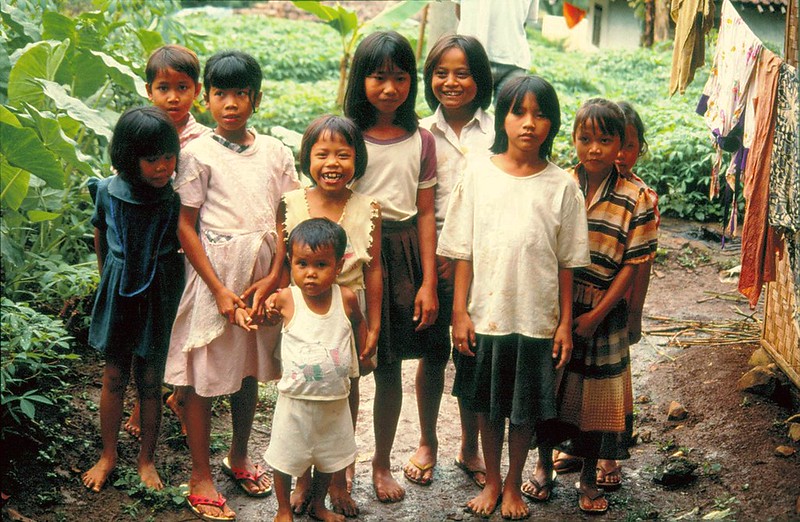 In Indonesia, grassroots nongovernmental organizations (NGOs) are pivotal in alleviating poverty, particularly in rural areas. Their reliance on volunteers, temporary workers and bottom-up approaches characterizes their efforts, a central aim of addressing socioeconomic and cultural challenges.
Poverty in Indonesia
According to the Asian Development Bank (ADB), 9% of Indonesia’s population lived below the international poverty line in 2023. Although this is the lowest poverty rate in the last 10 years, more than 25 million Indonesians still experience poverty. Some of the causes of poverty in Indonesia include:
- Economic Deprivation: Indonesia hosts some of Southeast Asia’s largest commodity export, manufacturing, services, dairy and digital export markets. However, its financial markets are still emerging and there is little integration into the global financial system. This restricts economic productivity and global financial influence. Similarly, with many areas still lacking basic infrastructure, such as quality roads, this delays rural populations’ access to the secondary job sector in cities that currently run the country.
- Social and Cultural Factors: Strong family and cultural norms across Indonesia lead multigenerational families to live together. The natural sharing of limited resources this ensues often perpetuates poverty as individuals less regularly leave impoverished local communities.
- Gender Inequality in Indonesia: Certain beliefs across Indonesia can result in women facing lower social mobility, wages and greater job insecurity. These cultural norms and gender biases limit women’s opportunities for education and employment, perpetuating a cycle of poverty. Desperation for an income and city experiences can also result in young, vulnerable (often rural) women either choosing or being forced into sex work, further entrenching their economic hardships and lack of social mobility.
- Environmental Vulnerability: Natural disasters such as earthquakes and floods disproportionately affect people experiencing poverty and are common throughout Indonesia. In 2022, Indonesia experienced one of its worst earthquakes, which killed about 900 people and caused extensive damage. Natural disasters can increase poverty by more than 2% in affected areas.
Yayasan Kampung Halaman
Established in 2006, this Yayasan Kampung Halaman empowers rural youth through education and creative expression. Based in Yogyakarta, it helps them develop critical thinking skills and community participation through its endeavors. Programs include media production for educational purposes, community labs for social research and literacy campaigns that use various media formats like films and social media to raise awareness of social issues. The organization received the International Spotlight Award from The National Arts and Humanities Youth Program in 2011, highlighting its impact on youth engagement through creative storytelling.
Koperasi Kasih Indonesia
Koperasi Kasih Indonesia (KKI) is a cooperative organization founded in 2011. It provides microfinance services to low-income families, primarily focusing on women in North Jakarta. Honing in on gendered experiences of inequality, the cooperative follows the Grameen model, which emphasizes small loans to help individuals start or expand small businesses. KKI currently serves more than 9,000 members and has disbursed more than $10 million in microloans. The organization aims to empower the urban poor through financial support and by offering mindset-motivation training to foster sustainable economic growth and self-sufficiency.
Rumah Yatim
This NGO supports orphans and vulnerable children by providing education, health care and basic needs, helping them break the cycle of poverty. Rumah Yatim aims to empower these children to achieve their full potential and contribute positively to society by offering a safe and nurturing environment. The comprehensive care provided by Rumah Yatim includes basic necessities and emotional and psychological support to ensure holistic development. The organization has reached approximately seven million people since its inception.
Sahabat Anak
Dedicated to street children, this organization offers education and social services to reintegrate them into society and ensure their well-being. It provides educational programs and social services to help reintegrate these children into society. This local effort tries to ensure street children have access to education, health care and a supportive community, bettering their futures and trajectories.
The Indonesian government and international organizations recognize the importance of grassroots NGOs in poverty alleviation. The National Program for Community Empowerment (PNPM) exemplifies this. PNPM encourages local community groups such as Yayasan Kampung Halaman, Koperasi Kasih Indonesia, Rumah Yatim and Sahabat Anak. PNPM aims to include a national body in community-led poverty alleviation activities to enhance partnerships between centralized and localized services.
Conclusion
Grassroots NGOs are indispensable in Indonesia’s fight against poverty. Community ties, participatory approaches and adaptability make them uniquely capable of addressing poverty’s complex and multifaceted nature. By empowering local communities, these organizations ensure that development initiatives are effective, sustainable and culturally appropriate.
– Olivia Howard
Olivia is based in London, UK and focuses on Technology and Global Health for The Borgen Project.
Photo: Flickr
