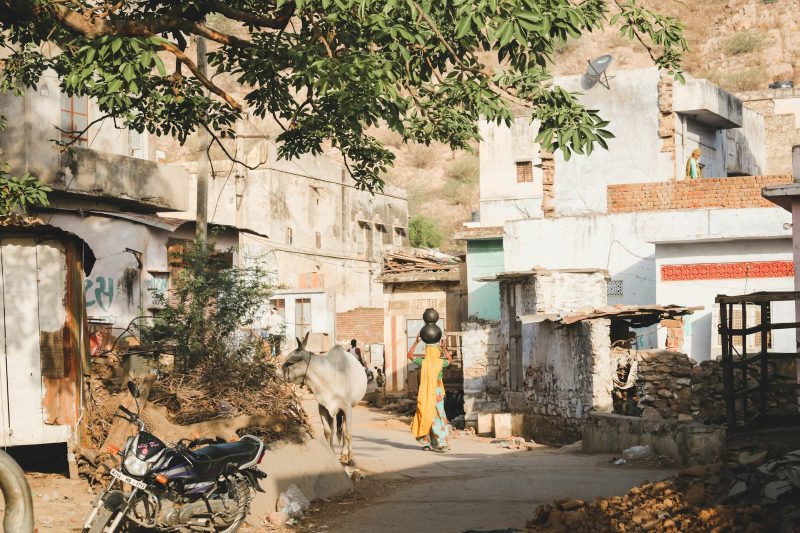
 Rajasthan, situated in Northwestern India, is the seventh most populous state in the country, boasting a population of 69 million people. While The Multidimensional Poverty Index Report of 2023 highlights Rajasthan as having one of the steepest declines in poverty in India, 10 million people are still living below the poverty line. To combat poverty in Rajasthan, the government has meticulously targeted problem areas, focusing mainly on improving the health care sector and rural areas, where more than 75% of the poor population live.
While the percentage of poor in Rajasthan has successfully declined from 28.86% in 2015-2016 to 15.31% in 2019-2021, according to a 2023 report, it is important to note that discrimination towards those living in caste communities remains abundant, with many being denied poverty-alleviation measures. The work of Self Help Groups (SHGs) and independent programs such as BHOR are aiding both urban and rural communities to combat poverty, as well as focusing on previously neglected minority groups.
Free Medicine and Tests Scheme
India has one of the highest out-of-pocket health expenditure levels, with citizens spending around 65-70% of their income on health care. More than 90% of households do not have health insurance for one or more members, meaning access to basic health care is unobtainable for the majority of impoverished people.
In 2011, the Rajasthan government introduced the free medicine scheme to enable free access to commonly-used, essential medicines for patients using government healthcare institutions. Rajasthan has approximately 1,828 medicines accepted under the scheme, providing treatment for a variety of illnesses like cancer, kidney and heart problems. The scheme operates in both major cities and rural areas, improving accessibility and establishing better health care for the largely poor population which occupies these rural localities.
To ensure the smooth running of the scheme, the government created The Rajasthan Medical Services Corporation Limited (RMSCL), ensuring the enforcement of quality control measures and the efficient distribution of medicines to all health facilities within the state. The number of free medicine beneficiaries recorded between 2011 and 2017 was approximately 524 million people, highlighting the extremely positive impact of the scheme on those previously unable to afford such treatment.
Tackling Rural Poverty
The majority of the poor population occupy rural areas of Rajasthan, and approximately 65% depend on agriculture for their livelihood. Farmers, particularly smallholder farmers, are extremely vulnerable to crop losses due to the lack of resources and natural disasters. With many impoverished individuals relying on crop yield to sustain a living, the government has introduced initiatives to improve crop productivity and therefore income for farmers.
The Pradhan Mantri Fasal Bima Yojana (PMFBY) is a subsidized crop insurance scheme covering all farmers in the event of crop yield losses due to non-preventable risks such as drought, floods, natural disasters and pest and disease attacks. It charges a minimum premium from the farmers, while the state and central governments support the remaining share. Rajasthan boasts a higher national average in insured area per farmer, stressing its importance and effectiveness in protecting farmer livelihoods.
Poor yields and crop failure are often a product of monoculture farming which has long dominated parts of India, therefore diversifying the selection of crops has been pivotal in reducing the rapid spreading of disease and increasing overall yield and income for rural farmers, according to the Copenhagen Census Center. Providing a more diverse selection of crops has also expanded market opportunities, by offering a vast selection of products and reaching a wider range of buyers.
Self-Help Groups
Launched by The World Bank, The Rajasthan Rural Livelihoods Project (RRLP) aims to increase the income of poor people, through social empowerment, community investment support, skills development and employment promotion. The project also included the mobilization of people into Self Help Groups (SHGs). SHGs have been salient in helping improve the financial and socio-economic status of rural communities, specifically for women. Income generation and delivering micro-credit has helped women achieve financial independence, allowing them wider access to finance and encouraging asset creation.
Rural projects such as this have been principal in empowering minority groups, in this case poor women, but it must be noted that Caste discrimination in Rajasthan still runs rife. Dalit women, a group typically belonging to one of the lowest castes, make up around one-fifth of Rajasthan’s population, yet reports show no implementation of state-sponsored schemes for training or giving credit access to Dalit women.
BHOR
Established in 2019 by the Rajasthan Skill and Livelihoods Development Corporation (RSLDC), the BHOR program operates in the city of Jaipur to provide street beggars with vocational training and employment opportunities, with the long-term goal of making Jaipur a begging-free city. Its rehabilitative approach provides education and training in a variety of skills and jobs such as electricity, plumbing and cooking. While the focus of the program is on the training of individuals, it also provides recruits with accommodation and physical training through exercise like yoga. BHOR has seen huge successes, with 64 people subsequently finding employment with organizations such as Akshay Patra, Fortis Hospital and Hotel Shahpura Residency in 2022.
Final Word
As Rajasthan continues to navigate its way to becoming poverty-free, addressing outstanding issues of the discriminative caste system, which remains prevalent in Indian society, is imperative. The work of government initiatives, alongside the resilience of smaller SHGs and rural communities, has proven the possibility of a poverty-free state in the future, facilitating hope and future growth for other states.
– Sofia Bowes
Sofia is based on the Isle Of Skye, Scotland and focuses on Good News for The Borgen Project.
Photo: Unsplash

AuREUS Solar Panels: A Solution to Food Waste in Communities
Agricultural Waste and Its Consequences for Farmers
According to a 2021 report by the World Wide Fund for Nature (WWF) United Kingdom (U.K.) and Tesco, global food waste totals 1.2 billion tonnes annually, representing 15.3% of produced food, equivalent to $370 million in value. Research by the No Hungry Children Organization suggests this could feed 37 million people for a month. On farms, between 22,000 and 37,000 tonnes of produce go to waste annually, enough to provide 150,000 to 250,000 people with five daily portions of fruits and vegetables for a year. Factors contributing to food waste include environmental challenges, changing food standards, product mishandling and shifts in retail demands, most of which are beyond farmers’ control.
AuREUS Solar Panel Function
The same technology derived from the phenomena that govern the beautiful Northern and Southern lights powers AuREUS, a system using luminescent particles similar to those found in fruits and vegetables. These particles, when struck by high-energy particles like gamma or UV rays, absorb and emit visible light. AuREUS features two products: the Borealis Solar Window and the Astralis Solar Wall. Both incorporate a layer of organic luminescent extracted from food waste suspended in a resin substrate.
Photovoltaic (PV) cells, crucial to solar panels, line the edges of these devices. When UV radiation hits, the luminescent particles emit light toward the PV cells, converting it into electricity. This electricity can then be redirected to storage, batteries or immediate use. Unlike traditional solar panels, AuREUS panels can be installed vertically and capture UV radiation even on cloudy days due to their ability to harness UV light without direct sunlight. In 2019, AuREUS was implemented in building settings and its innovative design earned Carvey Ehren Maigue the first-ever James Dyson Sustainability Award in 2020.
A Potential Solution
AuREUS technology, leveraging crops from agricultural communities, enables farmers to upcycle waste from farming and retailing processes. This innovation helps farmers mitigate significant losses and manage risks more effectively. Moreover, AuREUS solar panels harness UV radiation, a clean and unlimited energy source, which can reduce daily living costs for farmers. Additionally, these panels help decrease food waste, contributing to climate change mitigation.
Currently under research and testing for broader applications such as mass production and public transportation, AuREUS Solar Panels have shown promise in early studies. Out of 78 crops tested, nine exhibited high potential, with red, orange, yellow and green hues serving as potential dyes containing the necessary luminescent particles. Ongoing research aims to optimize material extraction from crops, aspiring to reach 100% efficiency compared to the current 80%, which could revolutionize crop utilization in agricultural communities.
Looking Ahead
The development of AuREUS Solar Panels represents a breakthrough in sustainable energy and waste reduction. By turning agricultural byproducts into functional technology, the panels offer a creative approach to addressing both energy needs and food waste. As research progresses, this innovation could open new possibilities for renewable power generation and resource use, enhancing both environmental sustainability and economic benefits for agricultural communities.
– Jimmy Nguyen
Photo: Flickr
EU and WHO Helping the Cholera Outbreak in Ethiopia
Factors Contributing to Outbreak
Although Ethiopia remains “one of the fastest growing economies” in Africa, the per capita GNI stands at only $1,020, making it one of the poorest countries in this region, leading to access to health care, especially hospitals and physicians, being insufficient to those living in rural areas
A 2022 study identified that several factors immediately made Ethiopian citizens more susceptible to cholera, including cholera cases being higher for patients in the age group of 15-44, having another patient within the family and their dehydration status. Considering that 58% of the population in Ethiopia is between 15 and 64 years old, many people are at high risk of contracting cholera due to their age alone.
EU Response to Cholera Outbreak in Ethiopia
In November 2023, the EU first allocated €1 million to help fund humanitarian responses to the cholera outbreak in Ethiopia. This funding went to a series of designated causes, including supporting existing humanitarian organizations with their responses to the outbreak through the distribution of health care supplies, training of staff to help treat those with cholera and improving access to safe water and sanitation.
This funding came in the aftermath of floods that affected more than 1 million citizens and caused a further 470 cases of cholera in Ethiopia. However, in January 2024, 234 districts within Ethiopia could control the spread of cholera, with calls to aim responses towards improving sanitation to prevent open defecation and increasing access to clean water would provide a significant contribution to the prevention of cholera.
Cholera Treatment Centers
In February 2024, the World Health Organization (WHO) helped with construction of 17 standard cholera treatment centres (CTCs) to help combat the cholera outbreak in Ethiopia. These centers are open and operating 24/7, to improve access to health care and the quality of treatment received, especially in more remote areas of Ethiopia where access to specialist cholera treatment is incredibly limited. The centers have handwashing facilities, baths and showers, all with access to clean water.
Each CTC has 718 beds, providing significant medical access to a larger proportion of the population. This scheme ensures efficient triage and treatment of cholera patients, which is crucial to save lives and help control the cholera outbreak in Ethiopia better.
In conclusion, EU and WHO solutions have been able to make a lasting difference. There will hopefully be further investment into health care facilities that could improve their quality and overall access to people. With the steady improvement of treatment across the country, the cholera outbreak in Ethiopia will likely become more controlled.
– Freyja Stone
Photo: Flickr
5 Charities Operating in Saudi Arabia
EKHAA Charitable Foundation for Orphan Care
Founded in March 2003, EKHAA provides services to more than 2,055 orphans, including those with special needs, across branches in the country. These services include employment, housing assistance, along with social and cultural program activities. EKHAA’s mission focuses on building independence for orphans through programs, partnerships and a supportive environment that helps them achieve self-sufficiency. Its objectives include ensuring social and financial stability while improving psychological and social well-being.
Saudi Food Bank Association (ETAAM)
Founded in 2011, the Saudi Food Bank Association collaborates with various organizations and businesses to collect surplus food from grocery stores and restaurants, distributing it to those in need. This charity also delivers meals to individuals with special social conditions and low-income households. To ensure effective food distribution, the organization employs modern technology, strategic marketing and skilled staff. With a vision to become a leader in the Kingdom and the Arab world in food provision, the Saudi Food Bank Association aims to promote social solidarity by providing food, preventing waste and supporting food-related research initiatives.
Mawaddah Women’s Charity Association
This charity association was founded to help stabilize and secure families through divorce legislation in Saudi Arabia. The organizations take steps to find long-term solutions to reduce divorce rates and face its negative impacts on families. Founded in 2008, Mawaddah is committed to supporting Saudi families, with a special focus on women and children. It strives to strengthen family relationships and lower divorce rates. Mawaddah also offers courses to assist women who seek to join the workforce. This charity has milestones to work toward, including managing the impact of divorce. According to its website, ‘For women faced with divorce or its aftermath, the assistance on offer from Mawaddah can range from simple financial help to job-qualification programs.’
Alnahda Society
Alnahda Society is a nonprofit women’s organization that focuses on empowering Saudi women socially and economically through a range of programs, like providing educational services and employment opportunities for women. The society began with volunteering efforts, quickly evolving into a cultural institution that is committed to enhancing women’s role in community services. Since 2008, this nonprofit has provided 97,500 services and has operated 37 centers in the capital city of Riyadh.
EHSAN National Platform for Charitable Work
Launched in 2021, the EHSAN digital platform serves as a national donation hub, encouraging charitable activities and community involvement. It uses advanced technology to make these donations reach those in need. The donations have benefitted more than 48 million people. The platform has set a Genius World record for the highest daily donations in 24 hours globally. In March of 2023, more than 558,000 donors contributed to provide support for more than 476,000 people.
Looking Ahead
Saudi Arabia’s diverse charitable efforts demonstrate a strong commitment to supporting vulnerable populations and enhancing social welfare. Through the various charities operating in Saudi Arabia address issues such as food insecurity, women’s empowerment, family stability and digital philanthropy. The focus on community development and effective aid distribution reveals a growing drive to uplift and empower different segments of society. These programs underline Saudi Arabia’s dedication to advancing social progress and addressing the needs of its people.
– Nouf Hunaiti
Photo: Flickr
The Current State of HIV/AIDS in Algeria
HIV/AIDS is a significant health issue in Algeria, affecting thousands of lives. Despite efforts to combat it, the disease remains a challenge for the nation.
The Prevalence
Algeria has seen an increase in HIV/AIDS cases over the last few years. According to UNAIDS, 26,000 Algerian children and adults were reported as living with HIV in 2023. Newly recorded cases of HIV in children and adults increased by 2,100 cases between 2022 and 2023.
Early detection and treatment are crucial for managing the disease and preventing its spread. The government and non-governmental organizations work tirelessly to raise awareness and provide medical support to those affected.
Support Programs
The Algerian government has implemented several initiatives to combat HIV/AIDS. These programs, such as The Global Fund, focus on education, prevention, and treatment. Additionally, free antiretroviral therapy is available to patients, ensuring they receive the necessary medications to manage their condition effectively.
Non-governmental organizations (NGOs) also play a vital role in the fight against HIV/AIDS in Algeria. These organizations work at the grassroots level, providing education and support to communities.
They conduct workshops, distribute educational materials and offer counseling services to those affected by the disease. NGOs also collaborate with the government to implement nationwide awareness campaigns and improve access to health care services.
For example, The Kaiser Family Foundation is an NGO that focuses on various domestic and international health epidemics. This foundation specifically examines global health policies to better improve access to care for those living with HIV in the U.S. and overseas.
The Impact of Stigma and Discrimination
Stigma and discrimination against people living with HIV/AIDS remain significant challenges in Algeria. Many individuals face social isolation and rejection due to their HIV status. This stigma often prevents them from seeking the medical help they need.
To address this issue, awareness campaigns aim to educate the public about HIV/AIDS and reduce the stigma associated with the disease. By fostering a more inclusive society, Algeria can better support those affected by HIV/AIDS.
Access to Health Care Services and Technology
Access to health care services is essential for managing HIV/AIDS in Algeria. The government has established numerous health care centers across the country to provide testing, treatment and counseling services.
These centers offer free and confidential HIV testing, which helps to make sure that individuals can receive a diagnosis without fear of discrimination. Additionally, trained health care workers provide compassionate and non-judgmental care to those living with HIV/AIDS.
Technology plays a crucial role in advancing HIV/AIDS research in Algeria. Labs use hot plate magnetic stirrers to achieve accurate results, which is particularly useful in the research of HIV/AIDS.
These devices ensure precise temperature control and consistent mixing, leading to more reliable data. By leveraging advanced technology, researchers can develop better treatment options and improve the overall understanding of the disease.
Community Support and Involvement
Support groups and community centers provide a safe space for people to share their experiences and seek emotional support. These groups also offer practical assistance, such as help with medication adherence and access to health care services. By fostering a strong sense of community, Algeria can better support those affected by HIV/AIDS and improve their quality of life.
The fight against HIV/AIDS in Algeria requires a multifaceted approach. By addressing the stigma, improving education, and leveraging technology, the country can better support those affected by the disease. Continued efforts and collaboration are necessary for making progress in this ongoing battle.
– Kelly Schoessling
Photo: Flickr
Novissi Platform: 6 Components of Togo’s Future Program
6 Components of Togo’s Future Program
Digital Aid Boosts Rural Economy in Togo
Eric Dossekpli, a middle-aged farmer in rural Togo, faced challenges in affording fertilizers for his crops and meeting the basic needs of his family of eight. Through the Novissi platform, he received a cash transfer that alleviated some of his financial pressures. The success of the Novissi program has paved the way for the new Interoperable Social Information System aimed at enhancing the prioritization, monitoring and delivery of social aid. With funding from the World Bank and the International Development Association, this new system is expected to help lift 1.24 million people out of poverty by 2029. By leveraging Togo’s advancements in technology and data services, the country aims to improve social service delivery, thereby boosting financial security, combating food insecurity and increasing household incomes.
Looking Ahead
Togo’s strategic approach to social protection through technology aims to provide targeted support to its most vulnerable populations. Furthermore, with the integration of digital platforms, biometric identification and enhanced data management, the country is working to expand its reach and improve the efficiency of aid distribution. The ongoing developments are expected to play a significant role in alleviating poverty. Furthermore, they will enhance financial stability for rural communities in the coming years.
– Chelsey Saya McLeod
Photo: Flickr
TechnoServe and GENA: Improving Ethiopia’s Agricultural Exports
TechServe’s Role in Supporting Smallholder Farmers
For over a decade, TechnoServe has collaborated with farmers and the Ethiopian government to develop competitive agricultural market systems. This work focuses on enhancing farmers’ productivity by providing training in improved agricultural practices and creating sustainable sourcing opportunities with GENA, an Ethiopian investment group. Together, they aim to advance Ethiopia’s economy.
The SERES Project
A significant example of this collaboration between TechnoServe and GENA is the Scaling Ethiopia’s Regenerative Export Sector (SERES) project, launched in 2021 by TechnoServe in partnership with the Norwegian Agency for Development Cooperation (NORAD). This project seeks to connect smallholder farmers with international markets and promote the production of sustainably grown crops such as fruits and herbs. SERES has enabled Ethiopian farmers to meet international quality standards.
GENA’s Partnership
GENA is an Ethiopian agribusiness focused on exporting agricultural products. As part of the SERES project, the organization received funding to establish a rosemary collection center and drying facility in central Ethiopia. This facility provides a direct link between small-scale farmers and the organization. This ensures consistent supply chains meet international standards. Farmers who supply rosemary to GENA benefit from guaranteed prices and timely payments.
Kadri Mohamed’s Story
A true success story to come out of this partnership is smallholder farmer Kadri Mohamed. TechnoServe reported that Kadri previously sold his rosemary crop to local traders. He faced long delays in receiving payments and would often receive prices lower than expected. Without guidance on sustainable farming, much of his crop would go to waste. The SERES project, in partnership with GENA, changed that. Kadri now sells his rosemary to GENA, receiving payments up to eight times higher than before and within just a few days. This allowed him to significantly increase his income from $190 to $350 annually, in turn improving his family’s life. With extra income, Kadri has been able to invest in his children’s education and secure his home with a lockable door, providing a safer environment for his family.
The Broader Impact
The success of the SERES project illustrates the broader potential for smallholder farmers in Ethiopia and across Africa by integrating smallholder farmers into formal market systems and providing them with the necessary training and infrastructure. Through partnerships with companies like GENA, smallholder farmers can potentially access stable and profitable markets while ensuring sustainable agricultural practices that benefit the environment.
– Ellisha Hicken
Photo: Flickr
5 NGOs in Malawi Successfully Addressing Poverty
MBF Lifesaver Clinics
The Medical Benevolence Foundation (MBF) focuses on maternal and child health through its Lifesaver Clinics in Malawi. It operates clinics through local churches and has a large community-based staff. One of its key locations opened in 1937, the Bembeke clinic serves more than 29,000 residents and delivers an average of 43 babies every month. By providing critical health care services, including prenatal care, vaccinations and health education, MBF aims to reduce maternal and infant mortality rates. The organization’s outreach efforts not only enhance access to medical services but also educate local families about health and nutrition, fostering a healthier future for impoverished mothers and their children.
Hope4Malawi
Education is a core pillar of sustainable development, and Hope4Malawi is one of the NGOs in Malawi that focuses on enhancing educational access for children in rural areas. It has made significant investments in building schools and creating essential educational resources, such as libraries and feeding programs. By supporting students from primary school through to university level, Hope4Malawi creates a cultural hub of learning and support. The organization also integrates e-learning opportunities, allowing students to access a broader range of educational materials.
Hope4Malawi intends to build and provide supplies for 12 classrooms and three libraries before 2029 through a partnership with the Ministry of Education. The organization provides sponsorships and additional support that allow students to attend secondary education who would otherwise not be able to. As a result, enrollment and retention rates have increased, creating a generation equipped with the skills and credentials needed for future success.
The Hunger Project
The Hunger Project is one of the NGOs in Malawi that has been active since 1999. The organization addresses poverty through sustainable agriculture and food security initiatives. Recognizing that food insecurity is a significant contributor to poverty, the organization provides training on modern farming techniques and crop diversification. Utilizing the Epicenter Strategy, this organization mobilizes community members against hunger and poverty until they have become self-reliant.
By promoting community gardens and cooperative farming practices, The Hunger Project empowers local farmers to improve their yield and nutrition. The organization has helped reduce malnutrition in Malawi and has provided economy-boosting initiatives to workers, such as beekeeping. The initiative not only enhances food security for families but also fosters economic empowerment, enabling communities to thrive sustainably.
WaterAid Malawi
Access to clean water is a fundamental human right, and WaterAid Malawi is at the forefront of efforts to improve water and sanitation across the country. Working in 14 towns and cities, WaterAid implements projects that provide clean water and educate communities about hygiene practices. This vital work significantly reduces the spread of waterborne diseases, improving overall health outcomes. This organization intends to provide clean water to the most impoverished communities by 2030 through a sustainable development program.
WaterAid works closely with the country’s Water, Sanitation and Hygiene (WASH) sector to provide innovative technology for new toilet and water collection systems. By ensuring access to clean water, WaterAid not only improves community health but also provides individuals with more time to devote to work or studies.
Concern Worldwide
Concern Worldwide has developed an approach to tackling poverty from multiple angles in Malawi. The organization provides food security initiatives, such as Food Systems for Food Security, prenatal care, and vaccination programs, alongside emergency response efforts during crises such as natural disasters. Concern has implemented agriculture programs that incorporate crop diversification, intercropping and other protective methods that prepare communities for unexpected weather fluctuations.
In a three-year program, Concern helped local farms raise annual harvest intake by 72%, improving the security and nutrition of community youth. By addressing immediate needs while also working on long-term solutions, Concern Worldwide helps build resilience within communities. Its lifestyle-focused approach ensures that families can survive as well as prepare for the future of the next generation.
Overall Impact
The work of these NGOs in Malawi illustrates the diverse and integrated approaches necessary to combat poverty in Malawi. By addressing health, education, agriculture, and water access, they demonstrate that sustainable development requires collaborative efforts that engage local communities. The ongoing commitment of these organizations plays a crucial role in improving the quality of life for vulnerable populations in Malawi.
– Lauren Sellman
Photo: Flickr
Poverty in Rajasthan: Reduction Measures
While the percentage of poor in Rajasthan has successfully declined from 28.86% in 2015-2016 to 15.31% in 2019-2021, according to a 2023 report, it is important to note that discrimination towards those living in caste communities remains abundant, with many being denied poverty-alleviation measures. The work of Self Help Groups (SHGs) and independent programs such as BHOR are aiding both urban and rural communities to combat poverty, as well as focusing on previously neglected minority groups.
Free Medicine and Tests Scheme
India has one of the highest out-of-pocket health expenditure levels, with citizens spending around 65-70% of their income on health care. More than 90% of households do not have health insurance for one or more members, meaning access to basic health care is unobtainable for the majority of impoverished people.
In 2011, the Rajasthan government introduced the free medicine scheme to enable free access to commonly-used, essential medicines for patients using government healthcare institutions. Rajasthan has approximately 1,828 medicines accepted under the scheme, providing treatment for a variety of illnesses like cancer, kidney and heart problems. The scheme operates in both major cities and rural areas, improving accessibility and establishing better health care for the largely poor population which occupies these rural localities.
To ensure the smooth running of the scheme, the government created The Rajasthan Medical Services Corporation Limited (RMSCL), ensuring the enforcement of quality control measures and the efficient distribution of medicines to all health facilities within the state. The number of free medicine beneficiaries recorded between 2011 and 2017 was approximately 524 million people, highlighting the extremely positive impact of the scheme on those previously unable to afford such treatment.
Tackling Rural Poverty
The majority of the poor population occupy rural areas of Rajasthan, and approximately 65% depend on agriculture for their livelihood. Farmers, particularly smallholder farmers, are extremely vulnerable to crop losses due to the lack of resources and natural disasters. With many impoverished individuals relying on crop yield to sustain a living, the government has introduced initiatives to improve crop productivity and therefore income for farmers.
The Pradhan Mantri Fasal Bima Yojana (PMFBY) is a subsidized crop insurance scheme covering all farmers in the event of crop yield losses due to non-preventable risks such as drought, floods, natural disasters and pest and disease attacks. It charges a minimum premium from the farmers, while the state and central governments support the remaining share. Rajasthan boasts a higher national average in insured area per farmer, stressing its importance and effectiveness in protecting farmer livelihoods.
Poor yields and crop failure are often a product of monoculture farming which has long dominated parts of India, therefore diversifying the selection of crops has been pivotal in reducing the rapid spreading of disease and increasing overall yield and income for rural farmers, according to the Copenhagen Census Center. Providing a more diverse selection of crops has also expanded market opportunities, by offering a vast selection of products and reaching a wider range of buyers.
Self-Help Groups
Launched by The World Bank, The Rajasthan Rural Livelihoods Project (RRLP) aims to increase the income of poor people, through social empowerment, community investment support, skills development and employment promotion. The project also included the mobilization of people into Self Help Groups (SHGs). SHGs have been salient in helping improve the financial and socio-economic status of rural communities, specifically for women. Income generation and delivering micro-credit has helped women achieve financial independence, allowing them wider access to finance and encouraging asset creation.
Rural projects such as this have been principal in empowering minority groups, in this case poor women, but it must be noted that Caste discrimination in Rajasthan still runs rife. Dalit women, a group typically belonging to one of the lowest castes, make up around one-fifth of Rajasthan’s population, yet reports show no implementation of state-sponsored schemes for training or giving credit access to Dalit women.
BHOR
Established in 2019 by the Rajasthan Skill and Livelihoods Development Corporation (RSLDC), the BHOR program operates in the city of Jaipur to provide street beggars with vocational training and employment opportunities, with the long-term goal of making Jaipur a begging-free city. Its rehabilitative approach provides education and training in a variety of skills and jobs such as electricity, plumbing and cooking. While the focus of the program is on the training of individuals, it also provides recruits with accommodation and physical training through exercise like yoga. BHOR has seen huge successes, with 64 people subsequently finding employment with organizations such as Akshay Patra, Fortis Hospital and Hotel Shahpura Residency in 2022.
Final Word
As Rajasthan continues to navigate its way to becoming poverty-free, addressing outstanding issues of the discriminative caste system, which remains prevalent in Indian society, is imperative. The work of government initiatives, alongside the resilience of smaller SHGs and rural communities, has proven the possibility of a poverty-free state in the future, facilitating hope and future growth for other states.
– Sofia Bowes
Photo: Unsplash
Fourth Line: Creating Sustainable Livelihoods for Zambian Farmers
Rural Zambia in Context
Zambia ranks as one of the most impoverished countries worldwide, with more than 60% of the population living in poverty in 2022, according to the World Bank. Rural inhabitants consistently face even starker levels of poverty, with limited access to essential services like electricity and water supply.
Nakasamu adds that Zambia is experiencing another severe drought, causing power shortages and adversely affecting food production. “It’s hitting people so hard,” he told The Borgen Project. The United Nations Environment Programme (UNEP), a partner to Fourth Line, has described this situation in Zambia as a vicious cycle, where the methods they use to survive further aggravate climate emergencies and their effects on vulnerable countries.
Fourth Line: Its Vision and Strategy
In 2019, Nakasamu founded the Fourth Line. He aimed “to empower smaller farmers with beekeeping to move them away from charcoal burning.” Growing up, he had witnessed firsthand the struggles of poor farming communities, particularly in drought. When crops failed, his community relied on the forest for charcoal production and other environmentally harmful practices.
Describing their strategy to tackle this situation, Nakasamu said, “We couldn’t come up with a one-size-fits-all solution.” However, he came up with “a solution here and there,” pairing his background in finance with his passion for conservation and rural communities. When combined, his initiative combats the various problems faced by Zambian farmers.
Buzz-Worthy Initiatives
The success of Nakasamu’s initiative is based on two lines of action. Firstly, it designs innovative, low-cost beehives made from unwanted wood waste, whose yields have increased productivity from 15 kg to 70 kg per season. This approach creates income-generating opportunities for smallholder farmers while allowing communities to use the forest environment for their beekeeping without contributing to deforestation or greenhouse gas emissions.
Secondly, Fourth Line is trying to tackle the need for more access to financial services, another obstacle that prevents economic growth in rural areas of the country. Nakasamu explained that farmers “are not actually considered in the financial chain, commercial or traditional financial systems.” To combat this, Fourth Line is currently creating an SMS/USSD-based system to connect Zambian farmers to weather, agricultural and financial services and to facilitate the safe distribution of loans.
A Restored Future
The UNEP’s “Becoming #GenerationRestoration” report estimates that with half the world’s gross domestic product dependent on nature, every dollar spent on restoration projects generates up to $30 in economic benefits. Fourth Line reflects a growing interest across developing countries in creating long-term economic incentives for forest restoration.
Regarding future goals, Nakasamu said that Fourth Line is looking to extend its model to help African countries beyond Zambia and access global markets for its honey products, thereby building on its work to lift communities out of poverty.
– Hannah Dunford
Photo: Flickr
3 Reasons Indigenous Wisdom Is Essential to Planet Safety
Protecting Biodiversity
Indigenous wisdom plays a crucial role in preserving biodiversity and protecting the environment. Central to their beliefs is the Natural or First Law, which focuses on ethics, reciprocity and gratitude toward the Earth, according to PLOS Global Public Health. According to Diné musician, scholar and cultural historian Lyla June, Indigenous peoples have historically acted as “keystone species,” essential to the balance and support of their ecosystems.
Research shows that indigenous-managed lands show higher biodiversity and lower deforestation rates, resulting in these areas becoming carbon hotspots in the environment. For instance, The Ecuador Biodiversity Conservation in Pastaza Project focused on benefiting communities in Ecuador by supporting sustainable biodiversity usage. Although this project ended in 2007, it greatly benefitted the Yana Yacu, Nina Amarun and Lorocach territories.
Families who participated in the project saw a mass increase in crop production. This surplus food can be used for trading and preparing seed banks, which boosts the local economy and provides opportunities for struggling families. In addition to their environmental contributions, Indigenous peoples maintain rich cultures, values and traditions, while navigating poverty-related issues, further strengthening their role as key protectors of the environment.
Managing Environmental Changes
Indigenous groups have long recognized and prepared for environmental concerns, often attributing these issues to the impacts of colonialism and capitalism. Their adaptation strategies, honed through generations of experience, offer critical insights for managing unique challenges that disrupt community work and food systems, according to One Earth. These communities have historically navigated drastic environmental shifts and natural disasters, providing a rich understanding of resilience and adaptation.
For instance, the Skolt Sámi tribe of the European Arctic has recently made protective efforts to restore rivers damaged by man-made changes. By restoring ecosystems such as the Vainosjoki River, this tribe has created a home for many types of fish, plants and animals that were previously unavailable in the area, One Earth reports. This introduces a home and a food source to local communities, supporting the tribe as well as the Earth.
Valuing Indigenous Knowledge in Policy Making
Indigenous populations, despite their significant contributions to environmental conservation and carbon storage, remain underrepresented in government decision-making processes, according to PLOS Global Public Health. Despite the implementation of the United Nations Declaration of the Rights of Indigenous Peoples (UNDRIP) in 2007, Indigenous voices continue to not be heard. Despite not being a part of crucial policy-making decisions, Indigenous groups around the world today are making great strides in expanding their rights throughout the Arctic, Africa, the Pacific and Asia, according to PLOS Global Public Health.
As a marginalized group, throughout the COVID-19 pandemic, Indigenous populations around the world had to rely on cultural remedies often without access to the vaccine or proper health care. The Indigenous response to the pandemic further demonstrates the value of traditional medicinal and recovery practices, according to PLOS Global Public Health. Specifically, the Mbuti, Efe and Baka tribes in Africa have been environmentally impacted by an increase in logging and mining in forest-dependent areas.
Additional issues throughout the pandemic forced many to relocate, food and water shipments were often delayed and many lost their jobs due to the lockdown. The pandemic hit Indigenous groups the hardest, forcing them further into poverty, according to Elsevier. Despite these struggles, many groups such as tribes in Brazil and South Africa widely used herbal medicines and traditional techniques to treat symptoms. Mainstream discussions often overlook these practices despite their value as efficient and safe solutions. Incorporating Indigenous knowledge into policy-making and scientific research could benefit efforts to preserve biodiversity and combat environmental damage.
Embracing Indigenous Wisdom
Indigenous people manage about 25% of Earth’s surface, which is notably in better ecological condition in comparison to other regions. One organization, the African Conservation Center (ACC) is an East African group that focuses on working with local Indigenous communities to create innovative solutions to environment-related issues. The organization began its journey in the 1970s and has helped 11,700 homes in Magadi access clean water. Clean water allows families to cook, clean, bathe and hydrate, lack of access to clean water can lead to infection and disease. This effort shows the effectiveness of their practices and the benefits of prioritizing protective conversations.
Embracing Indigenous wisdom not only helps restore and protect natural habitats but also fosters sustainable practices that can benefit future generations. As the Earth faces escalating environmental challenges, the collaboration between Indigenous knowledge and contemporary science emerges as a beneficial strategy for ensuring the planet’s health and safety. These time-tested practices offer valuable lessons for designing life systems that are sustainable and capable of nurturing the Earth for generations to come.
– Lauren Sellman
Photo: Flickr