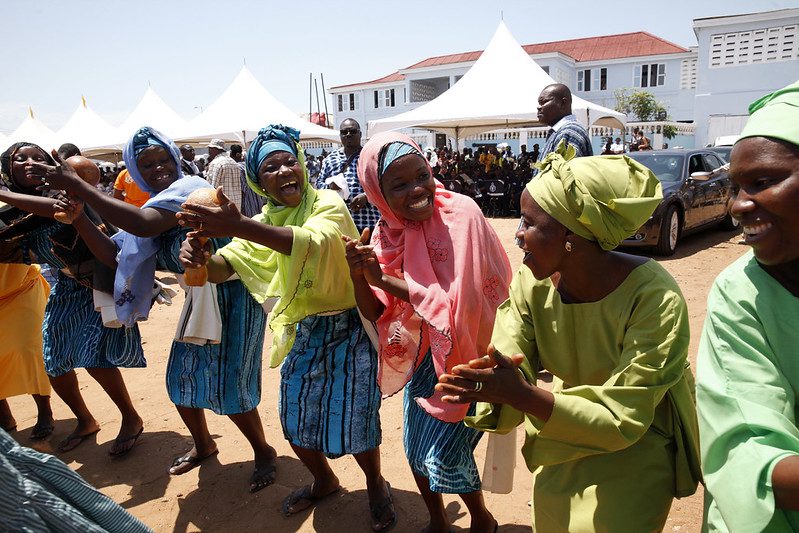
 Ghana’s history runs deep with its rich cultural heritage and diverse landscapes. Home to more than 33 million people, with a projected increase of 56% by 2050, around 38% of the population are youth ages 15 to 35, with the other 35% children under 15. Globalization, in its various forms, has shaped the education and job opportunities available to the youth in Ghana. With the spread of globalization and the influence of technology, better job opportunities have opened, contributing to low unemployment and poverty rates.
Globalization and Economic Development in Ghana
Globalization has had an impact on Ghana, shaping and changing its economy. While also influencing cultural exchange and ultimately reshaping the country’s rapid development. Though it has had positive effects, globalization and poverty in Ghana have impacted urban and rural areas, creating challenges in poverty reduction. Kent Mensah, a journalist with African Report and freelancer based in Ghana, emphasized the interconnectedness brought about by globalization. “We are all connected. Everything that we do is interconnected, especially in the areas of trade, in the areas of diplomacy and in the areas of cooperation. We all need each other before we can survive,” Mensah stated in an interview with The Borgen Project, highlighting the broad impacts of globalization on the country.
The history of Ghana’s trade dates back to its days as the Gold Coast, a former British colony in West Africa, now known as the Republic of Ghana. Colonizers called West Africa the Gold Coast due to its excessive supply of gold. In 1879, a blacksmith brought cocoa beans from Spanish Fernando Po to the Gold Coast. By the 1890s, local African farmers, with support from the British administration, had purchased thousands of cocoa seedlings. The British colonial decisions allowed African farmers to maintain control of cocoa production, asserting that Europeans could not purchase land owned by Africans.
Economic Trade and Policies
Currently, Ghana is the second-largest cocoa-producing country. Cocoa is one of Ghana’s most crucial products in distribution. Their export of cocoa is critical in boosting the country’s economy. Not only do countries like the Netherlands, United States (U.S.), Malaysia, France and Japan depend on their products (aka chocolate), but farmers depend on the products to make a living. Discussing how globalization has helped reduce poverty in Ghana, Mensah noted that expanding trade opportunities significantly benefits the families of farmers and workers.
Trade is a significant part of the economy, impacting job opportunities and farmers’ livelihoods. Through the African Continental Free Trade Agreement (AfCFTA), Ghana hopes to expand and boost growth and reduce poverty – while reaching a larger market size. In April of this year, it was reported that South Africa started offering trade benefits under the AfCFTA. As a result, traders in Algeria, Cameroon, Egypt, Ghana, Kenya, Rwanda and Tunisia can now trade with South Africa under the AfCFTA. Allowing these countries to buy and sell goods more efficiently.
Education and Jobs
Globalization has led to partnerships and policies, opening up opportunities for the youth to strengthen their education, which can potentially lead to better jobs. Education access in Ghana has had its challenges, as access to free education was limited and not for everyone. In 2014, less than 45% of students were enrolled in higher secondary education. Many students were missing out on furthering their education. “A lot of people get qualified to go to senior high school, but because their parents don’t have the money, they are unable to enroll in schools. But now, because of subsidies and support that we are getting from our donor partners, about 1.4 million children have had access to go to school,” Mensah added.
The number of secondary school students switched after Ghana launched the Free Public Senior High School Policy in 2017. The policy implicated removing cost barriers to secondary education, including textbooks and boarding. In the 2017/2018 academic year, a record was set with the highest enrollment, with around 470,000 students enrolled in senior high school.
Without the policy-making an impact, the likelihood of the youth becoming dropouts is high. With the widespread trade economy, jobs within the area have opened up opportunities. However, there still seems to be high unemployment in Ghana. It has remained a consistent challenge, especially for the youth. Technology has created an opening for those struggling with finding a job.
Role of Technology
Technology is an ever-changing commodity. With the rise of new forms of communication and the spread of social media, anything seems possible. New markets and opportunities have opened that were never available before. “Because there are no jobs, a lot of the youth are using technology, which is creating a lot of jobs for the young. For instance, most of them are tunneling a lot of energy into e-commerce. People are now starting online shops,” Mensah mentions with the rise of technology, media outlets like Instagram and TikTok can advertise products and reach more revenue.
During the pandemic, e-commerce in Ghana rose as online purchasing became more accessible for food delivery and clothing, shifting consumer behavior. With approximately 15 million internet users and 40 million mobile connections, users can access e-commerce daily. New technology isn’t only changing markets but opening up new opportunities for farmers. Agriculture is a crucial contributor to Ghana’s GDP, accounting for 54%, employing more than half of the population.
With the help of the United States Agency for International Development (USAID), Feed the Future, a U.S. government global food security initiative, created a project part of Feed the Future. The ADVANCE 11 project aims to improve the farmer’s livelihoods by enhancing the productivity of produce. Aiming to target around 113,000 farmers and use a range of digital tools to reach this goal.
Looking Ahead
Ghana’s efforts to improve trade, education and technology access have made strides in fostering economic opportunities and supporting youth development. As policies evolve and digital advancements continue to reshape markets, the nation is working to empower its population, particularly young people, to build sustainable livelihoods and reduce poverty. Continued focus on these areas could be essential to drive lasting progress for future generations and reduce poverty in Ghana.
– Savannah Garza
Savannah is based in New York, NY, USA and focuses on Business and Technology for The Borgen Project.
Photo: Flickr

Diplomatic and Humanitarian Aid as Keys to Stability in Lebanon
Regional Support to Lebanon
Middle Eastern countries have been at the forefront of providing aid to the Lebanese people in their darkest hours and to pave the way for stability in Lebanon. For example, Saudi Arabia’s King Salman Humanitarian Aid and Relief Center (KSRelief) funded the ambulance services carried out by Lebanon’s Subul Al Salam Social Association in the northern part of the country. The association was able to carry out 59 ambulance missions on September 14, 2024, and they plan to use the funds to provide services to those in refugee areas, Saudi Press Agency (SPA). Similarly, on September 24, 2024, the Kuwait Red Crescent Society (KRCS) conducted a relief campaign for 10,000 displaced Lebanese families in shelter centers by providing essential items such as food, cleaning supplies and mattresses. This highlights only a little bit of the exhaustive efforts by countries worldwide to help Lebanon.
International Support to Lebanon:
Countries beyond the Middle East have been involved in the efforts to ensure that there is stability in Lebanon. For instance, on April 3, 2024, USAID announced that it is providing more than $67 million for humanitarian assistance to the most vulnerable communities in Lebanon. The funds will help organizations in Lebanon, such as the World Food Programme (WFP), continue to deliver life-saving aid to over 100,000 people in Lebanon. On the other hand, on May 2 2024, the European Union announced that it is providing financial assistance to the most vulnerable in Lebanon of €1 billion from 2024-2027 to support, among many things, basic health and education services. This shows that, despite the intensity of the current conflict in Lebanon, there are still good people trying to bring peace and stability to the country.
Stability in Lebanon: The Future
In the last few days since war broke out between Israel and Hezbollah forces in Lebanon, media outlets have been focusing disproportionately on the doom side of the conflict. Although it is right to point out the level of destruction in this war, there is also the often-overlooked part where diplomats and aid workers are working tirelessly to bring stability to Lebanon.
Regional countries, such as Saudi Arabia, have been providing aid non-stop to Lebanon as part of the effort to bring peace to the Middle East. Similarly, the U.S. and the EU are also working to end the conflict in Lebanon via diplomacy and humanitarian aid to strengthen the international human rights system. It may be difficult to feel hopeful for Lebanon given the nature of the news cycle today. Still, the facts on the ground give a strong reason to feel optimistic for a better tomorrow for the Lebanese people.
– Abdullah Dowaihy
Photo: Flickr
Sex Trafficking and Child Poverty in Belarus
Vulnerable Communities
In 2017, the rate of child poverty in Belarus stood at 11.3% while the population as a whole stood at 5.9%. The most vulnerable communities and families have been and still are those that live in more rural areas of the country, single-parent homes and homes with three or more children.
The multidimensional child poverty (MDCP) is higher than the overall poverty rate in the country. It is 16.7%, but the number varies across individuals. For larger households with three or more children and families in rural areas, the rate stands at 29.5% and for single-parent households, the rate is 23.8%, UNICEF reports.
UNICEF defines MDCP as “the situation of children suffering from multiple deprivations, rather than just income deprivation. Children may lack necessities or basic rights such as access to water and sanitation, a healthy, diverse diet, adequate living space or access to a personal computer to aid learning.”
Child Sex Trafficking in Belarus
Due to child poverty in Belarus, these underprivileged groups are especially vulnerable to trafficking, one of the major issues in the country. According to Interpol, Belarus has been identified as the country in Eastern Europe with the single most individuals identified in child abuse material. In 2013, there were a total of 91 victims in explicit abuse photographs and videos from Belarus.
The number of cases only increased. In 2015, there were a total of 506 separate cases of “commercial exploitation of children,” according to ECPAT. The traffickers often take victims abroad to countries like Russia, Poland and Turkey where their exploitation continues. The number of victims each year has fluctuated, but has remained consistently high, with the government identifying 251 victims in 2019.
The Good News
Although sex trafficking and child poverty in Belarus remain prominent, there is international support from NGOs and international aid groups to provide resources to victims and low-income households, according to the U.S. Department of State.
The number of victims of child trafficking has slowly increased since 2020; although, the government of Belarus has made small steps in providing resources for these vulnerable individuals. The government provides housing for up to six months in centers for children between the ages of three to 18 as well as free legal assistance, the U.S. Department of State reports. In July 2019, Belarusian and Israeli officials worked together to coordinate an operation to take down a sex trafficking ring composed of Belarusian and Ukrainian women, leading to the arrest of 15 people.
To address child poverty, the country has begun to provide aid to low-income families and families with underage children. There are also one-time benefits provided to families experiencing hardships and children up until 2 years old are provided with food supplies, regardless of income. Belarus is making efforts to address the issues of child poverty and human trafficking. No matter how slow, there are still efforts being made.
– Maya Renfro
Photo: Flickr
Renewable Energy in Georgia
Pushing Toward a Green Future
This push toward a green future goes hand in hand with the country’s economic policy. Specifically, Georgia has always maintained the goal of creating a liberalized economic environment for its people. This economy would be governed through minimal state interference, reduced taxation and free trade. These principles have already been put into place. For example, Georgia achieved an average annual economic growth of 3.6% between 2017 and 2021. The country achieved this by stimulating capital and investments through a system of structural reforms. Its renewable energy sector is one such reformation that has expanded into an industry of its own.
Georgia has been involved in the energy sector since the mid-’90s and its efforts have steadily progressed, yielding significant results. Approximately 70% of the country’s electricity comes from hydropower, with the remainder generated from coal and natural gas. This positions Georgia for potential energy independence from its neighbors, opening the door to becoming an electricity exporter to other European nations. For context, the country’s total energy consumption was 4.49 million tons of oil equivalent (Mtoe) in 2020, presenting a lucrative opportunity for sustainable economic growth.
In addition, the country’s energy sector is on pace for rapid growth. The state electricity producer Georgian State Electrosystem (GSE) currently produces 4,600 megawatts (MW) of electricity, which is expected to reach 10,000 megawatts by 2033. Furthermore, new hydropower plants are being proposed to aid this development. Even more, there are plans to construct photovoltaics and wind farms in the country. The fruition of these projects would have significant implications for the country’s renewable energy output.
Potential Economic Impact
The jobs created by this initiative could spark a significant economic boom for the nation. Citizens could engage in meaningful work within an industry, revitalizing their country and promoting a healthier environment. This potential is reflected in economic forecasts, which project Georgia’s gross domestic product (GDP) to rise to 5.5% by 2025, a 0.5% increase from the previous year.
Looking Ahead
There is still much work ahead and progress continues to be made. Georgia’s legislators are focused on realizing their vision of a green future by integrating and strengthening the economic and environmental sectors. Increasing these areas would foster sustainability and financial security for the nation and its citizens. In conclusion, renewable energy has brought much-needed attention to Georgia, establishing it as a significant player on the global stage in the pursuit of a brighter future.
– Drew Ellison
Photo: Pexels
Portable Labs for Diagnosing Diseases in Africa
The Need for Portable Labs
A disproportionate 25% share of the global disease burden falls on Africa. According to the World Health Organization (WHO), HIV/AIDS, malaria and TB remain the leading causes of death in sub-Saharan Africa. Quick and accurate diagnosis is key to combatting these diseases. However, with more than half of its population deprived of health care access and Africa’s global health expenditure below 1%, lab infrastructure is often outdated. Sending samples to distant laboratories for analysis can take days or weeks, delaying life-saving treatments. Portable labs address this issue by equipping health care workers with the tools to conduct on-site tests. These compact, mobile units, designed for low-resource settings, can perform diagnostic tests within minutes, allowing for immediate disease diagnosis and treatment initiation.
How Portable Labs Work
Portable labs generally consist of compact machines capable of performing various diagnostic tests, revolutionizing health care in remote areas. A well-known portable lab is the GeneXpert System by Cepheid, which provides rapid molecular testing for different diseases, like TB and HIV. This system, requiring minimal training, delivers results in under three hours—a critical feature for timely patient treatment.
Another significant innovation is the SAMBA II machine from Diagnostics for the Real World, designed to diagnose HIV within two hours. It has seen wide deployment across sub-Saharan African clinics, including in Kenya, Uganda and Malawi. The SAMBA II operates without specialized lab infrastructure, making it an ideal solution for resource-limited regions. These devices, powered by battery packs or solar energy, make them highly adaptable to regions with unreliable electricity. They are also compact enough to be transported to remote villages, enabling health care teams to deliver diagnostic services where they are most needed.
Impact of Portable Labs
The use of portable labs for diagnosing diseases in Africa has shown promising results in the fight against diseases like TB and HIV. The introduction of Cepheid’s GeneXpert system in sub-Saharan Africa has led to a marked improvement in early TB detection and treatment, limiting community transmission. Similarly, the SAMBA II enables faster diagnosis and better monitoring of patients, which is essential in regions where health care workers need to track the effectiveness of antiretroviral therapies of HIV-positive patients. Thus, rapid on-site testing provided by portable labs ensures patients remain on the best possible treatment plans, improving health outcomes and reducing transmission rates.
Looking Forward
As the use of portable labs for diagnosing diseases in Africa expands, the impact on public health is expected to grow. Indeed, governments, NGOs and international health organizations are increasingly recognizing the importance of investing in these technologies to combat the continent’s most pressing diseases. These portable labs could become a cornerstone of Africa’s health care system. By making health care more accessible and effective, portable labs are not only saving lives – they are playing a vital role in the broader fight against poverty. Furthermore, by improving health care delivery, portable labs contribute to more resilient, healthier communities, laying the groundwork for long-term poverty alleviation and enabling individuals to break the cycle of poverty by improving health outcomes in some of Africa’s most vulnerable communities.
– Viola Cuthbertson
Photo: Flickr
A Look at Sustainable Agriculture in Bolivia
Introduction of the Rural Alliances Project
The Rural Alliances Project (PAR), was launched in 2006 with backing from the World Bank Group. The project aims to foster sustainable solutions that reduce poverty and promote shared prosperity in developing countries. This project’s goal is to refine a model that enhances market access for impoverished rural producers in select pilot regions. The success of PAR hinges on four main pillars: fostering productive alliances across different economic sectors, strengthening rural producers through the development of self-managed grassroots organizations, enhancing access to productive assets and technology and supporting the creation of effective, responsive and accountable local service organizations.
Implementation and Impact of PAR in Bolivia
Participants in the project were selected based on their economic potential and the extent of poverty in their area. Initially, 54 municipalities were chosen, 77% of which had significant Indigenous populations. Later records revealed that 90% of the beneficiaries belonged to these Indigenous groups. The selection criteria included the ability of participants to contribute financially to the subprojects, which served as an indication of their “productive potential.” This approach also provided a means to test the project’s model for improving market access.
PAR Bolivia: Outcomes and Future Prospects
The project identified six key outcomes and learning components:
These outcomes, validated by surveys of 86 randomly selected producer groups, demonstrate the project’s success. The project led to improvements in product quality and quantity, increased labor productivity, enhanced organizational tactics, higher net incomes and expanded market access. Notably, agricultural sales grew from 28% to 39% on average. Building on this success, the project has secured $300 million to launch another phase of the PAR. The next phase will support approximately 130,000 producers in rural Bolivia. This new phase will focus on food security, introducing innovative practices for resilient and sustainable agriculture and boosting the involvement of female producers.
Looking Ahead
The PAR has equipped rural farmers with new technology and structures, enabling them to adopt more sustainable practices that benefit both the planet and their quality of life. As the project expands, it can potentially empower more producers to succeed and strengthen the rural economy. This growth opens opportunities for other projects to take root, enhancing support for addressing climate challenges and expanding networks of small farmers.
– Isabella Chavez
Photo: Flickr
Turquoise Mountain: Reviving Heritage and Empowering Communities
The Origins of Turquoise Mountain
Rory Stewart, a former British politician and diplomat, founded Turquoise Mountain in 2006. His experience in international development, particularly in war-torn regions, shaped the NGO’s mission to protect cultural heritage and create economic opportunities for local artisans. Turquoise Mountain aimed to preserve history while offering a way out of poverty. Stewart frequently references his involvement with the NGO on the podcast “The Rest Is Politics,” where he discusses its ongoing impact in fragile regions.
Reviving Traditional Crafts
A key part of Turquoise Mountain’s mission involves reviving traditional crafts. The organization has trained thousands of artisans in woodworking, ceramics, calligraphy and jewelry-making in Afghanistan, once central to the region’s identity. Many of these artisans come from extreme poverty or displacement and the skills they develop through Turquoise Mountain allow them to support their families while keeping traditions alive. Through access to international markets, Turquoise Mountain creates sustainable job opportunities, helping communities thrive.
Restoring Architectural Heritage
Another major focus of Turquoise Mountain involves restoring historic buildings damaged or neglected due to conflict. The organization has restored more than 150 historic buildings in cities like Kabul, where war destroyed much of the architectural landscape. These buildings, symbols of the region’s rich history, now serve as hubs of community activity. The restoration projects provide jobs for local workers and create spaces for education, health care and cultural exchange.
One of Turquoise Mountain’s most notable achievements is the revival of Murad Khani, a historic district in Kabul. Once a bustling center of trade and craftsmanship, Murad Khani had deteriorated after years of war. Under Stewart’s leadership, Turquoise Mountain restored the district’s traditional mud-brick buildings and reestablished it as a thriving artisan community. Today, Murad Khani exemplifies how restoring cultural heritage can drive economic revitalization in conflict zones.
Rory Stewart’s Vision and Influence
Stewart’s leadership has shaped Turquoise Mountain’s approach. His experience as a diplomat and exposure to some of the world’s most dangerous regions gave him insight into how culture can aid in rebuilding societies. Stewart believes cultural preservation can drive economic growth and Turquoise Mountain’s success proves that.
Stewart often shares stories of the organization’s work and challenges on “The Rest Is Politics.” His public profile has brought attention to the importance of cultural preservation in development work, positioning him as a key figure in the global effort to protect cultural heritage.
The Connection to Poverty Alleviation
Cultural preservation may not seem like an obvious way to alleviate poverty, but Turquoise Mountain’s work proves otherwise. By training artisans, restoring historic sites and connecting communities to global markets, the organization has created sustainable economic opportunities where they are most needed.
Turquoise Mountain’s impact is clear in Afghanistan, Myanmar and the Middle East: it creates jobs, supports families and revitalizes communities. As these regions recover from conflict, Turquoise Mountain’s projects lay the foundation for long-term stability by ensuring cultural identity and economic resilience remain intact.
– Harriet Conway
Photo: Pexels
Brighter Future: Solar Energy in Bangladesh
Persistent Power Outages and Infrastructure Challenges
Bangladesh faces significant challenges with its electrical infrastructure, severely affecting the quality of life due to frequent and prolonged blackouts. Residents report random power outages that can last more than 10 hours, exemplified by the 2022 national blackout that lasted seven hours. In 2010, the government mandated the installation of solar panels on residential and commercial buildings. However, due to the installation of low-quality panels at that time, many buildings now have unusable, uninspected solar installations. Additionally, the outdated grid infrastructure struggles to support renewable energy sources, posing further challenges for the government. Despite these obstacles, the Bangladeshi government remains committed to investing in renewable energy sources to improve the situation.
Initiatives and Progress in Renewable Energy
Here are the steps Bangladesh is taking to clean its energy:
The Future Outlook
Bangladesh is advancing in its quest to secure reliable electricity and energy sources, aiming to achieve 40% renewable energy by 2041—a target that now appears promising.
– Lakshya Anand
Photo: Flickr
Globalization and Poverty in Ghana
Globalization and Economic Development in Ghana
Globalization has had an impact on Ghana, shaping and changing its economy. While also influencing cultural exchange and ultimately reshaping the country’s rapid development. Though it has had positive effects, globalization and poverty in Ghana have impacted urban and rural areas, creating challenges in poverty reduction. Kent Mensah, a journalist with African Report and freelancer based in Ghana, emphasized the interconnectedness brought about by globalization. “We are all connected. Everything that we do is interconnected, especially in the areas of trade, in the areas of diplomacy and in the areas of cooperation. We all need each other before we can survive,” Mensah stated in an interview with The Borgen Project, highlighting the broad impacts of globalization on the country.
The history of Ghana’s trade dates back to its days as the Gold Coast, a former British colony in West Africa, now known as the Republic of Ghana. Colonizers called West Africa the Gold Coast due to its excessive supply of gold. In 1879, a blacksmith brought cocoa beans from Spanish Fernando Po to the Gold Coast. By the 1890s, local African farmers, with support from the British administration, had purchased thousands of cocoa seedlings. The British colonial decisions allowed African farmers to maintain control of cocoa production, asserting that Europeans could not purchase land owned by Africans.
Economic Trade and Policies
Currently, Ghana is the second-largest cocoa-producing country. Cocoa is one of Ghana’s most crucial products in distribution. Their export of cocoa is critical in boosting the country’s economy. Not only do countries like the Netherlands, United States (U.S.), Malaysia, France and Japan depend on their products (aka chocolate), but farmers depend on the products to make a living. Discussing how globalization has helped reduce poverty in Ghana, Mensah noted that expanding trade opportunities significantly benefits the families of farmers and workers.
Trade is a significant part of the economy, impacting job opportunities and farmers’ livelihoods. Through the African Continental Free Trade Agreement (AfCFTA), Ghana hopes to expand and boost growth and reduce poverty – while reaching a larger market size. In April of this year, it was reported that South Africa started offering trade benefits under the AfCFTA. As a result, traders in Algeria, Cameroon, Egypt, Ghana, Kenya, Rwanda and Tunisia can now trade with South Africa under the AfCFTA. Allowing these countries to buy and sell goods more efficiently.
Education and Jobs
Globalization has led to partnerships and policies, opening up opportunities for the youth to strengthen their education, which can potentially lead to better jobs. Education access in Ghana has had its challenges, as access to free education was limited and not for everyone. In 2014, less than 45% of students were enrolled in higher secondary education. Many students were missing out on furthering their education. “A lot of people get qualified to go to senior high school, but because their parents don’t have the money, they are unable to enroll in schools. But now, because of subsidies and support that we are getting from our donor partners, about 1.4 million children have had access to go to school,” Mensah added.
The number of secondary school students switched after Ghana launched the Free Public Senior High School Policy in 2017. The policy implicated removing cost barriers to secondary education, including textbooks and boarding. In the 2017/2018 academic year, a record was set with the highest enrollment, with around 470,000 students enrolled in senior high school.
Without the policy-making an impact, the likelihood of the youth becoming dropouts is high. With the widespread trade economy, jobs within the area have opened up opportunities. However, there still seems to be high unemployment in Ghana. It has remained a consistent challenge, especially for the youth. Technology has created an opening for those struggling with finding a job.
Role of Technology
Technology is an ever-changing commodity. With the rise of new forms of communication and the spread of social media, anything seems possible. New markets and opportunities have opened that were never available before. “Because there are no jobs, a lot of the youth are using technology, which is creating a lot of jobs for the young. For instance, most of them are tunneling a lot of energy into e-commerce. People are now starting online shops,” Mensah mentions with the rise of technology, media outlets like Instagram and TikTok can advertise products and reach more revenue.
During the pandemic, e-commerce in Ghana rose as online purchasing became more accessible for food delivery and clothing, shifting consumer behavior. With approximately 15 million internet users and 40 million mobile connections, users can access e-commerce daily. New technology isn’t only changing markets but opening up new opportunities for farmers. Agriculture is a crucial contributor to Ghana’s GDP, accounting for 54%, employing more than half of the population.
With the help of the United States Agency for International Development (USAID), Feed the Future, a U.S. government global food security initiative, created a project part of Feed the Future. The ADVANCE 11 project aims to improve the farmer’s livelihoods by enhancing the productivity of produce. Aiming to target around 113,000 farmers and use a range of digital tools to reach this goal.
Looking Ahead
Ghana’s efforts to improve trade, education and technology access have made strides in fostering economic opportunities and supporting youth development. As policies evolve and digital advancements continue to reshape markets, the nation is working to empower its population, particularly young people, to build sustainable livelihoods and reduce poverty. Continued focus on these areas could be essential to drive lasting progress for future generations and reduce poverty in Ghana.
– Savannah Garza
Photo: Flickr
Women’s Rights in Rwanda
The Gender Parity
In a landmark move, Rwanda implemented the Gender Parity Law, which mandates that women occupy at least 30% of decision-making positions in government and other institutions. As a result, Rwanda has one of the highest representations of women in parliament globally, with women holding 63.7% of seats in the Chamber of Deputies. This progressive legislation not only promotes gender equality but also enables women to contribute meaningfully to national development and policy-making.
Access to Education
Education plays a pivotal role in empowering women and Rwanda has made substantial progress in this area. The government has prioritized girls’ education through various programs, such as the Girl’s Education Program, which aims to ensure that girls complete their secondary education. As a result, the literacy rate for young women in Rwanda has increased dramatically, reaching 77% in 2022, from 69% in 2018. However, while these initiatives are commendable, ongoing efforts are needed to eliminate barriers that prevent girls from accessing education, particularly in rural areas.
Addressing Gender-Based Violence
Despite the progress made, gender-based violence (GBV) remains a significant challenge in Rwanda. The government has recognized this issue and is actively working to combat it through the National Gender-Based Violence Policy, which aims to prevent violence and provide support to survivors. Community-based programs have also been established to raise awareness about GBV and promote respectful relationships. In 2023, the Rwanda National Police reported a decrease in GBV cases, attributed to heightened awareness and increased reporting mechanisms.
The Role of NGOs
NGOs play a vital role in advocating for women’s rights and supporting government initiatives. Organizations like Women for Women International provide training and support to marginalized women, helping them to reintegrate into society and gain financial independence. The organization has reached more than 10,000 women in Rwanda, equipping them with skills and resources to overcome poverty and violence.
The Path Forward
While Rwanda has made remarkable progress in advancing women’s rights, continuous effort is required to sustain and build on these gains. Ensuring that women are not only represented in decision-making processes but are also active participants in their communities is crucial. The government’s commitment to gender equality, coupled with the support of NGOs, will play a pivotal role in creating an environment where women can thrive.
Ultimately, the advancements in women’s rights in Rwanda are commendable, showcasing a commitment to gender equality and empowerment. While challenges persist, the foundation has been laid for a brighter future for women in Rwanda. It is both reassuring and encouraging to see a nation recognizing the importance of women’s rights as fundamental to national development and progress.
– Jonny Wilkinson
Photo: Flickr
Organizations Improving Homelessness in Eritrea
International Fund for Agricultural Development
Stabilizing the ecosystem is a top priority for International Fund for Agricultural Development (IFAD), addressing the impact of droughts and climate shocks on homelessness in Eritrea. Since 1966, IFAD has concentrated efforts in rural areas, where poverty rates are highest, by integrating climate change adaptation strategies to enhance crop production and combat malnutrition. The focus has been on raising awareness among women and youth about sustainable fishing and marketing techniques, promoting conservation farming and developing climate-smart technologies to boost the agricultural sector. Moreover, IFAD is dedicated to establishing a market-oriented rural agriculture to enhance rural livelihoods and food security.
A key initiative is the Fisheries Resources Management Programme (FReMP), which aims to transform the small-scale fisheries sector into a sustainable industry with increased yields. This program also supports the creation of enterprises that provide the necessary tools for maintaining a sustainable fishing business, particularly in coastal areas that house small-scale fishermen and youth entrepreneurs.
UNICEF
Eritrea faces significant challenges, including drought, a lack of safe water and economic hardships, affecting more than 1.1 million people. In response, The United Nations International Children’s Emergency Fund (UNICEF) collaborates with the government to enhance preparedness and risk management. The organization has donated $14.7 million to improve the quality of drinking water and has initiated basic education programs for vulnerable families. These ongoing efforts include both formal and informal learning spaces staffed with skilled teachers to address educational deficits among the homeless.
UNICEF is addressing malnutrition by distributing ready-to-use therapeutic food and partnering with the Ministry of Health to enhance care in neonatal intensive care units. Mobile outreach clinics are being deployed to provide health care services to isolated and homeless populations, improving access to nutrition and sanitation. To further ensure access to clean water, the implementation of rechargeable water wells is underway to protect groundwater supplies.
Mental health, a significant concern among the homeless, is being tackled through community-based rehabilitation and frequent home visits, benefiting those with disabilities. These initiatives are gaining visibility through national media and feedback from the U.S. public and quarterly monitoring visits help UNICEF evaluate the effectiveness of their interventions. Bridget Talkty from A New Leaf notes that mental health issues and high rent costs are leading causes of homelessness, emphasizing the importance of addressing these factors.
Caritas Eritrea
Caritas, aligned with the mission of the Catholic Church, promotes justice for impoverished communities globally, focusing significantly on Eritrea. In Eritrea, Caritas operates a supplementary feeding program benefiting 35,000 individuals, coordinating with advisors in Asmara, Keren and Barentu. Additionally, the organization undertakes emergency aid projects to address climate-induced challenges, particularly drought. Aid is distributed through church clinics, including providing five goats and lambs to farming households to enhance their food and nutrient sources. Talty adds that although providing resources is the primary step in helping homelessness, people “should assist these programs that help them become more independent.”
Looking Forward
Efforts to address homelessness in Eritrea continue through targeted interventions by IFAD, UNICEF and Caritas Eritrea. These organizations focus on sustainable agriculture, access to clean water, nutrition and mental health support for vulnerable populations. By empowering women, youth and small-scale fishermen, IFAD aims to enhance livelihoods and food security. UNICEF improves water access, health care and education, while Caritas provides resources and aid to support communities affected by drought and economic hardship. Together, these initiatives strive to alleviate the impacts of climate challenges and poverty across the country.
– Linda Yoonseo Lee
Photo: Flickr