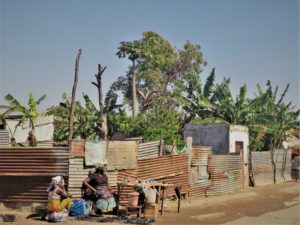
 In the southeast African nation of Mozambique, around 63% of the population lived in poverty in 2020, surviving on less than $1.90/day. Gender inequality further exacerbates this phenomenon – Mozambique ranks 139th out of 159 countries on the UNDP Gender Inequality Index. Gendered poverty in Mozambique takes the form of women having fewer educational and employment opportunities and being confined to a traditional role as mothers. While the government has fought this issue, much more is necessary to bring gender equality and economic prosperity to Mozambicans.
The Current State of Gendered Poverty
Most Mozambican women are in employment, but they work primarily in the informal sector for meagre wages. For example, in agriculture, the nation’s largest industry, 52.9% of employees in rural areas are women.
Most women engage in agriculture to provide for their families, but they are still mostly in traditional roles while men pursue more private sector jobs and economic mobility. With COVID-19 disproportionately affecting young women by halting access to education, employment, and food, they have since become even more disposed to early marriage and living in poverty compared to Mozambican men.
The nation’s government has attempted to combat gendered poverty in Mozambique. For example, a 2019 law banned the marriage of girls under the age of 18 to promote female autonomy and engagement with the economy rather than becoming mothers at too young of an age.
Furthermore, the Family Law and Law Against Domestic Violence have protected women’s rights in marriage and the family, such as inheritance, divorce, and personal rights.
Internationally, the government of Mozambique has signaled its intentions to protect women’s individual and family rights by adopting The Convention on the Elimination of All Forms of Discrimination Against Women the Optional Protocol to the African Charter on Human Rights and Peoples‟ Rights and the Rights of Women.
Although this emphasis on gender equality has seen positive effects like near-equal levels of female representation in low-level government positions, government policies have not done nearly enough to bring about gender equality as a tool for overcoming poverty.
International Efforts
Instead, foreign assistance and international organizations have stepped up to reinforce gender equality efforts. For instance, the United States Agency for International Development has implemented several programs targeting impoverished women in Mozambique. Working with the Mozambican government, USAID has introduced female farmers to more nutritious crop varieties and seeds while sharing efficient agricultural strategies and technology to provide for a growing population, according to its website.
USAID has also enforced the President’s Emergency Plan for Aids Relief (PEPFAR) in Mozambique, reducing HIV rates in the country and providing safe testing and medical equipment to Mozambicans with HIV/AIDS, primarily women.
Additionally, USAID’s Vamos Ler! Program promotes higher rates of girls’ attendance in school through a curriculum that encourages role models of both genders, while also ensuring that students have the hygiene they need to remain enrolled in school, according to its website.
Another effort that recognizes the role of education in eradicating poverty is the World Bank-funded “Eu Sou Capaz” program, which gives both school uniforms and bicycles to young girls in school as an incentive for education and provides skills training to girls who have already completed schooling, according to World Bank.
The initiative has seen a narrowing in the educational gender gap and intends to expand its resources to cover more young Mozambicans in the coming years.
Looking Forward
These efforts toward gender equality are the first step in remedying gendered poverty in Mozambique. With decreased AIDS and maternal deaths and increased education and employment opportunities, Mozambican women will be able to step outside the home and become integral members of their developing nation’s economy. However, these programs cannot assert their full force without changing cultural views in Mozambique. Currently, society remains dominated by men in practice and in the minds of Mozambicans who perceive traditional family structures as the nation’s backbone.
A combined approach of national, international and cultural changes emphasizing a new role for women could help uplift Mozambique from extreme poverty.
– Cole Zickwolff
Cole is based in Carlsbad, CA, USA and focuses on Good News and Technology for The Borgen Project.
Photo: Unsplash

The NDP and Poverty Reduction in the Congo
Although it remains under tight strain due to ongoing riots and armed conflict in the DRC, the ROC is determined to continue its “march toward development” and enable the country to “join the circle of emerging developed countries,” according to the International Monetary Fund (IMF). Hence, shortly after the 2021 elections in the Congo, President Denis Sassou Nguesso introduced the National Development Plan (NDP) for 2022-2026.
The NDP in the Congo: An Overview
The NDP aims to alleviate poverty alongside other necessary economic measures to reduce the effects of the COVID-19 Pandemic. It is dedicated to improving the standard quality of life in the Congo. According to official records by the ROC in its NDP, economic activity contracted to a gross domestic product (GDP) growth rate of around -6.2% due to the impacts of the pandemic and the later collapse of world oil prices, from which the country heavily depends economically. The poverty rate has also been estimated to have increased dramatically to 52.5% as of 2020.
The plan, developed by Nguesso and approved by the Congolese government, prioritizes diversifying exports and income sources. This focus aims to mitigate the impact of global economic shocks that have slowed the Congo’s GDP growth in recent years. However, with the NDP and its funding of around $14.7 billion, the plan aims to develop agriculture broadly to fight against the growing issue of poverty in the nation.
Through legislation such as the National Social Action Policy (NSAP) and the NDP, the Congolese government aims to create many decent jobs and provide a “noncontributory social protection base” for those in need. This approach is intended to enhance the economic prospects of impoverished rural and urban populations, reduce poverty and improve the overall quality of life in the Congo.
The ROC Today
Due to these initiatives being undertaken by the Congo Government, the World Bank notes that the GDP of the Republic is expected to grow at a rate of 3.5% in 2024 and hover at a consistent 3.4% on average in 2025-2026, signaling that the plan is having its intended effect on the Congo’s economy. The World Bank also notes that “although debt vulnerabilities remain elevated to this day, the debt-to-GDP ratio (a measurement of how much total federal debt is there as a percentage of the current GDP of the nation) is projected to decline slowly to 81% by 2026”, a massive step from the previous 96% in 2023.
The United States currently has a debt-to-GDP ratio of around 122%, highlighting how much progress has been made to improve the general quality of life in the Congo and calling for good times ahead for the Congolese and the Republic of the Congo.
– Aarush Kanduri
Photo: Flickr
Maternal Support in Ghana
In this region, 95% of the required hours for obstetricians and gynecologists were unmet, highlighting the significant gap between the care women need and what is available. Dotse-Gborgbortsi says: “My use of disaggregated data highlights the danger of national estimates, which can mask regional and district shortages of the most skilled health care staff.”
Since this research was conducted, it has contributed to addressing the geographic inequalities women face in accessing birth services and maternal support in Ghana. Despite expanding primary care facilities, the study suggests that improving the quality of health care services, rather than simply increasing the number of nearby facilities, is essential for increasing the uptake of skilled birth attendance and enhancing maternal health outcomes. Therefore, here are some organizations providing maternal support in Ghana.
Amref Health Africa
Amref Health Africa is enhancing maternal health by supporting women in giving birth safely and with dignity. The organization employs various strategies to improve maternal support and related issues in Ghana, including training and supporting midwives through in-person and online training to upskill their current roles. Additionally, Amref trains community health workers to provide local communities with advice and information on available support and how women can access it.
The organization also incorporates sexual and reproductive health into its maternal health programs, empowering women to make informed choices about family planning and contraception. Furthermore, Amref advocates at the highest levels for increased investments in maternal health care, including a significant rise in trained midwives and nurses available to support women throughout their pregnancies.
Eni Foundation
The Eni Foundation supported a Ghana health care project to improve primary medical services for mothers and children. The project focuses on enhancing staff’s medical and management skills, developing infrastructure and increasing community knowledge of hygiene, health issues and healthy living to serve mothers and children better.
The foundation’s aims are divided into four categories:
Maternal Rights
Maternal Rights is a nonprofit organization dedicated to improving pregnancy, childbirth and postpartum outcomes for marginalized women. Through advocacy, education and access to resources, the organization aims to enhance maternal and infant health and reproductive and sexual health. Maternal Rights collaborates with local health facilities and communities in Ghana to enhance maternal health care in low-resource settings.
The organization offers volunteering opportunities for individuals to become agents of change and make a difference. It strives to amplify the suppressed voices of women and children in underprivileged communities and provide collaboration opportunities and partnerships to improve the quality of life for women and children.
Final Note
Pregnancy and childbirth pose significant risks to women and girls in sub-Saharan Africa. In Ghana, most women have their first child by age 22, making maternal support initiatives crucial for the health and well-being of the population. Organizations like Amref Health Africa and the Eni Foundation enhance health care services and train local health workers, while Maternal Rights amplifies the voices of marginalized women and provides access to vital resources. Together, these initiatives aim to ensure safer pregnancies and better maternal and child health outcomes in the country.
– Sadie Virgin
Photo: Flickr
Humanitarian Support for Ukraine
Ukraine’s Humanitarian Crisis
Following discussions in London, Labour Party Foreign Secretary David Lammy and the United States (U.S.) Secretary of State Antony Blinken traveled to Kyiv on Sept. 11, 2024. In Ukraine’s capital, they conferred with President Volodymyr Zelensky about deepening the United Kingdom (U.K.) and U.S. alliance and increasing humanitarian support for Ukraine. Recent reports of Russia possessing ballistic missiles have prompted urgent reactions from the U.K.’s Labour Party. David Lammy vocalized his concerns and reinforced his commitment by stating, “The U.K.’s support to Ukraine is unwavering.”
Improving the Future of Ukraine
Since Feb. 2022, the U.K. government has provided nonmilitary aid and loan guarantees to Ukraine. With the recent transition to a Labour government, there are significant efforts underway to continue and expand this support. In light of the escalating conflict, David Lammy has acknowledged the urgent need for additional U.K. aid, committing over £600 million in humanitarian support for Ukraine. During his recent visit to Kyiv, Lammy stated, “The bravery and resilience of the Ukrainian people is inspiring. Alongside the U.S., we are committed to giving Ukraine what it needs to resist Russia’s illegal invasion.” This £600 million pledge will target several specific areas of need:
Looking Forward
Ukraine’s ongoing conflict has devastated its infrastructure and economy, pushing millions into poverty and creating severe shortages in necessities. In response, the U.K. government, under the leadership of Labour Party Foreign Secretary David Lammy, has pledged £600 million in humanitarian aid. This funding will focus on urgent needs such as energy, food and health care, as well as long-term recovery efforts. The commitment aims to bolster Ukraine’s resilience against Russian aggression and help rebuild its economy.
– Imogen Prince
Photo: Flickr
5 Charities Operating in Brazil
The Lemann Foundation
Limited access to education is a problem that affects a significant proportion of Brazil’s population; 48% of the nation’s children reach age 10 without ability to read, whilst total illiteracy rates reach as high as 80% in the most deprived areas. The Lemann Foundation combats “learning poverty” by working to ensure children and young people in Brazil have access to high-quality education. It collaborates with more than 15,000 schools, provides teachers and local governments with relevant resources and helps produce online learning material to ensure those in deprived areas are still able to achieve strong academic qualifications. The Lemann Foundation also notes the particular educational exclusion of Indigenous and Afro-Brazilian communities and stresses the importance of quality education in building a progressive and equal society.
The Catholic Agency for Overseas Development (CAFOD)
Founded in 1960 as the official aid department of the English and Welsh Catholic Church, CAFOD’s work in Brazil focuses on providing aid to those dealing with homelessness in São Paulo, the country’s most populous city. With an estimated homeless population of up to 50,000 in 2023, the number of residents sleeping rough has increased by 31% since the COVID-19 pandemic.
The CAFOD combats this by supporting those living in unsanitary housing conditions by ensuring they have access to clean water and basic health care. It also recognises the disproportionate impact poverty has on Indigenous groups in Brazil, so works to ensure these groups have access to education and employment opportunities.
The Favela Foundation
Favelas are slums or impoverished areas often located on the outskirts of Brazil’s larger cities. The Favela Foundation is one of the charities operating in Brazil that focuses its support on the residents of these neighborhoods. The organization raises money for local NGOs that provide educational opportunities such as English lessons, as speaking English can often ensure access to better employment.
Revive International
Founded in 2012, Revive is one of the charities operating in Brazil that works in the North East of the country, focusing on supporting children who have been victims of abuse or trafficking. As poverty and homelessness put young people more at risk of exploitation, Reviva runs safe houses for those in unsafe domestic conditions, alongside a fostering service for younger children to ensure they receive a safe upbringing.
ActionAid
This U.K.-based charity has been working in Brazil for more than 25 years and supports a wide range of communities and initiatives across the country. The organization’s principal goal is the support and protect young girls from exploitation, for example through organizing educational services or sports activities. However, ActionAid also assists those facing other issues, such as providing resources to rural Brazilians in drought-stricken areas to ensure they can still grow food. In total, it has worked with over 300,000 people to help improve lives in the country.
Although the country faces disproportionately high levels of poverty and inequality, these charities operating in Brazil are working to improve the lives of its impoverished citizens. Both local and wide-ranging international organizations provide support within the country to support those dealing with a vast variety of issues such as homelessness, learning poverty, gender-based violence and environmental changes.
– Izzy Tompkins
Photo: Flickr
Everything You Need to Know about Poverty in Iran
Economic Sanctions and Corruption
The United States has implemented sanctions as an attempt to curb Iran’s nuclear program and regional influence and as punishment for the country’s human rights violations and support for terrorist organizations in the region. However, these sanctions have been shown to exacerbate poverty in Iran.
Western sanctions have put Iran in economic isolation and have harmed crucial parts of the economy such as oil and banking. Oil in particular is the backbone of Iran’s economy and sanctions have restricted oil production and exports which in turn has led to a loss of government revenue. The country is also enduring mass inflation, leading to the prices of basic necessities like food skyrocketing and has in turn reduced the purchasing power of low and middle-income Iranians.
While sanctions play a major role in exacerbating poverty in Iran, the actions of the government play an equally large role. The economy operates as a kleptocracy where the government owns most corporations and economic projects which has fostered an environment where one’s political connections largely determine their access to economic opportunities. Additionally, taxpayer money often goes into the pockets of government officials and those close to them. As a result of misallocated public funds, little goes into infrastructure improvement and social services which in turn curbs any prospects of poverty alleviation.
Alleviating Poverty in Iran
Despite sanctions and government corruption negatively impacting the economy, some organizations inside and outside the country aim to alleviate poverty in Iran.
Established in 1994, the Child Foundation regularly creates campaigns to help children access education and pay for medical treatments and campaigns for citizens affected by natural disasters. Its financial reports showcase that 75% of the it sends to Iran goes towards food and cash for those the organization helps, and 92% of the money that remains in the United States goes towards the costs of creating programs.
The World Food Program (WFP) assists 3.4 million refugees in Iran. It covers 80% of the food necessities for male-headed households and 100% of food costs for female-headed households. Additionally, the organization has supplied food to 8,000 refugee children and 600 teachers. This initiative helps families save money to spend on other necessities while their children receive food at school.
Founded in 1979, the Imam Khomeini Relief Foundation (IKRF) helps 4.4 million Iranians who live under the poverty line with basic needs including water, food, housing and medical bills. However, it has received criticism for its lack of financial transparency.
The Future
Considering the factors contributing to Iran’s poverty, the future looks uncertain with government corruption likely to persist as the Islamic Republic does not want to compromise its domestic policies, even for ease of sanctions.
In 2015, the U.S. lifted sanctions on Iran which positively impacted its economy by allowing it to return to the global oil market and allowed for them to trade with a wider range of countries. The Trump administration reimplemented the sanctions which put Iran back into economic isolation leading to a loss of revenue for the country. Kamala Harris on the other hand holds the same views as the Obama administration, stating that the Joint Comprehensive Plan of Action (JCPOA) is one of the biggest achievements of the democratic party, meaning that she may likely lift sanctions if she were to win the election, according to DW.
– Floria Persis
Photo: Wikimedia Commons
Maya Ch’orti’ in Guatemala: Combating Food Insecurity
The Challenge of Food Insecurity
Guatemala is one of the most food-insecure countries in Latin America. More than half of the population enduring multidimensional poverty and rural Indigenous communities like the Maya Ch’orti’ are disproportionately affected. Historically, the Maya Ch’orti’ practiced sustainable agriculture, growing maize, beans and squash using traditional intercropping methods. However, the combination of modern agricultural pressures and environmental degradation led to the decline of these practices. Furthermore, this has resulted in poor crop yields and increased poverty.
Currently, the changing climate exacerbates these problems. Changes in the climate make it more difficult for the Maya Ch’orti’ to grow enough food to feed their families. Many households struggle with malnutrition and limited income, perpetuating a cycle of poverty that spans generations. This is where Indigenous agriculture in Guatemala comes into play, reviving ancient methods to address food insecurity.
Reviving the Milpa System
In response to these ongoing challenges, organizations like Slow Food International have stepped in to help the Maya Ch’orti’ reclaim their traditional agricultural knowledge. Slow Food International is a global organization dedicated to preserving local food cultures, promoting biodiversity and supporting sustainable agriculture by empowering communities, including Indigenous peoples, to maintain traditional farming practices and protect their natural resources.
With funding and technical assistance from the Indigenous Terra Madre network, the community is reintroducing the Milpa system, a traditional intercropping method that involves planting maize, beans and squash together. This system, a core example of Indigenous agriculture in Guatemala, is proving to be an effective solution for increasing crop yields and improving soil health.
The Milpa system is highly sustainable: maize provides a structure for beans to climb, beans fix nitrogen in the soil to improve fertility and squash leaves cover the ground, preventing weeds and conserving moisture. This method has sustained the Maya people for thousands of years and is now being revived to improve food security and resilience in the face of the changing climate.
Economic and Social Benefits
The reintroduction of the Milpa system has profoundly impacted the Maya Ch’orti’ community. The system enables families to produce more food and diversify their crops. This enhances nutrition and reduces reliance on market-bought goods, boosting food sovereignty and shielding the community from food price fluctuations. The revival of traditional agriculture not only improves food security but also creates economic opportunities for the Maya Ch’orti’. With support from Slow Food International, farmers connect to national and international markets that value organic and heritage crops. Selling surplus produce allows families to earn sustainable incomes and lift themselves out of poverty, revealing the broad benefits of Indigenous agriculture in Guatemala.
Empowering Women and Community Resilience
A critical aspect of Slow Food International’s support has been the empowerment of women within the Maya Ch’orti’ community. Women play a central role in traditional food production. By giving them access to resources, training and markets, the project has enabled them to take leadership roles in the agricultural economy. This has not only improved food security but also enhanced gender equality and economic independence for women in the community. Additionally, the project has helped strengthen the community’s resilience to the changing climate.
The Milpa system’s ability to improve soil health and retain moisture makes it more adaptable to changing weather patterns. By revitalizing these Indigenous practices, the Maya Ch’orti’ are better equipped to withstand environmental challenges and ensure their long-term survival. This initiative highlights how Indigenous agriculture in Guatemala can potentially offer a sustainable solution to global challenges.
Looking Ahead
The revival of traditional agriculture among the Maya Ch’orti’ people, supported by Slow Food International, highlights the potential of Indigenous-led solutions to tackle global food insecurity and poverty. The Maya Ch’orti’ combine cultural knowledge with modern support to forge a sustainable future for their community. This initiative’s success demonstrates that investing in Indigenous agriculture in Guatemala preserves biodiversity and cultural heritage. Furthermore, it offers a viable solution to pressing global challenges.
– Safa Musa
Photo: Flickr
Child Marriage in Tanzania
The Current Child Marriage Situation
Child marriage remains prevalent in Tanzania, driven by outdated beliefs of male superiority and influenced heavily by poverty. The concept of “Mahari,” or bride price, involves a husband offering money, cattle or clothing to a bride’s family, making marriage a financially appealing option for girls with few other income opportunities. In addition to affecting girls, child marriage also impacts boys under 18.
Family honor plays a significant role, with premarital sex viewed as a severe taboo that can lower a girl’s dowry and damage her family’s reputation. Teenage pregnancy rates are high; a 2016 study revealed that one in four girls aged 15 to 19 had begun childbearing. Tanzanian society strongly disapproves of pregnancy outside marriage, often leading parents to marry off pregnant daughters. Schools routinely test for pregnancy and pregnant girls face bans from re-entering the educational system.
Country-specific practices and rituals also contribute to child marriage in Tanzania. “Nyumba ntobu,” one of such practices, involves an older, wealthier woman paying a bride price for a young girl to become her wife. A man is then selected to impregnate the girl and any children born from this union are raised as the older woman’s child. This is just one of many factors that contribute to the prevalence of child marriage, significantly affecting young girls across Tanzania.
National Initiatives to Combat Child Marriage
Between 2017 and 2022, the government implemented numerous action plans to support girls facing the threat of child marriage. As of 2022, the National Plan of Action to End Violence Against Women and Children worked to reduce child marriages to 10% and cut violence against women and children by 50%. Following the implementation of this plan, authorities established 16,343 Women and Children Protection Committees across all levels, from villages to the national level.
In 2017, the Ministry of Health, Community Development, Gender, Elderly and Children conducted a national survey on the drivers and consequences of child marriage. Additionally, the ministry developed the National Female Genital Mutilation/Cutting Strategy and Implementation Plan for 2019-2022 and collaborated on the Cross-Border Anti-Female Genital Mutilation/Cutting Plan of Action for East African countries to prevent female genital mutilation/cutting practices across borders during the same period.
Firelight Foundation
Firelight is committed to ending child marriage in Shinyanga, a northern city in Tanzania, believing that success in this challenging region could inspire broader change throughout the country. To combat child marriage, Firelight supports 12 grantee partners who implement a range of strategies, including economic strengthening through income-generating activities, livestock pass-on programs and psychosocial support for children rescued from child marriages. It also offers vocational and educational support for at-risk children, skillful parenting programs, community awareness campaigns via radio or drama, law enforcement interventions, training for local child protection committees, the establishment of child rights clubs in schools and training for teachers on child rights.
Looking Ahead
Tanzania continues to struggle with high rates of child marriage, particularly in regions like Shinyanga and Tabora. National efforts, such as the National Plan of Action to End Violence Against Women and Children, aim to reduce these rates, but cultural and economic factors remain significant obstacles. Organizations like the Firelight Foundation are actively working on the ground, supporting local initiatives that promote economic independence and provide educational opportunities for at-risk children. Ongoing efforts are essential to address the root causes of child marriage and ensure a safer future for Tanzania’s youth.
– Sadie Virgin
Photo: Flickr
Understanding and Addressing Gendered Poverty in Mozambique
The Current State of Gendered Poverty
Most Mozambican women are in employment, but they work primarily in the informal sector for meagre wages. For example, in agriculture, the nation’s largest industry, 52.9% of employees in rural areas are women.
Most women engage in agriculture to provide for their families, but they are still mostly in traditional roles while men pursue more private sector jobs and economic mobility. With COVID-19 disproportionately affecting young women by halting access to education, employment, and food, they have since become even more disposed to early marriage and living in poverty compared to Mozambican men.
The nation’s government has attempted to combat gendered poverty in Mozambique. For example, a 2019 law banned the marriage of girls under the age of 18 to promote female autonomy and engagement with the economy rather than becoming mothers at too young of an age.
Furthermore, the Family Law and Law Against Domestic Violence have protected women’s rights in marriage and the family, such as inheritance, divorce, and personal rights.
Internationally, the government of Mozambique has signaled its intentions to protect women’s individual and family rights by adopting The Convention on the Elimination of All Forms of Discrimination Against Women the Optional Protocol to the African Charter on Human Rights and Peoples‟ Rights and the Rights of Women.
Although this emphasis on gender equality has seen positive effects like near-equal levels of female representation in low-level government positions, government policies have not done nearly enough to bring about gender equality as a tool for overcoming poverty.
International Efforts
Instead, foreign assistance and international organizations have stepped up to reinforce gender equality efforts. For instance, the United States Agency for International Development has implemented several programs targeting impoverished women in Mozambique. Working with the Mozambican government, USAID has introduced female farmers to more nutritious crop varieties and seeds while sharing efficient agricultural strategies and technology to provide for a growing population, according to its website.
USAID has also enforced the President’s Emergency Plan for Aids Relief (PEPFAR) in Mozambique, reducing HIV rates in the country and providing safe testing and medical equipment to Mozambicans with HIV/AIDS, primarily women.
Additionally, USAID’s Vamos Ler! Program promotes higher rates of girls’ attendance in school through a curriculum that encourages role models of both genders, while also ensuring that students have the hygiene they need to remain enrolled in school, according to its website.
Another effort that recognizes the role of education in eradicating poverty is the World Bank-funded “Eu Sou Capaz” program, which gives both school uniforms and bicycles to young girls in school as an incentive for education and provides skills training to girls who have already completed schooling, according to World Bank.
The initiative has seen a narrowing in the educational gender gap and intends to expand its resources to cover more young Mozambicans in the coming years.
Looking Forward
These efforts toward gender equality are the first step in remedying gendered poverty in Mozambique. With decreased AIDS and maternal deaths and increased education and employment opportunities, Mozambican women will be able to step outside the home and become integral members of their developing nation’s economy. However, these programs cannot assert their full force without changing cultural views in Mozambique. Currently, society remains dominated by men in practice and in the minds of Mozambicans who perceive traditional family structures as the nation’s backbone.
A combined approach of national, international and cultural changes emphasizing a new role for women could help uplift Mozambique from extreme poverty.
– Cole Zickwolff
Photo: Unsplash
Shedding Light on Period Poverty in Rwanda
Alternative Materials: The Risk
Without access to menstrual products, many women use alternative materials (e.g. newspaper), and for longer than the recommended three hours per pad/tampon, increasing “the risk of infection such as urinary tract infection and bacterial vaginosis.” However, period poverty in Rwanda needs a solution because of more than sanitation issues. Due to their periods, the 18% of girls impacted have no choice but to stay home from school, missing four to seven days a month. This, in turn, hinders their chances of securing a job once they graduate, according to Together Women Rise.
Menstrual products are no different, nor less crucial, than toothbrushes, deodorant and vaccines, but are severely undermined as a streamlined necessity.
Stigma and Accessibility
Menstruation is often a taboo topic for some people. Whether due to cultural standards or general omission from the discussion, this has led to “characterizing the menstruating bodies as abnormal or abject.” As a result, problems relating to menstruation are rarely topics of discussion either, including period poverty in Rwanda. Furthermore, women who need to find these products cannot ask their peers, as menstrual health comes with a stigma, hindering their access to pads and tampons as well.
For the small percentage of Rwandans who can access menstrual resources, their products remain largely unaffordable, as “a pack of sanitary pads costs…roughly a day’s wage for many women,” according to Together Women Rise. Note that sanitary pads and tampons are the most popular period products to buy.
The Good News
Menstrual stigma, as a worldwide hurdle, is slowly declining in the wake of various policies and advocacy efforts. The PLOS Global Public Health is taking recent strides toward making menstrual health a top priority. One policy regarding period poverty is “the Kenyan Policy for Menstrual Hygiene Management” whose primary focus is providing Kenyan schoolchildren with menstrual education. If successful, they plan to expand such policies to other countries.
Outside of awareness efforts, nonprofits are also beginning to include period kits as items to donate along with their international aid. Days for Girls, an organization whose donations only go toward period products, takes the stage as a top contender for ending period poverty. According to its 2022 report, the organization distributes period products to more than 294,000 individuals globally per year. Best yet, it has a history of efforts going to girls in Rwanda since 2015.
In manufacturing eco-friendly products, Days for Girls tackles all angles of period poverty in Rwanda. Like most developing countries, general sanitation is as much a problem as period poverty, so by limiting the number of pads that get discarded, they also reduce the amount of trash otherwise accumulating from menstruation.
Closing Words
Period poverty in Rwanda is a concurrent issue affecting many of the lives of girls and women there. Rwandans are struggling to afford these products, and hence, often skip school or use unsafe materials like socks and newspapers. The good news is that institutions are increasingly turning their attention to supplying sanitary pads and spreading overall awareness of menstrual health. In ending both the lack of access and stigma on periods, and giving period poverty the attention it deserves, Rwandan women will thrive knowing they don’t have to choose between education, their safety and health care.
– Nadia Haeryfar
Photo: Wikipedia Commons
Organizations Fighting the Feminization of Poverty in Africa
Women Against Poverty
Compared to others, households led by women face a one-third higher risk of poverty, an issue often referred to as “the feminization of poverty,” which highlights the disproportionate number of women and children among the poor. In response, Women Against Poverty (WAP), a nongovernmental charity founded in Tanzania in 2012 by Mary Gemela and Cresensia Shirima, works to improve the socioeconomic conditions of girls and women in vulnerable conditions. The organization champions an agroforestry transformation in the developing world. It aims to substantially increase the use of working trees on smallholder rural landscapes, thereby ensuring food, nutrition, income, health, shelter, energy and a regenerated environment for women in these communities.
African Women’s Development Fund
Since its founding in 2001, the African Women’s Development Fund (AWDF) has been funding women-led organizations across Africa. AWDF supports grassroots, local and civil social movements that empower women. The foundation uses a philanthropic approach shaped by its early financial challenges to support feminist movements. Understanding the vital role of financial stability in building and maintaining organizations, AWDF commits to providing feminist groups with the necessary funding.
A wide array of organizations advocating for African women receives grants from AWDF. To qualify, organizations must be women-led, employ a staff that is at least 70% female, have operated for over three years and maintain a structured governance system dedicated to empowering African women. Eligible organizations can receive funding between $2,000 and $100,000. Over the past 22 years, 1,555 women’s rights and feminist organizations in 47 African countries and five Middle Eastern countries have received a total of $4.7 million from AWDF.
United Nations Women Africa
Globally, for every 100 men aged 25 to 34 living in extreme poverty, there are 122 women in the same age group. In sub-Saharan Africa, this disparity increases, with 127 women for every 100 men experiencing extreme poverty. Providing gender-responsive services, production resources, and market access in agriculture, industry and trade can significantly enhance the economic empowerment of women and youth in Africa. United Nations (U.N.) Women aim to empower up to 2 million women through regional and national interventions that increase income and build assets, wealth and business leadership. The program increases women’s access to productive resources and business services, addresses policy and regulatory barriers and enhances women’s participation in and benefits from the extractive industry, agriculture and trade. It also focuses on developing women’s and youth’s agribusiness and entrepreneurship skills across the value chain.
Looking Ahead
The feminization of poverty in Africa highlights women disproportionately affected by economic hardship. Organizations such as Women Against Poverty (WAP) and the African Women’s Development Fund (AWDF) are working to change this by providing women with the tools and resources needed to improve their livelihoods. Additionally, U.N. Women Africa is focused on empowering women through access to business opportunities and addressing policy barriers, ensuring that women can play a key role in driving economic growth and poverty reduction. These ongoing efforts are essential for fostering long-term development and creating a more equitable future.
– Minji L. Kim
Photo: Flickr