Sungai Design: Ending River Pollution in Indonesia
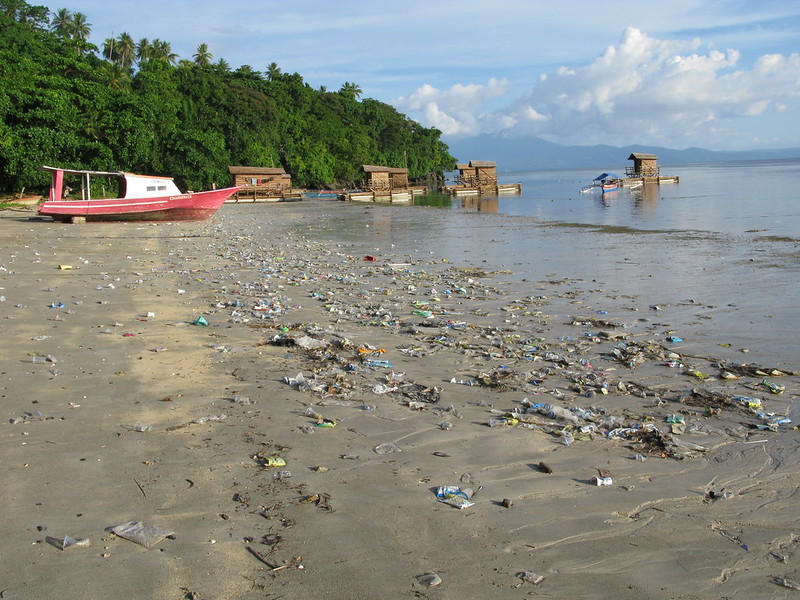 Aquatic waste accumulation severely affects many developing countries, with river pollution in Indonesia serving as a prime example. The Citarum River, the world’s most polluted, significantly lowers the quality of life for the 9 million people in the heart of Indonesia. A collection of human and industrial waste has driven the river’s bacterial levels to be 5,000 times higher than safe limits and lead concentrations are 1,000 times over the permissible level for consumption, according to the Asian Development Bank. The only uncontaminated water in the Citarum is found 150 meters underground, accessible only to local industries equipped to extract and purify it. Sungai Design, a nonprofit founded specifically to clean Indonesia’s rivers, has been so successful that it is considering expansion to other countries struggling with water pollution.
Addressing the Crisis
Unfortunately, due to the Citarum River’s role as a major water source, many people have to rely on contaminated water, even if indirectly. The river pollutes most waterways, affecting rice fields and farmers’ crops, which animals and people then consume. Consequently, diseases such as cholera and dermatitis have spread widely throughout Indonesia. As these health crises escalate, affecting the population and economy, various organizations have responded by implementing measures to reduce river pollution.
Sungai Design
Based in Bali, Indonesia, Sungai Design evolved from Sungai Watch, a nonprofit dedicated to cleaning Indonesia’s rivers. Sungai Watch developed a system of river dams that intercept trash, which is then cleaned up daily to prevent waste accumulation. Employees sort the collected waste into more than 30 material categories based on type and substance. As waste volumes increased, the organization faced challenges in disposing of it safely without risking its return to waterways, especially the Citarum River. Co-founder of Sungai Watch and Iris Prize winner from The Iris Project, Sam Benchighib, proposed a solution to repurpose the trash rather than simply dispose of it, leading to the creation of Sungai Design.
Sungai Design builds on Sungai Watch’s efforts to clean Indonesia’s rivers by transforming collected trash into eco-friendly furniture. After collecting and sorting the waste, Sungai Design employees create chairs from river plastics. These chairs, available in various colors, are placed throughout Indonesia and sold on the organization’s website. The initiative’s success has expanded to include benches and stools, each chair crafted from the equivalent of 2,000 plastic bags and supplemented with other recycled river debris. This commitment to sustainable products has inspired other nonprofits to go beyond mere disposal and consider repurposing pollution-causing materials.
Sungai Design’s Impact
In Indonesia, 300 floating river dams strategically installed across the country have collected an estimated 2.3 million kilograms of plastic, which Sungai Design repurposes into chairs. This significant effort showcases Sungai Design’s leadership in addressing river pollution. The organization serves as a model for nonprofits confronting environmental crises, demonstrating the value of not only removing trash but also repurposing it to benefit the environment.
Looking Ahead
Removing plastics from the rivers reduces contaminants such as lead and bacteria, which pose serious threats to local communities, their agriculture and livestock. By continuing to build on Sungai Design’s proactive approach, Indonesia can potentially enhance the quality of life for those most affected and promote overall national well-being.
– Nadia Haeryfar
Nadia is based in Ashford, CT, USA and focuses on Technology and Global Health for The Borgen Project.
Photo: Flickr
