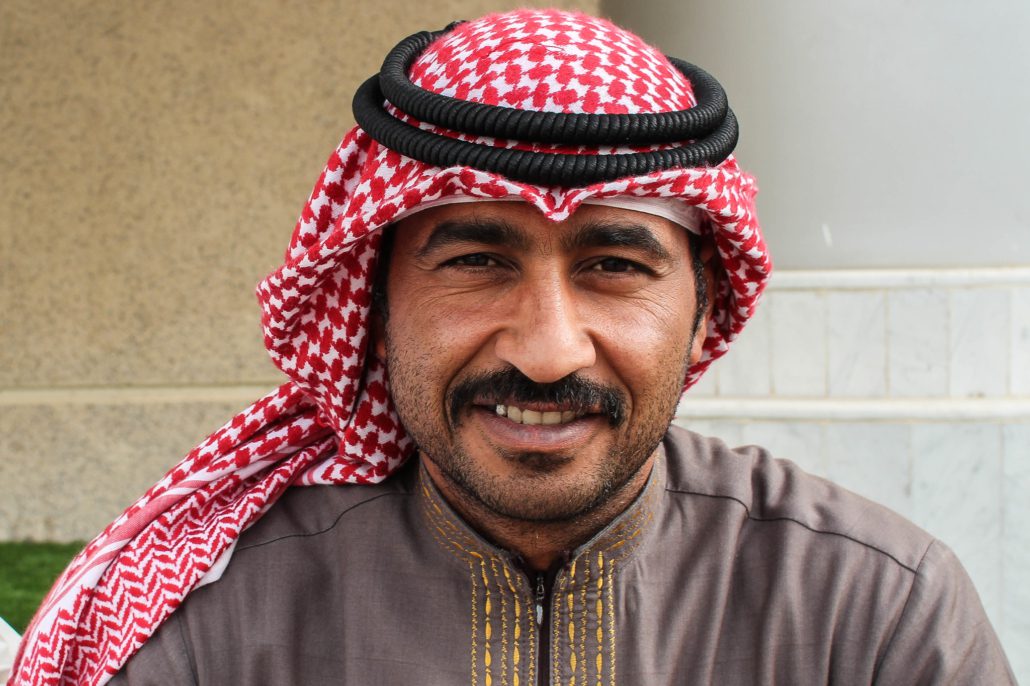
Despite Kuwait’s wealth and robust welfare system, poverty eradication in Kuwait remains a pressing issue, particularly among expatriates. While every Kuwaiti citizen get support from the government, with no reports of poverty in the country from the World Bank, expatriates—who remit approximately $4 billion annually—face stark inequalities. Many low-income foreign workers live in conditions that could be considered below the poverty line, despite labor laws meant to protect their rights. These workers often endure overcrowded housing, abuse, non-payment of salaries, and limited access to basic services. Although every expatriate is supposed to arrive with a guaranteed job, thousands live jobless in the country, contributing to a growing sense of neglect and exploitation.
Dilapidated areas, begging and the exploitation of household helpers have tarnished Kuwait’s image. Despite discussions around eliminating the sponsorship system, the issue persists, with companies exploiting loopholes and underpaying workers. Strikes, unpaid wages and the need for charitable donations for basic necessities reflect the failure to enforce labor protections, according to Times Kuwait. While there should be no poor people in Kuwait by law, the reality for many expatriates tells a different story. In response, poverty eradication in Kuwait has become a priority, with several innovative programs focused on expanding social protection, fostering public-private partnerships, empowering youth, managing water resources and addressing energy poverty. Each initiative reflects Kuwait’s commitment to poverty eradication despite its wealth.
Expanding Social Protection Programs
Kuwait has expanded its social protection programs under Public Assistance Law 12/2011, administered by the Ministry of Social Affairs (MOSA). These programs provide financial assistance, health care and education to vulnerable groups such as the elderly, widows, orphans and low-income families. Since its implementation, the law has supported thousands of families, ensuring basic living standards and contributing to poverty eradication in Kuwait. In line with SDG 1 (No Poverty), MOSA’s initiatives have supported 2,030 families locally and 316,701 poor families abroad, while employing 14,518 previously unemployed youths, according to a 2019 report. Collaboration with organizations like Bayt Al Zakat has also strengthened poverty eradication in Kuwait, particularly through housing subsidies and health care services for vulnerable groups.
Expanding Public-Private Partnerships
Public-private partnerships (PPPs) are a key component of poverty eradication in Kuwait. The Kuwait Authority for Partnership Projects (KAPP) oversees initiatives like the Shagaya Renewable Energy Park, which generates clean energy and creates job opportunities, according to a 2019 report. By reducing energy costs, this project helps low-income families afford utilities, contributing to poverty eradication. These partnerships highlight the private sector’s role in supporting poverty eradication in Kuwait, leveraging private resources to benefit public welfare and improve living conditions for marginalized communities.
Clarified Youth Empowerment Initiatives
Youth empowerment is vital to poverty eradication in Kuwait. Initiatives like the 2018 SDG workshops, organized by the International Youth Federation (IYF), aim to foster leadership and innovation among young Kuwaitis. These workshops equip participants with the skills to address poverty at the community level. By creating social enterprises that offer affordable education and health services, young Kuwaitis contribute directly to poverty eradication efforts in their neighborhoods. Empowering the youth to actively participate in poverty eradication in Kuwait is essential for building a more equitable future.
Water Desalination Initiatives
Kuwait’s efforts in poverty eradication are closely tied to its water management strategies, particularly given the nation’s challenges with low groundwater levels, which renew at a rate of less than 70 mm per year. To address this, Kuwait has increasingly depended on cross-border groundwater and, more importantly, established seawater desalination facilities. Desalination now accounts for 93% of Kuwait’s drinking water, providing a vital resource for its growing population and urbanization. By ensuring access to clean water, desalination plays a key role in poverty eradication in Kuwait, supporting both domestic needs and irrigation for agricultural development. This strategy not only alleviates the strain on natural resources but also fosters economic stability, which is essential for long-term poverty eradication in Kuwait.
Decent Work and Economic Growth
Kuwait’s focus on decent work and economic growth is critical for poverty eradication in Kuwait, particularly as the country transitions away from its heavy reliance on the oil sector. Fluctuations in oil prices have historically impacted Kuwait’s GDP, as seen when the GDP per capita dropped from $10,113 in 2012 to $9,208.8 in 2016 due to a decline in oil prices. Furthermore, the employee per capita share of GDP decreased from $85,200 to $75,640 over the same period.
To mitigate such risks and reduce the vulnerability of its economy, Kuwait established the Kuwait Direct Investment Promotion Authority (KDIPA) in 2013 to attract both local and foreign investment. This move not only diversifies income sources but also fosters economic resilience, thereby contributing to poverty eradication in Kuwait. Moreover, The Public Authority of Manpower (PAM), established in 2017, supports small and medium entrepreneurs, streamlines access to government tenders and promotes equitable employment. PAM enforces laws requiring at least 4% of staff in private companies to be persons with disabilities and collaborates on vocational training for women in low-income households. These efforts diversify the economy, foster inclusivity and strengthen economic resilience, crucial for poverty eradication in Kuwait.
Conclusion
Kuwait’s comprehensive approach to poverty eradication includes expanded social protection programs, public-private partnerships, youth empowerment, and technological solutions. By focusing on community engagement and sustainability, the country is making significant strides in reducing poverty and improving the quality of life for its vulnerable populations. These efforts underscore Kuwait’s commitment to poverty eradication and addressing social inequalities despite its considerable wealth.
– Laila Alaya
Laila is based in Abuja, Nigeria and focuses on World News and Technology for The Borgen Project.
Photo: Flickr

Humanitarian Aid and Peace Talks in Sudan
Aid Routes Open Amid Crisis
While a ceasefire remains elusive, the Sudan peace talks have successfully opened two major humanitarian corridors: the Adré border crossing with Chad, facilitating aid into Darfur and Dabbah Road, connecting Port Sudan to regions experiencing severe food shortages. “Aid trucks are on the road to provide famine relief in Zamzam Camp and other parts of Darfur,” said negotiators. “These routes must remain open and safe so we can surge aid into Darfur and begin to turn the tide against famine.” The World Food Programme (WFP) estimates that more than 25 million people, more than half of Sudan’s population, urgently need assistance. The newly opened routes are expected to deliver much-needed relief to areas that have been difficult to reach due to the conflict.
A Nation At War
The war in Sudan, which started in April 2023, stems from a power struggle between the SAF, led by General Abdel Fattah al-Burhan and the RSF, commanded by General Mohamed Hamdan Dagalo, known as Hemedti. This conflict has roots in the legacy of former dictator Omar al-Bashir, who established the RSF as a counterinsurgency force to suppress rebellions, particularly in Darfur. After al-Bashir was ousted in 2019, efforts to establish a democratic government faltered, ultimately leading to violent clashes between these rival military factions. Since the conflict began, the humanitarian toll has been devastating, with the United Nations (U.N.) estimating nearly 20,000 fatalities. Approximately 8 million people have been displaced within Sudan, while another 2 million have fled to neighboring countries, all facing hunger and lacking access to medical care.
Humanitarian Progress Despite Setbacks
International mediators view the agreement on aid access as a critical step forward. The RSF has pledged to ensure safe passage for humanitarian convoys, previously hindered by both factions. The reopening of the Adré and Dabbah routes should alleviate suffering in famine-stricken regions. “The humanitarian crisis in Sudan is so severe that we could do four of these [negotiation rounds] and still be barely scratching the surface of what Sudanese people deserve,” stated U.S. Special Envoy Tom Perriello. However, the absence of the Sudanese Armed Forces (SAF) from the peace talks curtailed the potential for a broader peace agreement. General Burhan, from Port Sudan, criticized the negotiations, claiming they favored the RSF.
Aid as a Lifeline
For many in Sudan, the newly opened aid routes are a lifeline. In Darfur, where ethnic violence has surged, the reopening of the Adré crossing is expected to help thousands displaced by fighting. Hawa Zakariya, a refugee who fled to Chad with her two children, described the dire conditions: “I don’t know if my family is alive or dead.” Her child has contracted malaria and food supplies in their camp are running low. International aid organizations, including the WFP, are preparing to ramp up efforts with the new access routes. The WFP has classified Sudan as a Level 3 emergency, its most severe designation, reflecting the magnitude of the crisis. Aid groups are urging both the Sudanese Armed Forces (SAF) and the Rapid Support Forces (RSF) to permit unhindered delivery of supplies nationwide.
International Pressure
While the Sudan peace talks failed to secure a ceasefire, there is hope that the humanitarian progress achieved could lead to broader negotiations. Perriello noted, “We hope that this will be a source of momentum for much bigger steps down the road,” although he acknowledged the road to peace remains challenging. Currently, international efforts are focused on ensuring aid reaches those in desperate need. Given Sudan’s severe humanitarian crisis, one of the worst of the 21st century, sustained international pressure and support are crucial for the nation’s recovery.
– Georgia O’Keeffe
Photo: Flickr
Poverty Reduction in Northern Ireland
The unusual situation in Northern Ireland comes as a result of the lingering effects of The Troubles. The Troubles refers to a period of political unrest and violence in Northern Ireland in the late 20th century. This came about as a result of political and religious discrimination by the state against the Irish Catholic population.
This has had a knock-on effect for generations. According to 2022/23 Poverty and Income Inequality Report, 14% of the population in Northern Ireland lived in absolute poverty. This manifests itself through rising unemployment rates and rising child poverty rates. Many people are struggling to pay their bills and feed their families.
According to the Joseph Rowntree Foundation, almost a third of children in Northern Ireland are impoverished. It also highlights elevated levels of wealth inequality. However, there are steps being taken to promote poverty reduction in Northern Ireland.
The Aftermath of The Troubles
According to a 2002/2003 survey, nearly half of all adults living in Northern Ireland had suffered through the death or injury of a person they know. A decade later the foundation did another survey which showed that this had not subsided. Their 2012 survey showed that 35% of the adult population experienced the death of someone they know.
This has led to crises in regard to mental health and generational PTSD. It has also reinforced community divisions. The legacy of the Troubles has left a lot of communities in a cycle of poverty which they are struggling to emerge from.
It has also led to high rates of long-term employment. There are great strides being made to reverse these trends. The Lifetime Opportunities scheme is a good example of this.
People and Place
In 2003, the Department for Social Development (DSD) introduced a program known as “People and Place – A strategy for Neighbourhood Renewal.” This project set out four primary objectives: Community Renewal, Economic Renewal, Social Renewal and Physical Renewal.
The DSD identified urban areas with the most need for renewal using the “New Noble Multiple Deprivation Measure.” These areas were primarily in Belfast and Derry.
Neighbourhood Renewal
Neighbourhood Renewal in Northern Ireland is built upon the principle of community planning. This helps with the rolling out of new strategies and the facilitation of local planning and cooperation.
One of the most important aspects of Neighbourhood Renewals has been the establishment of Neighbourhood Partnerships. These partnerships play a key role in relation to poverty reduction in Northern Ireland.
This scheme has done a great deal to aid people in working class areas. It has helped provide these areas with increased funding in facilities. For example, the Twinbrook area of West Belfast received a new family center worth £2.1 million through this scheme. This one example of the many ways in which the scheme has aided poverty reduction in Northern Ireland in recent years.
Lifetime Opportunities
In 2006, the executive launched a policy of poverty reduction in Northern Ireland. They also set out the goal of promoting social inclusion.
Lifetime Opportunities is a framework by which to investigate the causes of poverty and tackle it at its roots. Their studies have shown that conditions are improving. In relation to the U.K. as a whole where 18% live in “absolute poverty,” that figure is 14% for Northern Ireland.
Their 2022/23 studies have highlighted where work needs to be done to combat poverty. Compared to the U.K. as a whole where the median household income fell by 1%, it fell by 5% in Northern Ireland.
– Cian Mortimer
Photo: Pexels
3D-Printed Housing: A New Hope for the Homeless in Colombia
Resilience and Sustainability in Housing
Colombia’s vulnerability to disasters and climate-related shocks underscores the critical need for resilient housing solutions. Approximately 23% of Colombian households live in substandard housing units highly susceptible to climate impacts. To tackle this issue, the Colombian government, with support from GFDRR and the World Bank, has undertaken significant reforms. A comprehensive assessment revealed that while 80% of families needed improvements to existing housing, 98% of the annual $600 million housing budget was allocated to new construction.
Scalable Solutions Through Technology
Colombia faces a severe housing shortage, with more than 3.7 million households experiencing a deficit. The Crane WASP offers a scalable solution, particularly in regions where conventional construction methods are impractical or too costly. By leveraging the technology’s versatility and low energy consumption, the United Nations Development Program (UNDP) aims to improve living conditions for the homeless and displaced populations throughout Colombia.
The use of natural materials in 3D printing significantly reduces the environmental footprint of construction. Traditional building methods often rely on concrete, which is resource-intensive and contributes to greenhouse gas emissions. In contrast, the Crane WASP utilizes local soil and agricultural waste, promoting a circular economy. Research reveals that sustainable building practices can lead to reduced waste, lower energy consumption and enhanced resilience to climate impacts, such as floods and hurricanes, which are increasingly affecting vulnerable populations.
Moving Forward
While specific numbers on how many people have benefited so far are not yet available, the initiative aims to target the most underserved regions, particularly rural areas that are difficult to reach. The use of advanced 3D printing technology, like the Crane WASP, allows for the construction of sustainable homes using natural resources, making it a promising solution for the homeless in Colombia.
As Colombia continues to explore and expand these technological solutions, it sets a precedent for other nations grappling with similar issues. The success of the Crane WASP initiative could inspire global adoption of 3D printing technology in housing, demonstrating how innovation can potentially transform the lives of vulnerable populations and drive sustainable development on a larger scale.
– Aneela Agha
Photo: Flickr
Child Poverty in the Marshall Islands
Maternal Health Challenges
Maternal health care challenges and child poverty are closely related in the Marshall Islands. Limited access to efficient maternal health services harms health outcomes for both mothers and children. Children who are born from mothers who do not receive proper prenatal and postnatal care are at a higher risk of experiencing health issues, stunting and developmental delays. As a consequence, they are not able to do regular activities as any other children.
The lack of education on proper contraception contributes to a higher likelihood of unintended pregnancies, resulting in various health and economic challenges. A study conducted by the University of Arkansas on women in the Marshallese community living in Arkansas found that many mothers fear the adverse effects of contraception, leading them to reject contraceptive methods.
Education
Poverty significantly restricts children’s access to education in the Marshall Islands, particularly in rural areas where schools are often far from their homes. Limited learning materials, inadequate school infrastructure and a shortage of qualified teachers contribute to the low quality of education. As a result, many children discontinue their schooling to work and support their families, perpetuating the cycle of poverty.
Malnutrition
Malnutrition is another significant consequence of poverty affecting children in the Marshall Islands. According to a 2017 joint study by the Marshall Islands government and the United Nations Children’s Fund (UNICEF), highlighted by the World Bank Group in 2020, 35% of Marshallese children younger than 5 suffer from stunted growth due to malnutrition. This statistic is particularly alarming, even compared to other Pacific Island nations facing challenges related to poor nutrition and the high costs of imported goods.
What Is Being Done?
The government of the Marshall Islands, in collaboration with UNICEF, is implementing programs to improve health care and combat malnutrition. Efforts are focused on enhancing access to education and health care services. Mobile clinics and educational initiatives are being introduced to ensure that most children on the islands can benefit from these programs.
Additionally, the Early Childhood Development Project, launched by the World Bank in April 2019, directly addresses these issues. This $13 million initiative is funded by the International Development Association (IDA) in collaboration with the Republic of the Marshall Islands Government and UNICEF. The programs aim to improve health and nutrition, enhance early education and support families in creating a nurturing environment for their children. Additionally, evaluations and monitoring will be implemented to ensure the success and impact of the projects.
Conclusion
Addressing child poverty in the Marshall Islands requires a multifaceted approach involving local and international collaboration. Significant strides are being made to improve the living conditions and the future of children in the region. Indeed, initiatives like the Early Childhood Development Project and various programs improving nutrition, health care and education are making significant steps forward. Continued support and innovative solutions will be essential in ensuring that every child in the Marshall Islands has the opportunity to thrive and reach their full potential.
– Maria Urioste
Photo: Flickr
EpiC in Laos: HIV/AIDS Prevention for Marginalized Communities
EpiC is led by FHI 360, a global organization that rallies technology, research and relations to improve global health. FHI 360 is present in more than 60 countries. Its EpiC project has been implemented in 35 countries, from Laos to Central Asia and Africa. With a budget of $4.2 million for 35 countries, including Laos, EpiC has seen success in controlling HIV/AIDS and improving the living conditions of those affected.
HIV/AIDS in Laos
Laos, located in the heart of Southeast Asia, borders Myanmar, Thailand, Vietnam and China. The country has a population of 7.5 million. The first case of HIV in Laos was recorded in 1992, involving a female sex worker who frequently traveled to Bokeo at the northern border of Laos and Thailand. Since then, Laos has maintained a low HIV prevalence, with an infection rate of 0.3%, affecting approximately 20,000 people by 2022.
The epidemic has a death toll due to the disease of less than 500. However, among the cases, 39.2% are female sex workers (FSM) and 11.5% are men who have sex with men (MSM). Approximately 11.682 cases of HIV/AIDS are on antiretroviral therapy (ART). Furthermore, 9,910 instances received a viral load test within the past 12 months.
EpiC’s Initiatives
EpiC is different from past HIV/AIDS control projects because it identifies that support for high-risk individuals is its target. High-risk populations include sex workers, pregnant women who have HIV and children whose one parent has HIV. Building on existing HIV/AIDS relief programs, EpiC improves management, accurate health information and funding.
Rolling out HIV testing and pre-exposure prophylaxis (PrEP), setting up a total market for open access to condoms and ART and decentralizing access to HIV/AIDS-related services to local and private sectors with appropriate funding health care providers to smaller regions are current EpiC’s actions. EpiC also prioritizes providing services to lessen the stigma and violence surrounding HIV/AIDS in health care and law enforcement.
EpiC’s Success
In 2022, EpiC achieved its goal of 95-95-95 in Laos. This means that 95% of people living with HIV/AIDS are aware of their health status. Additionally, 95% of those receive treatment and among individuals who receive treatment, 95% have suppressed viral infection and have no risk of passing the virus to others.
Moving Forward
With EpiC strategically set in place, the future is looking bright for HIV/AIDS patients and the health condition of developing countries, especially Laos. EpiC has made positive changes toward open access to HIV/AIDS control services to vulnerable communities through joint efforts and critical strategies.
– Jimmy Nguyen
Photo: Flickr
Causes of Mental Health in Estonia
Gender Differences
Worldwide, women are at a higher risk for certain mental illnesses than men. Women are more likely to have mental distress like anxiety, depression, eating disorders and more. At the same time, men are more likely to have Attention-deficit/hyperactivity disorder (ADHD) and autism.
A 2021 post-COVID-19 survey in Estonia revealed that 31% of women in the study had developed depression, 25% had anxiety and 44% experienced sleep disorders. While women showed higher rates of certain mental disorders, men had a significantly higher rate of alcohol addiction at 34%, compared to 17% among women.
The Effects of Socioeconomic Status
The economic status of certain demographic groups in Estonia also correlates with higher levels of mental distress. According to the National Library of Medicine, “lower personal income was associated with higher rates of all mental health complaints (stress, depressiveness, overtiredness and suicidal thoughts) among employed adults in Estonia.” Economic status is not the only socioeconomic factor contributing to the rise in mental distress in Estonia.
Education has also been identified as a high-risk factor for mental health disorders. “The mental health of Estonian students has never been as critical as today.” Compared to other European countries, Estonia’s student population has twice as many reported mental health 0issues. In 2021, 5% of students across Europe were admitted to university with mental health problems, while Estonia’s rate was 9%.
COVID-19
COVID-19 significantly contributed to a global increase in mental distress and Estonia is no exception. The country continues to feel the effects of the mental strain left by the pandemic. According to the Health Systems and Policy Monitor, a 2022 study revealed that one in four adults in Estonia is at risk of developing depression in the aftermath of COVID-19.
Furthermore, a survey conducted by the National Library of Medicine found that elite athletes in Estonia experienced high levels of mental distress when COVID-19 hit. Female athletes showed higher distress levels than their male counterparts. With competitions canceled, training facilities closed and face-to-face coaching suspended, stress levels among athletes soared.
Policies
Estonia’s mental health services have improved in recent years due to continuous policy changes. Initially, the country had only drafts of policy documents for mental health services. However, as mental distress increased among its citizens, Estonia updated and strengthened its policies to address the growing need.
The Health Systems and Policy Monitor (HSPM) Network has provided an update on future policy changes aimed at improving mental health in Estonia. Due to the impact of COVID-19 and the rise in mental illness among low-income groups, policymakers have made mental health initiatives a top priority. A new “Mental Health Action Plan” is set to take effect from 2023 to 2026.
The Mental Health Action Plan details anticipated changes in the field of mental health. The plan emphasizes the Ministry of Social Affairs’ (MoSA) role in implementing these changes. It recognizes that addressing issues in mental health will require additional actions beyond what is currently outlined and achievable within the plan’s timeframe.
Conclusion
Mental distress can affect individuals regardless of gender or socioeconomic status, highlighting a widespread issue. However, positive strides have been shown, as evidenced by the significant improvements in Estonia’s mental health services in the past 10-15 years.
– Ashley Diaz
Photo: Flickr
Higher Education in Costa Rica
Free Education
Compared to other South and Central American countries, Costa Rica has a relatively stable history. Costa Rica’s success with education dates back to the 19th century, when the newly formed government allowed children to go to school for free, regardless of sex, according to ReVista. This has led to more peaceful times in the country, giving the young generations more opportunities to pursue higher education and make positive contributions to society.
Costa Rica has been setting the standard for higher education in Central America. The government of Costa Rica has the largest budget for education in the region, with 8% of its GDP being invested in education. The result is many students who are well versed in a wide variety of subjects, and a population with a 98% literacy rate. Many students from top private schools and places of higher education in Costa Rica end up studying abroad, giving young people many education opportunities, no matter their socio-economic background. Higher education in Costa Rica is a priority, as there are currently five public universities in the country.
This was virtually unheard of back then and had a positive effect on the population that has rippled into the 21st century. Later on, in 1949, Costa Rica became the first country to abolish its military. After this, the government directed funds from the military budget to health care and education, ReVista reports.
Higher Education Improvement Project
In the 2010s, Costa Rica wanted to further strengthen its higher education department by launching the Costa Rica Higher Education Improvement Project. The government distributed money equally to the four established public universities. The aim was to create more facilities, bring in better teachers, enhance the technology the students worked with and create an overall better life for the students. As a result, between 2014 and 2019, the total enrollment of undergraduate and postgraduate students increased by 22%. As well as this, exam scores went up and the universities built more facilities for their students to study in.
Inequality
Despite this, Costa Rica still has issues with its education system. In rural areas, many classrooms have only one teacher for large classes, and many schools have to combine kids of different age groups, leading to bad results, according to ReVista. In rural areas, kids have fewer opportunities and cannot access the same amount of resources that urban students enjoy. As of 2023, 42% of adolescents did not have access to a laptop, and 13% did not have access to the internet.
The inequality in Costa Rica has worsened because of the pandemic. Poorer students could not attend school and this cost them years of education which, unfortunately, they will not be able to make up. The worsening economy caused many schools to either shut down or lose resources such as laptops, books or even running water, UNICEF Reports. In Costa Rica, a stagnant economy has caused schools to lower their standards.
Furthermore, the pandemic has seen a negative effect on students who graduate from high school and even primary school, and many of the students who fall out fail to come back to school. Another issue Costa Rica has seen from the pandemic is a decrease in funding for educational institutions. In 2017, the funding was at 8%, however, in February 2024, the funding was at just 5.2%, ReVista reports. The pandemic also resulted in the reduction of health care, social security and welfare programs. As a result, inequality and unemployment have risen in Costa Rica in the past four years since the COVID-19 pandemic.
The Future
In 2023, UNESCO, UNICEF and UNFPA aimed to launch the SDG fund programme aimed at increasing public spending in the education sector, according to UNICEF Country Office Annual Report 2023. The SDG fund helped to design an integrated national financing framework. So far, the SDG program helped build 4,500 education centers for children under 12 years old, while also providing free transportation to 172,792 students. Currently, there are 209 educational centers which implement STEM learning for children under 18.
UNICEF also launched programs to help train teachers in multimedia programs to enhance learning in the classrooms. These programs have continued in 2024, and UNICEF has been working closely with the Ministry of Education in Costa Rica, according to Country Office Annual Report 2023.
In Costa Rica, the effects of the pandemic and the wounded economy still affect young children and their educational development. However, programs launched by the United Nations are slowly helping Costa Rica improve its educational centers for the youth. The government of Costa Rica must continue working with the UN and other NGOs (non-governmental organizations) to fulfill the needs of its children.
– Colin Claffey
Photo: Wikimedia Commons
Homelessness in the Marshall Islands
Population
From 2012 to 2024, the Republic of the Marshall Islands’ population dropped from 53,000 to just 42,000, about a 20% decrease according to the Marshall Islands Journal. The Federated States of Micronesia also reported a similar loss of 30% in its population, from 102,000 to 71,000.
Many Marshallese who can secure public housing in the state of Hawai’i are often unable to keep up with rent costs and high living expenses. This forces many people from the Republic of the Marshall Islands and other COFA nations to end up homeless. In 2015, the city of Honolulu, the capital of Hawai’i, said that homelessness had risen to 4,903 and 7,620 throughout the entire state.
ABC News reported that 18,000 people from Microsnian islands live in Hawai’i at any time. PBS estimated in 2018 that nearly 40% of the Republic of the Marshall Islands’ workforce was unemployed. PBS also reported that the islands’ largest employer, a construction and development company, has found it difficult to find and retain local, skilled workers in recent years. Many workers leave the nation to find better work opportunities in the United States.
Natural Disasters
Natural disasters such as flooding, rising water levels and droughts have caused further issues with homelessness. In 2014, a tide flooded the capital and displaced more than 1,000 people from their homes. The threat of losing habitability on islands that over 40,000 Marshallese call home drove the nation to introduce new legislation to push back against changing weather patterns.
In addition to environmental and economic issues, a small number of Marshallese citizens faced displacement during the 1940s and subsequent decades due to frequent nuclear tests by the United States Government and its military. All 167 citizens of Bikini Atoll were relocated from the island in 1946 with the promise of being able to return in the future. The locals attempted to move back in 1969, but the radiation was too high and unsafe to remain, forcing them to relocate once again, continuing the problems of homelessness in the Marshall Islands.
Resilience Program
The Pacific Resilience Program II (PREP II) is an initiative to modernize the small country’s emergency communication systems. The program also seeks to introduce new legislation that would improve disaster risk management, including national plans for rising sea levels. Another key part of the plan includes building coastal barriers and defences to hold back any rising water in the nation’s most populous islands. PREP II is part of a wider regional effort to ensure Pacific island nations can adapt to the stresses of climate change. The program focuses on early detection of rising sea levels and flooding in addition to water barriers.
The country adopted the program on October 20, 2023, and it will play a huge role in supporting the nation’s National Adaptation Plan (NAP). The plan hopes to unite all of the nation’s communities through inclusion against one problem; changing weather patterns. The project’s Ebeye Seawall aims to reduce the impact of rising tides and damage from severe waves for long-term protection from these new weather patterns.
The Future
Although the Republic of the Marshall Islands has not released any official numbers on the homelessness levels amongst its population, it is clear that many citizens are being displaced from their homes for opportunities overseas and due to damage caused to homes due to environmental problems. But, the nation hopes to overcome these challenges that threaten the continued existence of the small island republic. With efforts like PREP II and other projects, the Marshall Islands hopes to mitigate some of these issues in the coming years.
– Kaleb Boyer
Photo: Flickr
Algeria: Public Health Strategy to Combat Antimicrobial Resistance
Antimicrobial Resistance
AMR is the ability of a pathogen to withstand treatment, complicating the targeting of infections caused by fungi, viruses and other microbes. According to Health Data Source, approximately 3,400 deaths in Algeria were directly attributed to AMR. Furthermore, a total of 13,600 deaths were associated with related health complications.
Globally, health care professionals find that the mutation of microbial and bacterial diseases often outpaces the development of new and effective treatment options. Antimicrobial medicines offer protection against infections and viruses during medical procedures and treatments. However, pathogens usually develop immunity to these procedures, increasing the risk of infection and risking the spread of disease.
Populations Affected by Antimicrobial Resistance
The WHO identifies humans, animals and agriculture as the primary organisms endangered by AMR. The spread of resistant pathogens threatens food safety and the integrity of food supply networks. These pathogens and bacteria, resistant to medical treatments, can proliferate within human and animal populations. Indeed, they become increasingly dangerous with each mutation.
Inequities in access to health care and services make women particularly vulnerable to AMR pathogens. Cultural perceptions of women, along with biases held by health care providers, often lead to delays in the quality of care and services they receive during medical visits. Many women face exposure to unsafe and contaminated environments in their daily activities. For instance, as the primary water collectors in their households, Algerian women risk contracting fungi or viruses from contaminated water sources.
On a positive note, Algerian women are among the most likely to seek medical advice for personal and family health concerns. To address these issues, Algerian officials, along with the global community, are working to enhance the infrastructure of their health care system to tackle AMR-related health conditions.
Algeria Proposes an Updated Action Plan
Algeria will focus on monitoring cases of treatment-resistant bacterial infection to prevent the rapid spread of disease among people, livestock and the food supply. The updated strategy would provide more data for preparing and launching health initiatives and research. Algeria’s newest goals coincide with the One Health system, a collection of health care principles embraced by nations worldwide. The One Health campaign organizes the management of infectious diseases into five divisions:
This organization allows for better tracking of infectious diseases and regulating efforts to implement solutions before major medical emergencies arise.
Goals
The following goals summarize the Algerian government’s participation in reducing the threat of AMR in global communities:
These goals will promote research campaigns dedicated to understanding, tracking and controlling the transmission of diseases prone to AMR.
Final Note
Combating AMR bacteria will prepare the medical community to limit the spread of complex diseases, protecting a population of 42 million. While the updated program is in the early stages, the Algerian government has committed to partnering with public and private institutions to educate communities nationwide and to ensure long-lasting results.
– Karina Dunn
Photo: Flickr
Innovations in Poverty Eradication in Kuwait
Despite Kuwait’s wealth and robust welfare system, poverty eradication in Kuwait remains a pressing issue, particularly among expatriates. While every Kuwaiti citizen get support from the government, with no reports of poverty in the country from the World Bank, expatriates—who remit approximately $4 billion annually—face stark inequalities. Many low-income foreign workers live in conditions that could be considered below the poverty line, despite labor laws meant to protect their rights. These workers often endure overcrowded housing, abuse, non-payment of salaries, and limited access to basic services. Although every expatriate is supposed to arrive with a guaranteed job, thousands live jobless in the country, contributing to a growing sense of neglect and exploitation.
Dilapidated areas, begging and the exploitation of household helpers have tarnished Kuwait’s image. Despite discussions around eliminating the sponsorship system, the issue persists, with companies exploiting loopholes and underpaying workers. Strikes, unpaid wages and the need for charitable donations for basic necessities reflect the failure to enforce labor protections, according to Times Kuwait. While there should be no poor people in Kuwait by law, the reality for many expatriates tells a different story. In response, poverty eradication in Kuwait has become a priority, with several innovative programs focused on expanding social protection, fostering public-private partnerships, empowering youth, managing water resources and addressing energy poverty. Each initiative reflects Kuwait’s commitment to poverty eradication despite its wealth.
Expanding Social Protection Programs
Kuwait has expanded its social protection programs under Public Assistance Law 12/2011, administered by the Ministry of Social Affairs (MOSA). These programs provide financial assistance, health care and education to vulnerable groups such as the elderly, widows, orphans and low-income families. Since its implementation, the law has supported thousands of families, ensuring basic living standards and contributing to poverty eradication in Kuwait. In line with SDG 1 (No Poverty), MOSA’s initiatives have supported 2,030 families locally and 316,701 poor families abroad, while employing 14,518 previously unemployed youths, according to a 2019 report. Collaboration with organizations like Bayt Al Zakat has also strengthened poverty eradication in Kuwait, particularly through housing subsidies and health care services for vulnerable groups.
Expanding Public-Private Partnerships
Public-private partnerships (PPPs) are a key component of poverty eradication in Kuwait. The Kuwait Authority for Partnership Projects (KAPP) oversees initiatives like the Shagaya Renewable Energy Park, which generates clean energy and creates job opportunities, according to a 2019 report. By reducing energy costs, this project helps low-income families afford utilities, contributing to poverty eradication. These partnerships highlight the private sector’s role in supporting poverty eradication in Kuwait, leveraging private resources to benefit public welfare and improve living conditions for marginalized communities.
Clarified Youth Empowerment Initiatives
Youth empowerment is vital to poverty eradication in Kuwait. Initiatives like the 2018 SDG workshops, organized by the International Youth Federation (IYF), aim to foster leadership and innovation among young Kuwaitis. These workshops equip participants with the skills to address poverty at the community level. By creating social enterprises that offer affordable education and health services, young Kuwaitis contribute directly to poverty eradication efforts in their neighborhoods. Empowering the youth to actively participate in poverty eradication in Kuwait is essential for building a more equitable future.
Water Desalination Initiatives
Kuwait’s efforts in poverty eradication are closely tied to its water management strategies, particularly given the nation’s challenges with low groundwater levels, which renew at a rate of less than 70 mm per year. To address this, Kuwait has increasingly depended on cross-border groundwater and, more importantly, established seawater desalination facilities. Desalination now accounts for 93% of Kuwait’s drinking water, providing a vital resource for its growing population and urbanization. By ensuring access to clean water, desalination plays a key role in poverty eradication in Kuwait, supporting both domestic needs and irrigation for agricultural development. This strategy not only alleviates the strain on natural resources but also fosters economic stability, which is essential for long-term poverty eradication in Kuwait.
Decent Work and Economic Growth
Kuwait’s focus on decent work and economic growth is critical for poverty eradication in Kuwait, particularly as the country transitions away from its heavy reliance on the oil sector. Fluctuations in oil prices have historically impacted Kuwait’s GDP, as seen when the GDP per capita dropped from $10,113 in 2012 to $9,208.8 in 2016 due to a decline in oil prices. Furthermore, the employee per capita share of GDP decreased from $85,200 to $75,640 over the same period.
To mitigate such risks and reduce the vulnerability of its economy, Kuwait established the Kuwait Direct Investment Promotion Authority (KDIPA) in 2013 to attract both local and foreign investment. This move not only diversifies income sources but also fosters economic resilience, thereby contributing to poverty eradication in Kuwait. Moreover, The Public Authority of Manpower (PAM), established in 2017, supports small and medium entrepreneurs, streamlines access to government tenders and promotes equitable employment. PAM enforces laws requiring at least 4% of staff in private companies to be persons with disabilities and collaborates on vocational training for women in low-income households. These efforts diversify the economy, foster inclusivity and strengthen economic resilience, crucial for poverty eradication in Kuwait.
Conclusion
Kuwait’s comprehensive approach to poverty eradication includes expanded social protection programs, public-private partnerships, youth empowerment, and technological solutions. By focusing on community engagement and sustainability, the country is making significant strides in reducing poverty and improving the quality of life for its vulnerable populations. These efforts underscore Kuwait’s commitment to poverty eradication and addressing social inequalities despite its considerable wealth.
– Laila Alaya
Photo: Flickr