Grameen Bank: The Power of Microfinance
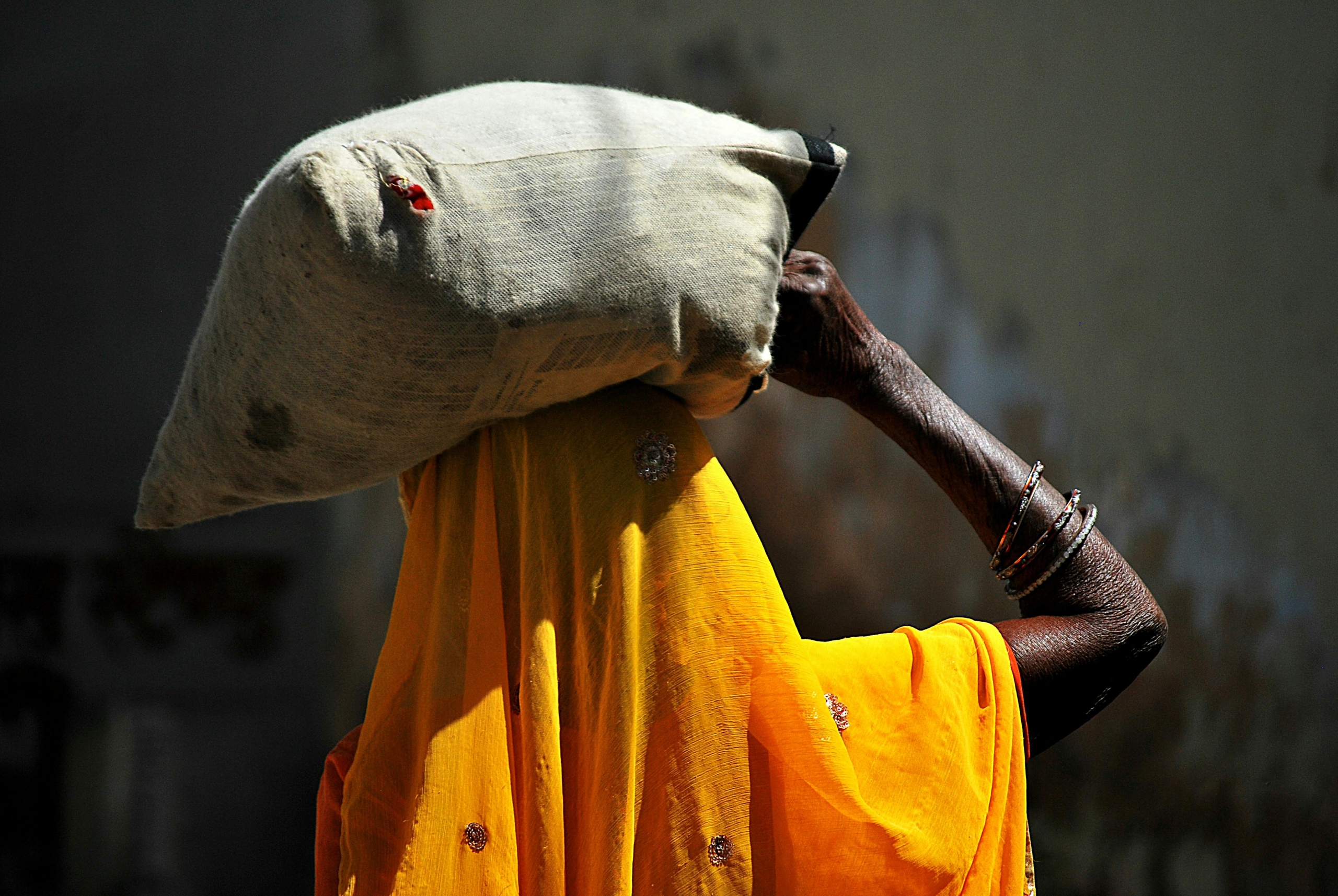 In a remote village in Bangladesh, a group of women gather under a large tree to discuss their businesses—small shops, livestock farming and weaving. With just a few hundred dollars from a local microfinance institution (MFI), these women—who once struggled to make ends meet—now run small businesses that can sustain their families and employ others in their community. This story, even though it takes place in Bangladesh, represents countless regions and people worldwide, showing the power of microfinance in poverty alleviation.
What Is Microfinance?
Microfinance is the practice of offering small loans and financial services to those who don’t have access to formal banking and marginalized groups who face systemic poverty. However, beyond the individual stories, the question remains: can microfinance truly reduce poverty?
The University of Maryland, Baltimore County (UMBC) Department of Economics found that a 10% increase in MFI loan portfolios per capita reduces poverty by between 0.091 and 0.159 percentage points. While these numbers may seem minor, they represent millions moving closer to financial independence.
Grameen Bank
At the heart of the microfinance movement is Grameen Bank, founded by Nobel Peace Prize winner Dr. Muhammad Yunus. Grameen’s model is unique, as its focus is on empowering women, who make up 97% of its borrowers. “We don’t empower women. They already have an inherent power in them because, without that, you cannot survive poverty,” explained Zubaida Bai, CEO of the Grameen Foundation. Its model focuses not only on providing financial resources but also on creating long-lasting, sustainable change by addressing systemic issues such as gender and power dynamics.
Furthermore, Grameen works closely with local partners to dismantle traditional gender roles and enable household dialogues where it challenges male-dominated financial decision-making. “People look at gender issues and say that women are very immobile,” Bai added. “But in reality, they know their system very well. They can be the change-makers within that system and if you enable them, they can make it long-lasting.”
Successes
The success of Grameen Bank is not just anecdotal—data backs it. According to Morduch, Grameen has provided millions of loans, with repayment rates as high as 98%. This high repayment rate reflects not only the bank’s successful lending model but also how committed the borrowers are to improving their livelihoods. Morduch also mentions that even though some institutions need external funding, the social returns on these investments far outweigh their costs. With every dollar lent, microfinance initiatives create a ripple effect that drives community-wide economic growth.
Grameen Bank’s success has benefited millions worldwide. In Uganda, for example, Grameen has worked with refugee communities, particularly women, to bring them into a financially inclusive system. These women undergo gender and power dynamics training and entrepreneurship courses and are given access to digital tools. As a result, “their income goes up by an average of 26%,” says Bai. In India, Grameen has focused on agriculture, working with farmer-producer organizations to bring women to the forefront of decision-making. In the past two years, women’s participation in these organizations has risen by 200%, showcasing how much of an impact women can have if allowed to do so.
The Broader Economic Impact
According to Khandker, microfinance programs have helped significantly reduce poverty, as seen in Bangladesh. His research shows that microfinance participation reduced moderate poverty by 5% and extreme poverty by 10%. Moreover, when applied at a community level, these reductions in poverty were not just for the borrowers alone; non-participants also benefited indirectly from the improved economic conditions. Khandker’s study revealed that more than 40% of the reduction in poverty in rural Bangladesh between 1991 and 1998 was attributed to microfinance programs.
Crépon, Devoto, Duflo and Parienté found in rural Morocco that microcredit increased ownership of assets, such as livestock and household goods. This shift toward increased assets is crucial because it gives families a buffer against economic shocks, allowing them to survive crises like illness or natural disasters. Microfinance also supports financial literacy. Programs like Grameen don’t just provide loans; they offer training in basic financial management so that borrowers can manage their resources properly. As a result, microfinance promotes saving and investment, leading to sustainable economic growth in low-income communities.
Criticisms and Challenges
While there are numerous benefits of microfinance, it still has its flaws. Some argue that microloans can lead to over-indebtedness, particularly when borrowers take out multiple loans from different MFIs. Additionally, high interest rates in some regions have raised concerns about the long-term viability of microfinance programs. However, Grameen has implemented measures to mitigate these risks, such as peer lending groups that foster accountability and household dialogues that address gender imbalances in financial decision-making.
A Path to Poverty Alleviation
Microfinance could be a powerful tool in the fight against poverty. From Bangladesh to Uganda, Grameen has shown how small loans can lead to significant social and economic change. By focusing on empowering women, addressing gender dynamics and leveraging digital technology, Grameen Bank continues to make a change in the field of microfinance. With every loan that helps an individual, a family and a community, these small steps are what create significant change in the fight against global poverty.
– Danica Lourdu Nelson
Danica is based in Parker, CO, USA and focuses on Business and New Markets for The Borgen Project.
Photo: Pexels
