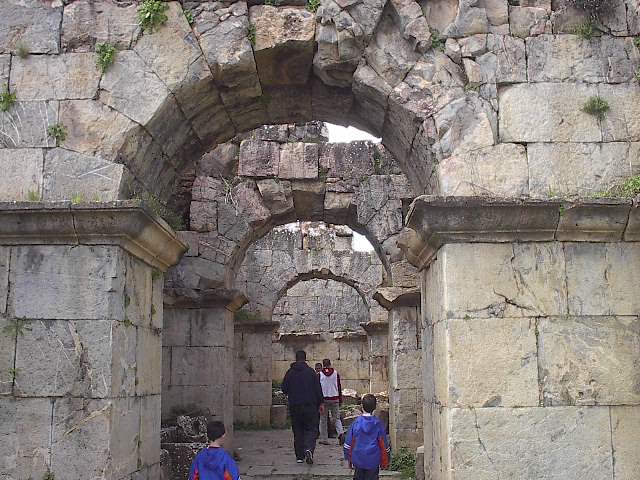
 Abdelkader Bounaga, an Algerian pensioner living in Marseille, was “enlisted” in the 1960s to fill the labor deficit in post-war France. He arrived in Marseille in a wooden boat carrying French soldiers being repatriated after Algeria’s independence. He is in the “Chibanis” group, meaning “grey-haired” in Arabic. Elderly Poverty in Algeria could deteriorate due to demographic changes. In 1966, the ratio of people at working age to people at retirement age was 6.7:1. In 2008, the ratio rose to 8:1, but in 2021 it fell again to below 6:1. This means that more old people are relying on the support of their employed family members today that in 1960.
Therefore, elderly poverty in Algeria could worsen as the demography changes over the coming years. However, the Chibanis who left Algeria in the 1970s looking for a more stable income face the additional challenge of isolation. Tahar Ben Jelloun expresses a common sentiment when he calls the state of the Chibanis “the highest solitude.” Here is more information about Algerian migrant workers in France.
Immigration to France
Poverty in Algeria was one of the reasons for immigration to France in the 1960s. French colonialism in the region had left the natives in a worse position. With the appropriation of land and exploitation of labor, it was hard to earn a living in Algeria.
In general in France, poverty rates decrease with age, dropping to 10% of people over 65. On the other hand, the poverty rate among elderly migrants in Europe is much higher at 25%. Among the migrant population, elderly poverty has increased by 4%, whereas for their native-born counterparts, it has decreased. Accommodation for elderly people has improved over the last few years, but elderly migrants are more likely to live in substandard housing.
Rather than relying on their younger family members, Chibanis often continue to support their families back home in Algeria using their pensions and social benefits. With their families back home and little community or purpose in France, the Chibanis become stuck in perpetual exile. This is what the sociologist Malek Sayad calls the “double absence.” Absent at home, they miss out on key milestones with their families. Absent in France, they struggle to integrate or form a community, and their language skills fall behind.
In addition to the solitude of their lifestyles, the Chibanis did not find the economic prosperity in France that they hoped for. When they arrived in the 1960s, the work available was arduous and menial, paying as little as 80 cents per hour. Today’s Chibanis were the hands that built the roads, factories and school buildings of modern France. Yet, many experience elderly poverty due to the difficulty in obtaining their pensions.
French Bureaucracy
The complex French bureaucracy standing between them and their pensions is hard to navigate for people whose language and literacy skills are low. If a Chibani mistakes the month on which he or she left France for Algeria, and accidentally stays too long, they return to huge debts. If they exceed the six-month limit, the government revokes their benefits and demands a refund of the amount paid.
Movement between France and Algeria has been commonplace since France’s colonization in 1830. Algerians, especially from the impoverished area of Kabylia, emigrated to France to do the hardest and lowest-paid jobs, according to Musée de l’histoire de l’immigration. This was a method for active young men to support their families back home. The influx of cheap labor suited the managerial class, who also used them to break workers’ strikes.
Raising Concerns
Concern about the elderly poverty of Algerian migrant workers spread in France in the early 2000s. One article cites the 2007 film Indigènes as a catalyst for public engagement with the question of the treatment of foreign veterans. That year Rachid Bouzidi, a special adviser for the Employment, Social Cohesion and Housing Ministry, stated “We believe that everyone has the right to live with their family in a decent and dignified way,” according to Radboud Repository article.
However, the Chibanis have experienced several years of precarious social status due to their migratory lifestyle between France and Algeria. They must reside in France to keep their benefits, but their homes and families are overseas.
Activists like Zohra Hamani fight for the visibility and security of Chibanis. President of the charity Les Bons Samaritains Fisabillillah, Hamani said to Al Jazeera.: “We owe all these beautiful French cities to the Chibanis.” Les Bons Samaritains Fisibillillah provides a free breakfast every morning at the centre, which is followed by the opportunity to receive legal and health advice.
Conclusion
Algerian migrant workers living in France are more likely to live in poverty and face the additional challenge of isolation from their communities back home. The French government’s six month stipulation forces these elderly people into isolation and estrangement. However, there are charitable organizations fighting to amplify their voices and rectify the neglect of the French government.
– Io Oswald
Io is based in Paris, France and focuses on Politics for The Borgen Project.
Photo: Flickr

DRC Begins Mpox Vaccination Program
Provisions from the EU
To curb the spread of the virus, the DRC relies on the European Union (EU), donation of 265,000 MBA-BN vaccines, with the help of the U.S. Government, Gavi and Africa CDC. These vaccines require two shots administered one month apart and are available only to adults, according to UNICEF.
With a population of more than 100 million, this means there is a limited amount of doses, so officials have had to target the campaign to those most vulnerable to Mpox. So far, the campaign has focused on the country’s North Kivu and Equateur provinces, the two regions that have recorded the highest number of cases. Within these areas, the Ministry of Health will provide the doses to the most at-risk groups, such as those with existing health problems. UNICEF has coordinated the transport and delivery of the vaccines, as well as the storage and shipment across the DRC.
Further Expected Doses
Although officials in the DRC are currently working with a limited supply of vaccines, the nation has also signed an agreement with the government of Japan, which promises the supply of LC-16 vaccines. LC-16 only requires one shot for immunisation and is currently the only one that has approval for children. One of the most disproportionately impacted, children under 15 are some of the most vulnerable to the virus, accounting for 60% of all recorded cases and 80% of deaths in the DRC, according to UNICEF.
Logistical Difficulties
Alongside limited availability, officials have also faced difficulties when planning the implementation of the Mpox vaccination program itself. Vaccines must be kept as low as -20 degrees Celsius, and, once defrosted, need to be used within 40 days to be effective. Officials are therefore working with a limited time frame in which they can transport and administer doses from the central storage facility in Kinshasa. This poses particular difficulty for the nation’s more rural areas which take longer to reach, an issue that has only been exacerbated by the ongoing conflict in the DRC between the government and rebel groups. This has made access to rebel-controlled regions much more limited and therefore made the transportation of medical resources such as vaccines to these areas much more difficult.
Government efforts, educational campaigns and attempts to raise awareness about the virus, and vaccines are just some of the ways the DRC is currently working to combat the spread of Mpox. Its collaboration with international organizations has proved key to the start of the Mpox vaccination program, and further provisions from nations such as Japan will hopefully allow for the continued suppression of the virus.
– Izzy Tompkins
Photo: Flickr
Fragility and Rule of Law in CAR
Politics, Violence and Economy
CAR has a long history of instability, state disintegration and political violence. It straddles the Sahel region, with a majority Muslim population, while savanna communities are mainly Christian. The conflict has regularly broken out between the Muslim ex-Seleka rebels and the Christian anti-balaka rebels. In 2013, Seleka rebels stormed the capital, Bangui and the country descended into a brutal civil war that continues in some parts of the country.
CAR suffers acutely from gender-based violence (GBV) against women and girls, recording 23.644 cases of GBV in 2022. Inadequate food and water resources, poor health care and weak housing infrastructure exacerbate tensions within households. These challenges, along with socio-cultural norms that are unfavorable to women, have led to sub-optimal survival strategies.
An unstable economy also influences fragility in CAR. Its government has failed to provide basic public goods, including water, food and health care. Poor education and job insecurity have stunted its growth. CAR has a rich endowment of natural resources but has not benefited due to mismanagement. According to the World Bank, the country has also suffered from flooding, fuel shortages and declining international timber trading. These challenges risk an already fragile economy.
Solutions
MINUSCA is a multidimensional United Nations peacekeeping operation set up by the Security Council in 2014. Its mission is to assist CAR in building national stability. It prioritizes the country’s security, rule of law, human rights and political crisis. MINUSCA provides military and police services from regions such as Rwanda to handle disarmament, demobilization and reintegration in CAR.
Cooperazione Internazionale (COOPI) focuses on supporting victims of GBV in CAR. Women and girls gather in a welcoming home in Bangassou where they are encouraged to participate in activities such as knitting and patternmaking, providing them with psychosocial support.
Pelvia, an 18-year-old girl spoke about the positive effect COOPI has had on her life. She spoke about the skills she has learned and how they have provided her with an income to buy necessities that she would otherwise be unable to afford. Pelvia is also glad for the company and support of the other women and girls who have shared similar traumatic experiences, UNOCHA reports.
Economic Growth
CAR receives most of its financial aid from the International Monetary Fund (IMF). In June 2024, the IMF approved an extended $25 million disbursement to continue the push for economic growth in CAR. The aid has been distributed to assist the economy and sustain priority spending on basic public services. The IMF forecasts that CAR’s economy will grow by 1.4% in 2024.
Looking Ahead
Fragility and rule of law in CAR are improving. The country has a long road to stability but there are positive forecasts for its future.
The Economist Intelligence reports that the country’s economic activity will continue to rise over the next few years, with help from the IMF’s funded program. Whilst many areas of CAR are still overrun by rebel groups, the government, with assistance from Russian and Rwandan forces, has control over several major cities, including the capital. This allows for a more stabilized political structure and open rule of law in these areas.
– Millie Trussler
Photo: Flickr
Elderly Poverty Among Algerian Migrant Workers
Therefore, elderly poverty in Algeria could worsen as the demography changes over the coming years. However, the Chibanis who left Algeria in the 1970s looking for a more stable income face the additional challenge of isolation. Tahar Ben Jelloun expresses a common sentiment when he calls the state of the Chibanis “the highest solitude.” Here is more information about Algerian migrant workers in France.
Immigration to France
Poverty in Algeria was one of the reasons for immigration to France in the 1960s. French colonialism in the region had left the natives in a worse position. With the appropriation of land and exploitation of labor, it was hard to earn a living in Algeria.
In general in France, poverty rates decrease with age, dropping to 10% of people over 65. On the other hand, the poverty rate among elderly migrants in Europe is much higher at 25%. Among the migrant population, elderly poverty has increased by 4%, whereas for their native-born counterparts, it has decreased. Accommodation for elderly people has improved over the last few years, but elderly migrants are more likely to live in substandard housing.
Rather than relying on their younger family members, Chibanis often continue to support their families back home in Algeria using their pensions and social benefits. With their families back home and little community or purpose in France, the Chibanis become stuck in perpetual exile. This is what the sociologist Malek Sayad calls the “double absence.” Absent at home, they miss out on key milestones with their families. Absent in France, they struggle to integrate or form a community, and their language skills fall behind.
In addition to the solitude of their lifestyles, the Chibanis did not find the economic prosperity in France that they hoped for. When they arrived in the 1960s, the work available was arduous and menial, paying as little as 80 cents per hour. Today’s Chibanis were the hands that built the roads, factories and school buildings of modern France. Yet, many experience elderly poverty due to the difficulty in obtaining their pensions.
French Bureaucracy
The complex French bureaucracy standing between them and their pensions is hard to navigate for people whose language and literacy skills are low. If a Chibani mistakes the month on which he or she left France for Algeria, and accidentally stays too long, they return to huge debts. If they exceed the six-month limit, the government revokes their benefits and demands a refund of the amount paid.
Movement between France and Algeria has been commonplace since France’s colonization in 1830. Algerians, especially from the impoverished area of Kabylia, emigrated to France to do the hardest and lowest-paid jobs, according to Musée de l’histoire de l’immigration. This was a method for active young men to support their families back home. The influx of cheap labor suited the managerial class, who also used them to break workers’ strikes.
Raising Concerns
Concern about the elderly poverty of Algerian migrant workers spread in France in the early 2000s. One article cites the 2007 film Indigènes as a catalyst for public engagement with the question of the treatment of foreign veterans. That year Rachid Bouzidi, a special adviser for the Employment, Social Cohesion and Housing Ministry, stated “We believe that everyone has the right to live with their family in a decent and dignified way,” according to Radboud Repository article.
However, the Chibanis have experienced several years of precarious social status due to their migratory lifestyle between France and Algeria. They must reside in France to keep their benefits, but their homes and families are overseas.
Activists like Zohra Hamani fight for the visibility and security of Chibanis. President of the charity Les Bons Samaritains Fisabillillah, Hamani said to Al Jazeera.: “We owe all these beautiful French cities to the Chibanis.” Les Bons Samaritains Fisibillillah provides a free breakfast every morning at the centre, which is followed by the opportunity to receive legal and health advice.
Conclusion
Algerian migrant workers living in France are more likely to live in poverty and face the additional challenge of isolation from their communities back home. The French government’s six month stipulation forces these elderly people into isolation and estrangement. However, there are charitable organizations fighting to amplify their voices and rectify the neglect of the French government.
– Io Oswald
Photo: Flickr
Women’s Rights in Vanuatu
Access to Education
Women’s rights are significantly impacted by limited access to education, with a noticeable gender disparity favoring boys. Cultural norms often prioritize boys’ education, leading to higher dropout rates among girls. Economic constraints force families to choose which children to send to school, usually favoring boys.
Additionally, early marriage and domestic responsibilities further limit girls’ ability to continue their education. Efforts by the government and nongovernmental organizations (NGOs) aim to address these disparities through policies and programs promoting girls’ education. Still, community awareness and involvement are crucial in changing attitudes and ensuring equal opportunities for all children.
Early Marriage Among Girls
In Vanuatu, girls can marry with their parents’ consent at the age of 16. As a result, it is common to see early marriages, especially in remote areas. In some regions, traditions suggest that a girl is ready for marriage and intercourse as soon as she begins menstruating. Girls who marry at a young age often lack the maturity and resources to assert their rights, making them more vulnerable to abuse. Early marriages can perpetuate cycles of poverty and dependency, which can lead to increased domestic violence.
Domestic Violence
The majority of women in Vanuatu, 60%, have experienced sexual and physical violence in their lives. These women also face emotional abuse, often worsened by traditional gender roles that disregard such violence. A strong movement is emerging as women join forces to end domestic violence in Vanuatu. Rallying under the slogan “In unity, our advocacy becomes a chorus,” these committed women are working relentlessly to fight domestic violence and advance gender equality.
Their united efforts involve raising awareness, supporting victims and advocating for stronger legal protections. By standing together, they amplify their voices and become a powerful force for change, aiming to create a safer and more just society for all women on the Island.
Organizations Addressing the Issues
The Vanuatu Women’s Center (VWC) is working on several projects, including the Family Protection Unit, which provides legal aid and counseling to survivors of domestic violence. It also conducts community education programs that aim to raise awareness about women’s rights and gender-based violence. In 2022, the organization hosted a workshop with 17 participants from eight villages across the Island, educating them about gender, discrimination, sex, gender equality and stereotypes.
Furthermore, the Department of Women’s Affairs (DWA) is involved in initiatives like the Gender Equality and Women’s Empowerment Policy, which aims to improve women’s access to education, health care and economic opportunities. It also supports local women’s groups to promote gender equality. International organizations like the United Nations Development Programme (UNDP) and the United Nations Children’s Fund (UNICEF) are also backing projects such as the Girls’ Education Project, which focuses on increasing school enrollment and retention rates for girls. They also support programs that aim to delay early marriages by educating communities about the importance of keeping girls in school.
Conclusion
While Vanuatu faces significant challenges regarding early marriage, education and domestic violence, there is a growing movement toward positive change. Efforts by local and international organizations are beginning to bear fruit, with increased awareness and advocacy leading to more educational opportunities for girls and stronger protections against domestic violence. As the community continues to unite to support women’s rights, there is hope for a brighter, more equitable future for all women in Vanuatu.
– Maria Urioste
Photo: Flickr
IPTp Treatment: Reducing Malaria in Pregnant Women in Mali
The IPTp Pill
After observing the adverse effects of malaria on pregnant women, health professionals developed a specific treatment for this group, hoping to reduce malaria rates in Mali. Known as Intermittent Preventive Treatment of Malaria in Pregnant Women (IPTp), this treatment involves taking three pills during each trimester of pregnancy. IPTp has gained popularity for its convenience and affordability compared to other malaria prevention measures. A notable advantage is its minimal side effects, with most only occurring after the first dose.
IPTp Distribution
Once manufactured, various organizations distribute the IPTp treatment directly to Malians, focusing on pregnant women, young mothers and children aged 1-5. The United States (U.S.) President’s Malaria Initiative for Mali (PMI), dedicated solely to combating malaria in this demographic, was established in 2005. Its goal is to reduce malaria incidence by providing health care measures, including IPTp. Mali has stood out among Sub-Saharan African countries due to its high malaria mortality rates. Although PMI has increased the distribution of IPTp, Mali remains a priority because of political instability and insecurity, which hinder health service provision. To address this, PMI ensures a steady supply of IPTp pills to the 13 Malian towns most affected by malaria.
IPTp Awareness
A crucial role in implementing IPTp treatment for malaria in Mali is raising awareness about the pill’s effectiveness. The BMC Malaria Journal recently published a study suggesting that more pregnant women would choose IPTp if provided with a brief factsheet outlining malaria’s potential impacts on their health and that of their child, along with protection strategies. This finding highlights a lack of malaria knowledge among the Malian population, which negatively affects IPTp usage. Consequently, many organizations focused on eradicating malaria in Mali include educational components in their efforts. Groups like Save the Children and CNRS have conducted sessions for Malian teachers on malaria prevention and treatment, including IPTp. While not all classes exclusively comprise pregnant women, the dissemination of this information across various age groups in Mali supports advocacy efforts for IPTp pills.
Looking Ahead
Malaria remains a significant threat in Mali, particularly for pregnant women, with millions of cases reported in recent years. The IPTp has proven effective in reducing malaria-related health risks for both mothers and their children. Organizations such as the U.S. President’s Malaria Initiative have prioritized distributing IPTp and raising awareness about its benefits. Efforts by groups like Save the Children and CNRS have also expanded education on malaria prevention, helping more women access life-saving treatments. Although challenges persist, continued focus on awareness and treatment distribution offers hope for reducing the impact of malaria on vulnerable populations.
– Nadia Haeryfar
Photo: Flickr
Smartphone-Powered Diagnostics in Nepal
The Health Care Landscape in Nepal
The health care landscape in Nepal, despite incorporating both public and private sector services, often fails to meet international standards. As of 2019, health-related expenditures constituted 4% of the country’s GDP, with infectious diseases accounting for roughly two-thirds of all health issues. Although Nepal has made considerable progress in enhancing its health care system, significant challenges persist in access and quality of care. Smartphone-powered diagnostics have emerged as a pivotal solution, bridging the gap between patients and health care providers. This mobile health technology enables health care workers to perform medical tests, diagnose diseases and provide care in previously inaccessible areas.
US Innovations Leading the Charge
Researchers at the University of Washington developed a smartphone attachment that enables remote eye exams using optical microangiography, allowing health care providers to conduct vision assessments in underserved areas. Another breakthrough involves using smartphone apps to analyze facial blood flow, aiding in the early detection of stroke risks. These innovations illustrate how medical care in low-resource regions can be transformational. With these tools, health care has become more accessible, portable and affordable, significantly improving health care access.
In Nepal, for instance, a feasibility study reveals how smartphone-powered diagnostics can make a major impact through the use of the General Movement Assessment (GMA) to screen infants for high-risk cerebral palsy. This technology empowers parents with smartphone-based apps, allowing diagnostics once confined to clinical settings to be available in remote regions. The integration of smartphone-powered diagnostics in Nepal marks a major milestone that overcomes resource barriers and extends quality care to all as a result of global technological advancements.
Empowering Rural Health Workers
Smartphone-powered diagnostics are revolutionizing health care by empowering rural health workers, especially in regions of Nepal where medical professionals are scarce. In remote areas, health workers are often the first line of care but have traditionally lacked access to advanced diagnostic tools. With smartphone-based technologies, these workers can perform critical tests without requiring patients to travel to hospitals. For example, a health worker in a remote village can use a smartphone-connected lab-on-a-chip device to conduct blood tests for diseases like malaria or dengue fever. Health workers transmit results electronically to doctors in urban areas who confirm them, enabling swift treatment decisions. This not only enhances patient care but also eases the pressure on overwhelmed health care facilities.
Overcoming Barriers to Health Care Access
Smartphone-powered diagnostics profoundly impact health care access by overcoming geographical barriers that traditionally isolated rural populations. The country’s mountainous terrain and inadequate infrastructure often hinder patients from traveling to hospitals or clinics for routine medical care. Mobile health technology addresses this challenge by delivering diagnostic tools directly to communities, eliminating the need for long journeys to receive medical attention. Furthermore, these innovations not only enhance accessibility but also reduce health care delivery costs. Unlike traditional diagnostic equipment, which is typically expensive, bulky and requires specialized training, smartphone-based tools are affordable, portable and user-friendly, making them ideal for low-resource settings.
The Future of Smartphone Diagnostics in Nepal
Smartphone-powered diagnostics are set to revolutionize developing countries’s health care by empowering local health workers and enhancing diagnostic capabilities. Innovations, such as apps that measure blood oxygen levels using smartphone cameras and deep-learning algorithms, enable patients to monitor their health at home, particularly benefiting those with respiratory conditions. Collaboration between Nepali providers and international tech innovators could be crucial to scaling these technologies, improving health care access and promoting self-reliance in local communities.
– Alaya Laila
Photo: Flickr
Cyclone Yagi Devastates Asia’s Vulnerable Communities
Cyclone Yagi
In September 2024, Cyclone Yagi, one of the strongest typhoons to hit Southeast Asia in the past 30 years, devastated more than 1,200 villages across 106 districts in 15 provinces in Vietnam. It damaged nearly 240,600 homes, 1,530 schools and 570 health facilities. The storm displaced more than 72,000 people and approximately 570,000 people, including 163,020 children, are in need of assistance.
Relief Efforts
In Vietnam, the government’s disaster management units have partnered with local NGOs to set up emergency shelters and distribute essential supplies. The Vietnam Red Cross, alongside the International Federation of Red Cross and Red Crescent Societies (IFRC), is at the forefront of these relief operations. Their teams are providing food, clean water, hygiene kits and emergency shelter to thousands displaced by the floods and landslides. Psychological support is also being offered to help people cope with trauma.
Plan International, known for its work in child protection, focuses on the needs of vulnerable groups, particularly children and women. In collaboration with local authorities, the organization is distributing hygiene kits and ensuring that children who are among the most affected receive psychological support. The organization’s child-friendly spaces within shelters offer a safe environment where children can engage in activities and recover from the disaster’s emotional toll.
Furthermore, in response to the storm’s widespread destruction, international organizations like the United States Agency for Internal Development (USAID) have pledged financial support. USAID has committed $1 million in humanitarian aid to provide immediate relief and support long-term recovery. This funding is helping to ensure that emergency teams can continue to distribute food, water and medicine while also addressing the urgent need for rebuilding homes and infrastructure in affected areas.
Meanwhile, local authorities are working with various international organizations to ensure that aid reaches remote areas, many of which remain cut off due to floodwaters and landslides. The priority is to restore access to clean water, power and health care services in the most affected regions. Long-term recovery plans are being developed, focusing on rebuilding homes, restoring livelihoods and strengthening disaster preparedness for future storms and natural disasters.
Final Note
As efforts continue, humanitarian organizations stress the need for ongoing support and donations to sustain relief operations. With the threat of more rainfall looming, these efforts are crucial to prevent further devastation and to help communities rebuild their lives.
– Trinity Lee
Photo: Flickr
RSF and SAF Roles in Sudan’s Humanitarian Crisis
Historical Background and Militarization
The RSF, initially known as the Janjaweed militias, gained official recognition from the government in 2013 as an auxiliary unit of the SAF. In an interview with The Borgen Project, Professor Bakry Elmedni, President of the Sudan Studies Association and a faculty member at Long Island University, noted that initially, the RSF focused on border security. The enactment of the Rapid Support Forces Act in 2017 integrated them fully into the national armed forces, aiming to legitimize the group and define their roles in maintaining security and combating rebel factions. Post-legislation, the RSF expanded its recruitment, drawing significantly from Arab Tribes and marginalized communities. It began developing foreign relationships, receiving substantial funding from Gulf nations, notably Saudi Arabia and the United Arab Emirates. During the tenure of the joint transitional government, the RSF leader, General Mohamed Hamdan Dagalo, publicly criticized the SAF’s recruitment strategies, labeling them ineffective.
Overthrow and Intensification of Conflict
On Oct. 25, 2021, the RSF and the SAF overthrew the civilian faction of the government. Professor Elmedni explains that the RSF objected to the civilian government’s shortcomings, while the SAF sought to restore the al-Bashir regime. He adds that the SAF likely harbored resentment toward the RSF for gaining legitimacy and access to resources, intensifying existing tensions.
Civilian Impact and Response to Crisis
Both armed factions are deliberately exacerbating the humanitarian crisis in Sudan. Professor Elmedni notes that civilians are often caught in the crossfire of fighting between the SAF and RSF in urban areas, leading to widespread displacement. Additionally, these groups have been attacking civilian infrastructure and engaging in unlawful killings, with some incidents in West Darfur being ethnically targeted. “It is miserable for anyone who wants to deliver aid,” Dr. Elmedni says. Humanitarian workers face significant dangers, as they lack protection and risk their lives on duty. He also mentions that delivering aid is challenging without ceasefires and with roads blocked by checkpoints. Both the RSF and SAF are manipulating food supplies as a control mechanism by targeting regions needing humanitarian aid, looting supplies and deliberately killing aid workers.
Contributions of Humanitarian Efforts in Sudan
Due to the intense difficulties in humanitarian aid distribution and the risks faced by workers, larger organizations struggle to travel throughout the country and reach those in need. The leading humanitarian organizations are local kitchens mainly concentrated in the capital of the country, Khartoum, to help citizens dealing with food insecurity. However, larger organizations such as the Sudanese Red Crescent (IFRC) manage to support displaced people by providing necessities in major migration routes. Annually, they help 100 million people gain access to clean drinking water, sanitation and hygiene. Additionally, they offer health and emergency services, which are vital given that 70% of hospitals in Sudan are no longer operational.
Looking Ahead
Despite the challenges posed by the conflict in Sudan, humanitarian organizations continue to work to deliver aid to those in need. Local and international groups, such as the Sudanese Red Crescent, have provided crucial support, including clean water, sanitation and health services, to displaced populations. These ongoing efforts aim to alleviate the suffering of millions, offering a lifeline of hope as the country navigates this critical period.
– Floria Persis
Photo: Flickr
How UNPRPD is Addressing Disability and Poverty in Cameroon
Of the 28.6 million people in Cameroon, 5.4% have a disability. In higher prevalence regions like South and Littoral, this figure can increase to 11%. Discriminatory treatment of disabled people in Cameroon increases the likelihood of these individuals experiencing poverty. For example, disabled adults between the ages of 18-49 in North West Cameroon were almost three times more likely to live in the poor quarter in comparison to non-disabled adults. The United Nations Partnership on the Rights of Persons with Disabilities (UNPRPD) has partnered with U.N. Cameroon to address the experience of disabled people in the Central African country and decrease the chance of individuals becoming impoverished.
UNPRPD’s Work
UNPRD supports nations in implementing a disability-inclusive CRPD, which focuses on the human rights of people with disabilities. The Partnership funds this support with the vision that every person with a disability can fully participate in society and be completely respected, protected, and fulfilled.
With a budget of $700,000, UNPRPD has implemented a program that aims to strengthen disability inclusion within Cameroonian public institutions by monitoring disability-inclusive legislation of key duty bearers, such as CONRHA and CHRC.
UNPRD has identified a Strategic Framework to promote disability inclusion, with five preconditions that must be in place to ensure that the addressing of the rights of disabled persons in Cameroon:
These preconditions aim to educate Organizations of Persons with Disabilities so that they can further understand how to improve the experiences of those with disabilities.
Disability and Poverty in Cameroon
UNPRPD’s program could have a significant impact on disability and poverty in Cameroon. Equality and non-discrimination are key to reducing the link between disability and poverty; negative attitudes towards disability increase the likelihood of disabled people experiencing poverty due to lack of understanding, inclusion and respect. According to a 2021 Country Report, a key finding of the program indicated that the development of the non-discriminatory provision of the CRPD to the public, schools and hospitals would combat the stigmatization and exclusion of disabled persons. False perceptions and beliefs about disability are damaging, therefore UNPRD addressing these issues that disabled people face is crucial in destigmatizing disability and reducing poverty.
Another key precondition that targets poverty in the lives of disabled persons is accessibility. Cameroonian laws that ensure disabled people can access public and private buildings are not always enforced. Moreover, budgets to improve accessibility measures are minimal, excluding disabled persons from having the same opportunities as non-disabled Cameroonians, according to a 2021 Country Report. UNPRPD’s program addresses accessibility issues, minimizing the risk of poverty for disabled people by enabling these individuals the same education and employment opportunities.
Final Thoughts
By 2050, the Cameroonian population could increase by 85%, meaning that an estimated 51,279,577 people will live in the Central African nation. A significant population increase would translate to an increase in poverty also, but UNPRPD is working to prevent this.
The Cameroonian Ministry of Social Affairs (MINAS) met with the UNPRPD program’s steering committee (UNFPA, OHCHR and UNESCO) in May 2024 to discuss its results. Pauline Irène Nguene, Minister of Social Affairs in Cameroon, commended those involved in the project. Nguene directly addressed one of the program’s preconditions – accessibility – and expressed that people with disabilities “will have access to inclusive services without discrimination in Cameroon.”
In a visit to Cameroon in August 2024, the U.N. High Commissioner also noted that more than 40% of Cameroonians are under 15. Indeed, Volker Türk was optimistic that the new generation would “prompt social change […] on equality, on accountability and more”, promising a brighter tomorrow for all Cameroonians.
The UNPRD helps cultivate a more inclusive society for people struggling with disability and poverty in Cameroon, helping individuals in their everyday lives.
– Megan Hall
Photo: Unsplash
Addressing the Causes of Hunger in The Gambia
Causes of Hunger
World Food Programme
The World Food Programme (WFP) has launched two programs in partnership with the Government of The Gambia to address the causes of hunger and food insecurity in the country and offer sustainable solutions.
Final Thoughts
In conclusion, it is crucial to address the root causes of hunger in The Gambia for the well-being of its population. The country can significantly reduce food insecurity by addressing climate-related challenges, mitigating the impact of inflation, and tackling unemployment. Initiatives led by organizations such as the WFP demonstrate the potential for positive change through targeted interventions. With continued support from the international community and collaborative efforts, there is hope for a future where hunger is less prevalent and communities in The Gambia can thrive.
– Maria Waleed
Photo: Flickr