IPTp Treatment: Reducing Malaria in Pregnant Women in Mali
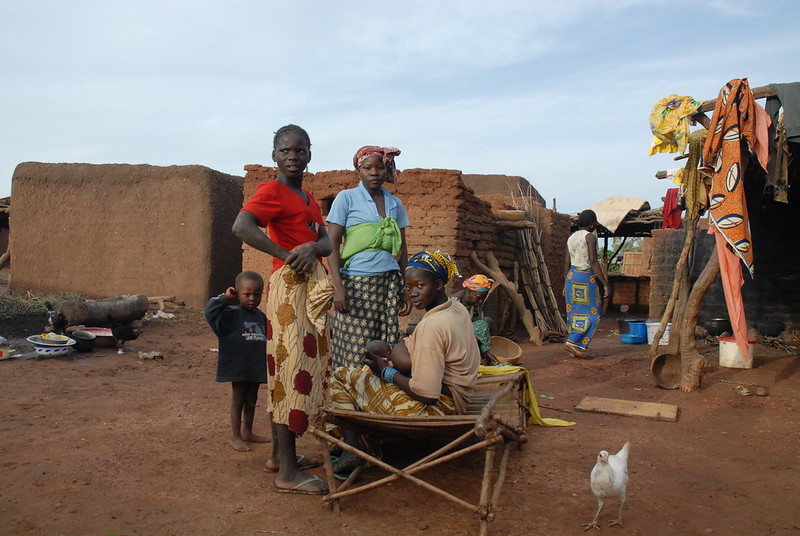 Malaria is an infamous disease resulting in around 249 million malaria cases worldwide, 94% of those being from Africa as a whole. The symptoms range from fatigue to yellowing skin to abnormal bleeding and can prove fatal if untreated. In Mali, where the population totals 22.6 million, malaria presents a significant health risk, spread primarily by mosquitoes. In 2022 alone, 7.9 million cases were reported, a record high for Mali. Pregnant women in Mali, specifically, have an increased risk of long-term effects if they get Malaria. The National Library of Medicine reported that catching this disease when pregnant can lead to “outcomes including stillbirth, early neonatal death, preterm delivery and low birth weight,” being the leading cause of death among mothers and their babies – both in utero and after birth.
The IPTp Pill
After observing the adverse effects of malaria on pregnant women, health professionals developed a specific treatment for this group, hoping to reduce malaria rates in Mali. Known as Intermittent Preventive Treatment of Malaria in Pregnant Women (IPTp), this treatment involves taking three pills during each trimester of pregnancy. IPTp has gained popularity for its convenience and affordability compared to other malaria prevention measures. A notable advantage is its minimal side effects, with most only occurring after the first dose.
IPTp Distribution
Once manufactured, various organizations distribute the IPTp treatment directly to Malians, focusing on pregnant women, young mothers and children aged 1-5. The United States (U.S.) President’s Malaria Initiative for Mali (PMI), dedicated solely to combating malaria in this demographic, was established in 2005. Its goal is to reduce malaria incidence by providing health care measures, including IPTp. Mali has stood out among Sub-Saharan African countries due to its high malaria mortality rates. Although PMI has increased the distribution of IPTp, Mali remains a priority because of political instability and insecurity, which hinder health service provision. To address this, PMI ensures a steady supply of IPTp pills to the 13 Malian towns most affected by malaria.
IPTp Awareness
A crucial role in implementing IPTp treatment for malaria in Mali is raising awareness about the pill’s effectiveness. The BMC Malaria Journal recently published a study suggesting that more pregnant women would choose IPTp if provided with a brief factsheet outlining malaria’s potential impacts on their health and that of their child, along with protection strategies. This finding highlights a lack of malaria knowledge among the Malian population, which negatively affects IPTp usage. Consequently, many organizations focused on eradicating malaria in Mali include educational components in their efforts. Groups like Save the Children and CNRS have conducted sessions for Malian teachers on malaria prevention and treatment, including IPTp. While not all classes exclusively comprise pregnant women, the dissemination of this information across various age groups in Mali supports advocacy efforts for IPTp pills.
Looking Ahead
Malaria remains a significant threat in Mali, particularly for pregnant women, with millions of cases reported in recent years. The IPTp has proven effective in reducing malaria-related health risks for both mothers and their children. Organizations such as the U.S. President’s Malaria Initiative have prioritized distributing IPTp and raising awareness about its benefits. Efforts by groups like Save the Children and CNRS have also expanded education on malaria prevention, helping more women access life-saving treatments. Although challenges persist, continued focus on awareness and treatment distribution offers hope for reducing the impact of malaria on vulnerable populations.
– Nadia Haeryfar
Nadia is based in Ashford, CT, USA and focuses on Technology and Global Health for The Borgen Project.
Photo: Flickr
