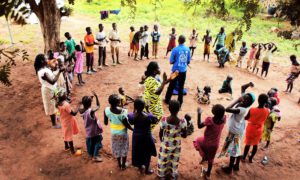
 The Northeastern geopolitical zone of Nigeria has been grappling with a severe crisis largely driven by the activities of Boko Haram, an Islamist terrorist jihadist organization. This violent extremist group has inflicted significant harm on innocent citizens. Boko Haram’s ideology is rooted in establishing a “pure” Islamic state governed by Sharia law.
The group’s operations have gained traction in the region due to a confluence of socioeconomic factors, including widespread poverty, hunger, lack of education and limited social development.
African Youth for Peace Development and Empowerment (AFRYDEV), a nongovernmental organization established in 2013, is actively addressing the escalating challenges of poverty, gender-based violence (GBV) and socioeconomic inequality in this region.
The Situation in Northeastern Nigeria
The Northeast, Nigeria’s largest geopolitical zone, has been a conflict zone since 2009 when Boko Haram declared its goal to form an Islamic State in the region. In response, in 2013, the Federal Government of Nigeria (FGN) declared a state of emergency and launched military operations in the area. However, as of 2019, the conflict has resulted in more than 35,000 deaths and displaced more than two million people, including women and children. Furthermore, more than eight million people in the region are in need of humanitarian aid.
With the extremist group still a threat, carrying out attacks across different villages in the Northeast, many families are struggling to meet their basic needs in the face of relentless insecurity. Poverty remains rampant, with many households lacking access to essential services such as health care, education and safe water, perpetuating a cycle of deprivation and social instability. The ongoing conflict has worsened vulnerabilities, particularly for women and girls, who face heightened risks of gender-based violence (GBV) and exclusion from economic opportunities.
AFRYDEV recognizes that these issues are intertwined and significantly hinder the potential for sustainable development and peace within these communities. Therefore, as a youth- and women-led organization, AFRYDEV is dedicated to tackling the critical issues of poverty and hunger through innovative and targeted interventions aimed at addressing the essential needs of insurgency-affected communities.
AFRYDEV’s Strategy
AFRYDEV employs a multifaceted approach to address the intertwined challenges of poverty, GBV and socioeconomic inequality in conflict-affected regions of Northeast Nigeria. Its strategy is rooted in community engagement, peacebuilding and socioeconomic development. The NGO actively involves local stakeholders, including women, youth, traditional leaders and government representatives, in the design and implementation of its programs. This participatory approach fosters ownership and ensures that AFRYDEV’s initiatives are responsive to the specific needs and aspirations of the communities it serves.
For instance, its Youth Peace Camp Project empowers vulnerable youth through leadership and civic engagement training. It also establishes youth community service clubs that promote active participation in local governance, creating a platform for transparency, accountability and collaborative nation-building. Similarly, through projects like the European Union’s Support to Early Recovery, AFRYDEV facilitates the reintegration of women and girls affected by Boko Haram, enhancing social cohesion while also providing vocational training and economic opportunities.
Additionally, AFRYDEV’s focus on gender-sensitive programming ensures that women and girls are not only protected from GBV but are also empowered to participate fully in economic and social life. By combining humanitarian assistance with capacity-building initiatives, the nonprofit aims to transform communities, promote social stability and pave the way for a more peaceful and equitable society in northeastern Nigeria.
Empowering Women and Youth
AFRYDEV has empowered more than 50,000 women and youths through various initiatives aimed at promoting active citizenship, leadership and skills development. The establishment of youth community service clubs has further strengthened community ties and encouraged active participation in local governance. In Yobe State, its collaboration with various stakeholders has led to the successful reintegration of more than 1,000 girls and women who were previously abducted by Boko Haram insurgents, highlighting the organization’s commitment to social acceptance and healing.
Furthermore, programs like ‘’Resilience Building through Livelihood’s Support to Promote Durable Solutions’’ have provided sustainable livelihood options through the restoration of market systems, protection and income generation starter packages to more than 10,000 people affected by the conflict. The Community Clean-up Project in Borno State has improved the physical environment and also fostered a sense of inclusion and economic opportunity among marginalized youth, thereby building trust within communities.
The outcomes of AFRYDEV’s efforts extend beyond immediate interventions, contributing to broader socioeconomic development and resilience in the region. Its focus on livelihood and economic empowerment has provided training and resources to vulnerable women and girls, enabling them to start their own businesses and contribute to their families’ incomes. This approach has led to improved economic stability and has equipped individuals with marketable skills, fostering long-term self-sufficiency.
Additionally, AFRYDEV’s training programs for community stakeholders have enhanced local capacities in conflict resolution and dialogue, facilitating sustainable peace and human rights advocacy. Overall, the positive changes brought about by AFRYDEV’s work are evident in the strengthened community relationships, increased engagement in governance and enhanced well-being of conflict-affected populations, ultimately contributing to a more peaceful and resilient society.
Final Note
AFRYDEV is committed to providing life-saving protection services to address the impact of the humanitarian crisis on vulnerable women, adolescent girls, boys and men in host communities, internally displaced persons (IDPs) and returnees. The organization focuses on an integrated, survivor-centered and community-based approach to address gaps identified in the prevention and response to GBV in conflict-affected communities in northeastern Nigeria. This includes providing access to life-saving services for GBV survivors, skills building and livelihood options through localizing the production of dignity kits and reusable menstrual hygiene kits. These initiatives aim to improve the economic security of women and adolescent girls, leading to enhanced reproductive health outcomes and financial stability.
– Staff Reports
Photo: Flickr

Efforts to Stop Mother-to-Child HIV Transmission in Indonesia
The Situation in Indonesia
Since 2008, UNICEF has supported the governments of Papua and West Papua in Indonesia in establishing a Prevention of Mother-to-Child Transmission of HIV (PMTCT) program. This program emphasizes HIV prevention, diagnosis and treatment within communities. Providing antiretroviral treatment during pregnancy can significantly reduce the risk of mother-to-child transmission. Ideally, since 2009, HIV testing should be part of antenatal care for pregnant women in Indonesia. However, more than a decade later, 37% of pregnant women still do not receive HIV screening. In 2022, only 18% of mothers with HIV accessed antiretroviral therapy.
Current Action to Prevent HIV Transmission
The National Alliance to End AIDS in Children, established in 2023, unites government, international organizations and civil society to improve access to health services and mental support for women and children living with HIV. The alliance focuses on three primary priorities:
Importance of the Community
With renewed political commitment, supporting community-based services becomes crucial to providing necessary care and support for women and children living with HIV. Mobilizing community health workers is essential not only to prevent transmission but also to assist those affected by the disease. Organizations like Lentera Anak Pelangi (LAP), operating since 2009, play a vital role in this effort. As Indonesia’s first multidisciplinary service provider focusing on children with HIV, LAP collaborates with volunteers, sponsors and partners to enhance the quality of life for those living with the disease.
Key Focuses of LAP
Providing a Community
A mother describes how her daughter’s confidence has grown since joining LAP, highlighting the friendships they have both formed with others in similar situations. Another parent comments on the bonds her son has created and the benefits he has received from LAP’s educational and nutritional support. Despite the stigma in Indonesia, where 33.5% of adults believe children with HIV should not attend school with uninfected children, programs like LAP play a crucial role. They counter isolation and stigma while ensuring families receive necessary support and help prevent the disease’s spread.
– Amelia Short
Photo: Flickr
Bina Foundation: Promoting Inclusivity for PWDs in Nigeria
Bina Foundation works to bridge these gaps by advocating for inclusive policies, providing skills development and economic empowerment programs, offering healthcare and psychosocial support and fostering greater awareness of the rights of PWDs. Its goal is to create a more inclusive society where every individual, regardless of ability, has the opportunity to lead a life of dignity and purpose. By doing so, it aims to increase the inclusivity of PWDs while making them economically self-reliant.
Addressing the Marginalization of PWDs in Nigeria
Bina Foundation is committed to addressing the marginalization of PWDs in Nigeria through inclusivity, empowerment and community-driven solutions. The organization believes meaningful change begins with understanding the unique challenges PWDs face, which is why it prioritizes direct engagement with individuals and communities.
The Foundation’s approach combines advocacy, capacity building and service delivery, ensuring that PWDs not only access essential resources but also gain the skills and confidence needed to thrive independently. It offers comprehensive training in skills acquisition, from computer literacy to vocational trades, empowering PWDs to become self-reliant. Additionally, the initiative provides grants, equipment and psychosocial support to sustain their progress long after the programs conclude.
Furthermore, the nonprofit incorporates sports and recreational activities into its interventions. Sports can be a powerful tool for promoting physical, emotional and social well-being, especially for PWDs. The organization’s specialized sports programs, including blind football, goalball, judo and blind powerlifting, not only promote fitness but also help PWDs build confidence, reduce anxiety and combat social isolation. Through this inclusive and multifaceted approach, it is gradually breaking down the barriers that prevent PWDs in Nigeria from leading fulfilling lives.
Empowering Vulnerable Populations
Bina Foundation has empowered many to overcome significant challenges, one of the most notable being the case of the first-ever pharmaceutical graduate in a wheelchair at the University of Nigeria, Nsukka. Despite meeting the required cut-off mark to study pharmacy at the institution, he was initially denied admission due to his disability, as authorities questioned his ability to complete the course. Bina Foundation intervened, advocating for his right to pursue his dream. Today, he stands as an inspiring example of how determination and support can break down barriers, showing that physical disability should never limit one’s potential.
Beyond advocating for educational rights, Bina Foundation has significantly impacted the economic empowerment of vulnerable populations. It has helped thousands of widows and PWDs become economically self-reliant through various funding and skills development programs. For many widows, losing a spouse meant losing financial security, but through its initiatives, more than 1,000 widows and people with special needs have been given the opportunity to start and sustain their own businesses. In addition to financial support, the organization provided equipment and resources needed to ensure the long-term success of their ventures.
Impact on Blind Sports in Africa
Bina Foundation’s work extends to sports, where it has actively promoted inclusivity for people with special needs, particularly in blind sports. Its blind football and goalball teams have gained international recognition, participating in numerous championships. Bina Foundation teams have competed in events such as the Goalball Championship in Ghana, the 2019 IBSA competition, which was kicked off at Nnamdi Azikiwe Stadium in Enugu, Nigeria and the 2022 IBSA Blind Football African Championship in Morocco.
In addition, it proudly hosted the International Blind Football Association African Championship in 2021 in Enugu, Nigeria, marking a significant milestone for blind sports in the country. Its team also competed in the blind football competition in France. “We didn’t just train and send these athletes to compete; we ensured they had all the support they needed, from providing housing to covering their food and essential needs throughout the training period,” a foundation representative said. “Our efforts continue to empower people with disabilities, not just through immediate interventions but by providing long-term solutions that enable them to become economically independent and socially included.”
Final Remark
Bina Foundation is not just addressing immediate needs but is dedicated to building a future where PWDs, widows and vulnerable populations can thrive independently. It is passionate about creating an inclusive society where everyone has the opportunity to realize their full potential.
– Staff Reports
Photo: Flickr
Addressing Poverty Among the Dominica Kalinago
Lack of Infrastructure
The Kalinago Territory, isolated from much of Dominica, offers limited economic opportunities. Local employment mainly revolves around farming, fishing and artisanal crafts due to a lack of industrial development. Unclear territorial boundaries lead to frequent land encroachment by non-Indigenous farmers. This compounds the challenges faced by the growing Kalinago population and further reduces their accessible land. The devastation of Hurricane Maria in 2017 exacerbated poverty, destroying about 90% of homes in the Kalinago Territory. With ancestral ties to the region now known as modern-day Venezuela, the Venezuelan government has committed $4.5 million to fund housing and educational infrastructure projects in the Kalinago Territory.
Food Insecurity and Conservation Efforts
More than 40% of Dominica’s population faces the risk of food insecurity, with the indigenous peoples particularly vulnerable. Following Hurricane Maria, severe food insecurity affected about 24,000 people. Dominica’s food production is highly susceptible to climate change and natural disasters. In response, the United Nations Development Programme (UNDP) initiated the Strengthening Sustainable Livelihoods and Resilience in the Kalinago Territory project in 2021. This project targets poverty among the Dominican Kalinago. It enhances food security through sustainable agriculture practices, focusing on the cultivation of cassava, a crop of significant cultural importance to the Kalinago.
The project equips farmers with the necessary tools, materials and technical know-how to set up a Climate Smart Agricultural Research Station. This station will enable farmers to boost productivity and develop cassava-based products for both local and international markets. It also offers small grants to promote sustainable farming practices. A major component of the project is environmental conservation, addressing the longstanding issue of deforestation in the Kalinago Territory. The initiative includes a reforestation strategy designed to restore land and improve water catchment areas. These ongoing efforts in sustainable agriculture, environmental conservation and climate resilience aim to establish a foundation for the long-term sustainability and self-reliance of the Kalinago.
Looking Ahead
Efforts to support the Kalinago community focus on addressing poverty, food insecurity and environmental degradation through sustainable initiatives. Projects like the Strengthening Sustainable Livelihoods and Resilience in the Kalinago Territory aim to improve agricultural productivity. Additionally, they promote reforestation to restore natural resources. By equipping farmers with tools and training, these initiatives enable the development of cassava-based products, fostering both local and international economic opportunities. The combined focus on environmental conservation and climate resilience highlights a commitment to empowering the Kalinago people while preserving their cultural and natural heritage.
– Nina Bujewski
Photo: Flickr
AFRYDEV: Empowering Women and Youth in Northeastern Nigeria
The group’s operations have gained traction in the region due to a confluence of socioeconomic factors, including widespread poverty, hunger, lack of education and limited social development.
African Youth for Peace Development and Empowerment (AFRYDEV), a nongovernmental organization established in 2013, is actively addressing the escalating challenges of poverty, gender-based violence (GBV) and socioeconomic inequality in this region.
The Situation in Northeastern Nigeria
The Northeast, Nigeria’s largest geopolitical zone, has been a conflict zone since 2009 when Boko Haram declared its goal to form an Islamic State in the region. In response, in 2013, the Federal Government of Nigeria (FGN) declared a state of emergency and launched military operations in the area. However, as of 2019, the conflict has resulted in more than 35,000 deaths and displaced more than two million people, including women and children. Furthermore, more than eight million people in the region are in need of humanitarian aid.
With the extremist group still a threat, carrying out attacks across different villages in the Northeast, many families are struggling to meet their basic needs in the face of relentless insecurity. Poverty remains rampant, with many households lacking access to essential services such as health care, education and safe water, perpetuating a cycle of deprivation and social instability. The ongoing conflict has worsened vulnerabilities, particularly for women and girls, who face heightened risks of gender-based violence (GBV) and exclusion from economic opportunities.
AFRYDEV recognizes that these issues are intertwined and significantly hinder the potential for sustainable development and peace within these communities. Therefore, as a youth- and women-led organization, AFRYDEV is dedicated to tackling the critical issues of poverty and hunger through innovative and targeted interventions aimed at addressing the essential needs of insurgency-affected communities.
AFRYDEV’s Strategy
AFRYDEV employs a multifaceted approach to address the intertwined challenges of poverty, GBV and socioeconomic inequality in conflict-affected regions of Northeast Nigeria. Its strategy is rooted in community engagement, peacebuilding and socioeconomic development. The NGO actively involves local stakeholders, including women, youth, traditional leaders and government representatives, in the design and implementation of its programs. This participatory approach fosters ownership and ensures that AFRYDEV’s initiatives are responsive to the specific needs and aspirations of the communities it serves.
For instance, its Youth Peace Camp Project empowers vulnerable youth through leadership and civic engagement training. It also establishes youth community service clubs that promote active participation in local governance, creating a platform for transparency, accountability and collaborative nation-building. Similarly, through projects like the European Union’s Support to Early Recovery, AFRYDEV facilitates the reintegration of women and girls affected by Boko Haram, enhancing social cohesion while also providing vocational training and economic opportunities.
Additionally, AFRYDEV’s focus on gender-sensitive programming ensures that women and girls are not only protected from GBV but are also empowered to participate fully in economic and social life. By combining humanitarian assistance with capacity-building initiatives, the nonprofit aims to transform communities, promote social stability and pave the way for a more peaceful and equitable society in northeastern Nigeria.
Empowering Women and Youth
AFRYDEV has empowered more than 50,000 women and youths through various initiatives aimed at promoting active citizenship, leadership and skills development. The establishment of youth community service clubs has further strengthened community ties and encouraged active participation in local governance. In Yobe State, its collaboration with various stakeholders has led to the successful reintegration of more than 1,000 girls and women who were previously abducted by Boko Haram insurgents, highlighting the organization’s commitment to social acceptance and healing.
Furthermore, programs like ‘’Resilience Building through Livelihood’s Support to Promote Durable Solutions’’ have provided sustainable livelihood options through the restoration of market systems, protection and income generation starter packages to more than 10,000 people affected by the conflict. The Community Clean-up Project in Borno State has improved the physical environment and also fostered a sense of inclusion and economic opportunity among marginalized youth, thereby building trust within communities.
The outcomes of AFRYDEV’s efforts extend beyond immediate interventions, contributing to broader socioeconomic development and resilience in the region. Its focus on livelihood and economic empowerment has provided training and resources to vulnerable women and girls, enabling them to start their own businesses and contribute to their families’ incomes. This approach has led to improved economic stability and has equipped individuals with marketable skills, fostering long-term self-sufficiency.
Additionally, AFRYDEV’s training programs for community stakeholders have enhanced local capacities in conflict resolution and dialogue, facilitating sustainable peace and human rights advocacy. Overall, the positive changes brought about by AFRYDEV’s work are evident in the strengthened community relationships, increased engagement in governance and enhanced well-being of conflict-affected populations, ultimately contributing to a more peaceful and resilient society.
Final Note
AFRYDEV is committed to providing life-saving protection services to address the impact of the humanitarian crisis on vulnerable women, adolescent girls, boys and men in host communities, internally displaced persons (IDPs) and returnees. The organization focuses on an integrated, survivor-centered and community-based approach to address gaps identified in the prevention and response to GBV in conflict-affected communities in northeastern Nigeria. This includes providing access to life-saving services for GBV survivors, skills building and livelihood options through localizing the production of dignity kits and reusable menstrual hygiene kits. These initiatives aim to improve the economic security of women and adolescent girls, leading to enhanced reproductive health outcomes and financial stability.
– Staff Reports
Photo: Flickr
How Supporting Poverty Eradication Benefits Global Business
The Business Case for Supporting Poverty Eradication
Poverty reduction creates economic opportunities that benefit businesses in various ways. As incomes rise, more people can potentially afford goods and services, directly expanding the consumer base for companies. For instance, when businesses invest in fair wages and decent working conditions, they build a more reliable, engaged and productive workforce. Supporting poverty eradication also cultivates a positive brand reputation.
Companies actively working to reduce poverty attract consumers who value corporate responsibility, as studies reveal, consumers increasingly favor businesses aligned with social impact initiatives. Moreover, poverty eradication promotes social stability, which is essential for a thriving global economy. Poverty often correlates with social unrest, political instability and migration issues, all of which can disrupt business operations and supply chains.
Strategies for Businesses to Support Poverty Eradication
Businesses could support poverty eradication through strategic actions focused on fair labor practices, community development and sustainable supply chains. Here are three effective strategies:
The Global Impact
The global impact of business support for poverty eradication extends far beyond individual companies or communities. When businesses commit to poverty eradication, they contribute to several Sustainable Development Goals (SDGs), including SDG 1: No Poverty. Such commitments promote economic inclusivity, gender equality and environmental sustainability, which are essential for a balanced global economy. As businesses align with the SDGs, they drive sustainable development and support the vision of a world where no one is left behind.
Supporting poverty eradication is also critical in addressing urgent global challenges such as climate change and migration. Poverty often forces people to rely on environmentally harmful practices like deforestation and overfishing, which exacerbate climate change. Additionally, poverty-driven migration can strain resources in neighboring regions, creating humanitarian crises. By helping eradicate poverty, businesses play a role in mitigating these interconnected issues, making a significant contribution to global stability and resilience.
A Sustainable Future Built on Poverty Eradication
Supporting poverty eradication is good for business and it fosters a sustainable future where companies, communities and economies can potentially thrive. Businesses that prioritize fair labor practices, ethical sourcing and community development enhance their reputation and build a loyal consumer base while contributing to global stability. By embracing these strategies, companies play a crucial role in creating an equitable world, ensuring a positive legacy that supports economic and social progress for generations to come.
– Olivia Barker
Photo: Flickr
Changing Lives: Vaccinations in Timor-Leste
Challenges to Immunization in Timor-Leste
In East Timor, 75% of the population engages in small-scale farming in rural areas, making vaccination efforts challenging due to the sparse distribution of communities. The lack of robust infrastructure—from transportation to educational facilities—further complicates immunization initiatives. The COVID-19 pandemic significantly disrupted education, affecting 45% of East Timorese children. Moreover, the country’s inadequate infrastructure has left many areas difficult to access, hindering widespread vaccination coverage. Consequently, 8% of children in East Timor are ‘zero dose children,’ meaning they have not received any vaccinations. This issue was intensified by school closures in 2020 during the pandemic.
Vaccination Efforts
The East Timorese government boasts a commendable record of vaccination achievements. In the 1980s, it successfully eradicated smallpox, followed by polio in the 1990s, diseases from which Timor-Leste remains free currently. More recently, the country eliminated measles in 2018 and rubella in 2023. Health care workers, including WHO consultants, have been pivotal in ensuring comprehensive immunization coverage. They often conduct door-to-door visits in communities to administer vaccines directly to children who have not been previously immunized. Many children in Timor-Leste miss vaccinations because community health centers are kilometers away, requiring parents to take time off work—a luxury many cannot afford. This approach effectively reduces the logistical burden on parents and ensures children receive essential life-saving vaccines.
HPV Vaccinations
Timor-Leste introduced the HPV vaccine in July 2024, marking a significant achievement in public health. The Ministry of Health, in collaboration with WHO, UNICEF and other organizations, efficiently managed the vaccine rollout. By the 23rd of Sept., just three weeks into the program, health care workers had vaccinated 90% of the target population of school-aged girls, totaling 56,350 out of the 62,000 targeted. The HPV vaccine is crucial for preventing cervical cancer by protecting against various types of human papillomavirus. In addition to administering the vaccine, health care workers also engaged in community education efforts to emphasize the importance of vaccinations for eradicating cervical cancer in Timor-Leste.
A Bright Future
Timor-Leste has made remarkable progress in vaccination, despite its status as a Least Developed Country struggling with poor infrastructure and connectivity. Effective leadership has enabled widespread immunization, significantly improving the health of the East Timorese people. With continued efforts from the government and support from organizations like WHO and UNICEF, Timor-Leste is well-positioned to enhance the well-being and happiness of its citizens.
– Callum Bennett
Photo: Flickr
EAA Is Tackling Barriers Faced by Out-Of-School Children
Education Above All Foundation
Since its inception in 2012, the Education Above All Foundation’s (EAA) Educate A Child (EAC) program has focused its energies on working in partnership to design interventions that address the range of barriers out-of-school children (OOSC) face. These efforts create opportunities for marginalized children to access quality primary education. That said, the mission has certainly not been a well-paved road, void of problems or pitfalls.
Yet, by holding fast to a set of core values, the EAA Foundation has shaped its development efforts, particularly by recognizing what works and building on effective strategies that produce results for the hardest-to-reach children. Early on, the EAA Foundation understood that the barriers that keep millions of children out of school, whether due to distance, poverty or other challenges, can “exist in different locations within a country or even within a single location, indicating the need for a variety of approaches and partners to address these challenges.”
That perspective has enabled the program to remain aware of real-world challenges that will inevitably arise while staying open to a variety of solutions—no matter the form they take—even when addressing the same persistent barrier. By now, it is clear OOSC will not benefit from one-size-fits-all approaches; their situations require tailored solutions. With this in mind, the EAA Foundation has recognized the merit of simple yet impactful interventions that have proven effective over the years and contributed significantly to reducing education exclusion.
A Critical Combination
Across the globe, where children on the margins find themselves several kilometers from the nearest classroom, the EAA Foundation and its partners rely on a critical combination of technical expertise and local knowledge to support the will of OOSC to realize their right to education. For instance, to address the distance barrier, the program has helped provide bicycles for children who might otherwise have no recourse but to drop out in Cambodia, The Gambia and Zambia.
This was achieved through respective joint initiatives with Action Education, the United Nations Children’s Fund (UNICEF) and World Vision. A buddy system where children travel in groups to and from school, with older peers offering guidance and groupings of mothers helping to ensure safe passage, has been introduced with effect in Nepal with United World Schools.
The Story of Tanzina
Tanzina, from Bangladesh’s remote Sunamganj District, a region prone to severe flooding, especially during monsoon season, grew up in a community where tradition and securing livelihoods against rising water levels often took priority over education. Moreover, traditional school buildings are generally impractical in the area’s natural floodplain.
As a result, young Tanzina had very limited opportunities to ever sit in a classroom. Nonetheless, through her own determination and a boat school initiative implemented in partnership with BRAC, which picks up children, holds classes on the boat and drops them off at home each day, Tanzina was finally able to realize her right to education.
Final Remark
It is remarkable how simple solutions and innovations in the most remote communities can have such an outsized impact on children who face daily challenges, like long distances to the nearest school, through no fault of their own. This serves as a reminder to be creative and seek solutions that fit the local context. After all, where there’s a will, there’s a way.
– Mary Joy Pigozzi, Executive Director, Education Above All Foundation’s Educate A Child Program.
Photo: EAA
Kerala: Leading Education Reform In India
6 Ways Kerala Leads India in Education Reform
Moving Forward
Kerala’s education system demonstrates how targeted policies can potentially create a significant impact, building a foundation of literacy, inclusivity and opportunity for all students. Furthermore, by focusing on solutions like technology integration, gender parity and inclusive practices, Kerala sets an example for how education reforms can drive positive change across diverse communities in India. This commitment to equitable education continues to transform lives and offer new pathways to success for future generations.
– Fiza Meeraj
Photo: Flickr
Yellow River Soup Kitchen: Transforming Lives in Xi’an
The Founding of Yellow River Soup Kitchen
The woman remained on Day’s mind as he meditated for two hours that night. “I suddenly had a sense this was a much greater problem and being unable to find any (with very few) voluntary projects available in China. I had decided the night before that if I learned nothing from the old lady, I would start buying food,” he said to the Lancashire Evening Post. The following day, Day returned to St. Francis Cathedral on Wuxing Street, where he had met the woman. He asked Father Chen if he could distribute food to the homeless at the church.
That Sunday, he served 25 meals of baozi and soup. By 2015, a budget of more than $2,000 allowed him to provide food for 5,000 people. As of 2019, Yellow River Soup Kitchen has served around 200,000 meals, averaging 1,800 meals per month. The organization serves food every Monday, Wednesday and Friday night, even on Lunar New Year and Christmas, with additional volunteers delivering food to those who cannot attend.
The English Summer School Initiative
In the summer of 2006, Yellow River Soup Kitchen organized a group of foreign teachers to teach English in Li Quan, an impoverished mountain village two hours from Xi’an. There were three classrooms with a maximum capacity of 20 students. The organization utilized three teachers, each taught six hours per day. The programs lasted six weeks and accommodated 180 students.
Annual Christmas Party
The anniversary of Yellow River Soup Kitchen coincides with Christmas and to celebrate, the organization hosts an annual Christmas Party for people without homes at St. Francis Cathedral. A volunteer dresses up as Santa, distributing meat, dumplings, fruits and cakes. The celebration includes live music, dancing, karaoke and festive decorations. “At 9:30 p.m., when the party ended, all the homeless were back on the freezing streets of Xi’an with nothing but full bellies and warm memories,” Day says. In preparation for Christmas and New Year, the organization also gathers 45 people for showers and haircuts.
Looking Ahead
In 2020, Yellow River Soup Kitchen faced significant challenges due to COVID-19, as St. Francis Cathedral and many other venues where the organization hosted events were closed. However, despite these setbacks, the organization adapted by providing 14,047 face masks to people experiencing homelessness. The nonprofit organization continues to be vital, offering support to the vulnerable and providing a platform for people to participate in helping others.
– Jimmy Nguyen
Photo: Flickr
Poverty in Colombia’s Chocó Region
While the alarming poverty rate can be attributed to the ongoing armed conflict between the National Liberation Army (ELN) and the Autodefensas Gaitanistas de Colombia (AGC), discriminative poverty remains in abundance. About 82.1% of the population in this region are Afro-Colombian and indigenous communities, such as the Embera, who also call Chocó home. These groups face conflict, discriminative policies and geographical difficulties, resulting in malnutrition and a lack of care and access to necessities.
While the region remains under scrutiny from armed groups and conflicts, there are some initiatives in place to help alleviate extreme poverty in Colombia’s Chocó Region. The Millennium Development Goals Achievement Fund (MDG-F) aims to improve food security and nutrition in Chocó. Similarly, a government notion of “total peace” operates across the country to better the situation in post-conflict zones and ensure peace prevails. The situation in Chocó remains dire, but promises by current President Gustavo Petro bring hope for the future.
Why Is Chocó Poor?
Total Peace
Since Petro’s election in 2022, his administration has championed a “total peace” initiative to reduce violence and foster long-term stability in Colombia. This strategy allows the government to negotiate with criminal organizations in hopes of securing permanent disarmament and eventually reducing violence in Colombia. Petro has pledged significant investments in education and reconciliation efforts, supporting various programs that address the roots of conflict.
Additionally, he has prioritized investment in post-conflict regions like Chocó, where longstanding violence has left deep scars. Among his administration’s key achievements, Petro announced a guaranteed investment of $24.5 million for road infrastructure in Chocó. Progress has also been seen in security, with reported clashes between state authorities and armed groups decreasing by 48%, signaling a hopeful shift toward stability in the region.
The MDG-F’s Joint Program
The MDG-F’s Joint Program focuses on improving food security and nutrition for impoverished people in Chocó. The program is directed at helping the particularly vulnerable, including pregnant women, children and Indigenous and Afro-Colombian communities who face marginalization and exclusion. While the program promotes physical and cognitive development in individuals, it also aims to strengthen inter-ethnic and gender relationships to maintain peace and reduce inequality.
The program recorded several successes in reducing poverty and improving health outcomes, particularly among children in Colombia’s Chocó region. More than 80% of malnourished children recorded at the start of the intervention have shown significant recovery, contributing to decreased food and nutrition insecurity across the region. Beyond physical health improvements, the program has fostered a sense of empowerment and active community participation, helping residents feel more involved in shaping their futures and supporting each other in the journey toward stability and well-being.
– Sofia Bowes
Photo: Flickr