Improving Primary School Teaching Deployment in Zambia
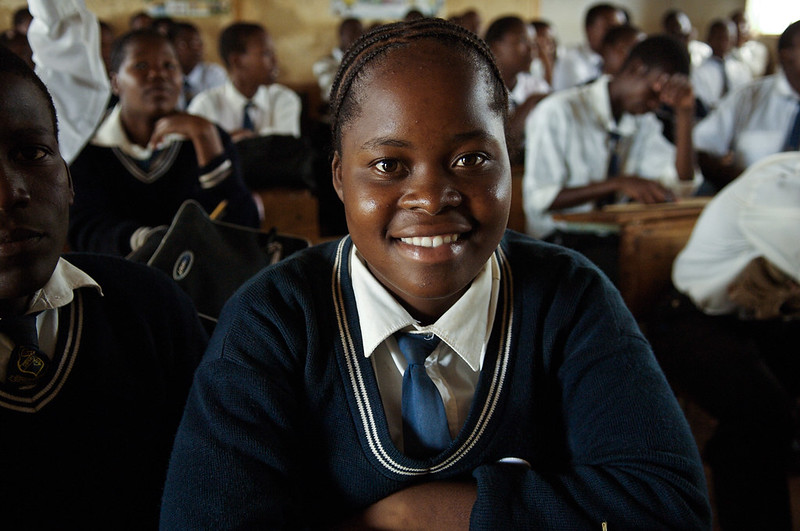 A recent United Nations International Children’s Emergency Fund (UNICEF) report highlights Zambia’s significant strides in expanding its education system. However, in the same report, the organization outlines that improvements to education quality have not kept pace in the same way. The country faces a teacher shortage, exacerbated by unequal teacher distribution. Improving teaching deployment in Zambia therefore seems to be of the utmost priority in ensuring an improvement in overall education quality.
The Government of Zambia has made the strengthening of recruitment and placement of teachers a key priority within the Ministry of Education (MoE). As such it has committed to the deployment of tens of thousands of new teachers across the country.
Key findings of the report
UNICEF outlines key findings during its analysis of the current education system of Zambia:
- Inequitable Distribution of Teachers. The inequitable distribution of teachers contributes to significant disparities in learning conditions and class sizes. The data concludes that larger class sizes are associated with a more negative performance for students at the Grade 7 level.
- Teachers Allocation. Teacher distribution across Zambia suffers both nationally and locally. While national data examines teacher allocation in large provinces, a closer look at individual districts reveals a more severe problem. Approximately one-quarter of all districts face significant teacher shortages, with pupil-to-teacher ratios reaching 80:1, double the MoE’s target. This disparity highlights the need for targeted interventions to balance teacher distribution and address educational inequalities.
- Gender-equitable education Access. Remote and rural schools experience severe teacher shortages, with an even more acute scarcity of female teachers. This shortage significantly impacts gender-equitable education access, as UNICEF emphasizes the crucial role of female educators in encouraging the enrollment, retention and education of girls.
- Pupil-to-teacher ratios (PTRs). Disparities in pupil-to-teacher ratios (PTRs) exacerbate inequities across different grades within schools, notably disadvantaging younger children. The report indicates that lower grades experience significantly higher PTRs compared to higher grades, undermining the quality of teaching for younger students. This disparity severely impacts the development of foundational learning skills at a critical stage in a child’s educational journey.
- Primary School Teaching Deployment. The Zambian government, recognizing the critical issue of primary school teacher deployment, has taken steps through the Ministry of Education to address it. In 2022, it allocated 30,496 additional teachers and committed to increasing this number in the coming years to meet educational needs.
Recommendations for Policymakers
UNICEF has also outlined some key recommendations for dealing with the problems associated with the key findings of its report:
- Localized Data. Use localized data in decision-making rather than broader data sourced from the provinces. This will in turn give a more realistic picture of the primary school teaching deployment in Zambia.
- Teacher Recruitment and Retention. Give greater priority to teacher recruitment and retention in rural Zambia. This can be done by strengthening financial incentives for prospective teachers as well as addressing the physical constraints of living a more remote life.
- Female Teachers. Address the lack of female teachers in rural areas by encouraging these teachers to move to remote areas by improving safety and security, difficulties in mobility as well as hygiene and sanitation needs. These measures may only be mitigated by additional investment in school infrastructure.
- Teacher Deployment. Prioritize teacher deployment in the earlier grades by providing policy guidance for the school leaders and incentivizing teachers to spend more time in these classes.
- Localized Teacher Transfers. Ensure that teacher transfers are localized to districts rather than across the country. This will ensure an equalized teaching standard for that district as well as reduce the risk of displacing teachers, increasing the likelihood of them staying at their assigned schools.
- Local Authorities. Decentralizing educational powers empowers local actors and community members to be heavily involved in local schooling. These people will have greater one-to-one knowledge of teachers, parents and children and can tailor their needs and preferences. This personalized experience will ensure much better on-the-ground decision-making when it comes to teacher transfers and compliance.
Looking Forward
The Zambian government estimates a need for more than 115,000 more teachers to serve primary-level students adequately. UNICEF hopes its report and recommendations will support the country’s efforts to meet this critical demand for teaching deployment in Zambia.
– Domenico Palermo
Photo: Flickr
